Monthly Archives: February 2014
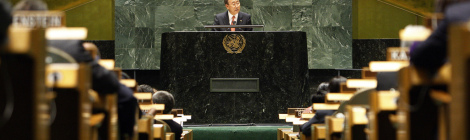
In piaffe: multilateral nuclear disarmament dialogue in the year of the horse
Shortly after the lunar New Year, UN Secretary-General Ban Ki-moon challenged the Conference on Disarmament to run with the ‘spirit of the blue horse’ towards substantive engagement on multilateral nuclear disarmament in 2014. While the regime may not achieve this speed, there are initiatives underway this year that may well help nuclear disarmament dialogues pick up speed ahead of the 2015 NPT review conference.

Britain’s Strategic Pause: Lessons from an insecure and interventionist century
After 100 years of continuous war, can Britain learn the limits of military action to respond to shifting realities of insecurity? Continued investment in force projection and lack of commitment to genuine reflection on today’s security challenges suggests it’s not yet ready to let go of its militarist mindset.
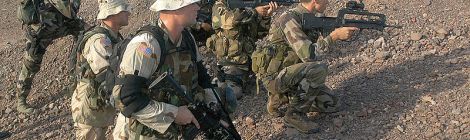
Beaux Gestes and Castles in the Sand: The Militarisation of the Sahara
Whatever the benefits for Mali, the French-led eviction of jihadist groups from northern Mali may have made the wider Sahara a less safe place, and has done little to lower the capacity of such groups to threaten European interests.. In 2014, France is implementing a major redeployment of its forces in Africa into the Sahel and Sahara. Meanwhile, the US has been quietly extending its military reach from Djibouti to Mauritania. However, as elsewhere, the western military approach to countering Islamist insurgency in the Sahel rests on very unsteady foundations and the potential to provoke wider alienation and radicalisation is strong.

Self-Defense? Mexico Gambles on Vigilante Security
A new alliance between the Mexican security forces and citizen ‘self-defence’ groups in Michoacán state has brought some short term success in the fight against the Knights Templar cartel. But what will be the long-term consequences of legitimizing heavily armed vigilante groups in Mexico?
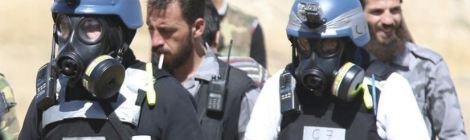
Chemical Weapons Use in Syria: a Test of the Norm
Recent events in the Syrian civil war have proved an unparalleled test of the norm against the use of chemical weapons. At its core this was a test of the willingness of countries to uphold the norm, in this case in the face of a flagrant violation, and a response that in the end stumbled upon a satisfactory conclusion—reaffirming the special category of chemical arms—but which in the process said a great deal about current attitudes to the use of military force as a means of humanitarian intervention.
Leave a Reply