Category: 2016

  • Sustainable Security

    Drone strikes have been a core strategy of the so-called global war on terror. But there have also been many questions raised surrounding the effectiveness, transparency, legitimacy, and ethics of their use.

    Technology has fundamentally altered not only how security is defined, but also how it is sustained and even enhanced.  Nowhere is this new reality more apparent than in the so-called “global war on terror,” where there is little agreement about counterterrorism tactics and strategy.  A core part of the so-called war on terror has been the utilization of drone technology.  In the context of warfare, the drone has at least three functions: surveillance, killing, and providing targeting for another weapons system. The significance of the new technology is not so much that drone operators must decide between surveillance and firing but that they can decide.  The drone often removes the need for indirect fire (where the shooter cannot see the target).  Under such circumstances, the use of drones is a significant advantage to the side employing them.

    Analysts point to several factors indicating why targeted killings by the United States (U.S.) are likely to increase in the foreseeable future. Drone strikes put fewer American lives at risk and provides a low-cost alternative to expensive and unwieldy conventional forces, especially given projected cuts in the defense budget and a dwindling public appetite for long wars.  The reasons for the shift to combat drones are obvious:  it lessens the burdens and responsibility on a state’s taxpayers, policymakers, and military.  But drones have drawbacks, too.

    From a broad perspective, the use of armed drones in response to terrorism may actually be counterproductive.  It has at times proved detrimental and terrifying, not just to the targeted individuals but to entire populations, killing innocent civilians and fueling resentment that has fed into terrorist recruitment and radicalization, intensifying the very terrorism that the drones are intended to combat. Those fears have been made ever more real by the surging number of casualties caused by targeting high-value terrorists in Pakistan, Yemen, Somalia, Iraq, Syria, and Afghanistan.  The debate over the proper use of drone strikes abroad remains far from settled and has raised many questions about their effectiveness, transparency, legitimacy, and the ethics surrounding their use.  These issues deserve more attention.

    Legal and Moral Issues

    A Reaper Remotely Piloted Air System (RPAS) comes into land at Kandahar Airbase in Helmand, Afghanistan. Breaking new ground for the RAF, the MQ-9 Reaper has become an invaluable asset in the fight against terrorism in Afghanistan. It is able to spend great lengths of time silently observing the enemy before using a range of precision munitions to defend coalition troops and civilians from danger. This image was a runner-up in the RAF 2011 Photographic Competititon. Photographer: Fg Off Owen Cheverton Image 45153241.jpg from www.defenceimages.mod.uk For latest news visit: www.mod.uk Follow us: www.facebook.com/defenceimages www.twitter.com/defenceimages

    Image by Defence Images/Flickr

    Despite frequent condemnation of the U.S. cross-border drone strikes as patently illegal, the legality question is not so straightforward because international law is not precise.  Even though the U.N. Charter explicitly prohibits states from employing “the threat or use of force against the territorial integrity or political independence of any state” (Article 2(4)), it provides two exceptions, recognizing an “inherent right of individual or collective self-defense if an armed attack occurs against a Member of the United Nations.” (Article 51).  The other exception relates to authorization by the Security Council (Articles 39, 41, 42).  Debate over the breadth of the self-defense exception dates back to the 1950s, focusing on the “inherent” nature of the right, what constitutes an “armed attack,” and when an armed attack “occurs.”  This is the essence of the current controversy over pre-emptive self-defense, which the United States invokes to justify preventing an attack by responding to it before it actually occurs.

    The International Court of Justice (ICJ) has generally treated self-defense as a narrow exception to the prohibition on force.  In the 1985 case of Nicaragua v. United States, for example, it held that to give rise to a right of self-defense, an attack must be a significant one.  The ICJ has also upheld the principles of necessity and proportionality, finding that self-defense is not permissible even against an armed attack if the self-defense is not necessary to accomplish the purpose of defense or if it is disproportionate in terms of civilian lives or property lost.  Perhaps the court’s most important finding is that the prohibition on the use of force and the limited self-defense exception have become a part of customary international law.

    As Rosa Brooks has argued,  ambiguity and vagueness in these core legal concepts of “self-defense” and “armed attack,” as well as related doctrines of “imminence,” “proportionality,” and “necessity,” permit the U.S. to make plausible arguments for legality, while allowing other states simultaneously to condemn the attacks as unlawful.  In the absence of a single overarching international authority and judicial system to declare who is right, the answer, if it ever arrives, will depend on the development of a consensus within the international community, which could take many years to build.

    It is not even clear that use of drones against suspected terrorists is governed by the law of armed conflict (LOAC) in the first place.  If these are more appropriately regarded as law enforcement actions, as some believe, then they should be governed by law-enforcement rules and limited by international human rights law.  The intentional targeting of suspected terrorists poses vexing questions surrounding the legal principle of ‘innocent until proven guilty.’  As a matter of U.S. constitutional law and criminal law, does the executive branch, acting through the military or the intelligence community, have the right to kill a suspected terrorist whose guilt has not been adjudicated in court?  Does it violate the right to life and the prohibition of arbitrary killing, protected by, among other things, Article 6(1) of the International Covenant on Civil and Political Rights?

    In U.S. law, a drone attack, like any other targeted killing, arguably, but not necessarily, violates a ban on assassination by U.S. personnel dating back to an executive order issued by President Gerald Ford in 1976. Until 1975, many high officials inside the U.S. government, including President Ford, did not know that the Central Intelligence Agency (CIA) had ever plotted to kill foreign leaders. All that changed, however, as a result of a series of exposes published in The New York Times by investigative journalist Seymour Hersh. In early 1976, following several disclosures, investigations and public revulsion, President Ford issued the executive order banning the assassinations.  The ban on assassination is still in effect in a later executive order promulgated by President Reagan.

    Another question is how those who employ armed drones can justify ‘collateral damage’ to innocent bystanders who become unintended victims.  The LOAC allows the targeting of enemy combatants and expressly prohibits targeting civilians, but so long as reasonable steps are taken to avoid collateral injuries, and the loss of civilian lives is proportional to the military advantage, the accidental killing of civilians is not a war crime.  But this does not mean that it is morally or politically justified.  More fundamentally, international law raises questions about the right of the U.S. to target individuals without the consent of the government on whose territory the killing occurs.  Does the UN Charter’s Article 2(4) prohibition on the use or threat of force against the territorial integrity or political independence of another state even allow such attacks?

    The U.S. has argued that the attacks are permissible because the targeted state is either unwilling or unable to police its own territory and prevent the targeted individuals from carrying out terrorist acts.  The 2005 ICJ case of Congo v. Uganda appears to weaken the U.S. argument, holding that Uganda’s military incursion into Congo to stop cross-border attacks by Congo-based insurgents was unlawful.  Most scholars and most states appear to adopt the ICJ’s broad understanding of the Article 2(4) prohibition on force and narrow understanding of Article 51’s self-defense exception.  Nevertheless, the debate continues.

    Both the Bush and the Obama administrations have argued that the United States should maintain its ability to use all of the tools in its arsenal, including armed drones, to prevent terrorist organizations and groups from attacking the U.S. homeland.  On September 17, 2001, President Bush signed an executive finding that authorized the CIA to “kill or capture al-Qaeda militants around the globe.”  While some officials within the Bush administration defended the drone strikes as consistent with and conforming to international law, others emphasized their effectiveness rather than their legality, arguing that the use of drones has given the U.S. a new dimension of capability that most other nations lack.  Still, others have added that some limits must be placed on drone strikes against U.S. citizens overseas—that is, Americans should not be targeted without prior approval by a military panel or a federal judge.

    On balance, the U.S. government continues to regard the drone program in Yemen, Somalia, Afghanistan, and the border regions of Pakistan as part of the ongoing U.S. war with al-Qaeda, which has been waged pursuant to the 2001 Authorization for the Use of Military Force by which Congress authorized the president to take military action against nations, organizations, or persons involved in the 9/11 attacks.  As long as the attacks are aimed at individuals associated with al-Qaeda and are for the purpose of preventing future acts of terrorism against the United States, they appear to fall within the scope of the authorization.  The U.S. government contends that international law permits the United States to use force against al-Qaeda and its affiliates in countries where there is an extant armed conflict to which al-Qaeda or its associates are party.  If the drone strikes are part of the war with al-Qaeda, the argument goes, the law of armed conflict applies. The Obama administration has taken the view that the law of armed conflict applies to drone strikes, whether they are part of the war or are used as a separate military strategy such as counterterrorism.

    The ethical and legal issues raised by the rapidly developing drone technology pale in comparison to those presented by the Pentagon’s development of new autonomous weapons systems.  These amount to fully independent robots, guided by artificial intelligence, which can decide on their own whom and when to kill.  These projects, to which the Defense Department has committed billions of research dollars, have prompted an intensifying debate among legal scholars and ethicists:   “Can a machine be trusted with lethal force?”  “Who is at fault if a robot attacks a hospital or a school?”  “Is being killed by a machine a greater violation of human dignity than if the fatal blow is delivered by a human?”  A Pentagon directive requires that autonomous weapons use “appropriate levels of human judgment.”  Scientists and human rights experts have argued that the standard is far too broad, insisting that such weapons be subject to diligent application and “meaningful human control.”

     Transparency and effectiveness
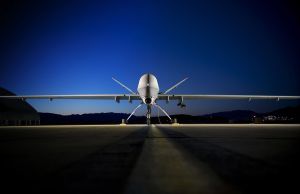
    reaper

    Reaper Drone image by Wikimedia Commons.

    Critics have argued that the U.S. drone program lacks transparency and is largely unknown to the general public and most government officials, including most members of Congress.  There is also little doubt that innocent civilians are dying in drone attacks. Some studies have demonstrated the disconnect between public statements and what researchers have discovered about civilian casualties from U.S. drone strikes. White House counterterrorism advisor John Brennan has often attributed “surgical precision” and “laser-like focus” to the drone program.  Critics argue that stressing the notion of surgical precision in the face of many civilian casualties caused by such attacks is downright misleading.  In some cases, the CIA may not even have known the identity of the people it has killed.  The presumption that all military-age males killed in drone strikes have been “militants” cannot withstand strict scrutiny.

    Several organizations or publications have informed the public debate on civilian deaths from drone strikes.  These include, among others, the New America Foundation (NAF), the Long War Journal (LWJ), the Bureau of Investigative Journalism (BIJ), the Columbia Law School Human Rights Clinic (CHRC), the International Human Rights and Conflict Resolution Clinic at Stanford Law School, and the Global Justice Clinic at the NYU School of Law, which have conducted an investigation into several aspects of the U.S. targeted killing program in Pakistan and have provided a detailed narrative about the law and the policy behind it.

    Despite Brennan’s and the CIA’s denials of unintended civilian deaths, the Bureau of Investigative Journalism in London has reported that 371 drone strikes in Pakistan killed between 2,564 and 3,567 people between 2004 and the first half of 2013.  Between 411 and 890 (12%-35% of the total) were civilians.  Fewer than one-quarter of those killed in drone strikes in Pakistan have been civilians. As of August 2016, President Obama has authorized and confirmed 506 drone strikes, killing an estimated 3,040 military combatants and 391 civilians.

    The lack of government transparency on drone strikes raises serious questions about their effectiveness and accuracy.  If the drone attacks are to be effectively utilized, critics argue, they have to be used for short-term interventions with the intention of using them rarely, selectively, transparently, and only against those who can realistically target the United States.  Absent a realistic threat against the U.S., it is difficult to justify a killing as self-defense and thus permissible under Article 51.  Otherwise it is arguably just an extrajudicial killing of an un-convicted, often unindicted, criminal suspect as well as a violation of the U.N. Charter’s prohibition on the use of force.

     Managing Risks or Seeking Long-Term Solutions

    It is time to think outside the box in which the states fighting terrorism have locked themselves, and to make the case for why the U.N. and other development organizations should be empowered and encouraged to support civic engagement, societal improvement, and low-level civil society rebuilding as a means to battle the unrest and despair that fuels terrorism.  One expert reminds us that drone strikes and the arrest of key leaders can be effective against smaller and more traditional terrorist groups, but not against most radicalized and jihadist groups.  Paradoxically, some U.S. allies, such as Pakistan, who often cooperate with Washington, provoke terrorist activities by their very authoritarian policies and practices.  The U.S. needs as many allies as possible in its military counterterrorism efforts, but some of those allies are likely to prove as problematic as drone strikes in the broader effort to prevent and contain terrorism by winning over the hearts and minds of the people.

    Mahmood Monshipouri, PhD, University of Georgia, is a professor of international relations at San Francisco State University and he is also a visiting professor at UC-Berkeley, teaching Middle Eastern Politics, and editor, most recently, of Information Politics, Protests, and Human Rights in the Digital Age (New York: Cambridge University Press, 2016).

    William V. Dunlap, MPhil, University of Cambridge; JD, Yale University, is a professor of law at the Quinnipiac University School of Law. He teaches constitutional, criminal, national security, counterterrorism, and international law. He is a former associate dean for faculty research and a former associate dean for academic affairs. He has served as chair of the Section on International Law, the Section on Admiralty and Maritime Law, and the Section 3on Internation
  • Sustainable Security

    Many have argued that civil wars are more likely to occur along religious divisions. But evidence indicates that intrastate conflict is actually more likely within linguistic dyads than among religious ones.

    In the 1990s Samuel Huntington argued that conflict across civilizational or religious lines would replace the ideological divisions that had defined political struggles during the Cold War period. Opining that Islam has ‘bloody borders’, he believed that conflicts would be particularly prevalent between ‘Muslims’ and ‘non-Muslims’. This led Huntington to further suggest that a future clash between ‘Islamic civilization’ and the West might occur.

    Since September 11th 2001 and the subsequent proclamation of the “War on Terror,” Huntington’s thesis has gained widespread attention among political leaders and citizens around the world. In 2014, for example, Tony Blair asserted that “religious difference will fuel this century’s battles.” During the 2016 US presidential campaign, President-elect Donald Trump seemingly subscribed to Huntington’s ideas when calling for “a total and complete shutdown of Muslims” entering the country to prevent violent attacks on US citizens.

    Whereas many social scientists would agree that ideological conflict between communism and capitalism, both between and within states, has declined since the end of the Cold War, no agreement exists about what, if anything, replaced ideology. Most scholars who study internal conflict or civil war would not distinguish between linguistic, religious, and racial markers but rather classify these categories as part of the larger concept of ethnicity. Yet some conflict researchers follow Huntington and identify religious differences as particularly conflict-prone. In doing so, important alternatives such as ethno-nationalist mobilization based on linguistic identities often receive too little attention.

    Are internal conflicts mostly about religion or language?

    azaz_syria

    Image by Christiaan Triebert/Flickr.

    In a study that is forthcoming in the Journal of Conflict Resolution, I and my co-authors Lars-Erik Cederman (ETH Zürich) and Manuel Vogt (Princeton University) conduct such a comparison. We analyse the probability of internal armed conflict between linguistically and religiously distinctive groups between 1946 and 2009.

    Contrary to Huntington’s thesis, linguistic differences show a strong and robust relationship with the outbreak of intrastate conflicts. In fact, we find that linguistic divisions are more conflict-prone than religious differences.

    These findings continue to hold when we focus only on the years since 1990 – the period to which Huntington’s thesis should be the most relevant. Our results further suggest that in no world region are religious differences more likely to be associated with internal armed conflict than linguistic divisions. We find the strongest support for a greater conflict-proneness of language compared to religion in Eastern Europe and Asia.

    Even in the Middle East, we find a slightly higher, if uncertain, probability of armed conflict across linguistic than religious lines. The Middle Eastern finding at least in part results from multiple Kurdish rebellions in Turkey, Iraq, and more recently Syria as well as smaller uprisings of linguistic minorities in Iran.

    When focusing only on conflicts that involve Muslim groups, we do not find substantial differences to other world religions. Although the majority of all armed internal conflicts today take place within Muslim-majority states, the majority of Muslim groups do not engage in violent rebellion. Our analyses also reject the thesis that Muslim groups disproportionately engage in conflict with non-Muslim groups.

    Why Linguistic Differences?

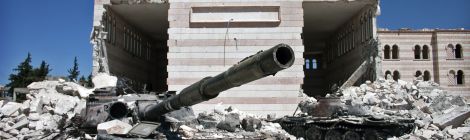
    Instead linguistic differences continue to be more frequently related to armed uprisings within states. While the brutal civil war in Syria captured headlines over the past years in many Western countries, destructive conflicts across linguistic lines haunt South Sudan, Burma, and Turkey.

    Of course, linguistic differences are more widespread than religious divisions. In other words, ethnic groups in any given country are more likely to be divided by language than by religion. Notwithstanding these differences in frequency, our results indicate that linguistic divisions are disproportionately more often related to armed conflict than religious distinctions.

    In our forthcoming article, we argue that it is the power of nationalism that makes linguistic divisions more conflict-prone than religious ones. Language gained political relevance in the late 18th century when the French Revolution transferred political authority from absolutist rulers to the people. About the same time that political power became vested in European peoples, the industrial revolution created incentives to further homogenize European nation-states. Mass schooling and mass newspapers laid the basis for imagined national communities.

    These developments provided both motive and opportunity for violent conflict across linguistic boundaries. Where members of ethnic groups are barred from having their children taught in their native language or experience linguistic discrimination in the job market and their interaction with the state, some of them will voluntarily assimilate into the dominant culture, but others develop grievances and may even refuse assimilation.

    The elites of such discriminated groups can voice these grievances through publications in their own language and use it to express nationalist aspirations and demands. When the host state is unable or unwilling to address these demands, violent conflict becomes more likely. These dynamics are illustrated by Sri Lanka’s decades-long civil war between Singhalese and Tamils, and recurrent Kurdish rebellions in Turkey.

    Given the link between industrial advancement and language-based nationalism it is unsurprising that we find higher rates of linguistic conflict in the relatively highly developed regions of Eastern Europe and Asia rather than in Sub-Saharan Africa. Central and Eastern Europe may even be considered as the cradle of linguistically-based nationalism.

    The multi-ethnic Austro-Hungarian and Ottoman empires did not fulfil the modern creed of “one people, one state,” and violently disintegrated during World War I. The Soviet Union and Yugoslavia followed suit in the early 1990s. To this day, Turkey has not come to terms with its Kurdish minority, and once more experiences internal conflict.

    Yet the idea of nationalism did not remain contained to Europe. A highly flexible concept, it informed the national liberation struggles of former colonial subjects against the European colonial powers. The lines of division here were usually race and language rather than religion. For decades, the Israeli-Palestinian conflict was a conflict between Hebrew-speakers of European origin and Arab speakers, who had lived in Palestine for centuries. Only in the past two decades has it taken on more religious undertones.

    Policy Solutions?

    Linguistic and religious differences will remain with us for the foreseeable future. However, very few of these fault lines can be expected to erupt in violent conflict. Whether linguistic differences transform into seemingly incompatible nationalist projects, or whether religious divisions into ostensibly intractable positions, depends on how political leaders from different groups interact with one another.

    Frequently armed rebellion emerges in politically highly exclusive and discriminatory contexts. Where political leaders with specific linguistic or religious backgrounds are barred from decision-making that affects their groups, conflict is more likely to break out than in states where they have some influence in government circles. Exclusion along ethnic lines creates clear insiders and outsiders, fosters grievances among the excluded, and suggests that there is “no other way out” but violent resistance. Zimbabwe, both under Smith and Mugabe, Iraq under Saddam Hussein, and Burma to the present day are examples of ethnically exclusionary regimes. Each of these states also experienced violent rebellion by excluded groups.

    In another joint study published in “Peace and Conflict 2016”, we show that excluding political elites with different linguistic or religious backgrounds from governmental power is pervasive in the Middle East and North Africa. So is political discrimination that denies the Palestinians in Gaza citizenship rights, keeps the Shia from voting in Qatar, or persecutes Kurds for political reasons in Turkey.

    ethnic-conflict-graph

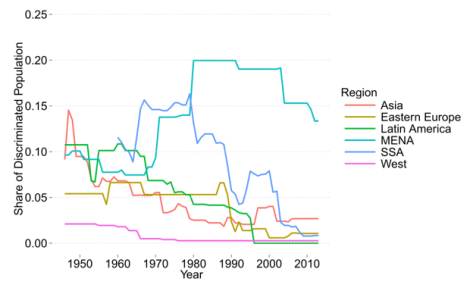
    Figure 1 displays the average population share that experiences discrimination for different world regions and years. The data derives from the Ethnic Power Relations (EPR) dataset available at https://growup.ethz.ch/pfe.

    Figure 1 reveals that ethnic discrimination remains staggeringly high in the Middle East although the region has experienced some improvements over the past twenty years. That religious differences in the Middle East erupt into violent conflict may be less of a surprise once this context is taken into account.

    Our research thus suggests that avoiding ethnic exclusion and discrimination through power-sharing in multi-ethnic governmental coalitions will reduce the likelihood of armed conflict across both linguistic and religious lines. Elite accommodation in power-sharing coalitions has contributed to greater stability in such diverse places as Bosnia, Nigeria, Burundi, and Malaysia regardless of the type of ethnic differences. Although no panacea, power-sharing is associated with a substantial decrease in the likelihood of internal armed conflicts compared to exclusive environments.

    While there has been a trend towards ethnic accommodation since the end of the Cold War, we do not know enough about its origin. Future research needs to investigate the causes of accommodation in greater detail and pay particular attention to appropriate solutions for violent conflict across linguistic lines relative to religious differences.


    Nils-Christian Bormann is lecturer and Humanities and Social Science Fellow in the Politics Department at the University of Exeter.

    Manuel Vogt is a visiting postdoctoral research associate at Princeton University and senior researcher at ETH Zürich.

    Lars-Erik Cederman is Professor of International Conflict Research at ETH Zürich and the author of Inequality, Grievances, and Civil War (Cambridge University Press, 2013).

  • Sustainable Security

    RC_long_logo_small_4webThis article is part of the Remote Control Warfare series, a collaboration with Remote Control, a project of the Network for Social Change hosted by Oxford Research Group.
    Editor’s note: Remote Warfare and the War on Drugs mini-series: This series of articles explores how remote warfare is being used in the war on drugs. To date, much of the debate on remote warfare has focused on its use in the war on terror. However, the use of drones, private military and security companies (PMSCs), special forces and mass surveillance are all emerging trends found in the US’s other long standing war, the War on Drugs. The articles in this series seek to explore these methods in more depth, looking at what impact and long term consequences they may have on the theatre in which they’re being used. Read other articles in the series.

    Ever advancing remote warfare technology is being increasingly used by law enforcement agencies to counter drug trafficking. In response, drug cartels are also adopting new technology to smuggle and distribute drugs. However, the technological superiority of law enforcement-military actors is also causing criminal and militant groups to adapt by employing the very opposite tactic, by resorting to highly primitive technology and methods. In turn, society is doing the same thing, adopting its own back-to-the-past response to drug trafficking and crime.

    The history of drug trafficking and crime more broadly is a history of adaptation on the part of criminal groups in response to advances in methods and technology on the part of law enforcement agencies, and vice versa. Sometimes, technology trumps crime: The spread of anti-theft devices in cars radically reduced car theft. The adoption of citadels (essentially saferooms) aboard ships, combined with intense naval patrolling, radically reduced the incidence of piracy off Somalia. Often, however, certainly in the case of many transactional crimes such as drug trafficking, law enforcement efforts have tended to weed out the least competent traffickers, and to leave behind the toughest, meanest, leanest, and most adaptable organized crime groups.

    Increasingly, organized crime actors have adopted advanced technologies, such as semi-submersible and fully-submersible vehicles to carry drugs and other contraband, and cybercrime and virtual currencies for money-laundering. Adaptations in the technology of smuggling by criminal groups in turn lead to further evolution and improvement of methods by law enforcement agencies. However, the use of ever fancier-technology is only a part of the story. The future lies as much behind as ahead (to paraphrase J.P. Wodehouse), with the asymmetric use of primitive technologies and methods by criminal groups to counter the advanced technologies used by law enforcement.

    The Seduction of SIGINT and HVT

    The improvements in signal intelligence (SIGINT) (information gained by the collection and analysis of the electronic signals and communications of a given target) and big-data mining (the extracting of useful information from large datasets or streams of data) over the past two decades have dramatically increased tactical intelligence flows to law enforcement agencies and military actors, creating a more transparent anti-crime, anti-terrorism, and counterinsurgency battlefield than before. The bonanza of communications intercepts of targeted criminals and militants that SIGINT has come to provide over the past decades in Colombia, Mexico, Iraq, Pakistan, Afghanistan, and other parts of the world has also strongly privileged high-value targeting (HVT) and decapitation policies-i.e., principally targeting the presumed leaders of criminal and militant organizations.

    JJprogects

    Artwork of drone warfare by JJprojegts.

    The proliferation of SIGINT and advances in big-data trawling, combined with some highly visible successes of HVT, has come with significant downsides. Although high-value targeting has been effective, this has only occurred under certain circumstances. In many contexts, such as in Mexico, HVT has been counterproductive, fragmenting criminal groups without reducing their proclivity to violence; in fact, exacerbating violence in the market. Other interdiction (the targeting of opponent’s organizational structures or disrupting their logistical chains) patterns and postures, such as middle-level targeting and focused-deterrence, would be more effective policy choices.

    A large part of the problem is that the allure of signal intelligence has led to the discounting of other key intelligence techniques, including developing a strategic understanding of criminal groups’ decision-making in order to anticipate the responses of targeted nonstate actors to law enforcement actions (here Mexico provides a disturbing example). It also requires the cultivation of human intelligence assets (sorely lacking in Somalia, for example) and obtaining a broad and comprehensive understanding of the motivations and interests of local populations that interact with criminal and insurgent groups (notably deficient in Iraq, Afghanistan, and Pakistan). Finally, establishing good relationships with local populations to advance anti-crime and counterinsurgency policies is essential. In Colombia, for example, drug eradication policy antagonized local populations from national government and strengthened the bonds between them and rebel groups.

    In other words, the tactical tool, technology – in the form of signal intelligence and big-data mining – has trumped strategic analysis. Instead, strategic intelligence analysis needs to be brought back, to drive interdiction targeting patterns, instead of letting the seduction of signal data drive intelligence, analysis and targeting action. Indeed, the political effects, as well as the anticipated responses by criminal and militant groups, and any other outcomes of targeting patterns, need to be incorporated into the strategic analysis. Questions to be assessed need to include: Can interdiction hope to incapacitate – arrest and kill – all of the enemy or should it seek to shape the enemy? What kind of criminals and militants, such as how fractured or unified, how radicalized or restrained in their ambitions, and how closely aligned with local populations against the state, does interdiction want to produce?

    Dogs Fights or Drone Fights: Remote Lethal Action by Criminals

    Criminal groups have used technology not merely to foil law enforcement actions, but also to fight each other and dominate the criminal markets and control local populations. In response to the so-called Pacification (UPP) policy in Rio de Janeiro through which the Rio government has sought to wrestle control over slums from violent criminal gangs, the Comando Vermelho (one of such gangs), for example, claimed to deploy remote-sensor cameras in the Complexo do Alemão slum to identify police collaborators, defined as those who went into newly-established police stations. Whether this specific threat was credible or not, the UPP police units have struggled to establish a good working relationship with the locals in Alemão.

    The new radical remote-warfare development on the horizon is for criminal groups to start using drones and other remote platforms not merely to smuggle and distribute contraband, as they are starting to do already, but to deliver lethal action against their enemies – whether government officials, law enforcement forces, or rival crime groups.

    Eventually, both law enforcement and rival groups will develop defenses against such remote lethal action, perhaps also employing remote platforms (drones to attack the drones). Even so, the proliferation of lethal remote warfare capabilities among criminal groups will undermine deterrence, including deterrence among criminal groups themselves over the division of the criminal market and its turfs. This is because remotely delivered hits will complicate the attribution problem – i.e., who authorized the lethal action — and hence the certainty of sufficiently painful retaliation against the source and thus a stable equilibrium.

    More than before, criminal groups will be tempted to instigate wars over the criminal market with the hope that they will emerge as the most powerful criminal actors and able to exercise even greater power over the criminal market – the way the Sinaloa Cartel has attempted to do in Mexico even without the use of fancy technology. Stabilizing a highly violent and contested – dysfunctional – criminal market will become all the more difficult the more remote lethal platforms have proliferated among criminal groups.

    Back to the Past: The Ewoks of Crime and Anti-Crime

    In addition to adopting ever-advancing technologies, criminal and militant groups also adapt to the technological superiority of law enforcement-military actors by the very opposite tactic — resorting asymmetrically to highly primitive deception and smuggling measures. Thus, both militant and criminal groups have adapted to signal intelligence not just by using better encryption, but also by not using cell phones and electronic communications at all, relying instead on personal couriers, for example, or by flooding the e-waves with a lot of white noise. Similarly, in addition to loading drugs on drones, airplanes, and submersibles, drug trafficking groups are going back to very old-methods such as smuggling by boats (including through the Gulf of Mexico), by human couriers, or through tunnels.

    Conversely, society sometimes adapts to the presence of criminal groups and intense, particularly highly violent criminality by adopting its own back-to-the-past response – i.e., by standing up militias (which in a developed state should have been supplanted by state law enforcement forces). The rise of anti-crime militias in Mexico, in places such as Michoacán and Guerrero, provides a rich example of such populist responses and the profound collapse of official law enforcement. The inability of law enforcement there to stop violent criminality – and in fact, the inadvertent exacerbation of violence by criminal groups as a result of HVT – and the distrust of citizens toward highly corrupt law enforcement agencies and state administrations led to the emergence of citizens’ anti-crime militias. The militias originally sought to fight extortion, robberies, theft, kidnapping, and homicides by criminal groups and provide public safety to communities. Rapidly, however, most of the militias resorted to the very same criminal behavior they purported to fight – including extortion, kidnapping, robberies, and homicides. The militias were also appropriated by criminal groups themselves: the criminal groups stood up their own militias claiming to fight crime, where in fact, they were merely fighting the rival criminals. Just as when external or internal military forces resort to using extralegal militias, citizens’ militias fundamentally weaken the rule of law and the authority and legitimacy of the state. They may be the ewoks’ response to the crime empire, but they represent a dangerous and slippery slope to greater breakdown of order.

    In short, technology, including remote warfare, and innovations in smuggling and enforcement methods are malleable and can be appropriated by both criminal and militant groups as well as law enforcement actors. Often, however, such adoption and adaptation produces outcomes that neither criminal groups nor law enforcement actors have anticipated and can fully control. Technology cannot fix defecting anti-crime and anti-drug policies, such as preoccupation with drug seizures , or absent rule of law and culture of lawfulness. Advances in technology do not obviate the need to strengthen bonds between citizens and the state and to create law enforcement and socio-economic conditions which allow citizens to internalize laws. Nonetheless, crime and some illegal economies will always persist and law enforcements and criminals will compete with each other in adopting improving technologies and finding measures to counter them, including most primitive but effective ones. The criminal landscape and military battlefields will thus increasingly resemble the Star Wars moon of Endor: drone and remote platforms battling it out with sticks, stones, and ropes.

    Dr. Vanda Felbab-Brown is a senior fellow in Foreign Policy at the Brookings Institution and co-director of the Brookings projects on Improving Global Drug Policy: Comparative Perspectives and UNGASS 2016 and Reconstituting Local Orders. Dr. Felbab-Brown is an expert on illicit economies and organized crime and international and internal conflicts and their management, including counterinsurgency and statebuilding. Her research focuses particularly on South Asia, Burma, the Andean region, Mexico, and Somalia, and she has conducted fieldwork in some of the most dangerous parts of the world. Dr. Felbab-Brown has an extensive publication list of books, policy reports, academic articles, and opinion pieces, including Poached: Combating Wildlife Trafficking, with Lessons from the War on Drugs (forthcoming 2016); Narco Noir: Mexico’s Cartels, Cops, and Corruption (forthcoming 2016); Aspiration and Ambivalence: Strategies and Realities of Counterinsurgency and State-building in Afghanistan (2013); and Shooting Up: Counterinsurgency and the War on Drugs (2010). Dr. Felbab-Brown is a frequent consultant for national, multilateral, and non-governmental organizations and a frequent commentator in U.S. and international media. She also regularly provides expert testimony to the US Congress. Prior to joining the Brookings Institution, Dr. Felbab-Brown was an Assistant Professor at the Georgetown University School for Foreign Service. She received her PhD in political science from MIT and her BA from Harvard University.

  • Sustainable Security

    Several diplomatic efforts have been made both domestically and internationally to enhance peaceful unity since the start of the Cyprus Problem. Despite the shortcomings of past efforts, it is still desirable not only to resolve the issue, but also to do so in a timely manner.

    The Cyprus Problem

    Cyprus, the third largest island in the Mediterranean Sea, is home to 1.1 million and has a tempestuous history involving many actors ranging from different empires and nations of the past to regional and global actors of today, including the UN, EU and NATO. As George Christou highlights, the history of Cyprus “has been characterised by tension and conflict due to the diametrically opposed interests of Greece and the Greek-Cypriots on the one hand, and Turkey and the Turkish-Cypriots on the other”. If we add the colonial heritage, proximity to the Suez Canal and interests of Great Britain, remnants of Cold War paranoia that the island was to become a Russian satellite or a ‘Cuba in the Mediterranean’, the British Sovereign Base Areas that host one of the biggest intelligence infrastructures in the region and the close links between the Greek and Russian Orthodox churches to the equation, the protracted conflict on the island starts looking multi-layered, multi-factored and multi-faceted.

    The United Nations Buffer Zone, also known as the Green Line, a demilitarised zone patrolled by the United Nations Peacekeeping Force in Nicosia,  Cyprus. Image credit: Marco Fieber/Flickr.

    Historically, the Cyprus conflict is usually boiled down to competing ethno-nationalisms between Turkish-Cypriot and Greek-Cypriot communities; it is usually read in tandem with the ‘motherland’ nationalism in Turkey and Greece, is entrenched in the 1960s constitution along consociational lines and traced back to the decolonisation period in the 1950s. At one time or another, both communities in Cyprus have linked their destinies to those of their ethnic kin, to that of the large-group outside the island. Due to the pursuit of mutually exclusive destinies, Cyprus suffered from inter-communal violence from late 1950s until its decolonisation and independence in 1960. However, the newly founded Republic of Cyprus was only ephemeral, and inter-communal conflict erupted once again only after 3 years in 1963. Since 1964, the island hosts one of the longest-standing peacekeeping missions – The United Nations Peacekeeping Force in Cyprus (UNFICYP). The next 50 years witnessed a long and frustrating process of inter-communal talks and several UN settlement plans, turning the island into a ‘graveyard of diplomats’. As a result, the communities, who were psychologically divided under the new federation, would soon become physically and demographically divided. As such, following the Turkish intervention in response to the Greek coup on the island in 1974, Cyprus has effectively been divided in two, with Greek-Cypriots living in the southern part under the legally recognised Republic of Cyprus (RoC) and Turkish-Cypriots living in the northern part under the unrecognised, self-declared, administration called the ‘Turkish Republic of Northern Cyprus’ (TRNC).

    Despite the cease-fire and the protracted conflict, Cyprus is a safe place. This safety may be a common characteristic of small communities where social control is prevalent because of close familial and social relationships, but Cypriots are generally and unarguably non-violent people, demonstrated by low crime rates. In spite of the daily frustrations of the conflict, and its economic, social and political cost to Cypriots, it is hard to deny that the situation is ‘comfortable’ and ‘normalised’. Not only does Cyprus remain a popular holiday destination for many Europeans, but it officially became an EU member state with all its ‘anomalies’ in 2004. At times, Cyprus markets itself as the home for the last divided capital of Europe—at other times, as the furthest Eastern corner of Europe that offers pristine and exotic beaches—or as the multi-cultural holiday resort that is simultaneously European, Middle-Eastern and Mediterranean.

    The Cyprus Problem operates on local, regional and international levels. The local entails the relationship between the two ‘ethnically’ categorised communities. Owing to Turkey and Greece’s involvement since its early stages, the conflict has also had a distinct regional dimension for many years. This regional dimension is also the product of islands geography as a bridge between 3 continents and due to the history and demographics of the region. At the international level, the problem has preoccupied the UN since 1964 and involved NATO, the United States and since 2004, the EU became more directly embroiled when Cyprus acceded the Union without a peace settlement.

    Solving the Problem

    Numerous diplomatic efforts have been made both domestically and internationally to enhance different forms of peaceful unity since the conception of the Cyprus Problem. Over the decades, myriad negotiations and peace-talks have also begun and have been later halted, fast-tracked, and revisited. Nevertheless, it is still imperative to find a comprehensive solution to the Cyprus Problem.

    Such a solution, which would also advance the wider cause of peacebuilding and reconciliation, is crucial for several main reasons:

    • The prolongation of the conflict presents a myriad of human rights violations for the communities of Cyprus. While the RoC enjoys full EU membership, Turkish-Cypriots—who are also EU citizens—live in the northern part of Cyprus where the RoC does not exercise effective control and where the Acquis Communautaire is suspended. The Acquis Communautaireis the accumulated body of European Union (EU) law and obligations from 1958 to the present day. It comprises all the EU’s treaties and laws (directives, regulations and decisions), declarations and resolutions, international agreements and the judgments of the Court of Justice. The unrecognised status of the northern administration also amounts to a violation of the human rights of those Greek-Cypriots who became internally displaced people during 1974 and had lost access to their properties. As such, Cyprus is an explicit case of legality and politics persistently challenging each other, a situation which creates inherent contradictions for the EU project.
    • The accession of the RoC to the EU without the inclusion of the Turkish-Cypriots also presents a significant challenge for EU governance across a diverse range of issues, including the EU objective of achieving stability in the eastern Mediterranean. The EU accession also creates a state of exception that galvanises Cyprus’ ‘special status’ that is in reality not that special. As Harry Anastasiou eloquently puts it, Cyprus was “… the first EU member country that was ethnically divided; that was represented at EU level exclusively by members of one of the rival ethnic communities; that was partially occupied by the military forces of an EU candidate state; that had the institutional means to apply the Acquis Communautaire in one part of its territory but not in another; that had a cease-fire line and a buffer zone manned by UN peacekeepers; and that had one portion of its citizens deprived of the right to their property and residence and another portion of its citizens deprived of the right of access to and participation in the EU economy and EU political institutions. Moreover, Cyprus was the only EU member where its major ethnic communities recognise the EU law while simultaneously rejecting each other’s law; where its major ethnic communities accept the legitimacy of the EU while rejecting each other’s legitimacy within their own shared island”.
    • The ramifications of the conflict on the NATO–EU relationship and European energy policy is disconcerting due to newly discovered natural gas resources in Cyprus, competing claims over these resources and the fact that Turkey’s geographical location makes it an important corridor- particularly for gas and oil for the EU. When we look at regional alliances and hydrocarbon interests, we can see a highly intricate web of relationships. These include the hyper-securitisation, where threats are constructed and legitimised through security speech acts, of Turkey in the RoC, the latter’s close links with Russia and Greece, Turkey’s significance for NATO, and the fact that Russia and Cyprus are not part of the alliance. Such dynamics clearly add further tension to Turkey-EU, EU-Russia and Russia-Turkey relations, and create further instability in the region. Thus, solving the Cyprus problem can ease tensions in the region and positively influence the regional dynamics particularly those about regional energy policies.
    • Even though the intentions of Turkey’s Justice and Development Party (AKP) regarding full EU membership are highly questionable, non-resolution of the Cyprus Problem presents an obstacle for Turkey’s EU accession as well as being a persistent and bitter thorn in Turkey–EU relations. Solving the Cyprus Problem may also help normalise Turkey’s relationship with its neighbours. Considering the deteriorating diplomatic relationships between Turkey and the ‘West’, deep polarisation among different groups in Turkey, crumbling economy and intra-state violence, conflict and terrorism, Cyprus can help relieve much pressure off Turkey and restore its diplomatic stance.
    • Considering Cyprus’ geographical proximity to Syria and Iraq and to the Middle East and North Africa, it could be argued that the instability in the region (including Turkey)—and the subsequent ‘refugee’ crisis—are factors that add to the urgency of finding a comprehensive solution to the protracted conflict. The Cyprus Problem is a non-violent, ‘normalised’, and ‘comfortable’ conflict (see Adamides and Constantinou 2011), thus the regional dynamics can help cultivate a sense of urgency for reaching a comprehensive solution, which may contribute to eventual increased stability in the region, as it would not only ‘reconcile’ Greek-Cypriots and Turkish-Cypriots but ease much pressure off Turkey, Greece and the EU as well.

    What’s more, it is not only pertinent to solve the Cyprus Problem, but to do so in a timely manner too. In 2004, Cypriots came close to finding a solution to their intractable problem. A comprehensive settlement plan (a.k.a The Annan Plan) on a bi-zonal bi-communal federal state with single citizenship was accepted by the Turkish-Cypriot community but rejected by the Greek-Cypriot community in a simultaneous referenda in April 2004. Following the disappointment of the peace referenda, Cypriots became disengaged from the peace process, which was further exacerbated by the global economic crisis. Following the financial crises that hit the RoC in 2012, the economic concerns of communities have gradually pushed the Cyprus Problem behind other concerns and priorities, specifically unemployment, inflation and increasing crime rates.

    The peace negotiations resumed in 2008 but failed again in 2011. After independent left-wing Turkish Cypriot presidential candidate Mustafa Akıncı assumed office in the northern part of Cyprus in April 2015, hopes were revitalised. Known for his pro-solution and Turkey-defying stance and surprisingly clean political slate, many accounts argue that the centre-right Nicos Anastasiades, who has been the President of Republic of Cyprus since 2013 from the only party that supported the Annan Plan, and Akıncı duo has created a very favourable environment and that the stars are perfectly aligned this time, bringing the island closer than ever to reaching a comprehensive settlement. This gave birth to increasing public engagement in the peace process, which contributed to the ‘favourable’ environment by supporting and legitimising the mandate of the negotiation teams and creating a more convincing and prosperous ‘vision’ for the future of Cyprus without ‘the Problem’.

    Unfortunately however, this trend was showing signs of reversal. Following the Geneva summit disappointment, lack of convergence on the security dossier of the negotiations is reproducing sense of insecurity and triggering historic traumas, which underpins highly polarised internal narratives based on zero-sum discourse. Especially after the parliamentary Enosis commemoration vote in the RoC and Turkey’s four freedoms demand in Cyprus, the ‘peace fatigue’ is starting to set in once again. Frustration over lack of progress and impetus showing itself in low hope: While 53% of Greek Cypriots and 48% of Turkish Cypriots wish for the peace process to succeed, 43% and 50% respectively express no hope that the peace process will produce results. As the new security architecture proposal of SeeD Security Dialogue Initiative provides a four-step road map to break the current deadlock:

    Step 1: Shift the focus away from hard security and guarantees that only emphasize on last resort, deterrence and worse case scenarios to soft security and preventative measures that emphasize on sustainability and viability, by broadening the concept to include human security, economic, social and ontological security. The underlying objective should be to achieve an endogenously resilient Federal Cyprus that relies on its own institutions to guarantee the security of its citizens.

    Step 2: Acknowledge that a transitional period will be required before Federal Cyprus can be endogenously resilient and secure, where special arrangements and external support will be necessary to build the capacity of Cypriot institutions and provide a sense of security to all citizens and communities. Focus on benchmarks and performance indicators that can ensure a smooth implementation period.

    Step 3: Negotiate and agree those aspects of transitional arrangements that are less controversial (e.g. timelines for implementation of the settlement, what support will be provided by an international mission) in order to prevent deadlock, increase points of convergence and reinforce hope and public engagement in the process before negotiating those aspects of transitional arrangements that are more controversial (e.g. ‘last resort’ provisions, role of historic guarantors).

    Step 4: Enshrine all agreements and steps in a Treaty of Implementation, which will outline a robust bridge from the current status quo, to the ultimate vision of an endogenously resilient Federal Cyprus.

    What is needed to revitalise the peace process in Cyprus is innovation and reflection both on the process and on the content. Specifically relating to the security dossier, we need a different approach that broadens the concept of security beyond the realpolitik regional bargaining and beyond the narrow understanding that talking about the security of a federal Cyprus is talking about military arrangements and guarantees. It is crucial to capitalise on these proposals and regional dynamics and add a success story to the world’s peacemaking and peacebuilding record.

    İlke Dağlı, a Senior Researcher for the international think-tank SeeD (The Center for Sustainable Peace and Democratic Development), completed her PhD in Politics and International Studies at the University of Warwick, focusing on “Securitisation of Identities in Conflict Environments and its Implications on Ontological Security”.  She has a degree in European and International Politics and completed her MSC in Bristol on Security and Development. Since 2006 she has been working closely with CSOs and SMEs in Cyprus as a project coordinator, project developer, consultant and facilitator. She co-authored and coordinated many local projects such as The Civil Society Dialogue Project, Cyprus Community Media Centre initiative, Access Info Cyprus Project and Play for Peace Project and is closely involved with the ENGAGE Do Your Part for Peace project.

  • Sustainable Security

    Authors’ note: This piece presents a summary of the article: Gëzim Visoka and John Doyle, ‘Neo-Functional Peace: The European Union Way of Resolving Conflicts’, Journal of Common Market Studies. Vol. 54, No. 4, 2016, pp. 862-877. Free access link: http://onlinelibrary.wiley.com/doi/10.1111/jcms.12342/epdf.

    Today, the European Union (EU) plays an important role in preventing conflicts, as the EU’s role facilitating dialogue between Kosovo and Serbia shows. But the EU’s role as regional peacebuilder could suffer drawbacks as a result of internal turbulences cases by the Brexit and other lingering disintegrationalist forces.

    Introduction

    The European Union has expanded its role in preventing conflicts and building peace, but its institutional practices remain insufficiently conceptualized. In this piece we argue that, drawing from a strong self-perception toward a neo-functionalist interpretation of its own history, the EU has started to use its own internal model of governance as an approach for resolving protracted disputes, through deconstructing highly political issues into technical meanings in order to achieve mutually acceptable agreements. We illustrate this by examining the EU’s approach in facilitating a dialogue for normalising relations between Kosovo and Serbia. However, the EU’s role as regional peacebuilder can suffer drawbacks as a result of internal turbulences cases by the Brexit and other lingering disintegrationalist forces.

    The EU’s approach to resolving conflicts and building peace

    Nicolas Raymond

    Image by Nicolas Raymond via Flickr.

    In the past ten years, the European Union (EU) has increased its role in resolving conflicts and building peace in its neighbouring regions and beyond. However, analysis of the EU peacebuilding work has placed EU practice almost entirely within traditional instruments of security governance, such as conflict prevention and mediation, crisis management, post-conflict stabilization and normative frameworks, such as human rights, human security and civilian protection. This is largely because scholars have argued that the EU’s peacebuilding framework does not yet represent a coherent intellectual project and relies on existing liberal peacebuilding frameworks affiliated with restoring security, strengthening the rule of law, supporting democratic processes, delivering humanitarian assistance, and supporting economic recovery. Yet the EU’s peace support operations should not only be studied through the lens of liberal peacebuilding, but should also be seen as self-mirroring its internal dynamics of neo-functional integration and consolidation. Thus, the EU’s external actions are partly based on the externalization of its own model of integration, especially neo-functionalism which accounts for the incremental convergence of self-interest through economic and technocratic co-operation in a particular sector, which then can spill over to other sectors and enable broader political co-operation and integration.

    The EU’s peacebuilding approach is different to that of other international actors, mainly due to the contextual factors regarding how it has transformed internally, how its complex institutional and multi-layered governance works and what capacities, norms and practices it invokes in dealing with external situations. The domination of new alternative accounts, such as liberal intergovernmentalism, in explaining the EU’s common foreign and security policy, as well as the complex unfolding of EU enlargement, development, and peacebuilding policies, have overshadowed neo-functionalism’s space in exploring developments in EU peacebuilding. Liberal intergovernmentalism grants more agency to the national preferences of member states than the EU institutions in shaping internal and external policy.

    In peacebuilding studies, there is a tendency to avoid neo-functionalism, because it can be associated with technocracy – the rule of experts and bureaucratic procedures, based on universal blueprints, privileging of external knowledge and imposition of frameworks for governing societies.

    Despite its overshadowed academic relevance, neo-functionalism continues to be an underlining frame of reference and culture of practice among EU policy-makers and bureaucrats. Neo-functionalism accounts for the incremental convergence of self-interest through economic and technocratic co-operation in a particular sector, which can spill over to other sectors and enable broader political co-operation and integration. The increased role of the EU in merging peace, development and security speaks to the neo-functionalist evaluation of EU governance of external security. Neo-functionalism, therefore, is not only relevant for theorizing regional integration, but can also help us understand the EU’s peace support practices.

    Neo-functional peace: Kosovo-Serbia Dialogue

    The EU’s neo-functionalist approach has played a crucial role in normalizing relations between Kosovo and Serbia, and in resolving a range of outstanding political disputes. In policy discourse, the Kosovo–Serbia dialogue was presented as a major success of European foreign policy and evidence that the EU was a reliable partner of the UN. But, how has the EU managed to resolve one of the protracted conflicts in Europe?

    First, as prescribed by neo-functionalists, background conditions need to be conducive for a peace process to work. In the case of Kosovo and Serbia, the background conditions were ripe for both sides to initiate a peace process, whereby the normalization of relations between Kosovo and Serbia emerged as a key condition for advancing the stalled EU integration process for both countries. The peace processes between Kosovo and Serbia in the past two decades are marked by several missed opportunities. The EU’s integration perspective for Kosovo and Serbia has been the driving force for both sides to engage in dialogue. Hence, despite its unpopularity now in Europe, the enlargement of the EU in the Western Balkans is key to transforming protracted conflicts.

    Second, neo-functionalist approaches prefer technical dialogue and agreements in areas of ‘low politics’, which permit confidence-building, socialization and development of mutual commitments. A key feature of Kosovo–Serbia Dialogue was the conversion of sensitive political issues into technocratic process. The essence of this process was to find a mutually agreeable solution, leading to Serbia’s removal of its parallel institutions in Kosovo and de facto acceptance of Kosovo’s legal and political authority territory Kosovan territory, but also as an independent state in the region. Equally important and sensitive was Serbia’s demand to expand political rights and the scope of local self-governance of the Serb community living in Kosovo. The technical dialogue has resulted in a number of important agreements on regional co-operation and representations, integrated border management, regulation of customs steps, return of cadastral records and civil registry and recognition of university diplomas. The agreements were written in technical language but had far-reaching political implications.

    Third, in neo-functionalist logic, technical agreements had a spill over effect which launched a high-level political dialogue and resolved numerous outstanding sensitive political issues. After each agreement, the EU outlined the need for continuing dialogue, for pragmatism and for new agreements. The technical dialogue has facilitated a high-level political dialogue and in turn, the political dialogue later allowed new technical agreements.  In fact, technical dialogue proved to be insufficient without upgrading the process to the highest political level that would ensure stronger political commitment, domestic legitimacy and faster progress in implementing the outcomes of the dialogue. The key breakthrough in the Kosovo–Serbia Dialogue was the negotiation of the ‘First Agreement Governing the Principles for Normalisation of Relations’, which permitted progress on sensitive political issues, such as sovereignty and regional membership, without negatively affecting the self-interest and domestic legitimacy of parties.

    Fourth, neo-functionalist interactions are often embedded in multi-meaning liminalities to enable each party to interpret agreements in their own terms. While Kosovo utilized them to strengthen sovereignty, Serbia utilized the agreements to improve and advance the rights of Serbs in Kosovo and enhance its EU accession agenda.  If, however, a highly political vocabulary was used to describe the contentious issues, neither party would have been able to reach any agreement. Liminality was chosen to reduce the potential politicization of these issues and create space for both parties to sell to their domestic audiences these technical agreements as favourable deals in their national interest. For instance, the agreement on the freedom of movement provides that citizens of Kosovo and Serbia would cross the border not with passports but with ID cards, accompanied only by a written entry/exit. In this way the question of recognizing the Kosovo passport was avoided, by using alternative national documents.

    Another interesting example is the IBM agreement, which for Kosovo is referred to as integrated border management, while Serbia refers to it as integrated boundary management. The substance of this agreement is in favour of Kosovan sovereignty, as it is a de facto demarcation of the border, setting the permanent border crossing between two countries where each party recognizes the jurisdiction on their respective sides.

    Fifth and final feature, as the EU’s desire to reward intentions and rhetorical commitments, rather than tangible results and outcomes of the peace process, which does not exclude the possibility for encapsulation, spillback and retrenchment of all sides in the peace process. From the EU’s perspective, just the fact that the parties are talking to each other and the dialogue has not failed completely constitutes a promising basis for success. The EU has tried to promote positive conditionality and delivered some benefits irrespective of actual implementation. The facilitative role of the EU has proven to be more effective than the previous imposing nature of UNMIK in Kosovo. Nevertheless, conditionality and incentives for EU integration have certainly been key ingredients that have transformed the conflicting positions of actors.

    Conclusion

    Despite numerous achievements, the dialogue between Kosovo and Serbia was not without challenges. The agreements deriving from technical dialogue have only partially been implemented. Each side has delayed the implementation of certain parts of agreements that were not seen to be in their best interests. Both Kosovo and Serbia ran into domestic legal and institutional complications, especially in cases which required legislative change. There is some evidence (but still limited to date) that the agreements have improved people’s lives. The main critical uncertainty is how the implementation of agreements will reshape political and institutional life in Kosovo and what role it will have in fostering local peacebuilding and ethnic reconciliation. Another critical uncertainty is the EU integration dynamics of Serbia and Kosovo, which serve as a key incentive for both sides’ engagement in the normalization dialogue. The rise of euroscepticism, refugee crises and regional instability has made enlargement unpopular within the European Union. Most importantly, Brexit and other internal challenges can hold back EU’s role as regional peacebuilder. Moreover, it remains uncertain what the endgame of the dialogue will be, especially the regulation of diplomatic relations between Kosovo and Serbia. Despite these difficulties, the progress made since 2011 compared to previous international engagement is clear, especially in opening the prospects for resolving key outstanding issues. Nevertheless, these future uncertainties show that this neo-functional peace could experience setbacks, but is a promising approach through which to view the EU’s engagement in the resolution of protracted conflicts.

    The key principles of neo-functionalism, such as the interplay between technical and political, deconstructing of larger political issues into smaller technical decisions, spillover effects and shifting grounds of interests – when decontextualized and modified from their original usage to describe the EU integration process – are a useful means to conceptualize how the EU addressed the protracted conflict around the sensitive questions of sovereignty, recognition and political autonomy. This neo-functional approach does not seek to make progress by avoiding sensitive issues and focusing on something else; rather, it seeks to deconstruct the contentious issues into acceptable technical and everyday decisions. Another distinct feature of EU’s neo-functionalist approach is the extensive involvement of local actors and ownership of the process. While liberal and technocratic peacebuilding is often associated with the imposition of external blueprints and template-like solutions, and suppressing local alternative dispute resolution approaches, EU’s approach can be different. It can be a situational strategy, where the local actors are the main parties that decide on the form and substance of agreements and implementation.

    EU’s neo-functionalist distinctiveness lies in its ability to transform disagreement by deconstructing language and practice and translating their meaning differently, by providing facilitative space through third parties. This sequential approach to the peace process has been first and foremost a practice and process-driven approach. Technocracy in this context does not depoliticize issues, but it helps reframe, temporarily at least, the meaning of things in such a fashion that it enables the transformation of hostilities and building of interdependent co-operation. It is this logic from its own history which makes neo-functional approach again a useful way to think about EU peace support practices. This approach deserves more merit and needs to explore how it can be utilised in contemporary peace-making and mediation efforts, especially in frozen and protracted conflicts.

    Dr Gëzim Visoka is a Lecturer in Peace and Conflict Studies at Dublin City University. His latest book entitled “Peace Figuration after International Intervention: Intentions, Events, and Consequences of Liberal Peacebuilding” is out this month with Routledge.

    Professor John Doyle is Director of the Institute for International Conflict Resolution and Reconstruction and the Executive Dean in the Faculty of Humanities and Social Sciences at Dublin City University.

  • Sustainable Security

    Carefully planned interventions in the water sector can be an integral part to all stages of a successful post-conflict process, from the end of conflict, through recovery and rebuilding, to long-term sustainable development.

    Does the better post-war water resource management contribute to peacebuilding by generating legitimacy within a society and for the state? Research has become increasingly interested in the potential role of natural resources, especially freshwater resources in war affected societies, because the misuse of natural resources is increasingly being seen as one of the key challenges for sustaining and promoting peace. This link has of late received serious traction in research and policy circles as the international community stresses the significance of environment for the peaceful societies by including both in the 2015 UN Sustainable Development Goals.

    Water Management after War

    Post-war countries are among the most difficult policy arenas for international agencies and domestic stakeholders. The challenge is not only to bring an end to the war and prevent violence from reoccurring, but also to help countries reset the dynamic among their internal actors on a peaceful path. The long-term adverse effects of wars further amplify this policy challenge.

    Many of these challenges for post-war countries relate to political and social aspects. Lasting impressions of human rights abuses committed during wars continue to shape the relations among members of societies for decades to come. Both socio-economic crunch and political churning can challenge the stability of post-war countries for many years if not decades. The public health crisis has been found to be especially severe and affect disproportionately the civilian population in post-war countries. Environmental and climate change exposes war affected people further to new risks, exaggerating the human costs of war long after active combat has ceased.

    In order to address public health crisis and to reduce further human costs of war, it is critical for a post-war country to be able to provide access to clean water and sanitation for its population. Often in war times, water storage facilities and installations for water delivery are damaged and sometimes even targeted. Thus, after the end of the war it often needed for the focus to be placed on the rapid restoration of water infrastructure.

    When a war affected country fails to swiftly and smartly manage its water resources it amplifies the vulnerability of post-war communities on water and inevitably exacerbates and prolongs the human costs of war. Increasing demand for freshwater and climate change induced variability of its availability are further adversely affecting the agricultural production and the provision of sustainable livelihood for post-war communities. Thus, addressing the war related damages to the water infrastructure are often key to rebuilding a state after war. Then, it is necessary to develop the increasingly scarce water resources in a sustainable manner, which will bring inclusive development and promote peace in the society.

    Yet, even though the international community is aware of these tasks, — recent research indicates that while addressing water management in post-war period — the emphasis is usually placed on expert-oriented solutions, which bypass the complex and critical political aspects of it. Ignoring political factors might expedite the implementation process in short run, however, it can possibly create worrying challenges not only for the smooth operation of the water projects, but also for the peace itself.

    Lessons from Kosovo and Nepal

    Asian development Bank

    The Kali Gandaki “A” Hydroelectric Project in Nepal. Image by Asian devlopment bank via Flickr.

    A recent analysis of the post-war water resource management in Kosovo shows how the international community, choosing a highly expert driven technocratic approach to rebuild Kosovo’s water sector after the violent conflict came to an end, frequently clashed with political realities in this landlocked and conflict affected territory. The United Nations Interim Administration in Kosovo (UNMIK), which assumed trusteeship of the territory in 1999 until a European Union mission replaced it in 2008, favored technical solutions and bypassed the political realities. Especially the case of the divided city of Mitrovica exemplifies that UNMIK sought to avoid confrontation. As the central political authority in Kosovo, UNMIK rather paid outstanding water bills for Kosovo Serbs, than facilitating the collection of fees for supplied water. Overall, the empirical analysis shows that UNMIK’s technocrat driven management of the water sector in fact impeded the peace process rather than aided it.

    Other recent findings on the water resource development in conflict affected Nepal, show the positive potential of ecologically sensitive service provision as these can yield tremendous socio-economic benefits for rural communities. The provision of energy in Nepal remains a pivotal challenge. In 2010, almost a quarter of the country did not have access to electricity, and even those households that were connected did not receive continuous power. The capital, Kathmandu, experiences scheduled power cuts up to 14 hours a day during the drier winter season, when hydropower ebbs, and two to three hours a day in the water-rich monsoon months. The study of two localities in rural Nepal, shows that micro-hydropower development has had many positive effects for rural communities, especially in regard to socio-economic development. This improved socioeconomic status of households reflects a clear reduction in vulnerability to poverty and even food security as the improved cannels diverting water to the micro-hydropower station have improved irrigation of nearby fields. Though it does not immediately translate into improving the legitimacy of the Nepali state, by helping to bring over all sustainable development of its citizens, the state is most likely going to reap the benefit in the future. The experiences from the study of micro-hydropower development in Nepal show that the state needs to actively pursue and project the ownership of the water sector development process in a post-war period in order to legitimize itself.

    Conclusion

    There is certainly a need to acknowledge the long-term interplay of social, political, and ecological processes in post-war countries and to understand the potential and dynamics of natural resources and environmental issues in this context. The interactions of these processes decisively shape the post-war landscape. It is therefore prudent to help building a peace that is ecologically sensitive and socially and politically relevant and desirable.

    Thus, the carefully planned interventions in the water sector become an integral part to all stages of the post-conflict process, from the end of conflict, through recovery and rebuilding, to long-term sustainable development. A recently published article in the Hydrological Sciences Journal argues that for the best possible use of water resources in the peacebuilding process, there is a need for a comprehensive approach. Both the Nepal and Kosovo cases show the unintended consequences that result from narrow focused interventions in the post-conflict landscape. It is pivotal that the international community engaged in peacebuilding must plan, think and execute with a long-term perspective that sets the conditions for sustainable peace. Drawing on an extensive reading of the current literature, such a comprehensive approach includes a series of measures to be taken in a post-conflict setting: legal reforms and building of sound water institutions; careful planning of water use to achieve sustainable food security; and cooperative involvement of international, national and local stakeholders in the planning and managing of water resources.

    Further reading:

    Swain, A., & Jägerskog, A. 2016. “Emerging Security Threats in the Middle East.” Lanham: Rowman and Littlefield Publishers.

    Krampe, Florian. 2016. “Empowering Peace: Service Provision and State legitimacy in Peacebuilding in Nepal.” Conflict, Security, and Development 16 (1), pp. 53-73.

     Krampe, Florian. 2016. “Water for Peace? Post-Conflict Water Resource Management in Kosovo,” Cooperation and Conflict. DOI: 10.1177/0010836716652428.

     Ashok Swain. 2016. “Water and post-conflict peacebuilding.” Hydrological Sciences Journal  61 (7), pp. 1313-1322.

    Florian Krampe is a political scientist specializing in peace and conflict research, international relations, and political ecology at the Department of Peace and Conflict Research at Uppsala University.

     Ashok Swain is Professor of Peace and Conflict Research and Director of the Research School for International Water Cooperation at the Department of Peace and Conflict Research, Uppsala University. He is also Professor at the Department of Earth Sciences of Uppsala University.

  • Sustainable Security

    Implementation of the interim deal with Iran, which freezes the country’s nuclear enrichment in exchange for limited sanctions relief, began last week. As an initial outcome of this deal, we are witnessing a substantial shift in diplomatic relations and relationships between Iran and its regional neighbours – some positive, some not. This deal marks a significant step for the international non-proliferation regime, but will it achieve the trust and confidence-building goals intended? As the US and Iran face increasing domestic pushback on the terms of the agreement, questions remain on the interim deal’s impact on relations in the region and abroad, and the effect these relations may have on the prospects of coming to a full comprehensive follow-up agreement between Iran and the P5+1 countries.

    The Interim Deal

    P5 + 1 Iran 2

    P5+1 foreign ministers — as well as European Union High Representative Catherine Ashton and Iranian Foreign Minister Javad Zarif — at the United Nations Headquarters in Geneva, Switzerland, after the group concluded negotiations about Iran’s nuclear capabilities on November 24, 2013. Source: US State Department (Flickr)

    The current deal, in which Iran will halt further progress on its nuclear programme and roll back key elements in return for temporary and limited sanctions relief from the P5+1, was originally negotiated at the end of November in Geneva, but the details of implementation were confirmed in early January. After a decade of negotiations to solve the Iranian “nuclear crisis”, the implementation of this deal marks a significant step forward for the international non-proliferation regime, and is an important success story for international diplomacy. Despite the misgivings of a number of sceptics, this six-month interim deal brings countries together to work towards developing assurances around Iran’s nuclear programme, acting as a trust and confidence building exercise with the intention to create opportunity and space for a more ambitious longer term agreement in the future.

     A Positive Impact on Diplomatic Relations…

    As an initial outcome of this deal, we are witnessing a substantial shift in diplomatic relations and relationships between Iran and its regional neighbours. While the outset of the interim deal saw a number of sceptics, encouraging reactions have developed, including positive official responses from Kuwait, Qatar, Bahrain and Oman. Even the Prime Minister of the UAE officially welcomed the deal and called for lifting sanctions and a partnership with Iran.

    Relationships between Iran and Western partners have also begun to restore themselves as a result of the deal. After three decades of no sustained direct contact, back channels were set up prior to and early on during Rouhani’s presidency to help unlock the negotiations and in a pinnacle moment in September, Barack Obama and Hassan Rouhani spoke on the phone after the UN General Assembly.

    The United Kingdom also hasn’t had bilateral diplomatic relations with the Islamic Republic since 2011, when the British Embassy in Tehran was stormed.  However, the UK and Iran agreed to renew direct diplomatic links during November’s Geneva talks and shortly thereafter, a newly appointed British chargé d’affaires, Ajay Sharma, travelled to Iran as the first British envoy since 2011. It was announced on the 28th of January that a delegation of Iranian parliamentarians will visit London during the summer months. This follows a visit by British Members of Parliament, led by former Foreign Secretary Jack Straw MP, to Tehran that took place in early January.

    This overall confidence-building between regional states and diplomatic restoration between Iran and the P5+1 negotiating partners promises to improve the chances of negotiating a comprehensive nuclear deal next month.

    …But Not for Everyone

    Netanyahu and Obama

    US President Obama with Israeli Prime Minister Netanyahu Source: The Israel Project

    However, the possible détente between Iran and Western countries – the US in particular – may be a game changer for some regional states and parties. Israel’s response to the interim deal has been continuously vocal and disapproving from the start, with Israeli Prime Minister Benjamin Netanyahu condemning the deal as a “historic mistake”. It comes as somewhat of a personal defeat for the Israeli Prime Minister, who has been campaigning to strip Iran from all of its enrichment capability. Some analysts have hinted that this deal will damage the prospects for the Weapons of Mass Destruction Free Zone in the Middle East as it will pull Israel even further away from the negotiation table. Perhaps, though, the fear of losing US interest will bring them even closer to it.

    Responses in Saudi Arabia have also been less than enthusiastic: while the official response labelled the deal as a good solution to the Iranian nuclear programme, the unofficial response fears proliferation in the region and the enhancement of Iran’s role as a regional power. Members of the Saudi royal family have labelled Obama’s strategy with Iran as flawed and claimed that sanctions relief was a huge mistake that will now give Iran the upper hand. The Saudis see this deal as giving Iran more power, which threatens their status as a regional hegemon. In an unusual turn of events, this sees Saudi Arabia’s and Israel’s interests aligning—both feeling disappointed and outraged towards the US and fearing Iran’s potential.

    Hints of a rift between Gulf Cooperation Council (GCC) states have also been noticed as a result of this deal. Unlike Saudi Arabia, most of these states have signalled their modification in policy to match US goodwill towards Iran. This is especially seen in Oman, a state with strong historic ties to Iran and which helped broker the initial back channels established between the Islamic Republic and US in early 2013. At the IISS Manama Dialogue in December 2013, Omani Foreign Minister Youssef bin Alawi candidly spoke out against the Saudi proposal to upgrade the GCC union. The Sultanate state has always intended to pursue an independent foreign policy path, careful to balance relationships on both sides of the Gulf. The proposal, which strengthens the union of the GCC, was rejected by the Omani Sultanate on the grounds that there is a failure to agree on the foundations of the GCC and economic integration, but it would also force Oman to align more closely with Saudi Arabia which might in turn antagonise Oman’s relationship with Iran. With the complex combination of global and regional structural shifts and intersecting economic interests, this is perhaps the first of many small fissures between the Gulf States and regional partners that will come as unintended consequences of this deal.

    Hurting at home

    Even within Iran, the reaction has been mixed, and Rouhani has faced criticism for being too close to the West. Since his election in June of last year, he and his administration have been leading a public relations campaign to repair relations with the West, but he has faced problems with hardliners who are sceptical of US motivations or hold on to historical grudges.  While this deal helps to relieve some of Iran’s economic hardship, Rouhani has gone out on a limb in easing off enrichment, a capability which is seen by many within Iran to be entrenched within their national identity.

    Obama faces similar problems in Washington, as lawmakers in the Congress come dangerously close to causing the collapse of the deal by supporting the Nuclear Weapons Free Iran Act (S.1881) in the Senate. This bill, introduced in December by New Jersey Democratic Senator, Robert Menendez, imposes additional financial sanctions against Iran if it were to default on the terms of the interim deal, or if a long term deal was not agreed to after the end of the six months. Terms of the initial deal with Iran stipulates there will be no new nuclear related sanctions but core sanctions will remain intact for now and Iran will continue to lose $4-$5 billion in revenue per month.

    Crucially,  the Nuclear Weapons Free Iran Act would require zero enrichment from Iran, which is a red line for Iranians. Under the terms of the Non-Proliferation Treaty, all Parties have the inalienable right “to develop research, production and use of nuclear energy for peaceful purposes without discrimination”. Blatant discrimination against these rights is a deal breaker for Iran and in response (or perhaps retaliation) to Menendez’s bill, Iranian parliament has proposed new legislation that would allow for Iran to increase uranium enrichment to 60 percent, enough for weapons grade uranium. Iranian Foreign Minister Mohammad Javad Zarif has threatened that if bill S.1881 is passed in Congress, “the entire [interim] deal is dead”.

    Moving Forward

    The next round of talks between Iran and the P5+1 to negotiate a more comprehensive nuclear deal is reportedly to be held in New York in mid-February. However, with domestic and regional backlash from the deal threatening to collapse the interim deal – and worse, threatening to prohibit the agreement of a more sustainable deal in February – the chance of achieving further negotiations now depends on successful physical implementation of the interim deal Joint Plan of Action.

    While many remain sceptical of the parties involved or the implications on the region and beyond, this interim deal is a positive breakthrough for the international non-proliferation regime, which has needed a major boost like this for some time. We have a major opportunity ahead of us for restoring trust and strengthening Iran’s partnership on the global non-proliferation and disarmament agenda. This potential for such positive outcomes must now be the focus of the next month, because losing the momentum of this deal and starting from scratch would be a setback that global security cannot afford.

    Rachel Staley is currently the Programme Manager for the British American Security Information Council (BASIC) in their London office. Since 2011, Rachel has managed the operations of the office and assisted in developing the organisation’s programmes working on nuclear non-proliferation and disarmament in the Middle East, as well as engaging directly in the Trident renewal debate in the United Kingdom. Rachel holds an MA with Distinction in Non-Proliferation and International Security from King’s College London and a BA with Honours in International Affairs and Anthropology from Northeastern University.

    Featured image: British Foreign Secretary William Hague, German Foreign Minister Guido Westerwelle, EU foreign policy chief Catherine Ashton, Iranian Foreign Minister Mohammad Javad Zarif, Chinese Foreign Minister Wang Yi, US Secretary of State John Kerry, on early November 24, 2013 in Geneva. Source: European External Action Service (Flickr)

  • Sustainable Security

    Contrary to the claims of analysts and pundits, the China-Russia relationship is not as friendly as it seems and there is mistrust between Beijing and Moscow. But changes to Sino-Russian border security could help alleviate tensions between the two powers. 

    Seeking to build their own respective influence in East Asia, China and Russia have entered into an ostensible mutual embrace. For Russia, this is part of its so-called “pivot to the East”. The two sides have sought to increase their cooperation in the defense and economic realms, especially in terms of closer economic integration, joint military exercises, and coordinating responses on issues of global concern such as placing restrictions on arms proliferation and militarization. In May 2015, Russian Ambassador to China Andrei Denisov highlighted the need for a Sino-Russian relationship built on the basis of economic development and sustainable security.

    At present, the China-Russia relationship is not as profound as many analysts and pundits suggest. Such is the nature of a relationship built on oil markets and the whims of global politics. Nevertheless, no matter what shifts or weaknesses in China-Russia ties may occur, one thing that the two countries cannot escape is the reality of geographic proximity. The Russian Far East’s closeness to the economic powerhouses of China and Japan opens the region to investment from these areas. The Russian Far East’s sparse population combined with a wealth of natural resources presents Moscow with a unique quandary. For Russia, the task at hand is to develop the Russian Far East to a sufficient degree while also securitizing it from external exploitation.

    Geopolitics casts a shadow over the border

    Manzhouli_Gate_01

    Manzhouli Gate on Sino-Russian border. Image by Quatro Valvole via Wikimedia.

    One of the major stumbling blocks to a culture of sustainable security is persistent mistrust at the highest levels of government in Beijing and Moscow. Despite public displays of solidarity at the diplomatic level in China and Russia, the two countries remain wary of one another. Internal and external observers often view the China-Russia relationship through the lens of geopolitics, namely, that the China-Russia relationship is driven by rivalries both within their bilateral relationship, as well as outside, in terms of a desire to contain the United States’ power in global affairs.

    Much of the modern China-Russia relationship, despite the alarmism propagated by some observers, remains opportunistic for both parties. No number of agreements-neither on the energy trade nor economic initiatives such as the agreement to jointly develop China’s “New Silk Road” economic initiative with the Russia-led Eurasian Economic Union integration structure- can assuage the lingering feelings of strategic mistrust between the two countries, be it in the economic or military realm.

    Despite the post-Cold War drawdown of armed forces on the frontier, the Sino-Russian border remains militarized, exemplified by the deployment of 12,000 Chinese troops to the border in 2014, possibly in response to Russian nuclear drills near the border due to take place later that month. The failure to move beyond a geopolitical worldview in the China-Russia relationship will make sustainable security all the more difficult. Not only will persistent mistrust between China and Russia perpetuate fears based on traditional, military security, but it will also make it more difficult for the two sides to cooperate on border security. Indeed, security tensions on the Sino-Russian border are nothing new, as the two sides engaged in a border conflict that lasted throughout 1969. Despite the end of open conflict after approximately six months, the tense atmosphere on the border persisted until 1991 when the two sides finally resolved their border demarcation disagreement.

    In spite of the ostensible resolution of border disagreements between the two countries in 2001, anger arose among Chinese netizens in late 2015 when news reports highlighted the construction of border markers signifying the return of 4.7 square kilometers of land from Russia to China. The anger came from what appeared to be China’s inability to demand more land from Russia, which Chinese nationalists believe to be rightfully theirs in light of acquisition of land belonging to the Chinese Empire by the former Russian Empire in the 19th century.

    Necessity overrides high politics

    Far removed from the mechanism of high politics at the official level is the day-to-day reality of cross-border interaction between Chinese and Russians living along the border, as well as the issue of Chinese migration to the Russian Far East.  According to a report on life in the Russian Far East many Russians remain skeptical and wary of Chinese consumption of Russian land and material assets. But many locals also protest the heavy-handed and centralized nature in which Moscow conducts its governance over the Far East. The region’s increasing economic dependence on China and continuing political subjugation to Moscow means that many local residents are increasingly turning to China for their everyday needs, which includes engaging in shuttle trading and importing Chinese cars.

    Two major changes in the management of Sino-Russian border security should therefore occur. One is a move away from a strict dependence on reactive measures, to a more proactive approach, explained below. A second is to divorce the happenings of high geopolitics between the two nations’ capitals from realities on the ground, especially by building interethnic relations so as to create a culture of trust and cooperation during times of geopolitical uncertainty in the China-Russia relationship.

    Aside from regular border patrol and law enforcement activities along Russia’s Far Eastern borders, Russian security authorities also utilize the concept of Border Security Zones. Dating back to the Soviet era, these are essentially small, barely-populated areas along the Russian borders with several countries, including China and North Korea prohibited from entry without permission from the local FSB (Russia’s federal domestic security service). Nevertheless, with not only the existing and growing presence of Chinese living in Russia but also the increased trade relationship between the two countries, border security based strictly and exclusively on prevention and interception on the part of Russian law enforcement is not a viable means of border security. One solution to this problem is concentrating on developing the interrelationship between the Chinese and Russian border communities.

    Community relations in border enforcement and security

    Russian authorities could potentially pursue a border security policy based in the concept of community policing. The concept of community policing is based on the notion of building working relationships between law enforcement and local communities. Instead of trying to catch and apprehend criminals, community policing entails interaction between civilians and law enforcement as part of the latter’s patrol duties. This has been implemented with relative success in American cities with high racial tensions such as Philadelphia. Not only does it increase public trust in the police, but it makes communities more willing to be forthcoming about criminal activity in their areas.

    One particular fear for Sino-Russian border security is the potential for organized crime groups to exploit cross-border activity and border communities. It can be easy for criminal elements, ranging from petty smugglers to larger criminal enterprises to blend into local Chinese border communities. In fact, Chinese organized crime groups such as the triads have become increasingly more powerful in the Russian Far East than the traditional Russian mafiya. While that is not a problem specific to border security, a Sino-Russian boundary line that is difficult to protect can only make the jobs of criminals operating in the region easier. Many Chinese migrants in the region end up being caught up in the machinations of criminal organizations as a way of contending with racial discrimination and the possibility of deportation.

    Through members of Russian law enforcement in border areas interacting with members of the Chinese communities in Russia’s borderlands, trust between the two sides can be built. Over the long term, if mutual feelings of respect and good working relationships between law enforcement and the community are established, the ability for the two sides to cooperate on the prevention and interdiction of criminal activities such as drug smuggling and human trafficking can hopefully weather any major potential shifts in geopolitical realities. Elsewhere, Tadaatsu Mohri, writing for the Brookings Institution, asserts that Japan-Russia cooperation on combating trans-national crime can be a way of reducing the greater strategic tensions inherent in the Japan-Russia bilateral relationship due to the ongoing territorial dispute over the Kuril Islands/Northern Territories. Mohri specifically cites existing cooperation on the Sino-Russian border as a case of successful trans-boundary collaboration.

    Yet while this relative success with respect to the Chinese-Russian border may have helped to alleviate tensions on the strategic level, the distance of the common Sino-Russian border and their respective populations from officials in Beijing and Moscow necessitates an even more community-focused approach. This will require the development of language and cultural skills among members of the Russian law enforcement community. For example, Russian education officials are working to implement Chinese language study as a component of education in preparation for Russia’s United State Examination.

    The establishment of working relationships between Russian law enforcement and members of the Sino-Russian border community will take time. Yet in the long term interests of Russia’s far eastern border security, it is a worthy endeavor for Russian border security services to pursue. While political relations between states at the elite level are often unstable or at least inconsistent, ties between populations are often more stable. Given the distance between the Sino-Russian border populations and the governments in Beijing and Moscow, an approach distanced from high politics will likely provide a better solution for sustainable border security. Such an approach would entail fostering relationships between law enforcement and border communities, particularly among immigrant and ethnic minority groups on the frontier.

    Anthony V. Rinna is a specialist on Russian security policy in East Asia with the Sino-NK scholarly research group. He currently resides in South Korea. 

  • Sustainable Security

    The announcement of fresh counter-terrorism powers in the UK follows assertions that returning foreign fighters present a substantial new threat to national security. But these powers may be counter-productive in the long term, risking a legacy of injustice that will only exacerbate the political tensions of the War on Terror.

    The Counter-terrorism and Security Bill announced in the UK in November includes new powers aiming to limit the flow of people travelling to train and fight with certain rebel groups in Syria and Iraq. The proposals, due to be rushed onto the statute book in January, include the extension of controversial powers to disrupt travel and strip citizenship from terrorism suspects. Life sentences for a greater range of terror offences, including training, are also proposed. The British bill follows a US-drafted UN Security Council resolution to criminalise al-Qaida or Islamic State (IS)-linked foreign fighters which was adopted in November. Similar measures are being debated in other European countries and Australia.

    The reason for this wave of legislation? On the back of reports of unprecedented numbers of foreigners travelling to fight in the Syrian conflict, there has been a near-universal consensus amongst the security and intelligence community that returnees present a heightened national security threat. Returning foreign fighters, it is feared, will be networked, skilled up, and angry. The threat of political violence is ‘inevitable’, according to senior EU counter terrorism officials.

    Despite these fears, there is little in the way of a historical precedent in the UK to indicate that returning foreign fighters do represent an increased national security threat. The lack of evidence to support these claims is one of several legal and practical difficulties. Existing laws are already being used to criminalise foreign fighters in Syria’s conflict. The overwhelming application of such laws to Muslim communities has raised concerns that the legal principle of parity before the law is at risk. There is also a lack of accountability and oversight of these cases due to the use of secret evidence.

    The long term efficacy of such measures is therefore questionable. They may be a distraction from the underlying dynamics driving political violence, which are known to relate primarily to grievances over foreign policy. The abandonment of the principles of justice and equity before the law are likely to exacerbate resentment and the perception that the West is ‘at war with Islam’. The UK’s counter-terrorism policies may be creating a legacy of injustice that risks exacerbating the underlying political antagonisms of the War on Terror.

    Threat level: Severe?

    In response to the risk posed by returning foreign fighters, the UK’s terrorism threat level was again raised to ‘severe’ in late August. Although exact figures are not known, the number of those who have travelled from the UK to fight in the Syrian conflict is estimated to be at least 500 since 2011. The extent to which the Syrian conflict has mobilised fighters from Europe is clearly significant: key to this is the ability of groups such as IS to attract recruits via its propaganda films and social media activities conducted in European languages.

    But not all those who have gone to fight are with IS. The reality of the Syrian conflict is that there are over 2,000 fighting groups in Syria, including some with affiliation to al-Qaida. Little is known about group affiliations of the UK’s foreign fighters. Even individuals that are fighting with proscribed organisations, such as Islamic State or Jabhat al-Nusra, will have varying personal affiliations. Primary source reports collected by journalists and advocacy groups indicate that the primary motivation for those going to fight is a moral duty to fight the Assad regime (See for example, ‘Blowback: Foreign Fighters and the Threat they Pose’, CAGE, July 2014; ‘Joining ISIS: My Meeting with Aseel Muthana’, Huffington Post, 25 June 2014; ‘From Portsmouth to Kobane: the British jihadis fighting for Isis’, New Statesman, 6 November 2014). The reports suggest that, partly due to practical reasons, certain larger groups with more resources such as IS have absorbed the most foreigners. One of these reasons is that some other groups’ vetting procedures present a barrier to foreigners wanting to join.

    There are also legitimate questions over the wisdom of excluding foreign fighters from their countries of residence. Following reports that disillusioned fighters have been caught ‘in limbo’ in Turkey, wanting to leave but afraid to come home, some have called for alternatives, such as pastoral re-integration programmes existing separately from criminal investigation proceedings. A programme in Denmark provides an example of how such a scheme could function.

    Context: Terrorism laws in the UK

    The latest developments have occurred in the context of an increasingly securitised response of the UK to Islamist movements globally. Since 2001, the UK has progressively increased its set of counter-terrorism powers with a succession of laws, most of which have been fast-tracked and introduced as emergency legislation only to be made permanent. The UK’s multi-pronged CONTEST strategy conceives of the battle against terrorism on four fronts: Pursue, Prevent, Protect, and Prepare. The Prime Minister has promised to increase resources to these programmes. Yet intelligence resources dedicated to countering al-Qaida-linked terrorism already dwarf those that were dedicated to countering the threat posed by the Soviet Union and its allies even at the height of the Cold War, as observed by Sir Richard Dearlove, former head of the British Secret Intelligence Services at a Royal United Services Institute talk earlier this year.

    There is nothing in the UK’s legal definitions of ‘terrorism’ that specifies Islamist activity. ‘Terrorism’ was defined in a Supreme Court judgment last year to include “any or all military attacks by a non-state armed group against any or all state or inter-governmental organisation armed forces in the context of a non-international armed conflict”. But the shadow of the 9/11 attack continues to shape the security services’ understanding of national security threats, and to shape the application of these laws, primarily to Muslims. The focus on ideology that can be linked to al-Qaida, and the search for evidence of ‘jihadist worldviews’ conflates the criminal and the non-criminal, the threatening and the non-threatening. It leads to a skewed application of laws to those whose ideas or religious beliefs can be superficially associated with those of the UK’s enemies. By comparison, the resources dedicated to tackling political violence by the far-right are minimal, and similar types of crimes attract lesser sentences. One recent example is a former British soldier who was a supporter of the English Defence League (EDL), handed a two-year sentence after nail bombs were discovered in his house. Despite the UK’s legal definition of “terrorism” that is consistently criticised for being overly broad, the soldier controversially avoided charges under terror legislation, instead he was found guilty of offences under the Explosive Substances Act.

    The Syrian conflict has prompted security services to make increasing use of counter-terrorism powers against UK residents suspected of travelling there, or planning to travel there. A series of high-profile arrests have occurred in the last years, most of which have not made their way through the judicial process. But several recent cases raise further questions over whether these powers are being applied fairly.

    There has been an inconsistent response to those understood to have fought against IS. The estimated dozens of British residents fighting with the Kurdish forces, it has been indicated, will not meet charges upon their return. The Prime Minister stated there was a “clear difference” between fighters with the Kurdish authorities and IS fighters; and stated that “highly trained border staff, police and intelligence services” would be able to distinguish between them. But one man from Derry, who explained he was also fighting against IS, but with the largest Islamic coalition was still arrested by Northern Ireland police upon his return.

    Long prison sentences for crimes under terror legislation are being handed out to returning foreign fighters. Last week, two Birmingham men, Mohammed Ahmed and Yusuf Sarwar, were convicted of engaging in preparation of terrorism acts and sentenced to 12 years in prison; they had spent several weeks in Syria in 2013. The pair were arrested upon their return to the UK in January 2014 after Sarwar’s mother reported him missing to the police. The judge concluded that the pair had not planned any attack in the UK; they received the sentence because they had joined proscribed organisation Kataib al-Muhajireen. According to former Guantanamo Bay detainee Moazzam Begg, who was a fellow inmate in Belmarsh prison, the pair were “young” and “bewildered”, and had not thought what they were doing was a crime. Two brothers were also jailed after attending a Syrian training camp for less than a month. Despite returning without having done any fighting, they were sentenced to four-and-a-half years and three years, respectively.

    Citizenship revocation powers on the grounds of national security have been increasingly deployed in recent years. In November, reports emerged that an entire family (a British-born father and three sons) had been exiled from the UK due to alleged links with al-Qaida-linked groups in Pakistan. The family deny the allegations, and are appealing the ban. A detailed investigation by the Bureau of Investigative Journalism revealed that the number of UK citizenship revocation orders on national security grounds tripled in 2013, taking the number since 2006 to twenty-seven. At least fifteen of these individuals were abroad at the time of the deprivation order.  The Foreign Office has cited the fighters joining the Syrian war as the reason for this increase.

    Where national security reasons are invoked (as they are in virtually all the cases brought under terrorism legislation), the substance of allegations is kept secret. However, police statements saying there is no immediate threat to the British public have accompanied virtually every recent Syria-related arrest (For example: Statement by Hampshire Police 14 October 2014; ‘Anti-terror police arrest five men in Dover and east London’, BBC 1 December 2014; ‘Police arrest man in Slough on suspicion of financing terrorism’ Guardian 13 November 2014; and a statement by the Head Teacher of the school where Jamshed Javeed worked ‘Teacher Jamshed Javeed admits Syria terror offences’ BBC 27 October 2014.)

    Syrian Exceptionalism

    UK citizens fighting in foreign wars are not universally criminalised. The Israeli Defence Force’s ‘Mahal’ programme enables foreign citizens to fight with the army in Israel, and these foreign fighters are not considered to be in breach of British law. The war in former Yugoslavia attracted fighters from Britain, many of whom were Muslims. After the beginning of the uprising against Muammar Gaddafi in Libya, UK nationals were known to be fighting against the regime with Islamist groups. Men who had been previously detained and investigated under counter-terrorism powers in the UK went on to fight against the Gaddafi regime – and were supported by the UK’s security services. Advocacy group CAGE reports a number of UK nationals – more than 100, by their estimates – who met no resistance from UK authorities when leaving the UK, or legal problems when they returned from Libya.

    Guantanamo Bay protest Shaker Aamer

    Protest to free Guantanamo Bay prisoners including Shaker Aaamer, the last British resident in Guantanamo Bay. Aamer has been detained without charge for over twelve years and cleared for release since 2007. Source: Flickr | shriekingtree

    The recent selective criminalisation of foreign fighters in the Syrian conflict points to a deeper flaw within broader US/UK ‘War on Terror’ era military strategy: the enemy is poorly defined. It is often noted that the US’ arming of the Afghan mujahideen rebels during their struggle against the Soviets in the 1980s was a key historical factor in the resulting al-Qaida network. In 2013 the UK was on the brink of going to war with the Assad regime, and came close to fighting on the same side as the rebel groups that it now seeks to vanquish. Fighters who left the UK at the beginning of the Syrian war have been criminalised in their absence and now face a major disincentive to returning to civilian life. The absence of a long-term strategy focused on peace and informed by an ethic of equity and justice has resulted in a confusing picture of shifting alliances.

    This militarised and reactive foreign policy results in shifting definitions of what constitutes terrorist activity at home. It is not only foreign fighters who are meeting overwrought security responses. Lawful activities such as charity work, political organising, membership of radical religious groups, and particular religious beliefs are increasingly caught up in the dragnet of counter-terror measures. The ongoing repression of Muslim charity organisations provides multiple examples of these blurred lines. The recent seven-month detention of Moazzam Begg is another.

    One lesson from the last twelve years is that injustices carried out in the name of counter-terrorism themselves have a deep, global resonance. The enduring resonance within Muslim communities of the well-documented abuse of Guantanamo Bay inmates is indicated precisely by the apparent effectiveness as a recruiting tool by Islamic State. The distinctive orange jumpsuits, as well as imagery from the abuse of Iraqi prisoners in Abu Ghraib jail, have appeared in IS’ videos, recycled as evidence of IS’ own ability to dominate. The UK, along with the US and France, is widely perceived negatively as having a ‘Crusaderist’ or imperialist project to divide and weaken the Muslim world. The selective criminalisation of foreign fighters has great potential to fuel such resentment further.


    Betsy Barkas is Oxford Research Group’s (ORG) Quaker Peace and Social Witness Peaceworker. She works as a Project Officer for ORG’s Sustainable Security programme, and co-edits sustainablesecurity.org.

    Image: Protest to free Guantanamo Bay prisoners including Shaker Aaamer, the last British resident in Guantanamo Bay. Aamer has been detained without charge for over twelve years and cleared for release since 2007. Source: Flickr | shriekingtree

  • Sustainable Security

    This article is taken from Paul Rogers’ Monthly Global Security Briefings and was originally posted by Oxford Research Group on 12 March, 2014.

    Recent examples of short-term climate disruption have done much to bring the overall issue of climate change up the political agenda. In responding to what will be one of the key challenges of the next decades – well beyond the 15-year lifetime of the post-2015 global development goals currently under discussion – much of the attention has been focused on the need to adapt to those elements of climate change that are already irreversible and also to the need to decarbonise existing high carbon-emitting economies. What needs much greater attention is the fundamental need to ensure that low-carbon emitters in the Global South are enabled to combine effective human development with responding to the challenges of climate change.

    Asymmetric Impacts

    Floodwaters surround houses in Dhaka, Bangladesh, one of the world's most climate vulnerable countries.

    Floodwaters surround houses in Dhaka, Bangladesh, one of the world’s most climate vulnerable countries. Source: CAPRA Initiative (Flickr)

    The scientific evidence that climate change is happening is now overwhelming and only a tiny handful of scientists question its anthropogenic causes. The most recent decadal report from the World Meteorological Office (WMO), for 2001-2010, confirms that climate change already involves disruption, with the decade seeing a clear increase in impact across the world. Events since 2010, including excessive heat waves, floods, droughts and the strongest land-fall cyclone (Typhoon Haiyan) ever recorded all point to accelerated disruption.

    In recent years there has been a relative pause in the rate of atmospheric warming but research points to aspects of the Southern Oscillation being responsible, temporarily slowing the overall rate of warming of the atmosphere, but not of the oceans. This is expected to change in the second half of the current decade and the effect of this will be that anthropogenic-induced warming and natural cycles will be in synchrony, leading to rapid change and greater climatic disruption.

    Climate change is thus expected to accelerate but there is, in addition, abundant evidence that it is already a markedly asymmetric process. There are many indications that substantial areas of the tropics and sub-tropics will heat up and dry out faster than temperate latitudes. This is significant for four reasons:

    • These regions support the majority of the world’s people and produce the majority of the world’s food, much of it being locally produced in subsistence farming systems.
    • Most of the poorer and more marginalised people live there, with least resilience to climate disruption.
    • These regions also include most of the rapidly growing megacities where infrastructure is not keeping pace with growth, resulting in low urban resilience.
    • They include the vast “carbon sinks” of the Amazonian, African and Southeast Asian rain forests, the diminution of which will accelerate atmospheric carbonisation.

    The other element of asymmetry – relatively faster warming of the near-Arctic – is directly advantageous to some countries, most notably Russia and Canada, both of whom stand to benefit in the short term in three ways:

    • Sea ice will diminish, opening up new commercial sea routes.
    • Arctic fossil and other mineral resources will be easier to exploit.
    • Agriculture will “move North”, opening up new regions for development.

    These two countries are also major fossil fuel producers so they benefit through these revenues, including easier exploitation of Arctic reserves, as well as from the impact of their use since this is likely to enhance Arctic warming. It is hardly surprising that neither government has much interest in controlling carbon emissions. As a Permanent Observer at the Arctic Council, the UK could do much to work with the five Nordic countries, all Main Council Members, on this issue, also involving new observer states, such as China, India, Japan and South Korea that have an interest in new sea routes, but are increasingly aware of the potential direct negative impacts on their own economies of climate change.

    The Changing Political Environment

    The direct denial of climate change as a phenomenon affecting human society still persists and is most clearly seen in two powerful interest groups. One is the fossil fuel industry, especially oil companies and producer countries that have a clear interest in protecting their revenues. There are also major interest groups clustered around those who genuinely believe that the unrestricted free market form of capitalism is the only appropriate system for the global economy. As such they are deeply suspicious of governmental interference in the economy and therefore highly suspicious of a world-wide challenge that demands strong intergovernmental coordination and government action.

    Both groups have been powerful and effective supporters of the denial community and though they are helped by the governmental attitudes of countries such as Russia and Canada, their greatest support came from the Bush administration in the United States in 2001-2009. Their influence is now declining for three broad reasons.

    • One is that the frequency of severe and even extreme weather events is changing public opinion in many countries. The UK is a good example where serious winter flooding was enough to ensure that the Prime Minister, David Cameron, agreed that climate change was of huge concern, even though many in his own party remain doubters. At a global level, the WMO report adds credibility to the view that extreme weather events, like the canary in the coal mine, are harbingers of what is to come.
    • A second element is that the most powerful state, under Barack Obama, acknowledges that climate change is happening, even though powerful denier elements remain resolute in their resistance.
    • Finally, a number of major industrial groups, especially those in the engineering industry, are embracing the prospects for new market opportunities as renewable energy technologies and techniques of storage and conservation come into their own

    Current Responses to Climate Change

    The two main responses to climate change currently envisaged are the progressive decarbonisation of carbon-intensive societies and the adaptation of high- and low- carbon societies to the impacts of climate change that are inevitable given the existing increases in atmospheric carbon. Both of these remain likely to gain in importance given the recognition of the huge challenges ahead. While the action so far is inadequate, it at least now shows signs of some prioritising. Whether the 80% carbon emission requirements of industrial societies can be achieved within twenty years is, at most, questionable, but it is now at least recognised as a worthy aim.

    There is also recognition that adaptation is addressing symptoms rather than responding to causes – improved flood defences in a country such as Britain may well be necessary but unless climate change is halted they are just short-term responses that will progressively be overwhelmed. Similarly, there is already good work going on in aiding the adaptation of less developed economies through, for example, the breeding of robust food grain varieties more able to withstand low rainfall. Such work needs considerable expansion but this, and the progressive decarbonisation of high emitters still misses out a crucial element in responding to climate change.

    The Missing Element

    In relative terms, the missing element is the low level of investment in the evolution of low-carbon economies of societies that have not substantially industrialised, mainly those in the tropical and sub-tropical regions of the Global South. Such countries include most of the most marginalised and poorest people on Earth where there is a deep-rooted desire for far greater life chances, yet these cannot be met through the modes of economic organisation of the industrialised North. If the marginalised majority is to see its development prospects enhanced then this has to be achieved through new forms of low-carbon economic development. Countries have to succeed without following the path taken by industrialised states over the past two hundred years.

    It follows that there is a very strong case for a state such as the UK prioritising any form of development assistance which aids this process. Much of this will centre on any form of low carbon energy use, including a wide range of renewable technologies, with major improvements in energy conservation and storage. Much work is already going on in this area, not least in relation to renewable energy technologies readily available to non-networked societies. It is also notable that when technologies emerge which demonstrate obvious utility, the speed of take-up can be remarkable. The cell-phone revolution in sub-Saharan Africa is just one example.

    Regrettably, UK Department for International Development (DFID) operational plans for 2013-14 indicate that low carbon development (LCD) targets from the Department’s 2011-15 strategy have been reduced or abandoned. The 2015 target for installed clean energy capacity has been reduced by almost 97%, from 3GW to 100MW. The original target to raise $610 million in private finance for LCD has disappeared, having raised $15 million by 2013.

    If the UK development programme was to commit just 20% of its budget to this area of work, the results could be extremely valuable, especially if part of that was to encourage North-South research and development partnerships. Furthermore, while the British development programme has many faults, it has grown to be the world’s second largest and there is sufficient cross-party support for this to be sustained against opposition. Because of the size of this programme, the UK has a more powerful voice than most in intergovernmental fora relating to development. It can use this voice to help ensure that the commitment promoted here is shared by other national and intergovernmental development programmes.

    Conclusion

    Climate disruption is one of the greatest challenges facing humankind, a challenge that is at last becoming recognised as such because of the extreme nature of many recent weather events. Decarbonising major industrial economies and funding adaptation to the already inevitable impact of climate change are essential responses but they must be accompanied by major programmes to ensure that human development in the poorer economies can be fully accomplished through processes of low carbon economic development. This is a critically important task over the coming decades, is insufficiently recognised as such, and should be a priority for any serious political party committed to the world-wide development of human well-being.

    Paul Rogers is Global Security Consultant to Oxford Research Group, for which he writes monthly security briefings.  He is Professor of Peace Studies at the University of Bradford and author of numerous books including ‘Beyond Terror’. Paul writes a weekly column for openDemocracy  and tweets regularly at @ProfPRogers.

  • Sustainable Security

    The fate of Colombia’s Legión del Afecto as a government-financed peacebuilding program is uncertain, but it looks to endure as an independent social movement. Its persistence is due both to its historical development and to its emphasis on affective relationships.

    Authors Note:  This material is based upon work supported by the United States National Science Foundation under Grant #1452541. Any opinions, findings, and conclusions or recommendations expressed in this material are those of the authors and do not necessarily reflect the views of the National Science Foundation.

    The Legión del Afecto – translated as the Legion of Affection – is a Colombian social network broadly mobilized around peace. It is arguably the most overlooked, yet broadest-based network, for peace in Colombia. Unlike other more-publicized movement networks like the Congreso de los Pueblos or the Marcha Patriotica, the Legión del Afecto was established as intentionally non-polarized with respect to the left/right politics that have long generated conflict in the country and across Latin America.

    Instead, the politics of the Legión del Afecto might best be described as a politics of sentir – a politics of feeling. “Ver, oir, sentir” (to see, to hear, to feel) is one of a few familiar phrases of the Legión del Afecto, which has been echoed in all corners of the country.

    The politics of “feeling”

    Image credit: Legión del Afecto.

    While recognizing and valuing social difference – especially across lines of race, ethnicity, and sexual orientation – the Legión del Afecto has emphasized the bodily capacity to sense and feel as a point of social and political convergence for the country’s youth in the face of seemingly insoluble conflicts at multiple scales; the fact that each individual feels differently (because of distinct biographies, identities, and physical experiences) should not matter as long as a politics could be build around respecting and valuing others’ bodily capacity for feeling.

    In essence, this respect and valuing of the other is what “affection” has come to mean in the network. As a result, non-verbal means of communicating feelings have become highly valued in the Legión del Afecto. So-called ‘alternative languages’ of dance, music, theatre, clowning, acrobatics, fire-blowing and more, along with shared banquets, journeys, festivals and other shared sensorial events have been central to continued mobilization and motivation of legionarios (Legion participants), often youth between the ages of 15 and 25.

    In a country where many have been killed for simply appearing to favor one side or the other, the focus on feeling rather than on political side-taking has been crucial to the survival and thriving of both the network and the leaders within it. Because of this intentional and conspicuous lack of side-taking, the Legión del Afecto has been able to enter and intervene in location and communities across the country where others – e.g., police, military, government – were once unable to go. Of course, it would not be accurate to portray legionarios as lacking political views or direction; the opposite is true. However, as a network the Legión del Afecto has focused on creating space for dialogue and political learning rather than defining or persuading one single way of analyzing current national and global trends.

    These spaces of learning and dialogue have been particularly important as the network grew to include ex-combatants from all sides of the Colombian conflict. Intentionally setting down the conflicts associated with polarized national politics meant that the Legión del Afecto could mobilize ex-guerilla, ex-paramilitary, ex-soldiers, ex-gang members as well as many others affected by violence and by the pervasive lack of opportunity for marginalized youth.  These participants enriched the Legión del Afecto through sharing their differences in lived experience, rather than swallowing or forgetting their pasts.

    Origins and Evolution of the Legión

    The Legión del Afecto began in 2003 (under another name) as a collaboration between different ‘base’ (i.e. grassroots) groups in the city of Medellín, which had many prior years of experience in peaceful social transformation at the community level. In particular, two groups – Casa Mía, a group focused on urban youth, and La Colonia de San Luis, a group serving once-rural families who experienced violent displacement – united their expertise in the formation of the Legión del Afecto. Casa Mía was especially important as many of the Legión del Afecto’s founding antecedents – for example, the focus on afecto or affection – came from its founding leaders’ own collaborative legacy of radically innovative and daring peacebuilding in the Santander neighborhood of Medellín. The earlier peacebuilding of Casa Mia involved building trust and affection among young men pertaining to dueling gangs as well as standing up for justice and non-violence in the face of direct threats from paramilitary groups.  That such strategies were effective in the face of conflict is perhaps best evidenced by the fact that the Legión del Afecto, after first being funded by the UNDP (for methodological development), was scooped up as a government-sponsored program, housed under Acción Social (under president Uribe), and then the Departamento para la Prosperidad Social (DPS) (under Santos).

    As a government program, the Legión del Afecto grew a centralized administration, and new rules and regulations to follow, but it was never “just” a government program. As the Legión del Afecto spread from it’s origins in the city of Medellín to over 40 other cities, towns, and rural municipalities across the country, the network tapped into and drew from existing base community groups in each location. In each place, new leaders were nurtured alongside already-established community leaders who grew and gained new ideas. Existing effective ties were used to strengthen the network and bring in new participants. And in each place, the particularities and challenges of the location brought new strategies for peacebuilding that were focused on the traditions, as well as the problems, of each region: for example, a focus on traditional music (gaitas) in San Jacinto, or a focus on memory and ritual in many rural places where violent acts had occurred.

    The Legión Today

    It is often stated that there are currently “over 2000” young legionarios across the country, but the actual effect of the Legión del Afecto is much larger. behind any official count of participants, there are thousands of families and tens of thousands of friends and community members who have been affected by the peacebuilding efforts of the network. These friends, families, and community members are the ones who came to grand events – like the Carnival del Pan (2009, Cali), or Hip Hop Sin Fronteras (2010, Medellin), which mobilized massive numbers of participants. And these friends, families and community members are also the individuals who know and trust the participants in the Legión del Afecto through their small daily actions, and who therefore have been willing to work together with them in their efforts to build an ‘everyday’ peace in communities across the country.

    Today, this expanded and enduring capacity of the network is more important than ever; despite recent funding uncertainty for the Legión del Afecto as a government program, the Legión del Afecto persists as a grassroots network – a potentially powerful, motivated, and emotionally interconnected movement of young and old, who hold some very significant lessons for the development of a truly post-conflict society.

    Further Information on the Legión

    More information about the Legión del Afecto, its history, activities, and methodologies, is being made available through the grassroots website still-in-progress: www.legiondelafecto.org.

    The Legión del Afecto network is present in the following cities and regions in Colombia: La Macarena, Playa Rica (la Y), San Juan de Lozada, San Vicente del Cagüan, La Catalina, Montañita, Puerto y Florencia, Medellín, San Luis, San Fransísco y Sonsón, Samaná Florencia y Pensilvania, Soacha, Bogotá y Viota, Barrancabemerbeja, San Pablo y Puerto Wilches, Chiquinquirá y San Miguel de Sema,  Cartago, San José del Palmar, Bojayá, Quibdó, Buchadó, Pamplona, Cúcuta, Tibú, La Gabarra, Cali, Buenaventura, Armenia, La Tebaida, Manizales, Cartagena, Montes de María, Magangué y Plato, Puerto Tejada, y Villavicencio, Copey, San Juan del Cesar y Villanueva Guajira, Chibolo, Carepa, Turbo, Acandí, Ungía y Carmen del Darién y Mistrató, Tumaco, Líbano y Natagaima, Ovejas, Santa Rosa del Sur y Simití, Puerto López, El Retorno , San José del Guaviare y Mocoa.

    Allison Hayes-Conroy is an assistant professor of Geography and Urban Studies at Temple University. She has studied the Legion del Afecto as a peacebuilding initiative alongside the other two authors – both participants in the Legión – since 2011. Hayes-Conroy’s has published widely on role of the body in social movements and initiatives. Her work on peace-based social initiatives in Colombia and her work on bio-social pedagogical innovation have both been funded by the U.S. National Science Foundation.

     Cesar Buitrago Arias, is a community leader and law student. He has worked for 20 years to support the needs of displaced families like his own, who come to the city of Medellin, Colombia from rural areas due to violence.

     Alexis Saenz Montoya, is a Ph.D. Student in the Department of Geography and Urban Studies at Temple University. His research interests lie in the intersection of community-based organizations and popular education in Latin America.

  • Sustainable Security

    The Higaonon, an indigenous tribe in Northern Mindanao in the southern Philippines, have preserved an ancient system of conflict resolution which has enabled them to be a truly peaceful community. However, there is a need to ensure that this knowledge is not lost in the future.

    The Higaonon described as “people of living mountains” and “people of the wilderness” are one of the lumads (indigenous peoples) in the mountainous areas of Northern Mindanao in southern Philippines, who have resisted assimilation or acculturation, with their traditional systems, practices, beliefs remaining relatively intact (Tri-people Consortium for Peace, Progress and Development in Mindanao, 1998).

    They have continuously lived as an organized community on communally bounded and defined territory, and have, under claims of ownership since time immemorial, possessed customs, traditions and other distinctive cultural traits. They are one of the indigenous people (IPs) recognized as the true natives of the islands, who at one time occupied and controlled a substantial portion of Mindanao and Sulu archipelago (Tri-people Consortium for Peace, Progress and Development in Mindanao, 1998).

    Mercado (1998) has argued that unlike the early IPs who embraced Christianity, the lumads have retained their original primal religion because they refused to accept either Islam or Christianity at the early times of colonization. Though a Christian sect penetrated the  communities in Bukidnon in 2007 and baptized at least 50 members from a tribe in Kagahuman area, these members still practice their original religion while at the same time joining weekly worship with their Christian group.

    Higaonon at Kaamulan Festiva 2016. Image credit: Costantin Agustin.

    One of the indigenous practices that the Higaonons have retained up to this day is their system of conflict resolution, locally called paghusay (meaning “to settle”). With its tribal council composed of a Supreme Datu (chieftain), 11 delegates, 3 baes (women delegates), and 25 alimaong (tribal police), they resolve all kinds of conflicts as long as they take place within their jurisdiction. Cases that reach the tribal authorities for possible resolution include thievery, fighting, murder, misunderstandings, adultery, land conflicts, contempt against rituals and conflicts involving rebels.

    The ability of the Higaonon to effectively solve internal conflicts has led to them being described as a genuinely peace loving community and the “weavers of peace“.

    Cases of Higaonon Tribal Conflicts: Adultery and Land Disputes

    The Alimaongs of the tribe (tribal soldiers). Image credit: Primitivo III Ragandang.

    Adultery and land disputes are the most prevalent form of conflict in the tribe and are often the root causes of other conflicts. For instance, misunderstanding, fighting, and even murder are sometimes due to adultery and disputes concerning the land.

    Concerning adultery, the tribal chieftain has said that the practice is considered a serious crime in the tribe because the Higaonons believe that it actually brings bad luck. During a wedding, the datu (the one performing religious duty as the Babaylan of the tribe), inculcates in the couple’s minds the sanctity of marriage, which would become impure when a wife or a husband practices adultery (personal communication, May 24, 2008).

    Though pagduway (or having two wives) is allowed in the tribe, the consent of the original wife is required; otherwise, the husband could not engage in duway (have two wives). A man intending to have two wives must see to it that he can afford to provide the basic needs of his wives and their children. However, the respondents revealed that there was no such case when a wife allowed her husband to have two wives; there were reported cases of adultery instead. These cases of adultery led to lido or war between families. This was due to the fact that the Higaonons are by nature protective of their family.

    Thus, in cases like this, the wrongdoers disrespect their own families and the family of the betrayed partner. The Higaonons believe that in due time, the spirits of their ancestors would punish them, thus “magabaan” (cursed). As an old Filipino remarked, “kay ang gaba muduol dili magsaba” [bad karma comes without warning]. Gaba is quite similar to the doctrine of karma in Hinduism and in Buddhism. It is also similar to the biblical doctrine of reaping what one sows and is considered a form of immanent justice (Mercado, 1993).

    As to conflicts involving lands, the Higaonons consider the soil not just their material property. It is actually regarded as their life and part of their legacy from their ancestors. They inhibited over 150 hectares of lands in Bukidnon Province with the boundaries marked by either a tree alone or by just a butig (big stone). Even if the original occupant of the land is not occupying or tilling the territory, the land can no longer be owned by anybody else.

    Today, the Higaonons do not have land titles. Fortunately, the chieftain commented that the Impahanong Amosig Higaonon Tribal Community Organization (IAHTCO) through the National Commission on Indigenous Peoples-10 (NCIP-10) is actually working towards the grant of Certificate of Ancestral Domain Title (CADT) for the Higaonons. Chapter 2, Section 3 (c) of the IPRA Law of 1997 referred CADT to a title formally recognizing the rights, possession and ownership of IPs over their ancestral domain.  The lack of clear boundary usually led to conflicts between the Higaonons in the tribe who own adjacent land. It is really a source of conflict when somebody extends his boundary.

    The Higaonon’s System of Conflict Resolution

    A tribal chieftan. Image credit: Primitivo III Ragandang.

    The Higaonon tribal council inherited the procedures of resolving conflicts from their ancestors who bestowed it through stories alone. Through stories, the procedures were transferred from generation to generation. Even up to the present, they do not have any written documents about their system of resolving conflicts, yet they are assured that their tradition and culture will continue. According to one member of the tribal council, “even my four-year-old son knows what are to continue in the tribe. We told them stories of our tradition before bedtime and in the morning too. They also witness the rituals in the tribe.”

    The process of conflict resolution starts with the submission of the case to a member of the tribal council who is delegated in a particular area. A complaint may be lodged in the house of the datu or wherever the complainant meets him. Moreover, lodging a complaint can be done anytime of the week. Wherever disputes arise, especially concerning a single or a particular group of individuals only, the council waits until someone refers the case to them for possible resolution. However, in cases where the general population is involved, the council acts right away. It is a traditional practice which actually best describes the principle of motu proprio (by one’s own motion or initiative).

    Cases like rebels threatening the people and destroying their properties, or a drunkard inflicting hazard on the community requires no prior submission to the tribal council. Once a complainant has referred a case, it is considered filed. As a general requirement, a ritual must be performed at all times prior to the hearing of the case being filed. A conflict resolution session is considered legitimate only when there is a ritual. In the ritual, one or two live chickens are offered to appeal the Halangdong Magbabaya (God) and the spirits of their ancestors to arrive a good resolution of the dispute.  Therefore, the absence of a ritual in conflict resolution processes invalidates all the agreements or decisions made in that session.

    The referral of the case in the Higaonon tribe of Kagahuman is hierarchical in nature. Thus, no case is brought to the Supreme Datu prior to its hearing in the lower body. All cases must be brought first to a member of the tribal council who is delegated in a particular area. If the case is not resolved, that is, the complainant is not satisfied with the decision and therefore appeals to the higher body, the case is then forwarded to the Vice Supreme Datu.

    At this level, this higher body explores all possible alternatives in order to resolve the dispute. If the decision has been rendered and both parties are satisfied, the case is closed; otherwise, the case is brought to the highest judicial body of the tribe, the Supreme Datu. The latter will then schedule the time and place of the hearing. Once the Supreme Datu has rendered his decision, it is considered final. In case a party fails to come to the hearing scheduled, a summons is served through the assistance of the alimaong (tribal police).

    Locally known as sala, the Higaonon justice system of punishment generally varies depending on the nature, motive and incidence of the crime. Through the years, the form and nature of sala in the tribe have undergone a number of amendments already. Among others, the abolition of death penalty was agreed upon by the tribal chieftains of the eight (8) talugans (villages) during a tagulambong datu (chieftains summit) in 1969 through the initiative of Datu Indangag of Impahanong. Also, the respondents recalled that pigs were never used as payment before, until the time when the people learned to raise pigs. Penalties include payments in the form of animals, tibod, money, non- inheritance of ancestral domain and banishment from the tribe. Tibod is a special kind of jar made from clay and is believed to be plated with gold in the internal portion (Sagayna, 2007).

    A chieftain performing a prayer. Image credit: Primitivo III Ragandang.

    It can be inferred that the penalties imposed in the Higaonon tribe of Kiabo is restorative in nature since “the application of punitive sanctions such as death penalty would,” according to the Chieftain “make the situation worse.” This traditional system is recognized as providing a win-win situation to all parties involved. It is a condition which would best describe the theoretical point of Stewart (1990) that in the early stage of struggle, one possible outcome is the accommodated agreement between parties which may lead to both parties being satisfied. Moreover, the abolition of the death penalty in 1969 is an indication that the Higaonons cherish the value of a person’s life.

    After the ritual is performed, the hearing procedure begins. It can be inferred further that the tribal council plays a very crucial role in maintaining the peace and order of the tribe. Also, the hierarchical nature of conflict resolution can also lead to a more egalitarian practice since a case can be forwarded whenever a party is not satisfied with the decision of only one judicial entity. Also, the credence for a Divine Intervention is seen to be an important preliminary habit in a resolution process – both in the Higaonon tribal council and in the barangay as manifested in the opening ritual and prayer, respectively.

    The ritual and the whole paghusay system is so effective because the Higaonons have high regard for the spirits and it is part of their belief system. Also, in day-to-day activities – planting, harvesting, child delivery, making a house, and paghusay – they must start with a ritual for the spirits in order for the spirits to help them and bring them success in their endeavors.

    The Future of the  Higaonon’s system

    There are some serious issues with the conflict resolution system which need to be addressed. Firstly, it is desirable for a functional tribal hall within the Higaonon tribe of Kagahuman to be built. Establishing a tribal hall for conflict resolution is very necessary for two reasons: first, there is a fixed place for settling disputes; second, it actually develops the sense of justice, peace, and belongingness among the Higaonons in the tribe.

    Another important issue that needs to be addressed is gender. The female representation in the tribal council, though accounting for only 20% of the populace, is a good sign of gender-awareness and development in the tribe. However, the role of women in the resolution process is actually very limited. They must therefore have a higher role so their voices can be heard.

    Moreover, based on the observation that the tribe does not document every case being resolved, it is highly recommended that the tribal council should have a record in every paghusay. These records will contain the date, time, venue, present persons during the hearing, and also agreements or decisions made. More importantly, a secretary must be appointed to perform the recording tasks. Also, a written document on the resolution processes and penalties imposed is necessary to have clear and detailed presentation of their traditional methods of settling disputes. Penalties must be presented in a very detailed manner, especially on murder cases wherein self-defense does not warrant any penalty.

    Perhaps the most immediate concern, though, is the need to ensure that this knowledge of conflict resolution is not lost and becomes sustainable. Due to forces of modernization in the Philippines, it is very likely that not codifying this indigenous system of conflict resolution among the Higaonons will lead to extinction of this useful system. This is not impossible as the pattern of migration (especially among the younger Higaonons) is increasing, where the young leave the tribe and head towards the cities for the quest of greener pastures and opportunities. Unfortunately, maintaining the minutes of paghusay proceedings is a challenge for the tribe for two reasons.

    Firstly, the Higaonons are not used to writing. There are literate tribal members, but they are no longer staying in the tribe — they either work in the city or are busy with their own business. Secondly, they are not equipped with the basics of writing minutes of case hearings. It is in this light that the intervention of the local government and other civil society organizations is crucial in empowering the Higaonons, especially the young who are left in the tribe.

    It is important that they are taught the basics of making paghusay proceedings, codifying them for future purposes, and being able to share it with other communities who might find their system as effective for replication. Young Higaonons must preserve and continue to practice their lumad tradition and culture. To make this happen, they must put into practice the teachings and activities that are conferred to them by the older tribal members.

    The Higaonons of Bukidnon province in the Philippines are teaching us the lessons that upholding community security, respecting all members of a community and adhering to the traditions of cultural heritage are crucial to building a peace in the community.

    Some References and Suggested Additional Readings

     Abu- Nimer, M. (1999). Dialogue, conflict resolution, and change: Arab- Jewish encounter in Israel. Albany: State University of New York Press.

    Barcenas, T. B. (1985). Maranao traditional system: structure and roles. Mindanao Journal, XI: 1- 4, 113- 158.

    Indigenous Peoples Rights Act, Philippine Republic Act 8371 § Section 15.

    Mercado, L. N. (1993). Elements of Filipino philosophy. Tacloban City: Divine Word University Publications.

    Pailig Development Foundation, Inc. (2007). Rido: A traditional conflict in modern times. Iligan City: PDIF.

    Rodil, B. R. (1994). The minoritization of indigenous communities of Mindanao and the Sulu archipelago. Davao City: AFRIM.

    Starr, H. (1992). Why don’t democracies fight one another: Evaluating the theory-findings feedback loop. Jerusalem Journal of International Relations, 14 (1), 41-59.

    Stewart, J. (ed.). (1990). Bridges not walls. (5th ed.). New York City:   McGraw- Hill, Inc.

    Tri-People Consortium for Peace, Progress and Development of Mindanao (1998). Defending the land: Lumad and Moro peoples’ struggle for ancestral domain in Mindanao. Manila: TRICOM 

    Valmores, C. (2008). The Higaunon people of Northern Mindanao. Retrieved from: http://www.philippines.hvu.nl/higaunon1.htm

    Primitivo Cabanes Ragandang III is Philippine Director of Move This World, Inc and a PhD candidate in Sustainable Development Studies at Mindanao State University-Iligan Institute of Technology.


  • Sustainable Security

    Award-winning reporter Jakob Sheikh talks about his work interviewing the Danes who travelled to Iraq and Syria to join the jihad. 

    Q. Since 2001, there has been much written on terrorism and more specifically the global jihadi movement, and this trend has continued with the rise of Islamic State. Your research is quite unique as it has involved interviewing those who have joined the Jihad. Why did you decide to take this approach to understanding jihadism and what did you hope to learn from talking to jihadis?

    When I started covering militant Islamism in 2012, I noticed that the great bulk of articles written on this topic dealt with jihadists quite superficially. Most often, reporters where talking about jihadists; not with jihadists. So I began building trustful relations with Danish militant Islamists. I put a lot of time and effort in meeting consistently with figures—even rather unimportant ones— in the Danish militant Islamists milieu, enabling me to get access to  otherwise unavailable sources and interview foreign fighters in Denmark, in Syria during their time with the Islamic State, and even back in Denmark when some of them had returned.

    The goal of my reporting is quite simple. In order to deal with a challenge that is generally considered a threat to national security in most Western countries, we need to understand the very nature of this challenge.

    Sadly, we often tend to simplify or generalize when it comes to foreign fighters. We alienate radical Islamists from ourselves as if they have nothing to do with our society. However, the fact is that most European foreign fighters are born—or at least raised—in Europe. They are shaped by upbringings in European societies; they attend public schools, play in the local football club and so forth. By many measures, they are products of modern Europe.

    This leads to a very important question: How does modern Europe deal with this ever-evolving problem? I hope that my reporting has shed light on the backdrop of this question.

    Q. In your research, have you noticed any common traits in the backgrounds of Denmark’s foreign fighters (age, gender, profession, geographical location) and their pathways into joining the Jihad?

    Image credit: CREST Research/Flickr.

    This is an interesting question as some of the foreign fighter traits are in fact quite counter intuitive. It’s easy to state the obvious: most foreign fighters are young men and the vast majority have family roots outside the European continent.

    But there are other interesting traits to mention. When I started collecting socioeconomic background data on Danish foreign fighters, I was expecting to find individuals from poor families who were economically and educationally marginalised. However, while the main part had struggled with social challenges of some sort—their parents’ divorce, a mental diagnosis, deaths in the near family, etc.—I discovered that a great number of Danish foreign fighters were average middle class kids, not raised at the bottom of society (one even played the cello and lived in a sumptuous villa with his well-educated parents).

    Also, I would have assumed that most foreign fighters would come from strictly conservative Muslim families. But in fact, a significant number of Danish foreign fighters with non-Western backgrounds came from families that were remarkably secular and liberal. I find this particularly interesting as it says something important about the way we deal with the notion of converts. We generally consider converts to be ethnic Danes or ethnic Swedes or ethnic Brits who suddenly converts to Islam and get radicalised—as opposed to individuals with Muslim family backgrounds. But what we see now is that most foreign fighters are in fact converts—some may just have Muslim family roots. In many ways, these converts from Muslim families share their pathway into the jihadist milieu with that of “regular” ethnic Danish converts; they do not feel strongly about religion, something happens along the way, they are socially marginalized, perhaps they enter a criminal environment, and at a certain point in time they are intrigued by Islam as a way out of their problems. Often, the radicalisation process that follows completely changes their approach to Islam—just as with the Danish converts who have no previous experience with Islam whatsoever.

    To me, this shows that we need to study the inner motivations of jihadists. Common socioeconomic traits simply doesn’t do the job when it comes to explaining why foreign fighters decide to wage jihad. Despite many so-called experts’ attempts to tell you otherwise.

    Q. In terms of the motivations of Denmark’s foreign fighters, you’ve previously stated that grievance over Denmark’s activist foreign policy has been an important driver. Yet one of the things that stands out in your interviews with foreign fighters is this idea of “the state” as a cause. What does this concept of “the state” mean to the foreign fighters you spoke to and why is it such a powerful idea that it is worth travelling many miles across the world to fight and die for? 

    As mentioned, many of the things the foreign fighters told me during interview ran counter to common assumptions. My own, at least.

    The very idea of a state was a recurrent narrative among IS fighters. In fact, several fighters consider this notion a direct motivation for joining the battlefield.

    They stress the fact that they are not just joining an insurgency; they are joining a state. As much as they see themselves as fighters, they see themselves as immigrants who want to settle down and build a future.

    As I have pointed out before, when jihadists use the term “dawla” [“state” or “nation”] they are often not referring to the group, but rather to the so-called caliphate itself. They speak of a place that represents a home to them. This also explains why foreign fighters usually are more likely to refer to propaganda videos released by IS about the daily life in IS held areas rather than brutal executions and so on.

    A Danish born Salafi with Pakistani roots named Shiraz Tariq, who is perhaps the most prominent jihadi figure in Denmark, often spoke of the state as a goal in itself.

    “My goal is to fight the infidels until the state is implemented,” he told me in an interview from Syria.

    To at least some parts of Danish foreign fighters, institutional aspects such as economic systems, schools, and legal systems are key in their justification of violent jihad. They talk about “protecting the state” rather than protecting Islam, or protecting the group.

    That said, the fall of Raqqa completely changes this motivation. In many ways, I see the fall of Raqqa as way more decisive than the fall of Mosul. It is a major blow to IS’ ability to mobilize and recruit soldiers to the local war in Syria and Iraq. Not just because of the military defeat but even more so because the defeat destroyed the notion of state building that IS offers to its followers.

    Q. How did the fighters you interviewed describe life inside the state and what sort of roles did they undertake?

    Like in many other countries, Denmark has foreign fighters in the upper ranks of IS and regular foot soldiers in the fields. I spoke to jihadists who were very close to the local “emir” or “wali” and to jihadists who were not even taking part in the fighting.

    I’ve met with returnees who’ve returned further radicalized in terms of both ideology and fighting skills. But—and this is important—I’ve also met several jihadists who’ve returned to Denmark deeply disillusioned about what they experienced in Syria and Iraq. A prominent 28 year old jihadist told me upon his return to Denmark that he’d “never seen anything that un-Islamic”. The notion of “takfir” is taken to a level where some jihadists—despite the official IS narrative about jihadists having no scruples killing non-IS-fighters—are left in deep disagreement with the strategy.

    To me, this disillusion upon return may be the best chance in terms of aiding counter-radicalisation efforts.

    Another important aspect we need to be aware of is the mindset of foreign fighters. Before and after our talks, several jihadists would often send me pictures and videos that would somewhat glorify the daily life in the caliphate. Here, we’re talking about videos of children fooling around and playing in a fountain, women shopping in the bazaar, pictures of toyshops, and so on.

    What’s striking about these pictures and videos is that they often ran counter to the actual situation and reality of life inside the IS-held territories. While IS as a group were losing ground and were severely hit by drone strikes, the propaganda spoke of harmony and almost heavenly peace.

    The question, then, is: Were the jihadists I interviewed consciously neglecting the fact that they were on the verge of losing their war? Or were they simply not aware of what was going on?

    In my opinion, the answer is none of the two. In fact, it seemed to me—though psychiatrists may need to study this further—that the “real” world and the “imaginary” world of peace and harmony existed side by side, next to each other. In the mind of a jihadist, it is not necessarily contradictive to live in a real world of fighting and a virtual world that enables you to dream about how a perfect caliphate should look like or how a new Islamic golden age should look like. These two perceptions actually seem to complement each other. The frightening thing, however, is that when the border between these two perceptions gets blurred, some jihadists don’t seem to be able to separate the two.

    Q. There has been a lot of discussion about the role of religion as a driver of the foreign fighters, including the role played by mosques. How influential have Danish mosques been in the radicalisation of foreign fighters?

    Interestingly, very few militants mention that they get their religious inspiration from the mosques. In fact, militant Islamists—at least in Denmark—are quite skeptical towards the mosques, especially mosques that are considered to be “moderate” by mainstream society. I would assume this goes for other European countries as well. This is due to widespread conspiracies that the mosques are in fact right-hand men for the Danish government or the intelligence service.

    Rather than trusting what is preached in the mosque, many Danish foreign fighters rely almost exclusively on their close friends—and certainly not open communities such as mosques where rumors are spread quickly.

    That said, I think it would be a huge mistake to underestimate the role of religion when it comes to foreign fighter mobilization. While you can argue that the social and political dimension were more prevalent driving factors during the first years of the Syria civil war, I find religion—or at least arguments rooted in Islamic texts—to play a quite decisive role today and even since early 2015.

    The fundamental ideology of IS is deeply Islamic.

    Jakob Sheikh is a multi-award-winning investigative reporter who worked as staff writer with Danish daily Politiken, one of Scandinavia’s leading newspapers. Since 2012, he has focused on radicalization and foreign fighters. In 2015, he released his book on Danish Islamic State fighters based on numerous interviews with returned and current jihadists as well as key figures in the militant Islamist environment in Scandinavia. In February 2017, he joined the Danish Ministry of Justice as a special advisor to the minister.

  • Sustainable Security

    The vast majority of civil wars occur in a small number of countries. What causes conflicts to geographically cluster in this way?

    Studies of intrastate armed conflicts show that the majority of civil wars cluster in a small number of states. According to the widely-used Uppsala Conflict Data Program’s Armed Conflict Database, 30 states experienced more than 60 percent of all new armed conflict onsets between 1946 and 2013. In this period, Burma, Ethiopia, India, Indonesia, and Sudan alone account for about 30% of the world’s new ethnic conflicts.

    The conflict trap

    Conflict researchers and development economists such as Paul Collier attribute the clustering of internal war to state failure and conflict traps: weak states cannot deter rebellion. Civil war, in turn, impoverishes individuals, destroys institutions, and plants feelings of revenge. All of these factors increase the risk of conflict recurrence.

    Yet neither India and Burma nor Ethiopia and Indonesia qualify as failed states. Moreover, their political regimes cannot explain the frequency of rebellion either. Burma and Sudan have been repressive autocracies for most of the period but India has been democratic for the vast majority of its existence. Existing explanations, then, do not fully account for why armed conflict clusters in these countries.

    Civil war diffusion within states

    In a recent study in International Studies Quarterly, my co-author Jesse Hammond and I highlight an alternative explanation for the concentration of so many conflicts in these multi-ethnic states. We explore the diffusion of ethnic civil wars within one country. Unlike earlier research on the diffusion of armed conflict across international borders, we study how government’s decision to fight one rebel group can trigger additional rebellions by rebels from other ethnic groups.

    To separate diffusion from recurrence dynamics, we move from country-level to ethnic-group-level analysis. Our study includes all states between 1946 and 2009 that (1) experienced at least one civil war and (2) contain at least three distinct ethnic groups – two in conflict, and one potential challenger. This selection leaves us with 49 states, 415 ethnic groups, and 127 ethnic armed conflicts.

    On the basis of this data, we model the yearly probability of a new ethnic conflict breaking out. According to our theory of diffusion, the location of ongoing conflicts as well as the duration and number of armed challengers are the main factors that affect the probability of new conflicts. Nearby conflicts should increase the motivation for additional rebellions; longer conflicts and more rebels should increase the opportunity for fighting.

    To construct those measures of motivation and opportunity, we combined data on the geographic location of ethnic groups’ settlement areas from the Geographic Research of War – Unified Platform at ETH Zurich with data on conflict zones from the Peace Research Institute Oslo. Whereas the left panel in Figure 1 shows the settlement areas of ethnic groups in Chad, the right panel shows the extent of an active armed conflict between 1999 and 2002. For these years, we compute the distance between peaceful ethnic group and the conflicts zones and note whether some groups are directly affected by fighting. We repeat this for all ethnic groups in all states in our sample.

    Figure 1. Examples of ethnic groups’ settlement patterns (left) and conflict zones (right) in Chad


    Equipped with these measures our study argues that there are four pathways of conflict diffusion within states– two that affect the motivation of potential challengers, and two more that increase their opportunity to rebel.

    How armed conflict increases the motivation for additional rebellions

    On the motivation side, ongoing fighting may harm members of nearby but previously neutral ethnic groups. Even if fighting does not directly affect other ethnic groups, increased state repression that results from fear of additional uprisings might. In turn, members of previously peaceful ethnic groups become aggrieved about state violence and decide to take up arms to defend themselves. India’s repressive policy in its Northeastern states may have had exactly this effect.

    Our second motivational mechanism states that an ongoing civil war encourages already disaffected groups to take up rebellion as a strategy. Witnessing nearby groups’ rebellions provides a blueprint on how to potentially overcome political and economic inequalities such as exclusion from state power.

    On its own, political discrimination does not frequently trigger rebellion; disadvantaged groups exist for long periods of time without mobilizing. However, seeing nearby groups with similar political disadvantages rise up against repressive political regimes can provide the spark for additional rebellions.

    Patterns of armed uprising against the Burmese and Indonesian states soon after decolonization exemplify these patterns at the domestic level. Although it goes beyond the scope of our study, we argue that similar mechanisms operate at the international level.  Although the states in North Africa and the Middle East have been among the most repressive and ethnically discriminatory regimes in the world for decades, Arab citizens only rose up their rulers in 2011 after witnessing the Tunisian revolution.

    How armed conflict increases the opportunity for additional rebellions

    unimad-darfur

    Image credit: UNAMID/Flickr.

    Turning to our opportunity mechanisms, we argue that ongoing internal armed conflicts can provide important signals about the government’s repressive capacity. If the government is strong, it will crush any rebellion quickly. If it fails to quickly and decisively defeat one rebel organization, other ethnic groups may perceive the government as weak and rebel to gain concessions from the state.

    While the 2003 rebellion in Sudan’s Darfur region has various causes, our opportunity logic offers a good explanation for its timing. For two decades, the Sudanese government was unable to decisively defeat the Sudan People’s Liberation Army and its various offshoots. As the southern rebellion endured, aggrieved groups in the Darfur region realized that Khartoum might be vulnerable to extending concessions to them when facing additional violence.

    A similar dynamic is at play when the government fights multiple challengers at the same time. The economic and military costs of armed conflict drain governments’ resources. This makes it possible for additional ethnic challengers that were too weak to confront the government alone to join the fray. The increasing number of ethnic challengers in Burma exemplifies this last pathway to domestic conflict diffusion.

    Conclusion

    To summarize, governments that violently confront rebel groups rather than negotiate enter a slippery slope that may lead to even more civil wars. Armed conflicts with one ethnic rebel group have inspired members of other ethnic groups to rebel in Northeast India, Burma, Indonesia, Sudan, or the Democratic Republic of Congo.

    Why then do governments fight rebels rather than accommodate them? One answer may be that government leaders prefer monopolizing power rather than sharing it to extract more resources from the state or to reduce the risk of coups. Where the cost of conflict is not borne by elites but by citizens, such a strategy may pay off.

    Other research shows that giving in to rebel demands makes governments appear weak and potentially triggers additional challenges. Future research will have to uncover the exact conditions under which governments prefer one risk over the other.

    Our study adds to our understanding of countries caught in conflict traps. We believe that our study’s findings are particularly relevant for counterinsurgency and peacekeeping strategies. In addition to ending one civil war and keeping it peaceful, governments and international institutions need to contain armed conflicts in space. Otherwise, they are very likely to infect other ethnic groups in the same country.

    Nils-Christian Bormann is lecturer and Humanities and Social Science Fellow in the Politics Department at the University of Exeter.

    Jesse Hammond is assistant professor in the Department of Defense Analysis at the Naval Postgraduate School in Monterey, California.

  • Sustainable Security

    China’s increasing demand for oil and gas means that it is searching abroad to secure new sources of imports. With its rich resources, the Arctic region could serve this purpose, and Chinese oil companies have shown interest in exploration and production opportunities there.

    Decades of high and sustained economic growth have substantially increased China’s need for energy. China is the world’s second largest economy and the world’s largest energy consumer. Importantly, as domestic production has not kept pace with raising consumption levels, China is forced to import most of its oil and natural gas. China today is the world’s second largest oil importer and third largest importer of natural gas. Crucially, China’s oil import dependency is high and increasing. For instance, in 2016 more than 60% of China’s oil demand came from overseas imports, up 3.5% from 2015.

    To meet its growing energy import demand, China has, in the last decade or so, embarked on an energetic effort to search for overseas supplies. A central objective has been to diversify the origin of its oil and natural gas sources, and means of delivery. Today, China imports oil from the Middle East and North Africa, Latin America, Central Asia and Russia, via the sea, railway and oil pipelines. China imports liquefied natural gas (LNG) from a variety of sources (for instance from Qatar, Australia, Indonesia, and Malaysia) but also pipeline natural gas from Central Asia, Myanmar and has contracted large future imports from Russia.

    However, more than 50% of Chinese oil imports originate in the Middle East and North Africa and up to 80% of China’s maritime oil import must travel through the narrow Malacca Strait, a stretch of water between the Malay Peninsula and Sumatra. In the eyes of China’s strategic planners, this makes their country vulnerable to potential disturbances of oil supplies, not only due to volatile political conditions in these regions but also, however unlikely, a potential U.S. naval blockade.

    Enter the Arctic region. According to the widely cited 2008 report by the United States Geological Survey (USGS), 30% of the world’s undiscovered natural gas and 13% of the world’s undiscovered oil is estimated to be in the Arctic region. Energy imports from the Arctic, Chinese strategist calculate, would help mitigate China’s supply and transport vulnerabilities by presenting an alternative to existing import sources and delivery routes.

    Expanded engagement 

    Image credit:  Timo Palo/Wikimedia.

    China is not an Arctic littoral state, but officially defines itself as a “near-Arctic state”. China has in recent years incrementally stepped up its engagement in the Arctic region. China sought, and in 2013 secured, permanent observer status in the Arctic Council (AC), granting Beijing a new platform, albeit with limitations, to participate on issues regarding Arctic governance. Importantly, China acknowledges and respects the sovereignty claims and rights of Arctic states, a pre-condition for observer membership status acceptance in the Arctic Council. China also recognizes the United Nations Convention on the Law of the Sea (UNCLOS) as the legal foundation governing the Arctic. This helped alleviate concerns over China’s growing Arctic presence, which some viewed as potentially challenging the regional Arctic order.

    China is active in scientific research in the Arctic pertaining to global climate change. While such research is sometimes brushed off as a mean to hide China’s other goals, the daunting environmental challenges currently facing China surely motivates genuine international scientific climate work and collaboration in the Arctic. China’s icebreaker, The Snow Dragon (Xuelong), has conducted seven scientific research expeditions as of 2016 and a second icebreaker under construction (ready to sail by 2019). In 2004 the Yellow River Station (Huanghe zhan) research facility in Norway’s Svalbard was established. China is also engaged in numerous scientific bilateral and multilectal cooperation projects with Arctic States, for instance the China-Nordic Arctic Research Center, while simultaneously boosting its domestic polar competence.

    The EU is China’s biggest trading partner and China is the EU’s second biggest. As the Arctic ice-cap continues to retreat, opportunities for new trade links between transiting the Northern Sea Route (NSR) from China to Europe are opening up, shortening the shipping time and fuel savings considerably compared to the conventional route through the Malacca Strait and Suez Canal. There have been some optimistic estimates made by the Chinese. For instance, according to one figure, 5 to 15 of China’s total trade could use the route by 2020, if constructively prepared. China’s largest shipping company, China Ocean Shipping Company (COSCO), has over the years conducted a few, but increasing, intra- and trans-Arctic voyages and announced that it plans to begin with regular trans-Arctic sailings. However, prospects such as the above estimate seem overly optimistic as utilization of the NSR is dependent on variety of factors (commercial, infrastructure, technical, environmental etc.), reflecting  overall low numbers of trans-arctic maritime trade. Importantly, most of the Chinese commercial actors remain hesitant to make large-scale investments and the optimistic scenarios must be taken with caution.

    Energy – a cautious tale

    Natural resources, particularly oil and gas, constitute another area of Chinese interests in the Arctic, according to some the principle motive. While the Chinese government has of late been more open about its economic interests in the Arctic, and also taken steps to promote energy bilateral cooperation with Arctic states, notably with Russia, Chinese commercial players on the ground have been cautious. It is often stated by the industry itself that China lacks the technical skill to operate in harsh Arctic conditions. The goal for Chinese oil companies is instead primarily to learn and obtain technical know-how from more advanced international companies. Western sanctions against Russia, due to the annexation of Crimea in 2014, further complicate the situation. While Russia has turned increasingly to China for capital and investments, the lack of technological skill limits China’s actual participation in exploration and production. Moreover, the current low oil price has made the global energy market a “buyer’s market”. Today’s big buyers such China have more options. In other words, Arctic oil and gas needs to be “cheap” enough to be commercially attractive compared to other available import sources.

    This has undoubtedly impacted on the scope and nature of concrete Chinese Arctic energy projects. Most of what has been done is limited. For instance, the attempt to explore oil and gas in the Dreki area off the coast of Iceland by China National Offshore Oil Corporation (CNOOC) together with Icelandic Eykon Energy and Norwegian Petoro remains uncertain. The often noted purchase by CNOOC of Canadian Nexen in 2013 for 15.1 USD billion and the company’s investments in Canadian oil sand have yielded limited returns so far. Russia’s Rosneft has invited China National Petroleum Corporation (CNPC) to explore three offshore fields in the Barents and Pechora Seas, but open information on progress is scant.

    There is one project, however, which seems to have materialized significantly, namely CNPC’s involvement in the Yamal LNG terminal project in Russia’s Arctic Siberia. The project is one of the Arctic’s most ambitious infrastructure projects with an estimated cost of 27 USD billion. The terminal will supply costumers with LNG gas and aims at being operational by 2017, offering a future annual capacity of around 16.5 million metric tons per year. CNPC entered the project in 2013 in buying a 20% equity stake while committing to import 3 million tons LNG annually for a 20-year period (price so far undisclosed). Then in 2015 China’s Silk Road Fund bought 9,9% making China the project’s second largest investor after Russia’s Novatek with owns 50,1% percent and French Total with remaining 20%. The Export-Import Bank of China and China Development Bank, China’s “political banks”, in 2016 offered loans of a total of 12 USD billion, lending important financial support to the project. Additionally, Chinese companies supply Arctic modules for the construction of the terminal. Finally, Chinese shipping and construction companies are involved in the manufacturing of specialized ice-breaking LNG carriers which will be used for shipping LNG to customers. As of 2015, Chinese shipping companies have been involved in the construction of fourteen of the fifteen commissioned.

    Conclusion

    China’s Arctic energy interests have been limited. The Yamal LNG project is the only significant Chinese project, in part reflecting changing external circumstances as Russia’s isolation due to western sanctions literally opened up for more Chinese capital, and thus involvement. Despite the current modest Chinese concrete involvement, Arctic energy will nevertheless play a part in China’s overall energy strategic outlook in the years to come as demand for oil and especially natural gas will continue to be substantial. Arctic energy imports will not replace any of China’s main energy import sources, but more likely serve as an (limited) additional supply source.

    Christopher Weidacher Hsiung is a researcher at the Asia Centre at the Norwegian Institute for Defence Studies (IFS) and PhD Candidate at the Department for Political Science at Oslo University. His main research areas include China’s foreign and security policy, Sino-Russian relations and China’s Arctic interests.

  • Sustainable Security

    This article was originally published on openSecurity’s monthly Sustainable Security column on 25th April 2014. Every month, a rotating network of experts from Oxford Research Group’s Sustainable Security programme explore pertinent issues of global and regional insecurity.

    If the past 12 months have taught us anything it is that, despite the predictions of many, the potential for conflict between the major powers is still one of the defining characteristics of world politics. From the tensions between Japan and China over the Senkaku/Diaoyu islands (with the United States waiting in the wings as ever) to the proxy confrontation between Russia and the US over the future of Ukraine (with its European allies desperately trying not to be forgotten in the diplomatic chest-beating), crisis diplomacy and inter-state rivalry are back on the global agenda.

    Dress rehearsal of Russian Victory Day parade, May 2013. Source: EnglishRussia.com

    Dress rehearsal of Russian Victory Day parade, May 2013. Source: EnglishRussia.com

    One of the legacies of the “war on terror” years is that the focus of most organisations and analysts working on the concept of sustainable security—an approach to policy-making which downplays the reaction to immediate symptoms of insecurity in favour of addressing the factors that underlie them—has been on terrorism, insurgency and “non-traditional” security issues. Of late the large-scale trends of climate change and the division of the world between a global elite and a non-elite, combined with resource scarcity and the challenge of paramilitarism, have absorbed most of the focus of those concerned with conflict prevention.

    Yet recent events suggest that the sustainable-security framework which NGOs, scholars and policy-makers increasingly deploy in their analyses and prescriptions needs equally to be applied to the traditional “high politics” of relations between the great powers–from geopolitical flashpoints and the politics of crisis diplomacy to the seemingly old-fashioned world of strategic-arms-control negotiations.

    The long shadow of Vienna

    Although security analysts have spent much of the past two decades concerned with “small” wars and counter-terrorism, inter-state rivalry and great-power politics never went away. Even in Syria, where the brutality of urban-guerrilla warfare and competition between paramilitary factions appear to be defining characteristics, the competing desires of regional and global powers have played a major part in the nature and longevity of the fighting. Moreover, the only serious attempts to end the war have been the multilateral negotiations in which Washington and Moscow have been key players.

    Major powers descending on a capital city to sort out—among themselves—the fate of vulnerable individuals caught in cycles of violence is a trope reminiscent of the Concert of Europe meetings in Vienna in 1853 and 1855 on the “eastern question” or even Paris in 1860 on the Syrian revolution. But it is not the only sign that great-power politics is back. So too is the concern over “flashpoints” and the traditional response of crisis diplomacy.

    In the East China Sea, Japan and China have been jostling over the remote rocks of what the Japanese call the Senkaku and the Chinese the Diaoyu islands. Those predicting unparalleled eastern economic prosperity in the “Asian century” have become increasingly concerned over the downward spiral in relations between these two north-east Asian (and at least to some extent global) heavyweights.

    The announcement of an air-defence identification zone over the islands late last year by China’s increasingly assertive regime, led by Xi Jinping, met an undiplomatic and extremely defensive response from the Abe government in Japan. Tokyo of course looked to its major military ally, the US, to join it in talking tough to Beijing, leading to a tense stalemate in which Japan is scrambling F-15 fighter jets from the Naha airbase in Okinawa almost daily.

    If this was not enough of a gold-plated gift to those keen to make historical analogies with the great-power rivalry and security-dilemma dynamics of 1914 and the outbreak of the first world war, the increasing tensions between Russia and the west over influence in Ukraine have created a European crisis to rival the brinkmanship in north-east Asia.

    The drama in Ukraine has prompted much talk of a renewed cold war. Moscow’s effective annexation of Crimea, its 40,000 troops along the border and mid-April’s four-way crisis talks among Ukraine, Russia, the US and the EU all reinforce the idea that old-fashioned “power politics” is alive and well.

    These two developments, involving two members of the BRICS coalition of rising (or in Russia’s case re-emerging) powers, come against the backdrop of a predicted global power transition and “rise of the rest”. One need not entirely accept Robert Kagan’s argument about the “return of history” to appreciate the importance of new centres of power challenging Washington’s dominance—in economic, diplomatic and, perhaps eventually, even military terms.

    Echoing their voting behaviour at the UN Security Council on the intervention in Libya in 2011, all Russia’s BRICS counterparts abstained from the recent UN General Assembly vote denouncing the Crimea referendum (Russia voted against). And when the Australian foreign minister announced that the Russian president, Vladimir Putin, might be banned from the G20 summit in Brisbane in November, the foreign ministers of the BRICS released a dissenting statement.

    All this makes predictions of a world without inter-state rivalry—even a “nonpolar” world—more than a little premature. The task then is to think through what a sustainable-security approach can highlight, as diagnosis and prescription, for the seemingly inescapable world of great-power politics.

    Militarisation, flashpoints, brinkmanship

    A number of drivers of global insecurity stand out. First, the specific nature of great-power politics can create the conditions for crisis and instability. (And of course one could argue that the distinction between great and lesser powers itself helps to marginalise the views of most of the world’s population and is therefore a driver of insecurity.)

    In his classic 1977 work on the social foundations of international order, the late international-relations scholar Hedley Bull argued that a degree of order could be provided by the great powers, but only if these states balanced their “special rights” with the concomitant “special responsibility” to manage their relations with each other peacefully and avoid crises. The art of great-power management appears lost on the current leaders in Beijing, Tokyo, Moscow and Washington—and this makes for dangerous times.

    The drama in Ukraine has prompted much talk of a renewed cold war.

    Secondly, existing work on sustainable security already provides some clear guidance on the drivers of inter-state insecurity through a focus on militarisation. Trends in arms transfers and spending are worrying when combined with a move away from a western-dominated world.

    Recent research from the Stockholm International Peace Research Institute concluded: “The increase in military spending in emerging and developing countries continues unabated.” Although global spending on arms fell by 1.9 per cent in real terms last year, China and Russia’s spending increased by 7.4 and 4.8 per cent respectively and the US, Russia and China were three of the five largest spenders. Not only are the leaderships of the major powers neglecting their great-power responsibilities—they are also upping their spending on the means to turn a crisis into deadly warfare.

    Such spending raises the stakes in any crisis situation and makes such crises more likely by diminishing trust and souring diplomatic relations. There is little doubt that the controversial US missile-defence and Prompt Global Strike programmes have helped give the Russians the impression of being backed into a corner and made the already difficult Sino-Japanese relationship even more fraught.

    Broadening the sustainable-security approach

    And what policy priorities follow if these underlying drivers of insecurity are to be addressed? The first is demilitarisation, beyond the human-security/small-arms agenda.

    In recent years significant gains have been made in the disarmament, demobilisation and reintegration of former combatants in war zones and on security-sector reform, as well as the eventual conclusion of the Arms Trade Treaty. The same cannot however be said of large-scale strategic weaponry. The Nuclear Non-proliferation Treaty risks being seriously undermined by the glacial progress of the P5 states in living up to their article VI obligations on disarmament. And the chances of serious headway on the Comprehensive Test Ban Treaty or the Fissile Material Cut-off Treaty are slim at best.

    The ultimately futile trend towards trying to achieve security via superiority in strategic conventional weapons (as well as armed drones), rather than the much harder task of trust-building, is only making matters worse. A renewed effort to negotiate long-term, sustainable, strategic arms control is needed to reverse this trend, no matter how difficult immediate progress will be.

    The second priority is to move beyond crisis diplomacy in the major interactions between the great powers. By definition reactive rather than preventive, this can only ever provide limited opportunities to address the root causes of mistrust and insecurity between states.

    While a far from perfect arrangement—questions of justice were frequently overlooked in a quest instead for “order”—the regular meetings of the Concert of Europe powers throughout most of the 19th century could provide some inspiration. This arrangement did have a clear sense of the purpose of being a great power: it was not just a privileged position in the hierarchy of states but carried a responsibility to manage relations with other major powers in ways that avoided, where possible, the downward spiral of military brinkmanship. This unavoidably involves a willingness to consider the world from the position of one’s adversary and to take seriously the perceptions and worldviews of one’s peers, even when disagreeing with them.

    Yet breaking the moulds of entrenched diplomatic practice will not be easy. As the diplomat-turned-scholar E.H. Carr remarked over 70 years ago, “The bureaucrat, perhaps more explicitly than any other class of the community, is bound up with the existing order, the maintenance of tradition, and the acceptance of precedence as the ‘safe’ criterion of action.” The task seems so enormous as to be overwhelming.

    But if policy-makers, analysts and civil-society actors are to come up with ways of reversing the trend towards an increasingly competitive, militarised and crisis-driven inter-state order, thinking through the implications of a sustainable-security approach to great-power politics is the most useful path to follow.

    Benjamin Zala is a Lecturer in International Politics at the University of Leicester, UK and an Advisor to the Sustainable Security Programme at the Oxford Research Group. He is on Twitter at @DrBeeZee

  • Sustainable Security

    Sustainable security and peacebuilding remain elusive in northern Uganda. But gender-relational peacebuilding offers a potential avenue to strengthen post-conflict peacebuilding efforts.

    Sustainable peacebuilding in post-conflict northern Uganda is intricately interwoven into the fabric of regional security. Intrastate conflicts in South Sudan and the Democratic Republic of the Congo, as well as the multidirectional refugee and rebel army flows across borders contribute to destabilizing regional peacebuilding and security efforts. When taking these regional concerns and ongoing internal problems into consideration, it becomes clear that sustainable security and peacebuilding remain elusive in northern Uganda. One avenue to strengthen current post-conflict peacebuilding efforts is to appropriately gender interventions. Implementing appropriately gendered interventions will need to adequately address ongoing gendered violence that has become central to both regional and internal conflicts.

    The Conflict in Uganda

    During active conflict between the Government of Uganda (GoU) and Lord’s Resistance Army (1987-2006), approximately 1.8 million northern Ugandans were internally displaced, many of them into poorly maintained internal displacement (IDP) camps. The conflict, displacement, and subsequent return processes have been deeply gendered. During the conflict, young girls and boys were abducted by the Lord’s Resistance Army (LRA); many were forced to fight, carry LRA cargo long distances, and were subjected to sexual violence. Abductions ended in northern Uganda when the LRA was pushed out of the country, but the LRA continues to be a threat to regional security and peacebuilding. Abductions continue in the Central African Republic and Democratic Republic of the Congo, and the LRA’s regional presence is but one more complex component of ongoing conflicts in South Sudan, the CAR, and the DRC.

    Beyond LRA abductions, women were often subjected to sexual violence both as abductees and while living in IDP camps. During encampment, women, treated as heads of household, were given aid to distribute among their family members; this essentially cut men out of their traditional roles as the breadwinner. The gendered allocation of resources challenged cultural norms – a phenomenon which many rural residents blame as one reason for increasing domestic violence during and after conflict. Many men and women lost access to education and economic productivity during encampment, creating employment crises post-conflict. Simultaneously, people were displaced from their land holdings, devastating their economic livelihoods; this is compounded by the rampant killing and stealing of cattle, a source of economic and social wealth. Thus, displacement decimated men’s ability to be economically productive and their sources of wealth and authority, necessary social capital for rites such as marriage, were all stripped away. Unemployment continues to be a pervasive problem as people lost access to their land and do not have the educational attainment necessary for wage employment.

    Despite the far-reaching gendered dynamics of conflict and the post-conflict return process on economic production, political standing, and kin relations, peacebuilding efforts in the region concentrate on physical forms of violence, such as rape.

    Research conducted in 2013 shows that many rural residents cited economic violence, such as access to land and resources, equitable employment, and social services, as a pervasive and unaddressed concern. When combined with ongoing dissatisfaction with the current government, the result is a suite of peacebuilding approaches that may fail to generate sustainable peace in northern Uganda, with wider implications for regional security.

    Redefining “Gendered” Approaches to Peacebuilding

    widows-program-1

    Women from ‘The Widows’ Programme’ making crafts at the Twezimbe Development Centre, Mbikko, Uganda. Photo by Lisa Byrne via Flickr.

    “Gendered” peacebuilding approaches in past years became synonymous with women and conflict-related sexual violence, such as rape and defilement. Such ostensibly gender-sensitive approaches are inherently problematic; they ignore the experiences of men, the diverse experiences of women, and make women’s narratives valuable only insofar as they narrate conflict-related sexual violence. Resolutions, such as UNSCR 1820 and 1325, have made strides towards recognizing the impact of war on women; however, their operationalized emphasis on physical gendered violence continue to reflect this myopic perspective. Resolutions supporting gendered peacebuilding have historically failed to meaningfully include all genders, stereotype or homogenize the experiences of people in conflict, and may reflect non-local cultural values and understandings.

    Sexual violence is a serious concern during and after conflict, especially where it is a wartime tactic, there is little support for survivors of violence, and where local sociocultural norms and communities have broken down. However, homogenizing women as singularly vulnerable, passive, and the subject of violence obscures the diverse experiences of both women and men during and after conflict. These homogenous characterizations are paralleled by only addressing gendered violence among men as conflict is either an assault on or a reflection of masculinity. Both of these perspectives are imbued with often uncritical assumptions that fail to see genders as relational and embedded within complex social, political, and economic contexts.

    Thus, scholars developed a gender-relational approach to analyzing conflict and implementing peacebuilding frameworks. Gender-relational approaches stand in contrast to prior perspectives that rely on gender binaries and homogenous categories. Instead, gender-relational scholars examine gender as an intersectional category that is intimately bound up in social, political, and economic contexts before, during, and after conflict. Utilizing a gender-relational perspective allows researchers and peacebuilders to identify the most vulnerable in society, allowing precisely-targeted interventions and more effective implementation. Gendered peacebuilding in this way shifts the focus from women’s sexuality and sexual experiences and men’s masculinity, to identifying and targeting the contextually specific needs of the most vulnerable in post-conflict societies.

    Appropriately Gendering Peacebuilding to Promote Sustainable Peace

    Gendering peacebuilding in post-conflict northern Uganda must go beyond the censure of physical SGBV, such as rape, to take into account the complex experiences, relationships, and sociopolitical and socioeconomic needs prior to, during, and after conflict. In this local and regional context, gendering peacebuilding appropriately takes into account the various experiences of men and women as they are embedded within ancestral communities pre-conflict, during displacement and in the IDP camps, and post-conflict return process, and as they are affected by age, education, ability, and other intersectional categories.

    Engaging a gender-relational framework for peacebuilding in northern Uganda can illuminate a number of discrepancies between local needs and concerns and ongoing peacebuilding efforts. While traditional political systems, which predominately support and were led by men, degraded, the loss of property and cattle – traditionally for economic productivity, social status, and marriage and kinship – have negatively impacted all genders. Although the degradation of sociopolitical systems and loss of agricultural and pastoral productivity have disempowered men, it has simultaneously empowered women. Women have broken traditional gender roles by entering public workspaces and shouldering normatively male responsibilities. However, these shifts along with pervasive poverty have also contributed to domestic violence and local pushback against the implementation of international human rights standards.

    For example, although conflict-related sexual violence was, and remains, an entrenched concern in northern Uganda and the region more generally, many rural northern Ugandans are deeply concerned about economic forms of gendered violence. Both men and women cite land wrangling or grabbling – the forceful taking of land – as pervasive concerns that inhibit access to economic livelihoods, spiritual fulfillment, political authority, and kin networks. According to one resident in Nwoya District, before the war [SGBV] was there. During, it escalated and after has been added on because of land wrangles.” Although land is often wrangled by neighbors or even relatives, many rural residents fear land grabs from South Sudanese and other foreigners who are reportedly buying up large tracts of land for farming. Widows in particular cite the lack of support for them as they make claims with the legal, local political, or religious authorities to have their case heard and get their land back. Widowhood in rural northern Uganda is precarious – normally women rely on their husband for land ownership (not mandated by law) and when he passes away depend on the community to uphold their right to continue living and producing on the land. However, the unique challenges of the post-conflict region, including ongoing security concerns and a lack of arable land more generally, means that there is less support from elders, the legal system, and religious leaders for widows with land wrangling complaints. This example of widows demonstrates the power of gender-relational approaches to post-conflict peacebuilding.

    Land wrangling disproportionately affects women, widows, and the elderly, and remains a serious security and peace concern for residents throughout the northern reaches of Uganda. These ongoing conflicts are embedded within a nation-state that has consistent human rights violations and political uncertainty, and a region that is beset by internal and regional conflicts. Utilizing such data-driven approaches, we can better develop, implement, and target peacebuilding efforts towards those groups and the leaders that are in positions to help widows resolve such conflicts. As these conflicts are also intricately bound up in ongoing gendered divisions and reconfigurations, appropriately gendering peacebuilding has the potential to open avenues to contribute to regional conflicts and security concerns. Several organizations in the northern Uganda region have been conducting this difficult work, including the Refugee Law Project, Centre for Reparations and Rehabilitation, and the Women’s Advocacy Network. Each of these organizations were generated and are propelled forward by northern Ugandans and each reflects the myriad needs facing residents in the post-conflict period, such as economic violence and insecurity, education, social inequality, and lack of social services. By addressing these points as part of a gendered peacebuilding program, practitioners can grapple with pervasive concerns, such as land conflict, that affect both women and men; thus, they may also begin to unravel some of the regional security concerns tied to inter- and intrastate conflict.

    Amanda J. Reinke specializes in conflict resolution amid displacement. She received her PhD from the University of Tennessee’s Department of Anthropology and Disasters, Displacement, and Human Rights Program. Financial support provided by the W.K. McClure Scholarship and the Minority Health International Research Training Program (MHIRT) at Christian Brothers University (Grant Number T37MD001378; National Institute on Health and Health Disparities). Amanda can be contacted at or @LegalAnthro.

  • Sustainable Security

    This interview was conducted by the Remote Control project. 

    Tara McCormack is Lecturer in International Politics at the University of Leicester.

    In this interview, Dr McCormack discusses the British military interventions in Libya, Iraq and Syria, the shift that these interventions mark away from the longstanding Royal Prerogative on war-making and how the use of remote warfare is effecting the democratic oversight of the use of military assets in conflict.


    Q. In Britain, the power to declare war and deploy troops in conflict is one of the few remaining Royal Prerogatives. Recently, however, British military interventions in Iraq, Syria and Libya were all first put to a vote in the House of Commons. Did these cases mark a move towards greater democratic oversight of the decision to go to war in Britain?

    The Royal Prerogative (RP) is a set of (not fully defined) powers that used to belong to the Monarch but are exercised by the government and Prime Minister. In essence, the RP allows the Prime Minister to make a decision without consulting Parliament or even his/her Cabinet. The power to commit armed forces to a conflict is one important RP power. Since the end of the Cold War the RP has been seen to be increasingly problematic for a number of reasons to do with a decline in trust in government and broader problems of legitimacy.

    The power to take the country to war has been seen as particularly problematic and during the 90s and 00s there were a number of Parliamentary debates and reports that considered this question of the Prime Minister’s power to declare war without broader Parliamentary authorisation.

    However, historically when Britain has gone to war, although Parliament has not voted on the decision it has been customary for some kind of debate to take place, often as the military action has begun. This was so for the Kosovo (1999) war. In March 2003, under pressure from a number of MPs, Tony Blair agreed to a vote on a motion about British military intervention in Iraq on the eve of the American invasion.

    The Conservative Party pledged that if they came to power would make it a matter of course that Parliament would have a substantive vote on taking Britain to war, and this was done over the Libyan intervention and then Syria. The debate and vote to go to war in Syria received a great deal of media coverage and was reported on hour by hour as indeed was the vote to go to war and even the first military planes that flew.

    This new parliamentary convention on authorising military intervention is now well established.  It is a very important convention as, in principle, this new parliamentary convention gives democratic authority and legitimacy to decisions to commit British armed forces to war.

    However, at the same time there has been another significant trend in warfare, and that is that governments are increasingly using methods of intervention that are in essence ‘off the books’, for example the increasing use of special forces, or drones. Paul Rogers has called these modes of intervention ‘security by remote control’. This is an excellent phase as it highlights the way in which these methods of intervention allow governments to intervene militarily but without the clear lines of public and democratic accountability that more traditional methods entail.

    Q. Why do you think there was this shift towards making the process of going to war more democratic under the Conservative Party?

    The shift away from the Royal Prerogative (RP) has been an on-going process since the end of the Cold War for the reasons I mentioned in my first answer, in particular questions of trust and legitimacy combined with a number of observable changes in voting behaviour, e.g. falling voter turnout, increased voter volatility and so on. What we see from the mid-90s are a number of parliamentary debates and reports about what is perceived to be the problem of the RP in this context. Of course, the decision to take a country to war is something that is particularly problematic in a context in which there seems to be a loss of trust in the government.

    I think that the reason why the Conservative Party made it an explicit pledge was not that Hague and Cameron (for example) were greater democrats than Blair and New Labour, but because of this on-going debate within the political elite about the RP.

    Q. Could the high financial, human and regional geopolitical costs of the Iraq War may have also contributed to the shift away from the Royal Prerogative?

    I do think that the Iraq War has been significant in terms of British politics certainly. The Iraq War, the ‘dodgy dossier’ and Blair’s claims exacerbated the problem of trust and raised a question over British military intervention.

    However, I do want to stress that the underlying dynamics behind the new parliamentary convention are pre-Iraq, e.g. loss of trust in government, as is clear from the debates and discussions in the House of Commons.

    I think it is also worth remembering that many of our politicians have ‘mis-remembered’ the Iraq debate and the immense political support there was for this most disastrous intervention.   Tony Blair did hold a debate and vote on the Iraq intervention (albeit on the eve of military action). There was strong support for the intervention. But there were some brave voices arguing against the intervention whatever the ‘evidence’.

    It is easy now to blame Tony Blair and his ‘dodgy dossier’ for all the ills in British politics.

    Q. So how is this use of ‘remote warfare’ affecting the democratic oversight of armed conflict in the UK?

    I think that the shift towards what Paul Rogers has called ‘remote control warfare’ means that there is less democratic oversight of armed conflict in the UK. This is because methods of intervention such as the use of special forces, drones and also cyber warfare are carried out with little public scrutiny or political debate.

    It is not that information about these methods of intervention is impossible to find out, it can be found out through Freedom of Information requests, and sometimes Parliamentary questions and similar. However, compared to the very public political debate and media coverage about what might be called traditional modes of military intervention, there is very little public knowledge or scrutiny or indeed, crucially, parliamentary debate.

    Q. Due to remote warfare often being highly secretive, public knowledge of the UK’s use of this tactic may be limited. But is there any reliable data on the British public’s views of remote warfare and the democratic oversight of this practice? For example, are there any opinion polls on the British public’s attitudes to security, armed forces and democratic oversight?

    That is a really important question. As far as I am aware this is not something that has been fully investigated yet but it is something that needs to be looked at.

    There are polls and surveys that look at public attitudes to armed conflict. Basically, British people are reluctant to intervene militarily (the idea of the ‘post-heroic’ West is more or less true) in particular for ‘wars of choice’.  So for example, a recent Gallup International poll found that only 27% percent of British people would be willing to fight for their country. A YouGov poll found a minority in favour of Britain attempting to influence events around the world.

    Interestingly, however, the YouGov poll has found that whilst the majority of people oppose sending regular troops to somewhere like Syria, 60% support airstrikes or use of drones (note this is against ISIS not Assad).

    This suggests that public perception is that intervention by remote control is less consequential than conventional intervention. However, I would suggest that this is not the case and that the consequences of warfare by remote control need to be more openly discussed.

    Q. The Foreign Affairs Committee’s (FAC) recent report on the 2011 Libyan military intervention acknowledged the presence of UK special forces currently operating in Libya, which is arguably a surprising move given the ‘culture of no comment’ surrounding UK special forces. Looking to the future, do you feel that this may offer some grounds for optimism or do you think that the erosion of the democratic oversight of Britain’s military actions will continue?

    Yes I noticed that and also that the FAC report specifically mentioned that this is not really publicly scrutinised. The thing about ‘remote control warfare’ is not that it is totally unacknowledged, information does come out in reports (such as the FAC report on Libya), FoI requests (the website Drone Wars is very good on this) but it is very limited. Compare, for example, the high level of debate and discussion given to Britain’s decision to launch airstrikes on Syria, and of course the vote under the new Parliamentary Convention.

    I just do not know the answer to the final part of the question, it depends on so many factors. Certainly it is something that I think is very important to get into the public realm as much as possible.

  • Sustainable Security

    Alex J. Bellamy is professor of peace and conflict studies at the University of Queensland. His books include Kosovo and International Society (2002), Security Communities and Their Neighbours: Regional Fortresses or Global Integrators? (2004), Understanding Peacekeeping (edited with Paul D. Williams and Stuart Griffin, 2004), International Society and Its Critics (editor, 2004), Just Wars: From Cicero to Iraq (2006), and Fighting Terror: Ethical Dilemmas (2008), and Responsibility to Protect (2009). He serves on the editorial board of Ethics & International Affairs.

    In this interview Professor Bellamy discusses the successes and failures of the Responsibility to Protect and the future of this doctrine.

    Q. The Responsibility to Protect (R2P) is commonly understood to be a global political commitment, endorsed by all Member States of the United Nations at the 2005 World Summit, to prevent genocide, war crimes, ethnic cleansing and crimes against humanity. Since the endorsement of this concept in 2005, how successful do you feel the international community has been in honouring this commitment?

    It all, of course, depends on what we mean by ‘success’. To text for underlying progress, I tend to use three measures:

    1. Are states more or less likely to commit atrocities? Here we’ve seen a steady decline that, of course, predates R2P (the commitment to R2P itself being a manifestation of changing international commitment to norms) – there’s been a blip in the past couple of years owing largely to Syria and South Sudan but the overall trends are still downwards and the ‘norm’ is a much lower rate of atrocities than in any other decade since WWII.
    2. Is the international community more, or less, willing to become engaged when atrocities are committed? For this, I’ve used the simple proxy of whether the UNSC passes a resolution in response to atrocity crimes (my dataset works on a threshold of 5,000 deliberately caused civilian deaths). Here we’ve seen clear progress linked to R2P – in the decade prior to R2P the council responded to around three quarters of all qualifying cases (itself up from two thirds in the 1990s), since 2005 that figure has climbed to 100%. In other words, the Council responds in some way or other to every major case of mass atrocity – that is quite a change from past practice.
    3. When the international community responds, is protection a priority? Here the change is still more noticeable. Even when the UNSC did act in times of mass atrocity, until quite recently protection was not a priority. In only around a quarter of its responses to civil wars in the 1990s was some form of protection specifically mandated. That grew to around a half in the 2000s, but has now climbed to somewhere north of 90% – i.e. Since R2P not only is the UNSC likely to respond to atrocities, it is also likely to foreground protection in that response.

    So, I think the underlying evidence is that R2P has been associated with positive shifts in international behaviour with respect to protection. That doesn’t, of course, mean that all of these responses are effective (in some senses since we are talking only of the world’s hardest and most difficult crises, we should expect a low success rate) – but if R2P is understood as a ‘responsibility to try’ to take measures at reasonable cost to protect civilians from atrocities then we have seen positive overall shifts.

    Q. Looking at a specific case of a response by the international community to a humanitarian crisis, the 2011 intervention in Libya was, at the time, heralded as a successful first true test of the R2P. In this instance, the Security Council authorized an intervention to protect civilians citing the R2P. The intervention may have stopped the massacre of civilians, but since 2011 Libya has experienced serious instability. Do you feel that the Libyan case harmed the R2P norm?

    First, I’d start with the caveat that the use of force is always controversial, whether in the name of R2P or not, and it was always going to be the case that the use of force connected to R2P would prove controversial.  Second, it is important to stress how significant Resolution 1973 was not just for R2P but for the UN Security Council – the first time in its history that it had authorised force against a de jure state for human protection purposes – this is an important precedent of principle. Third, that said, this was never going to be a precedent that would be followed very often – it was caused by a range of contingent factors unlikely to be repeated often.

    I’d agree with your assessment of the campaign itself – the intervention prevented a massacre and shortened the civil war. By doing these things, it undoubtedly saved a lot of lives. We need only look at Syria to see what happens when a country falls into protracted civil war. As unstable as Libya is today, it is better than Syria.  The problems with Libya were twofold – first, the linking of R2P with regime change, which was done for understandable domestic political reasons, muddied the international normative waters. Second, the failure to sustain the peace raised questions about the efficacy of the intervention. On the latter point, it should be stressed that the UN developed plans for a follow-on mission but these were rejected by the Libyan authorities themselves. Certainly, however, more pressure should have been brought to bear to get peacekeepers on the ground.

    As for the longer terms impacts on R2P, the effects were paradoxical. On the one hand, there was significant fallout and criticism of the campaign and the link with regime change. On the other hand and at the same time, the use of R2P has become much less controversial in the UN’s political organs. The UNSC has become much more willing to use R2P post-Libya than it was pre-Libya (in fact, subsequent to 1973, the Council issues two more resolutions on Libya itself that contained R2P) and it has even started writing R2P into mission mandates (UNMISS, MINUSMA). Other organs, such as the Human Rights Council and General Assembly have also become more actively engaged (look, for example, at the UNGA’s resolutions on Syria and DPRK).  So, what’s going on here? I think we need to distinguish R2P from the use of force. The former is, by itself, no longer considered controversial and is now a part of common working practice. The latter – whether it is related to R2P or not – remains controversial. What was controversial about Libya was not the invocation of R2P, but the manner in which force was employed. So we have some additional caution on the latter (though I firmly believe that Syria would have panned out exactly as it did had Libya not happened) – in a context where the bar was already set high – but that hasn’t stymied the progress of R2P short of coercive force.

    Q. Obama has recently said that the biggest mistake of his presidency was the lack of planning for the aftermath of Gaddafi’s ouster in Libya. Obviously, effective exit strategies which allow a transition into peace are extremely difficult things to develop. But, aside from putting more pressure on the Libyan authorities to get peacekeepers on the ground, what work could the international community have done to build peace in Libya?

    That’s a good question, that I’m not sufficiently well qualified to answer I’m afraid, being an expert on neither Libya nor peacebuilding. I would say two things, however. First, we need to be more modest in our expectations of what outsiders can achieve – incremental change is possible, but rapid development and political harmony was always going to be unlikely. Second, though, clearly the Western powers dropped the ball too rapidly and dramatically, and more could have been done to support the new authorities to establish and maintain order and facilitate political dialogue. Greater and more sustained political engagement might have helped produce better results. Also, the international community – through the UN or EU – could have looked at better options for civilian support for the new authorities.

    Q. One of the most notable, and perhaps lamentable, changes to R2P since the 2001  International Commission on Intervention and State Sovereignty report, was the dropping of the ‘Responsibility to Rebuild’ – which focused on peacebuilding and exit strategies. Do you feel that getting this component of R2P back on the agenda might help avoid situations like those witnessed in Libya and, if so, how likely do you feel it would be for the international community to commit to this responsibility?   

    Good question. First, I don’t think that Libya panned out the way it did because of the absence of a responsibility to rebuild – it wasn’t that relevant actors ‘forgot’ about peacebuilding, it was simply that the political commitment, strategy and resources from both sides (Libyan and international) were not present. Second, R2P is not a stand alone principle; it exists within a broader framework of international peace and security. The World Summit may not have included a ‘responsibility to rebuild’ but it did say quite a bit about peacebuilding and established an entirely new architecture within the UN system for it — the Peacebuilding Commission. Last year we had the system wide review of that architecture and there are signs that Member States are quite responsive to, for example, broadening the scope of the Peacebuilding Commission’s work.  In terms of understanding post-intervention Libya, I’d suggest that the best lessons to be learned are those from within this peacebuilding architecture and there does seem to be a sense that the key recommendations stemming from the review have purchase in that regard. So that gets me to the third point, which is about political capital. Since 2005, and especially since 2011, the international community’s deeper consensus on R2P has been prefaced on the precise configuration agreed in 2005. I think there’s no will to consider opening that up to include peacebuilding and doing so would, I think, help neither R2P not the peacebuilding architecture. Much better, I think, to see the two as aligned parts of a common whole agreed in 2005 and to focus on learning the lessons of Libya and reforming peacebuilding as fits that rather than trying to reverse engineer the concepts.

    Q. Concerning the legacy of Libya, there have been some analyses that have argued that the Libyan case may have seriously affected the international community’s capacity to respond in a timely and effective fashion to the Syrian crisis. Do you feel that this is the case?

    Simple answer; no. I think the international response to Syria would have been pretty much the same had Libya not happened.  That’s because the factors actually driving Russian thinking, Western thinking and the positions of relevant regional actors are very much driven by Syrian related concerns and interests that would have been in play irrespective of Libya.

    Q. Looking to the future, what do you see as being the greatest challenges for R2P in the next 5-10 years?

    1. Conceptual challenges – clarifying the relationship between R2P and non-state armed groups and the relationship between the R2P, counter-terrorism and countering violent extremism policy agendas.
    2. Political challenges – the ongoing challenge of persuading states to comply with their obligations under international humanitarian law and also commit the resources and personnel needed to protect populations in need. This will be an ongoing political challenge requiring leadership and involves not just persuading cautious states to get on board but also working with committed states to deepen their engagement.
    3. Practical challenges – a) fine tuning early warning and linking it to good understandings of effective early response, so policymakers can be advised of conditions and options with greater confidence; b) developing evidence based guidance on the steps that different sorts of actors (Int Orgs, states, civil society, private sector etc.) can and ought to take to prevent atrocities; c) developing and implementing better strategies for the protection of people from imminent harm, including better approaches to displacement that puts protection at the fore.
  • Sustainable Security

    Since the September 11 attacks, the NYPD has seen a rapid expansion into counterterrorism activities. But how effective have these practices been in keeping New York safe?

    The New York City Police Department (NYPD) is America’s largest police force and emulated by agencies across the globe. For many, the NYPD represents innovative and effective policing. But in the decade following the September 11, 2001 attacks, the NYPD’s rapid expansion into new counterterrorism practices under ex-Commissioner Raymond Kelly raises important questions about the programme’s effectiveness and the potential harms caused to the department’s legitimacy.

    Expanding into Counterterrorism

    NYPD

    Image by mpeake via Flickr.

    Kelly’s tenure as Commissioner from 2002 to 2013 was in large part defined by the creation of an aggressive counterterrorism programme to combat Al Qaeda (and now ISIS) inspired terrorism. While supporters assert the NYPD counterterrorism programme’s effectiveness during this period is self-evident because it stopped numerous post-9/11 terror attacks in New York, critics counter that the programme was ineffective, involved significant infringements on civil liberties, made New York City much more militarised, and contributed to the further erosion of police legitimacy in targeted communities. One thing that can be agreed is that the NYPD became the first American police force to spend over a billion dollars and countless man-hours to implement a host of new terrorism fighting measures in the wake of the 9/11 attacks.

    How then did the NYPD become seen as the national leader in domestic counterterrorism? The reasons appear straightforward – after the Al Qaeda attacks in 1993 and 2001, and Kelly and his supporters vowed that New Yorkers would be kept safe from future terror attacks. But the evidence suggests the situation was more complex. Indeed, the NYPD adopted a significant role in defending New York City against terrorism amidst already strained relations with the Federal Bureau of Investigation (FBI), America’s traditional lead agency on counterterrorism. Kelly and others asserted that the FBI could not be solely responsible for protecting New York City, which paved the way for the NYPD’s vast expansion into counterterrorism.

    Building an NYPD Counterterrorism Model

    Insights from former colleagues show Kelly believed the NYPD could create the foot soldiers of its new counterterrorism programme building from the ground up. The programme was structured around what has been described as Kelly’s confidence that effective counterterrorism work was not ‘rocket science’. According to one former NYPD official, Kelly thought effective counterterrorism required neither primary reliance on specially trained elite terrorism personnel nor community-based countering violent extremism officers, but could instead be accomplished through old fashioned police work like recruiting sources, using confidential informants, chasing leads, obtaining search warrants, and following anywhere their information might lead. The NYPD’s initial post-9/11 counterterrorism programme therefore focused significantly on using hard-nosed police work to address the complexities of Al Qaeda inspired radicalisation and plot disruption.

    And what NYPD officers did not know about counterterrorism, they could learn. Kelly’s counterterrorism programme was forged through close links with then-current or recent members of the Central Intelligence Agency, including 35-year veteran David Cohen, who sought to blend NYPD know-how with high policing intelligence tradecraft. The data shows that changes within the NYPD’s Intelligence Division and Counterterrorism Bureau included stationing officers overseas from London to Hamburg to Amman, and sending detectives to gather intelligence in Afghanistan, Egypt, Yemen, Pakistan, and Guantánamo Bay, Cuba, among others. The hiring of intelligence analysts with language skills in from Arabic, to Pashto, to Urdu also allowed the NYPD to monitor communications and media accounts that might signal terror threats to New York City. The Intelligence Division also developed independent strategies for identifying vulnerable individuals and potential terrorists. The Intelligence Division also engaged in additional covert surveillance and infiltration operations, the scope and effectiveness of which remain unclear. However, documents leaked in 2011 suggest that the Intelligence Division’s Demographics Unit was likely involved in monitoring and sometimes infiltrating mosques, Muslim-owned businesses, Muslim university associations, community meetings and public libraries, among others. The Demographics Unit was scrapped by Kelly’s successor in 2014. Supporters and critics within and outside law enforcement offer varying opinions about how successful Kelly’s counterterrorism model proved to be.

    Measuring Effectiveness

    Measuring the true effectiveness of Kelly’s programme is difficult. Much of the information about the scope of potential terror attacks or numbers of vulnerable individuals in New York City remains confidential. But Kelly and his supporters have frequently pointed to 16 allegedly foiled terrorism plots between 2002 and 2013 as evidence of his programme’s effectiveness (as of July 2016 the number stands at 20). Specifics of the thwarted plots cited include plans to detonate explosives on the New York City subway, Times Square, John F. Kennedy Airport, local synagogues, and on the Brooklyn Bridge. Critics, however, have disputed these figures, arguing that the numbers are grossly inflated given that many of these so-called plots did not involve suspects taking substantial actions to put them in motion, and frequently involved entrapment.

    Community responses to Kelly’s decade of hard-nosed post-9/11 counterterrorism tactics have been sharply divided. While many New Yorkers supported the NYPD’s aggressive counterterrorism practices, vocal critics including members of New York City’s South Asian, Arab and Muslim American communities, civil liberties groups and even law enforcement officials at other agencies, have argued that the NYPD’s initial counterterrorism model was poorly conceived and ineffective because it was discriminatory, violated civil liberties, and alienated communities with important roles to play in fighting terrorism. Indeed, some went so far as to argue that the NYPD’s approach had actually made New York City less safe from terrorism. The limited data lends support for some of these assertions, as it shows that some members of New York area South Asian, Arab and Muslim American communities became less trusting of the NYPD, less willing to cooperate with NYPD investigations, activities, or less willing to report crimes or suspicious behaviour related to terrorism to the NYPD as a result of its counterterrorism practices during this period.

    Conclusion

    While the first decade of the NYPD’s post-9/11 counterterrorism programme created under Raymond Kelly remains controversial, it undoubtedly opened the door for local police departments across America to take much more active roles in counterterrorism, roles they will continue to play for the foreseeable future. But the experience of the NYPD’s first decade of its counterterrorism programme should give pause to local policing agencies expanding their duties to include greater terrorism fighting efforts, for it important that they not lose sight of the core Peelian policing tenets of community engagement and community service. For as much as we all share a collective desire to fight terrorism, without police legitimacy across communities, cities may potentially become more vulnerable to terrorism in the longer term.

    Dr. Quinlan is a Lecturer in Law and Diversity at University of Sheffield’s School of Law. Dr. Quinlan’s research focuses on policing, terrorism, security and criminal justice, and often involves comparative research between the United Kingdom and the United States. Dr. Quinlan recently completed an empirical study comparing the development of post-9/11 counterterrorism policing programmes in London and New York City. Prior to taking up a role in academia, Dr. Quinlan practiced law in New York City. Dr. Quinlan earned her Doctorate at the London School of Economics and Political Science, her Master of Laws from King’s College London, and her Juris Doctor from Northeastern University School of Law.

  • Sustainable Security

    The United Nations Integrated Mission in Timor Leste (UNMIT) represents an interesting case when discussing the impact of local peacekeeping on the overall success, or failure, of peacekeeping operations. Although not without its share of problems, this mission is a good example of the promise of local peacekeeping.

    Timorese policemen used to refer to peacekeepers as ‘really useful cabbies’ whose 4x4s could get you anywhere, which provides a stark contrast with the official United Nations (UN) version that peacekeepers had been building the capacity of the local police. The United Nations Integrated Mission in Timor Leste (UNMIT) is particularly interesting when discussing the impact of local peacekeeping on the overall success, or failure, of peacekeeping operations.  This large mission in a relatively small and, following the departure of Indonesian troops, relatively peaceful country followed an integrative approach to peacekeeping. The UN also strongly supported community policing in Timor Leste, which is a good example of the promise of local or ‘bottom-up’ peacekeeping. Generally seen as successful, the peacekeeping operation ended in December 2012. Although not without its share of problems, Timor Leste has remained relatively stable and secure.

    Local Peacekeeping

    Local peacekeeping refers to the activities of peacekeepers throughout the whole area of operations and thus corrects for a biased focus on a country’s capital and the official, internationally recognized government. It emphasizes interactions between local communities and peacekeepers and considers the improvement of local conditions as crucial to stabilizing post-conflict situations. Communities often experience specific conflict dynamics because of uncertainty about entitlements to land and property, exacerbated by the movements of internally displaced people. A common legacy of the civil conflict is the undermining of traditional authority, leading to generational conflicts, as the experience of Liberia illustrates.

    These parochial, often even partially private conflicts and grievances not only lead to increased insecurity locally, they can also have a wider impact because they are easily exploited to obstruct national peace processes. Recently, Séverine Autesserre highlighted the failures of the international community, among them UN peacekeepers, to adequately deal with such local conflict dynamics in the DRC, and it has become common to talk about the need for bottom-up peacebuilding.

    Bottom-up Peace

    Members of the United Nations Transitional Administration in East Timor (UNTAET) Portuguese contingent are accompanied by a group of local children as they conduct a security patrol in the Becora district of Dili. 1/Mar/2000. Dili, East Timor. UN Photo/Eskinder Debebe. www.unmultimedia.org/photo/

    Image by UN Photo via Flickr.

    Even though they are obviously related, local peacekeeping is not the same as bottom-up peacebuilding, and the differences matter when evaluating possible contributions of local peacekeeping to the overall success of missions. First of all, even when peacekeepers are deployed throughout a larger area, they may still predominantly engage with national tensions, for example, when they monitor possible military activities of the government and rebels. In such cases, local communities may simply be caught in the crossfire between the government and rebel groups, and the interaction between peacekeepers and locals will remain largely of an economic and social nature.

    Secondly, a very large peacebuilding community tends to operate in post-conflict countries, involving representatives of global organizations such as UNICEF and UNHCR, but also from international NGOs such as the Red Cross, as well as local activists and local NGOs. This community, rather than the peacekeepers, initiates and supports local peace initiatives and has more readily accepted the importance of bottom-up peacebuilding. Even when they are not directly involved, the presence of peacekeepers can still matter. for example, by guaranteeing the general security situation. Unfortunately, the record of peacekeepers to effectively protect humanitarian workers remains mixed as illustrated by recent events in South Sudan  and the DRC. To find out whether local peacekeeping works, we need to know where peacekeepers go, what they do, with whom they interact, and how locals respond to them.

    Regardless of the recent attention paid to local peacekeeping, it is important to be aware that peacekeeping remains predominantly ‘top-down’. In our research, we have found that UN peacekeeping missions in Sub-Sahara Africa report mainly on interactions with government representatives. Their collaboration is presented as essential to realizing a key goal of the UN, namely to rebuild central administration. There are not only fewer reports of engagement with rebel groups, but these reports also mention conflict more often. The picture is not uniform: relatively weak rebel groups are more cooperative towards larger UN missions, possibly because the latter are able to offer protection. Even more rare are reports of dealing with independent local authorities; in fact, there are too few to be able to say anything about the quality of the interaction.

    A Strategic Approach to Local Peacekeeping

    Currently, there is also little evidence to suggest that the UN recognizes the relevance of local peacekeeping as a strategy. Instead, peacekeeping operations deal with local violence in response to specific events and mainly at the tactical level to contain such events. Peacekeepers definitely respond to flare ups of violence and they are concerned about protecting civilians. Stories about peacekeepers hanging around hotel pools or spending their time on the beach are largely urban myths. Even though they are commonly positioned near cities, they are deployed to, and more active in, conflict zones. The lack of strategy, however, leads to considerable and systematic delays in their response to violence. Once peacekeepers arrive on the scene, they appear able to largely contain the violence but they may well have missed valuable opportunities to limit damage and save lives.

    Operations also lack high-quality information about local conditions hindering the development of an effective local peacekeeping strategy. At the local level, allegiances and antagonisms are often complex and subtle, and may shift quickly. It is not only necessary to gather intelligence about the local context prior, during and even post deployment, but also to coordinate this intelligence with ongoing operations. Stefano Costalli similarly argues that the United Nations Protection Force (UNPROFOR) failed to develop a strategy for Bosnia based on features of the terrain, warring factions and ethnic composition of the population that would have allowed them to intervene in a timely manner. He also recognizes that creating strategies is particularly difficult for multinational missions.

    Pittfalls and Prospects

    Local peacekeeping thus requires a number of difficult choices. First of all, not all peacekeepers are equally suited for local peacekeeping. Regional peacekeeping forces will often have a better understanding of local conditions, but local actors may also perceive them, rightly or wrongly, as biased. Secondly, local peacekeeping benefits from long-term commitments, allowing contingents to understand local conditions better and to be able to complete the projects they have initiated.  Peacekeeping forces, however, regularly rotate, since they often have to operate in difficult circumstances. The support for community policing in Timor Leste provides several useful lessons. Peacekeepers from New Zealand took prime responsibility for this task throughout the duration of the mission and even following its completion. They were credible because the local population, including local policemen, appreciated their commitment to and understanding of community policing. Interestingly, locals recognized the different approaches to policing taken by police officers from, for example, Portugal, Japan and New Zealand.

    Even though it is too early to say that local peacekeeping has become a strategic approach to peacekeeping, the importance of building good relations between peacekeepers and local communities is by now broadly accepted. The United Kingdom is experimenting with training for its peacekeeping mission within local communities in Malakal and Bentiu in South Sudan. This approach, if successful, can be expected to transform into a new policy looking to improve the interaction and integration of the mission within the communities. There are also initiatives within ongoing peacekeeping missions; for example, while deployed as UN police officer, Kristin Konglevoll Fjell set up a women police support network in Liberia, which created a channel for communication between local women police officers and women UN officers.

    It is important to realize that whether with or without a strategic approach to local peacekeeping, peacekeepers always have had a local impact. First of all, already a modest deployment of peacekeepers shortens the duration of conflict episodes in a particular locality. There is also evidence that it makes attacks against civilians by armed factions less likely. The ‘Blue Helmets’ provide a basic level of security in situations where insecurity is the norm rather than the exception. Peace, however, is more than the absence of conflict. Moreover, the endemic insecurity in post-conflict situations creates a dependency on peacekeepers—even while cooperation with, and appreciation of, peacekeepers declines the longer peacekeepers are present in a particular country.  The need for a peacebuilding, rather than peacekeeping, strategy seems evident, and the value of local peacekeeping may well be that it recognizes the importance of harnessing the local capacity to build peace.

    Han Dorussen (PhD, University of Texas at Austin) is Professor of Government at the University of Essex (UK). He is associate editor of the Journal of Peace Research. Current research interests include peacekeeping and the governance of post-conflict societies, the relationship between trade and conflict, and policy convergence in the European Union. Recently his research has focused on the impact of peacekeeping on local communities and on the perception of insecurity among the local population. The latter research based on fieldwork in Timor Leste. He has published in (a.o) International Organization, World Politics, Journal of Peace Research, Journal of Conflict Resolution, International Peacekeeping, and the British Journal of Political Science. 

  • Sustainable Security

    Author’s Note: The authors of this comment piece are involved in the scientific project called “Arctic Ocean ecosystems – Applied technology, Biological interactions and Consequences in an era of abrupt climate change” (Arctic ABC). This project is led by the Department of Arctic Marine Biology at University of Tromsø, The Arctic University of Norway, and comprises the development and operation of new technology for biological studies, as well as interdisciplinary components where researchers from the disciplines of Law of the Sea and international relations are deeply involved.

    Climate change has meant that the living resources of the Arctic Ocean have become more accessible. Will this be a source of cooperation or conflict? 

    Global warming is not only increasing temperatures on land and melting glaciers around the globe, but also resulting in rising water temperatures in the oceans. This is particularly true for the Arctic Ocean – the northernmost of the world’s oceans – where temperatures are rising more rapidly than the global average. Warmer temperatures in the Arctic have triggered a northwards expansion of boreal marine organisms, including several commercially harvested fish species. Concomitantly to an increase in Arctic temperatures, the permanent ice cap is shrinking rapidly, possibly leading to ice free summers within a few decades. As the Arctic ice cover diminishes, the resources of the Arctic Ocean become more accessible for exploration and exploitation.

    A scramble for the Arctic?

    arctic-department-state

    Image credit: US Department of State/Flickr.

    The increased accessibility to now ice-free areas has led to speculations about a new “scramble” for potential unclaimed Arctic resources. Although such reports should generally be viewed as exaggerated alarmist warnings, the “high seas” of the Arctic Ocean – defined as areas beyond 200 nautical miles from Arctic costal states northernmost shores – do indeed comprise living resources beyond any state’s national jurisdiction. According to the UN Convention on the Law of the Sea, living resources of high seas belong to no one and could hence be exploited by anyone. The potential for conflicts between states regarding resource harvesting in the Arctic is therefore real. Interstate negotiations on how to regulate living resources in the “high seas” of the Arctic Ocean have been ongoing since 2010. The five Arctic Costal states (USA, Russia, Norway, Canada and Denmark – including Greenland and the Faroe Islands) are actively participating in the negotiations, together with five additional key stakeholders (Iceland, China, South Korea, Japan and the EU) and form the so called 5+5 group. While indigenous peoples have been represented in the delegations from Denmark (Greenland), Canada and the USA, their role have in practice been rather limited as the central part of the Arctic Ocean are very far away from the areas inhabited by these people and no historic rights exists.

    The current format of state negotiations is evolving as a two-tier process, where scientists are actively involved. Because the central Arctic Ocean is, so far, permanently covered by ice and hardly accessible, knowledge of the extent and volume of marine organisms populating this area has been identified as an important data gap. Particularly, there is a need to assess the presence and abundance of both Arctic species adapted to this environment and boreal species migrating northwards. A key task in the negotiation process has therefore been to establish a joint scientific project, with the long-term goal of assessing the potential for future commercial fisheries. Discussions between scientists from the 5+5 stakeholder group have complemented meetings at the diplomatic level, demonstrating a practical example where science plays a major role in a political negotiation process.

    The main fish species known to colonize the high Arctic Ocean is the polar cod Boreogadus saida. Polar cod is a small (<40 cm) mainly benthic fish with low commercial interest and high ecological importance for the ecosystem. Adult specimens seem to be restricted to the shelf region, but younger individuals are frequently encountered in connection with sea ice in the central Arctic Ocean. Despite its relative small size, its ecological importance is great as they can channel up to 75% of the energy between zooplankton and marine birds or mammals. So far, commercial fisheries of polar cod are limited and restricted to Russian waters. Being restricted to shelf regions, it is unlikely that it will extend its distribution into the central Arctic Ocean. As such, its direct economic importance is likely to be low. However, as commercially harvested boreal species, such as Atlantic cod and halibut, expand northwards, the region could possibly become of interest for fishermen from Arctic costal states as well as from other nations with expertise in high-sea fisheries, in particular from Eastern Asia. Through ecological cascading effects, the ecological and economical role of polar cod may also be shifted, with hitherto unknown consequences and influence on future fisheries in the Arctic Ocean.

    Negotiating the Arctic Ocean’s Living resources

    Negotiations to regulate the harvesting of marine living resources in the Arctic Ocean comprise of several conflicting topics. As these negotiations involve resources with potentially significant commercial interest not owned by anyone and a geopolitically important and highly symbolic region, it appears impossible to take for granted that the process will go smoothly. However, thanks to scientific cooperation and responsible state behavior, the negotiations are taking into account ecological vulnerabilities of the region and the need for maintaining peace and stability. While not concluded yet, signals from the negotiators indicate that a common declaration or agreement can be expected soon, perhaps even in 2017.

    In a broader context, these negotiations represent an interesting first example where fisheries regulations could be implemented before harvesting takes place and where the precautionary principle could be applied. This result is also interesting as the participating state actors (+EU) have different interests, and the settlement of an agreement carries a high symbolic value. Why should for example Russia, which through sea and land possessions hold almost 50% of the Arctic, view a tiny stakeholder like Iceland, or the remote high sea fishing nations like S. Korea or China as equal legitimate participants in these negotiations? While the central part of the Arctic Ocean indeed is high seas, great powers like Russia or the US could have acted less constructive in the talks. Similarly, as different national priorities exist with respect to whether the potential resources should be utilized or protected, these obstacles have gradually have diminished. As the years of negotiations have shown, the states have concluded on a multilateral and including approach, giving scientific advice a key role, taking into account the many uncertainties and the vulnerability of the region, rather than only pushing forward narrow national interests. Obviously, further monitoring of the living resources inhabiting the “high seas” of the Arctic Ocean is critically needed to define this precautionary principle.

    Dr. Njord Wegge is Associate Professor- II, Political science, University of Tromsø, The Arctic University of Norway

    Dr. Maxime Geoffroy is Postdoctoral researcher, Department of Arctic and Marine Biology, University of Tromsø, The Arctic University of Norway.

    Dr. Jørgen Berge is Professor, Department of Arctic and Marine Biology, University of Tromsø, The Arctic University of Norway. Project leader Arctic ABC.

  • Sustainable Security

    Action sports are increasing in popularity in the Middle East. For youth in conflict zones, these collaborative projects provide space for local voices and means of empowerment.

    In 2001, Kofi Annan founded the United Nations Office on Sport for Development and Peace (SDP), advocating sport as having ‘an almost unmatched role to play in promoting understanding, healing wounds, mobilising support for social causes, and breaking down barriers’. Since then, the SDP movement has continued to proliferate with groups and organizations using sport and physical activity to help improve the health and well-being of individuals and communities around the world.

    Of the 1000+ organizations currently working under the SDP umbrella, many are focused in sites of war and conflict with the aim of peace building, with growing interest in the potential of sports programmes as psycho-social interventions following natural disaster.

    SDP organizations such as Football 4 Peace, Right to Play, Hoops 4 Hope, Skateistan, and Peace Players International have been acclaimed as making valuable contributions to the quality of many individual’s lives in contexts of war, conflict, and poverty.

    Afghan boy on a skateboard. Image credit: Skateistan.

    Despite the best intentions, however, too many SDP programmes adopt a ‘deficit model’ that assumes poor youth in war-torn or disaster stricken contexts need ‘our’ western versions of sport for their empowerment. Sport sociologists Douglas Hartmann and Christina Kwauk, for example, are concerned that officials of sport-based intervention programmemes tend to “ignore the ways in which youth interpret and actively and creatively negotiate poverty and inequality as well as the ways in which their sport-based interventions actually commit symbolic acts of violence while reproducing conditions of marginalization”.

    Instead, they advocate a more critical alternative to youth development that pays attention to “local practices, local knowledge, the sociocultural and political-economic contexts as well as the needs and desires of communities themselves”.

    My research (funded by a three-year Marsden, Royal Society grant) has been a direct response to this call by focusing on the multiple and diverse ways youth are actively and creatively engaging with recreational, non-competitive sports in their responses to conditions of war, conflict and post-disaster. The case study of Gaza provides an interesting example of the grassroots approaches being developed by youth in contexts of conflict.

    Youth Engagement with Sport in Conflict Zones: The Case of Gaza

    Youths doing parkour in Gaza Strip. Image credit: PK Gaza.

    Parkour (also known as free running)—the act of running, jumping, leaping through an urban environment as fluidly, efficiently and creatively as possible—reached Gaza in 2005 (shortly after the withdrawal of the Israeli army and the dismantling of Israeli settlements), when unemployed recent university graduate Abdullah watched the documentary Jump London on the Al-Jazeera documentary channel in his over-crowded family home in the Khan Younis refugee camp. He promptly followed this up by searching the Internet for video clips of parkour, before recruiting Mohammed to join him in learning the new sport. Continuing to develop their skills, they soon found parkour to be so much more than a sport, “it is a life philosophy” that encourages each individual to “overcome barriers in their own way”.

    To avoid conflicts with family members, local residents and police, members of PK Gaza (the name chosen by the group) sought out unpopulated spaces where they could train without interruption. Popular training areas included cemeteries, the ruined houses from the Dhraha occupation, UNRWA (United Nations Relief and Works Agency) schools, and on the sandy hills in Nusseirat, formerly an Israeli settlement now deserted in the centre of Gaza City. The latter is particularly meaningful for the youth who proclaim that by practicing parkour in the space, “we demonstrate that this land is our right”.

    As part of the younger generation of technologically savvy Gazan residents, the founders of PK Gaza are explicitly aware of the potential of the Internet for their parkour practices, and for broader political purposes. “We started filming ourselves with mobile phones and putting the videos on YouTube”, explains Mohammed, and have continued to develop more advanced filming techniques using borrowed cameras and editing the footage on a cheap computer.

    Boy doing parkour in Gaza. Image credit: PK Gaza.

    The PK Gaza Freerunning Facebook page has thousands of followers from around the world, their Instagram account has almost 3000 followers, and the group also posts regular YouTube videos that can receive upwards of tens of thousands of views. Each of Facebook, Instagram and YouTube are key spaces for interaction and dialogue with youth beyond the confines of the Gaza strip. In so doing, “we contribute very significantly to raising international awareness of what is happening in Gaza. We offer video clips, photographs and writings related to the situation in which we live in the Gaza strip and deliver the message to all the people’s that’s watching online that there are oppressed people here”, proclaimed Mohammed.

    Professor Holly Thorpe giving a presentation on research findings. Image credit: Holly Thorpe.

    As well as raising awareness of the conditions in Gaza and offering a temporary escape from the harsh realities of everyday life, the PK Gaza team strongly advocates the socio-psychological benefits of their everyday parkour experiences. They proclaim the value of parkour for their resilience and coping with the frustrations, fears, anxieties and pains of living in the Khan Younes refugee camp. As Abdullah explains, “I have witnessed war, invasion and killing. When I was a kid and I saw these things, blood and injuries, I didn’t know what it all meant … this game [parkour] makes me forget all these things”. As the following comments from Gazan psychologist, Eyad Al Sarraj (MD) suggest, some medical and health professionals also acknowledge the value of such activities for young men living in such a stressful environment:

    Many young people in Gaza are angry because they have very few opportunities and are locked in. An art and sports form such as free running gives them an important method to express their desire for freedom and allows them to overcome the barriers that society and politics have imposed on them. It literally sets them free”.

    Such observations are supported by a plethora of research that has illustrated the value of physical play and games for resilience in contexts of high risk and/or ongoing physical and psychological stress (e.g. refugee camps), and the restorative value for children and youth who have experienced traumatic events (e.g. natural disaster, war, forced migration).

    Conclusion

    To conclude, a key finding from my research to date is the need to move away from the ‘deficit model’ that assumes poor youth in developing or war-torn contexts are victims needing ‘our’ versions of sport for their empowerment. If the SDP community can begin with a recognition of the agency, creativity and needs of local youths, then we can better work with them to achieve their self-defined goals in contexts of conflict.

    Dr Holly Thorpe is Associate Professor in the Faculty of Health, Sport and Human Performance at the University of Waikato. As a sociologist of sport and physical culture, she has published widely on youth sport, action sports, and critical sport for development, including six books and over 60 journal articles and chapters. In 2016, she founded Action Sports for Development and Peace (www.actionsportsfordev.org), and gave a Ted talk ‘Action Sports for a Better World’. She continues to work on a Royal Society funded project—Sport in the Red Zone—examining the power (and politics) of sport in sites of conflict and disaster, including Afghanistan, Gaza, New Orleans and Christhcurch. She welcomes your feedback, so please feel free to get in contact:

  • Sustainable Security

    In an important year for the Women, Peace and Security agenda, women’s civil society organising is increasingly being impacted by global and national counter-terrorism regimes.

    2015 is a key year for women peace activists around the world. United Nations Security Council members will convene a high-level review in October 2015 to assess progress at the global, regional and national levels in implementing Security Council Resolution (UNSCR) 1325, renew commitments, and address obstacles and constraints.

    Women, Peace and Security conference

    North Darfur Committee on Women session on the UNSCR 1325 in Dar El Salaam, Darfur, 2011 Source: Flickr | UNAMID

    Fifteen years since UNSCR 1325 was passed, there are still a lot of challenges to overcome. However, women peacemakers and activists are as resilient as ever. They continue to push the Women, Peace and Security agenda’s important message forward, in environments that can be risky, unsupportive, or outright hostile.

    However, this resilience is closely tied to the existence of a vibrant civil society space. It is therefore important to assess new challenges to the building of peace and women’s rights posed by counter-terrorism measures.  This assessment must overcome the hesitancy that many peacemakers feel about discussing their experiences openly, fearing damage to their reputation as well as other repercussions.

    To this end, in early 2015 the Women Peacemakers Program (WPP), together with Human Security Collective (HSC) contacted a selection of partners in ten countries to gain insight into the multiple ways the counter-terrorism agenda is affecting their work for peace and women’s rights.  This article is based on the perspectives of the respondents from a range of countries worldwide, who were guaranteed anonymity.

    Global framework

    Post 9/11 counter-terrorism measures have impacted on civil society’s operational and political space in several ways. Legislation, although enacted at the national level, is enacted within, and responsive to, a global framework of measures. Terrorist listing regimes and partner vetting systems may hinder peace work in a variety of complex ways.

    One of the most significant areas for peace organizations is the framework that governs the prevention of terrorism financing through the non-profit sector. The Financial Action Task Force (FATF), a highly influential global consortium established in 1989 by the G7, has developed specific recommendations for non-profit organizations (Recommendation 8 – Best Practices: Combating the Abuse of Non-Profit Organisations) in its Anti Money Laundering/Countering Financing of Terrorism standard. This standard assumes that non-profits are vulnerable to abuse for terrorism financing. To date, over 180 countries have endorsed the standard and as such are subject to a peer evaluation by the FATF every 6 to 7 years. Receiving a low FATF rating immediately influences a country’s international financial standing.

    In recent years, a number of countries have started to use the FATF standard, and specifically Recommendation 8, as a pretext to clamp down on civil society space. Although countries often deny that it is the case, evidence is growing that upcoming FATF evaluations can have a preemptive chilling effect on civil society space. This is a direct result of governments’ desire to show the FATF that they are capable of preventing terrorist financing abuse through their non-profit sectors. In addition, some states are starting to pass more restrictive non-profit laws after an FATF evaluation – as if the evaluation itself serves to legitimize the drafting of such laws.

    Shrinking space

    The WPP research indicates that as a result of these mechanisms, a growing number of women activists around the world are experiencing growing pressures on their capacity to undertake peace and human rights activism, including restrictive NGO legislation, suffocating financial regulations, intimidating surveillance practices and exhaustive reporting requirements.

    Many women peace activists engage in civil society work that is critical and political. They often operate in high-risk settings, where they face repercussions because of the very nature of their activist work, which challenges established notions and bastions of patriarchal power. Several respondents reported that their governments are trying to control, limit, or stop critical civil society work through the development and passing of new NGO legislation. This new legislation is impacting on their space to operate, for example by putting restrictions on receiving funding support. As one activist from the Middle East and North Africa (MENA) region shared:

    The Rights and Liberties Committee at the Constitution Drafting Assembly has released their suggestion for the Constitution… namely that local civil society should be banned from receiving any foreign government funds.

    A women’s organisation based in South Asia observed a difference between the difficulties experienced by various organisations:

    There is enough funding for service delivery organizations and those who follow right wing politicians. However, there is no funding for the rights-based organizations, or for those that work towards alternatives.

    Some respondents described nationwide campaigns of invasive NGO inspections undertaken by national governments, using harassment tactics such as personal intimidation and threatening activists with the closing down of their organizations. One respondent reported:

    When I received a grant from one (domestic) Foundation, I was getting calls from the intelligence bureau and had to supply them with three-years of audited statements, a list of Governing Board Members and staff members. […] They visited my home three times, to ask me questions.

    Some women’s groups also faced demanding reporting requirements because of government regulations:

    In some locations, all civil society organizations have to submit a copy of their annual report to the police, armed forces, and intelligence offices of the state.

    Better safe than sorry?

    Aside from the general worsening atmosphere for political or rights-based peace work in many contexts, the FATF standard has also had a great impact on the financial service industry, particularly on banks. Banks can be sanctioned when not abiding by the FATF standard, which may include the withdrawal of their banking license, freezing of assets, or hefty fines.

    There is a growing body of evidence that shows that banks’ risk averse behavior has resulted in the withdrawal of bank services to civil society active in conflict areas. As a result of this “better safe than sorry” attitude of the banks, a growing number of civil society organizations are experiencing great difficulties in making or receiving money transfers. Over the years, many donors have become cautious  with grants. Some donors are avoiding partners in high risk, terrorist prone areas, and a number of others are tightening their own due diligence.

    Women’s peace organizations more easily fall prey to these restrictions. This is partly because women’s organizations usually operate on small budgets, which means they often do not have the leverage to negotiate a solution with their banks, which big donor organizations and charities are often still able to do. Several respondents mentioned facing challenges with their banks, ranging from delays in receiving their funds to banks requesting additional project information before releasing the funds. Some activists reported that certain banks would no longer release foreign funds to their organizations or had refused to provide their organization with a bank account. One activist reported that another organization in her network had had its account closed by the bank. A respondent from the MENA region shared:

    Sometimes we are facing difficulties during the money transfer process, it takes a long time for us to receive the funds, and some correspondent banks reject the amount. Recently a new system has been introduced: there is a limit on the amount we can withdraw on a weekly basis from the bank. This means we cannot pay all our organizational expenses on time, such as staff salary, rent, activity expenses… Everyone is calling us for their money, and we have to promise them that we will pay them next week… Sometimes we are taking loans from other people just to cover our expenses.

    In addition, several reported that direct access to funding is getting more difficult. This is partly due to donors increasingly prefering to channel funds via large organizations capable of producing grant proposals according to their demanding guidelines, as well as able to absorb rigorous reporting and auditing requirements. An organization based in Europe reported significantly increased pressures on human resources regarding donor reporting. Staff found themselves working overtime to meet the requirements of this related additional bureacracy, and on some occasions had to seek external advice.

    Cumulative effect

    Increasingly, these complex and time-consuming requirements are clashing with the reality on the ground: that many women’s organizations are operating on very modest budgets with a combination of limited paid staff capacity and/or volunteer efforts, in a demanding environment that is at best challenging and at worst highly insecure and hostile.

    As such, counter-terrorism measures – whether subtly or bluntly – are having an impact on a number of levels that, in combination, restrict civil society space. As one respondent, whose organization had been severely impacted, summarized:

    We face an increase in expenditure (because we want to avoid targeting, we now travel in groups, which is more costly); increased surveillance of our movement and programs (officials are asking for reports and bank advices, including that of our personal bank accounts); postponing or cancelling of some of our programs or keeping low profile for some time; mental unrest of our members; impact on the reputation of our organization as our work was projected as “anti-national”, which has affected the outreach of our member organizations. Also, a few partner organizations have left the network fearing repercussions by the government.

    The cumulative effect of the range of pressures is that the enabling space for women’s civil society work is shrinking and therefore progressive and pioneering work for inclusive development, peace and women’s rights becomes frustrated. The implications for broader security concerns are worrying. When alternative civil society voices and constructive seeds of change are not provided with the soil to take root, threats to the daily security of people and communities are given free reign. As such, opportunities for actors looking to exploit these vulnerabilities increase.

    It is important for civil society to come together to exchange experiences as well as document and monitor the impact counter-terrorism measures are having on their peace and human rights work, in order to engage in collective advocacy. It is equally important for the Women, Peace and Security community to engage with the different counter-terrorism measures and stakeholders. Conversely, it is crucial to raise awareness about the importance of safeguarding critical civil society space worldwide so that women’s voices and actions for peace and human rights can continue to change the world for the better.

    Isabelle Geuskens serves as Executive Director of the Women’s Peacemakers Program (WPP), a Dutch NGO that works for the nonviolent resolution of conflict, and the inclusion of women’s voice and leadership in nonviolent conflict resolution processes. In early 2015 the WPP, together with Human Security Collective (HSC), contacted a selection of partners in the field, to gain insight into the multiple ways the counter-terrorism agenda is affecting their work for peace and women’s rights. The findings are summarised in WPP’s Policy Brief: Counterterrorism Measures and their Effects on the Implementation of the Women, Peace and Security Agenda.

    Featured Image: Women’s group in Badakhshan, Afghanistan. Source: Flickr | Canada in Afghanistan

  • Sustainable Security


    There will be no sustainable security if we do not equally value the needs, experiences and input of men and women. A new report published by the Institute of Development Studies (IDS), funded by ActionAid and Womankind Worldwide, examines the role women play in local community peacebuilding in Afghanistan, Liberia, Nepal, Pakistan and Sierra Leone. The report states “despite the increased international attention to women’s participation in peacebuilding, the achievements and challenges facing women building peace at the local level have been largely overlooked”.

    Last week’s Guardian article entitled Who creates harmony the world over? Women. Who signs peace deals? Men points to some surprising data on female participation in official peacebuilding initiatives. “There have been no female chief mediators in UN-brokered peace talks and fewer than 10% of police officers and 2% of the soldiers sent on UN peacekeeping missions have been women”, reports the article. Furthermore, “fewer than one in 40 of the signatories of major peace agreements since 1992 have been female […] and in 17 out of 24 major accords- including Croatia, Bosnia, Sierra Leone, Burundi, Liberia, Sudan and the Democratic Republic of Congo- there was zero female participation in signing agreements”.

    An excerpt from The Guardian datablog:

    Women and peace deals - key indicators

    The IDS report found that “women are more likely than men to adopt a broad definition of peace which includes the household level and focuses on the attainment of individual rights and freedoms such as education, healthcare and freedom from violence. In contrast, men have a greater tendency to associate peace with the absence of formal conflict and the stability of formal structures such as governance and infrastructure”. It is important to include women in formal peace mediations and agreements as “peace means different things to women and men because of their unique experiences as a result of war”.

    Additionally, the research established that women have a lot of experience, and are principal actors, when it comes to mediating and decision making within the home and the family. Women are also more likely to come together collectively to create change. However, their “experiences building trust and dialogue in their families and communities are frequently dismissed as irrelevant or are not sufficiently valued by national governments, and the international community”.

    Some barriers to women’s participation in peacebuilding include: restrictive social norms and attitudes, violence against women and girls, poverty and economic inequality and inequality in access to education. The report suggests empowering women through access to justice, creating safe spaces for women’s participation and changing attitudes towards peace and valuing women’s contribution as key elements to support women peacebuilding.

    The 2000 United Nations Security Council resolution 1325 calls for “equal participation for women in the maintenance and promotion of sustainable peace”.

    Only yesterday, Foreign Secretary William Hague called upon UN Security Council resolution 1325, announcing to the UN General Assembly that the UK  “will contribute £1 million this financial year to support the Office of the UN Secretary-General’s Special Representative on Sexual Violence in Conflict”. “It’s our purpose in gathering here this morning to ensure that preventing sexual and gender-based crime in conflict and post-conflict situations is an urgent priority for the international community”, William Hague declared, and went on to say “We are convinced in the United Kingdom that we can do more to help […] we can do it as a permanent member of the Security Council, a leading member of NATO, the European Union and the commonwealth and as a nation with one of the most extensive international development programmes in the world.”

    The IDS report states that although Security Council resolution 1325 was passed in 2000, it has since then been almost totally ignored, not least by the UN itself. Hopefully this time, the international community, including the UK government, will take serious steps towards its implementation. At the same time, it is important to commit to preventing sexual and gender-based crimes, not only in “conflict and post-conflict situations”, but also in times of “peace”.

    No sustainable peace and security will ever be possible, if women’s voices are marginalised and if women and men do not work together equally on national and international peace mediations and agreements.

    Anna Alissa Hitzemann is a  Peaceworker with Quaker Peace and Social Witness. She currently works with Oxford Research Group as a Project Officer for the Sustainable Security Programme, with a focus on our ‘Marginalisation of the Majority World’ project.


    IDS, ActionAid, Womankind Worldwide report From the Ground Up can be read here.

    The Guardian, Who creates harmony the world over? Women. Who signs peace deals? Men is available here

    The Guardian, datablog Women’s participation in peace- how does it compare is available here

    Remarks by the Foreign Secretary William Hague to the UN General Assembly can be read here

    UN Security Council resolution 1325 is available here

    Image Source: UNAMID

  • Sustainable Security


    This piece by sustainablesecurity.org’s Zoë Pelter and Richard Reeve was originally published on 5 September, 2013 on openDemocracy 

    4815774738_b9962f4875_bThe narrow defeat on 29th August of the UK government’s parliamentary motion on support in principle for military action against the Syrian regime has forced Prime Minister David Cameron to concede that Britain will play no part in any direct attack on Syria. If the UK is to play no military role in ‘punitive’ responses to the regime’s alleged use of chemical weapons, what options are open to the UK in terms of resolving the Syrian conflict, protecting civilians and punishing those responsible for war crimes there? And how does Cameron’s overt preference for the military option, with or without UN mandate, condition these non-military options?

    Pushing for peace

    The possibility of a negotiated peace in Syria should not be dismissed. Neither the regime’s military, militia and foreign allies, nor the variety of armed factions ranged against them (and, increasingly, each other) are exhausted. Nor do the Assad regime’s mid-year successes in central Syria presage any imminent likelihood of it regaining control of the north and east. The strategic stalemate that appeared to set in to the conflict in June, after pro-Assad forces retook al-Qusayr, arguably presented a breathing space for negotiations and the so-called Geneva II conference, proposed by the US and Russia, with UN and Arab League backing, the previous month. As recently as mid-August, the Geneva talks were expected to resume in September.

    But even convening these talks will now prove far harder. Expectation of Western intervention against President Bashar al-Assad, as well as their own increasing divisions, gives the Western-backed armed opposition groups an incentive to delay talks. Jihadist groups that have proved effective militarily are largely excluded. US and Russian facilitation of the Geneva process, however fraught, also tends to exclude the voices of regional actors like Turkey, Iran, Iraq and Saudi Arabia, each of which feels its interests very directly threatened in Syria and gives active support to one or more armed faction.

    This calls for a rethinking of the Geneva process, if not the 2012 transition roadmap, to bring in the full range of actors, not the abandonment of peace talks. Threat of US-led intervention and its own increasing international marginalisation, should it be proved to have launched a chemical attack on 21st August, could incline the Assad regime towards a negotiated settlement, perhaps even an exit and exile strategy.

    Cameron and PutinThis will not happen without pressure from Iran and Russia. Both have much to lose in Syria, but neither is entirely closed. Iran is still in its post-electoral opening and under severe economic pressure, looking to cut a wider deal with the West. Russia may not be comfortable with its isolated position defending the alleged user of chemical weapons. Like the US, it fears the growing influence of jihadi groups while the current stalemate continues. While there is little hope of Moscow abandoning its Security Council veto over action against Syria, it will be embarrassed if it stands almost alone defending Assad in the Council or against a General Assembly resolution. Neutrally collected and analysed evidence of Syrian regime culpability for chemical weapons attack will be crucial to shifting Russia’s position.

    Having made clear its preference for ‘punitive’ military action, and been frustrated by parliament in pursuing such action, the UK government is not ideally placed to broker negotiations. Yet the UK does have influence with Syrian opposition groups, in the Gulf States and, when it acts in concert with its less interventionist EU partners, with Russia, Turkey and Iran.

    Fighting impunity

    Again, the importance of due investigative and legal process through UN Fora is crucial. When asked on 29 August if he agreed that Assad should be prosecuted at the International Criminal Court (ICC), David Cameron replied curtly that these processes take time. Yes, the wheels of institutional responses turn slowly, not least justice institutions. Yet the most obvious response to any breach of customary international law on the use of chemical weapons (Syria is one of just five states not to have signed the 1993 Chemical Weapons Convention) is a war crimes prosecution through the ICC. It is not important that Syria has not signed the Court’s establishing Rome Statute. Assad and any responsible commanders could still be subject to international prosecution if the Security Council referred Syria formally to the ICC.

    The UN has been investigating a wide range of alleged crimes committed by both sides with a view to future prosecutions. Clearly, the presence on the Security Council of Syrian allies and a majority of non-signatories to the Rome Statute presents obstacles to referral, but the Council has overcome such obstacles before, notably China’s reluctance to see its Sudanese allies prosecuted over actions in Darfur. With France and other allies, the UK should take the lead within the Security Council in pushing to refer Syria to the ICC based on the same ‘moral minimum’ or red line that has been deployed in favour of armed intervention. This, in turn, may provide leverage to persuade pro- and anti-Assad factions alike to take peace negotiations more seriously.

    Notwithstanding the heavy shadow of its past action in Iraq, the UK’s moral standing is bolstered by commitment to legal and democratic process. The UK should take a breath, step back from punitive reaction and recommit itself to a multilateral, inclusive and legally rigorous approach to resolving the war in Syria and its many affiliated regional conflicts. No other form of intervention will effectively protect the lives and rights of Syrian civilians either in the current war or the difficult peace that must follow.

    Richard Reeve is the Director of Oxford Research Group’s Sustainable Security Programme. He works across a wide range of defence and security issues and has particular expertise in Sub-Saharan Africa, peace and conflict analysis, and the security role of regional organisations.

    Zoë Pelter is the Research Officer of Oxford Research Group’s (ORG) Sustainable Security Programme. She works on a number of projects across the programme, including Rethinking UK Defence and Security Policies and Sustainable Security and the Global South.

    Image sources:

    Image: The Prime Minister welcomes President Vladimir Putin to Downing Street ahead of the G8 Summit. Source: The Prime Minister’s Office

    Image: The Prime Minister during a joint press conference with US President Barack Obama. Source: The Prime Minister’s Office

  • Sustainable Security

    Young people are frequently ‘othered’ in discussions about on conflict. This is a dangerous practice as youths can play a very positive role aiding peacebuilding in societies recovering from conflict.

    The UN World Population Prospects statistics estimate that there are 1.3 billion 15-24 years olds in the world and nearly one billion live in developing countries where conflict is more likely to have taken place.

    In such demographic realities, the potential youths hold for change and positive action is the subject of growing research agenda, and this is particularly the case with the recent wave of social upheavals and humanitarian crises in different parts of the world.

    For much of human social interaction, the category called ‘youth’ has been perceived as a historically constructed social category, a relational concept, and as a group of actors that is far from homogenous. A myriad of factors make childhood and youth highly heterogeneous categories in terms of gender, class, race, ethnicity, political position as well as age.

    They also have multi-faceted roles. Youths can be heroes as well as victims, saviours and courageous in the midst of crisis, as well as criminals in the shantytowns and military entrepreneurs in the war zones. Yet, as a category, youth are often approached as a fixed group or demographic cohort.

    Youth, peace and conflict

    youth-peacebuilding

    Image by CIFOR via Flickr.

    Youths as a conceptual category are frequently ‘othered’ in the discourse on conflict. They are seen as potentially dangerous ‘subjects’ and policy approaches often regard them as ‘a problem’. Often, male youths in the age group 16-30 have been observed as the main protagonists of criminal and political violence. In other words, much of contemporary thinking on youth and conflict tends to be overly negative. It focuses on the dangers posed by disaffected youths as is evident in the negative connotations of the ‘youth bulge’ or ‘at risk youth’ concepts.

    A number of dangerous assumptions about the role, position, and contribution of youths appear to plague thinking among national and international elites driving recovery efforts within societies in transition. The majority of national and international policy pronouncements or security-related programmes in post-conflict and fragile contexts reflect a polarised discourse.

    The young vacillate between the two extremes of ‘infantilizing’ and ‘demonizing’. On the one hand, youths are viewed as vulnerable, powerless and in need of protection. On the other, they are feared as dangerous, violent, apathetic and as threats to security. Youths are subjected to stereotypical images of being angry, drugged and violent and as threat, especially those who participated in armed conflict as combatants.

    On the other hand, recent literature on youth in post-conflict societies marks a shift in thinking about youth. It underlines the agency perspective, and acknowledges the importance of making the connection between youth and peacebuilding for transforming a predominantly negative discourse on the role of youths in societies recovering from conflict.

    Youth as peacebuilders

    The positioning of youth in society has a bearing on their leadership potential and their possible role in peacebuilding. The tension between young and old has been one of the key features of inter-generational shifts pertaining to the control over power, resources and people.

    The tension lies in the palpable impatience of youth, their desire to strive for more, their willingness to be seen as responsible and capable, and the structural barriers to their social mobility. Independence from others and responsibility for others, such as taking care of a family or household, can be seen as defining markers of pre-requisites of social adulthood.

    In this sense, dependency, exclusion, and social or political marginalization become prominent sources of social contest. At the same time, it should be recognised that such societal dynamics, challenges and opportunities vary across different cultural contexts whether it is in Africa, Europe, Asia or Latin America.

    Within the challenging fluidity of post-conflict environments, which are nothing but contexts where the politics of war continue through different means, the young would need to show great ‘navigational skills’ in order to respond to such power dynamics. Their social, political and economic navigation is about their identity transformation as well as the negotiation or re-negotiation of societal norms, values and structures so that they can find a voice and place in the emerging structures of post-conflict environments.

    What needs to be underlined is that youth should be conceptualized and studied as agents of positive peace in terms of addressing not only the challenges of physical violence, but also the challenges of structural and cultural violence, and the broader social change processes to transform violent, oppressive and hierarchical structures, as well as behaviour, relationships and attitudes into more participatory and inclusive ones.

    The key point to remember is that without recognizing youths as political actors, their trajectories in peacebuilding would likely be ignored, wasted and at best, under-utilized. To recognize their agency as a political actor in peacebuilding, there needs to be a comprehensive understanding of their conflict trajectories, and this is particularly important for those young people who have taken direct participation in an armed conflict as combatants.

    To understand the engagement of youth in peacebuilding, first of all, the youth mobilization and reintegration factors such as who they are, what they did before the conflict, how they were recruited, what specific fighting roles they undertook, what they experienced physically, socio-economically and psychologically, during the armed conflict, and what ‘home’ context they will be reintegrating into will all be critical for the youth’s trajectories in peacebuilding.

    Second, the involvement of youth in non-violent politics, and from a wider perspective, the enablement of their political agency in a more positive and peace-oriented role in post-conflict environments, is likely to depend on how these trajectories are shaped by the overall political and governance context.

    Third, the enablement of youth as an active agent in peacebuilding cannot be considered without considering such challenges they tend to face due to the armed conflict such as the loss of education, a lack of employable skills and the destruction of a stable family environment. The wider socio-economic needs of youths are often ignored in post-conflict contexts as they are not seen as a ‘vulnerable’ group.

    Fourth, it is important to provide youths with training opportunities to take an active part in peacebuilding. With their youthful energy and capabilities, and ability of adaptation to new technological trends, for example, youths could act as mediators, community mobilisers, humanitarian workers and peace brokers. Like any particular conflict affected population group, the mobilisation of youths’ capacities requires a targeted and long-term approach.

    At the Centre for Trust, Peace and Social Relations, an annual event called Global Peace Workshop is held in Turkey every year. Around 70-80 young participants from across the world get together in this one-week training, networking and solidarity event, and it is incredible to see the transformation of those young people in a such a short span of time as peacebuilders and start undertaking a wide range of peacebuilding projects in their own communities, schools and work places.

    Fifth, the engagement of youth in peacebuilding in a wider perspective can be ensured through the arts, culture, tourism, sports and education. The innovativeness and creativeness of young people in those areas could be mobilised effectively by connecting them with wider peacebuilding objectives such as building bridges between divided communities and ensuring a viable process of reconciliation.

    There are many examples across the world of the contributions that the young make towards peacebuilding such as the strengthening of community cohesion and reconciliation in South Sudan, civic awareness for peaceful social relations and development programmes in Nepal,  trust-building across different ethno-religious groups in Sri Lanka, and community entrepreneurship and livelihoods programmes in Burundi. Furthermore, the UN Inter-Agency Network on Youth Development  Report entitled ‘Young People’s Participation in Peacebuilding: A Practice Note’ presents a number of policy and programme examples from different conflict affected countries that would facilitate such participation more effectively.

    Finally, in undertaking all of these objectives it is also pivotal to avoid the well-known cliché of referring to youths as the ‘future leaders’. Leadership should not be considered as a factor of age and providing appropriate governance contexts would likely enable young people to flourish as leaders today. In other words, they need to be treated as leaders today without postponing it to an elusive future whether it is in governance in general or peacebuilding programmes specifically.

    To achieve this objective there have recently been a number of critical developments such as the UN Security Council Resolution 2250 on Youth, Peace and Security of December 2015 which makes a clear recognition of positive contributions of youth to peace and sets an overall framework to support their efforts. In May 2016, the UN Peacebuilding Fund started its first Youth Promotion Initiative, which could play a key role to encourage youth leadership in peacebuilding. Therefore, the current trends show that there will be many more similar youth leadership programmes across the world in the near future, but the key point for their successes will depend on whether or not such initiatives can also respond to wider socio-economic, cultural and political barriers that young people face in their quest of becoming an active agent of positive change, peacebuilding and reconciliation.

    Professor Alpaslan Ozerdem is Co-Director of the Centre for Trust, Peace and Social Relations at Coventry University.

  • Sustainable Security

    The 2011 Libyan intervention and the anarchy which ensued has highlighted an aspect of the responsibility to protect principle that has, to date, been overshadowed by the debates on the use of force; the responsibility to rebuild.

    While the carnage in Syria has dominated policy agendas and newspaper headlines in the recent years, the aftermath of the 2011 Libyan intervention elicited much deserved attention following Obama’s candid review of his foreign policy legacy and, more recently, the UK Foreign Select Committee report on the government’s handling of the intervention. Obama openly accused David Cameron of having become ‘distracted’ over Libya and failing to follow through the military intervention. A similar accusation was levelled against Downing Street by the Foreign Select Committee report on Libya published in August that berated Cameron for having failed to develop a coherent plan for post-intervention Libya. This was evident in the fact that the UK government spending on reconstruction was less than half of its spending on the intervention, the report points out. The report argues further that the intervening governments, with particular focus on Britain and France as the leaders of the intervention, had a distinct responsibility to help to reconstruct the Libyan state. The failure to de-arm and de-mobilise fighters after the ousting of Gaddafi and the subsequent violence rendered the construction of political and economic institutions an impossible task.  Indeed, Libya today has made little headway to becoming a stable state; fighting between militant factions and the emergence of ISIS have left many wondering whether civilians are better off today than they were under the Gaddafi regime.

    The intervention to protect civilians in Libya was hailed by some as an example of successful realisation of the ‘responsibility to protect’ principle that sets out the joint responsibility of states and the international community to protect civilians from so-called atrocity crimes (crimes against humanity, war crimes, genocide and ethnic cleansing). Where governments fail to do so, the international community has the responsibility to assume the duty to protect. The emergence of the principle in the late 1990s and early 2000s stirred much debate. While some rejected it as a thinly-veiled attempt by Western states to legitimize use of force for political purposes, others lauded the principle as a first step in finding consensus on the contentious issue of conducting humanitarian interventions. Libya, as is well-known now, provided few answers to those seeking clarification on issues pertaining to civilian protection and responsibility to protect.

    As I have argued elsewhere, the Libyan intervention has highlighted an aspect of the responsibility to protect principle that has to date been overshadowed by the debates on the use of force; responsibility to rebuild. The responsibility to protect principle was first formulated by the Canadian government-sponsored International Commission on Intervention and State Sovereignty (ICISS). The Commission famously argued in its 2001 report that state sovereignty was no longer an irrevocable right but a responsibility to protect populations from mass atrocities such as genocide and ethnic cleansing. In its initial formulation, responsibility to protect entailed three interlinked duties; to prevent, react and rebuild. While prevention of mass atrocities was the starting point for any government endorsing the principle, rebuilding societies in the aftermath of military interventions was seen to logically follow the ‘reactive’ pillar of the principle.  The rebuilding pillar was seen to consist of providing security in post-intervention states, promoting reconciliation between former enemies and promoting economic development. These measures, it was argued, are crucial for stability and self-sustaining peace in societies targeted by protection interventions.  One of the key aims of the principle was, in other words, to ensure that the need for protection intervention would not arise again as the capacity of domestic authorities to realise their protection responsibility would be augmented through rebuilding assistance.

    This sequential conception of the principle was short-lived, however. While many Western governments were reluctant to commit to costly and often long-drawn out rebuilding missions, some in the Global South saw the notion of responsibility to rebuild as a throwback to imperialist foreign interference. In the light of these and other concerns, the R2P was refashioned along more statist lines; the rebuilding component was dropped from the framework and the responsibilities of states to protect their citizens were emphasised at the expense of the international community’s obligation to protect. This was evident in the 2005 UN World Summit Outcome Document where governments, for the first time, endorsed the R2P principle. This recalibration of the R2P was outlined in detail in the UN Secretary General’s report on the responsibility to protect in 2009. It proposed a three-pronged understanding of the principle, centred on the states’ responsibility to protect their citizens, the international commitment to capacity-building assistance and, finally, the international community’s responsibility to protect. The rebuilding component was, again, notable in its absence; the principle was largely understood in terms of the preventative responsibility of governments. Although preventative and rebuilding measures overlap to a certain extent, lack of attention to specific rebuilding tasks, such as the provision of post-intervention security, was striking in the UN Secretary General’s 2009 report and in those thereafter.

    The Future of the Responsibility to Rebuild

    libya-sirte

    Image by ECHO/DDG/Flickr.

    The Libyan experience indicates that this change in the focus of the responsibility to protect has not been a matter of mere semantics. Although Libyans, eager to take charge of their own affairs after the fall of the Gaddafi regime, rejected plans for UN peacekeepers, they requested capacity-building assistance. Some assistance was provided by the intervening governments – for example the UK government’s Security, Justice and Defence Programme – but on the whole the immediate aftermath of the intervention was marked by the policy of disengagement as Libya observers have argued. The UN reconstruction strategy and donor government policies were premised on the emphasis of domestic ownership, coupled with references to the wealth of the Libyan state that could be utilised for the reconstruction process. It was not until emergence of the ISIS threat in the region that the Libyan authorities’ appeals for assistance gained attention in the Western capitals.

    While it is of course impossible to state with certainty the effects that an alternative course of action (continued engagement in the rebuilding of Libya in the immediate aftermath of the intervention) could have had, it is not hard to see how the rebuilding measures outlined by the ICISS in its 2001 report may have helped to stabilise Libya.  In the absence of the permission to dispatch peacekeepers, more extensive assistance to the Libyan authorities in providing day to day security after the intervention would have not gone amiss. Perhaps more importantly, concentrating international efforts and resources to supporting inter-communal reconciliation would have been vital, given that the precarious security situation in the country following the fall of the Gaddafi regime has been caused by the lack of political solution on how, and by whom, the country should be governed.

    The instability and violence that has plagued Libya since the 2011 intervention suggest that if the aim of protection interventions is to generate self-sustaining peace rather than just carry out regime change operations, re-incorporating the rebuilding pillar into the current responsibility to protect framework is crucial. Doing so would not necessarily mean overhauling the entire principle: many of the measures regarded as ‘pillar II’ responsibilities provide the basis for incorporating rebuilding tasks into the framework. Pillar II, the commitment by the international community to assist the capacity and resilience-building in conflict-affected societies, refers to a range of measures such as fostering dialogue between communities and indigenous conflict resolution skills. Adding measures that address the short-term issues faced by societies in the wake of military interventions would strengthen the pillar and the framework as a whole.  This would inevitably mean increased costs and commitment on behalf of those undertaking protection interventions, something that is likely to be deeply unpopular in the context of the lengthy engagements in Iraq and Afghanistan as well as the increasing pressure on public spending. The alternative, however, as the refugee flows from Libya and the rise of ISIS in the country have shown, may mean having to face even more troublesome questions in the long run.

    Outi Keranen is Teaching Fellow in International Relations at the Department of Political Science, University College London. Her research interests are in post-conflict statebuilding and the responsibility to protect. Her monograph ‘The Contentious Politics of Statebuilding’ (Routledge) is coming out in May 2017. In addition to post-conflict statebuilding, Outi has researched and written on identity-building, symbolic politics and the responsibility to rebuild.

  • Sustainable Security

    Aidan Hehir is a Reader in International Relations, and Director of the Security and International Relations Programme, at the University of Westminster. He has published a number of books on humanitarian intervention/R2P including Humanitarian Intervention An Introduction 2nd Edition (Palgrave 2013); Libya, the Responsibility to Protect and the Future of Humanitarian Intervention (with Robert W. Murray, Palgrave 2013); The Responsibility to Protect: Rhetoric, Reality and the Future of Humanitarian Intervention (Palgrave, 2012); and Humanitarian Intervention After Kosovo (Palgrave, 2008).

    In this interview Dr. Hehir discusses the Responsibility to Protect and Libya, post-conflict peacebuilding, the need for UN Security Council reform and the prospect of a UN standing army.

    Q. In 2011, the intervention in Libya was seen as a successful first true test of the Responsibility to Protect (R2P). The Security Council authorized a military intervention citing the R2P and Western leaders justified intervention on the grounds of stopping Gaddafi’s threats of imminent mass murder in Benghazi. However, the recently released House of Commons Foreign Affairs Committee’s report on the Libya intervention has called into question the humanitarian case for intervening. Do you feel that the intervention in Libya ultimately represented more of an abuse of R2P rather than an actual implementation of the doctrine?

    While the 2011 intervention in Libya may well have looked like “R2P in action”, in my view, R2P had negligible influence on the decision to take military action. Naturally, those who believe that R2P influences state behaviour heralded the intervention as evidence for their claims, but I believe they conflated correlation with causation. There is simply no evidence to suggest that the decision of the Security Council was in any way influenced by R2P.

    The reference to R2P in Resolution 1973 mentions only the internal aspect of R2P; in other words, it simply states that the Libyan government has a responsibility to protect its own people. It did not identify R2P as the basis for the action the international community was taking. This determination to avoid using R2P as the justification for intervention, and exclusively referring to it in the context of Pillar I, has been a common theme running through all Security Council Resolutions. Using R2P in this way places the onus on the host state to deal with the issue and thereby enables the Security Council to deflect responsibility away from itself.

    The key influence on the decision to act in 2011 was the statement made by the League of Arab States calling for intervention; this was, as Hilary Clinton declared at the time a “game-changer”. It pushed the previously unwilling President Obama into supporting intervention – albeit in a half-hearted fashion – and also convinced the Russians and Chinese not to block the intervention through the use of their veto. The idea that the League of Arab States was motivated by their commitment to R2P to call for action in Libya is of course implausible; they took this decision on the basis of realpolitik.

    With respect to the French and British position, again a coincidence of factors aligned to convince them to take action; a genuine desire to prevent a slaughter may indeed have been one of these factors, but that in itself was not a sufficiently powerful incentive.

    This is not to suggest that the decision to intervene was inherently wrong or singularly mendacious, but rather that the chorus of delight emitted from R2P supporters was premature. Prior to 2011 there had been instances when collective action was taken in response to a looming or actual intra-state crisis; the problem has always been, however, that these instances are a function of a correlation between national interests and humanitarian suffering. As a result, the record has always been inconsistent. Libya was a case where all the stars aligned so to speak and not evidence of a “new” disposition motivated by a determination to abide by R2P. The manifestly inconsistent record since 2011 highlights this.

    So, the question as to whether it was an “abuse” of R2P is, to my mind, built on a false premise. It had nothing to do with R2P. Of course, the fact that so many of R2P’s proponents declared it to be “R2P in action” has meant that it is widely associated with R2P. Given that the intervening coalition so obviously exceeded the mandate granted by Resolution 1973 – by engaging in “regime change” – and the nature of the chaos in Libya since the intervention, R2P has certainly been tainted by association with the intervention in Libya. But I wouldn’t describe it as an “abuse of R2P” because this gives the concept more credit than it’s due. R2P is a hollow slogan that states insert into speeches every now and again; it’s not in any sense clear what it means, and thus it’s difficult to see how such an inherently malleable, vacuous concept can ever be “abused”.

    Q. Since the intervention, Libya has descended into anarchy and civil war, which the Islamic State is looking to exploit and use as a ‘gateway to Europe’. Do you feel that this situation would have occurred had Gaddafi not been removed?

    The current situation in Libya – the political chaos, the civil war and the presence of ISIS – was certainly avoidable. The manner in which the intervention occurred did not, to my mind, inevitably lead to the post-intervention situation; the fact that the intervening coalition so quickly abandoned Libya, and put their faith in the National Transitional Council, was the key factor in the collapse which followed the intervention. In this sense, I don’t think that Gaddafi’s removal caused the situation we now face; rather the absence of planning for post-Gaddafi Libya was the issue. Obviously his removal left a vacuum that needed to be filled but this was not impossible to do (though it would have required significant political will and expenditure of resources from the intervening states).

    Had Gaddafi not been removed would ISIS have been able to exploit the situation? I think it very much depends. There are two scenarios that could have resulted in him staying in office but really only one is plausible.

    The first scenario that may have seen Gaddafi retain power would have been some form of negotiated settlement; South Africa in particular tried to pursue this during the intervention. The talks were essentially scuppered by the intransigence of both parties; the TNC understandably felt they would achieve more if Gaddafi was forced out of power by NATO, while Gaddafi appeared to be unwilling to cede control. So it’s difficult to imagine that it was in any way possible that a political settlement could have been reached which kept Gaddafi in power.

    The second scenario would have come to pass if there had been no intervention and Gaddafi’s forces had been able to defeat the rebels in Benghazi. While he may have “won” and retained power, the slaughter that would have likely accompanied a Gaddafi victory would surely have generated even more anti-government sentiments and the east of Libya would potentially have become a zone of prolonged civil war. ISIS may well have exploited this and moved into this part of the country. It’s worth remembering that ISIS entered Syria while Assad was in power and therefore the idea that having a “strong man” in power would have prevented ISIS from gaining a foothold in Libya is not necessarily true. Once the uprising in Libya had reached a certain point – certainly by mid-February 2011 – the chances of there being a peaceful return to the previous status quo were negligible. Given Gaddafi’s reluctance to accept that change was necessary, conflict within Libya thus became inevitable and with civil conflict in Libya comes the potential for ISIS to enter the fray.

    That said, it is possible that Gaddafi may have “crushed” dissent in such an emphatic way that rebels fled and “order” was restored. If this had happened then it may well have influenced the Syrian rebels. Given that they were to a large extent encouraged by the experience of the Libyan rebellion – and especially the NATO intervention – a brutal crackdown in Libya may well have tempered their tactics. Obviously, if the Syrian rebels hadn’t engaged in a civil war against Assad, then ISIS would have found it more difficult to enter Syria and naturally that would have meant it would have been more difficult for ISIS to move towards Libya. This “don’t intervene and make the situation worse” is the kind of thinking that Alan Kuperman has advanced. It’s somewhat plausible though it would mean tolerating dictatorship and repression but, given what’s happened in Libya and Syria since 2011 one could certainly make the case that as bad as these are they are preferable to the mass slaughter and prolonged suffering we are now witnessing.

    Q. Ineffective post-intervention planning seems to a recurrent trend and problem. Are there any examples of exit strategies and post-intervention peacebuilding initiates that could be deemed effective?

    It all depends on how one defines “effective” I think. Between 1994 and 2004 expectations regarding the efficacy of post-conflict/intervention statebuilding were ridiculously high. During this period operations were launched in Bosnia, Kosovo, Afghanistan, and Iraq with totally unrealistic aims. Obviously the “reconstruction” in Afghanistan and Iraq failed quite spectacularly but even in Bosnia and Kosovo it would be difficult to class the statebuilding as a success, if judged according to the original aims.

    These experiences were in large part responsible for the far less intrusive statebuilding operation implemented after the intervention in Libya. Yet, while toning down the aims and intrusive nature of post-conflict reconstruction makes sense, in Libya the scaling down clearly went too far. As a result the country spiralled into crisis.

    I think the primary aim for any such operation must be to ensure order; to prevent civil war and provide safety for all groups, ethnicities, religions etc. That naturally requires the presence of foreign troops, which of course raises a number of ethical and logistical dilemmas. But I think the old model of “traditional” UN Peacekeeping where the aim was to simply stop violence – as opposed to new ideas around “peacebuilding” – could work here and it would transfer the operation to the UN rather than ad hoc coalitions of states that – as so apparent in the case of Libya – can become distracted.

    So ultimately, I think we need to be more realistic about what can be achieved after civil war and external military intervention; the key measure of effectiveness should be the suppression of violence and of course maintaining basic welfare provisions such as water, electricity etc.

    Q. Recently, several emerging powers have contributed to the R2P debate with their own versions of global human rights initiatives. What do you feel are the implications of these developments for the future of R2P and, more broadly, global human security?

    None of the BRICS are keen on R2P; each have advanced quite lukewarm positions on it. That said, they have tended to avoid declaring the concept to be “dead” or irrelevant; rather their statements have endorsed those aspects of R2P that cohere with their interests, while ignoring or warning about the others. This has generally manifest as supporting Pillars I and II while rejecting Pillar III (certainly the notion of military intervention).

    I don’t think any state will ever come out and say they think sovereign states don’t have to protect their people from the four crimes, so the BRICS, and others, are happy to declare their support for Pillar I and II as both are predicated on the consent of the host state. In this sense, “declaring support for R2P” actually means reiterating the principle of sovereign inviolability while accepting that the international community should help states that ask for assistance. This is increasingly what R2P has become; an essentially irrelevant reaffirmation of the status quo dressed up to sound ethical.

    Of course, significant differences exist amongst the BRICS; even though Russia and China tend to be lumped together – in large part because of the repeated “double-vetoes” cast over the past five years in the context of Syria – they actually have a quite different approach to these issues. China is a major contributor to UN Peacekeeping missions and has consistently declared its aversion to the use of force; Russia has not had the same level of engagement with Peacekeeping and clearly has a different perspective on the use of force.

    Certainly, as these states become more powerful the likelihood is that R2P will continue its evolution away from anything approximating genuine international regulation of state compliance with human rights; in this sense R2P is likely to continue to exist, but only as an empty phrase used instrumentally.

    Q. You mention Russia and China’s vetoes on Syria, a situation that could be described as one of the worst humanitarian crises of recent times. Does the structure of the Security Council inhibit the consistent application of R2P and, more generally, the enforcement of international human rights law?

    Proponents of R2P often make expansive claims about its transformative impact and revolutionary potential. It is important to remember, however, that R2P has not in any way changed the existing means by which compliance with international human rights law is regulated or enforced. The process by which the international community responds to an intra-state crisis or mass atrocity is exactly the same today as it was prior to R2P. In this sense, the institutional architecture highlighted as problematic by the end of the 1990s – particularly after the intervention in Kosovo – has not been altered.

    In particular, the powers of the Security Council remain unchanged. The Security Council is very obviously a political body; it was designed not as a means by which to ensure justice but rather as a way to maintain order. As a result, the way the Security Council responds to an intra-state crisis – which in effect determines the “international” response – is a product of the P5’s national interests. As a result inconsistency is inevitable; if the P5 are divided there can be no effective coordinated response (as we see in Syria); if the P5 are simply not interested, or indeed support the aggressor state, then there will be no meaningful response (as was the case with Sri Lanka in 2009). Thus, a meaningful, robust response will only ever occur if there is a coincidence between the P5’s national interests and mass human suffering. These are, of course, exceedingly rare occurrences.

    Prior to the emergence of R2P the Security Council’s record was widely criticized as inconsistent; by definition this implies that sometimes the P5 reacted in a meaningful way, but only in exceptional cases. This inconsistency is clearly still in evidence. It is not, therefore, that the Security Council will never – or has never – reacted to a crisis in a timely and effective manner, but rather that they will only ever do so in a highly inconsistent fashion.

    As a result, the scale of the atrocities being committed matters less than who is perpetrating them; some governments will always get away with committing one or more of the four crimes proscribed by R2P as they are allies with one or more of the P5. A good example is Bahrain; it has consistently been shielded from external censure by the US and UK despite its clear record of systematic human rights violations and crimes against humanity since at least 2011.

    When R2P’s more vocal proponents – like Simon Adams – express wounded outrage at the Security Council’s inaction over Syria, their arguments lack credibility; the Security Council was not designed to respond in a timely and consistent manner to intra-state crises. Supporting the systemic status quo while expecting revolutionary change in the behaviour of those who consciously designed the system to enable the realization of their narrow geopolitical interests, is wilfully naive at best. So long as the powers of the Security Council remain unchanged, and the existing international legal order more generally is preserved, there is no way R2P can achieve the highly ambitious goals it has set.

    Q. Reform of the Security Council has arguably been an issue since its inception, but is certainly not an easy matter. Taking into consideration the major obstacles to this process, are there any genuinely plausible pathways to reform?

    As soon as anyone suggests reforming the Security Council there is a collective sigh and a shaking of heads. Clearly it’s been suggested many times and literally hundreds of proposals have been advanced to no avail. It’s not hard, therefore, to be fatalistic about this. Personally, I don’t see the Security Council reforming anytime soon.

    However, I don’t agree that because something is difficult to do or hard to imagine happening it should not be considered; that’s a depressing blueprint for inertia. Historically, there are numerous examples of institutions or governing structures that appeared immutable but later collapsed. Often, existing power structures appeared at their most supremely powerful just before they fell.

    The only hope with respect to the Security Council stems, I think, from the fact that at present there is a huge disjuncture between its behaviour and what is expected of it. During the Cold War few people held out much hope that the Security Council could do anything but that’s changed now; expectations on a number of issues – not least human rights – have been raised considerably in the post-Cold War era. Even with the demise of the West people across the globe still increasingly feel that the “international community” should help free them from oppression. So even the new systemic alignment can’t put that genie back in the box. We are left therefore with a dramatic disconnect between the existing institutions – their remit and behaviour – and the expectations/needs of the people they are established to represent. That is not sustainable in the long-term. In 1945 Hans Kelsen described the UN system as “primitive”; it’s the same system today, but there are some signs that momentum behind change is building, albeit not among the “Great Powers”. It’s important, therefore, to at least consider what the parameters of a new system should be. That’s not utopianism; it’s pragmatic. To scoff at the idea of reform is ultimately to claim that the status quo is in some sense irrevocable; this is both miserably fatalistic and ahistorical.

    Q. You’ve previously discussed the concept of a standing UN army for peacekeeping. What would this force consist of and in what sort of situations would it be deployed?

    People have been writing about a standing UN force since the organisation was established; few in fact realise that this was (and still is) part of the Charter (Article 47). Generally people have written about this in the context of Peacekeeping; as a means to ensure there is a force ready to be deployed when authorisation is given. In certain cases – such as Darfur – the authorisation has been given but the troops have not been volunteered promptly. My suggestion in The Responsibility to Protect: Rhetoric, Reality and the Future of Humanitarian Intervention was to build on the basic idea and mandate the force to also engage in military operations sanctioned without the consent of the host state (in contrast to Peacekeeping deployments). However, simply having an army doesn’t necessarily overcome the problem that its deployment would be a function of the P5’s national interests. There is little point in having a standing army if it can only ever be used if the P5 agree. So my suggestion included the establishment of a judicial body that would be called into action in the event of Security Council paralysis; namely in situations where there is incontrovertible evidence that one or more of the four crimes are being committed by a state, diplomacy has failed and yet the P5 are divided about how to respond. In such situations the matter would be devolved to the alternative body to determine whether a military intervention is warranted. In this sense the body would not take over from the Security Council but rather serve as a substitute for it in particular situations (and only with respects to intra-state mass atrocity crimes).

    Of course, the logistics of this would need to be worked out in detail and I didn’t engage with this in any great depth. My intention, rather, was to defend the principle and outline the contours of the institutional change required. From talking to members of various national militaries, it would seems that there is nothing inherently impossible about forming or deploying a standing international army, in terms of the logistics. The problem of course is the absence of political will. That said, at various General Assembly debates on R2P states have advocated the idea of a standing force and lamented the politicized nature of the current means by which remedial action is authorised. Also, in terms of the P5’s likely response to this, it need not be wholly negative; one could argue that this proposal would not remove their power and status, and in fact in certain cases would take the burden of responding away from them. Obviously, the new body charged with authorising the deployment of this force would never engage in a military action likely to incur the wrath of one or more of the P5; prudence would clearly have to be exercised.

    Ultimately, all legal systems are fundamentally flawed if there is no objective means by which their laws are enforced; there must be a separation between the executive, the judicary and the police/army. Currently, the three are conflated and so it can’t come as a suprise that international law – particularly with respects to human rights – is routinely flouted without censure. This is an unsustainable situation; unless one believes in the immutability of the present system – which, though understandable is as I said earlier ahistorical and fatalistic – it is surely incumbent on those of us unhappy with the present systemic architecture to think about progressive reforms.

  • Sustainable Security

    Green cities smallA recent article on this website entitled The United States, Niger & Jamaica: Food (In)security & Violence in a Globalised World explored some of the possible links between climate change, food insecurity and violence. Many current articles in the media warn of growing food insecurity as global warming and climate change have devastating effects on crops, livestock and even fisheries. A piece in yesterday’s Guardian states that if extreme weather becomes the norm (which it has) then “starvation awaits”.

    Although it is important to recognise that climate change is real and that it is a threat to global security, we should seriously start to focus on what we can do to affect change. Integral to a sustainable security approach is to tackle and address the long-term, root causes of insecurity and conflict. This can easily seem like a daunting task, especially when it concerns “big issues” such as climate change. There are however many things that can be done: some on a policy level, and others on a community level.

    A recent report by the UN Food and Agricultural Organisation (FAO) draws the attention of policymakers to “urban and peri-urban horticulture, and how it can help to grow greener cities in Africa” because “production of fruit and vegetables in and around urban areas has a clear comparative advantage over rural and other sources in supplying urban residents with fresh, nutritious – but highly perishable – produce all year round. It generates local employment, reduces food transport costs and pollution, creates urban green belts, and recycles urban waste as a productive resource.”

    The FAO report says that by the end of this decade, 80% of the world’s fastest growing cities will be African and as more and more people are moving from rural to urban areas in search of a better life, African cities are finding it hard to cope: “more than half of all [African city] residents live in overcrowded slums; up to 200 million survive on less than US$2 a day; poor urban children are as likely to be chronically malnourished as poor rural children”. The report, which draws its conclusions and recommendations from 31 country case studies, suggests that across the Africa continent 40% of residents in cities already have home gardens and “most of these urban farmers are able to meet their nutrition needs and still produce enough to sell in markets”. The commercial production of fruit and vegetables provides livelihoods for thousands of urban Africans and food for millions more. But unfortunately market gardening has grown with little official recognition, regulation or support.

    One way to address food insecurity is definitely to help those most affected by price volatility of food become less dependent on the free market. Formally and institutionally encouraging people to grow some of their own food seems like a great idea, not only for African cities, but for people around the world. London has many community gardens to “support and advocate for food producing gardens and their role in individual and urban food security”.

    Anna Alissa Hitzemann is a Peacework with Quaker Peace and Social Worker, currently placed with the Sustainable Security Programme at Oxford Research Group.

    Image source: Gates Foundation

  • Sustainable Security

    With conflict causing much political instability and human suffering in parts of the world, there is a need for preventive diplomacy which stops the outbreak, relapse or escalation of organized violence. Frontline diplomats have potentially crucial roles to play in early preventive efforts.

    Conflict prevention is popular in international political circles these days. In April 2016, the UN Security Council and General Assembly passed concurring resolutions on the review of the UN peacebuilding architecture in which they confirmed the essential role of the UN in “preventing the outbreak, escalation, continuation and recurrence of conflict”. On 5 July, the German Federal Foreign Office launched a public outreach process for the development of new guidelines on civilian crisis prevention, an area for which it increased its funds by 260% from 2015 to 2016 to 248.5 million €. Last year, the British government announced plans to increase its Conflict, Stability and Security Fund from 1 to 1.3 billion pounds by 2019/20.

    The political reasoning behind the call for prevention is simple: if the escalation of political disputes into organized violence or even outright civil war can be stopped in its tracks, it not only saves lives, but also keeps refugee flows created by war at bay and helps leaders avoid making difficult and potentially unpopular decisions about whether to launch military interventions to quell conflicts. Despite what seemed like a long-term decline of organized violence, the number of armed conflicts has ticked up again in the past few years: 2014 saw 40 armed conflicts, the highest number since 1999, and 126,059 conflict-related fatalities, the highest number since 1994, according to the Uppsala Conflict Data Program. At the end of 2015, 65.3 million people were either internally displaced or international refugees, the highest number since the Second World War. Yet many UN member states tend to view conflict prevention with suspicion, as they fear international meddling in what they perceive to be their domestic political affairs.

    Putting high-flying international commitments to conflict prevention into practice and “sustaining peace” throughout the conflict cycle, as the SC and GA affirmed in their parallel resolutions, requires an astute handling of sensitive matters with intelligence and tact, prudence and patience. In short: diplomacy. While government ministries can, of course, reach out to their foreign counterparts directly and permanent representatives negotiate mandates for international organisations in New York or Geneva, frontline diplomats, i.e. members of the foreign service posted abroad, have potentially crucial roles to play in early preventive efforts. Preventive diplomacy aims at the short- to medium-term prevention of the outbreak, relapse or escalation of organized violence, through both coercive and non-coercive means serving a political purpose. Taking preventive diplomacy seriously requires a different, more active and principled kind of diplomacy. In order to do adjust to this profile, frontline diplomats need to be better equipped, trained, and organisationally empowered.

    Frontline preventive diplomacy: benefits and risks

    100612-F-7713A-171

    Image via U.S. Army via Flickr.

    Frontline diplomats may be able to resort to thematic expertise, funds or international networks that they can employ to tweak political dynamics in a country. As some diplomats are repeatedly posted to conflict regions, they may draw comparative conclusions and show domestic parties the risky trajectories of their actions. And diplomats are, theoretically at least, trained in the very skills of facilitation, brokering and negotiation that might be needed to cool down heated tensions.

    As the International Crisis Group lays out in an excellent recent report, preventive diplomacy is fraught with dilemmas and considerable challenges. Usually, the elites in a given country carry the main responsibility for the escalation of political conflicts, and even high-level officials of major powers have limited entry points when positions have become deeply polarized and parties are entrenched in a zero-sum logic. As the Crisis Group succinctly observes: “Outsiders must tread carefully when pursuing these goals. All early action involves engaging in fluid political environments. There is a high chance of political friction, with misunderstandings and miscalculations derailing plans. No form of crisis response is neutral.”

    Frontline diplomats may grant insurgent groups unwarranted legitimacy simply by meeting them. Officially mediating between parties may raise expectations about peaceful conflict resolution, that, when disappointed, may embolden domestic actors to pursue their goals by violent means. Short-term goals of stabilization may conflict with long-term goals of democratisation and transitional justice. Thus, preventive engagements must be based on continuing political analysis and do-no-harm principles.

    A different diplomacy

    More fundamentally, an active pursuit of conflict prevention requires a different kind of diplomacy. Conventionally, diplomats pursue a narrowly conceived “national interest”, acting on explicit instructions from the capital. They concentrate on the governing authorities as official partners in their bilateral relations. As a result, their engagement is reactive and ad hoc, while preventive diplomacy requires a forward-looking and principled approach, as David Hamburg already wrote in 2003.

    “I am not the person who sits all day at the office. I want to see how people live out there,” is how German Ambassador to South Africa Walter Lindner introduces himself in a video message on the embassy’s website. It sums up the kind of spirit diplomats need to embrace are they to further the ambitious objective of conflict prevention. Christopher J. Stevens, the US Ambassador to Libya murdered in 2012, represented the skills of a “guerrilla diplomat” (Daryl Copeland): multilingual, frequently speaking to people on the street, and showing respect and compassion for local cultures, traits which President Obama highlighted in his speech at the UN General Debate in September 2012.

    Yet these diplomats are usually seen as “unconventional”. If governments want to take their stated objective of crisis prevention seriously, they need to embrace the following policies that support and empower their agents in the field. Political leaders and senior officials need to foster an organisational culture that grants ambassadors and other frontline diplomats more autonomy, based on frequent reporting on their activities. Leaders need to highlight bold behaviour, even when diplomats encounter hostility from host governments despite their most sensitive efforts; rewarding best practices can start horizontal socialization processes. Ministries need to provide frontline diplomats with the authority to quickly disperse small development funds and include them in internal discussions on government-wide country strategies.

    Lastly, they need to offer training to their diplomats in conflict analysis, mediation and critical thinking. The German Federal Foreign Office, for example, only started to provide dedicated mediation courses to its attachés and more senior diplomats a few weeks ago. Similarly, a recent reform report of the British Foreign and Commonwealth Office argued to increase training in stabilisation and mediation as core skills for diplomats posted to fragile areas. Many intra-state conflicts are based on disputes within a country’s political elite; foreign diplomats trained in peace mediation may be able to facilitate conversations between polarized parties. As external third parties, they may help local stakeholders to identify mutually acceptable ways that lead out of their conflicts.

    Conclusion

    Historically, Western biases and wilful ignorance of domestic politics and cultures have marred international engagement in conflict prevention and resolution. A healthy dose of scepticism towards a renewed push for preventive diplomacy is therefore warranted. Diplomats need to overcome a rigid binary of local stakeholders whose actions need to be prevented and international actors who conduct preventive diplomacy.

    If foreign services embrace a bolder, innovative style of (preventive) diplomacy that rewards local sensitivity, autonomy and innovation, however, they may improve the implementation of their foreign policy overall. Frontline diplomats need to travel in their host country extensively, collecting information about local grievances through first-hand observation. They need to reach out to the host population directly, through personal use of social media, as many British diplomats already do. And they need to maintain reliable relationships with key political actors that continue to function in crisis situations. If diplomats do that, they will find that an increased attention towards conflict prevention entails benefits – a deeper understanding of elite politics, influence beyond the capital and credibility with a broad spectrum of a country’s society – that continue to exist when a crisis ends.

    Gerrit Kurtz is a postgraduate research student at the War Studies Department of King’s College London, where he researches the role of frontline diplomats in conflict prevention. He is also a non-resident fellow with the Global Public Policy Institute in Berlin, where he worked between 2012 and 2015 on the policies of emerging powers on a responsibility to protect populations from mass atrocity crimes. He also conducted research in South Sudan on local conflict management by UN peace operations. Aside from preventive diplomacy, conflict management and peacekeeping, his research interests include protection of civilians, transitional justice in the conflict in Sri Lanka, the conflict in South Sudan, as well as German and Indian foreign policy.

  • Sustainable Security

    Philippine Army servicemembers stand alongside a pallet of bottled water as they prepare to board a U.S. Marine Corps KC-130J to support victims of Super Typhoon Haiyan at Villamor Air Base, Manila, Republic of the Philippines Nov. 11. Source: U.S. Marine Corps. (Photo by Lance Cpl. Stephen D. Himes/Released)

    Philippine Army servicemembers stand alongside a pallet of bottled water as they prepare to board a U.S. Marine Corps KC-130J to support victims of Super Typhoon Haiyan at Villamor Air Base, Manila, Republic of the Philippines Nov. 11.
    Source: U.S. Marine Corps. (Photo by Lance Cpl. Stephen D. Himes/Released)

    US Defense Secretary Chuck Hagel has ordered the USS George Washington and her battle group from Hong Kong to the Philippines to provide humanitarian assistance in the aftermath of the Typhoon. Already, about 90 U.S. Marines and sailors have deployed from Okinawa to the Philippines and are on the ground providing support. UK Prime Minister David Cameron has ordered the Royal Navy’s HMS Daring to the region as well. This disaster response mission is part of the Department of Defense’s growing humanitarian response mission to help affected regions. Simply put, if the U.S. military and allies did not provide fast-acting logistical support to relief missions like this, there are no other entities that can provide the heavy lift or logistical expertise necessary to get large quantities of aid to a region in time.

    Last week, prior to the storm, in reference to Pacific Command’s disaster response mission and capability, the PACOM Commander Admiral Locklear said:

    It’s the right thing to do… Also, if something is going to happen in the Pacific that is going to create a churn in the security environment, the most likely thing will be a humanitarian disaster problem of some kind – whether it is horrific typhoons or tsunamis or floods or something else.

    He’s right. Beyond the clear threats to the human security of the residents of the affected area – loss of life, home, food, electricity, and clean water – natural disasters can act as a clear threat to national security, especially when the government is unable to respond effectively. That’s because a government failure can create the opportunity for other security threats to develop, ranging from crime and corruption to insurgency or terrorism. Unfortunately, we may already be seeing this in the Philippines; there are reports of massive looting after the storm passed over, and unverified reports that the Filipino military has engaged and killed a group from the New People’s Army, a communist rebel group in Leyte, as they tried to attack a government relief convoy.

    I’m not going to spend much time debating whether or not man-made climate change was responsible for this storm in particular.  There is an ongoing debate about whether climate change will both increase the number of tropical cyclones as well as their intensity. The latest IPCC report only expressed a ‘low confidence’ in the impact of climate change on tropical cyclones – that doesn’t mean there’s no impact, but it means we don’t know. What we do know is that the water in the Pacific has been warmer than average –and that warmer water is an important part of cyclone intensity. Phil Plait’s blog, Bad Astronomy, has a good explanation of the climate-cyclone link. Suffice it to say that climate change is another risk that must be considered when planning for security threats in the region.

    These are precisely the reasons that the U.S. Department of Defense has labeled climate change as an “accelerant of instability” in the 2010 QDR. PACOM, which has responsibility for all American forces in the Pacific region, has operationalized that guidance from the QDR to include real and significant planning for the many natural disasters that happen around the Pacific Rim. Admiral Locklear has stated that climate change “is probably the most likely thing that is going to happen . . . that will cripple the security environment, probably more likely than the other scenarios we all often talk about.”

    As ASP has determined in our Global Security Defense Index on Climate Change, the U.S. is not the only country that is planning for the security threats of climate change; over 70% of the world also deems climate change to be a security threat. The Philippines’s National Security Policy specifically gives the security forces the mission to “Help Protect the Country’s Natural Resources and Reduce the Risks of Disasters” and goes on to say that “the government must focus on establishing disaster and calamity preparedness and effective response mechanisms.” Clearly, Typhoon Haiyan has overwhelmed the ability of the Filipino security services to effectively respond to this calamity; it is appropriate for the U.S. and international community to help as much as possible.

    Climate change acts as a threat multiplier and an accelerant of instability. Whether this storm was ‘caused’ by climate change is a moot point now. Even with concerted international action to reduce greenhouse gas emissions, like those proposed at the UNFCCC negotiations in Warsaw, the Pacific will likely see these disasters for decades to come. Efforts to reduce risk should include military preparations for response, readiness that increases the capacity to prevent such harm, as well as greenhouse gas mitigation to reduce the chance of future storms. The net effect, unfortunately will be that the military is likely to have many opportunities to practice disaster response: it should be treated as a key mission.

    Andrew Holland is Senior Fellow for Energy and Climate at American Security Project, a Washington D.C based think tank. He is an expert on energy, climate change, and infrastructure policy. He has over seven years of experience working at the center of debates about how to achieve sustainable energy security and how to effectively address climate change. He tweets regularly via @TheAndyHolland.

  • Sustainable Security

    The UK is the state of registration for a large number of land-based and maritime PMSCs. How compatible is the UK regulation model for PMSCs with international norms, especially those concerning human rights?

    Author’s note: this commentary draws upon work found in a previous article written by the author – ‘Regulation of the Private Military and Security Sector: Is the UK Fulfilling its Human Rights Duties?’ in (2016) 16(3) Human Rights Law Review 585-599.

    There are a large number of Private Military and Security Companies (PMSCs) registered in the UK. In 2011 the Security in Complex Environments Group (SCEG) was appointed by the UK government as its partner for the development and accreditation of standards for the UK private security industry when operating overseas. SCEG is a special interest group within Aerospace Defence and Security (ADS), a trade organisation advancing the UK aerospace, defence, and security industries. SCEG lists nearly 60 UK-registered PMSCs as members. Separately, 21 UK-registered PMSCs are currently listed as members of the International Code of Conduct Association (ICoCA), set up in 2013 to oversee the implementation of a non-binding international code for private security companies, although a much larger number of UK PMSCs, over 150, had signed up to the International Code of Conduct for Private Security Providers of 2010. This emerging system of national and international self-regulation was a political choice by the UK government based on free-market thinking and limited resistance to a powerful and profitable industry.

    Options for Regulation

    Image credit: chuck holton/Flickr.

    The post-Cold War peace dividend, which led to a surplus of well-trained former armed forces personnel, combined with the damage done to the UK’s reputation in the late 1990s by Sandline International, led to some soul searching about the regulation of the overseas operations of an emergent private military and security industry. Sandline was a private military company with a previous history of involvement in conflicts in Africa, headed by former British Army Officer Tim Spicer, that had breached a UN and UK arms embargo against Sierra Leone by supplying arms to President Kabbah. The recommendations of the Legg Report of 1998, that the government consider introducing a system of licensing for PMSCs operating out of the UK, were a direct outcome of the ‘Sandline Affair’.  The UK Foreign and Commonwealth Office’s (FCO) Green Paper, ‘Private Military Companies: Options for Regulation’ of 2002, provided a thoughtful examination of the reasons for growth of the industry, including a convincing rationale for regulating what was at the time still a fledgling industry:

    Bringing non-state violence under control was one of the achievements of the last two centuries. To allow it again to become a major feature of the international scene would have profound consequences. Although there is little risk of a return to the circumstances of the 17th and 18th centuries when privateers were hard to distinguish from pirates, and Corporations commanded armies that could threaten states, it would be foolish to ignore the lessons of the past. Were private force to become widespread there would be risks of misunderstanding, exploitation and conflict. It would be safer to bring PMCs and PSCs within a framework of regulation while they are a comparatively minor phenomenon.

    In outlining the options for regulation, the Green Paper clearly favoured a system of government licencing over a system of self-regulation based on a voluntary code of conduct. The Montreux Document (on Pertinent International Legal Obligations and Good Practices for States Related to Operations of Private Military and Security Companies During Armed Conflict) of 2008, a non-binding document agreed to by a number of countries (mainly those with a PMSC industry such as the UK or those that were hoisting significant number of contractors such as Iraq), also expressed a preference for a licensing system. The Montreux Document identifies exiting legal obligations incumbent upon states in their relationships with PMSCs when either acting as the host state, home state (state of registration) or contracting state, but it did not take the form of a binding treaty. It also recommends good practices for governments to adopt when engaging with PMSCs, but there is no supervision or enforcement of any aspect of the Document.

    Given this support, the creation of a system of licensing seemed likely, particularly as such a regime had been introduced for UK domestic private security operators in the 2001 Private Security Industry Act, after a period of ineffective self-regulation. Indeed, when considering the Green Paper later in 2002 the Foreign Affairs Committee stated that, while self-regulation would establish better standards of PMSC conduct, it would not by itself prevent rogue or disreputable UK companies from acting against or, indeed, damaging UK interests or policies. Therefore, the Committee recommended a mixed system of general and specific licences.

    However, the UK’s experience with contractors during its involvement in conflicts in Afghanistan from 2001 and Iraq from 2003 had significant effects. By the time the government came to reconsider the matter in 2009, a much more powerful PMSC industry in terms of reach, capability and lobbying influence, combined with a new climate of austerity following the financial crisis beginning in 2008, to push  the Conservative-led government rapidly towards the least burdensome, least interventionist and, moreover, least expensive option of self-regulation.

    Despite further consultations revealing concern with a system of self-regulation, when the government re-engaged with the issue of regulation, it proceeded to create a system in which government backing for a national system of self-regulation was keyed into voluntary international codes. Concerning the latter, the UK government has been a keen supporter of the Montreux Document 2008, which provides a non-binding framework for states, as well as the International Code of Conduct for Private Security Providers of 2010. The latter contains a set of standards for security companies to respect human rights and humanitarian law, and which provides for a non-binding international form of self-regulation for the companies themselves. On the other hand, the UK has opposed any form of binding treaty requiring states to legislate for the regulation of PMSCs as proposed by the UN Working Group on Mercenaries, an item that has been on the agenda of the UN’s Human Rights Council since 2010.

    Flaws in Self-Regulation

    Ignoring the Rogue Traders

    In 2009 the FCO optimistically estimated that in time 90% of PMSCs would opt-in to a system of voluntary self-regulation. Even if this happened, it would still leave 10% of unregulated rogue companies, potentially trading on their willingness to engage in shady operations rather than on their corporate social responsibility. A voluntary system may raise standards in the industry as a whole but it ignores the central point of regulating the industry: to deter and punish those most likely to commit abuses.

    Nemo Judex in Causa Sua (no-one should be a judge in his own cause)

    Self-regulation in its pure form means that the industry is essentially being given the task of acting as a judge in its own cause. This basic injustice has been partly addressed in the regime within the UK by creating a national system of monitoring, inspection and enforcement through SCEG, separated from the industry association (ADS). This has also been duplicated at the international level, with PMSC membership of the International Code of Conduct being separate from the system of monitoring and enforcement in the hands of the ICoCA. At national level, the SCEG consists of a mixture of PMSCs, with some legal and insurance industry membership, as well as representatives from the FCO and the Department of Transport. At the international level, the ICoCA comprises states (Australia, Norway, Sweden, Switzerland, UK, US), civil society and industry representatives, with equal representation of the three pillars in the Board of Directors. Clearly it is not solely a case of the industry judging the actions of its members, but a truly independent body would not include the industry at all.

    Under the voluntary system put in place in the UK, the auditors comprise individuals from bodies accredited by the UK Accreditation Service (UKAS) as being able to measure the management, performance and activities of PMSCs against national (PSC1 US National Standard, 2012), and international standards (ISO 18788/28007, 2015), and these individuals and bodies are presumably approved because they are independent of PMSCs.

    Limited Sanctions for Non-Compliance

    Sanctions are limited, the main one comprising exclusion of a non-compliant PMSC, a sanction that ultimately does not stop the company in question from trading, as shown by the US experience of transition from ostracised ‘Blackwater’ (responsible for the 2007 Nisour Square lethal shooting of 17 civilians in Iraq), to the renamed ‘Xe Services’ in 2009, and then to ’Acedemi’ in 2011.

    Applicable Standards?

    The question of what standards are to be applied is not as straightforward as the documents (International Code of Conduct, PSC and ISO standards) suggest; that this system will be upholding human rights, humanitarian law and other applicable principles of international law. Given that these laws are not directly applicable to PMSCs, indeed most are designed to cover states not business actors, there is a certain amount of picking and choosing, adapting and interpreting, of standards. This is found at the international level, where the International Code of Conduct (ICoCA) covers some human rights but not others; and in the adoption of PSC1 (2012) as the national standard and ISO 18788/28007 (2015) as the international standards. These standards are not formulated in inter-governmental fora where the development and application of international norms normally take place. PSC1 was formulated by ASIS (an organisation for security professionals), and approved by the American National Standards Institute (ANSI); while ISO 18788/28007 was produced within the International Organization for Standardization (ISO), a non-governmental international organisation consisting of national standard-setting bodies.

    Failure to Close the Accountability Gap

    The UK government shows limited willingness to engage with its positive responsibilities under international law to ensure that private actors within its jurisdiction respect relevant national and international laws in foreign countries in which they operate. Arguably, the government’s presence on both the SCEG at national level and the ICoCA at the international level may address this deficiency, but its critical scrutiny of the practices of PMSCs in these fora is difficult to ascertain or gauge. In any case, it is certainly not as robust as a system of licencing that would require all UK-registered PMSCs to demonstrate to the licensing authorities due diligence in vetting, training, deploying and controlling personnel in conflict zones and other fragile situations. This must be backed up by a system of penalties and fines on companies and their directors for breach of the licence conditions and, ultimately, punishment for individual contractors committing serious crimes over which the UK authorities can, despite government protestations to the contrary, exercise criminal jurisdiction.

    The rapid implementation of soft voluntary standards that might have been expected does not appear to have materialised as the number of certified UK registered companies is low (at just over 40 land and maritime PMSCs according to the SCEG website). This means that a majority of UK-registered companies remain unregulated. Given that such companies often operate in unregulated spaces in other countries, there remains a major accountability gap. In these circumstances it is very difficult to see how the government’s backing for a system of voluntary self-regulation for UK-registered PMSCs, no matter how sophisticated the system appears to be, has worked to close this gap.

    Nigel D. White is Professor of Public International Law at University of Nottingham.

  • Sustainable Security

    To understand why some groups fighting in civil conflicts target civilians more than others, it is vital to examine the role of ideology.

    Recent civil wars in Iraq and Syria underscore the fact that different armed groups fighting in the same conflict can adopt strikingly different approaches to the treatment of civilians. While historically about 40 percent of states and rebels have exercised restraint, others’ victimization of civilians has been routine and manifold. Much of the current understanding attributes these differences to armed groups’ material resources, organization, territorial control, and similar factors. While providing important insights, these accounts are incomplete at best because they either neglect or downplay the critical role that ideology plays in targeting civilians.

    Mainstream Explanations of Civilian Victimization

    Many analysts share a key assumption with the classical literature on insurgency and counter-insurgency – such as the works of T.E. Lawrence and Mao Tse-Tung – that securing the support of local populations is critical for fighting groups. Several implications are drawn. For example, groups that enjoy local population’s support may be less prone to victimize civilians, particularly in the communities that serve as their home or recruitment base. Conversely, such support can backfire because the enemy forces can attempt to raise its costs for the local population by targeting civilians in this community.

    Based primarily on the study of the Greek Civil War (1942–1949), another influential account argues that groups with higher degree of control over a territory are likely to selectively target enemy forces rather than indiscriminately attack civilians. In this view, information flows are pivotal: higher degree of territorial control means better information and this makes it possible and expedient to identify and selectively target specific individuals.

    Another assumption is that the fighting groups’ capabilities – their size, training, and experience – relative to their rivals can also affect their targeting patterns. Weak groups can be more prone to victimize civilians than stronger groups as they can fail to limit the collateral damage of their operations to civilians. Alternatively, when they lack resources to secure civilian support through offering benefits, such groups can also deliberately choose to target civilians as an alternative way to coerce such support. An analysis of violence in Afghanistan between 2004 and 2009, disaggregated by province and month, supports this view.

    The amount of material resources at the armed group’s disposal and where it obtains them may also affect its targeting patterns. If groups acquire their resources through exploiting natural resources or through foreign sponsorship, they may be more likely to attack civilians than if they depended on the local population for resources. External donor characteristics can matter as well, with a small number of democratic donors believed to have a more restraining effect than either autocratic donors or many donors.

    A survey of former fighters in Sierra Leone’s civil war (1991–2002) suggests that organizational characteristics are the pivotal factor. According to this view, civilian abuse is likely to be higher if groups rely on material incentives in their recruitment (thus attracting more opportunists), have an ethnically diverse group of fighters (thus lacking ways to control the fighters’ behavior through social pressure), and lack disciplinary mechanisms. This view resonates with Niccolo Machiavelli’s aversion toward mercenaries and Mao Tse-Tung’s insistence that “it is only undisciplined troops who make the people their enemies.”

    More recently, some analysts have drawn attention to the role of political and ethnic cleavages, which had previously been downplayed in large cross-national studies of civil wars. Based on a study of Spanish Civil War (1936–1939), one view maintains that civilians who have mobilized for one belligerent group are likely to be attacked by rivals as they would be considered assets for this group. A study of violence against civilians in African conflicts between 1989 and 2009 holds that ethnic background can serve as a cue for targeting because in an environment of uncertainty about people’s allegiances it serves as a shortcut for identifying potential enemy supporters.

    Much of this thinking on civil wars has tended to relegate ideology to a secondary role, if any at all. Yet, a notable resurgence of attention shows just how consequential ideology can be in understanding civil wars.

     Why Ideology Matters

    Mural in Belfast, Northern Ireland based on the painting “Guernica” by Pablo Picasso. Image credit: Rossographer.

    Research shows that in newly democratizing countries, a combination of nationalist ideology and unconsolidated democracy can help ignite internal and international conflict in the first place. Revolutionary ideologies have historically been critical ingredients for a robust insurgency by fostering strong commitment and mobilization. They can enhance fighting capacity by boosting morale. Although often based on case studies of specific groups or lacking in-depth systematic evidence, qualitative literature on civil wars and traditional research on terrorism historically have pointed at the role of ideology in armed groups’ target selection (one solid case study can be found here).

    In a recent study our working hypothesis is that far from being a mere rhetorical device, ideology can be the key factor that explains civilian victimization patterns across fighting groups in civil wars. We draw on the established concept of ideology which sees it as “shared framework of mental models that groups of individuals possess that provides both an interpretation of the environment and a prescription as to how that environment should be structured”. We argue that its effect on civilian victimization can work through two channels.

    The first is through framing some groups as hostile to the armed groups’ cause. The ideology that an armed group espouses identifies the group’s vision and the sources of threats to achieving this vision. These threat perceptions foster identifying friends and enemies of the cause. The ideology can then frame “enemies” as legitimate targets. Belonging to a certain ethnicity or territory may be a marker, but it need not be just any civilian from within these groups that becomes a legitimate target – only those can be identified as such who are seen through the ideological prism as hostile to the group’s cause.

    However, there is nothing automatic between seeing members of a specific group as hostile and victimizing them. The second channel through which ideology can affect civilian victimization is through determining strategies that the group accepts as legitimate in achieving its vision. Of course, in some cases different types of violence may be included or excluded for strategic reasons. But a group’s ideology can also prescribe adopting a strategy that is costly for the group from the material or organizational point of view. That is, some strategies may be filtered out despite presenting strategic or material advantages. This is probably because they go against the group’s vision or its identity as a certain ideological force. Therefore, some ideologies will see civilian victimization as part of their legitimate repertoire of violence to attain its vision, while others will impose constraints on or even exclude it from the group’s approach.

    It might be tempting to follow this reasoning by drawing a typology of ideologies by their approach to civilian victimization. However, often broad ideological frameworks are adapted to local conditions – they are crystallized into specific ideologies that different groups adopt. In other words, groups in different contexts that seem to share an ideology may develop different approaches, such as European leftist groups in 1970-1990s like Baader-Meinhof Group in West Germany and the Red Brigades in Italy. Instead, we should understand an armed group’s ideology in its particular context.

    Case Study: Northern Ireland

    In our study, we examined these ideas using quantitative and qualitative empirical evidence on armed group violence in Northern Ireland’s conflict between 1969 and 2005.  This conflict provides a fertile ground for this study because it involved a number of groups that differed from one another in several ways and because there were considerable differences in civilian killings across groups, locations and time. Unlike many other conflicts, it has also been well documented on the level of individual fatalities, which makes it possible to test our ideas with more nuance than previous studies. Our dataset provides details on almost all fatalities directly attributed to the conflict (3,702) and allows disaggregating them by perpetrator group, location, victim’s identity, etc. Then we try to see whether different perpetrator group characteristics, such as their size, structure, or ideology, consistently predict whether the victim is civilian or combatant as well as the victim’s ethnic identity. We do this in a framework that simultaneously accounts for all suggested factors.

    While the two main ideologies embraced by the fighting groups – Irish Republicanism and Unionism – shared similarities, such as the focus on nationalism, historically they developed distinct approaches. Drawing on the civic nationalist ideology of the French Revolution, Irish Republicanism stressed the oppression of all Irish people and adopted an anti-colonialist identity that aimed to end imperial control. This entailed a reluctance to target would-be members of the “imagined community” of free Ireland and instead emphasized focusing on combatants who were viewed as struggling to preserve imperial domination.

    Drawing on the historical “Protestant Ascendancy” movement, the ideology of Unionism came to emphasize a defensive settler identity that viewed Catholics as “fifth-columnist” Irish nationalists who intend to dismantle Northern Ireland and its union with Britain. We conjectured that these ideological differences were likely to shape the fighting groups’ targeting patterns. While the group ideologies were further crystallized during the course of the conflict, their key tenets remained.

    Our preliminary findings from statistical analysis suggest that the fighting group ideologies were the strongest and most consistent predictors of civilian victimization patterns. Fighting groups that embraced Unionist ideology, such as Ulster Defence Association (UDA) or Ulster Volunteer Force (UVF), were on average more likely to target civilians and launch cross-ethnic attacks on civilians, while Republican fighting groups, such as the Provisional Irish Republican Army (Provisional IRA) or Irish National Liberation Army (INLA), were on average more likely to focus on combatants. These results hold when we account for all other suggested factors, such as group size or resources. Our qualitative historical study suggests that these differences emerged because of differences in previously adopted norms, patterns of recruitment, and relations with the British state forces.

    While civilian targeting was prevalent in the initial stages of the conflict in early 1970s, over time it decreased in terms of total numbers. Republican groups were responsible for the largest number of total fatalities and Loyalist paramilitaries were responsible for the largest number of civilian killings. After mid-1970s, all three armed blocs – state forces, Unionist groups, and Irish Republican groups – killed fewer civilians than before, but relative proportions (combatant-civilian) remained the same.

    Implications

    Naturally, our study may be limited by its focus on civilian killings rather than civilian abuse more generally or our focus on one civil war. Nonetheless, our tentative findings strongly indicate that ideological factors need to be taken much more seriously than before in trying to understand and hopefully prevent civilian victimization by armed groups in civil wars. Neglecting these factors or downplaying their significance is simply dangerous. This is all the more important at the time when transmission of ideas is considerably enhanced by technology, which does not discriminate between benevolent or harmful ideologies. This, for example, is most drastically illustrated by Isil’s media-savvy, effective propaganda.

    Anar K. Ahmadov is Assistant Professor of Political Economy at Leiden University.

    James Hughes is Professor of Comparative Politics and Director of the Conflict Research Group at the London School of Economics and Political Science (LSE).

  • Sustainable Security

    One of the main problems for supporters of nuclear disarmament, in terms of their advocacy efforts, is that the experience and process of disarming will be unique for each nuclear possessor state and constitute a journey into the unknown. Thus while South Africa and former Soviet states Ukraine, Kazakhstan and Belarus dismantled or gave up their nuclear arsenals, there is a limited amount we can learn from their experiences in terms of how existing nuclear possessors may disarm.

    What’s more, nuclear disarmament can seem negative and intangible, perhaps because there is no common idea of what it would look or feel like. In order to address this it is useful to explore different approaches to abolition, for example, the debate between unilateralists and multilateralists, so we can be clearer about the causes and consequences of disarmament. This article therefore focuses on what the UK can do to help create a nuclear weapons free world (NWFW) as a vital public good.

    The fall and rise of unilateralism 

    Disarmament Sculpture (Twisted Revolver) covered in ice and snow, outside the visitors entrance to the United Nations Building in New York City.

    Disarmament Sculpture (Twisted Revolver) covered in ice and snow, outside the visitors entrance to the United Nations Building in New York City. CC: Luke Redmond via Flickr.

    Labour’s new leader Jeremy Corbyn has long been committed to unilateral nuclear disarmament and has recently revived the debate over whether the UK should be a nuclear weapon state (NWS). Unilateralism would entail the UK eliminating its nuclear arsenal without seeking concessions from other states. From the late 1980s up to the Scottish National Party’s breakthrough in 2015, all of Britain’s main political parties rejected this stance. The parliamentary consensus has instead favoured multilateral disarmament, commonly understood to mean a step-by-step negotiating process involving the other nuclear powers with Trident as a bargaining chip. Other steps the UK has taken in order to support this approach include ratification – unlike the US – of the Comprehensive Test Ban Treaty and support for a verified Fissile Materials Cut-off Treaty, albeit one which only limits future production of such materials.

    This approach might appear, at first glance, to be practical, with the US and Russia taking the lead, based on the fact that they have 93% of the world’s nuclear weapons, and to align with public opinion. For example, whilst some surveys show that a majority of voters (54%) would prefer Britain to abandon its nuclear weapons and not replace them, other surveys show that a larger majority (81%) favour an international plan ‘for totally eliminating nuclear weapons according to a timeline’. Thus, as a 2007 study by the Simons Foundation found, the UK ‘boasts a high level of support for elimination of nuclear arms and nuclear testing all over the world’.

    Given the significant public support for abolition and the fact that the UK, like all other NWS, has dual obligations under the nuclear non-proliferation treaty (NPT) – firstly to eliminate its own nuclear arsenal and secondly to help create the conditions for a NWFW – it is apparent that the UK could be doing much more and without waiting for reconciliation between China, Russia and the US.

    As the NPT makes clear, the elimination of nuclear weapons and the achievement of general and complete disarmament will be facilitated by ‘the easing of international tension and the strengthening of trust between States’. This should lead the UK – both as an NWS and a permanent member of the UN Security Council – to consider how it may act responsibly, both enabling nuclear possessors to move towards disarmament and reducing the incentives for others to seek non-conventional deterrents.

    British interpretations of multilateralism

    During Gordon Brown’s tenure as Prime Minister the Foreign and Commonwealth Office produced an information paper entitled ‘Lifting the Nuclear Shadow: Creating the Conditions for Abolishing Nuclear Weapons’, wherein the government outlined how it would fulfil its commitments under the NPT. The document stated that the UK would ‘continue to work towards the total elimination of our own nuclear arsenal and all others through multilateral, mutual and verifiable agreements’. Furthermore, when ‘useful’, the government would willingly include in any negotiations ‘the small proportion of the world’s nuclear weapons that belong to the UK.’

    Using such vague and misleading language to wriggle out of national responsibilities is an unedifying but unfortunately common trait of official documents, with the government having previously stated that the NPT ‘does not establish any timetable for nuclear disarmament’. Firstly, as former US Ambassador for the NPT Lewis Dunn notes, the 120-member Non-Aligned Movement ‘has long argued for negotiation of a time-bound framework for eliminating nuclear weapons’, yet this has been strenuously resisted by the UK and other nuclear powers.

    Secondly, does the UK’s stance mean it concurs with NATO’s 2012 Deterrence Defence Posture Review, which declared that ‘as long as nuclear weapons exist, NATO will remain a nuclear alliance’? The question here is how soon Trident would be put on the table in a multilateral negotiating process for disarmament given that it is assigned to NATO. For example, does the UK government think that including Trident would only be ‘useful’ after Russia and the US agree bilaterally to reduce their nuclear arsenals from over 7,000 weapons each to low numbers approaching the 200-300 weapons that China, France and the UK each maintain? The need here is for more clarity from the government so the public can get a better sense of the timescale that is being proposed.

    Lifting the Nuclear Shadow goes on to acknowledge that NWS have a ‘special responsibility’ to lead on eliminating nuclear weapons, but that this first requires certain ‘political and security conditions’ to be met, via ‘a co-operative project with the active engagement of the entire international community.’ If it is accepted that a more cooperative and peaceful world will benefit multilateral disarmament efforts how can we judge whether the UK has lived up to its ‘special responsibility’ in this area?

    Creating the conditions for a NWFW 

    A verification exercise took place at the mock-up nuclear weapon dismantlement facility in Norway in June 2009

    A verification exercise took place at the mock-up nuclear weapon dismantlement facility in Norway in June 2009. CC: http://www.norway-un.org

    A brief review of the UK’s actions in recent years shows that in several ways the UK has directly undermined efforts for disarmament to make headway. This point is most obviously illustrated by the fact that the UK is planning to spend tens of billions of pounds on replacing Trident – an immensely powerful type of nuclear weapon integrated within an aggressive military alliance that does not rule out the first use of nuclear weapons. Significantly, the UK does this whilst seeking to portray itself as the most progressive NWS and an active supporter of a NWFW in its public diplomacy.

    In reality the UK has, so far, not taken any unilateral or multilateral disarmament steps. What the UK has done, since the end of the Cold War, is to make quantitative reductions to its nuclear forces whilst acquiring, as Nick Ritchie points out, a nuclear weapons system – Trident – that provides an increased capability over its predecessor – Polaris. The reductions trend continued with the 2010 Strategic Defence and Security Review, which announced that ‘the number of warheads on board each submarine would be reduced from a maximum of 48 to a maximum of 40, the number of operational missiles on the Vanguard Class submarines would be reduced to no more than eight, and the number of operational warheads reduced from fewer than 160 to no more than 120.’

    These reductions, while unilateral, cannot be described as disarmament, because they have not taken place in a verifiable, irreversible and transparent manner as envisaged by the 2000 NPT Review Conference’s 13 steps. While the UK has so far not undertaken disarmament, it has begun to investigate how this might occur in future through initiatives with Norway and the US. These projects have brought together experts aiming to address the technical and procedural challenges of verifying nuclear warhead dismantlement.

    Understanding how nuclear possessors think

    Adopting truly progressive policies capable of fostering international cooperation would require the UK to develop an understanding of other state’s threat perceptions. For example, disarmament advocates and scholars often assert that the UK’s nuclear status legitimates nuclear possession for all, encouraging proliferation, and that this undermines the NPT.

    While it is true that Russia sees the UK’s nuclear arsenal as part of NATO’s overall military capabilities, the UK’s nuclear arsenal alone cannot be considered, from a strategic point of view, a key factor in the decision-making of any state currently possessing or with the potential to acquire nuclear weapons. Rather, it is clear from the strategic studies literature that US conventional superiority – at the head of the NATO alliance – and domestic political dynamics are far more important considerations for states, including China and Russia, because nuclear weapons are ‘force equalisers’. China and Russia thus primarily see their nuclear weapons as deterrents against the West’s overwhelming conventional military superiority and policies of containment and expansion. This should lead British decision-makers to consider carefully the legal and political consequences of overseas power projection.

    Take, for example, the UK’s involvement in NATO’s 1999 bombing of Yugoslavia (code named Operation Allied Force), which was, according to the Foreign Affairs Select Committee ‘contrary to…the basic law of the international community – the UN Charter’. According to Russian defence analyst Nikolai Sokov, the significance for Moscow of NATO’s bombing campaign was that it showed how the US could use force without the authorisation of the UN Security Council. Such considerations, for Sokov, led Russia to ‘enhance reliance on nuclear weapons in a departure from all documents adopted in the 1990s’ in order to deter the West from conducting ‘limited conventional wars’, principally in Russia’s near abroad.

    More widely, as Raju Thomas notes, NATO’s ‘unrestrained use of force’ gave ‘an additional post-hoc justification for an Indian nuclear deterrent’, in the ‘context of the new Western-dominant world order’, bringing nuclear powers China, India and Russia together in protest against the bombing. These three states shared concerns about aggressive intervention being justified on humanitarian grounds, as each had to deal with a potentially secessionist region with parallels to Kosovo. For China this was Tibet and Xinjiang, for India, Kashmir, and for Russia, Chechnya. Subsequent US- or NATO-led regime-change operations in Afghanistan, Iraq and Libya have also stoked concerns, not least in Iran, about where the West would seek to intervene next.

    Profiting from proliferation 

    The top leadership consult seconds before opening the last session of the 2010 review conference of the Non-Proliferation Treaty on Nuclear Weapons (NPT). From left; NPT President Ambassador Libran N. Cabactulan and NPT Secretary-General Tom Markram.

    The top leadership consult seconds before opening the last session of the 2010 review conference of the Non-Proliferation Treaty on Nuclear Weapons (NPT). From left; NPT President Ambassador Libran N. Cabactulan and NPT Secretary-General Tom Markram. CC: UN Norway (New York). Image via: Flickr

    Perhaps as a means of placating Indian anger and drawing it into the Western orbit, in 2008 Washington made a highly controversial deal with New Delhi, providing assistance to India’s civilian nuclear energy program, and greater help with other energy and satellite technology, despite India refusing to join the NPT. The UK followed the US in July 2010, sealing an agreement with India for the export of civil nuclear technology that continues to this day. As Nicolas Watt reported, this move raised ‘fears of leakage’ to India’s ‘military nuclear programme’, meaning the UK would be engaged in blatant proliferation which would likely lead to responses from New Delhi’s rivals in Beijing and Islamabad.

    The British government has also in recent years lobbied for India to join the Nuclear Suppliers Group, which was interpreted as a way of boosting India’s standing as ‘an atomic power’ and thus provide a larger export market for Western technology. Yet, as Fredrik Dahl explains, China and other states have questioned whether India should be given exceptional access ‘into a key forum deciding rules for civilian nuclear trade’ despite being outside the NPT, under which it would have to commit to disarmament.

    The UK could also support non-proliferation by carefully considering how arms transfers affect political dynamics in regions suffering from conflict. For example, arming human rights abusing regimes in the Middle East contributes to tensions and reduces the chances of establishing a Weapons of Mass Destruction Free Zone, which the government claims to support.

    Overall, if progress on non-proliferation and disarmament is to be made, short-term economic and political goals must not be allowed to trump critical national and international security concerns. Advocates of multilateral disarmament therefore need to produce and enact policies that make sense across government. Moreover, without a clear understanding of the various economic, psychological and strategic factors driving proliferation and what might enable disarmament, it will be a meaningless exercise for politicians to argue that Britain favours the international elimination of nuclear weapons.

    Tim Street is the Senior Programme Officer on the Sustainable Security programme at Oxford Research Group (ORG) and a PhD student at Warwick University.

  • Sustainable Security


    MyanmarPublished last week, Myanmar: Storm Clouds on the Horizon is International Crisis Group’s latest Asia report. It focuses on the potential for political violence and social instability as Mynamar’s leaders are undertaking reforms “to move the country decisively away from its authoritarian past”. For most of the past 50 years, the government of the Republic of the Union of Mynamar (also referred to as Burma) has been under direct or indirect control by the military. Since independence in 1948, the people of Myanmar have suffered civil wars which have mainly been struggles for ethnic and sub-national autonomy. The country has consistently been in the news for human rights violations. Perhaps one of the world’s most well-known political prisoners, the Nobel Peace Prize laureate and opposition politician Aung San Suu Kyi, also chairperson of the National League for Democracy (NLD) was released in 2010 after 21 years under house arrest.

    Thein Sein, current president of Myanmar, has put in place a far-reaching and radical reform agenda. The ICG’s report focuses on what reforms have been achieved and what this may mean for a possible resurrection of violence because “political prisoners have been released, blacklists trimmed, freedom of assembly laws implemented, and media censorship abolished. But widespread ethnic violence in Rakhine State, targeting principally the Rohingya Muslim minority, has cast a dark cloud over the reform process and any further rupturing of intercommunal relations could threaten national stability.” With former political prisoners being released, 2,000 high-profile activists and opposition politicians being allowed to return home, and further liberalization of the media, “social tensions are rising as more freedom allows local conflicts to resurface”.

    The report notes that “The easing of authoritarian controls has created the space for the population to air grievances, the ability to organise in a way that was not possible before, and the opportunity to have a real influence on government policies and decisions” which has led to an “exponential growth in civil society activity”. In order for the transition from authoritarian rule to democracy to be stable, and for peace and security to be sustainable, the government of Myanmar will have to face and resolve major challenges. Widespread militarization and the political and social marginalization (past and present) of ethnic and religious groups will have to be addressed. For example, it has been estimated that the recent 2012 violence between Rohingya Muslims and Rakhine Buddhists in Rakhine State led to an estimated 90,000 displaced people in addition to dozens of casualties. It will not be sufficient to react to past and present violence by allowing more freedom of speech and liberalizing the press. Trying to contain the violence and reducing state repression alone will not address the underlying drivers of insecurity. The government will have to take a sustainable security approach and make great efforts in order to actively address the causes of long-standing grievances. Addressing only the symptoms cannot lead to long-term stability and the rebuilding of trust between communities.

    The ICG offers several options to minimize the risks associated with single party dominance during Myanmar’s political transition. These include changing the electoral system to some form of proportional representation, building coalitions between the NLD and other political parties, and building bridges between the NLD and current president Thein Sein as well as other political forces- particularly the old guard. The ICG recommendations underscore the importance of all parties, and the majority of people, to feel involved in the political process. The marginalization of any political or ethnic/religious groups will most probably lead to further violence and insecurity in the future.

    ICG’s full report and details of the policy recommendations can be read here.

    Anna Alissa Hitzemann is a  Peaceworker with Quaker Peace and Social Witness. She currently works with Oxford Research Group as a Project Officer for the Sustainable Security Programme, with a focus on our ‘Marginalisation of the Majority World’ project.

    Image source: Rusty Steward

  • Sustainable Security

    michael-photo-low-res-jpeg2Dr Michael Nest has expertise in political and social issues around mining. He is also an anti-corruption expert and formerly worked for the Independent Commission Against Corruption in Sydney, Australia. He has recently focused on building capacity to prevent corruption in community development programmes, including a research paper on corruption in local-level development schemes funded by mineral revenues.  Michael is the author of Coltan (Polity Press, 2011), which is about the changing global supply chain for the mineral ‘coltan’ (or tantalum), the new US legislation focused on conflict minerals, and China’s emerging role in the market for this mineral. In 2012 and 2014, Michael advised African governments on the new certification mechanism for tin, tantalum, tungsten and gold being established to prevent conflict minerals from Central Africa entering the supply chain.  His latest co-authored book, Still a Pygmy: the unique struggle of one man’s fight to save his identity from extinction (Finch, 2015) is the first memoir by a Pygmy ever published.

    In this interview, Dr. Nest discusses the political, environmental, ethical and social issues surrounding the mining of columbite–tantalite (coltan).

    Q. In the past, arguably very few had heard of coltan. Yet in the past two decades it has entered into discussions in the UN and featured in several international media outlets’ reports. What is coltan and what is it used for?

    Coltan is the nickname for the mineral ‘tantalite’.  When processed, the mineral tantalite is called tantalum – so tantalum is the metal.

    Coltan – or properly speaking, the metal ‘tantalum’ – has a wide application.  About two-thirds of coltan is used in a device called a ‘capacitor’.  Capacitors are found in electronic products, especially consumer electronic products such as mobile phones, laptops, gaming platforms, and ipads, and are used to store and regulate the flow of electricity from the source of power (such as a battery) to the working parts of the device.  Capacitors have a crucial role in ensuring there is no power surge or fluctuations to the device that could disable or break it.  Coltan is also used for special alloys (mixtures of different metals), in memory chips for electronic consumer goods, and special coatings (such as on camera lenses).

    Q. In which parts of the world is coltan mined?

    Coltan comes from three sources: as a by-product of tin slag (20% of supply) – ‘slag’ is the waste material that sits in dumps around historic tin mines; recycling (30% of supply); and mines (50% of supply).

    Coltan is extracted from tin slag in Brazil, Malaysia and Thailand.  Coltan that comes from recycled scrap materials is extracted at metal recycling plants in many countries around the world.

    In terms of mines producing coltan/tantalite, these are found around the world.  In 2016, according to the US Geological Survey, the biggest producers of coltan are Rwanda, D.R. Congo, Brazil, China, and Australia (in this order), although historically Canada and Ethiopia have also been significant producers, and Australia was the largest producer until the global financial crisis in 2008.  There are lower levels of mine production in Mozambique, Namibia, Nigeria, and Zimbabwe.  Tantalite deposits have been identified and are being explored in Canada, Colombia, Egypt, Greenland, Madagascar, Namibia, Saudi Arabia, Sierra Leone, South Africa, Tanzania, Venezuela, and Zimbabwe.

    Q. There has been some literature examining the relationship between coltan extraction and violence with a fair amount of discussion focused on the Democratic Republic of the Congo (DRC). What role did coltan play in the DRC’s war?

    coltan

    Image of coltan via Responsible Sourcing Network/Flickr

    The allegation made by activist organisations focused on reducing conflict in the D.R. Congo is that profits from coltan mining were a primary source of funding for armed militias waging war against the government.  These militias, so the argument goes, used coltan profits to buy weapons and food, which allowed them to wage war.  Militias in the DRC are notorious for their attacks on civilian populations, so the argument was not just that coltan profits perpetuated conflict against the government, but also that these profits were a chief cause of massacres of civilians, systemic rape and widespread destruction of property of civilians who live in Eastern DRC where coltan mines are located.

    In the late 1990s and early 2000s, activist organisations – as well as some media, academics and the UN – made connections between coltan profits and conflict in Eastern DRC, and focused overwhelmingly on coltan and not other minerals.  Many journalists continue to portray coltan as a major cause of conflict, although other commentators have now backed away from such simplistic claims and talk more broadly about ‘conflict minerals’ and acknowledge that conflict in the DRC occurs for a complex range of reasons.

    Conflict in Eastern DRC occurs for multiple reasons, including:

    • Local level struggles by powerful individuals for political domination
    • Competition for land for agricultural purposes
    • Ethnic rivalry
    • For control of natural resources, especially minerals
    • To protect land from outsiders seeking to exploit it (e.g., miners and loggers)
    • Poor men waging war as a means of making a living through theft and looting

    There were also broader factors around national-level conflict over the past 20 years that have drawn in local level actors and created incentives for war, including: military campaigns in DRC territory by the Rwandan and Ugandan armies (supposed by their local Congolese allies) focused on security concerns regarding opponents of their respective governments; defensive military campaigns by the DRC armed forces and government-allied local forces against the Rwandans and Ugandans and their proxies in the DRC, including retribution against civilian populations when they have regained territory; and armed groups with regional political agendas that oppose the DRC national government.  Fighting over mineral deposits was a minor element in all of these conflicts (a UN estimate of 1,500 local-level conflicts in the early 2000s was that fighting over natural resources accounted for only 8% of all conflicts), and conflict over coltan deposits was even less significant.

    As I argue in my book Coltan (Polity 2011), some armed groups did, however, profit from coltan and undoubtedly these profits were used to buy weapons, food and other material used to wage war.  These profits were gained in four ways: armed groups stole coltan stocks from mine sites and mining companies’ depots; armed groups directly controlled production of coltan by controlling mines themselves; armed groups taxed the trade of coltan into and out of territory they controlled (as they did for other minerals and goods); and armed groups became directly involved in the export of coltan from Central Africa to the buyers on the international minerals market.  Calculating profits made from coltan is difficult, but I estimate that the total amount made by the Rwandan army from coltan in 1999 was approximately US$62m; by the Rwandan army and its Congolese-based ally (the RCD-Goma) in 2000 approximately US$10m; and by all armed groups in 2008 approximately US$11.8m.  Note that the high total in 1999 was largely because the price of coltan on the international market boomed that year and in 2000.

    In sum, the war in the DRC was never just about minerals, and was certainly never just about coltan (gold, tin and tungsten were also importance sources of mineral revenue in the 2000s).  Tracing the role of coltan in war in the DRC, however, can tell us a lot about the connections between natural resources and conflict generally and research into these connections have helped broaden our understanding of the relationships between these natural resources and war.

    Q. Were any Western corporations responsible for indirectly financing armed groups during the war in the DRC through purchasing coltan from the country?

    Luwowo Coltan mine near Rubaya, North Kivu the 18th of March 2014. © MONUSCO/Sylvain Liechti Luwowo is one of several validated mining site that respect CIRGL-RDC norms and guaranties conflict free minerals.

    Luwowo coltan mine near Rubaya, North Kivu, DRC. Image by MONUSCO/Sylvain Liechti/Flickr

    During the wars between 1998 and 2003 companies from many different countries were involved in the coltan trade, including Western corporations.  The UN’s Report of the Panel of Experts on the Illegal Exploitation of Natural Resources and other Forms of Wealth in the D. R. Congo (April 2001) identified scores of private trading, brokerage, banking and transportation firms that participated in the illegal exploitation of natural resources from the DRC by trading or importing coltan from the DRC.

    While almost none of these transactions were directly with armed groups (with the probable exception of some transactions involving Rwandan and Congolese firms), foreign firms were an important element of the coltan commodity chain that enabled armed groups in the DRC to profit from the production and export of illegally mined coltan to the rest of the world.

    Because of the conflicted and dangerous conditions in Eastern DRC at the time, few foreign companies sent representatives into the country.  Instead, smaller Congolese or Rwandan trading firms bought and transported coltan into Rwanda, from where international minerals trading companies then imported it.  The UN identified twenty-seven firms from the following countries that imported coltan from the DRC via Rwanda: Rwanda (2 firms), Malaysia (1 firm), Germany (3 firms), Belgium (10 firms), Switzerland (1 firm), Netherlands (4 firms), UK (2 firms), Kenya (1 firm), India (1 firms), Pakistan (1 firm), and Russia (1 firm).  These firms sold the coltan they imported on to other minerals trading firms, or they sold it directly to processing plants.

    Three big minerals processing plants bought much of the coltan that was exported via Rwanda during the early phase of the Congo Wars: Cabot from Canada, HC Starck from Germany and Ningxia Non-Ferrous Metals Smelter from China.  After 2001, Cabot and HC Starck released statements saying they no longer bought Congolese coltan.

    Several airlines were involved in flying coltan out of Rwanda to second destinations, including Alliance Express (then 49% owned by South African Airways and 51% owned by the Rwandan government), Kencargo International (20% owned by Martinair), Airflo, Astral Aviation, and Martinair Holland, as well as the former Swissair and Sabena before these airlines collapsed.

    The UN’s final report into the illegal exploitation of natural resources in the DRC (published October 2002), recommended placing financial sanctions on 29 companies from Belgium, South Africa, Zimbabwe, Rwanda, Uganda and the DRC itself, that were identified as being involved in the illegal coltan trade.  The same report identified businesses from OECD countries that the UN considered to be in violation of the OECD Guidelines for Multinational Enterprises, including from the UK, USA, Belgium, Switzerland, and Germany.  Firms from non-OECD countries that were also identified as having violated these guidelines were from Malaysia, China, Hong Kong, South Africa, and St Kitts.  The UN did not recommend sanctions on these OECD and non-OECD firms.  Rather, it brought attention to the firms’ breaches of these guidelines, presumably with a view to the companies then being reported to the national reporting contact point for such breaches in the relevant OECD country.

    Q. In addition to the human rights issues attached to the coltan industry, is the mining process itself environmentally harmful?

    coltan-miners

    Workers in a coltan mine in DRC. Image (cropped) via Responsible Sourcing Network/Flickr.

    Yes, there are environmental harms associated with coltan mining.  In the DRC, coltan mining overwhelmingly uses artisanal and small-scale (and occasionally medium scale) methods, although the harms these methods cause to the environment are not distinctive in that there is nothing specific about mining coltan that creates a different kind of harm to, for example, tin or tungsten.  Compare this to gold, where there are harms associated with the use of mercury.


    In the DRC when a coltan deposit is found, miners rush in to exploit the site, regardless of whether it is on agricultural land or in a national park, and the mining destroys the potential for the land to be used for grazing or cropping, or as a biological reserve for fauna and flora.  Like other artisanal mining of minerals, artisanal coltan mining involves stripping forest and bush cover, then any topsoil, and digging pits to a depth of about 6m to get access to the ore deposit.  Water, provided through a pump system where a generator can be used, or by diverting a creek or river if a generator is not available, is used to soften the earth and rock, to break it up, and then to separate mineral ore from soil and to wash away the soil.  Water use is a major factor in the environmental harm caused by mining.

    As I outlined in my book Coltan on pp.49-50, specific environmental effects of artisanal coltan mining include the following:

    • Forest clearance to expose soil for mining;
    • Cutting of timber to build worker camps;
    • Cutting of firewood;
    • Removing the bark from trees to make panning trays to wash coltan;
    • Pollution of streams by silt from washing process;
    • Diversion of streams from their original course;
    • Cutting lianas to make baskets to carry coltan;
    • Hunting animals, including for food, ivory and other body parts;
    • Animals injured after escaping snares;
    • Disturbance of fauna due to people resident in, and moving through, reserves;
    • Reduced population of invertebrates and reduced photosynthesis in aquatic plants due to silting of streams;
    • Reduced fish stocks in lakes and rivers affected by silt pollution;
    • Erosion, including landslides, of unprotected ground during rains;
    • Ecological changes due to loss of key species, such as elephants;
    • Long-term changes in watershed due to rapid run-off in deforested areas;

    There have been some studies that document these impacts.  A study of mining communities in the Kahuzi Biéga National Park in 1999 found that they ate elephants, gorillas, chimpanzees, buffalo, and antelope – all poached from the park.  However, a subsequent report in 2001 found that tortoises, birds, small antelope, and monkeys were being eaten because all the big animals had been killed.

    Q. Do you feel that there are any plausible ways for companies to be certain that the coltan they use in manufacturing their products is not from a conflict zone or unethically produced?

    A company can improve certainty around the origins of any coltan used in its products, if it sources metals directly through a smelter that has an exclusive long-term contract with a coltan producer in a country such as Brazil, China, or Mozambique.  In such smelters, supply from these producers is so consistent there is virtually no likelihood of it being ‘contaminated’ by ore from other destinations.  The conflict-free smelter programme, which works with over 200 smelters, has safeguards in place to verify the origins of minerals processed by its members.  While there is always a chance that these consignments of minerals could be mixed with ore from militia-controlled mines in the D.R. Congo, this would be fairly unlikely as the reputation of the smelter (and the programme) is at stake and there is considerable due diligence around the provenance of minerals.

    The challenge of sourcing ethically produced coltan is complicated when companies are buying components, especially components manufactured from yet other components, to manufacture their final goods, e.g., electronic items.  It is impracticable for an end-manufacturer to check the origin of all the metals that are used in all components – because literally thousands of components may be involved – and unrealistic to think that companies are able to do this.  The best they can do, is try to identify component manufacturers that have declared they will abide by ethical standards for sourcing minerals and have systems in place this claim to be verified – and of course end-product manufacturers should insist on seeing evidence of such checks.

    It is important that all D.R. Congo coltan is not seen as being a ‘conflict mineral’, in a way that become common after the US Government first passed its conflict minerals Dodd-Frank legislation in 2010.  Civilian Congolese producers of coltan should be allowed to sell their product on the world market, and such production and trade is one of the few economic opportunities available to many Congolese.  The emphasis in terms of due diligence around ethical production of coltan should be on determining if coltan comes from conflict zones and is produced by armed groups, rather than if it comes from the DRC itself – this is an important distinction.  There are various schemes in place, or being established, in the DRC to ensure civilian-produced coltan is traced through to export.  The most well-known of these is the industry traceability and due diligence programme for coltan, tin and tungsten, which is managed by the International Tin Research Institute.

    Q. As you mention, there have been a range of international efforts that have endeavoured to address the ethics surrounding coltan mining. Overall, do you feel that current efforts are succeeding or falling short?

    Efforts have brought attention to ongoing violence and instability in the DRC, which is a good thing.  The problem is that the focus of activists, and even government initiatives such as the US Dodd-Frank legislation, has often been solely on conflict minerals as a cause of violence rather than a range of factors.  Thus, while there is heightened attention, there is also a simplified narrative being propagated that is detrimental to understanding the causes and consequences of the conflicts.

    There is no doubt that international efforts have had an effect on the mining industry in DRC, but also Rwanda.  The passing of US legislation and consequence temporary embargo by the DRC government in late 2011 on any exports of conflict minerals, severely curtailed mining and trading of these minerals in eastern provinces (it was business as usual for mining in other provinces, such as Katanga).  This showed that international efforts can definitely have an impact (presumably President Kabila of the DRC felt that he had to impose the embargo to appear to be doing something about the conflict minerals trade).  New OECD regulations, the conflict-free smelter program and the International Tin Research Institute’s ‘tag and bag’ scheme for tin and coltan in Rwanda and some mines in DRC are also closing opportunities for ‘laundering’ conflict minerals through civilian-controlled supply chains, while also guaranteeing opportunities for civilian-produced and traded minerals.

    There are criticisms of these schemes, especially ITRI’s tracking scheme which is expensive for participants, and regional governments and officials feel they are excluded from its data or operations.  Nevertheless, in a complex and difficult political and economic environment, the combination of regional and international efforts have resulted in more mines and more mineral transactions coming under civilian control, and therefore generated economic opportunities for Congolese civilians.  This said, anti-government militias and the DRC army are still involved in some mining and trading of the 3Ts and gold.

    The big question is whether current political tensions around President Kabila’s possible election to a third term, will cause the ITRI scheme to be suspended, see renewed militias activity in Eastern provinces, and a resumption of widespread smuggling of minerals out of Eastern Congo into Uganda, Rwanda and Burundi.

    Q. Do you think China will complement the efforts of Western organizations and the DRC’s own efforts at cracking down on the conflict mineral trade or will China’s status as the world’s largest coltan refiner make matters more difficult?

    sea_of_phones

    Coltan is used in electronic devices such as mobile phones. Image via Wikimedia.

    To answer this question properly, we have to pull apart the idea of ‘China’.  The Chinese government may have some interest in protecting its international reputation by participating in or publicly supporting international government initiatives to control the production and trade of conflict minerals.  This might include passing some minimal regulation on its own industry (possibly that it has no intention of enforcing).  It will have no interest in supporting activist initiatives, as it will not to want to fuel or strengthen independent civil society, let alone one that might actually have influence over aspects of international commerce.  The Chinese minerals industry, on the other hand, is aware of its strong and growing position in the global mining and minerals sector – a sector that the Chinese government itself sees as strategic.  Without pressure from its own government to desist from importing, smelting or otherwise trading in conflict minerals, the Chinese minerals industry will see no reason to change the current situation.  Some Chinese consumer product manufacturers, especially in the electronics sector, will be aware of the potential for boycotts by Western consumers to damage their sales and reputation, but Western consumers are not significant for some electronics manufacturers.  Asian (especially Chinese), African and Latin American consumers will be far more important, and awareness or concern by these consumers about conflict minerals is low.  In sum, while Chinese actors may be interested in some international efforts to regulate the trade of certain products, conflict minerals will be low on the list of priorities and there is unlikely to be any Chinese effort in this regard.

    Q. Looking to the future, what impact do you feel Donald Trump’s presidency may have on talking the problem of conflict minerals?

    Trump made it clear during his campaign that he is in favour of minimal regulation for business and that the US should be more isolationist in terms of spending less time and effort worrying about global affairs.  Given that responses to conflict minerals are based around additional regulations for business (regulations that everyone agrees have a cost in terms of compliance), which also represent an effort by OECD governments to shape conflict minerals production and trade in Central Africa, a Trump administration is highly unlikely to have much, if any, interest in such initiatives.  US business groups have already contested the regulations of the Dodd-Frank Act, and they will see a Trump presidency as creating another opportunity to exert pressure and have the regulations pared back or abolished.  A Trump administration is also likely to cut funding for USAID projects focused on capacity building for Central African governments to regulate production and trade of the mining industry.

  • Sustainable Security

    States recently embraced a new policy regarding the fight against maritime piracy, and many began authorizing their cargo ships to carry private armed guards to help protect them when travelling through pirate-infested waters. Whilst this approach has yielded some success in protecting ships, it has also produced some major problems.  

    Author’s Note: For a more detailed argument about why states should cooperate to regulate armed guards providing anti-piracy protection, see the article “Gunslingers on the High Seas: A Call for More Regulation,” 24 Duke J. Comp. & Int’l Law 105 (2013), written by Yvonne M. Dutton, which is available on SSRN.

    In 2011, the fight against maritime piracy changed. Until then, the world’s navies were primarily charged with providing the bulk of anti-piracy protection, and individual ships were encouraged to do their part in deterring piratical acts by employing the industry’s “best management practices” – a set of primarily passive defense measures.  But, in early 2011, the International Chamber of Shipping (ICS), the main trade association for the shipping industry, announced that it had changed its previous stance opposing the use of armed guards on ships. Instead, it stated that the decision of whether to hire armed guards should be left to ship owners and their flag states.

    States embraced the new policy position, and many began authorizing their cargo ships to carry armed guards to help protect them when travelling through pirate-infested waters. The reason for the change was simple: the world’s navies had managed to prevent many pirate attacks after they began patrolling the Gulf of Aden and Indian Ocean in 2008, but they simply could not control enough of the high seas to make travel safe for all.  By 2012, some 60% of cargo ships employed armed guards. Hiring the guards is not cheap—costing ship owners about $60,000 for a four-person team to accompany travel through the Gulf of Aden. On the other hand, the evidence suggests that no ship protected by private armed guards has been the victim of a successful pirate attack. In 2009, despite the presence of the world’s navies, Somali pirates attacked more than 200 ships, resulting in more than 40 successful hijackings. The contrast with 2015 is significant, with the International Maritime Bureau (IMB) Piracy Reporting Centre showing no attempted or successful Somali pirate attacks.

    Although apparently no ship protected by private armed guards has been successfully attacked, there are reasons to be concerned that the guards will not perform their anti-piracy duties in a way that does not escalate violence, involve unlawful use of force, or cause international incidents.  A March 2011 incident between private armed guards hired to protect the cargo vessel Avocet and alleged pirates in the Gulf of Aden illustrates this point. Video footage shows PMSC personnel firing dozens of shots at an approaching skiff after their team leader ordered them to fire “warning shots.” The guards continued to shoot even after the skiff crashed into the Avocet. The Private Maritime Security Company (PMSC) defended the actions of its personnel as justified, stating that the guards feared for their lives and were acting in self-defense. A maritime industry expert, though, expressed the view that the failure to fire actual warning shots and the rapid and sustained rate of gunfire show the guards used excessive force.

    A recent New York Times report suggests that the risk that private armed guards may mishandle potential pirate attacks has increased, rather than decreased, over the last several years. The report centers on a video showing four unarmed men being gunned down at sea by someone who industry experts believe is a private armed guard wielding a semi-automatic weapon. Other private armed guards interviewed for the article lamented a booming $13 billion-a year security business teeming with untrained guards. They stated that many armed guards employed by a shipping industry concerned with cost-cutting “lack combat experience, speak virtually no English (despite a fluency requirement), and do not know how to clean or fix their weapons.”  And untrained guards can panic and fire too soon or hesitate for so long that they miss the chance to employ preventative measures that could prevent resort to deadly force.

    Pakistan_Navy_Special_Service_Group_member_silhouetted_aboard_Pakistan_Navy_Ship_PNS_Babur

    Image via Wikimedia Commons.

    However, no coordinated set of international guidelines regulates PMSCs and the hiring and training of private armed guards to aid in the fight against piracy. States instead each make their own rules. Germany and France are examples of states that have taken a more hands-on approach, requiring PMSCs to meet certain criteria to help ensure that guards are thoroughly vetted and well-trained in the use of force before the company can obtain a special license or certificate to provide services on the state’s flagged ships.  The Marshall Islands is similarly hands-on, requiring ship owners to hire only from PMSCs that have been certified to the International Organization for Standardization’s (ISO) 2015 Guidelines for PMSCs by an accredited certification body. The United Kingdom takes a different approach and refrains from mandating particular licensing or certification standards. It does, however, encourage its ship owners to employ guards from PMSCs that have been voluntarily accredited under the ISO’s 2015 Guidelines for PMSCs. Finally, some states are more hands-off as regards vetting and training of guards. For example, Singapore states that the decision of whether to hire armed guards is a matter for ship owners to decide. It does warn that the decision should be made “after a thorough risk assessment and after ensuring all other practical means of self-protection have been employed.”

    A Call for More Regulation and Coordination

    States that have employed a more hands-on approach to vetting guards and ensuring that PMSCs meet certain standards of operation and training should be commended. However, unless all states are similarly vigilant, we cannot eliminate the risk that untrained “cowboy” guards will indiscriminately shoot to kill when the law and facts do not warrant that use of force.  All states should accept responsibility for making sure that the world’s oceans are safe from “cowboy” guards by negotiating an international convention establishing one set of regulations to govern PMSCs and the qualifications and training of maritime security personnel. A world where each state’s PMSC standards differ can create an incentive for ship owners concentrating on the bottom line to choose to sail under the flag of a country with looser regulations.  Similarly, absent an agreed-upon international standard, PMSCs may choose to register themselves in a jurisdiction with lax laws.

    Getting states to agree on a regulatory scheme for PMSCs will require effort. On the other hand, states need not start with a blank slate: the ISO has already created guidelines for PMSCs.  The ISO’s 2015 Guidelines for PMSC address security management system elements and operational planning for PMSCs providing armed guards in high-risk areas.  For example, Section 4.2.5 of the Guidelines states that the PMSC “should establish and document its processes for compliance with home state, coastal and flag state laws as regards the procurement, licensing and transshipment of firearms for each transit.”  That same section more precisely also states that the PMSC should “comply with any home or flag state or local requirements in respect of identifying and licensing individuals who will use such firearms, including ‘end user certificates’ where national laws apply.” Section 4.3.2 discusses procedures PMSCs should employ for background screening and vetting of guards, stating that “[s]election of qualified personnel should be based on specific competencies and criteria defined by the organization including knowledge, applicable and relevant military, law enforcement or equivalent experience, skills, abilities and attributes.” Section 4.4.3 states that the PMSC “should establish, implement, and maintain procedures to ensure all security operatives carrying out tasks on its behalf are aware of and receive training” on, among other things (1) the maritime environment; (2) ship security systems and defense arrangements; (3) rules on the use of force generally and as they apply for specific transits; (4) competence with specific firearms and how to properly store arms; (5) the prohibition of consuming alcohol or dugs while on the ship; and (6) procedures to document any incidents involving the use or arms. In terms of operational planning, for example, Section 5.1 states that the PMSC “should establish and document processes and protocols for legal authority and licensing, preparation, deployment, command and control and communication with its security personnel.” (ISO makes the Guidelines available for download from its website for a fee.)

    As noted above, the Marshall Islands now mandates that its shippers hire armed guards only from PMSCs certified to the standards of the 2015 ISO Guidelines by a United Kingdom Accreditation Service (UKAS) authorized certification body.  The United Kingdom encourages its shippers to “use independent third party certification” to the ISO Guidelines “as an important component of their criteria in selecting a PMSC.” States have little excuse not to follow their lead—the ISO standards and certification processes already exist.

    Certification, though, should not be the end of the process. To make certain that PMSCs continue to deliver quality, reputable services, states should create a regular monitoring mechanism that can be implemented by either an existing institution or one that is newly-created. And all states should ensure that the PMSCs their shippers hire are subjected to that regular monitoring mechanism. The process of monitoring PMSCs necessarily will not be without costs. But both ship owners and states should be willing to fund the effort. To continue with a system in which each state creates its own rules or not rules at all puts innocent lives at stake and risks escalating levels of violence at sea. All civilized states should instead work towards making the seas safer for all, not riskier.

    Yvonne M. Dutton is an Associate Professor of Law teaching international criminal law, comparative law, evidence, criminal law, and criminal procedure. Dutton has practiced law as a federal prosecutor in the U.S. Attorney’s Office for the Southern District of New York, where she tried narcotics trafficking and organized crime cases. She also practiced as a civil litigator in law firms in New York and California.  Dutton’s research interests include international criminal law, international human rights law, and maritime piracy. Broadly speaking, her scholarship examines questions about international cooperation and the role and effectiveness of international institutions in deterring and holding accountable those who commit crimes of international concern. Dutton has published a number of law review articles analyzing issues associated with maritime piracy. 

  • Sustainable Security

    Why has the US failed so dramatically in Afghanistan since 2001? Dominant explanations have ignored the impact of bureaucratic divisions and personality conflicts on nation-building in Afghanistan. These divisions meant the battle was virtually lost before it even began.

    This article presents alternative findings about US efforts to construct a stable and prosperous Afghan state. It concentrates on the bureaucratic conflict surging beneath the surface of the mission, which compromised state-building goals and bedevilled the implementation of policies across a wide range of issues linked to law and order, development, governance and counter-narcotics. The fact that internal bureaucratic problems were an important explanation for the lack of progress has been underestimated in the current scholarship. With this in mind it is stressed here that the machinations of the agencies and individuals who make up the US foreign policy bureaucracy must be recognised alongside external factors in order to provide a complete picture of the difficulties and frustrations characteristic of US state-building in Afghanistan.

    Afghanistan: a twenty-first century state-building project

    taskforce-stan

    Image by DVIDSHUB via Flickr.

    Afghanistan has been considered the first major test case for state-building in the twenty-first century. From 2001 onwards, there were some significant achievements as a result of efforts on the part of the United States and its allies. A variety of actors collaborated to sink hundreds of wells and construct many health clinics. According to some estimates, death rates among adult males have declined, and access to clean water has helped to curb disease and improve life expectancy. Millions of Afghan children are now enrolled in schools.

    But given the vast expenditure of the international community these achievements are underwhelming. Close to a quarter of Afghanistan’s population still do not have access to clean water, and nearly half of Afghan children are malnourished. Hunger is widespread and there is rampant unemployment. Schools lack equipment and sometimes even a schoolroom, and sewerage or electricity infrastructure outside of Kabul is practically non-existent.  Corruption is endemic at all levels of government and brutal strongmen, such as the capricious Gulbuddin Hekmatyar, continue to play a central role in national politics. Afghanistan also remains a narcostate that produces an alarming 90% of the world’s heroin with the Taliban now functioning a veritable drug cartel.

    What, then, explains this lack of progress? A smooth transition to Western-style democracy was always an unlikely, given Afghanistan’s ethno-sectarian fissures, economic underdevelopment and institutional fragility. It is now widely accepted that the strength of cultural, religious, and political traditions was underestimated. US insouciance in the years immediately after the invasion, thinly disguised beneath the euphemistic language of having a ‘light footprint’, also contributed to the rise of a ferocious and destabilizing insurgency. This heralded the return of the Taliban as a violent, tenacious and seditious force. In a more general sense, externally generated state-building would have been an ambiguous and difficult process in any country, let alone Afghanistan; the graveyard of empires.

    A bureaucratic tangle

    All of the above issues have been mentioned in media reports and scholarly works. Less attention, however, has been directed to the fact that the responsibilities of the various actors within the US state remained undefined or ambiguous. State-building was compromised by each agency’s unique culture, interests, norms and past experiences; all of which encouraged particular patterns of behaviour. In Afghanistan bureaucratic conflict circumscribed the capacity of the US government to act as a homogeneous and purposeful unit. The impact of this disorder was widespread, but it was particularly problematic in respect to counter-narcotics, law & order and infrastructure projects.

    The US government was not paralysed by the complexity of Afghanistan’s drug problem; however, there was no common conception or understanding of that problem between the relevant parties. During the Bush Administration’s time in office in particular, eradication, interdiction, and the Alternative Livelihoods Program were not subjected to a single calculated counter-narcotics policy, nor was there consensus in regards to the strengths and weaknesses of the three strategies. A lack of leadership from the White House and Congress augmented the capacity of agency rivalry to ensure that the United States failed to pursue a counter-narcotics effort that was united or reflective of Afghanistan’s needs.

    The Bush Administration’s approach to Afghanistan’s drug problem was not only ambiguous but also sporadic, and congressional engagement was not simply selective but also obsessive, advocating short-term solutions that revealed a limited knowledge of the situation on the ground (akin to the 10,000 mile screwdriver). Meanwhile, elements within the civilian wing of the US foreign policy bureaucracy, meanwhile, had their own ideas about Afghanistan’s drug problem. The Bureau of International Narcotics and Law Enforcement Affairs (INL) was influenced by its previous experiences in Columbia and elsewhere, so it prioritized eradication above all else.

    The Drug Enforcement Administration (DEA) favoured interdiction, but much like the INL, the agency struggled to convince other bureaucratic factions that its conceptualization of Afghanistan’s drug problem was the most accurate one. The United States Agency for International Development (USAID) is an actor not normally associated with drug prevention, and it was more concerned with the preservation and protection of its developmental mandate than using agricultural projects to prevent poppy farming. For the US military, counter-narcotics was only valid if it was subordinate to counterinsurgency, and even then both the Defense Department and the US Armed Forces were reluctant to commit resources and manpower to the task.

    The disharmony that plagued the US counter-narcotics program was also characteristic of US efforts to promote the rule of law. US agencies were placed under no significant pressure to initiate rule of law projects by the White House, nor was it in the interest of any agency to spearhead legal reform, given the array of other (often competing) responsibilities that they had already accepted. Other issues took priority: development projects for USAID; diplomacy for the State Department and counterinsurgency for the military. The State Department employed separate contractors and also paid prosecutors on loan from the Department of Justice, who operated independently; while USAID ran its programs through separate contractors. No effort was undertaken by any agency to identify duplicate or conflicting programs and none of them could provide a clear picture of US expenditures.

    Competing ideas about how infrastructure development should be undertaken engendered another web of conflict. Namely, USAID’s perspective clashed with that of the rest of the State Department and US military. USAID considered projects that were conducted by the State Department and the military to be out of tune with the ‘developmental reality.’ Its preference for long-term initiatives coupled with a perceived lack of man-power fostered the impression among military officials that it was ineffective and unreliable. Similarly, the relationship between the State Department and USAID was often characterized by indecision and competing priorities, which precluded the two agencies from establishing a united development front.

    As the insurgency intensified, the US military and the State Department used their influence in Washington to convince USAID to prioritize road-building and agriculture projects in Afghanistan’s most dangerous provinces: Helmand and Kandahar. Often, but not always, USAID yielded to the pressure of more powerful bureaucratic forces and implemented projects that it perceived to be cosmetic. But in order to fulfil these obligations, USAID relied on contractors. These contractors operated in a nebulous area between the private sphere and the foreign policy bureaucracy. They added another layer of confusion to already divided development efforts. Many of the contractors left an array of unfinished school, roads, power supplies and medical clinics. USAID was criticized by the State Department and the US military for delegating projects to Berger, Chemonics and other contractors, but then failing to sufficiently monitor their activities.

    Lessons learned

    No single US official or agency is to blame for the problems outlined in this article, but it meant the battle in Afghanistan was virtually lost before it began. To overcome such bureaucratic conflict, more effort—both in Washington and the field—must be directed toward encouraging a whole-of-government approach to complex foreign policy issues. This should involve staff exchange programs, compulsory inter-departmental meetings and a greater emphasis on aligning interests with policy platforms from senior figures within each agency and, most importantly, the White House. Political will and dedication from the US leadership is certainly essential, but government-based training programs must also infuse prospective US public servants with an understanding of the structure and nuances of the foreign policy bureaucracy in order to promulgate practices that encourage empathy and flexibility. Given the criticism the United States has faced for its state-building efforts in Afghanistan and Iraq, it is unlikely that a similar mission will be attempted in the near future. However, US policy-makers should be careful not to forget these experiences; as was the case following the Vietnam war. The United States still considers ‘fixing’ failed states to be an important foreign policy goal. With is in mind, it is probable a situation will arise requiring the mobilisation of resources and agencies towards state-building. In such a scenario, a cohesive intra-governmental front will be help the US to avoid the bureaucratic disorder that pervaded state-building in Afghanistan.

    Dr Conor Keane has degrees in law and politics, and a doctorate on nation-building in Afghanistan from Macquarie University. His research interests include counter terrorism, state building, bureaucratic politics and US foreign policy. He has published several articles on these topics in journals such as Armed Forces & Society and International Peacekeeping.

  • Sustainable Security

    Due to the absence of a functioning government, a counterinsurgency in a failed state can be a difficult enterprise. Since Somalia’s state collapse in 1991, various actors have been combating the threat of Al-Shabaab with mixed results.

    Counterinsurgency measures, as the name suggests, are meant to suppress an insurgency and in the long run create an enabling political environment for the establishment of a functional state capable of ensuring sustainable security. These goals are, however, difficult to achieve under conditions of state collapse given the virtual absence of a functional government. As a collapsed state that has had no functional government since the end of Siad Barre’s rule in 1991, Somalia represents an interesting case.

    Since 1991, many of Somalia’s counterinsurgency operations launched have been driven by concerns regarding the impact of Somalia’s conflict on regional security and the desire to create a functional state capable of providing basic human and physical security to its citizens. Given that Somalia is a collapsed state, the initiative of adopting and effecting counterinsurgency measures in the country has been externally driven by regional and international organisations such as the African Union (AU) and the United Nations (UN), as well as Western countries such as the United States (US) rather than by the Federal Government of Somalia (FGS).

    This article focuses on the military component of the peace enforcement African Union Mission in Somalia (AMISOM), which has positioned itself as a counterinsurgency force against the armed insurgency group Harakat Al-Shabaab Al Mujaheddin group, commonly known as Al-Shabaab.

    Somalia’s insurgency and counterinsurgency

    aminson-somalia

    Image of AMISON troop via UN Photo/Flickr.

    The nature of insurgency and counterinsurgency in Somalia is complex as it involves a variety of non-state, state and international actors. The militant Islamist group Al-Shabaab, the most significant armed non state actor, describes and perceives itself as an insurgent movement but is labelled and depicted by the FGS and external actors as a terrorist group as they see it as a transnational violent armed non-state actor. The conceptualisation and labelling of Al-Shabaab both simultaneously as an insurgent and terrorist group only complicates counterinsurgency operations in the country. This is so, in that it is not effective enough to conduct counterinsurgency as counterterrorism to suppress a group that perceives itself and thereby conducts its operations as an insurgent rather than a terrorist one.

    The combination of state collapse with the complexity and paradoxical nature of insurgency and counterinsurgency operations in Somalia has adversely affected human and physical security in the country and has provided Al-Shabaab with new political opportunities to sustain violent action. The AMISOM’s strategic concept of operations (CONOPS) and rules of engagement (ROE) indicate that its short-term repressive security measures are better clarified as counterterrorism rather than counterinsurgency, as they appear to focus on both simultaneously national and transnational terrorist activities, rather than efforts to defeat the insurgency in Somalia and ultimately create a functional state.

    The AMISON’s CONOPS combine all ongoing separate military operations in Somalia into a coordinated and coherent effort against Al-Shabaab so as to extend the authority of the FGS country-wide. It also aims at creating an enabling environment for the effective implementation of AMISOM’s mandate. AMISOM’s CONOPS have, however, been adversely hindered by the mission’s lack of adequate financial, human and military resources, thereby rendering it ineffective in its mandated operations. AMISOM’s ROE are key to ensuring that military operations are conducted in compliance with international humanitarian law obligations in Somalia’s socio-political context.

    Though the ROE are in conformity with the operational realities of the mission, AMISOM continues to operate in extremely volatile conditions created by state collapse, whereby Al-Shabaab’s asymmetrical warfare targets civilians within populated areas. This situation makes it extremely difficult for AMISOM to ensure civilian protection in the conduct of its operations and to consistently apply the mission’s ROE Counterinsurgency operations that cannot consistently sustain themselves for long periods are ineffective and will not achieve the intended outcome of enhancing sustainable security.

    A success or failure?

    The successes or failures of insurgency and counterinsurgency operations in Somalia depend on population support.  So far, the counterinsurgency strategies in Somalia conducted by AMISOM and its coalition forces, especially the Somali National Army, have been unable to gain the support of the people. Al-Shabaab’s led insurgency has gained popular support among the local-level communities, largely due to the social services and more importantly the local-level security governance it provides, in the absence of a functional state. All these strategies of Al-Shabaab, which are aimed at legitimising itself, are implemented through variants of Islamism. The movement was very effective in the provision of alternative governance structures at the local-level prior to the pre-2010 military intervention of AMISOM. The literature on counterinsurgency operations in Somalia indicates that the security vacuum created by Al-Shabaab’s departure as a result of AMISOM’s operations in these areas has led to an increase in the levels of insecurity thereby questioning the legitimacy of the latter’s operations.

    The Somali populace also perceives these counterinsurgency efforts as externally driven and extremely hesitant to engage, positively, with the fundamental Somali socio-political structures such as the clan structure and Islam. In order to be effective counterinsurgency measures, should take into account the legitimacy of these socio-political structures that play a significant role in local-level peacebuilding and governance processes.

    Doomed from the start?

    Counterinsurgency operations in Somalia have also been adversely affected by poor planning and their inability, so far, to create an enabling environment which enhances state capacity. Any credible counterinsurgency operation with a military component requires careful planning before any military incursion begins. A number of indicators suggest that, in the early stages, AMISOM neither planned nor implemented an effective counterinsurgency strategy. The initial objective of Kenya’s military incursion into Somalia through Operation Linda Nchi and subsequent incorporation into AMISOM was not peace enforcement countering the direct physical threats posed by Al-Shabaab on its territory.

    Counterinsurgency measures were later driven by socio-political and economic interests rather than peacebuilding in Somalia. Kenya’s military intervention in Somalia can be perceived as counterterrorism rather than counterinsurgency efforts given that they were initially driven by short-term strategic interests.  The establishment of a functional state has so far not been achieved in Somalia as it has been has been compromised by the manner in which regional and international peacekeeping efforts, have been conducted in the country. Most of these, if not all have been characterised by failures rather than successes. For example, the UN Monitoring Group on Somalia constantly accuses the Kenya Defence Forces component of violating AMISOM’s mandate. AMISOM has not been effectively taking the appropriate measures aimed at supporting the creation of a functionally effective state due to the strategic interests of its member states. This has compromised peacebuilding and security governance in the country.

    The resilience of Al-Shabaab as a transnational violent non-state armed actor, is partly a function of ineffective repressive counterinsurgency measures in Somalia. The repressive counterinsurgency operations conducted largely by external actors in the country are reactive, achieve unintended consequences ande hence counterproductive. A political strategy supported by security operations in the formulation and implementation of counterinsurgency operations is still ideal for any country facing an insurgency.

    Counterinsurgency measures, however, that do not require repressive security operations that focus on causes not symptoms are best suited for Somalia in the medium and long-term.  Since Somalia does not have a functional government capable of providing effective counterinsurgency operations let alone human and physical security, non-repressive measures would best be conducted by non-state actors such clan leaders and clans, and Islamic civil society organisations.

    Non-state actors are appropriate in the implementation of non-repressive counterinsurgency measures in that they not only located within fundamental Somali socio-political structures, but also have the capacity to use informal process oriented means rather than formal goal-oriented ones. Informal process-oriented methods are more appropriate when it comes to addressing the root causes of the insurgency while formal goal-oriented ones are reactive focussing on symptoms. These measures, such as those that focus on countering violent extremism, take into account fundamental Somali socio-political structures, and their corresponding customs norms and traditions thereby gaining population support and subsequently legitimacy. Such counterinsurgency measures will achieve their intended outcome of dealing with insurgency, the grievances of that insurgency and ultimately create the socio-political environment required to establish a functional state.

    Oscar Gakuo Mwangi (PhD) is an Associate Professor at the Department of Political & Administrative Studies National University of Lesotho.

  • Sustainable Security

    Jenny Nielsen and Marianne Hanson

    The first week of the third Preparatory Committee (PrepCom) for the 2015 Review Conference (RevCon, held every five years) of the Nuclear Non-Proliferation Treaty (NPT) has witnessed a heavy emphasis on issues relating to the disarmament pillar. In particular, the humanitarian impact of nuclear weapons, highlighted by a wide-ranging, cross-grouping, multi-aim initiative which continues to consolidate itself in the non-proliferation regime, has come to the fore. Frustrated with the lack of progress towards NPT Article VI commitments to complete nuclear disarmament, the initiative has invigorated attention to the urgency of nuclear disarmament and a need for a change in the status quo. NPT member states and civil society continue to engage actively in publicizing the humanitarian consequences of nuclear weapons as an impetus to progress towards nuclear disarmament.

    The Humanitarian initiative

    Austria has announced the dates of a Third International Conference on the Humanitarian Consequences of Nuclear Weapons, to be held on 8-9 December 2014 in Vienna. This conference will follow the March 2013 Oslo conference and the February 2014 Nayarit conference, which were both notably boycotted by the five NPT nuclear weapons states (NWS: the UN Security Council permanent members, or P5).  Whether any of the five NWS will participate in the Vienna conference, remains to be seen. Given the Chair’s summary of the Nayarit conference, which includes some of the Mexican chair’s personal perceptions on the humanitarian initiative’s aims, the Austrian Ministry of Foreign Affairs may find that appealing to the NWS to attend will be a challenging task.

    UN General Assembly. Source: Wikipedia

    UN General Assembly. Source: Wikipedia

    At the PrepCom, the Mexican delegation explained that the Chair’s Summary of the Nayarit conference, ‘reflects the opinion of the overwhelming majority of delegates, in the sense that these discussions should lead to the commitment by States and civil society to achieve new standards and standards through a legally binding instrument prohibiting nuclear weapons in the same way, as in the past, the weapons that have been eliminated were first banned’. Furthermore, the Mexican delegation to the PrepCom stressed that ‘the time has come to initiate a diplomatic process, to define specific time lines and the most appropriate fora to achieve this work’.

    Since the inclusion of the humanitarian consequences issue in the Final Document of the 2010 NPT RevCon and the reinvigoration of this initiative in the PrepComs since then, the NWS have been cautious of the initiative’s coordinated activities and continue to question the aims of the initiative.  In particular, the NWS will not readily engage in the initiative as long as they interpret or perceive it to be the pathway towards a delegitimization process and, ultimately, a ban on nuclear weapons’ possession and use. For this reason, controlling the initiative’s external communication of its aims and activities will need to be carefully managed in order to sustain its broad, cross-grouping support-base and participation. This, in turn, will enforce its credibility and longevity in the regime towards the goal of progress towards nuclear disarmament.

    Suing for Nuclear Zero

    Cactus Dome, Runit Island, Enewetak Atoll, Marshall Islands - a concrete-capped burial pit for radioactive waste from US nuclear tests.

    Cactus Dome, Runit Island, Enewetak Atoll, Marshall Islands – a concrete-capped burial pit for radioactive waste from US nuclear tests. Source:  US Defense Special Weapons Agency (via Wikipedia)

    On 24 April, a few days before the NPT delegations convened at the UN for the PrepCom, the Republic of the Marshall Islands filed cases in the International Court of Justice and the U.S. Federal District Court claiming that all nuclear-armed states—including the four non-NPT states: India, Israel, DPR Korea, Pakistan—‘have failed to comply with their obligations […] to pursue negotiations for the worldwide elimination of nuclear weapons’.  These cases, referred to as the Nuclear Zero lawsuits, are based on treaty law obligations (for the five NPT NWS) and customary international law (for the four non-NPT member states). The Labour Party of New Zealand (currently in opposition) has pledged support for the lawsuits. Civil society groups at the NPT PrepCom have heralded the motion.

    As a testing ground for U.S. nuclear weapons (between 1946 and 1958), the Republic of the Marshall Islands bears firsthand experience of the effects of radiation. On the first day of the PrepCom, the Minister of Foreign Affairs of the Marshall Islands, Tony de Brum, delivered a powerful statement including a personal account of his own childhood memories of U.S. nuclear testing. Given the close US-Marshall Islands economic and defence ties, including an agreement for use of the U.S. Army Kwajalein Atoll missile test range, it is an interesting bilateral development.

    In her 29 April statement to the 2014 PrepCom, U.S. Under Secretary Rose Gottemoeller asserted that ‘it is the United States’ deep understanding of the consequences of nuclear weapons use—including the devastating health effects—that has guided and motivated our efforts to reduce and ultimately eliminate these most hazardous weapons’. Gottemoeller stressed that ‘it is imperative that we make sure people remember the human impact of nuclear weapons’. In a nod to the Nuclear Zero lawsuits she added that her ‘recent trips to the Marshall Islands and Hiroshima were potent reminders of the need to persevere in confronting this challenge’. The inclusion and attention to these issues in the U.S. statement is an indicator of the prominence and importance of the humanitarian dimension initiative. Notwithstanding universal formal engagement, the initiative is percolating through national statements and embedding itself in discourse widely.

    Article VI commitments

    Strategically timed for impact during the PrepCom and in furtherance of commitments to transparency, on 29 April, the U.S. State Department released newly classified information on the U.S. nuclear weapons stockpile. As noted by the Federation of American Scientists, the new figures revealed by the Obama administration boil down to only 309 warheads fewer than the 5,113 reported in 2010. While underwhelming for some in civil society given high expectations on deliverables under Article VI, the U.S. reporting on stockpile figures should be welcomed and acknowledged as a positive move by one of the five NWS.

    The New Agenda Coalition (NAC, comprising Brazil, Egypt, Ireland, Mexico, New Zealand and South Africa) submitted a meaty working paper on Article VI to the PrepCom. As highlighted by the Irish delegation, this suggests four options for the way forward, outlining ‘prospects for a Nuclear Weapons Convention, a Nuclear Weapons Ban Treaty, a looser framework arrangement of mutually reinforcing instruments, or a hybrid of any or all of the above’. The NAC offers these options for discussion without prescription for one outcome. Ireland argues that discussions must begin immediately in order to identify what is needed and how to frame this. Warning that ‘we will not, under any circumstances, countenance a simple roll-over of the 2010 Action Plan’ at the 2015 RevCon, Ireland stressed that ‘to do so would inflict even further damage on the NPT as a credible driver of disarmament and non-proliferation efforts’.

    Mushroom cloud and water column on Bikini Atoll, Marshall Islands, Operation Crossroads Baker, 25 July 1946. Source: US Department of Defense (via Wikipedia)

    Mushroom cloud and water column on Bikini Atoll, Marshall Islands, Operation Crossroads Baker, 25 July 1946. Source: US Department of Defense (via Wikipedia)

    With 128 states supporting the joint statement on the humanitarian consequences of nuclear weapons at the UN General Assembly First Committee in October 2013, the second week at the PrepCom is likely to witness growing support for the initiative’s statement, but only if its wording can balance the political and strategic needs of all of the wide-ranging states. Notably, at the 2013 PrepCom, Japan opted not to pledge formal support to the statement due to trepidation about a clause in the initiative’s statement which was interpreted as having implications for its strategic alliance and coverage under the US nuclear umbrella. Alienating key states – especially US allies – by expressing views too categorically will not serve the humanitarian initiative well. At the same time, it is hard to deny the frustration felt by most states at the lack of progress towards nuclear disarmament.

    Civil society engagement

    Akin to the wide range of support and engagement for the humanitarian dimension initiative shown by states parties, civil society groups have made many broad-ranging contributions to highlight the initiative’s aims. Chatham House published a thorough report on the risks of inadvertent, accidental or deliberate detonation of nuclear weapons based on an assessment of historical cases of near nuclear use, offering recommendations for mitigating these risks. The European Leadership Network (ELN) released a group statement (supported by 52 high-level signatories) with a list of broad ranging recommendations for necessary steps for a successful 2015 NPT Review Conference. Warning that the humanitarian dimension initiative ‘has become a deeply divided issue among NPT states-parties’ and arguing that ‘this division is damaging the diplomatic atmosphere’, the ELN calls on the P5 to participate in the initiative’s third conference in Vienna in December.

    Across the Atlantic, a coalition of US-based civil society organizations published an open letter to President Obama calling for action on nuclear disarmament, including amongst several suggestions, participation in the Vienna conference. The coalition highlights the deterioration in US-Russia relations, given continuing and foreseeable NATO expansion and in light of the crisis in Ukraine, noting concern for prospects for future bilateral arms reduction negotiations.

    Other disarmament advocacy groups including Reaching Critical Will and ICAN are steadfastly calling for a process of negotiations for a new legal instrument prohibiting nuclear weapons. Demanding a nuclear ban, the Geneva Nuclear Disarmament Initiative, aka Wildfire, continues to head-on challenge and mock the status quo of the NPT review process, exposing inconsistencies in nuclear policies by NPT states, with a focus also on NNWS relying on extended nuclear deterrence, particularly Australiaand those NNWS hosting NATO theater nuclear weapons, such as the Netherlands.

    A major challenge faced by the PrepCom’s Chair, Peruvian Ambassador Roman Morey, will thus be to reconcile these disparate approaches and views while preserving the essential aims of the humanitarian initiative. There is a clear need to engage the NWS and seek their attendance at the Vienna conference in December and to steer diplomacy as well as civil society activism towards an achievable path for the elimination of nuclear weapons. If the PrepCom concludes with recriminations and division, it will bode ill for next year’s NPT Review Conference.


    Jenny Nielsen is a Postdoctoral Research Fellow in the School of Political Science and International Studies at the University of Queensland. Previously, she was a Research Analyst with the Non-proliferation and Disarmament Programme at the International Institute for Strategic Studies (IISS), a Programme Manager for the Defence & Security Programme at Wilton Park, and a Research Assistant for the Mountbatten Centre for International Studies (MCIS) at the University of Southampton, where she co-edited the 2004-2012 editions of the NPT Briefing Book.

    Marianne Hanson is Associate Professor of International Relations at the University Of Queensland and Director of the University’s Rotary Centre for International Studies in peace and conflict resolution. She has published widely in the field of international security, with a focus on weapons control, and is currently engaged in a book project examining the emergence of the humanitarian initiative in nuclear weapons debates.

  • Sustainable Security

    Despite suffering major losses of territory and personnel, Islamic State (ISIS) has continued to produce propaganda. Understanding the strategic role of propaganda in the group’s campaign strategy offers telling insights into the ISIS phenomenon and what it may do next.

    As Islamic State (ISIS) continues to hemorrhage personnel, resources and territory across Syria and Iraq – the heartlands of its so-called ‘Caliphate’ – the world is witnessing another bloody chapter in the group’s ‘boom-bust’ history. ISIS’s propaganda machine has not been immune from this destruction with recent airstrikes killing two crucial figures: the charismatic spokesman Abu Muhammad Al-Adnani on 30 August and the self-declared Minister of Information Wa’il Al-Fayad on 7 September. Nevertheless, ISIS has continued to churn out messaging designed to lure friends and foes alike into exaggerating its waning strengths while deflecting from its mounting losses.

    Just this month, ISIS released a new online magazine called Rumiyah (Rome) – a mix of rehashed content from its Arabic newsletter Al-Naba and segments drawn from Dabiq such as ‘Among the believers are men’ which eulogizes Western foreign fighters. Meanwhile, ISIS videos continue to capture global media attention. In the last fortnight, videos commemorating Eid Al-Adha were released by several ISIS wilayats, including Wilayat al-Khayr’s ‘The making of illusion’ showing captives being slaughtered like animals, while another video (‘But if you return, we will return’) featured child executioners. Whether ISIS’s propaganda efforts are ramping up or down in response to its losses, the central role of propaganda in ISIS’s politico-military campaign strategy will remain unchanged even as messaging themes shift with its fortunes. Understanding the strategic role of propaganda in ISIS’s campaign strategy and how messaging trends reflect this relationship offers telling insights into the ISIS phenomenon and what it may do next.

    ISIS’s war of meaning and control

    thierry-ehrman

    Image by thierry ehrman via Flickr.

    ISIS are the great strategic plagiarists of modern asymmetric warfare. As Dr Craig Whiteside’s excellent analysis highlights (also here), whatever is unique about the ISIS phenomenon is significantly outweighed by what it has cannibalized (knowingly or unknowingly) from insurgency/revolutionary war doctrinaires like Mao Tse-Tung, Che Guevara or Abu Musab Al-Suri. Like other modern insurgencies, ISIS’s war is characterized by two interrelated contests: a ‘battle of control’ between opposing politico-military apparatuses (e.g. ISIS versus the Iraqi government) and a ‘battle of meaning’ for the ‘hearts and minds’ of local, regional and even transnational populations. ISIS fights the former battle with a spectrum of politico-military actions that results in the group looking remarkably state-like in its shrinking areas of dominance (i.e. bureaucratized governance, conventional military capabilities), more like a guerrilla warfare movement in contested areas (i.e. informal governance functions, asymmetric warfare) and a terrorist network on the fringes of its regional and global reach (i.e. terrorist violence, no governance initiatives). The ‘battle of meaning’ occurs largely in the ‘information theatre’ and it is a contest for not only the dominant narrative (i.e. how the conflict is described), but to shape the perceptions and polarize the support of audiences (i.e. how the conflict is understood and judged).

    While it may be popular to point to ISIS’s use of social media and flashy production to explain the allure of its propaganda, far more important is how ISIS uses a diversity of messages to leverage powerful psychosocial forces and strategic factors that are pertinent to its audiences. Indeed, ISIS propaganda is characterized by two broad categories of messaging: rational-choice appeals (highlighting how ISIS are pragmatically addressing supporter needs via politico-military actions) and identity-choice appeals (interplaying identity, solution and crisis to influence how the conflict and its actors are perceived). Of course, ISIS’s battles of meaning and control are deeply interrelated and strategic success is often reliant upon how seamlessly both can be intertwined. As Robert Taber argues in War of the Flea: ‘The guerrilla fighter is primarily a propagandist, an agitator, a disseminator of the revolutionary idea, who uses the struggle itself – the actual physical conflict – as an instrument of agitation.’

    Success in modern small wars is largely dependent on winning popular ‘support’. But support operates on a spectrum where, at one end, there is ‘behavioral’ support (compliance with a group’s politico-military system) while, on the other, is a deeper ‘attitudinal’ or ‘perceptual’ support (adherence to a group’s agenda). Research has shown that armed groups are not necessarily strongest where support is highest but rather support tends to be highest in places where armed groups are strongest. This points to a dominance of ‘behavioral’ support under such circumstances. Having conducted dozens of field interviews as part of my research with civilians, migrants and activists, as well as former and current fighters, from Syria, Iraq, Afghanistan and Chechnya, almost all described the civilian population as largely apolitical whose ‘support’ tended to follow whoever was in control. But another trend emerged: interviewees regularly cited the influence of what could be described as ‘decisive minorities’ who had a disproportionate influence – perhaps as a consequence of their social status, access to resources, social connectedness or zeal for the ‘cause’ (i.e. deep attitudinal/perceptual support) – on how the broader population assigned their support.

    This dynamic was particularly prominent amongst those who had lived in or near ISIS-controlled territories. ISIS wanted the behavioral support (acquiescence) of local populations but knew that it would be important to ‘win’  and mobilise their ‘decisive minorities’ while killing those ‘decisive minorities’ that were committed to its opponents (ISIS often describes the latter as ‘harvesting’). ISIS messages to potential foreign fighters and ‘lone wolf’ terrorists globally fundamentally appeals to ‘decisive minorities’. After all, ISIS are broadly despised by Muslim populations, as evidenced by polling, and so their propaganda is often designed to drive wedges between not just friends and enemies but tacit and active supporters. While every violent non-state political group appeals to ‘decisive minorities’ to varying degrees, it seems particularly important in ISIS strategies. Trends in ISIS propaganda offer useful insights into these dynamics.

    The ISIS sirens

    While ISIS messaging regularly draws upon a diverse range of themes and issues, what is given priority and greater emphasis will inevitably depend on strategic calculations and circumstances. In the year after ISIS captured Mosul in mid-2014, certain themes were more pronounced than others in its propaganda. For example, ISIS tended to frame its politico-military successes as manifestations of divine-approval and their enemies’ defeats as proof of divine punishment. A central feature of this messaging was ISIS’s regular promotion of how it was pragmatically addressing the needs of populations under its control thanks to its politico-military prowess and the ineptitude of its opponents: “In the midst of a raging war with multiple fronts and numerous enemies, life goes on in the Islamic State. The soldiers of Allah do not liberate a village, town or city, only to abandon its residents and ignore their needs.” Particularly prominent during this period were communiques showing the variety of ISIS’s bureaucratized governance initiatives and the successes of its hybrid military operations. To local audiences, ISIS promised security, stability and livelihoods. To regional and transnational audiences, ISIS messaging wove together rational- and identity-choice appeals to lure supporters to its ‘caliphate’ or, as a secondary option, to pledge allegiance to ISIS before committing acts of terrorism ‘at home’.

    Since late-2015, however, the themes of ISIS messaging have shifted in ways that may seem subtle but telling. As victories and signs of strength dwindle, a noticeable trend in ISIS messaging, particularly to transnational audiences, has been a greater prioritization of identity- over rational-choice appeals (e.g. see the latest issue of its English-language magazine Dabiq). For instance, an increasingly prominent theme in recent ISIS messaging is that human and material losses are ultimately fleeting and prophesied so should not deter ‘true believers’. Where victory was once framed as proof of God’s blessing, ISIS narratives focus increasingly on the value and honor of the struggle. As al-Adnani declared earlier this year: “And victory is that we live in the might of our religion or die upon it. It is the same, whether Allah blesses us with consolidation or we move into the bare, open desert, displaced and pursued.” Where ISIS once placed primacy on foreigners traveling to support its ‘Caliphate’, it now tends to stress ‘lone wolf’ terrorism.

    Sure, ISIS continues to promote how it addresses the needs of its ‘citizens’, especially in ‘offline’ messages for local audiences, but increasing emphasis is being placed on influencing and mobilizing. A powerful strategy ISIS continues to use is the depiction of extreme violence in its propaganda. Such messaging not only helps to coerce complicity from local populations and intimidate rivals, but inevitably works to polarize ‘true believers’ from all others. Reciprocity is a dominant theme in this messaging. Whether it is a Jordanian pilot being burned alive, a captured soldier being run-over by a tank or spies being executed like sheep or by children, the gruesome execution scene is preceded by emotive narratives, jurisprudential justifications and graphic imagery that frames the killing as a reciprocal act, performed by the victim (or their representative) in response to the aggressor’s violence. The calmness on the face of ISIS executioners helps symbolically reinforce these points.

    Conclusion

    The final article in Rumiyah was titled ‘The Kafir’s blood is halal for you, so shed it’ and in the following fortnight ISIS released some of its most graphic messaging. Look beyond the gore, though, and this messaging is in fact quite sophisticated. This is not for the masses. This is for the ‘true believers’. It has and will continue to be partnered by narratives condemning ‘moderate’ Muslim clerics as sell-outs, chastising Western powers for their ‘brutality’ against Muslims and calling for supporters to mobilise. As the antecedents to ISIS demonstrated almost a decade ago, ISIS understands that as areas of control shrink its survival is dependent on using propaganda synchronized with whatever politico-military capabilities remain to keep their ‘decisive minorities’ committed, motivated and ready to mobilise. ISIS may not be able to live up to its slogan of ‘remaining and expanding’ but it understands that so long as it can ‘remain’ the potential to ‘expand’ always exists.

    Haroro J. Ingram is a research fellow with the Australian National University and a research associate with the International Centre for Counter-terrorism – The Hague (ICCT). His Australian Research Council funded project analyses the role of propaganda in the campaign strategies of violent non-state actors with Daesh and the Afghan Taliban as major case studies. Ingram is also a visiting researcher with the Naval Postgraduate School’s Defense Analysis Department. He can be followed on Twitter @haroro_ingram.

  • Sustainable Security

    Jenny Nielsen and Nathalie Osztaskina

    With geopolitics and deterrence doctrines back in the ascendant, the prospects for multilateral nuclear disarmament look worse than for a generation; many options are on the table but whether states will engage constructively and pursue any of these proposals remains an open question.

    Following the failure of the states parties to the NPT to adopt a consensus Final Document at the 2015 RevCon due to significant divisions on key issues, the voting and statements at the UN General Assembly First Committee (which deals with disarmament and threats to peace) highlighted the ‘even stronger polarisation and hardening of positions’ between the non-nuclear weapon states (NNWS) and NWS given the latter’s refusal to make meaningful progress on their disarmament obligations.

    As recently heard at the 2015 EU Non-Proliferation and Disarmament Conference, ‘the First Committee has confirmed the polarisation and also the deep mistrust that is there between nuclear-weapon states and a considerable part of the non-nuclear weapon states’. To aggravate this, no state or group of states seemed to be capable of playing ‘a bridge-building role’. As a result, the world was left without a consensus on how to begin disentangling the tight knot of nuclear politics so that NWS could move towards their NPT commitment to disarmament.

    The re-emergence of nuclear deterrence

    Following Moscow’s aggressive actions in Crimea and eastern Ukraine, the salience of nuclear weapons and the role of nuclear deterrence in security and defence doctrines is re-emerging in European political discussions, particularly regarding NATO’s posture.

    At the 2015 EU Non-Proliferation and Disarmament Conference, Russian analyst Alexei Arbatov stressed the regrettable paradox that despite the lower number of nuclear weapons since the end of the Cold War, ‘the probability of their use is now higher’. Chillingly, Arbatov added ‘it is not only higher than 25 years ago, it is probably higher than at any time since the early 1980s’.

    23128494592_6ee987a7de_k

    Guests at a roundtable organised by the Vienna Center for Disarmament and Non-Proliferation (VCDNP) on November 19, 2015. Image credit: Flickr

    Based on ‘the resurgence of state-based threats’, Professor Wyn Bowen argues that the UK’s recently published 2015 Strategic Defence and Security Review (SDSR) has ‘brought deterrence back to the centre stage for the United Kingdom more than any other time since the end of the Cold War’.

    At the same time, in the UK, the recently elected leader of the Labour Party, Jeremy Corbyn — a long-standing opponent of nuclear weapons and vice president of the Campaign for Nuclear Disarmament (CND) — has stated that he would not condone the use of nuclear weapons if he were elected prime minister. Corbyn’s Trident statements have clearly ruffled feathers amongst some in the military and political establishment, with a parliamentary ‘Main Gate’ decision on renewing the UK’s nuclear weapons system confirmed for 2016.

    Despite Corbyn’s recent statements, elite debates have largely remained limited to discussions of whether the UK should build four new nuclear-armed ballistic missile submarines in order to ensure continuous at sea deterrence (CASD).

    Another key debate within NATO concerns how the alliance might re-articulate, refresh and clearly communicate its nuclear posture to reflect the current geo-strategic environment. NATO’s former Deputy Assistant Secretary General for Weapons of Mass Destruction Policy and Director for Nuclear Policy, Guy Roberts, recently argued that ‘to be fully credible, NATO’s nuclear posture and policy needs to be firmly articulated and communicated to Russia and other would-be adversaries’.

    Furthermore, it was recently argued at the 2015 EU Non-Proliferation and Disarmament Conference that ‘we no longer have a debate about the potential withdrawal of’ the 160-200 theatre nuclear weapons (TNW) still in Europe. The debate instead now focuses on the role of nuclear deterrence in the broader defence posture of the NATO alliance. Guy Roberts argues that ‘if Russia continues to use nuclear threats and intimidation tactics, then the West will need to plan deterrence, response, and escalation control options that are credible and particularly tailored to the mindset of the Russian leadership. Otherwise, Russia may see its own rhetoric as validated and NATO as weak’.

    Possible ways forward

    So, what are possible ways forward vis-à-vis multilateral nuclear disarmament goals as mandated by the NPT in the current security environment? Given the re-ascendance of perceptions of imminent state-based security threats, how can we move from increasing frustrations among NNWS and procrastination or obstruction by states towards constructive engagement? Technical, legal and normative proposals exist to further progress towards nuclear disarmament commitments by NPT member states.

    Legal Approaches

    Many NNWS that are supporting the evolving Humanitarian Initiative are pursuing a legal measure that would ultimately delegitimise nuclear weapons use and possession. Proposals exist for a group of NNWS to pursue such a legal ban on nuclear weapons even without the participation of the five NWS and the other four non-NPT nuclear possessors (Israel, India, Pakistan and North Korea). Proponents argue that by concluding a legal ban, an international norm delegitimising nuclear weapons will be established, regardless of engagement by states with nuclear arsenals. The multilateral fora addressing nuclear disarmament have been subject to intense contention given the postures on this issue.

    As voted for by 135 states at the 2015 session of the First Committee, the 2016 sessions of the Open-Ended Working Group (OEWG) could serve as a multilateral forum for discussions on nuclear disarmament. This is a measure specifically taken to avoid the polarisation that has characterised the Humanitarian Initiative and the refusal of the NWS to engage with it. Since 2009, the five NWS have been pursuing their own discussions on disarmament, known as the P5 Process, with limited results even before the NATO/Russia schisms over Ukraine. It is still unclear whether the five NWS and some NNWS under extended deterrence arrangements (i.e. the other 25 NATO members plus other allies) would participate in the OEWG.

    In 2014, the Marshall Islands initiated a different legal approach towards demanding accountability vis-à-vis nuclear disarmament progress through the Global Zero lawsuits. Whether this approach through the lawsuits filed in the International Court of Justice will bring effective results – other than grabbing headlines and elevating the issue of nuclear disarmament on the international agenda – remains to be seen.

    While a nuclear ban may be a key long-term normative and legal aim for some NNWS, the Comprehensive Nuclear-Test-Ban Treaty (CTBT) (and its sophisticated International Monitoring System) is a realistic short-term objective. The CTBT is a developed and available legal and technical step towards nuclear disarmament. With the 20th anniversary of the CTBT due in 2016, its entry into force should be a policy priority for states looking to bolster the nuclear non-proliferation regime.

    In democracies at least, civil society and disarmament advocacy groups could funnel their energy and passion to promoting the establishment of the CTBT, educating the electorate on this issue and lobbying parliamentarians. With broad declaratory support voiced by NPT states parties (and Israel) for the CTBT, further ratifications of this treaty by states with some nuclear capabilities (called ‘Annex II’, including signatories China, Egypt, Iran, Israel and the US) would significantly strengthen the non-proliferation regime and states’ commitment to disarmament. Recent declaratory support by US officials (including Kerry, Gottemoeller and Moniz) and efforts to re-energise the CTBT debate in the United States are therefore a positive development.

    Technical Approaches

    Another approach to furthering progress vis-a-vis nuclear disarmament is the US-launched International Partnership for Nuclear Disarmament Verification (IPNDV). This initiative aims at addressing the technical challenges of disarmament verification, bridging NNWS’ and NWS’ understanding of the key measures and practical issues involved in verifying disarmament agreements. At a recent Vienna Center for Disarmament and Non-Proliferation event following the IPNDV’s November meeting in Oslo, US Assistant Secretary of State Frank Rose, provided an overview of the IPNDV. The Partnership made progress in establishing three Working Groups and authorised them to move forward with their important technical assignments. Rose believes that, by concentrating on technical tasks, the Partnership ‘can make real and important progress’ in achieving multilateral cooperation and towards realising disarmament goals.

    Several other pragmatic, technical proposals exist in support of reducing nuclear salience in security doctrines, including de-alerting arsenals and reducing stocks of delivery systems. In a recent Washington Post op-ed, former Defense officials William J. Perry and Andy Weber argued against the implementation of a US nuclear-armed cruise missile system which could heighten the risk of miscalculation by an adversary.

    From entrenched postures to dialogue

    Given the current deep divides on how to move forward on nuclear disarmament goals amidst heightened strategic discontents, pragmatic and confidence-building measures, including dialogue and trust-building activities, which enjoy broad support by international actors should be pursued. Frustrations, ineffective criticism and outright obstructions need to be channelled into constructive efforts, at the core of which should be frank and respectful dialogue. This applies to both sides of the debate. Only through unpacking the core assumptions underlying the extreme postures and perspectives on the perceived value of nuclear weapons, can these social constructs begin to be appreciated.

    Effective progress towards a secure world without nuclear weapons as the ultimate security guarantee and ultimate insurance policy remains a long and arduous journey that will require open minds, constructive dialogue and a mix of various technical and legal measures at the right time. The dislodging of deeply entrenched postures and institutional cultures won’t happen in the short-term, even if a normative and legal ban is attained by a group of NNWS.

    Following the outcome of the 2015 NPT RevCon, the five NWS are faced with the challenge of soothing perceptions of their lack of commitment to their Article VI obligation to pursue “a treaty on general and complete [nuclear] disarmament”. Whether the current international tensions between Russia and the West will test the NWS’s solidarity within the NPT P5 Process, as well as bilateral arms control measures, remains to be seen.


    Jenny Nielsen is a Postdoctoral Fellow at the Vienna Center for Disarmament and Non-Proliferation (VCDNP). Previously she was a Visiting Scholar at the NATO Defence College (NDC), Postdoctoral Research Fellow at the University of Queensland (UQ), Research Analyst at the International Institute for Strategic Studies (IISS), and Programme Manager for the Defence & Security Programme at Wilton Park.

    Nathalie Osztaskina is an Intern at the VCDNP. Her research focuses on disarmament efforts and the humanitarian movement, nuclear security, and promotion of CTBT’s entry into force. She worked previously at the Geostrategic Forecasting Corporation, doing research on the Russian-Ukrainian crisis.

  • Sustainable Security

    This article by Sustainable Security’s Richard Reeve was originally published on openDemocracy on 29 November, 2013.

    Syria Rubble 3

    Bab Amro, Homs
    Source: Freedom House (Flickr)

    All wars end, sooner or later. With an interim deal signed on Iran’s nuclear programme, the great powers, Middle Eastern diplomats and the mediators of Geneva are returning their attention to ending the war in Syria. As figures released by Oxford Research Group on 24 November reveal, at least 113,735 Syrians had been killed by August, one-in-ten of them children. No conflict is currently deadlier. The 25 November announcement that the so-called Geneva II conference would finally convene on 22 January is thus overdue but good news. But what are the chances of it bringing peace?

    Securing Syrian participation

    If the responsibility for making peace rests with the Syrian actors to the crisis, the Geneva process has not yet secured domestic participation, let alone commitment. Convened in June 2012, the original Geneva conference was a meeting of the Action Group for Syria, an initiative co-sponsored by the UN and League of Arab States and including the five permanent members of the UN Security Council (‘P5’), the EU, Turkey and, as office-holders within the Arab League, Iraq, Kuwait and Qatar. The ensuing Geneva Communiqué set out a six-step plan to peaceful transition. But this was a commitment of the Action Group, not the Syrian parties to the conflict.

    Geneva II, by contrast, is all about brokering agreement between Syrians. This has become very much more difficult since mid-2012, when up to 25,000 Syrians had died in the conflict. Based on data up to end of August 2013 analysed by ORG and ongoing casualties recorded by Syrian civil society, this casualty figure is now around five times higher. Levels of destruction, displacement and brutality have similarly multiplied.

    The Sayyidah Zaynab Mosque south of Damascus is a major pilgrimage site for Shia Muslims from Syria, Lebanon, Iraq, Iran and beyond. Attacks on the shrine in 2013 have reportedly motivated many regional Shia to fight in Syria. Source: Wikimedia

    The Sayyidah Zaynab Mosque south of Damascus is a major pilgrimage site for Shia Muslims from Syria, Lebanon, Iraq, Iran and beyond. Attacks on the shrine in 2013 have reportedly motivated many regional Shia to fight in Syria.
    Source: Wikimedia

    The character of the war has also changed since 2012. It has increasingly become sectarian and internationalised. Sunni militants from across the Arab world and beyond have transformed the nature of the armed resistance. Shi’a militia from Lebanon, Iraq, Iran and Syria’s Alawite community have played a decisive role in recent regime offensives. Secular Kurdish militia control the northeast.

    Healing these divisions may take generations. Peace or a cessation of violence is an immediate imperative. Securing a deal in Geneva is likely to be a case of a ‘good enough’ compromise from an ‘inclusive enough’ coalition of interests. This is likely to have at least three dimensions.

    First is the problem of securing meaningful participation in even initial talks. The largest and most widely recognised opposition political force, the National Coalition insists that President Bashar al-Assad must leave power. The regime insists it will neither ‘talk to terrorists’ nor negotiate surrendering power. The National Coalition faces greater internal resistance to negotiating, while the Assad regime is reassured by negotiating from a position of increasing strength on the battlefield.

    Second is the problem of linking political settlement with battlefield realities: without the buy-in of combatants, no peace deal will be ‘good enough’ to hold. The National Coalition and its Free Syrian Army (FSA) have never coalesced the myriad of armed local resistance units into a capable force. Pulverised by regime armour, artillery and air power, opposition forces have increasingly rallied from secular to Islamist command to access more effective leadership and resources. The Islamic Front merger of the largest such groups on 22 November hugely undermines the National Coalition’s credibility. Conversely, association with the main armed Kurdish party has boosted the National Coordination Body, a moderate coalition of otherwise unarmed opposition parties still operating within Syria. The question of how civil society groups or minorities opposed to armed struggle can be involved in Geneva II remains unresolved. These should not be considered niche perspectives.

    Third, ‘inclusive enough’ probably means side-lining some Jihadist groups that in 2013 have become dominant in the east and major players on the northern (Idlib and Aleppo) and southern (Daraa) fronts. Funded, organised and to a significant extent manned from abroad, the extent to which these groups represent Syrian interests is debatable. Affiliation with al-Qaida suggests these groups’ leaders are opposed to political compromise. As with AQ affiliates in Somalia and Mali, their radicalism may not be shared entirely by the Syrians who fight with them. The consolidation of the Islamic Front could serve to divert resources from al-Qaida affiliates.

    U.S. Secretary of State John Kerry and Russian Foreign Minister Sergey Lavrov on September 12, at beginning of Syrian chemical weapons talks.

    U.S. Secretary of State John Kerry and Russian Foreign Minister Sergey Lavrov on September 12, at beginning of Syrian chemical weapons talks.
    Source: Wikipedia

    Securing international commitment

    If the responsibility for making peace rests with the international actors who have waged a war through armed Syrian proxies, the Geneva process so far looks equally constrained. Global rivals Russia and the United States play a leading role in the Action Group, but this leaves unrepresented the far more heavily committed (in military and financial terms) rivals for influence in the Persian/Arabian Gulf region: Iran and Saudi Arabia. Turkey and Qatar are also key supporters (and hosts) of the armed opposition but their presence adds to the sense that the Action Group is weighted against the Assad regime, which may count only Russia, Iraq and, more loosely, China as allies in Geneva.

    Bringing the Iranians and Saudis into the process is thus crucial to the success of Geneva II. Iran’s opening to the west since the election of President Hassan Rouhani is partly driven by the draining of Iranian resources in Syria. With the Assad regime advancing on the battlefield, and Russia and the western powers sharing its concern over the rapid rise of Sunni extremists on the Syria/Iraq border, Iran is more likely to back peace in Syria. Its interests include a veto on Sunni dominance and continuance of its access to Hezbollah in Lebanon. However, with Shi’as and Alawites representing under 15% of Syria’s population, it is unclear how it can secure these interests without the Assads in charge.

    Saudi Arabia looks a harder sell, not least because it feels its privileged status as US regional ally slipping as Iran pursues rapprochement. Recent Saudi tensions with Turkey and Qatar over influence in Egypt further undermine the unity of foreign pressure on the opposition. Yet reshuffles within the National Coalition and Islamic Front since July suggest that pro-Saudi elements have gained prominence in both. Riyadh may have the influence to bring these rivals together, but only if the Coalition assumes a more overtly Islamist identity. Reconciling Syria’s Sunni Arab majority and an Islamist agenda with either the Assad regime or western expectations is an enormous challenge, although the Geneva Process foresees a National Dialogue followed by constitutional and legal reforms to determine just such issues.

    What way forward, then? It seems axiomatic that the rivalry between Iran and its Gulf Arab neighbours needs to be addressed directly through talks and confidence-building rather than through proxies over Syria. This is of particular urgency as talk re-emerges of a Saudi nuclear weapons programme to counter Iran. It could also be that the National Coalition is overly constrained by its disparate backers’ demands for opposition unity. The divisions that have hampered it in making war may also hamper it in making peace. Representation in Geneva that allows disparate Salafist, Muslim Brotherhood, secularist and pacifist currents to express themselves may be beneficial.

    Judicial pressure

    While the parties and their regional backers remain far apart in their expectations, international judicial mechanisms have potential importance as leverage towards peace, in restraining the behaviour of combatant parties, and eventually pursuing post-conflict justice. Although Syria has not signed the Rome Statute, international war crimes prosecutions could be brought if the UN Security Council refers Syria formally to the International Criminal Court (ICC).

    Due legal process and systematic gathering of evidence, including data on casualties, is crucial if the threat of prosecutions is to be realistic. The UN Commission of Enquiry has been investigating a wide range of alleged crimes committed by both sides, with a view to future prosecutions. Growing P5 consensus on the need for conflict settlement could make referral to the ICC possible in the case of Syria, as it did over Sudan in 2005.

    As with the now dissipated threat of military intervention, at least the threat of prosecutions could increase pressure on Syrian combatants to curb the most egregious atrocities and negotiate peace. With both Iran and Russia appalled at the use of chemical weapons in Syria, pressure of prosecution could even be used to unstick the question of whether Bashar al-Assad presides over any transition government.

    Richard Reeve is the Director of Oxford Research Group’s Sustainable Security programme. He works across a wide range of defence and security issues and is responsible for the strategic direction of the programme. Richard has particular expertise in global security, Sub-Saharan Africa, peace and conflict analysis, and the security role of regional organisations.

  • Sustainable Security

    In May 2014, Cameroon declared war on Boko Haram at the Paris Summit. Since then, Boko Haram has intensified its activities in the Far North Region of the country, making Cameroon the second most targeted country, in terms of attacks, by the sect. Hans De Marie Heungoup, Cameroon analyst at the International Crisis Group, provides insights on the rise of Boko Haram in Cameroon, the stakes for the country and efforts made by the Government to overcome the jihadist organisation.

    How would you describe the rise of Boko Haram in Cameroon?

    The penetration of Boko Haram in Cameroon took place gradually and in several phases. At each phase, the group has been able to change its modus operandi and adapt to the response of Cameroonian defence forces. While the first frontal attack of Boko Haram against Cameroon dates back to March 2014, the presence of members of the sect in the Far North was signaled as far back as 2009. In fact, in July 2009, after clashes between Boko Haram militants and security forces at Maiduguri in which more than 800 members of the sect were killed, including the founder Mohamed Yusuf, several members of Boko Haram found refuge in and/or transited through the Far North of Cameroon. But up until then, Cameroon had shown only little interest in the Islamist group.

    Boko Soosay

    Artwork of Boko Haram insurgent. Image by Surian Soosay via Flickr.

    Boko Haram’s interest in Cameroon grew between 2011 and 2013. This is an interesting phase because it is during this period that Boko Haram started spreading its religious ideology, mainly in the Logone and Chari and Mayo Sava divisions of the Far North, recruiting Cameroonians as fighters and using this part of the territory as a rear base or safe haven. Specifically, from 2011, in addition to seeking refuge on Cameroonian territory after attacks in Nigeria, members of Boko Haram regularly bought foodstuffs on different markets in the Far North. They also infiltrated former networks involved in trafficking, smuggling of motorbikes, adulterated fuel (zoua-zoua) and Tramol (drug) in the far north. It was also between 2011 and 2013 that they established most of their networks of arms caches on Cameroonian territory, with Kousseri serving as their logistics base. At the same time, like Chad, the Far North of Cameroon served as transit points for weapons bought by Boko Haram from Libya and Sudan. Fotokol in Cameroon has been one of the entry points of these arms into Nigeria.

    While until 2012 the presence of Boko Haram in the Far North was rather passive and unknown to the public, despite a few targeted killings and abductions of Cameroonians in the Mayo Sava and Logone and Chari divisions, the practice of kidnapping of foreigners, adopted from February 2013, marks a shift by Boko Haram to a more active approach on Cameroonian soil. Between 2013 and 2014, the jihadist group abducted 22 foreigners (French, Chinese, Canadians and Italians) in Cameroon and released them each time after the payment of ransoms the total amount of which was at least $11 million and the release of about forty of its members detained in Cameroon. In 2014, Boko Haram moved from the active approach to a frontal approach with attacks on police stations and military bases. Thus, from March 2014 to March 2016, Boko Haram carried out more than 400 attacks and incursions in Cameroon, as well as about fifty suicide bombings that left 92 members of security forces dead, injured more than 120 others and  killed more than 1350 civilians.

    Over the last two years, Boko Haram has been able to alternate between low-intensity attacks requiring only about ten fighters on motorbikes and conventional attacks that can mobilise more than 1000 fighters, as well as armored vehicles and mortars. Up to now, the abduction of the Vice-Prime Minister’s wife in July 2014, the thirty or so conventional attacks on Fotokol, Amchide and Kolofata in 2014 and 2015, as well as a series of suicide attacks that hit Maroua in July and August 2015 are the most spectacular actions carried out by Boko Haram in Cameroon.

    After this peak period, Boko Haram, whose firepower was at its best between July 2014 and March 2015 when it also controlled more than 30 000 square kilometers of territory in northeast Nigeria, gradually declined from January 2015 following renewed engagement of the Nigerian army ahead of the presidential election, and then the coming to power of Muhammadu Buhari who overhauled the apparatus to fight Boko Haram in Nigeria.

    Furthermore, the engagement of Chadian and Cameroonian troops, who inflicted huge losses and setbacks on Boko Haram, significantly weakened the group to the extent that, for the past nine months, it has not been able to carry out any conventional attacks in Cameroon and has lost most of the territories that it was holding in Nigeria (Cameroonian troops declare that they have killed more than 1500 members of Boko Haram in fights and arrested more than 900 suspected members. The Islamist group has also suffered huge logistical losses). Conscious of the new power balance, the jihadist organisation has resorted to purely asymmetric warfare, giving preference to suicide bombings and low-intensity attacks. From July 2015 to March 2016, Boko Haram carried out more than 50 suicide attacks in Cameroon, killing more than 230 people and wounding 500 others. This war has had an adverse effect on the economy of the Far North of Cameroon which was already the poorest and the region with the lowest school enrolment rate in the country before the war. It also led to an influx of 65 000 Nigerian refugees to Cameroon and caused the internal displacement of more than 93 000 people.

    Why did Boko Haram start attacking Cameroon?

    Boko Haram started launching a frontal attack on Cameroon because the Government strengthened the security apparatus in the Far North and dismantled about ten arms caches of the sect, as well as corridors for the transit of weapons. In fact, Cameroonian authorities were in an increasingly untenable situation at the beginning of 2014. Despite the head-in-the-sand policy adopted at the beginning which consisted of turning a blind eye on the presence of Boko Haram members in the Far North in the hope that they would not take on Cameroon, the sect continued to abduct foreigners and Cameroonians. Moreover, the Nigerian Government and press accused Cameroon of serving as a rear base and support for Boko Haram. Faced with such pressures and following the abduction of ten Chinese nationals at Waza, the only rational option for Cameroon was to declare war on the sect. Of course, once war was declared in May 2014, Boko Haram, in turn, increased its attacks in Cameroon to the extent that the country became the second major target of the Islamist group.

    How effective are the Cameroonian government’s counterinsurgency efforts?

    To combat Boko Haram, Cameroon has deployed two military operations, namely Operation EMERGENCE 4 made up of units of the regular army and Operation ALPHA comprising of units of the Rapid Intervention Battalion (BIR), the elite corps of the Cameroonian army. In addition to these operations, we have the multinational joint task force whose first military sector is based in Mora and comprises of 2450 Cameroonian troops. On the whole, about 7000 men have been deployed by Cameroonian defence forces in both operations they and the regional joint task force have efficiently warded off conventional attacks by Boko Haram. However, Cameroonian troops find it more difficult to thwart suicide bombings.

    Moreover, the weakness of Cameroon’s response against Boko Haram is the absence of a policy and measures to combat radicalization and a program for de-radicalization. Similarly, given that this region is the poorest and has the lowest school enrolment rate in the country, and that these factors have facilitated recruitment and indoctrination by Boko Haram, the Government’s response on the socioeconomic development level in the Far North is still fragmented, poor and ill-adapted to the stakes.

    How do you analyse the state of the regional cooperation against Boko Haram?

    To address the threat posed by Boko Haram, the states in the region (Nigeria, Cameroon, Chad, Niger and Benin) under the aegis of the Lake Chad Basin Commission set up a multinational joint task force. The regional task force has been slow to put in place, but after several delays, the multinational task force was set up and only finally went operational later in 2015. However, the multinational force is witnessing financial and logistical difficulties that are affecting its full operationalisation and few donors have so far delivered on their pledges. As such, only the first sector of the force is operational as of now.

    The other specificity of the regional response is that it has assumed more of a bilateral rather than multilateral orientation: like the military cooperation between Chad and Nigeria or Nigeria and Cameroon that, despite the bottlenecks recorded at the beginning, has improved significantly over recent months to the extent that the right of hot pursuit is now a reality. However, the major shortcoming of this regional response is that it focuses on military aspects. No serious brainstorming is done on development issues and the fight against radicalization at the regional level. In the same light, no reflection has been initiated on the ways to end this crisis now that Boko Haram is weakened.

    What do you see as the future of Boko Haram in the region and what will this mean for counterinsurgency efforts?

    The most likely scenario, in my view, is that Boko Haram will become a sort of criminal network with several small independent leaders. This network will comprise of fake religious leaders, real traffickers and criminals and remain in the area for several years until the states of the region resolve to adopt an African Marshall plan to boost trans-regional development: that will require investestment in social sectors such as schools, health centers; and development of high intensity labor force projects in the region to sustain fishing and agriculture around Lake Chad, to support the local industrial sector and build roads between and within provinces of the area. All these should be accompanied by a de-radicalization and counter radicalization project at the transregional level.

    Hans De Marie Heungoup is Cameroon analyst at the International Crisis Group. He conducts field research and provides analysis on prevailing security, social, legal, governance and political issues; proposes policy initiatives for governmental, intergovernmental, political, and nongovernmental stakeholders to address and resolve sources of conflict; and prepares detailed reports and briefing papers setting out relevant research findings and policy recommendations.

  • Sustainable Security

    Islamic State is one of the most revolutionary and dangerous political movements of modern times, but its attraction it often highly misunderstood. How and why does Islamic State appeal to some?

    The Islamic State (also known as ISIS and Daesh), seemingly enjoyed a meteoric rise to power and infamy. ISIS was simultaneously an entity that was admired and/or feared, as this new force attracted vast media attention and reporting. It appeared an unstoppable force, sweeping aside armed forces opposing them in Iraq, Syria and Libya. During 2015, 15 vast tracts of territory in Iraq and Syria were taken. But there was another side to ISIS, some kind of attraction that lured a wide variety of people, including those from the West, to their cause. It was something that many found difficult to understand, let alone adequately explain. When trying to analyse this from the point of view of competing norms and values, between the West and ISIS it may superficially  seem to be an ‘obvious’ choice between the projection of freedom and liberty in the West, and oppression and violence by ISIS. However, the realities of this case, both actual and perceived, are more complex. Understanding the lure of ISIS requires some critical self-reflection from the West, and not only on what has been done by ISIS. How and why does ISIS appeal to some Western publics?

    ISIS as a Brand

    A brand is a psychological and emotional short-cut that creates immediate associations and expectations in an audience with a product, service, person or organisation. Although the brand aspect of ISIS is not totally ignored, it is still under rated by many. Viewing ISIS not simply as an illegal terrorist organisation that needs to be wiped out, or extreme nihilists, but as something more than its tangible form and deeds is necessary. Otherwise, the task of understanding and ultimately countering ISIS becomes more problematic as it ignores the intangible and emotionally significant aspects of ISIS’s appeal.

    In a recent global brand rankings index, there was a great deal of surprise and shock expressed by those that had compiled the index. The 2016 rankings showed that ISIS was a more recognised brand than the Vatican! In 2016, ISIS stood at 107 on the Western Perception index, which was up 56 places from 2015. This does not mean that the ISIS brand has a better reputation than other country and organisation brands, but it does mean that it is more widely recognised. Even though ISIS is shown to be mostly hated in countries with large Muslim populations, there are sufficient potential recruits there and in the West to lure with different grievances or causes. This process will be made easier if a backlash against Muslims in general is precipitated as a result of various terror attacks that have been occurring in Belgium, France and other countries. Some other polls seem to contradict the mentioned trends and show that there is support for the terror group, which was shown in an Al Jazeera poll, where 80 per cent of respondents seemed to support them.

    Signature atrocities and war crimes by ISIS are widely disseminated in video format by media outlets that are associated with or sympathetic to ISIS or by Western media covering a ‘newsworthy’ soundbite that is given in an infotainment format. The ISIS logo has been used widely to increase brand recognition and association. It is full of political and social (such as an equal and ideal society in the making) symbolism, which places and positions the organisation within an environment of competing jihadist organisations. Part of ISIS’ means to project itself in terms of its brand and reputation, to attract attention, supporters and recruits is through one of its means of public relations, the Internet-based magazine Dabiq. This magazine is produced in a very familiar glossy magazine format that is commonly found in the West, yet the content is extremist in nature, attempting to appeal to a variety or discontent or angry individuals and groups. Its message may not only appeal to Muslims, but those isolated and discontent individuals or groups that find the ISIS messages of revenge , building a new society or becoming socially significant appealing. This is the means of public outreach to turn its propaganda of the act into the propaganda of the word, to rhetorically publicise what it stands for and against, and to convert the idea of ISIS into some form of political movement.

    ISIS as a Political Movement

    Currently the nature of politics and political relationships is evolving. Traditionally politics has been measured by using a left-right political scale. This is a now somewhat obsolete way to accurately understand the events and processes that are currently taking place in global political environments. Politics in its current form is the result of a culmination of time periods of discontent and disconnection with mainstream political and public policy. Various people and groups have gradually become increasing discontent, frustrated and seek alternatives in political movements, something that breaks the status quo. Those political movements are able to offer something different and situate themselves as being opposed to the incumbent political elite that can resonate with some of those groups and individuals. This does not mean that ISIS is ‘simply’ a political movement (which is the basis for forming its political relationships), but it is also a revolutionary one that seeks to alter existing political, social and economic relationships through violent means. They are attracted to messages that offer an alternative, pledge resistance to the current political environment, and offer a new and inclusive society. These messages and visions of a promised utopia attract many, and these groups and individuals create what they believe to be mutually reinforcing and ‘beneficial’ political relationships with the likes of ISIS. The realisation of the ISIS Caliphate gave tangible visualisation to a previously intangible set of ideas and ideals. Underlying reasons can be found in human needs for self-actualisation, esteem and a sense of belonging that is explained in Maslow’s Hierarchy of Needs.

    Events and Processes that Influence the ISIS Appeal

    isis-again

    Image by Wikimedia.

    There are a mixture of internal and external influences – processes and events – that combine to influence the level of appeal of ISIS to different individuals and groups. These form a mixture of push and pull factors that can make an organisation with such a brutal track record as ISIS appealing. In the sum of things, it is not only a matter of what ISIS says and does that makes it attractive to some individuals or groups, but also what the West says and does. This is an example of negative politics and political interaction at its worst. ISIS has made very effective use of the Internet and social media to spread its message and influence around the globe, rendering the old geopolitical constraints of time and space ineffective. This has enabled them to bypass the traditional gatekeepers of the information space. It has also enabled them to enact three significant geopolitical shifts: 1) from states to individuals/organisations; 2) real world to virtual world mobilisation and power; 3) old media to new media.

    In the West

    Politics and policy in the West has had profound, and often negative, effects on the issue of equality of its citizens. There is a growing disparity of economic and political opportunity in many countries, which is problematic when there is a growing sense of alienation and outrage in society, and those higher human needs that Maslow discussed remain unfulfilled. The United Kingdom received a shock on 7 July 2005 when domestic terrorists attacked. It was not the first time the UK had been attacked by terrorism, the IRA ran a long campaign. Within the Global War On Terrorism that the UK joined the United States after the September 11, 2001 attacks, it was assumed that any kind of Islamic-based terrorism was simply happening somewhere else.

    However, the New Public Management policies had created an ideal environment. Social services (such as health, education and policing) were gradually withdrawn from marginalised communities. The British state withdrew its presence and care of these people in the name of budget cuts. This political and social vacuum was soon filled by non-state actors, including some radical ones, which offered basic health and ‘policing’ services, educated children in madrassas. This is not to say there is necessarily a link between madrassas and violent extremism, but when one form of government vacates territory the resulting vacuum is soon filled by other forms and sources of social and political order that move in to occupy that space. The social and political relationships were created, which can also form mutually reinforcing trends, such as the rise of right-wing populism that feeds sets of radicalisation (in the Muslim and right-wing groups).Thus the different forces try to politically mobilise their constituent audiences through fear of the other. However, some research shows that there has been little impact so far.

    In a similar tone to the Western understanding of the practice of Hearts and Minds, there are the five aspects of Jihad. There is Jihad of the sword, hand, tongue, knowledge and heart. Jihad of the Sword (combat) carries the least weight, of more importance are Jihad of the Tongue (including propaganda) and Hand (humanitarian operations).

    When looking at recruits that have fought and died for ISIS, it has included some ‘surprising’ individuals, drawn from very non-Islamic backgrounds. There are those that have been recruited to fight for the ISIS cause. From 2011 onwards, an estimated 27, 000 – 31, 000 foreign recruits have gone to Syria and Iraq. There are those that have gone for a sense of ‘adventure’, because they feel there are personal opportunities for them or to be part of a community and to build something significant and special. In their home communities they felt left out, isolated, marginalised, held back or somehow insignificant. Audiences from Western countries have followed the news in disbelief as various stories of young men and women have been leaving, what they believe is a comfortable life, straight to the dangers of joining ISIS in Syria and Iraq.

    ISIS makes a sustained and deliberate effort to attract youth to its cause. The attraction has not been only about destruction and death, but the promise or hope to build a special community. This has been spread by some very slick advertising and public relations, such as the example provided by someone claiming to be an Australian doctor recruiting professionals to join him.

    When one thinks of Islamic-based terrorism, immediate associations normally revolve around concepts of brutality and violence as being the key elements. However, this is not the case. In terms of how information is used by these organisations, military operations are subordinate to information operations. The importance is found in the value of the information that is derived from an action. This differs from most Western governments, where information operations are secondary to military operations, information is used to try and legitimise those military ventures.

    In the Middle East and North Africa

    One of the now seemingly defunct stereotypes of ISIS recruits from the Middle East and North Africa was that they were poorly educated and highly religious. However, field research conducted by Dr Noha Bakr from Cairo, reveals that they are in fact well educated and from well-to-do families in the Middle East/North Africa region. Research also confirms this trend among Western recruits. Those factors that motivated them to join ISIS included a deep rooted sense of different injustices (political, social and economic inequalities) experienced in the Middle East and North Africa. It should be noted that ISIS attempt to project themselves as fighting a defensive war, in the defence of Islam and Muslims, which more likely appeals to those dispossessed and disconnected individuals and groups. This narrative differs greatly from the Western narrative of an aggressive and offensive ISIS.

    Those senses of injustice have been further compounded by decades of self-destructive US-led foreign policy in the region. Regime changes that were nominally fought in the name of peace and freedom have brought anything but these qualities. Some of those dictators, as brutal as they were, kept terrorism in check and generally people enjoyed a greater level of collective human security, with Iraq and Libya providing good examples. A lot of anger has also been generated in the Muslim world concerning the occupation of Muslim lands by Western armies. To some extent, the damage done by Western foreign policy and its long-term effects have been privately spoken about, but rarely publicly acknowledged. An example of this was found in the August 2012 report by the US Defence Intelligence Agency that gave a confidential assessment of the security situation in Iraq and Syria that was (and still is) very much at odds with what key political and military officials publicly stated. The regime changes have also unleashed massive waves of refugees and ethnic cleansing and persecution in those newly ‘liberated’ areas. This in turn is likely to create fertile grounds for further disconnected and vulnerable groups that are susceptible to the subversive propaganda of groups, such as ISIS. Not to mention the gradually escalating counter-reactions from citizens in the West.

    What Does the Future Hold?

    When ISIS transformed itself and its way of waging war, moving from irregular warfare to regular warfare and declaring a Caliphate after the capture of Mosul, it was both a tangible and intangible symbolic change. It was likely intended to signal itself as an emerging power with a physical state-like structure. In the long-run this seems to have been a strategic miscalculation as the tangible military power of the multiple military forces arrayed against ISIS is much stronger.

    Since the Russian military began their direct involvement in Syria from September 2015, ISIS has become increasingly pressured and their territory held is shrinking. It is likely that they may very well be defeated in this regular style of warfare, however, it is unlikely to be the finish of ISIS. There seems to be a move back towards irregular forms of warfare and an increasing reliance on the use of terrorism in core Western countries as a means to offset their tangible disadvantage, and to try and create a political demand among Western publics to cease military action against them.

    ISIS’s strength is found in its intangible qualities and abilities and not in the tangible world where it is challenging a much stronger opponent, and where it is very likely to lose an openly fought military-style of conflict. Thus reverting to an intangible basis in order to create doubts in the publics concerning their confidence in their political and military leadership, and degrading the will to fight seems to be a logical path to follow. They are also likely to continue exploiting any forms of existing weaknesses or divisions that are to be found in Western society or even to create new ones in order to attract the next generations of recruits, supporters and sympathisers.

    Currently, the number of foreign recruits to ISIS seems to be declining. This may well be a reaction to the military setbacks that ISIS has been experiencing recently. The territory it had previously gained is now shrinking under increasing military pressure from different forces arrayed against them which has shattered their reputation as an unstoppable force. Success breeds greater operational possibilities and popularity, and the reverse seems to have an opposite effect. Assad’s fall in Syria would have rapid and significantly negative consequences for political and security developments in the region, Europe and the wider world. It is too early to say if the soft strategies employed by the coalitions against ISIS have been successful as these means usually are medium to long-term enterprises. The military defeats inflicted upon ISIS, which have shaken the brand and reputation of the group, have also made it more physically difficult to join them. Therefore, a continued combination of hard and soft strategies need to be maintained.

    Associate Professor Greg Simons is a researcher at the Centre for Asymmetric Threat Studies (CATS) at the Swedish Defence University. He specialises in research on Information Operations and hybrid warfare.

  • Sustainable Security

    by Marianne Hanson and Jenny Nielsen

    Deep tensions and frustrations are rising to the fore as the Nuclear Non-Proliferation Treaty Review Conference in New York gets underway. All parties must act bravely to bridge these deep divides if they are to make progress towards a nuclear-free world.

    This year marks several important events in the international nuclear non-proliferation and disarmament regime, including the 2015 Non-Proliferation Treaty Review Conference (NPT RevCon) being held in New York currently, the hoped-for finalization of the Iran deal with the P5 +1 states, and the 70th commemoration of the Hiroshima and Nagasaki bombings. It also marks five years since international humanitarian law was first mentioned explicitly in the NPT process, prompting some states to pursue a ‘humanitarian initiative’, a framing of the discourse on nuclear weapons away from a purely strategic context and towards an emphasis on the catastrophic human, health, resource and environmental consequences which would result from any use of nuclear weapons.

    Opening meeting of the 2010 NPT RevCon in New York. Source: Flickr | IAEA

    The RevCon, held every five years, is an important diplomatic process for international security. It takes stock of what has been done in the preceding period to curb nuclear proliferation and to implement measures for disarmament, but also looks forward and sets goals for driving these processes further. Since the ending of the Cold War, the divide between those NPT member-states which do not have nuclear weapons and the ones which do possess them (the US, Russia, China, Britain and France) has grown, with many in the former camp deeply disillusioned about the prospects for getting the latter group to disarm. The Conference aims to reach consensus in its final outcome document on what actions should be taken, but it is far from assured that such consensus will be possible this month.

    The US administration continues to stress that ‘as long as nuclear weapons exist, the US will maintain a safe, secure, and effective nuclear arsenal’, and this sentiment is echoed by other nuclear weapon states. It is important to note, however, that while we have been lucky in avoiding a nuclear conflict since 1945, given the evidence and research on the risks associated with nuclear arsenals, as long as nuclear weapons exist, there is no guarantee that our luck will hold. As politicians, strategists, diplomats, and civil society groups convene at the UN, they may wish to reflect on what type of brave new nuclear world they want to create.

    Divisive issues

    The 2015 RevCon  takes place  20 years after  the NPT—widely regarded as the cornerstone of the nuclear non-proliferation regime—was indefinitely extended  through a compromise package deal (of three decisions and a Resolution on the Middle East). The Middle East resolution specifically called for efforts towards the establishment of a Middle East zone free of nuclear and all other WMD and their delivery systems. With the elusive Helsinki conference mandated by the 2010 NPT Action Plan yet to be held, due to diverging postures by the regional parties, this issue remains a challenge for states at the New York meeting.

    Not surprisingly, there exists a divergence of views on the pathway and measures needed to work towards the elimination of nuclear weapons, including on which proposals are feasible in today’s strategic and political environment. The nuclear weapon states continue to insist that only an incremental, step-by-step approach, with slow reductions, is realistic, given the security tensions present in many parts of the world today. It seems to many non-nuclear weapon states and civil society groups however that this approach has not produced results, and they fear that disarmament will always be postponed and held hostage to such claims. These advocates of disarmament stress the dangers of continuing to rely on nuclear weapons; for a growing number of them, creating a legal ban against nuclear weapons is seen as desirable and feasible, even if the nuclear states do not sign  up to such an agreement at the outset.

    Any serious efforts to address these divides will require engagement and informed dialogue between the various constituencies involved in the nuclear weapons policy debate. These constituencies include:

    • Strategic nuclear communities of nuclear weapon states who devise, implement and sustain nuclear deterrence policy, and who inevitably argue for continuation of the status quo;
    • Non-nuclear weapon states and civil society groups driving and advocating nuclear disarmament (including those driving the humanitarian initiative);
    • Non-nuclear weapon states – including those in NATO, East Asia and Australia – relying on extended nuclear deterrence.

    It appears very difficult to bridge the diverging views held by these constituencies. A nuclear ban and the stigmatization of nuclear weapons will surely not be acceptable to those individuals and states who still promote nuclear deterrence as a core component of defence doctrines. Some in these strategic communities may perceive the NPT RevCons as merely high-level diplomatic theatrics that take place every five years and which have no direct relevance to infrastructure and ‘real’ policy on nuclear deterrence. Efforts to consolidate a stigmatization of nuclear weapons through a legal framework, such as a proposed nuclear weapons ban treaty—without the engagement of the nuclear weapon possessors and their respective strategic communities will not garner internalized changes. At the 2015 NPT RevCon, the nuclear weapons states will argue that proposals for a nuclear ban at this time will divert focus away from the agreed 2010 Action Plan and the P5 ‘step-by-step’ process.

    But many non-nuclear states and civil society groups argue that the lack of implementation of the 2010 Action Plan is undermining the credibility of the regime and the entire NPT review process. They suggest that a nuclear weapon ban treaty ought to be considered. Their argument is that while this will certainly not create a risk-free world in international security, neither will continuation of the status quo provide us with long-term security and stability. Indeed they argue that the status quo carries with it far higher levels of risk to human security and will inevitably lead to discord in international cooperation on non-proliferation priorities.

    Opportunities

    States parties to the NPT, the nuclear armed states outside the NPT and civil society groups should act bravely to bridge the deep divides on preferred and promoted pathways towards implementing nuclear disarmament, in order to move towards a frank dialogue and progress. This will require balanced assessment by all constituencies of perspectives and priorities. A continuation of the status quo vis-à-vis implementation of Article VI commitments to disarm will not be acceptable to many non-nuclear weapon states whose frustration has been simmering for decades over perceived unfulfilled ‘empty promises’ made in 1995, 2000, and 2010.

    At present, the discourse on nuclear weapons policy remains engaged only in ‘enclave deliberation’, perpetuating the views within and excluding external or opposing views and arguments. Palpable frustration and miscommunication abounds within and between these various constituencies, making it imperative to engage and stimulate meaningful dialogue between them. There is a real need to promote informed, respectful, and frank engagement and dialogue between these camps.

    Perhaps a way to inch closer to establishing such a dialogue would be to convene key stakeholders in a non-binding, Track II forum, with informed individuals from these separate constituencies, and with a progressive yet balanced agenda which addresses the underlying social constructs, assumptions and rationales of the role of nuclear weapons in security strategies and defence doctrines. An informed forum across the spectrum of diverging perspectives could help to bridge these deep divides.

    If the important discussions on framing a humanitarian narrative regarding nuclear weapons which are taking place in New York (as well as in Geneva, and recently in Oslo, Nayarit and Vienna) are to have an actual impact on nuclear deterrence policy, efforts need to be focused on promoting these ideas to the stakeholders within the defence and strategic communities of the nuclear weapon states (as well as to those four nuclear weapon states who remain outside the NPT framework).

    The evidence highlighted so far by the humanitarian initiative describes catastrophic scenarios of devastation and nuclear winter. Such dystopias are not inevitable; we have the means to avert them. A nuclear-free world is surely a worthy goal to aim for, but moving these efforts forward will require an understanding of and engagement with alternatives to nuclear deterrence as well as the courage from all constituencies to engage with one another.

    Marianne Hanson is Associate Professor of International Relations at the School of Political Science and International Studies, University Of Queensland. She has published widely in the field of international security, with a focus on weapons control, and is currently engaged in a book project examining the emergence of the humanitarian initiative in nuclear weapons debates. 

    Jenny Nielsen is a Postdoctoral Research Fellow in the School of Political Science and International Studies. Previously, she was a Research Analyst with the Non-proliferation and Disarmament Programme at the International Institute for Strategic Studies (IISS), a Programme Manager for the Defence & Security Programme at Wilton Park, and a Research Assistant for the Mountbatten Centre for International Studies (MCIS) at the University of Southampton. She holds a PhD from the University of Southampton which focused on U.S. nuclear non-proliferation policy vis-à-vis Iran in the 1970s.

    Featured image: US nuclear test detonation in 1952. Source: WikiMedia

  • Sustainable Security

    Due to a conflict within policy circles between those who want more inclusive approaches to resolving conflict in Africa and those who want robust responses to violent jihadism, a problematic imbalance in African security governance is being created.

    Introduction

    African peace and security policy-makers and intellectuals within and beyond the continent are calling for more inclusive political approaches to resolving conflict in Africa. Yet, patterns of decision-making, most evidently by the African Union (AU) Peace and Security Council, indicate that proactive, robust and joint responses to jihadist terrorism and radicalized armed non state actors are preferred because these threats pose particularly urgent challenges to Africa’s security and political order. This argument has important transnational echoes and an imbalance in African security governance is being created as a result of these developments. The more implementation of the African peace and security architecture (APSA) is measured by how well the AU together with global partners fight global terrorism, the more likely an excessive over-reliance on military responses to political problems seems. Such over-reliance risks militarizing the people, ideas and institutions of Africa’s security governance. Many voices in AU peace and security circles are pulling in a de-militarizing direction and are attempting to mobilize behind an enhanced prevention and mediation-agenda, and a value-driven vision of African ownership.

    The preventive pivot

    AMISON

    Image by AMISON Public Information via Flickr.

    Preventing armed conflicts is a strategic priority for the African Union Peace and Security Architecture (APSA) as seen in APSA Roadmap 2016-2020. This follows on from the Windhoek Declaration and AU-adopted commitment to end all wars and ‘Silencing the Guns in Africa by 2020’ which forms part of the continent-wide Agenda 2063. The Agenda 2063 document, adopted by the AU Assembly of African Heads of state and government in May 2013, sets forth a value-based vision of a united and prosperous Africa. Understood as one leg of the pan-African political body, the APSA should arguably first and foremost facilitate Africa’s unity, development and prosperity through early conflict prevention.

    The Roadmap sets out the objective for the AU and the Regional Economic Communities (REC) and Regional Mechanisms (RM) to contribute to the prevention of conflicts and crises. Early warning systems with state of the art data collection and monitoring tools exist at continental and regional levels. Enhancing capacity means that they must coordinate and collaborate better with each other and other relevant component parts of APSA. The sometimes sensitive information that these early warning bodies gather is only as good as the use decision-makers and the AUPSC make of it.

    The use of special envoys, senior mediation panels and networks of elders is one of the AU’s ‘best kept secrets’.  To underscore their importance, the APSA Roadmap sets out as one objective to show evidence of frequency, relevance and efficacy of preventive diplomatic missions undertaken by the AU and the RECs. On a case by case basis, it has always been possible to gather knowledge about the roles and outcomes of preventive mediation efforts. Only a select few can claim to have the overall picture of their scales, roles and achievements. Most often mediation missions are set up rapidly and with an ad hoc initial role. At times, the AU Panel of the Wise is used, yet in other conflicts a high-level panel is tailored to the specific conflict by comprising former heads of state with high moral standing in the eyes of the conflicting parties.

    The Roadmap notes that early warning capacity and inclusive mediation-capacity must be connected with the strategic security priorities of decision-makers. Early warning systems cannot collect equally in-depth and actionable data on all forms of conflict in Africa. However, concerning the most geo-strategically sensitive conflicts their reports are not likely to be as welcome or as frequently used by decision-makers. Might intellectuals and policy experts help change the mindset of decision-makers if they could point to research and verified information showing that prevention at early stages of conflict is most sustainable and effective? There exist examples of early warning/information sharing mechanisms which bridge the ‘soft’ approach with ‘hard’ security issues. For instance, the ‘Nouakchott process’ aims to enhance security cooperation between intelligence and security-services of states in the Sahelo-Sahara region. However, the political oversight and support of this process must be ensured. Early warning data can otherwise of course be narrowly used towards the military approach of regional states.

    The preventive mediation tool has been used extensively, especially in the most geo-strategically important conflicts. However, their tasks, roles and achievements are less well known outside APSA’s decision-making circle. Often, references are made to Africa’s rich tradition of culturally aware and dialogue-centered ‘Baobab tree’ meetings. But it remains hard to access best practices and the gold standard of AU’s recruitment, support, as well as linking its preventive mediation to other external mediation initiatives. Changing this should be a key priority, especially since high-level gatherings and summits on Africa’s peace and security argue that prevention is the most cost-effective and the most successful form of conflict management for Africa. References are often made to the vital importance of inclusivity in African mediation culture. Dialogue must occur with all conflict actors. Talking to terrorists and non-state radicalized actors is therefore not excluded. The Windhoek Declaration argues that reflection is needed on the direction of the counter-terrorism agenda in Africa and importantly forefronts the value of Africa’s rich tradition of mediation. This offers a possible bridge between ethical-political arguments (advocates of the preventive pivot) and interest-based arguments (advocates of robust action on global terrorism).

    Reflection is required on how to calibrate prevention as a core phase in traditional conflict resolution with emerging specialized notions such as preventing mass atrocities (in line with the Responsibility to Protect), preventing acts of terrorism, and perhaps also preventing electoral violence. Diverging prevention agendas under conditions of resource scarcity might otherwise compete and bring with them rivalling perspectives and bureaucratic silos on prevention. More strategic discussions are needed about conflict patterns and structural as well as direct causes of wars and security threats. The Windhoek Declaration discusses how state fragility when considered a structural cause of radicalization of youth indicates that efforts aimed at enhancing democratic governance, security sector reform and state-society relations will prevent radicalization more effectively than military efforts because these only focus on ‘symptoms’ of state fragility.

    A preventive turn might also be detected in global policymaking. The UN Secretary-General has placed prevention of atrocity crimes and the roles of regional actors in achieving this as a core priority in his July 2015 report on the Responsibility to Protect (R2P). The UN General Assembly and UN Security Council on 27 April this year endorsed as a framing concept ‘sustaining peace’ in the recognition of the finding by the advisory group of experts’ review of the peacebuilding architecture that peacebuilding must be an inclusive endeavor, and necessitates holistic approaches and global commitment starting with preventive mediation efforts.  At the 24 May UN Security Council meeting on UN cooperation with regional and sub-regional organisations, a number of state representatives actually referred to the concept of ‘sustaining peace’ and/or the crucial role of UN-regional partnerships as glimmers of hope at this time of heightened pressure on global institutions to respond to several extremely complex conflicts. Some argued that the current global security situation requires a new mind set, even a ‘paradigm shift’ in global affairs.

    Militarized institutional narratives and practices

    The joint fight against violent extremism featured primarily at the first ever Africa-based core group meeting of the Munich Security Conference in April this year. The framing of the discussion was that global terrorism in North Africa, East Africa and the Sahel needed urgent, robust and joint action. The readiness of Africa’s own peace and security institutions to lead on terrorism and other sources of insecurity was emphasized. The dominant position was starkly defensive: a strong perception is that the sovereign’s role as main provider of territorial order and security is under unacceptable assault by non-democratic forces. Given the importance attached to stable African governments, such a perceived assault justifies military responses short term. ‘Combat’, ‘fight against’, and ‘counter’ violent terrorism and extremism were the common terms used at this event, and further echoed in relevant AU PSC meeting communiqués (for example on 29 Jan 2016), as well as at the 5th Tana Security Forum in April 2016.

    Present were representatives of academic institutions and CSOs that objected to the dominant trope and the prioritization of heavy handedness. These actors preferred to talk about historical and structural causes of terrorism (such as weak state-society relations, demographic challenges and unemployment rates). Or, they raised the acute absence of knowledge surrounding radicalization and recruitment into extremist groupings. Additionally, it was argued that strengthening or stabilizing central government and its ruling capacity by itself would not change the structural causes of marginalization and exclusion in many African societies.

    It might be argued based on the assumption that global terrorism requires a global fight that it is a lesser ill that hard approaches overshadow alternative political, developmental and humanitarian-based approaches. Certainly, part of the global push towards strategic partnerships with African regional actors is linked to seeing African states and institutions as playing specific useful roles in world order. France and the US have most candidly expressed that the AU and certain African states play very useful combat roles in active conflicts, and that partnerships are strategic in so far as they help all involved partners identify and secure their respective interests. Partnerships offer one way to strengthen a global hybrid coalition of counter-terrorism. This is the predominant trend, even as counter-strategies and counter- arguments exist and will hopefully take hold. Prevention and responding to terrorism-rationales are not mutually exclusive, but are better understood as mirror images. The trick for the foreseeable future is how to rebalance APSA, and develop legitimate and sustainable ways to prevent/respond to terrorism.

    There is a serious danger that context-driven, root-cause based values embedded in AU foundational documents and the APSA are being pulled in a direction to serve short-sighted militaristic values. In the medium to long term this will favor autocratic modes of governance on the continent and already extends a level of international legitimacy to autocratic leaders (for example Chad’s Idriss Déby, Djibouti’s Ismail Omar Guelleh and Uganda’s Yoweri Museveni). This will also infer the AU with legitimacy and capacity building packages chiefly on basis of counter-terrorism practices. Consequently, other APSA programmes rank lower on the global priority ladder unless they are coupled with the ‘fight’ on terrorism. Adding to the pressures on APSA policy mechanisms to demonstrate capacity is the argument by certain African leaders and external partners that the African Standby Force and its rapid reaction capability must become more efficient. This line of argument has increased incentives for states to favor state-to-state relations and hybrid regimes to enable rapid and more efficient forms of political and security cooperation.

    African peace operations receive external recognition due to their militarized characteristics. Most AU peace operations are stabilization missions, using combat operations against specific aggressors (sometimes terrorist groups) in bounded conflict theatres. The troop contributing countries to the AU Mission in Somalia (AMISOM) have been commended and supported by the international community for the willingness to combat Al-Shabab fighters. As noted by Yvonne Akpasom in a book on Africa-led peace operations while this combat readiness may be necessary, it is crucial for APSA and for host populations in conflict-affected states that these stabilization missions are always linked to a political objective. AU-led missions to date have demonstrated operational readiness, but have been insufficiently streamlined with political strategic-level direction. In need of development are: realization of protection of civilians policies and guidelines, human resources to plan for, for example, policing components and human rights observers, reflection on security sector reform and law and order efforts.

    Conclusion

    For AU member states and APSA policy organs, the first strategic priority is really the achievement of full ownership over regional security governance. The counter-terrorism developments referred to do not aim to settle whether global terrorism poses the biggest security threat to Africa’s societies and populations. What is at stake is Africa’s political authority to define conflicts and threats on the continent. To achieve a bigger impact on global governance, the AU has to balance the different pressures on it to demonstrate authority and capacity to manage security threats in Africa.

    Linnéa Gelot is a Senior Researcher at the Nordic Africa Institute (NAI), Sweden and a Senior Lecturer at the School of Global Studies, Gothenburg University, Sweden. Her most recent publication is The Future of African Peace Operations: From Janjaweed to Boko Haram, co-edited with Cedric de Coning and John Karlsrud, with Zed Books. She is currently leading the project ‘AU Waging Peace? Explaining the Militarization of the African Peace and Security Architecture’ in which the concept of militarization and security practice theory are employed to study militarizing/de-militarizing institutional discourses and practices. Additionally, she has worked as a consultant and substance matter expert (African peace and security and the protection of civilians in UN peace operations) for UNITAR in Geneva, as well as other consultancy firms.

  • Sustainable Security

    Russia’s conflictual relationship with the West has been described as a Cold War-like confrontation. In reality, these powers are engaged in an asymmetric rivalry, not a Cold War.

    Russia’s relations with the United States and other Western nations have been increasingly conflictual. The Kremlin has challenged the position of American hegemony globally and in regional settings. Following election of Donald Trump as the U.S. President, Russia’s military strategy, cyber activities, and media role have been under particular scrutiny although the Kremlin has acted assertively since the second half of the 2000s.

    While many Western observers place responsibility for the conflict on Russia, some tend to blame the West. However, most observers agree that a Cold War-like confrontation is set to define the two sides’ relations. Today the narrative of a new Cold War commands the attention of political and scholarly circles.

    The Misleading Cold War Framework

    As compelling as it may seem to some observers, the Cold War framework is misleading. In particular, it fails to address the global power shift and transitionary nature of the contemporary international system. In today’s world, the old ideological rivalry is no longer applicable. The new world is no longer divided by the communism-capitalism dichotomy. Instead the competition of ideas is predominantly one between liberal and nationalist principles of regulating the economy and political system. While in the eyes of many the West continues to represent liberalism, the realities of Brexit, Trump, and tightening migration regulations in the European Union demonstrate the global power of nationalist ideas. On the other hand, China, Russia, and other allegedly autocratic and nationalist polities continue to favor preservation of liberal global economy, and oppose regional autarchy and Trump-favored protectionism.

    Instead of reviving old Cold War rules and principles, new rules and expectations about the international system and state behavior are being gradually formed. China, Russia, India, Turkey, Iran, and others are seeking to carve out a new space for themselves in the newly emerging international system, as the United States is struggling to redefine its place and identity in the new world.

    The described changes altered position of the only superpower in the international system. Structurally, it is still the familiar world of American domination with the country’s superiority in military, political, economic and symbolic dimensions. Yet dynamically the world is moving away from its US- and West-centeredness even though the exact direction and result of the identified trajectory remained unclear.

    As a result, many non-Western countries are developing their own rules and arrangements in world. Russia and other non-Western countries increasingly have international options they never had before as new global and regional institutions and areas of development outside the influence of the West gradually emerge.

    This does not mean re-emergence of a new international confrontation. Most non-Western nations are not looking to challenge the superpower directly and continuing to take advantage of relations ties with the West. The U.S.-balancing coalition or a genuine alternative to the West-centered world has not yet emerged. Unlike the previous eras, the contemporary world lacks a rigid alliance structure. The so-called Russia-China-Iran axis is hardly more than a figment of the imagination by American neoconservatives and some Russia conspiracy-minded thinkers. The world remains a space in which international coalitions overlap and are mostly formed on an ad hoc basis depending on issues of interests.

    Partly because of these global developments, the Cold War perspective also misunderstands Russia’s motives and power capabilities. Unlike the old era, Russia does not seek to directly confront or defeat the other side. Rather, the objective is to challenge the rival party for the purpose of gaining recognition and negotiating a greater space within the still largely West-influenced global order.

    Furthermore, Russia is in no position to challenge the Western nations globally given the large – and in some areas widening – gap between the U.S. and Russian capabilities. The importance of defending Russia’s interests and status by limited means has been addressed through the idea of asymmetric capabilities applied on a limited scale and for defensive purposes. When the chief of the Russian General Staff Valery Gerasimov first described the so-called hybrid war he did not mean to provide a template for an offensive military strategy. Rather, as several military analysts noted, he intended to recognize that the West had already being engaged in such war against Russia and that Russia had to be better prepared for the new type of war. While Russia’s President Vladimir Putin is not acquiescing to American pressures, he is engaged in asymmetric rivalry. The latter targets the competitor’s selected vulnerable areas and is designed to put on alert and disorient, rather than achieve a decisive victory. Asymmetric methods of Russian foreign policy include selective use of media and information technology, cyber power, hybrid military intervention, and targeted economic sanctions.

    Finally, the Cold War narrative underestimates a potential for Russia’s cooperation with the West in selected areas. The described asymmetric rivalry does not exclude the possibility of Russia and Western powers cooperating in some areas (nuclear non-proliferation, counter-terrorism, cyber issues) and regions (Middle East and North Korea) while perceiving each other as competitors over preferred rules and structure of the international system. In the increasingly fragmented world, Russia and the West may move beyond viewing each other as predominantly rivals if they learn to focus on issues of common concern and find a way to reframe their values and interests in non-confrontational terms.

    Future Co-operation?

    Cooperation with Russia remains possible and indeed desirable. Russia’s constant attempts to engage the United States and other Western nations in cooperation, including those over Iran and Syria, demonstrate the importance to the Kremlin of being recognized in relations with the outside world. Despite its internal institutional differences from Western nations, Russia sees itself as an indispensable part of the West and will continue to reach out to Western leaders in order to demonstrate Russia’s relevance.

    Although the West continues to possess the power of influence, Western leaders have not been effective in using such power. Instead of devising a strategy of selective engagement and recognition, they largely rely on containment and political confrontation in relations with Russia. The West remains fearful of Russia and wants to force the Kremlin to comply with Western demands to relieve pressures on Ukraine or conduct a more restrained foreign policy.

    These pressures are not likely to work. If the West continues to challenge Russia’s perceived interests, there are indeed reasons to expect that Putin may fight back. Even with a stagnating economy, the Kremlin commands a strong domestic support and an ample range of asymmetric tools for action.

    However, for reasons of psychological and economic dependence on the West, Russia, unless provoked, is not likely to engage in actions fundamentally disruptive of the existing international order. If the United States does not engage in actions that are viewed by Russia as depriving it of its great power status, the Kremlin will refrain from highly destabilizing steps such as abdication of the INF treaty or military occupation of Ukraine or other parts of Eurasia.

    As difficult as it might be to accept for the West, there is hardly an alternative to engaging Russia in a joint effort to stabilize the situation globally as well in various regions including Ukraine and wider Europe. The new policy must be based on understanding that the Kremlin’s “revisionism” is partly a reaction to the West’s refusal to recognize Russia as a potential partner. The alternative to the new engagement is not a compliant Russia, but a continued degradation of regional and global security.

    Andrei P. Tsygankov is professor of political science and international relations at San Francisco State University. He has published widely in the United States, Russia, Europe, and China. His books include Russia’s Foreign Policy and Russia and the West from Alexander to Putin, and he has recently edited the Routledge Handbook of Russian Foreign Policy (to be published in 2018).

  • Sustainable Security

    RC_long_logo_small_4webThis article is part of the Remote Control Warfare series, a collaboration with Remote Control, a project of the Network for Social Change hosted by Oxford Research Group.
     

    Islamic State (IS) has used aerial drones for reconnaissance and battlefield intelligence in Iraq and Syria and has attempted to use aerial and ground drones with explosive payloads to attack Kurdish troops. IS-directed or -inspired attacks in Australia, Canada, Denmark, the United States and France and failed or foiled attacks elsewhere, including the United Kingdom, have demonstrated the group’s desire to attack targets outside the Middle East. Given that threat is a function of capability and intent, should we therefore be concerned about the possibility of Islamic State or another terrorist group using drones to attack Western cities? A recent report from the Remote Control project and Open Briefing examined this scenario, among others.

    The Drone Threat

    For Hostile drones, the Open Briefing team assessed the capabilities of over 200 commercial and consumer/hobbyist drones capable of operating in the air, on the ground or on or under the sea. Although limited at present, they found that there are consumer drones available today that are capable of delivering an explosive payload equivalent to a pipe bomb (1-4 kilograms) or a suicide vest (4-10 kilograms). Many more could be modified with readily-available components to increase their stated payload capacity. If used in a swarm against the crowd at a major sporting event, for example, they would cause serious injury and multiple fatalities. If one or more of the drones carried on-board cameras to record the event, it would also provide a group such as Islamic State with prime propaganda material.

    Using drones for terrorist attacks has several advantages over conventional methods, including removing the need to convince a suicide bomber to carry out an attack and opening up targets a bomber would not usually be able to access due to security. An attacker would not even necessarily need to weaponise a drone, as the vehicle itself could be used as a projectile to target a light aircraft’s engines on take-off or landing, for example. In addition to attack, Open Briefing identified intelligence gathering as another major capability that drones offer terrorists or insurgents, as demonstrated by Hezbollah, Hamas and Donetsk separatists. For example, Donetsk People’s Republic militias reportedly possess and deploy sophisticated Russian-made Eleron-3SV drones for intelligence, surveillance and reconnaissance (ISR) in eastern Ukraine. Drones provide insurgent groups with an excellent level of battlefield awareness and provide terrorist groups the ability to reconnoitre a target before an attack These same capabilities are also of interest to criminal, corporate and activist threat groups. For example, aerial drones have been used to transport illicit drugs over the Mexico-US border and in April 2015 a man protesting over the Japanese government’s nuclear energy policy landed a drone containing radioactive sand on the roof of the prime minister’s office in Tokyo.
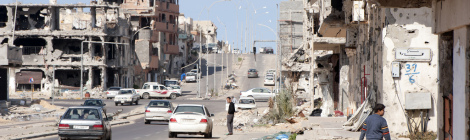
    The same technology Western militaries have been controversially employing to target terrorists in Afghanistan, Pakistan, Yemen, Iraq and elsewhere for years is now being used by various threat groups to target Western interests. This is a prime example of how the tactics and technologies of remote-control warfare have created unintended consequences for those countries that have embraced them.

    Towards Drone Countermeasures

    No single countermeasure is completely effective at limiting the hostile use of drones by non-state actors. Open Briefing therefore proposes the United Kingdom adopt a hierarchy of countermeasures encompassing regulatory, passive and active countermeasures, which provides a layered defence. Regulatory countermeasures include point of sale regulations, civil aviation rules and manufacturing standards and restrictions. Passive countermeasures include early warning systems and signal jamming. Active countermeasures include kinetic defence systems, such as missiles, rockets and bullets, and less-lethal systems, such as projectile weapons and net guns. Each stage of the hierarchy of countermeasures requires government action, but it is the regulatory countermeasures upon which it can affect the greatest change.

    Any changes to the laws surrounding the use of drones need to be proportionate to the risks and balance interests relating to privacy, individual freedoms, safety and commercial interest. In addition to the existing regulations around drones needing to be flown within visual line of sight, below 400 feet and not within 50 metres or a person, vehicle or building, there have been calls from airline pilots and politicians for a registration scheme for consumer drones and for the adoption of firmware limitations that restrict the ability of drones to travel near geofenced no fly zones around sensitive sites, such as airports or nuclear power stations. These are reasonable demands that should be implemented as soon as possible.

    However, these regulations may have limited impact beyond reducing accidental incidents. Unless coupled with some kind of identification/tracking technology built in to drones, a registration scheme would not remove consumer drones from the terrorist arsenal altogether (in any case, such technology would be a step too far in terms of state surveillance and could be easily disabled). What registration would do is impose some control on a presently uncontrolled market and impress upon drone operators the responsibility they must take for their actions. It may also reduce the supply of readily-available drones that could be used for nefarious purposes. In the case of geofenced no fly zones, those wishing to carry out an intentional attack could still purchase open-source controllers that can bypass geofencing, and inertial navigation systems (using dead reckoning) would allow a drone to continue to a static target with reasonable accuracy even if it were possible to jam controller frequencies and GPS signals within the target perimeter. What geofencing would allow is for security to assume that any drone operating within the no fly zone is unauthorised and potentially hostile, allowing them to react appropriately (evacuation and/or deploying active defences).

    Beth Cortez Neavel

    Image of drone by Beth Cortez-Neavel via Flickr.

    There are two further regulations that have received little attention but which should also be considered. Firstly, the payload capacity of the consumer drones available for purchase or import in the United Kingdom without licence should be legally limited to that reasonably required to carry a camera and nothing else. This would mean these types of drones could not be used to carry explosive payloads without further modification. Secondly, owners of commercial drones capable of carrying heavier payloads for legitimate reasons (such as in agriculture or search and rescue) should be legally required to store them securely (in the same way fertiliser must be appropriately secured to prevent its use in homemade bombs, for example). This would prevent the theft and use of drones capable of carrying considerable explosive payloads by terrorists and other threat groups.

    A Layered Defence

    The current regulatory regime around drones in the United Kingdom is very limited. The adoption of the four regulations outlined above would balance the various interests and address specific risks without being unduly restrictive. However, regulations are not a panacea – they would merely limit the ability of terrorists and others to acquire drones with the capabilities needed for attack or intelligence gathering. That is why the government must also work with the police, security services and industry to explore the passive and active countermeasures that are needed to protect VIPs or sensitive sites and ensure that procurement and R&D funding is made available to purchase or develop the required systems. This should include the development of less-lethal systems for destroying or disabling hostile drones in urban environments, where little warning of an attack and the risk of collateral damage limits the usefulness of conventional kinetic countermeasures, such as missiles or bullets. Again, though, this will not be a panacea: the less-lethal systems currently available are of limited effectiveness against one or more fast-moving, small drones. As with all the possible countermeasures, such systems – if coupled with early-warning – would form part of an effective layered defence.

    Ultimately, the regulations and technology needed to reduce the threat from the hostile use of drones are either available now or are under development. The British government has to act now to bring drone regulations up to date and invest in the technologies needed to keep us safe. In the meantime, the threat from the malicious use of civilian drones is only going to increase.

     Chris Abbott is the founder and executive director of Open Briefing (www.openbriefing.org). Matthew Clarke is an associate researcher at Open Briefing. Hostile drones: The hostile use of drones by non-state actors against British targets was published by the Remote Control project on 11 January 2016.