Category: 02

  • Sustainable Security

    After four years of peace negotiations, the 52-year-long civil war between the Colombian government and the left wing guerrilla FARC-EP recently came to an end. What will happen now to the thousands of combatants who are laying down their arms and what are the challenges to their reintegration? Could a gender aware reintegration programme hold the key to long-term peace?

    On November 30, 2016 the Colombian government formally ratified a revised Peace Agreement after a national plebiscite rejected the original peace accord. The agreement ended the longest armed conflict in the western hemisphere and in Latina America.

    The FARC-EP (Fuerzas Armadas Revolucionarias de Colombia – Ejército del Pueblo) started the demobilisation process in January 2017. The combatants are currently gathered in 23 transitory areas (zonas veredales transitorias de normalización) and 7 camps that will be in force for 180 days. The government is expecting around 6.300 combatants to reach the areas. In relation to children associated with the armed group, the High Commissioner said that the delivery´s protocols will be activated upon FARC´s arrival in the zones: as FARC combatants enter the zones they will be delivering the minors and UNICEF will receive them.

    The FARC´s demobilisation and disarmament is supported by the United Nations Special Mission in Colombia. The mission has the mandate to monitor and verify the disarmament, and be part of the tripartite mechanism that will control and verify the definitive bilateral ceasefire and cessation of hostilities.

    Once the FARC´s members are settled in the transitory areas, the first step will be for arms and weapons to be laid down and registered. Unstable armaments will be destroyed on site and the UN Mission will remove all the weapons from the camp after 180 days.

    After the demobilisation and disarmament, the former combatants will also go through a reintegration process that, at present, is based on the current legal framework implemented by the Colombian Agency for Reintegration (Agencia Colombian para la Reintegración: ACR). The Colombian government agency ACR is the institution in charge of the reintegration process. The ACR was created on 3 November 2011 as a new state agency ascribed to the Administrative Department of the Presidency of the Republic.

    Overview of the Colombian reintegration process

    The reintegration of former combatants is a formidable challenge for Colombia. In addition to the FARC´s members that will soon reintegrate, data from the ACR shows that there are currently 15.043 persons taking part in the governmental reintegration process and a further 15.478 former combatants have completed the reintegration programme since the ACR´s creation. Among the persons currently going through the reintegration programme, 47% are former paramilitaries, 42% are former FARC´s combatants who demobilized before the peace agreement and most of the remaining former combatants were enrolled with the guerrilla ELN (Ejercito de Liberacion Nacional).

    Additionally, if the on-going negotiation between the ELN and the Colombian government succeeds there will be another collective demobilization of about 2.500 combatants. This figure includes both men and women but not children. Although it is impossible to know with certainty how many children and adolescents are currently linked to the armed groups or have been demobilised in the last few decades, between 1999 and 2013 the Colombian Family Welfare Institute (ICBF) assisted 5,417 children and adolescents who were separated from illegal armed groups (28 percent of them are girls and 72 percent boys).

    The ACR takes into account national and international guidelines on DDR, such as the United Nations Integrated Standards for Disarmament, Demobilization and Reintegration (IDDRS). The main components of the reintegration process are social and economic assistance (such as payments for basic living expenses), psychosocial care, vocational training, and access to the national health system. The reintegration model includes eight dimensions: personal, productive, family, habitability, health, educational, civic and security.

    Challenges to the reintegration process

    Revolutionary Armed Forces of Colombia (FARC) guerrillas guard the location of talks between Manuel Marulanda, Marxist rebel chief of the FARC, and Colombian President Andres Pastrana in Los Pozos, Caqueta, 750 km (466 miles) south of Bogota, 09 February 2001. The two began 09 February a second day of talks that could relaunch the fragile peace process in the violence-torn South American country. AFP PHOTO/Luis ACOSTA

    Image credit: Silvia Andrea Moreno/Flickr.

    The reintegration of former combatants is a key factor in the stabilisation of countries that are transitioning from conflict to peace. Unsuccessful reintegration could lead to the creation of new armed groups, the expansion of criminal activities and the recurrence of violence. In transitional and violent settings “unemployed, demobilized young men, socialized to violence and brutality during war, are more likely than others to form gangs, particularly in urban areas, and pose a constant threat to the security of women and children” (De Watteville, 2002: ix). As it has been acknowledged by the international agencies working in reintegration, creating alternative livelihoods and jobs opportunities is exceptionally difficult in post-conflict or conflict settings. The high number of former combatants to reintegrate into the civilian life poses an arduous challenge for the second most economically unequal country in Latin America, with an estimated unemployment rate of 8.3 and one of the highest and most inequitable concentrations of land ownership in the world.

    Colombia has already experienced the consequences of an incomplete reintegration process. After the demobilization of the paramilitary group United Self-Defense Forces of Colombia (Spanish: Autodefensas Unidas de Colombia: AUC) in 2005 and 2006, new armed groups emerged. Those groups are referred to as Las Bandas emergentes en Colombia o bandas criminales emergentes (BACRIM), meaning emerging criminal gangs, by the Colombian government but it has shown similar continuity with the previous AUC structure and often some mid-level paramilitary commanders have joined this new groups.

    There is a risk that many demobilized combatants will receive recruitment offers or will be threatened into joining the new organizations and narcotraffic groups, as has happened in the past. A recent Wall Steet Journal article reported that the Brazilian gang Primer Comando is recruiting FARC´s members in order to extend its drug network and routes. Since one of the main factors that can jeopardize the reintegration of former combatants is the enormous Colombian drugs trafficking market, the government launched a comprehensive strategy against illegal crops with the goal to substitute and clean about 50,000 hectares of illicit crops in 2017.

    One of the main challenges for former combatants is to find a sustainable and decent employment. Most of the ex-combatants have an extremely limited education level and it will be very challenging for them to succeed in the increasingly competitive job market. Many of them joined the armed groups as teenagers and did not complete a formal school education. The governmental reintegration programme developed learning programs for adults and it offers education opportunities. However, adults’ education has many challenges and not all former combatants succeed in completing the studies. Among those who took part in the reintegration programme, 21.875 passed the primary level of elementary school, 8.064 passed the second grade of elementary education, 14.967 graduated from the high school and 2.763 attended further education. Most of the jobs that are accessible with a low education level are paid the national minimum wage, which in 2017 is about 240 euro (737,717 Colombian pesos). Without doubt, the drugs cartels and the armed groups offer payments that are much higher than those of the regular job market for unschooled persons.

    Additionally, the former combatants have to overcome the trauma generated by the war. It has been estimated that in Colombia 90% of the people who enter the reintegration process have some kind of psychosocial affectation.There are also gender specific risks and challenges effecting the reintegration phase. Demobilised women may face stigma and discrimination. In Colombia, where gender roles and patriarchal models are very strong, female combatants that have transgressed traditional gender norms – by joining the armed groups – face difficulties in their personal lives and for many of them returning to their families is not an option. It has been reported that 87% of individually demobilised women choose to leave in anonymous urban environments like Bogotá and Medellín, instead of their native towns.

    The gender dimension of reintegration programmes

    The importance of a gender mainstreaming approach during the reintegration processes is widely recognized today and many manuals and guidelines have been designed to reflect this (United Nations 2014, UN Women 2012). Also, the literature emerging in the conflict resolution field examining masculinities and transitional justice shows the importance of addressing militarized and hegemonic identities as a key step toward peace (see Specht 2013; Enloe 2008; Cockburn 2010). However, the demobilization and reintegration of ex-combatants frequently overlooks the relationship between masculinities and the construction of peace (see Flisi 2016). Still there is limited knowledge on how to deconstruct wartime masculinities and too few attempts to promote non-violent ideals of manhood.

    In Colombia different initiatives are emerging that focus on the gender dimensions of the transition to the civilian life, with a special focus on family relationship, positive masculinities and gender roles. In this sense, the Colombian ACR´s reintegration programme has elaborated a gender strategy. The strategy promotes non-violent gender relations, both in the reintegration process and in the families. This is done through the implementation of psychosocial activities that include a gender and new masculinities perspective. To this extent, competencies such as non-violent conflict resolution and assertive relationships are encouraged by cultivating the ability to identify and generate constructive relationships. The focus is on effective communication, tolerance, empathy, emotional assertiveness and the demilitarization of masculinities and femininities.

    Many of the challenges of a reintegration programme are related to the community, family and domestic spheres. The anthropologist Kimberly Theidon, who researched the reintegration of former combatants in Colombia, highlights the risk of an increase and “domestication” of violence. Similarly, researchers showed an increase in sexual violence against women and girls as well as other forms of violence after the reintegration of paramilitaries (see Caicedo Delgado 2007; Londoño & Ramírez 2007). Tackling gender based violence is an important component of a holistic and integral reintegration programme. A successful gender strategy is not limited to a focus on womens’ needs and should also consider the gender dynamics and the relationship within the family and the community. A transformative gender reintegration programme should include activities that are able to tackle gender stereotypes such as initiatives to promote the role of men as care givers, equal redistribution of the childcare responsibilities and womens’ economic and political empowerment, among many others examples. Since the end of 2011 the ACR designed and implemented a special focus on tackling interfamily violence that is composed of 24 activities aimed to address both men and women. But the effectiveness of those activities is not known and further research is needed to identify the impact in the long term.

    Conclusions

    In Colombia fighting narcotraffic and criminal armed groups should be at the forefront of the government strategies to ensure a successful reintegration. However, there other many other aspects of the reintegration that are equally important and should not be overlooked such as technical and professional education, employment generation, psychosocial caring, family and community support, domestic violence and gender specific needs. There is important evidence of the Colombian Government´s efforts to incorporate a gender approach into the reintegration programme. Colombia could provide valuable examples in elaborating strategies to tackle violence against women and deconstructing militarized masculinities as part of the reintegration process but further evidence on this needs to be collected.

    Isabella Flisi is an international development worker and researcher with almost 10 years of experience working on human rights in Colombia and in Latin America. She has worked with different international organizations: Peace Brigades International, Christian Aid, War Child Holland, FAO and KIT-Royal Tropical Institute. She is currently a Ph.D. candidate at the Ulster University Transitional Justice Institute, where she is researching child soldiers´ reintegration and reparations programs from a gender perspective. Flisi has both a master’s degree in international cooperation and a B.A. in anthropology from the University of Bologna, Italy. Her expertise covers conflict transformation, peace-building, DDR, gender-based violence and human rights with a strong focus on women and child rights. She has published the article The reintegration of former combatants in Colombia: addressing violent masculinities in a fragile context in Gender & Development. She wrote about the reparations for victims of sexual violence in Colombia in PassBlue.
  • Sustainable Security

    With skills and expertise in fighting insurgencies and drug trafficking networks, Colombia’s armed forces are increasingly being sought for engagement in similar security challenges in West Africa. But increasing Colombian engagement gives rise to a number of important questions – not least of which is the goal and expected outcomes of replicating militarised approaches to the war on drugs that have already failed in Latin America.

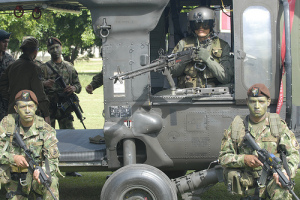
    Colombian National Army Soldiers. Source: US Department of Defense (Flickr)

    Colombian National Army Soldiers. Source: US Department of Defense (Flickr)

    Colombia has become an exporter of defence cooperation, including operational support, training and capacity building in national security and the fight against insurgencies, drug trafficking networks and terrorism. The skills and expertise of their security forces are in demand and, with strong US support and funding, and through intense diplomatic activism (the ‘Diplomacy for Security’ initiative), the country is building a wide array of bilateral and multilateral agreements for these activities. West African countries suffering from drug trafficking related problems are among the recipients of this support. Although extensive information on these ties and specific programmes is not publicly available, this involvement is evident and therefore raises a number of questions.

    Colombian Engagement in West Africa

    Between 2005 and mid-2013, Colombia trained 17,352 military staff from approximately 47 countries in various areas of assistance. In 2009, officials from Guinea Bissau, Cape Verde, Gambia, Ghana, Togo and Senegal attended training on operations and intelligence-gathering in Colombia under the auspices of the European Union and the UN Office on Drugs and Crime. The head of the Colombian police then announced that he would send ten anti-narcotics police to Africa, to be based in Sierra Leone.

    Colombian and African officials met again in March 2012 in Bogotá at a seminar on transnational organised crime. The same year, the US State Department announced that both countries were providing direct operational support and indirect capacity building efforts to countries throughout the hemisphere and West Africa. And police from 10 African countries, including Cameroon, Guinea Bissau, Senegal and Sierra Leone attended in January 2013 a Colombian National Police-hosted port and airport security seminar.

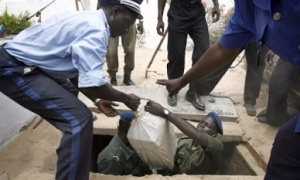
    Police officers remove bags of drugs found in the Senegalese town of Nianing, 50 miles south of Dakar. Source: africablogs.wordpress.com

    Police officers remove bags of drugs found in the Senegalese town of Nianing. Source: africablogs.wordpress.com

    Colombian involvement in West Africa (and Africa more generally) should not come as a surprise. West Africa is increasingly affected by the illegal narcotics trade and associated problems on governance and security. In this trend there are pull and push factors. It has become a transit hub and intermediate point for drugs making their routes from South America to European and other markets,  at a time when border –particularly maritime – security has improved in some European countries, making it more difficult for drugs to reach their territories using the traditional direct routes. The West African coastline is situated at the shortest travel distance from some Latin American departure points, and networks shifted to it while looking for new routes. From West Africa, drugs can continue to Europe or elsewhere by sea or by diverse land routes. Some countries with problems of territorial and border control, corruption and weak governance have been particularly vulnerable to this shift in international narcotics routes. One case in point is Guinea Bissau, where “the combination of a corrupt and centralized leadership and an inadequate and underfunded justice system in a country riven by upheaval and abject poverty” are among the driving factors.

    US Reliance on Colombian forces – Advantageous for Both Sides

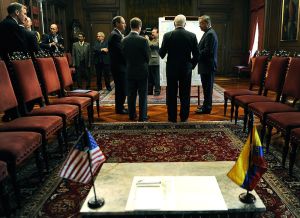
    Colombian Defense Minister Gabriel Silva, U.S. Defense Secretary Robert M. Gates, center right, and U.S. Ambassador to Colombia William R. Brownfield talk to one another at the Presidential Palace before meetiing with President Alvaro Uribe in Bogota, April 15, 2010.

    Colombian and U.S. Defense Ministers and  Ambassador  William R. Brownfield meet in Bogota, 2010. Source: Wikimedia

    The reliance of the US on Colombia to export security policies makes sense for both countries. For the former, it is a way to maintain indirect military support and training programmes at a lower cost and through a reliable partner. “It is cheaper for us to have Colombia do the training than us do it ourselves,” Ambassador William Brownfield (Assistant Secretary for the Bureau of International Narcotics and Law Enforcement Affairs) told Congress, later adding that “it’s a dividend that we get for investing over $9 billion in support for Plan Colombia.” The SOUTHCOM Posture Statement 2014 describes Colombia as a clear example of a sizeable return on relatively modest investment and sustained engagement.

    For their part, the Colombian security forces face uncertainty about the future. They have undergone an important growth in personnel (up to 450,000 now) and operational capacities, parallel to increases of a defence budget that reached $12 billion in 2012. Their air power and deployment capacities have become more sophisticated; and the Police now have highly vetted units trained in intelligence-gathering on drug trafficking organizations. A significant part of those advancements can be attributed to US support through Plan Colombia. But this is an untenable situation provided that a peace deal with the FARC has been reached and in the event of a post-conflict scenario. Not surprisingly, they are in search of new missions within and outside Colombia.

    US Focus on West Africa… From Narrative to Policies

    Africa is for the US “the new frontier in terms of counterterrorism and counternarcotics issues,” according to Jeffrey P. Breeden, the chief of the DEA Europe, Asia and Africa section. The US narrative on this region is one of intertwined and convergent threats and actors, where illicit trafficking feeds the crime-terror continuum and criminal insurgencies become players in illicit markets, using the profits to finance terror campaigns. A member of the State Department remarked that “If we do not act decisively, the region will remain an exporter of terror and a provider of safe havens where terrorists from other conflicts all over the world find refuge, illicit trafficking will continue to expand, (…) and drugs and illicit enterprise will corrode the rule of law and the gains of globalization.”

    There is a boom of academic and policy literature about the ‘continuum’ and other modalities of confluence among terrorism, illicit traffic networks and armed conflict. But the relations between these actors are complex, multifaceted and non-linear. Oversimplification of this complexity,  reducing the problem to a ‘merger’ of different types of groups makes an ideal argument to gain media attention and push for kinetic policies and strong military involvement. For the US, any link to terrorism or crime-terror nexus makes it easier to gain political support for engagement. But this ‘merger’ is hardly supported by operational evidence, with cross-overs between terrorist groups and drugs cartels, for example, remaining more like opportunistic agreements and less as structural and permanent. This argument also leaves aside other root causes of crises such as lack of governance, corruption, underdevelopment and marginalisation.

    The reason for abundant use of this narrative may be hidden in plain sight. According to the criminal code, US agencies are authorised to pursue and prosecute drug offences abroad provided that a link to terrorism is established, even if there is no connection with US consumption markets. This is the case for West Africa.

    In 2011, Ambassador Brownfield led a delegation of senior U.S. officials to West Africa to begin formulating a strategic approach to undermine transnational criminal networks and  reduce their ability to operate. The response is the West Africa Cooperative Security Initiative (WACSI). US counter narcotics assistance for West Africa soared from $7.5 million in 2009 to $50 million each of the past to years, according to the State Department. The budget and operational constraints limiting direct US engagement in West Africa’s drugs and organised crime problems include AFRICOM, an agency that relies on around 2,000 personnel to manage coordination of defence programmes for 38 African countries, plus around 5,000 soldiers deployed at any time. The response to scarce resources increasingly takes the form of reliance on special operations teams and cooperation with close allies, with Colombia playing a prominent role.

    Colombia in West Africa: More Questions Than Answers

    The strategic partnership between both countries is expressed in several instruments, notably the bilateral High-Level Strategic Security Dialogue (HLSSD), periodic meetings of the Security Cooperation Coordinating Group (SCCG) and the US-Colombia Action Plan on Regional Security Cooperation. These instruments are used to formalise security cooperation activities and assistance programs to partner nations affected by transnational crime, including West Africa.

    There is no doubt that the shift in trafficking routes is affecting security in some West African countries. Again, Guinea Bissau is among the most obvious cases, due to the ties among senior government, military officials and criminal groups that have played into upheaval and instability. Northern Mali has experienced drug related violence among armed groups involved in different degrees in the drug trade. Beyond these, the connection between drugs and overt violence is less evident, but a focus exclusively on drugs and violence ignored the important connections of the drug trade and criminal networks with political and business elites. These less studied but structural relationships have potentially grave destabilising effects.

    A Colombian cooperation undertaken by the Police (not the military), focusing on capacity building to strengthen national capacities in law enforcement, and improved intelligence and information–sharing mechanisms, could make sense. International cooperation is certainly needed to address this truly transnational problem. But due to the lack of information available, it is not clear what kind of responsibilities different parts of the Colombian security forces (Police, military, intelligence) are currently assuming.

    Therefore, the involvement in West Africa raises a number of important questions. The security forces, with US support, have managed well in counter-insurgency but the overall impact of Plan Colombia and associated policies on the illegal drug economy remains doubtful. What kind of capacity building and operational support can the Colombian forces provide in countries at peace, provided that their expertise has been acquired in armed conflict? What insurgencies might be fought in West Africa?

    What is the goal and the expected outcomes of replicating ‘drug war’ policies and approaches already failed in Latin America, such as militarisation of the fight against drugs? In particular, one of the unintended consequences of this approach is the ‘balloon effect’, through which crop cultivation, routes and transit points shift to new places as the old ones become more controlled. Indeed, this is already an important factor in current West African problems. In terms of fight against corruption and involvement of powerful figures in the drug economy, the results have been mixed in Colombia (considering both national and regional levels).

    Last but not least, all the relative Colombian successes have come at the untenable cost of grave human rights violations. The security forces, particularly the military, remain very active in trying to avoid accountability for past misbehaviour and crimes. In one of the latest scandals in civil military relations, sections of Colombian military intelligence have been found to have spied on delegations of the recent peace process, including spying on the President’s representatives. What kind of human rights and democracy messages are being sent through this US backed Colombian defence activism?

    International Law enforcement cooperation can be asset in dealing with criminal networks like those involved in drug trafficking, particularly where corruption and involvement of state officials is a factor. But approaches that confuse different non-state actors, their roles and potential levels of threat and attempt to provide a one-size-fits-all response, generate more risk than certainty with regards to potential outcomes and consequences. Militarised approaches to the drug war and public security have been extensively tried in Latin America with limited impact on the drug trade, while worsening the situation of violence. In the Colombian case, the results have been remarkable in counter-insurgency, but the country is still one of the main sources of cocaine for international markets, and there have been widespread violations of human rights.

    These approaches are being increasingly questioned in Latin America and continue to lose support even among high Government representatives and Presidents. Replicating them without further evaluation and careful reflection about what has worked  – and what has not – is not a promising approach. Instead, approaches to drugs and organised crime in West Africa must be based on lessons learned, to avoid the repetition of past ineffective policies and their harmful effects.

    Mabel González Bustelo is a journalist, researcher and international consultant specialized in international peace and security, with a focus on non-State actors in world politics, organized violence, conflict and peacebuilding. You can follow her at her blog The Making of War and Peace, her webpage, and Twitter (@MabelBustelo).

    Feature image: Colombian Marines, 2009. Source: Wikimedia

  • Sustainable Security

    Throughout the Muslim world, Islamic Feminism is taking shape. It presents alternative discourses on gender and Islam and aims to advance women’s rights within larger issues of social justice and minority rights.

    Throughout the Muslim world a counter discourse to western, mostly secular, feminism and Islamic fundamentalism is taking shape in the form of Islamic Feminism. While this is not a new phenomenon, having started primarily in Egypt in the 1950s, Islamic Feminism is increasingly gaining ground. The North African kingdom of Morocco and Malaysia form the bookends of this discourse that proposes to embed the advancement of women’s rights within larger issues of social justice and minority rights. It explores new readings of sacred scriptures that challenge historic patriarchy within Muslim tradition. At the forefront of this approach is Musawah (Equality in Arabic), an international network of scholars, activists, and lawyers. Musawah grew out of the groups Sisters in Islam and Karama (Dignity), both of which promote understandings of Islam that foster justice, equality, freedom, and dignity, especially for women. Founded in 2009 in Malaysia, Musawah’s headquarters moved to Morocco in 2015.

    The Moroccan King and Women’s Rights

    Islam is one of the pillars of Moroccan identity, and King Mohamed VI is a strong advocate of an “open, moderate Islam” based on the Maliki School of Islamic jurisprudence and Sunni Sufism. Since 2013, the Moroccan government has actively sought to train imam students from Tunisia and Libya as well as several West African countries, thus exporting Morocco’s Islam as a counterpoint to more radical or fundamentalist versions. In his dual capacity as Head of State and Commander of the Faithful (amir al mu’minin), the king is in the unique position of shaping religious discourse concerning women without resorting to authoritarian state-imposed feminism, as was the case in pre-revolution Tunisia. There, the government under dictator Zine El Abindine Ben Ali repressed religious discourse on women’s rights, a course that was reversed when, in the first free and democratic post-uprising elections in 2011, the religiously based Ennahda party was elected to government, allowing for a religiously inspired discourse on gender equality.

    Meanwhile in Morocco, under the auspices of the Moroccan King, a Center of Feminine Studies in Islam within the Rabita mohammadia des Oulémas (Royal Council of Religious Scholars) was established. Asma Lambrabet, a medical doctor and vocal proponent of Islamic Feminism, was the appointed director of this Center.

    Islam as a dynamic religion

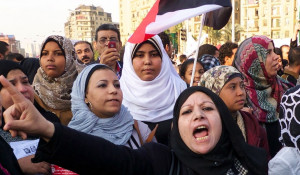
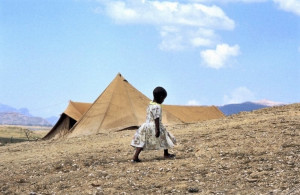
    6444263899_3382108d6b_b

    Image by Iokha via Flickr.

    Islamic feminism is based on the idea that Islam is a dynamic religion, the eternal message of which needs to be adapted to changing historical circumstances. This interpretive process, called ijtihad (independent reasoning of the sources of Islamic law) involves the sacred texts of the Qur’an, sunnah (sayings and doings of the Prophet) and hadith (saying attributed to the Prophet). Islamic feminist ideas challenge predominant androcentric, absolutist theological concepts of authority. In so doing, women are appropriating religious authority, historically a domain controlled by men.

    The Moroccan Asma Lamrabet’s and U.S. scholar Amina Wadud’s writings enjoy wide popularity, especially among young Muslims who want to find answers to the question what it means to be a Muslim in the modern world. Faced with increasingly conservative and radical interpretations of sacred texts, these two scholars offer a religious perspective on modern identity formation that is not primarily western or secular. They exemplify how Muslim women can appropriate sacred texts, a fundamental strategy of their empowerment and personal development.

    Who holds religious authority?

    Lamrabet and Wadud address head-on an age-old question: Who has the authority to interpret the sacred texts? Each scholar in her own way is appropriating authority over textual analysis and, in doing so, is creating a new voice, a new way of approaching gender and women’s rights within an Islamic context. Together, their work exists within the larger context of challenges to conventional religious authorities in contemporary Muslim societies. Just as the role of the traditional ulama (Islamic scholars) has been challenged by the rise of alternative sources of religious authority – such as Internet fatwas and satellite TV imams – that claim equal legitimacy, Islamic feminists demand this right for themselves. If men with limited scholarly theological training can exert influence—uncontested by conservative scholars—why would alternative interpretations by women not fit into this colorful landscape of religious authorities?

    One of the earliest and most important pioneers of Muslim feminist scholarship is Morocco’s Fatema Mernissi (1945-2015). She was among the first to turn to the Qur’an to advance a reformist interpretation of the sacred texts with a view to supporting gender equality. In addition, Mernissi placed women’s rights within a larger context of social and economic justice. Today, Mernissi is Morocco’s most widely translated and internationally read author. Ironically, it was only after her death a year ago that she became widely known in her home country and finally gained publicly acknowledgement for her contributions.

    Islamic feminist hermeneutics considers the Qur’an as a historical text, revealed at a particular time and place. Over time, then, certain interpretations need to be reconsidered or refuted in accordance with the principles and egalitarian spirit of the texts. As Mernissi has repeatedly argued, sacred texts have been used as a political weapon to uphold laws that treat women as legal minors. This action is possible because traditional Islamic theological scholarship lacks fundamental historic contextualization, fails to acknowledge that knowledge production always occurs within a given historical context, and downplays the possibility of human fallibility in any hermeneutics. Recognizing such limitations is an important element of Islamic Feminist thought. Inasmuch as Mernissi critiqued the gender inegalitarian reality, she also was critical of promoting women’s rights without simultaneously advocating for social and economic justice.

    Pioneers of Islamic Feminism

    Thus, Mernissi, Lamrabet, and Wadud represent important alternative voices in scholarly discourses on gender and Islam. There certainly are other, important proponents of Islamic feminism. Margot Badran has written about Islamic Feminism for more than a decade, mostly focusing on Egypt. One of the founders of Musawah, the Malaysan Zainah Anwar, Iranian born scholar Ziba Mir-Hosseini and South African Farid Esack have also emerged as important advocates and scholars in re-interpreting concepts that traditionally have undergirded male superiority such as quiwamah (male authority), wialya (guardianship), mixed marriages and one of the cornerstones of inequality: inheritance laws.

    Thus, Islamic Feminism aims to liberate Muslim women from archaic and limited roles with negative social and economic consequences. Islamic Feminism argues for pluralistic interpretations of sacred scriptures, as a means by which global feminists can establish a dialogue based on the deconstruction of traditional knowledge that is masculine and patriarchal. It allows the reconciliation of Islam and modernity and goes beyond the false dichotomies of Muslim and secular, modernist and traditionalist, East and West.

    Dr Doris H. Gray directs the Hillary Clinton Center for Women’s Empowerment at Al Akhawayn University in Ifrane, Morocco where she is also Assoc. Professor of Gender Studies. She is the author of “Beyond Feminism and Islamism – Gender and Equality in North Africa” (I.B. Tauris 2102, second revised edition 2014) and “Muslim Women on the Move – Women of Moroccan and French Origin speak out (Rowman and Littlefield, 2008) and editor of “Gender, Law and Social Change in North Africa” (Cambridge University Press, 2017)

  • Sustainable Security

    In June,  a judicial review into the legality of UK arms sales to Saudi Arabia was announced. This will be the first time that UK arms export policy has been put under the spotlight and scrutinised in this way. Campaign Against Arms Trade discuss this historic decision.

    On 30th June there was a heavy silence in the moments before High Court Judge Justice Gilbart announced that he was granting a judicial review into the legality of UK arms sales to Saudi Arabia. A quiet relief fell over those of us in the public gallery. Decorum ensured that the response was muted, but the decision was historic. This will be the first time that UK arms export policy has been put under the spotlight and scrutinised in this way. It is an unprecedented step that is likely to focus on not just the extent of UK arms sales to Saudi, but also the scale of collusion and government support that goes with it.

    Our claim calls on the government to suspend all extant licences and stop issuing further arms export licences to Saudi Arabia for use in Yemen while the court holds a full review into whether the weapons sales are compatible with UK and EU legislation. The UK’s arms export policy will thus now undergo a full three-day investigation in front of two judges, which must take place before February 1st 2017.

    Fuelling the flames in Yemen

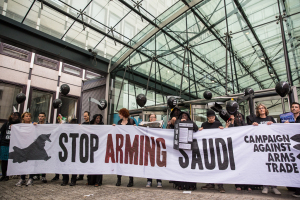
    London, UK. 11th July, 2016. Human rights campaigners protest against arms sales to Saudi Arabia outside the Defence and Security Organisation (DSO), the Government department responsible for arms export promotions.

    London, UK. 11th July, 2016. Human rights campaigners protest against arms sales to Saudi Arabia outside the Defence and Security Organisation building. Image by CAAT via Flickr.

    UK arms exports have been central to the ongoing Saudi-led bombardment of Yemen. As we write this, UK-licensed Eurofighter jets may well be over Yemeni airspace, guided by UK-trained military personnel and dropping UK-made bombs from the skies. It would be hard to overstate the humanitarian crisis that has been unleashed, with the UN having ranked the humanitarian situation in the war-torn country as a “Level 3” emergency – the highest possible emergency ranking. The bombing campaign has lasted over 15 months following a Saudi Arabian-led intervention into Yemen’s civil war. Saudi forces are acting alongside Yemen’s government against forces led by the former president, Ali Abdullah Saleh, and the Houthis, a northern Shia militia. There is no question that atrocities have been committed on all sides, although the UN has accused Saudi forces of killing twice as many civilians as all other forces.

    More than 2.5 million people have been displaced, and vital infrastructure, including schools, hospitals and cultural heritages sites have been destroyed. Of those who remain in Yemen, millions have been left without access to clean water or electricity, and 80% of the population has been left in need of aid. Even the Home Office has acknowledged the scale of the destruction, concluding that to allow people to return to Yemen could be a breach of their human rights.

    The need for legal accountability

    The destruction hasn’t only been immoral, it has also been illegal. A UN panel of experts, the European Parliament and many of the most respected humanitarian NGOs in the world, including Human Rights Watch and Amnesty International, have accused Saudi forces of serious breaches of international humanitarian law (IHL).

    The UN report “documented 119 sorties relating to violations of international humanitarian law” and reported “starvation being used as a war tactic.” More recently, Human Rights Watch has linked UK arms to specific attacks on businesses and civilian targets. The reports have been thorough and in-depth and their evidence has been compelling, but they have fallen on deaf ears in Whitehall.

    Arms exports control regulations are very clear: a licence should not be granted in the circumstances where there is a “clear risk” that it “might” be used to violate IHL. In spite of this, the UK has licensed over £3.3 billion worth of arms sales to Saudi Arabia since the bombing began, including fighter jets, bombs and missiles.

    There can be little, if any, control over how and when these arms will be used. A recent report from Amnesty International found that cluster bombs sold decades ago by the UK are being used in Yemen, a terrible reminder that the shelf life of arms is very often longer than the two year licence under which they are sold.

    Moreover, even if such control was possible, there is no reason to believe it would be applied. This is because if arms were found to be used in a way that violated the terms of their sale agreement this would result in licences being cancelled—which could affect the profitability of exports.

    Burying the truth

    In the last hours of the last day of the most recent session of parliament, the government performed a major U-turn by publishing written corrections that reveal, contrary to earlier claims, that there has been no oversight of how arms are being used. At best it represented staggering incompetence on the part of government ministers— at worst it was a cynically timed admission of how they had previously distorted the truth.

    Either way, it underpins the point that the Saudi government hasn’t just bought arms and military support, it has also bought silence, compliance and a seal of political approval. That’s why, only nine months ago, we saw the despicable, but ultimately unsurprising, revelations that UK diplomats had lobbied and campaigned behind the scenes for Saudi Arabia to Chair the UN Human Rights Council.

    So who benefits from the current situation? Certainly not the Yemeni people living under bombs, or the Saudi people being persecuted and oppressed. One obvious beneficiary is the arms companies. BAE Systems, for example, enjoys the full support of the UK government in its arms sales to Saudi. Earlier this year, BAE Chairman Roger Carr told Channel 4 News that he sees Saudi Arabia as “a very important customer with which we have a very strong relationship.” This point is alluded to in the last BAE annual report. The ‘principal risks’ section of the report identifies the commercial risk that state buyers may consider cutting their military budgets, before suggesting this will be mitigated in part because “in Saudi Arabia regional tensions continue to dictate that defence remains a high priority.”

    BAE and the UK’s special relationship

    For decades now, UK governments of all political colours have worked hand in glove with the arms companies and Saudi authorities, continuing to sell arms and provide political support while turning a blind eye to the grotesque human rights abuses that are being carried out every single day.

    Regardless of who has been in charge, the Saudi Royal Family’s influence and interests have been core to Whitehall’s approach to arms sales and the Middle East. Over recent years we have seen Tony Blair intervening to stop a corruption investigation into arms exports to Saudi, David Cameron flying out to Riyadh to meet with Royalty, and the outlandish and humiliating spectacle of Prince Charles sword dancing to secure sales for BAE Systems.

    The government’s inability to uphold its responsibility in regards to human rights and domestic law is evidence of just how far it is willing to go to maintain this toxic relationship. Despite the legal action, there has been no change to the government’s policy. Only two weeks after the judicial review was ordered, Saudi military representatives were in the UK for the Farnborough Airshow where they were shopping for weapons.

    Stop arming Saudi Arabia

    At a time when the UK should be using its close relationship with Saudi to apply pressure and push for meaningful peace negotiations and vital reform, it is instead carrying on with business as usual. The government’s refusal to act responsibly underlines the enormous power of the arms trade lobby and the pernicious nature of the UK-Saudi relationship, a relationship that fuels instability and repression and corrupts our political system.

    Whatever the outcome of the review, the campaign will go on. As long as terrible crimes are being committed with UK weapons and with our government’s support, we will continue. The UK’s shameful relationship with Saudi Arabia and the terrible examples above show just how far (and how low) the machinery of government will go to protect the Saudi Royal Family’s interests.

    The UK-Saudi alliance has boosted the Saudi regime while lining the pockets of arms company executives, but it has had devastating consequences for the people of Saudi Arabia and Yemen. For the sake of those people, the UK government must finally stop arming and empowering the brutal Saudi monarchy.


    Andrew Smith and Vyara Gylsen are writing on behalf of Campaign Against Arms Trade (CAAT). Andrew Smith is Head of Media for Campaign Against Arms Trade. Vyara Gylsen is an anti arms-trade campaigner that volunteers and works with Campaign Against Arms Trade. You can follow CAAT on Twitter at
    @CAATuk.

  • Sustainable Security

    Brexit has called into question Britain’s relationship with Northern Ireland. Whilst the possibility of sporadic inter-communal violence in Northern Ireland is small, the Brexit vote has certainly placed a strain upon the hard-won stability of British-Irish relations.

    Introduction

    Whilst the full implications of so-called ‘Brexit’ for the future of the United Kingdom (UK)’s relationship (if any) with the European Union (EU) remain profoundly uncertain, it is also the case that the UK-wide vote to Leave has exacerbated the already existing sense of fluidity regarding the future constitutional relationships between the constituent parts of the multi-national UK state. Of course, the majority votes to Remain in Scotland and Northern Ireland do not, of themselves, create a new constitutional arrangement, but if the new Conservative administration of Theresa May were to decide to push on with a UK-wide ‘hard Brexit’, perhaps involving leaving the single market in a bid to establish control over the free movement of persons, then it is difficult to see how the stability of the UK’s constitutional status quo could be guaranteed. As Brendan O’Leary has argued, ‘those who insist that a 52-48 vote is good enough to take the entire UK out of the EU would trigger a serious legitimacy crisis.’  A key lesson that needs to be understood by Westminster in the coming months or years of negotiation (with Brussels and the EU member states, particularly the Republic of Ireland, but also within the divided UK) is that, as O’Leary puts it, multi-national states are not usually ‘destroyed by secessionists alone’ (Ibid.). It is the ‘unilateral adjustment of the terms of the union by the centre’ that can provoke such an outcome. This may be an unintended consequence of such unilateralism, even if some at the centre profess the view (as David Cameron did after the Scottish referendum on independence in 2014) that the multi-national union is ‘precious beyond words’.

    Great Britain and Northern Ireland: A ‘Place Apart’

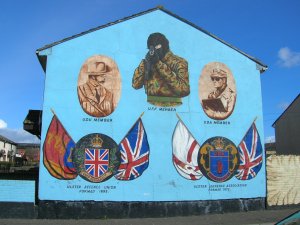
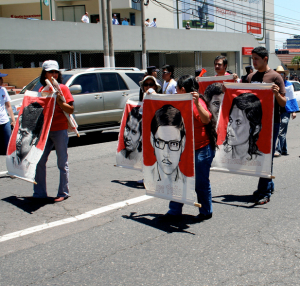
    unionist mural

    Image by Miss Copenhagen via Flickr

    It is unsurprising that during the campaign neither the public nor the political class in Great Britain (GB) appeared to give much serious consideration to the effect of a Brexit vote upon three crucial interlocking relationships: the fragile state of communal relations within Northern Ireland in the post-Good Friday Agreement (GFA) era; the North-South relationships on the island of Ireland, and the questions Brexit was likely to raise concerning the 300-mile land border; the wider UK relationship with its closest neighbour. This ‘reflexive forgetfulness’ of the GB public with regard to the unloved province of Northern Ireland may have been unsurprising, but it was lamentable, and possibly destabilising, nonetheless. If there was engagement with the potential repercussions of a Leave vote on the internal, already fragile, relations between the constituent parts of the UK, the focus tended to be on Scotland, rather than Northern Ireland. This neglect, by no means benign, reflects a deep-rooted sense that Northern Ireland is, in Dervla Murphy’s phrase, a ‘place apart’.  In the short and medium-term the ‘peace process’ has not been jeopardised directly, and there is no immediate prospect of a return to widespread violent confrontation between Irish nationalists and British unionists in Northern Ireland. Aside from a number of weak and fragmented ‘dissident’ republican groups, there is no appetite for the resumption of an armed campaign among ‘mainstream’ republicans. There is always a possibility of sporadic inter-communal violence in Northern Ireland, but this looks remote at present. Nevertheless the Brexit vote has certainly placed a strain upon the hard-won stability of these relationships since 1998.

    The Republic of Ireland and ‘Brexit’

    For the Dublin government of Fine Gael (supported by several independent TDs), there was a fear that the critically important trading relationships with the UK would be damaged, and that any imposition of a ‘hard’ border (involving customs posts and possibly restrictions upon free movement) would further complicate and hamper economic activity. Allied to this hard-nosed economic concern, Dublin was also anxious that Northern Ireland’s fragile community relations and the institutional balance reflected in the GFA could be under threat, as ‘the border’ and potential constitutional change were placed, once again, on the agenda. Related to this anxiety was, perhaps, the unspoken fear of Taoiseach Enda Kenny that Dublin’s sense of being an equal partner with the UK in the lengthy years of the peace process might be compromised. The harmonious co-operation between the Dublin and London governments, built up over several decades stretching back to the Anglo-Irish Agreement of 1985, might begin to unravel, if London took the Brexit vote as a green light to marginalise the concerns of the Irish. Those concerns were three-fold: maintaining the open border between the Republic and Northern Ireland; keeping the ‘common travel area’ between Ireland and the UK (first agreed in the aftermath of partition in 1922); and, safeguarding the trading relationships (worth approximately £1 billion a week). As Pat Leahy argued in the Irish Times, ‘underpinning all these was the need above all else to protect the peace process.’

    Kenny was keen to confirm that this bilateralism, and the ‘special relationship’ between the two states would survive Brexit, and his meeting with Theresa May in late July assuaged these doubts somewhat. But, as with that other fabled ‘special relationship’ between London and Washington, this one is also fundamentally asymmetrical, intrinsically of more significance for one side than the other. When it comes to tackling the enormous fallout from the Brexit decision, neither the relationship with Dublin, nor indeed the impact upon Northern Ireland, are at the top of London’s to-do list. It may even be the case that these issues are closer to the bottom of that list. Having said this, the new Prime Minister’s willingness to meet with Kenny, and her declaration in Belfast that ‘no-one wants to return to the borders of the past’ have calmed these fears to at least some extent.

    However, hard choices remain to be made, and there is no guarantee that May’s government will be able to square the circle between impatient Conservative back-benchers and pragmatists in Whitehall who are concerned about softening the impact of the decision, both economically and diplomatically. The former group, buoyed by the momentum of victory, believe that Brexit should be swift, complete and irrevocable; they are watching hawkishly for any signs of back-tracking. This is the context in which Enda Kenny made a speech at the MacGill summer school in Co. Donegal, which speculated on the prospect, at some time in the indeterminate future (perhaps ‘10, 15 or 20 years from now’), that Northern Ireland might vote to join with the Republic. Of course, this was ‘controversial’, but almost certainly was designed to ensure that others, in the UK and Europe, take seriously the concerns of the Dublin administration. More parochially, Kenny perhaps felt that he needed to respond to the pressure being applied by opposition parties Fianna Fáil and Sinn Féin (SF).

    Sinn Féin and ‘Brexit’

    Having campaigned for a Remain vote, on the basis of its ‘critical engagement’ position with respect to the EU, SF’s first response to the referendum result was to demand a border poll in Northern Ireland, as provided for in the GFA, if there is a realistic prospect of a majority vote in favour of constitutional change. Gerry Adams, SF President, claimed that the result meant that the ‘British government had forfeited the claim to represent the North at an EU level. Its policy has been rejected by the people.’ When this demand was predictably dismissed by the outgoing Secretary of State for Northern Ireland, Theresa Villiers, SF quietly moved on, instead focusing its attention on a mooted ‘national forum’ (modelled on the New Ireland Forum of the early 1980s and the Forum for Peace and Reconciliation of the early years of the peace process) to discuss how ‘the vote of the clear majority of citizens in the North who want to remain in the EU can be respected and defended.’ Although this proposal was effectively adopted by the Dublin government, it was also immediately rejected by Arlene Foster, the Democratic Unionist First Minister of Northern Ireland. Nevertheless, SF senses that Brexit could present republicans with a real opportunity to break out of the sterile impasse that had threatened its ‘project of transformation’ in Northern Ireland. SF has always characterised the GFA as ‘transitional’ and the peace process as ‘dynamic’, reflecting the party’s teleological belief that the ‘natural’ end-point of the process will be a united Ireland. It remains to be seen whether or not Brexit helps to make this vision any more realistic, but for the moment it has certainly breathed new life into the notion that the ‘border’ continues to be a key issue for the peoples of the island.

    Since June 23rd, there have been emollient words and symbolic gestures from Theresa May, but sooner or later some difficult and potentially painful choices will have to be taken. In a joint letter on August 10th to Theresa May, Arlene Foster and Martin McGuinness, the First and Deputy First Minister of the Northern Ireland Executive, argued that the UK government should take into full account four issues of particular significance for Northern Ireland: the border should not become an impediment to the movement of goods, people and services; both private and public sectors need to retain access to unskilled as well as skilled labour; the energy requirements of Northern Ireland should not be affected; the potential loss of EU funds (over 3.5 billion Euros during 2014-2020) needs to be addressed.  The Dublin government, and the parties in Northern Ireland, will be hoping to have a genuine input into this decision-making, but it looks highly improbable that all the political forces in play will, or can, be satisfied simultaneously. Despite the constructive initial discussions, the Foster/McGuinness letter recognises that ‘it cannot be guaranteed that outcomes that suit our common interests are ultimately deliverable.’ Will the centre hold, and if so, how?

    Stephen Hopkins is Lecturer in Politics in the Department of Politics and International Relations at the University of Leicester, UK. His book, The Politics of Memoir and the Northern Ireland Conflict, was published in 2013 by Liverpool University Press.

  • Sustainable Security

    Since the attacks of 9/11, the banner of national security has led to intense monitoring of the politics of Muslim and Arab Americans. Young people from these communities have come of age in a time when the question of political engagement is both urgent and fraught.

    Since the events of September 11, 2001, Muslim and Middle Eastern communities have increasingly been viewed through the prism of national security, and young Muslim, South Asian, and Arab Americans in particular have become objects of heightened scrutiny and surveillance. The U.S.-led global War on Terror has defined Muslim youth as objects of the counterterrorism regime, based on the presumption that young people are a cohort that is vulnerable to “radicalization” by Islamist movements and so they are increasingly in the crosshairs of intelligence agencies. The racialization of Muslims and Middle Easterners as terrorists is not new, however; there is a long history of constructing the Muslim and Arab as the “enemy” of the U.S. state, given its strategic interests in the Middle East during the Cold War and its enduring alliance with Israel. Post-9/11 repression also extends the imperial state’s policies of surveilling and containing radicals or leftist “subversives,” especially during wartime and the Cold War.

    The 9/11 generation

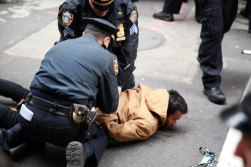
    occupr-arrest

    Image via Coco Curranski/Flickr.

    My new book, The 9/11 Generation: Youth,  Rights, and Solidarity in the War on Terror, is an ethnographic study of the forms that politics takes for South Asian, Arab, and Afghan American college-age youth in Silicon Valley who have come of age in the post-9/11 era. It examines the range of political critiques and identifications among South Asian, Arab, and Afghan American youth and explores the new, cross-racial alliances forged through civil rights and antiwar activism in northern California. The identities of these youth have been shaped by the racial and religious profiling of Muslim and Arab Americans under the PATRIOT Act, which has continued under the Obama administration, with Islamophobic and anti-Arab discourse persisting in the U.S. mainstream media. The politics of Muslim Americans, more than that of any other religious group, are viewed as necessary to surveil and contain. This constitutes the “new order of War on Terror” under the Obama regime, which relies on mass surveillance, clandestine cooperation between law enforcement and intelligence agencies, and programs that police political and social lives ( see Deepa Kumar 2012). Repression in the domestic War on Terror often remains invisible, however, for it is conducted through covert means, such as the use of undercover FBI informants, infiltration, and entrapment.

    Youth politics is a central target of the counterterrorism regime as the religious and political “radicalization” of youth variously defined as Muslim, Middle Eastern, Arab, Afghan, or South Asian has come to represent a threat to Western, secular, liberal democracy and to U.S. military and economic interventions. The framework of securitization defines Muslims as always a potential threat to U.S. homeland security and views this generational cohort as bedeviled by disaffection, cultural and political alienation, and psychological and social maladjustment. Muslim and Arab American youth, in particular, are viewed as susceptible to indoctrination and recruitment by Islamist movements, that is, as ripe for becoming enemies of the state. Muslim youth are also perceived as being vulnerable to “self-radicalization,” as in the case of the Chechen youth charged with the Boston marathon bombings in 2013. This is also a gendered form of surveillance as young Muslim males have been the major focus of counterterrorism programs, but young Muslim women are also, increasingly, objects of surveillance, especially in the wake of incidents such as the San Bernardino shootings.

    The focus on “homegrown terrorism” was ratcheted up after the July 7, 2005 bombings by British Muslims in London and occurred in tandem with shifts in U.S. wars and counterterrorism operations in Afghanistan, Pakistan, and Yemen. In 2007, Senator Joe Lieberman, Chairman of the Senate Committee on Homeland Security, held a series of hearings on the “homegrown threat of violent Islamic extremist terrorism,” focusing almost exclusively on Arab and Muslim Americans and dwelling on the role of the Internet in fostering Islamic “extremism”; in 2011, hearings on radicalization were also held by Congressman Peter King ( see American-Arab Anti-Discrimination Committee 2008, 39). Yet strikingly, the very real threat posed by white supremacist organizations and right-wing paramilitary movements is not at the center of debates about “homegrown” extremist violence, despite events such as the Oklahoma City bombings of 1995.

    Racial, religious and political profiling

    The homeland war on terror has increasingly focused on monitoring and prosecuting ideological and religious beliefs of Muslim and Arab Americans, not just terrorist activities, so this is a form of political, not just racial and religious, profiling. This strategy of pre-emptive prosecution and preemptive surveillance mirrors the doctrine of “pre-emptive war.” One problem with ideological profiling and the criminalization of beliefs is that political dissent is increasingly fragile and risky, especially for Muslim and Arab American youth. Despite this repression, youth in the 9/11 generation have mobilized in response to the War on Terror and the experience of collective profiling has, inevitably, politicized Muslim, South Asian, and Arab Americans. It has propelled new, cross-racial coalitions based on shared experiences of Islamophobia and racism. New cross-ethnic categories have emerged, such as AMSA (Arab, Muslim, and South Asian) and MESA (Middle Eastern and South Asian), as Muslim and Arab Americans became engaged in or led civil rights campaigns and antiwar organizing. For example, the Council on American-Islamic Relations (CAIR), the Islamic Network Group, the Muslim Public Affairs Council, and the American Arab Anti-Discrimination Committee have all led national civil rights efforts, in addition to numerous grassroots groups and coalitions, for example, the Arab Resource and Organizing Committee  (AROC) and the Asian Law Caucus in the San Francisco area, in which youth have been involved. Progressive-left campaigns against the wars in Iraq and Afghanistan and drone wars in Pakistan have also involved Muslim and Arab American activists and connected Muslim and Middle Eastern communities to overseas homelands, U.S. war zones in Iraq and Afghanistan, and the U.S-backed occupation in Palestine.

    There has also been a major push to engage in interfaith coalitions, focused on Muslim-Jewish-Christian dialogue and outreach, on the one hand, and in transnational solidarity activism, on the other. Campaigns have linked communities with shared experiences of police violence and surveillance, for example, during the Black Lives Matter movement and the Ferguson 2 Gaza campaign. So the racial profiling by the state has provoked new forms of racialization and affiliation on the ground, even if some of these are not entirely new but recreate earlier forms of cross-racial and international solidarity.

    The surveillance state

    The surveillance and counter-radicalization regime that has emerged in the U.S., as well as in the UK and Europe, is increasingly preoccupied with Muslim youth cultures and with cultural codes that presumably signify “radical dissent” and “youth alienation” (see Kundnani 2014). Obama’s domestic War on Terror drew on counter-radicalization practices in Britain in a transnational circuit of ideas and policies that focused on surveilling and entrapping Muslim American youth, through programs such as Countering Violent Extremism. While the emergence of ISIS/ISIL may have somewhat reconfigured this, it has long been the case that vocal critics of Israel were associated with “terrorist” movements and subject to surveillance. It is important to note, as Arun Kundnani has observed, that the template for the War on Terror was manufactured in the 1980s to demonize those resisting U.S. hegemony and U.S. allies in the Middle East, particularly Israel.

    In the current moment, as my research demonstrates, Palestine solidarity activism is a fraught terrain where youth have to contend with surveillance, censorship, including on college campuses, as well as harassment, allegations of anti-Semitism, smear campaigns, and blacklisting by right-wing organizations such as David Horowitz’ Freedom Center and Canary Mission. At the same time, this encounter with the exceptional lockdown on open discussion of Palestine-Israel leads to a process of what I call “Palestinianization,” that is, a process of politicization and racialization that is endemic to U.S. national culture given unconditional U.S. support for Israel and the power of the Israel lobby. Palestine solidarity is also a unifying hub for Muslim, South Asian, and Arab American youth and activism.

    I consider surveillance a technology of disciplining and managing racialized populations within neoliberal capitalism. The culture of surveillance highlights the tension that emerges between the police state’s repression and exceptionalist notions of U.S. democracy and “freedom” in the War on Terror. This tension is deeply felt by those who experience the brunt of policing and the curtailment of freedom in their daily lives. Nearly all the young people I spoke to as part of my research talked about the climate of permanent surveillance and the chilling effect it had on understandings of what it meant to be “political” and also “social.” Arab, South Asian, and Afghan American youth have to self-consciously regulate, or re-narrate, their social and political lives, including on social media. Given the state engages in warrantless wiretapping, monitors private emails and Facebook, and infiltrates mosques and activist groups with undercover informants, it is not just not those who are involved with formal political organizations who have reason to be anxious and self-conscious about their identities and sociality.

    In 2012, the stunning investigation by Associated Press of the NYPD’s surveillance program revealed that “mosque crawlers” and undercover informants, called “rakers,” (generally Muslim or Arab themselves), had been deployed to ferret out suspicious Muslim and Arab Americans, including students and youth, “monitoring daily life in bookstores, bars, cafes, and nightclubs” in “suspect neighborhoods”; this was part of a “human mapping program” in cooperation with the CIA and drawing on Israeli surveillance techniques, with a reach extending beyond New York state (Associated Press 2012, 5). The NYPD also infiltrated the Occupy Wall Street movement and Palestine solidarity rallies. The revelation of this infamous “demographics unit” sparked the first mainstream discussion of surveillance since 9/11, which increased with the revelations by WikiLeaks and Edward Snowden’s expose in 2013 of mass surveillance by the NSA and CIA. Some youth at campuses that had been surveilled by the NYPD used social media, including Twitter, and subversive humor to challenge this secret program; the Yale MSA created a Facebook page, “Call the NYPD,” with photos of Muslim college students holding signs declaring, “I am a . . . Blonde, Call the NYPD” (cited in Khabeer and Alhassen 2013, 308).

    Surveillance effects

    The social and cultural registers through which surveillance becomes a part of daily life are what I describe as surveillance effects, through which surveillance becomes normalized, even as it is resisted. Surveillance effects shape political culture and also ideas of selfhood. Many youth are aware that they are the exemplary objects of surveillance, because they fit a racial, religious, political or national profile. Law enforcement agencies, such as the New York City Police Department, have used behavioral models of “radicalization” based on profiles of youth subcultures, including markers such as clothing, religiosity, and activism (see American-Arab Anti-Discrimination Committee 2008, 39). This surveillance of everyday life has inevitably alienated many Muslim Americans even further while creating more distrust and divisions within targeted communities.

    In a surveillance state, many engage in self-regulation and self-censorship because they believe that they must sacrifice their freedoms for the sake of defending the nation, and that “national security” is, indeed, their own security. Some Muslim Americans engage in self-surveillance or the surveillance of others, hoping to avoid profiling or prove they are patriotic, “good” Muslim citizens. Yet my research also uncovered “surveillance stories” about life in the everyday of surveillance that demonstrate that the surveillance regime also provokes the opposite effect, producing challenges to intelligence-gathering and tactics of counter-surveillance that enable survival. Youth who negotiate these tensions expose the contradictions that animate life in the post-9/11 security state, and the fragility as well as the radical possibility of living life as the “enemy within.”

    The culture wars

    Surveillance is key to the post-9/11 culture wars, focused on Islam, gender, race, and nationalism. In my book, I argue these culture wars are also racial wars and class wars as they rest on racial and class struggles and fissures in U.S. society. These culture wars have evolved since the Cold War and in the  “new Cold War,” as well as the many hot wars waged by the U.S. from Iraq and Afghanistan to Pakistan and Yemen. Trump’s presidential campaign and election has inflamed the culture wars, and brought renewed attention to the already existing fault lines of race, class, and religion with the nation. As Americans debate the horrifying possibilities of a “Muslim registration,” some may not be aware that this actually already occurred in the U.S. with the Special Registration targeting Muslim immigrant men after 9/11 and that mass surveillance was intensified under the Obama administration. The generation that came of age since 9/11, especially those from communities targeted in the War on Terror and from immigrant communities, were already aware of the “white rage” and extremism that existed within the U.S. and that has now provoked shock and horror among those critical of Trump’s racism, Islamophobia, xenophobia, and misogyny. There is much to be learned from the stories of the 9/11 generation.

    Sunaina Maira is Professor of Asian American Studies, and is affiliated with the Middle East/South Asia Studies program and with the Cultural Studies Graduate Group. Her research and teaching focus on Asian American youth culture and the politics of cultural production as well as political mobilization and transnational movements challenging militarization, imperialism, and settler colonialism. She is the author of Desis in the House: Indian American Youth Culture in New York City and Missing: Youth, Citizenship, and Empire After 9/11. She co-edited Contours of the Heart: South Asians Map North America, which won the American Book Award in 1997, and Youthscapes: The Popular, the National, and the Global. Maira’s recent publications include a book based on ethnographic research, Jil [Generation] Oslo: Palestinian Hip Hop, Youth Culture, and the Youth Movement (Tadween), and a volume co-edited with Piya Chatterjee, The Imperial University: Academic Repression and Scholarly Dissent (University of Minnesota Press). Her new book project is a study of South Asian, Arab, and Afghan American youth and political movements focused on civil and human rights and issues of sovereignty and surveillance in the War on Terror. Maira launched a new section on West Asian American Studies in the Association for Asian American Studies and coedited a special issue of the Journal of Asian American Studies on Asian/Arab American studies intersections. She has been involved with various civil and human rights campaigns and antiwar groups in the Bay Area and nationally.

  • Sustainable Security

    In January 2016, the government of Honduras and the Organization of American States (OAS) formalized the creation of a new international organ to help fight corruption in this country. The Mission of Support Against Corruption and Impunity in Honduras (MACCIH, in the Spanish acronym) is a welcome step. However, it is very early to estimate whether it will be able to make a positive contribution to solving the daunting challenges facing justice and security in this country.

    Honduras experiences what can be called a “perfect storm” of interrelated problems: violence perpetrated by diverse actors (gangs, drug traffickers); human rights abuses, in the context of a steady militarization of public security; impunity; corruption at the highest institutional levels, and widespread poverty and inequality. For years, it has been the most violent country in the world, with an average rate of 90 homicides per 100,000 people according to estimates by the UN Office on Drugs and Crime and the World Bank, which is significantly higher than the international average intentional homicide rate of 6.2 per 100,000 people.

    Gangs, Drugs, and Corruption

    Honduras, like El Salvador and Guatemala, has a serious problem with gangs. These are territorial groups involved in extortion and other crimes, exerting social control and who are connected to other criminal actors. The prevailing narrative from politicians and the media puts the blame of violence on the gangs, whose members are highly stigmatized as a result. Different governments have adopted iron-first and militarized approaches to deal with them. Casa Alianza, a charity that works and campaigns for the rehabilitation and the defence of street children, has documented that even children become victims of extrajudicial executions, carried out by death squads sometimes linked to the security forces. In January 2016, Casa Alianza denounced a monthly average rate of 81 children victims of extrajudicial executions.

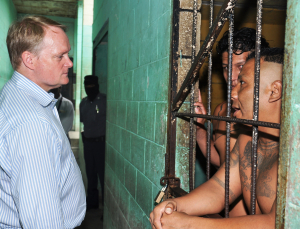
    makarinfotos

    Image of Mara Salvatrucha gang member by markarinafotos.

    However, the figures of homicides attributable to gangs are highly disputed, and national and international actors diverge in their interpretations about the share of responsibilities for violence. This is a strategic corridor for drug trafficking, and the local markets are growing. According to the OAS, around 70% of homicides are perpetrated by drug cartels involved in wars for the control of routes, sometimes using gang members and youth as sicarios (a Spanish term for hit men). By January 2014, estimates were that 87% of the drug planes heading from South America to North America passed through this country. Transnational groups, especially from Mexico, have established bases here. Then, there are local groups and transportistas (carriers), contracted by the cartels and connected to Honduran political and economic elites, including land owners and mayors.

    In 2012, when the news about the gang truce in El Salvador spread throughout Central America, the Honduran gangs explored the possibility of starting a similar process. In May 2013, they delivered their first public statements from jail, announcing that they would stop violence in exchange for a series of demands. This was the first public event of a process accompanied by the Bishop of San Pedro Sula, Rómulo Emiliani, and the Secretary of Multidimensional Security of the OAS, Adam Blackwell.

    Dialogue never advanced for many different reasons, including the decentralized nature of the Honduran gangs (that makes it difficult to enforce discipline among the ranks), the lack of political maturity of their leadership, and the weak legitimacy of a government that had emerged from the 2009 coup d’état,. But Bishop Emiliani had warned, from the beginning, that even a successful truce could never emulate the sudden drop of homicides of El Salvador, where the daily rate plummeted from 14 to 5. n Honduras, he warned, the range of actors involved in violence for different purposes is extensive, and the balances of power among them very distinct from those of the neighbour country.

    It is worth remembering that in the 80s, amidst the wars that ravaged Central America, the Honduran territory was used for drug and arms trafficking with the aim of supporting the US allies in these wars, among them the Contras, who fought against the Sandinista government in Nicaragua. The illicit networks and connections created have survived well after these conflicts ended, including in sectors of the elite and security forces. Interpeace states that this is the country with more denounces of complicity between police members and illegal actors for the commission of crimes.

    Militarization as a Response

    President Juan Orlando Hernández, who took office in 2014, has followed others by trying to respond to these threats with an iron first strategy of crime suppression. But he has elevated the militarization of law enforcement to new levels. The military is now in charge of most aspects of public security.

    The most prominent example is the creation of the Military Police of Public Order (PMOP), which currently has around 3,000 soldiers deployed throughout the country. A special law has been approved to prevent the Attorney General’s Office from investigating and prosecuting their potential abuses. It is the National Council on Defence and Security, under the control of the Armed Forces, who appoints judges and prosecutors for that role. The resources for the PMOP are collected through a security tax and allocated through a classified and ultra-secret budget.

    Another emerging actor is FUSINA (Fuerza de Seguridad Interinstitucional), a task force composed of representatives of different security units. Led by the military, and with no formal status as an agency, FUSINA manages various bodies and organs, such as an anti-extortion unit that controls phone intercepts. Added to this is the US-backed Special Comprehensive Government Security Response Unit (TIGRES), a SWAT-style militarized police force.

    Militarization takes place in the streets and also in the top-down institutional structures, with more military in charge of security positions, including the Security Ministry that has power over the armed forces and the police. The military also controls the penitentiary system, with soldiers guarding prisons. The trend is worrying in itself and for the lack of transparency and accountability implied. Civil society groups have denounced a trend that might be bringing the country back to the ‘80s, when the military had extended powers and human rights abuses were rampant, and reversing the efforts to advance civilian power during the 90s.

    On the other hand, the national police experienced only limited reform in the past and are often accused of corruption and complicity in crime. Recently there have been limited purges of corrupt officers, but the situation could get even worse as they receive less equipment, salaries, and benefits than the PMOP. The priority given to the military threatens the feasibility and viability of a much-needed profound transformation of the police forces.

    There have been some successes in the fight against drug trafficking, such as the dismantlement of the leadership of the crime organization Los Valle while Los Cachiros surrendered to US authorities. The head of operations of the Sinaloa Federation, who operated from San Pedro Sula, has also been captured. But efforts to cut the links of powerful elite sectors with narco-trafficking and crime have been far less evident despite the US efforts in this matter. The US Treasury Department has included some of them in their “kingpin list”, including the Rosenthal family, one of the most influential in the country. Jaime Rosenthal, former vice-president and head of an economic conglomerate, has been asked for extradition on charges of money laundering.

    Corruption Shocking the Country

    In 2015, a corruption scandal shook the country. Members of the President-related Liberal Party diverted more than 335 million dollars from the Institute of Social Security, at least in part to fund the party’s electoral campaign. Citizens protested for months in the streets of Tegucigalpa, the nation’s capital, and other cities against corruption, impunity, and human rights abuses. They claimed for the President resignation and asked for international support to fight corruption, through an initiative similar to the International Commission to Combat Impunity in Guatemala (CICIG), which has achieved significant results including the case against President Otto Pérez Molina on corruption charges.

    The Mission Against Corruption and Impunity in Honduras (MACCIH), tasked with “the prevention and fight against corruption and impunity in the country”, is now a reality and could be accompanied by a permanent UN human rights monitoring mission in Honduras. The MACCIH shares some similarities with the CICIG. Both are hybrid agencies, international and domestic, but composed by international civil officers accountable to international organs (the UN, and the OAS). Both are tasked with the fight against corruption and impunity with the hope of bringing justice where the national counterparts cannot for different reasons (pressures, corruption, lack of resources).

    The MACCIH is expected to include independent judges and prosecutors to supervise and support their national counterparts, promote a review of the effectiveness of the public security system, create a civil society observatory to evaluate progress and a role for the Justice Studies Centre of the Americas in proposing legislation reform. But their powers will be more limited than those of the CICIG, which can initiate and conduct criminal proceedings against anyone without approval of the national authorities.

    The MACCIH can promote transparency and reforms, but much will depend on the political will to follow and implement (instead of resisting) its recommendations and proposals. National and international voices have questioned whether it will have enough power to fight effectively institutional corruption. Honduran elites will probably resist any effort directed at reform and accountability. In April 2015, the investigator that uncovered the ISS corruption scandal received death threats and had to flee the country. And the former head of the National Commission for the Fight Against Drug Trafficking, Alfredo Landaverde, was shot dead days after condemning the links between police and organized crime.

    With all those factors in mind, it becomes clear that repressive iron first policies and militarization cannot substitute the fight against illicit networks, corruption and impunity, nor the effort towards institution building, particularly in the rule of law and justice. They have been popular in electoral terms and have received substantial international backing, but are incapable of supressing crime connected to gangs or drug trafficking, and fail to guarantee human security. Furthermore, they do nothing to address corruption at all levels of the state and cut the links between elites and different forms of organized crime. Ivan Briscoe, of the Clingendael Institute, summarized the dynamic as follows: “Informal relationships, money and fear have initiated a vicious cycle of emergency responses, militarization and corruption that only virtuous policies with public backing can replace”. Of course, that will be a long-term endeavor.

    Mabel González Bustelo is a Fellow of the Global South Unit for Mediation (BRICS Policy Centre, Brazil) and author of Mediation with non-conventional armed groups? Experiences from Latin America.

  • Sustainable Security

    One of the leading sources of refugees in Europe is the impoverished east African nation of Eritrea. What role has the international community played in this crisis?

    Eritrea’s relationship with the international community (IC) has always been complicated. Eritreans see the IC’s history with their nation as one fraught with violation, neglect and, perhaps above all else, multiple betrayals. The first betrayal is seen to have taken place during the 1940s decolonisation process when Eritrea, against the wish of its people, was tied with Ethiopia in a UN enacted federal arrangement. The second betrayal occurred when the UN, who sponsored the federal arrangement, looked the other way when the Emperor of Ethiopia annexed Eritrea in violation of the arrangement. This was followed by another betrayal when the IC kept silent during the thirty years Eritrean War for Independence. Yet another betrayal occurred when the guarantors and witnesses of the Eritrea-Ethiopia Boundary Commission abdicated their responsibility to ensure its implementation. The recent imposition of sanctions by the IC on Eritrea added to this feeling of betrayal. All these events have certainly generated a psychology of victimhood among Eritreans and a belief that that the IC have sacrificed the interests of its people for geostrategic interests and politics. The IC’s response to Eritrea’s refuge crisis represents the latest chapter in this history of betrayal.

    This article argues that both the actions taken and those not taken by the IC contributed to the refugee/migration crisis in Eritrea. The actions taken included imposing sanctions and a concerted effort to isolate the country, while actions not taken include failure to implement a binding and final verdict of the International Court of Arbitration.

    Causes of the Exodus from Eritrea

    In recent years, the world has witnessed an unprecedented flow of people from Eritrea. The exodus, which has picked up momentum is the outcome of several factors that have been accumulating over the years. Relative to its population size, Eritrea has produced the largest flow of refugees/migrants in the world. What is driving people to leave the country in such large numbers? There are multiple causes of the exodus.

    • The no-war no-peace situation
    • The implementation of indefinite national service
    • A harsh political environment
    • Major economic difficulties such as mass unemployment
    • A lack of future opportunities and prospects for the country’s youth
    • The imposition of sanctions
    • A blanket asylum provision by host countries

    The rejection of the International Court of Arbitration verdict on the border issue by Ethiopia generated a no-war no-peace situation. The peace agreement was supposed to lead to peaceful coexistence between the Eritrea and Ethiopia. This no-war no-peace situation created constant tensions, a fear of an outbreak of war, and occasional engagement between the armies of the two countries along their common border. This means Eritrea has had to put itself in a constant state of high alert. It also compelled the Eritrean governement to extend its national service indefinitely. The majority of capable labour forces in the country are therefore tied to the national service system. Consequently, the economy suffered immensely because of a lack of a sufficient labour force. The youth who are in the national service have to pay a high price. They do not get proper salary; and they are not able to pursue a normal social and working life which could include education, building and supporting family, accumulating wealth, etc.

    The political environment has also hardened considerably. The country has been under an undeclared state of emergency since 2000. Gradually, the political climate became more authoritarian and less plural: political opposition was not tolerated; deviant views and political differences were perceived as dangers to national unity, stability and survival. Therefore, dissidence was harshly dealt with. Many ended up in prison accused of betraying or endangering the security of the nation. The economy, which was slowly recovering from the thirty years of independence war, suffered immensely from the two-year border war (1998-2000) between Eritrea and Ethiopia and the no-peace no-war situation. A major part of state budget now goes to military expenses and staggering unemployment overshadows the nation. What was primarily a subsistence economy spiralled down due to a shortage of an able workforce.

    The UNSC imposed sanctions further exacerbated the economic difficulties because they discouraged external investment and other bilateral relations with the wider world, particularly the West. The international community’s policy is geared towards isolation in order to force the Eritrean government to change its policy; however it achieved the opposite effect. Eritrea has been described as “hell on earth” and this was used to justify the blanket asylum provided by European governments. This open asylum policy further attracted a greater number of asylum and refugee seekers, even children who are not affected by the national service appeared at the doors of European countries claiming that they were fleeing from national service.

    Abdication of Responsibility

    The international community, represented by the UN, AU, EU and USA, assumed the responsibility of implementating of the of the EEBC’s verdict which it helped broker. The two-year war between Eritrea and Ethiopia was ended through the signing of the Algiers Agreement in December 2000. The UN AU, EU and USA put down their signatures as witnesses to and guarantors of the agreement. The main provisions of the agreement were:

    (i) The establishment of the Eritrea-Ethiopia Border Commission (EEBC). The EEBC consisting of eminent international judges was mandated to demarcate and delineate the border between the two countries. The EEBC was instructed, “The Commission shall not have the power to make decisions ex aequo et bono” (Article 4(2), Algiers Agreement 2000).

    (ii) That the verdict be final and binding. With regards to guaranteeing the implementation, the Cessation of Hostility Agreement of June 2000 notes, “The OAU and the United Nations commit themselves to guarantee the respect for this commitment of the two Parties until the determination of the common border on the basis of pertinent colonial treaties and applicable international laws” (Article 14).

    This guarantee shall be comprised of measures to be taken by the international community should one or both of the parties violate this commitment, including appropriate measures to be taken under Chapter VII of the United Nations Charter by the UN Security Council (Article 14 (a).

    The EEBC, per its mandate, issued its verdict on 13 April 2002 where it was stipulated to be implemented within a year, but to date it is still awaiting acceptance by Ethiopia. The verdict awarded the flashpoint of the conflict, the village of Badme, to Eritrea. Upon realising the decision, Ethiopia rejected it, calling it illegal, irresponsible and unjust. When the EEBC concluded its work in 2007 and announced that the border was virtually demarcated and the issue closed, the Prime Minister of Ethiopia called it legal nonsense and requested a renegotiation. The witnesses and guarantors, instead of honouring their solemn commitment and invoking Chapter II of the United Nation Charter, opted for appeasement. Indeed, US officials actively and systematically engaged in devising ways of renegotiating the verdict, particularly, Jandyi Frazer, George Bush’s Assistant Secretary of African Affairs, and Suzan Rice, Obama’s ambassador to the UN, who both played an important role in undermining the EEBC verdict.

    Eritrea is of the opinion that the border is delineated and demarcated, and therefore feels that Ethiopia should vacate from the Eritrean territories it illegally occupies. The juxtaposing Ethiopian stance is that the border issue can only be settled through bilateral dialogue, a position that declares the EEBC verdict null and void. Ethiopia has violated UNSC resolutions ordering it to implement the verdict without any consequence. This is because the USA tacitly sides with Ethiopia. Following the footsteps of the USA, the UN, AU and EU remain silent on the issue allowing the festering stalemate to continue with all the consequences effecting the people of the two countries and the region as a whole.

    The International Community’s Double Standards

    N0027571 Life in Eritrea, North Africa, refugee ca

    Image credit: Wellcome Images/Flickr.

    After signing the agreement of cessation of hostility in Algiers, in December 2000, the parties directed their attention to conducting proxy wars. Both governments were actively involved in support of opposition to each other’s government in the hope of weakening or even deposing. In addition, they intervened in neighbouring countries. Somalia became the obvious victim of the proxy war between Ethiopia and Eritrea. While Eritrea ended up supporting Union of Islamic Court (UIC), Ethiopia sided with warlords and the Transitional Federal Government (TFG). Finally, Ethiopia invaded Somalia in December 2006 and vanquished the UIC. This contributed to the emergence of al-Shabaab , a radical Islamic extremist group operating in Southern Somalia.

    Proxy war has become a rule rather than exception in the Horn of Africa. What has also become a rule is the international community (IC), mostly driven by geostrategic interest of the big powers, punishing and rewarding regional actors participating in wars highly selectively. Many scholars have purported that the Ethiopia-Eritrea conflict is the epicentre of conflicts in the Horn of Africa. This means settling the Ethiopia-Eritrea conflict would go a a long way in helping the larger endeavour to settle all the intricate conflicts in the region. In this respect, it will be in the interests, as well as part of the moral, political and legal obligation, of the IC to address the conflict. There is an obligation the IC to be even-handed, objective, neutral and balanced in treating its members. The reality is, however, that the IC practices double standards and its dealing with Ethiopia and Eritrea is a vivid testimony to this double standard.

    Eritrea was accused of supporting al-Shabaab and destabilising the region. But most of the evidence for Eritrea’s involvement ironically originates from Ethiopia. For the last five years, the Somalia-Eritrea Monitoring Group (SEMG), established to check that the sanctions are not violated, has not found any evidence that Eritrea is supporting al-Shabaab, yet the sanctions have not been lifted. As stated, Eritrea supports Ethiopian opposition groups as Ethiopia supports Eritrean opposition groups. Eritrea supported UIC when Ethiopia invaded Somalia. Ethiopia frequently attacks targets inside Eritrea; it openly threatens to depose the Eritrean government, which is against international law. Eritrea violates human rights as does Ethiopia. However, it is only Eritrea that is under UNSC sanctions and being subjected to isolation from the international community. Ethiopia is considered an indispensable ally of the US global war on terror, therefore it is excused of whatever misdeeds. This is a double standard that damages the credibility and integrity of IC, particularly the UN.

    Conclusion

    The no-war no-peace situation created a serious sense of insecurity, tension and instability in Eritrea. This in turn necessitated the implementation of indefinite national service in order to not only to defend the country from Ethiopian invasion, but also to ensure the economic and social survival of the nation. Tying the able-bodied Eritreans to national service deprives the economy of vital labour force. This curtails development. The conflict with Ethiopia triggered a chain of causal factors affecting the refugee crisis: constant fear of war, indefinite national service, economic stagnation, political hardship, and hopelessness compelling people to flee the country. It is understandable that few would wish to live under such circumstances.

    If the international community had honored its responsibility and upheld the implementation of the International Court of Arbitration per its commitment in 2002, the chain of causal factors producing the exodus might have been avoided. By now the relationship between the two countries could have been pacified. It would also meant that the actual international pressure on the Eritrean government would have also been effective, morally defensive and legitimate as opposed to hypocritical. The failure of the international community to put pressure on Ethiopia to implement and uphold the final and binding border verdict affects not only Eritrea, but also the region as a whole and, as the recent development demonstrate, Ethiopia. For Eritreans the current behaviour of the IC is déjà vu, and brings back the ghost they have been trying exoricse for the last seventy years.

    Redie Bereketeab is Senior Researcher and Associate Professor at the Nordic Africa Institute.

  • Sustainable Security

    This article was originally published on openSecurity’s monthly Sustainable Security column on 18 May 2015. Every month, a rotating network of experts from Oxford Research Group’s Sustainable Security programme explore pertinent issues of global and regional insecurity.

    The truce declared in 2012 may have been imperfect and controversial but positive lessons must be learned amid the country’s current crisis of violence.

    Violence is escalating again in El Salvador. March 2015 was the most violent month in over a decade, and the government is preparing army and police battalions to fight the gangs. These trends mark the definitive end of a process which started in 2012 with a truce between the two main gangs—MS-13 and Barrio 18—and evolved into a more complex and multidimensional approach to reducing violence, with a degree of international support.

    The process was complicated, imperfect and subject to public controversy but it stands as one of the most significant examples worldwide of an effort to reduce violence through negotiation with criminal groups. With an annual homicide rate of 60 murders per 100,000 inhabitants, El Salvador is one of the most violent countries in the world. It is also a notable example of the trend towards non-conventional, hybrid and criminal violence.

    faces_of_those_disappeared_during_civil_war_el_salvador

    On a march organised by the FMLN, people carry pictures of the faces of those disappeared during El Salvador’s civil war. Source: Flickr | Laura

    A peace agreement reached in 1992 put an end to civil war and initiated a peacebuilding process, which saw rebels of the leftist Farabundo Martí National Liberation Front (FMLN) make a successful transition to civilian and political life. The FMLN finally won the presidency by a tiny margin in 2009, and by an even smaller sliver in 2014, overturning 20 years of rule by the right-wing Nationalist Republican Alliance (ARENA).

    Meanwhile, a complex set of factors triggered a transformation of violence, which became criminal and perpetrated by illegal armed groups, most notably the gangs (maras). A profound crisis of public security has since shaken the country, as well as neighbours Honduras and Guatemala. Successive governments have responded with ‘iron-fist’ approaches focused on crime suppression and militarisation of security. These policies, although of limited effectiveness, have helped to cement the electoral support of a population angered and traumatised by decades of violence.

    Surprise news

    In March 2012 the country was taken by surprise by news of a truce between Barrio 18 and MS-13, facilitated by two mediators (a former insurgent and government advisor, and a Catholic bishop) and tacitly supported by the government of the FMLN president, Mauricio Funes. Imprisoned gang leaders were transferred from a maximum-security prison to other jails in exchange for a reduction in violence. The gangs agreed to end forced recruitment of children and young people, respect schools and buses as zones of peace and reduce attacks on the security forces.

    In the succeeding months, the gangs surrendered limited amounts of weapons and the government acted to address shortcomings in the overcrowded prison system, such as softening visitor searches and removing the army from the task. For the first time since the war, the International Committee of the Red Cross (ICRC) was invited to contribute and in October 2012 it established a special mission to monitor human rights in prison. The drop in homicides was immediate—from 14 per day to five.

    canadian_oas_visit_to quezaltepeque_prison_el_salvador

    Organization of American States (OAS) visit to a prison in Quezaltepeque, 2012. Source: Flickr | Arena Ortega

    The gangs’ leaderships and the mediators were discussing a list of issues to be included in an enlarged process with a wider pacification agenda. Their Proposal for a Framework Agreement for the Recovery of Social Peace in El Salvador included reform of the prison system, a public-private body with gang participation to oversee rehabilitation and reinsertion, derogation of the anti-gang law and removal of the army from public-security duties. Notably absent was any demand for amnesty or reduction of prison sentences. The proposals included suspension of all acts of violence, voluntary surrender to security forces, decommissioning of weapons and explosives, and an end to forced disappearances.

    As more details emerged, however, public opinion about the truce became increasingly polarised. The main opposition came from conservative sectors, parts of the legal establishment and law enforcement, and the media. Contributing to scepticism were unabated extortion and other violent crimes, such as ‘disappearances’—allied to concern about the potential empowerment and legitimisation of criminal structures and a widely-held perception that violence was being rewarded.

    But a second school of thought saw the truce as a way to reduce violence and reintegrate gang members. This vision was shared by segments of civil society and the Organization of American States, which became an observer and guarantor of the process. A formal agreement with the government resulted in the creation of a Technical Committee for the Co-ordination of the Process of Violence Reduction in El Salvador.

    Nevertheless, the government remained equivocal. Funes and other members refused to admit any participation and delivered contradictory statements, which fed distrust and confusion. But the sustained impact on violence and better understanding of the process gradually legitimised it and allowed the government to acknowledge involvement.

    The government’s ambivalence can be contextualised. This was the first FMLN administration and conservatives controlled the National Assembly. The United States prohibits negotiations between a government and a criminal organisation and in November 2012 it so labelled the MS-13. The US is El Salvador’s main trading partner and co-operation in trade and security has resulted in US support and military and police aid from programmes such as the Central America Regional Security Initiative. In what has been described as the performance of “a trapeze artist”, the FMLN has thus tried to develop progressive policies while not antagonising the US, foreign capital and the Salvadoran establishment (in control of the media).

    Transfer of gang leaders

    The truce was supported by the minister of justice and public security, David Munguía, a retired general and former minister of defence. Although his appointment in 2011 (and the removal of FMLN members from those positions) was largely interpreted as a move towards remilitarisation, he surprised his critics by encouraging the first steps of the truce—authorising the transfer of gang leaders to other jails. According to the analyst of Salvadoran politics Paolo Lubers, he and other generals took the initiative after improved intelligence co-ordination convinced them that most violence was gang-driven.

    Opposition came, however, from the Office of the Prosecutor and, later, sections of the police. They alleged that the truce was an opportunity for the gangs to reorganise, and that the drop in homicides was driving other crimes such as ‘disappearances’ and extortion. Some of this was a legacy of the peace accords, which disbanded the old security forces, established the National Civil Police (PNC) and reined in the armed forces.

    The PNC comprised civilians, demobilised guerrilla fighters and vetted members of the prior security forces—whose most authoritarian members, however, were able to secure the most prominent positions in the new service, particularly during the two decades of ARENA governments. The police force is thus politicised and plagued by poor performance, corruption and authoritarian practices. Meanwhile, the Office of the Attorney-General (as with Supreme Court judges) is marked by political appointments by the Legislative Assembly, which have benefited ARENA hitherto.

    More complex

    In 2013, the process entered a more complex second phase, centred on the creation of violence-free municipalities. These ‘peace zones’ were based on agreement among local authorities, gangs and facilitators, with groups committing to cease violence and crime in exchange for a reduction in police operations and raids and reinsertion programmes. The first four municipalities, presented in January 2013, were soon extended to 11, with a combined population of more than 1m (out of 6m in all in El Salvador) and support from the OAS and the European Commission.

    Mayors from both main parties, the FMLN and ARENA, participated in the initiative. Again, an ambivalent government promised, but then failed to deliver, grants and loans for prevention and rehabilitation. In Ilopango, the first peace zone, reduced violence presented an opportunity for the creation of a bakery and a chicken farm to generate employment, and the local government set up education centres and sports fields in marginalised neighbourhoods. But the mayor complained that the municipality had not received any of the $9 million promised by the government. Other cities were also left to their own devices.

    In May 2013, the process suffered a major blow: the Constitutional Court nullified the appointment of Munguía as minister of justice and public security and forced Funes to restructure the security cabinet. The new minister, Ricardo Perdomo, proved a sharp critic of the truce. Amidst a polarised debate leading up to the February 2014 presidential election, his hard-line discourse and the restrictions placed on the mediation mechanisms weakened the process. The downward trend in murder rates began to reverse, amid a turf war between two factions of Barrio 18.

    Support discontinued

    At the beginning of 2015, the new president, the former rebel Salvador Sánchez Ceren, said he would discontinue support for the truce. Leaders of the gangs were returned to the maximum security prison of Zacatecoluca.

    In March 2015 481 homicides were reported by the PNC (16 per day), a 52% increase on a year earlier. There were six massacres and on average 4.5 persons ‘disappeared’ each day.

    A recent report however suggests that the truce has had a lasting effect on the geographical distribution of violence. Murder figures remain lower than average in regions where the truce was strong and coalitions of local actors (such as mayors, churches and NGOs) took advantage of the opportunity to promote new policies. The trend is even more striking in the ‘peace zones’: in seven the drop in murders has been sustained in spite of the setbacks.

    But in other areas violence is soaring and tough positions are gaining a foothold. Sánchez Ceren has announced the creation of three battalions, with more than 1,200 troops, to fight crime in areas most affected by violence. And the rightist business association ANEP has hired the former New York mayor Rudolph Giuliani as an adviser.

    Particular problems

    This truce can be counted among so-called second-generation security promotion activities, which depart from conventional top-down approaches and are forged on “formal and informal cooperation with existing (including customary) sub-national institutions”. But making peace with criminal (as against political) actors poses particular problems.

    As James Cockayne put it, these cases are fraught with moral and political hazards, and there are critical questions. What is the desired end-state of negotiation? Is it a reduction of violence, a reduction of all criminal activities or dissolution of the illegal actor? The response to these questions will largely determine the contours of any negotiation in El Salvador and elsewhere.

    Despite its flaws and shortcomings, the experience can however provide invaluable lessons. Apart from a drastic reduction in homicides, it contributed to a recognition of the social contours of the gang phenomenon and opened discussions at national and international levels about prevention, reintegration and rehabilitation.

    The truce also demonstrated that a vast proportion of the violence afflicting the country was due to inter-gang confrontation. It revealed gang leaderships with a capacity for command-and-control and a sophisticated understanding of their role in society. Their ability to articulate demands surprised many, and to some extent changed conventional thinking.

    But exploitation of public security in electoral politics tends to favour hard-line approaches. As criticism and polarisation grew to politically untenable levels, the government adopted contradictory statements and policies and later distanced itself from the process. An overall lack of planning and co-ordination hampered effectiveness—not least because the civil-society actors with more experience in working with gangs and communities were not involved.

    Fear that the gangs might use the truce to rearm and reorganise, and anger towards perceived preferential treatment, is common in countries in transition from war to peace and with schemes of disarmament, demobilisation and reintegration (DDR) of former combatants. The accumulated experience of the global peacebuilding community can provide useful insights, including the adoption of community-based approaches to reintegration. Similarly, adaptation and use of mechanisms of transitional justice can help find a balance between security, justice and reconciliation.

    The truce in El Salvador has been a lost opportunity to take advantage of reduced violence to strengthen the institutional presence in communities affected by gangs and implement comprehensive approaches to prevention, reintegration and reconciliation. Any future attempt will need stronger political commitment, a long-term strategy and engagement with civil society and public opinion. Given the scope of the problem and an estimated gang membership in the tens of thousands, socio-economic programmes and opportunities are also imperative for sustainability. But, for the time being, the horses of war are riding again.

    Mabel González Bustelo (@MabelBustelo) is a journalist, researcher and international consultant specialising in international peace and security. She is author of Narcotráfico y crimen organizado: ¿Hay alternativas? (Narco-trafficking and Organized Crime: Are There Alternatives?), Icaria, Barcelona, 2014.

    Featured image: Salvadoran police officers. Source: Flickr | Paulien Osse

  • Sustainable Security

    One year on from the French intervention in Mali, Saharan jihadist groups continue to threaten not only Mali but Algeria, Libya, Niger, Nigeria and Tunisia. Will French and US plans to expand their military presence in the Sahel combat, contain or exacerbate the threat from militants displaced from Mali?

    Fragmentation, Displacement and Reconsolidation:  The AQIM Threat in 2014

    French General Pillet, Chief of Staff of the MINUSMA Kidal, during the visit of the Joint Security Committee in charge of the observance of the cease-fire between the Malian army and armed groups from the north. Source: MINUSMA (Flickr)

    French General Pillet, Chief of Staff of MINUSMA, Kidal, during the visit of the Joint Security Committee in charge of the observance of the cease-fire between the Malian army and armed groups from the north. Source: MINUSMA (Flickr)

    Last January, the French military, supported by African troops and 10 non-African air forces, intervened militarily in Mali at the request of its transitional government. Over the following four weeks they recaptured all of the towns in the northern half of Mali. This vast desert region had been seized by Islamist and separatist militia in March-April 2012 and declared independent as the ‘State of Azawad’, the Tuareg name for their homeland in northeast Mali. Since then, French troops have continued to conduct security operations across northern Mali to locate and ‘neutralise’ militants associated with Al-Qaida in the Islamic Maghreb (AQIM), a jihadist group of Algerian origin, and its West African splinter groups. Reduced numbers of French forces now support Malian and African forces within the United Nations Multidimensional Integrated Stabilization Mission in Mali (MINUSMA).                                                                                                                                                                                                                                                                                                                                                                                                                                                                                                                                                                                                                                                                                             However, the final quarter of 2013 saw an increase in violence in northern Mali, including terrorist attacks, violent protests and inter-communal violence. Moreover, the French advance into northern Mali displaced rather than destroyed AQIM and its two local allies, the Movement for Unity and Jihad in West Africa (MUJAO) and Ansar Dine, a Tuareg Islamist group. Their impact has been particularly felt in Niger and Libya and may also have bolstered jihadist groups operating in northern Nigeria, Tunisia and Egypt’s Sinai. The lawless desert of southwest Libya is believed to be the new stronghold of AQIM.

    A new group, al-Murabitun, combining MUJAO and the most active elements of AQIM’s Saharan front, now appears to pose more of a threat to western and West African interests than AQIM. This is because its strategic direction is towards the weak states of West Africa, including Niger, Mali and Mauritania, where critical infrastructure and individuals are more difficult to protect. It is also better connected to the kidnapping and trafficking enterprises that fund Saharan militancy, and more deadly. During 2013, its militants were behind frequent raids on Gao (northern Mali’s main town), on a prison, garrison and French-owned mine in Niger, and on the Algerian gas plant at In-Amenas. These audacious operations attest to its range, training, discipline and cosmopolitan membership. If it finds common purpose with the larger jihadist groups in northern Niger, as some analysts suggest, it could represent a severe threat to stability in the already shaky regional power.

    French Repositioning in the Sahel

    In recognition of the expansion of jihadist groups, France announced a major repositioning of its forces in Africa in January. The new French military posture will refocus from large coastal bases, designed to train, transport and supply African Union and regional rapid reaction forces, to smaller forward deployments in the Sahel and Sahara. 3,000 French troops will now be based indefinitely in Mali, Niger and Chad.

    U.S. soldiers and French commandos marine conduct a reconnaissance patrol during a joint-combined exercise in Djibouti. Source: Wikipedia

    U.S. soldiers and French commandos marine conduct a reconnaissance patrol during a joint-combined exercise in Djibouti. Source: Wikipedia

    The new posture is heavily influenced by US ‘War on Terror’ strategy in Africa, Yemen and south-west Asia, relying heavily on Special Forces, air strike capacities and unmanned aerial vehicles (UAVs). French and US forces (including contractors) already share facilities in Djibouti, Niger, Burkina Faso and Mauritania, and there is a small US liaison detachment with the French Combined Air Operations Centre in Chad. The French repositioning is explicit about confronting Islamist terrorist groups and the threat to regional security posed by the security vacuum in southern Libya. While the repositioning focuses on Mali, Niger and Chad, supplied via a coastal base in Côte d’Ivoire, it will actually include deployments to over a dozen small bases and elite detachments in the Sahel and Sahara, covering at least seven countries. In some cases it will mean French Special Forces reoccupying desert forts long abandoned by the Foreign Legion.

    There will also be greater use of aerial reconnaissance and targeting. French Navy patrol aircraft already criss-cross the Sahara and two MQ-9 Reaper UAVs arrived with French forces at Niamey airport in December after the US fast-tracked French acquisition of and training on these ‘hunter-killer’ drones. These double the effective range of the Harfang target-acquisition UAVs formerly used by the French in the Sahel, bringing all of Mali, Niger, almost all of the rest of West Africa and much of Algeria, Chad and southwest Libya into range.

    France also makes greater use of combat aircraft in the Sahel-Sahara, deploying fighter aircraft from its long-term base in N’Djamena, Chad to Bamako and Niamey airports. This brings northern Mali into range. Since October, French fighter-reconnaissance aircraft have deployed to Faya-Largeau in northern Chad, which brings southern Libya well within range. French Special Forces and armed helicopters have also operated from Burkina Faso, Niger and Mauritania in pursuit of AQIM.

    US and China Extend Their Presence

    French and US Reapers now operate from the same facility at Niamey airport, set up by the US in February 2013. While US UAVs in Niger are unarmed, it is unclear if French Reapers will be used for strike missions. US armed UAV bases in Djibouti, Ethiopia and Seychelles currently bring all of the Horn of Africa, East Africa and most of Arabia within range. US private military contractors have also flown unarmed, unmarked light aircraft on surveillance flights all across the Sahel belt since at least 2007. Using covert hubs in Burkina Faso and Uganda and smaller airfields in Mauritania, Niger and South Sudan, they have sought AQIM and the Ugandan Lord’s Resistance Army (LRA).

    Since 2011, US Special Forces have established small bases in the Central African Republic (CAR), South Sudan and the Democratic Republic of Congo (DRC) to assist Ugandan forces seeking the LRA there. They also provide training to several African militaries countering the LRA. As with programmes in Mauritania, Mali, Niger and Chad, these programmes have focused on creating elite counter-terrorism units. Unfortunately, all of these countries plus the CAR and South Sudan have experienced coups d’état or major army mutinies since this assistance began.

    In order to combat Boko Haram, a Nigerian Special Operations Command was announced on 14 January with the US military providing advice, training and equipment. Massive attacks by Boko Haram since December suggest that the Nigerian army’s use of indiscriminate force in the northeast has not weakened the insurgency. Rather, the state of emergency is likely to have strengthened the recruitment base of Boko Haram since May.

    China and Japan are also increasingly active in the Sahel. Chinese parastatals are the dominant actors in the oil industries of Sudan/South Sudan, Chad/Cameroon and Niger. They also mine uranium in Niger, and China is the primary buyer of iron ore from Mauritania’s vast desert complexes. So far, China is the only non-African state to deploy more than a few dozen troops with MINUSMA.  Japan, which saw ten of its nationals killed in the January 2013 militant attack on Algeria’s In-Amenas gas plant, has pledged $1 billion to stabilise the Sahel, including training of counter-terrorism units.

    Compromised Alliances

    This expansion of deployments and offensive operations relies on the status of forces agreements between western powers and’ friendly’ states such as Algeria. France, for example, depends on an air corridor across the Algerian Sahara. Securing such access puts host governments in a position of greater power. The highly authoritarian regime in Algiers – the world’s fifth or sixth largest arms importer – no longer faces western pressure to improve its dismal human rights record. Indeed, it has received friendly visits from the leaders of France and the UK and the US Secretary of State since late 2012. Mauritania’s military-based government faced little criticism over its unfair elections in November.

    Chad, Uganda and Ethiopia may be the biggest regional beneficiaries of the militarisation of the Sahel. Each has been governed for a quarter-century by a former armed movement. They face little censure of their authoritarian and undemocratic internal policies and have become more assertive as regional military powers. Ethiopia has forces in Somalia while Uganda now has combat troops in operation (by agreement) in Somalia (under AU command), South Sudan, the DRC and the CAR.

    Boosted by expanding oil revenues, French alliance and the demise of Libya’s Gaddafi regime, Chad has greatly expanded its military reach into Mali, Niger and the CAR, where its troops and citizens now face a violent backlash. It is also a Security Council member for the next two years and will be expected to help guide decisions on UN peacekeeping operations in Mali, South Sudan and potentially the CAR and Libya.

    Burkina Faso, long relied on by Paris to negotiate with armed groups in francophone West Africa, is also facing unaccustomed turbulence in 2014 as its president seeks to permit himself an additional term of office. Algeria, which is wary of France’s military deployments on its southern border, is set to take over from Burkina the mediation of talks between Mali’s government and secular Tuareg and Arab rebels.

    Foundations in Sand

    In some respects, the eviction of AQIM and its allies from northern Mali has made the wider Sahara a less safe place, without obviously impeding the capacity of jihadist groups to threaten Europe. In 2014, southwest Libya and parts of Niger are not necessarily less safe havens than northern Mali was in 2012. The insurgency has moved closer to the Mediterranean and closer to critical European energy infrastructure in Algeria, Libya, Tunisia and Niger (uranium). Unlike heterodox Mali, controlling Libya’s chaotic state is likely to be of interest to Arab Salafist groups, including AQIM.

    As elsewhere, the western military approach to countering Islamist insurgency in the Sahel rests on very unsteady foundations. This applies to the political legitimacy of allied regimes, the stability and security of locations hosting French and US bases, the traumatic historical legacy of France as the former colonial power, and the potential for counter-insurgency tactics to provoke wider alienation and radicalisation. However asymmetric its military technology, reinforcing a new line of castles in the Saharan sand may be as futile a gesture in France’s long retreat from empire as the UK’s last stand in Afghanistan.

    Richard Reeve is the Director of the Sustainable Security Programme at Oxford Research Group. He has researched African peace and security issues since 2000, including work with ECOWAS and the AU. Richard’s most recent security briefing ‘Security in the Sahel (Part II): Militarisation of the Sahel is available here.