Tag Archives: UK

How to Respond to the Threat from Hostile Drones in the UK
This article is part of the Remote Control Warfare series, a collaboration with Remote Control, a project of the Network for Social Change hosted by Oxford Research Group. Islamic State (IS) […]

Momentum towards a nuclear weapons ban treaty: what does it mean for the UK?
International momentum towards a treaty to ban nuclear weapons reached a milestone in the December 2014 Vienna conference. Even assuming that the UK does not initially sign up to such a treaty, it is subject to the pressures of a changing legal and political environment and could find its present position increasingly untenable – not least on the issue of Trident renewal.

The UK’s foreign fighters in Syria: rethinking the threat
The announcement of fresh counter-terrorism powers in the UK follows assertions that returning foreign fighters present a substantial new threat to national security. But these powers may be counter-productive in the long term, risking a legacy of injustice that will only exacerbate the political tensions of the War on Terror.

Too Quiet on the Western Front? The Sahel-Sahara between Arab Spring and Black Spring
While the world’s attention has been focused on the US-led military interventions in Iraq and Syria a quieter build-up of military assets has been ongoing along the newer, western front of the War on Terror as the security crises in Libya and northeast Nigeria escalate and the conflict in northern Mali proves to be far from over. In the face of revolutionary change in Burkina Faso, the efforts of outsiders to enforce an authoritarian and exclusionary status quo across the Sahel-Sahara look increasingly fragile and misdirected.
Humanitarian Consequences of Nuclear Weapons: Five Reasons for the P5 to participate in Vienna
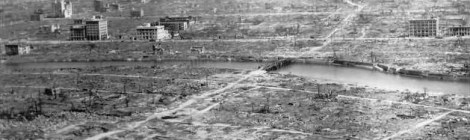
The ‘humanitarian dimension’ initiative highlighting the consequences of nuclear weapons has evolved and consolidated itself in the non-proliferation regime since 2010. The five nuclear weapons states (NWS or P5) under the NPT – China, France, Russia, UK and US – boycotted the first two international conferences on the humanitarian consequences of nuclear weapons. A third conference will be held in Vienna on 8-9 December 2014. This article gives five reasons why the P5 should consider participating.

Boko Haram: Completing the circle of liberal interventionism?
Following the abduction of over 200 school girls from Chibok in northern Nigeria, clarion calls on social media for action in Africa have once again become an excuse to flex military muscle, as the rhetoric of ‘humanitarian’ interventions is increasingly outfitted with the tactics of the war on terror.

Building the Case for Nuclear Disarmament: The 2014 NPT PrepCom
The humanitarian impact of nuclear weapons, highlighted by a wide-ranging, cross-grouping, multi-aim initiative which continues to consolidate itself in the non-proliferation regime, has come to the fore in the 3rd Prepatory Committe for the 2015 NPT Review Conference. Frustrated with the lack of progress towards NPT Article VI commitments to complete nuclear disarmament, the initiative has invigorated attention to the urgency of nuclear disarmament and a need for a change in the status quo. NPT member states and civil society continue to engage actively in publicizing the humanitarian consequences of nuclear weapons as an impetus to progress towards nuclear disarmament.

Britain’s Strategic Pause: Lessons from an insecure and interventionist century
After 100 years of continuous war, can Britain learn the limits of military action to respond to shifting realities of insecurity? Continued investment in force projection and lack of commitment to genuine reflection on today’s security challenges suggests it’s not yet ready to let go of its militarist mindset.
Beaux Gestes and Castles in the Sand: The Militarisation of the Sahara
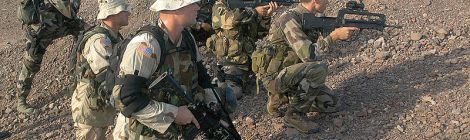
Whatever the benefits for Mali, the French-led eviction of jihadist groups from northern Mali may have made the wider Sahara a less safe place, and has done little to lower the capacity of such groups to threaten European interests.. In 2014, France is implementing a major redeployment of its forces in Africa into the Sahel and Sahara. Meanwhile, the US has been quietly extending its military reach from Djibouti to Mauritania. However, as elsewhere, the western military approach to countering Islamist insurgency in the Sahel rests on very unsteady foundations and the potential to provoke wider alienation and radicalisation is strong.
Can the Nuclear Non-Proliferation Treaty outrun its double standard forever?
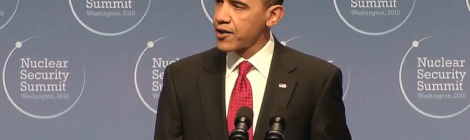
The recent walkout by Egyptian negotiators at UN talks have demonstrated that, like a building with rotten foundations, the nuclear non-proliferation regime is far less stable than many believe it to be. Egypt’s actions make clear that anything less than a regime specifically geared towards addressing the reasons why some states seek nuclear weapons is a regime existing on borrowed time.