Blog

  • Libya: lessons in controlling the arms trade

    In the current military air strikes against Libyan forces, nations that once supported Colonel Muammar Gaddafi’s regime are now—based on sanction by the United Nations—attacking the forces they were marketing and delivering arms to only weeks before. As the violence escalates and the international community examines how to respond to internal conflict and human rights violations, arms supply should be analysed as it implicates the international community as complicit in the violence it is now trying to end. 

    The United Nations Security Council has responded to the violence in Libya with remarkable speed and determination. Within two weeks of the start of the uprising in February, the Security Council unanimously denounced the gross and systematic violation of human rights by the Libyan regime and imposed sanctions, including an arms embargo. Contrary to past decisions on UN sanctions relating to internal conflicts, Russia and China did not delay in voting to support sanctions against Libya, thereby responding, in particular, to calls from regional organizations. More remarkably, in March Russia and China decided not to veto a Security Council resolution allowing the use of force to protect the civilian population, again counter to their usual votes. 

    Whatever the final impact of the UN sanction, the swiftness of the decisions and their wide international support distinguishes the Libyan response from earlier failed attempts to quickly enforce broad UN sanctions to protect civilians from political violence. For example, in 2007 and 2008 the Security Council could not agree on sanctions against Zimbabwe and Myanmar in response to human rights abuses. The key objections by Russia and China in these cases were that international sanctions were not appropriate to address internal situations. The unanimous condemnation of Gaddafi’s regime, however, contrasts starkly to the previously good relations it enjoyed with many governments. 

    Prior UN and European Union (EU) sanctions on Libya including arms embargoes were lifted in 2003 and 2004, after Libya announced that it had ended its nuclear, biological and chemical weapon programmes and had agreed to compensate the families of those who died in Libyan acts of terrorism. Libya’s return to the international community was welcomed owing to its oil resources, its geographical position as a buffer against unwanted migration from Africa to Europe and its potential role in fighting al-Qaeda related groups. 

    However, part of the process of inclusion was acceptance of Libya as a buyer of arms, which has implicated the supplier countries in the sustained oppressive military rule. After more than a decade of being cut off from arms supplies, Libya was expected to spend billions of dollars to modernize parts of its large arsenal of outdated arms. In anticipation to a lucrative market, many companies eagerly competed to supply arms to the wealthy state. In November 2010 the Libdex 2010 arms fair in Tripoli reportedly attracted 100 companies from at least 24 countries. Such sales efforts were often politically supported, with the leaders of France, Italy, Russia and the United Kingdom visiting Libya accompanied by representatives of arms companies. Competing with several EU countries, Russia laboured to sell combat aircraft and advanced S-300 long-range air defence systems and clinched deals for the overhaul of tanks and fast attack craft.

    Despite EU embargoes and arms supply restrictions having been imposed following human rights abuses in, for example, China, Myanmar and Zimbabwe, several EU states have until now seemingly overlooked Gaddafi’s 41-year track record as an authoritarian and unpredictable ruler with a well-documented lack of respect for human rights.  

    Although Italy is now a main base for operations against Libya, it had previously cornered the Libyan market for advanced border security and surveillance equipment. French President Nikolas Sarkozy was one of the first to reverse his position from actively supporting arms sales to denouncing the regime and calling for military action. This decision came immediately after the return from Libya of the last French engineers who had been working on military contracts with Libya. French Rafale combat aircraft, which France had been eagerly trying to sell to Libya, have now bombed Libyan howitzers, which an Italian company had planned to refurbish under a contract signed in 2010. The UK, also at the forefront of the military action against Libya, marketed advanced Jernas short-range air defence systems and supplied an advanced communication system for Libyan T-72 tanks which are now being targeted by UK combat aircraft. Over half of the exhibitors at Libdex 2010 were from the UK.

    Libya has also procured large quantities of small arms and light weapons. These are likely to proliferate throughout Libya, prolonging the violence, or they may leak to conflicts or armed groups elsewhere. In 2007–2008 Ukraine supplied over 100 000 rifles to Libya. Russia reportedly signed a major contract for small arms in 2010 and probably also delivered several compact Igla-S advanced anti-aircraft missiles. In 2009 an Italian company supplied about 10 000 handguns, and authorities in Belgium allowed the supply of a first small batch of high-tech rifles. The latter argued that the weapons were intended for use by Libyan troops protecting humanitarian aid convoys to Darfur. The UK did not allow an arms dealer to export 130 000 Kalashnikov rifles because of the risk that they would be diverted to Darfur, but it allowed the marketing of sniper rifles to Libya. 

    Despite the relentless sales efforts by arms companies, Libya held back on contracts for new major arms. Therefore, it is possible that restraint in supplies of major arms may not have stopped the current bloodshed. 

    However, it can also be argued that the eagerness of many states to supply weapons and so-called security equipment—symbols of power and tools of repression—signalled support of Gaddafi’s regime. Furthermore, if the violence had started later or if suppliers had succeeded earlier in convincing Gaddafi to procure advanced arms, the presence of these weapons in Libya could have complicated the decisions about and enforcement of the current UN sanctioned actions against Libya. In particular, if Russian S-300s and British Jernas Surface to Air Missile systems had been delivered, they would have been major obstacles in enforcing the no-fly zone.

    Soon after the First Gulf War, the international community reviewed their arms trade policies, realizing that supplying arms to Iraq may have strengthened Saddam Hussein’s belief that he could invade Kuwait without punishment. Guidelines for arms exports were formulated, and transparency in international arms flows increased. The role of arms supplies to Libya in the present conflict must be similarly examined. The swiftness with which an arms embargo was imposed as a first action is encouraging. However, to inform the debate on arms trade controls, a critical evaluation of arms supply policies towards Libya is paramount in order to assess how such policies risk emboldening authoritarian regimes and how commercial and national interests may blind governments to the repercussions involved in arms trade.

    Image source: B.R.Q.

    This article was originally published on SIPRI

  • Sustainable Security

    This major report was the result of an 18-month long research project examining the various threats to global security, and sustainable responses to those threats. Read more »

  • Is it Time for Sustainable Development Goals?

    From MDGs to… SDGs? That’s one of the ideas swirling around in discussions ahead of the Rio 2012 sustainable development summit next year, anyway.

    You can see the attraction. With less than a year to go, there are precious few concrete ideas on the table for what the summit might produce, especially in the area of “institutional framework for sustainable development”, one of two key themes for the event (sure, there’s much talk of a new World Environment Organisation, but colour me very unconvinced of the case for that). So might SDGs help to fill the gap?

    Well, that would depend on what they cover. The government of Colombia has set out a proposal for SDGs that would cover various sectors – atmosphere, climate resilience, land degradation, sustainable agriculture, biotech, waste and so forth. This would mainly be about ‘reaffirming’ (that awful word – who, other than diplomats, ever ‘reaffirms’ anything?) commitments made at Rio 1992. But you have to wonder: important though delivery of existing commitments undoubtedly is, is ‘reaffirmation’ of stuff agreed 20 years ago really going to set any pluses racing outside the sustainable development priesthood?

    Much more interesting, on the other hand, is the idea that SDGs could provide an institutional foundation for the nine planetary boundaries identified – and quantified – by the Stockholm Resilience Centre. The core idea in the boundaries approach is to define a ‘safe operating space for humanity’ – and, of course, the global economy. So if you’re looking for a serious synthesis of environment and economic development, this is ground zero.

    Of course, a host of questions would still need to be answered. One would be about what timeline the SDGs would span: 25 years, like the MDGs’ 1990-2015 timescale, or much longer than that?

    There’s also the small question of which countries would be covered, and how. The MDGs were basically about developing countries (Goal 8 notwithstanding) – an approach that clearly wouldn’t be possible with SDGs, given the huge sustainability impact of consumptions levels in rich countries. So would the SDGs apply globally, but not to specific countries – leaving them open to the charge that they’re rhetorical aspirations, not serious engines of change? Or would they apply to individual states – opening up the issue of how to differentiate countries’ commitments?

    Then, of course, we’d need to know how the SDGs would relate to the MDGs. Some (greens, especially) would like to see SDGs replace MDGs beyond 2015. But lots of developing countries would be deeply suspicious of any perceived dilution of focus on poverty reduction, or anything that looked like it might ‘pull the ladder up after developed countries’ by denying them space to develop – and large and influential aid donors might well agree.

    And we’d need to figure out an institutional home for the Goals, too. It would be crucial for them not to be ‘owned’ by the environment priesthood – if SDGs became seen as UNEP’s baby, they’d be stillborn at birth. Instead, it might be interesting to set up a new, independent, scientifically based international institution to monitor planetary boundaries – kind of like a global Congressional Budget Office for planetary boundaries. (Normally, I’m adamantly opposed to creating new international institutions, given how many we have already – but here, I think there’s a compelling case.)

    Finally, there’s the question of process. It’s almost certainly too late to define any set of SDGs in time for Rio. Instead, the best option now would be for Rio to provide a launch pad for a process to define a set of SDGs – perhaps leaving open, for now, how they might relate to post-2015 MDGs further down the line. This would create valuable time for some serious outreach, above all to developing countries – though not too much time, given that you’d want to have the SDGs finalised before the US slides back into Presidential election mode from 2015 onwards. 12-18 months would probably be about right – with the Goals signed off at a UN summit in, say, spring 2014.


    This article originally appeared on Global Dashboard. 

  • Yemen: Latest U.S. Battle Ground

    The United States may be on the verge of involvement in yet another counterinsurgency war which, as in Iraq and Afghanistan, may make a bad situation even worse. The attempted Christmas Day bombing of a Northwest Airlines flight by a Nigerian apparently planned in Yemen, the alleged ties between the perpetrator of the Ft. Hood massacre to a radical Yemeni cleric, and an ongoing U.S.-backed Yemeni military offensive against al-Qaeda have all focused U.S. attention on that country.

    Yemen has almost as large a population as Saudi Arabia, yet lacks much in the way of natural resources.  What little oil they have is rapidly being depleted. Indeed, it’s one of the poorest countries in the world, with a per-capita income of less than $600 per year. More than 40 percent of the population is unemployed and the economic situation has worsened for most Yemenis, as a result of a U.S.-backed structural adjustment program imposed by the International Monetary Fund. 

    The county is desperate for assistance in sustainable economic development. The vast majority of U.S. aid, however, has been military. The limited economic assistance made available has been of dubious effectiveness and has largely gone through corrupt government channels.

    Al-Qaeda’s Rise

    The United States has long been concerned about the presence of al-Qaeda operatives within Yemen’s porous borders, particularly since the recent unification of the Yemeni and Saudi branches of the terrorist network. Thousands of Yemenis participated in the U.S.-supported anti-Soviet resistance in Afghanistan during the 1980s, becoming radicalized by the experience and developing links with Osama bin Laden, a Saudi whose father comes from a Yemeni family. Various clan and tribal loyalties to bin Laden’s family have led to some support within Yemen for the exiled al-Qaeda leader, even among those who do not necessarily support his reactionary interpretation of Islam or his terrorist tactics. Hundreds of thousands of Yemenis have served as migrant laborers in neighboring Saudi Arabia. There, exposure to the hardline Wahhabi interpretation of Islam dominant in that country combined with widespread repression and discrimination has led to further radicalization.

    In October 2000, al-Qaeda terrorists attacked the U.S. Navy ship Cole in the Yemeni port of Aden, killing 17 American sailors. This led to increased cooperation between U.S. and Yemeni military and intelligence, including a series of U.S. missile attacks against suspected al-Qaeda operatives.

    Currently, hardcore al-Qaeda terrorists in Yemen — many of whom are foreigners — probably number no more than 200. But they are joined by roughly 2,000 battle-hardened Yemeni militants who have served time in Iraq fighting U.S. occupation forces. The swelling of al-Qaeda’s ranks by veterans of Abu Musab al-Zarqawi’s Iraqi insurgency has led to the rise of a substantially larger and more extreme generation of fighters, who have ended the uneasy truce between Islamic militants and the Yemeni government.

    Opponents of the 2003 U.S. invasion and occupation of Iraq correctly predicted that the inevitable insurgency would create a new generation of radical jihadists, comparable to the one that emerged following the Soviet invasion and occupation of Afghanistan. Unfortunately, the Bush administration and its congressional supporters — including then-senators Joe Biden and Hillary Clinton — believed that a U.S. takeover of Iraq was more important than avoiding the risk of creating of a hotbed of anti-American terrorism. Ironically, President Obama is relying on Biden and Clinton — as well as Secretary of Defense Robert Gates, another supporter of the U.S. invasion and occupation — to help us get out of this mess they helped create.

    Not a Failed State

    Yemen is one of the most complex societies in the world, and any kind of overreaction by the United States — particularly one that includes a strong military component — could be disastrous. Bringing in U.S. forces or increasing the number of U.S. missile strikes would likely strengthen the size and radicalization of extremist elements. Instead of recognizing the strong and longstanding Yemeni tradition of respecting tribal autonomy, U.S. officials appear to be misinterpreting this lack of central government control as evidence of a “failed state.” The U.S. approach has been to impose central control by force, through a large-scale counterinsurgency strategy.

    Such a military response could result in an ever-wider insurgency, however. Indeed, such overreach by the government is what largely prompted the Houthi rebellion in the northern part of the country, led by adherents of the Zaydi branch of Shia Islam. The United States has backed a brutal crackdown by Yemeni and Saudi forces in the Houthi region, largely accepting exaggerated claims of Iranian support for the rebellion. There is also a renewal of secessionist activity in the formerly independent south. These twin threats are largely responsible for the delay in the Yemeni government’s response to the growing al-Qaeda presence in their country.

    With the United States threatening more direct military intervention in Yemen to root out al-Qaeda, the Yemeni government’s crackdown may be less a matter of hoping for something in return for its cooperation than a fear of what may happen if it does not. The Yemeni government is in a difficult bind, however. If it doesn’t break up the terrorist cells, the likely U.S. military intervention would probably result in a greatly expanded armed resistance. If the government casts too wide a net, however, it risks tribal rebellion and other civil unrest for what will be seen as unjustifiable repression at the behest of a Western power. Either way, it would likely increase support for extremist elements, which both the U.S. and Yemeni governments want destroyed.

    For this reason, most Western experts on Yemen agree that increased U.S. intervention carries serious risks. This would not only result in a widespread armed backlash within Yemen. Such military intervention by the United States in yet another Islamic country in the name of “anti-terrorism” would likely strengthen Islamist militants elsewhere as well.

    Cold War Pawn

    As with previous U.S. military interventions, most Americans have little understanding of the targeted country or its history.

    Yemen was divided for most of the 20th century. South Yemen, which received its independence from Great Britain in 1967 after years of armed anti-colonial resistance, resulted from a merger between the British colony of Aden and the British protectorate of South Arabia. Declaring itself the People’s Democratic Republic of Yemen, it became the Arab world’s only Marxist-Leninist state and developed close ties with the Soviet Union. As many as 300,000 South Yemenis fled to the north in the years following independence.

    North Yemen, independent since the collapse of the Ottoman Empire in 1918, became embroiled in a bloody civil war during the 1960s between Saudi-backed royalist forces and Egyptian-backed republican forces. The republican forces eventually triumphed, though political instability, military coups, assassinations, and periodic armed uprisings continued.

    In both countries, ancient tribal and modern ideological divisions have made control of these disparate armed forces virtually impossible. Major segments of the national armies would periodically disintegrate, with soldiers bringing their weapons home with them. Lawlessness and chaos have been common for decades, with tribes regularly shifting loyalties in both their internal feuds and their alliances with their governments. Many tribes have been in a permanent state of war for years, and almost every male adolescent and adult routinely carries a rifle.

    In 1979, in one of the more absurd episodes of the Cold War, a minor upsurge in fighting along the former border led to a major U.S. military mobilization in response to what the Carter administration called a Soviet-sponsored act of international aggression. In March of that year, South Yemeni forces, in support of some North Yemeni guerrillas, shelled some North Yemeni government positions. In response, Carter ordered the aircraft carrier Constellation and a flotilla of warships to the Arabian Sea as a show of force. Bypassing congressional approval, the administration rushed nearly $499 million worth of modern weaponry to North Yemen, including 64 M-60 tanks, 70 armored personnel carriers, and 12 F-5E aircraft. Included were an estimated 400 American advisers and 80 Taiwanese pilots for the sophisticated warplanes that no Yemeni knew how to fly.

    This gross overreaction to a local conflict led to widespread international criticism. Indeed, the Soviets were apparently unaware of the border clashes and the fighting died down within a couple of weeks.  Development groups were particularly critical of this U.S. attempt to send such expensive high-tech weaponry to a country with some of the highest rates of infant mortality, chronic disease, and illiteracy in the world.

    The communist regime in South Yemen collapsed in the 1980s, when rival factions of the Politburo and Central Committee killed each other and their supporters by the thousands. With the southern leadership decimated, the two countries merged in May 1990. The newly united country’s democratic constitution gave Yemen one of the most genuinely representative governments in the region.

    Later in 1990, when serving as a non-permanent member of the UN Security Council, Yemen voted against the U.S.-led effort to authorize the use of force against Iraq to drive its occupation forces from Kuwait. A U.S. representative was overheard declaring to the Yemeni ambassador, “That was the most expensive ‘no’ vote you ever cast.” The United States immediately withdrew $70 million in foreign aid to Yemen while dramatically increasing aid to neighboring dictatorships that supported the U.S.-led war effort. Over the next several years, apparently upset with the dangerous precedent of a democratic Arab neighbor, the U.S.-backed regime in Saudi Arabia engaged in a series of attacks against Yemen along its disputed border.

    Renewed Violence and Repression

    In 1994, ideological and regional clan-based rivalries led to a brief civil war, with the south temporarily seceding and the government mobilizing some of the jihadist veterans of the Afghan war to fight the leftist rebellion.  

    After crushing the southern secessionists, the government of President Ali Abdullah Saleh became increasingly authoritarian. U.S. support resumed and aid increased. Unlike most U.S. allies in the region, direct elections for the president and parliament have continued, but they have hardly been free or fair. Saleh officially received an unlikely 94 percent of the vote in the 1999 election. And in the most recently election, in 2006, government and police were openly pushing for Saleh’s re-election amid widespread allegations of voter intimidation, ballot-rigging, vote-buying, and registration fraud. Just two days before the vote, Saleh announced the arrest on “terrorism” charges a campaign official of his leading opponent. Since that time, human rights abuses and political repression — including unprecedented attacks on independent media — have increased dramatically.

    Obama was elected president as the candidate who promised change, including a shift away from the foreign policy that had led to such disastrous policies in Iraq and elsewhere. In Yemen, his administration appears to be pursuing the same short-sighted tactics as its predecessors: support of a repressive and autocratic regime, pursuit of military solutions to complex social and political conflicts, and reliance on failed counterinsurgency doctrines.

    Al-Qaeda in Yemen represents a genuine threat. However, any military action should be Yemeni-led and targeted only at the most dangerous terrorist cells. We must also press the Yemeni government to become more democratic and less corrupt, in order to gain the support needed to suppress dangerous armed elements. In the long term, the United States should significantly increase desperately needed development aid for the poorest rural communities that have served as havens for radical Islamists. Such a strategy would be far more effective than drone attacks, arms transfers, and counterinsurgency.

  • Disclaimer

    This site contains copyrighted material the use of which has not always been specifically authorised by the copyright owner. SustainableSecurity.org is a non-profit site and is making such material available for educational and research purposes in order to advance understanding of the threats to global security and sustainable responses to those threats. Oxford Research Group believes this constitutes a ‘fair use’ of any such copyrighted material.

  • Debate Over the Relationship Between Climate Change and Security

    Two articles recently posted on the AlertNet Climate Conversations blog have highlighted a new framework for debating the issue of climate change. That it is a critically important issue is accepted, yet argument is now focused on the degree to which climate change is not only designated a key driver of conflict, but to what extent climate change and its impact should be defined through a security lens at all. Katie Harris of the Overseas Development Institute suggests that while the security narrative of climate change may have caught the attention of the political and security classes, it has the dangerous potential to undermine both the theoretical understanding of the complex factors underlying conflict, and any practical attempts to promote cooperation over resources in conflict-sensitive regions such as the Levant.

    Francesco Femia and Caitlin Werrell from the Center for Climate and Security broadly agree with Harris’ call for a nuanced approach to climate change and conflict, but take issue with the concept of a ‘climate-security narrative’ that interferes with specific cases of conflict-analysis. Rather than overwhelming this analysis, Femia and Werrell defend not only the sophistication of recent research into the relationship between climate change and conflict, but also its emphasis on the role of climate change as one conflict variable among many.


    Climate Conversations – Climate-security as agent provocateur
    By Katie Harris | February 18 2012

    I want to take you back to 2007. Margaret Beckett was UK Foreign Secretary and chairing a United Nations Security Council debate. Instigated by the UK, this was the first Security Council debate to link security to climate change.

    In the five years since Beckett stood before the Security Council, the topic of “climate-security” has been bounded around in all manner of debates.  It has been seized by government agencies, thinktanks, NGOs and the media. For some it is a “quick and dirty” way to grab the attention of those who are not normally interested in climate change, those who see it as a distant concern, of no concern of theirs, or simply a barrier to economic growth.

    In many ways, framing climate change as a security issue has helped to raise awareness of its critical importance. It may even have contributed to increased policy traction.

    But it is a dangerous tactic to gain popular attention. First, for those who want to identify the possible connections between a changing climate and the potential for increased violent conflict, nuance is key (as un-sexy as that may be). Second, it is unwise to promote such a narrative, given the role of perceptions in conflict. It is not, as conflict and security folk would say, “conflict sensitive”.

    Take the Levant (Syria, Lebanon, Israel, Jordan and the occupied Palestinian territory) as an example. Evidence shows that perceptions matter. As an International Institute for Sustainable Development report argues, “in the context of continuing distrust and political tension it is possible to imagine that allocations of resources could become increasingly tense. Control over them may become perceived as an increasingly key dimension of national security, and resource scarcity could be a pretext for their greater militarisation”.

    Using a play on words, Betsy Hartmann has coined the phrase “operation enduring narrative” to reflect the continued presence of the climate-security debate. Indeed, climate-security is being taken up by the UK Foreign Secretary William Hague as well as the UK’s Ministry of Defence.

    I want to stress that we must take seriously the challenges that climate change may present for security, the sharing of scarce natural resources and possible impacts on patterns of migration and food security. That said, I’m arguing that we need a more cautious approach to how we understand the role of climate change in such dynamics, and more caution in how we treat the issue overseas.

    In many parts of the world that have had the “climate-security” spotlight shone on them, climate change is unlikely to be the biggest thing affecting their immediate security. I’m referring specifically to those places currently experiencing violent conflict.

    So yes, it is important to recognise the need to act now on climate change, but we must do so in a way that helps us get a better handle on how we can support communities that are vulnerable to the impacts of climate change and conflict in ways that are positive, proactive and meaningful. As with many  other factors affecting peace and security, good governance is required to create the right institutional environment to handle tensions and conflict in peaceful ways.

    WATER SUCCESSES

    The water sector, for example, has led the way in showing how, with the right support, contested water sources can foster peace through cross-border cooperation. The Good Water Neighbors project is one such example.

    Working with 25 neighbouring communities from Israel, Jordan and the occupied Palestinian territory, the project has turned wise use of water into an entry point to promote cooperation, create trust, increase willingness to cooperate and change attitudes. While long-term sustainable change requires the support of wider governance and political systems, this has been at least a first step at the local level.

    The climate-security narrative continues to be pushed forward in 2012, without enough focus on the opportunities for collaboration, cooperation and negotiation that are vital to avoid the very doomsday scenarios that are being promoted.

    Yet, as my recent ODI report shows, it is welcome news that the UK government is maintaining its focus on the need to promote good governance, address the underlying causes of conflict and support communities at risk of climate change and conflict through the Department for International Development (DFID).

    To date, DFID funds for climate change are being delivered through the usual array of development channels, rather than being diverted to those more commonly associated with security and military interventions. Whether this will continue depends on how the climate-security narrative plays out this year – and the influence of new dialogue around issues from everything from the role of climate change in the Arab Spring to Arctic security.

    Katie Harris works on conflict and climate change issues for the London-based Overseas Development Institute.

    To read the original article, click here

    To read Katie Hariss’ ODI blog on climate change and security policy, click here


    Climate Conversations – Climate-security a reality, not a narrative
    By Francesco Femia and Caitlin Werrell | February 21 2012

    AlertNet posted an interesting piece recently titled “Climate-security as agent provocateur.” The author, Katie Harris of the London-based Overseas Development Institute, rightly calls for “nuance” in making the case for the potential security and conflict implications of climate change.

    The essence of the article is that though the “frame” or “narrative” of climate-security may have generated increased interest and action from the world’s policy-makers, it can be dangerous if done poorly. We couldn’t agree more.

    Also, as Harris states, “for those who want to identify the possible connections between a changing climate and the potential for increased violent conflict, nuance is key…” Indeed it is!

    However, despite these wise words of caution, the article omits a couple key points that may address some of the author’s concerns, including the significant evolution of climate and security scholarship in recent years, and how climate-security is actually defined in this space, specifically in relation to conflict.

    First, the climate and security discourse is evolving. More and more is being done to tease out the connections between climate change, security and conflict as additional regional and local climate data become available.

    There are too many reports to list here, but a number of recent studies from Busby et al., Hsiang et al., Mabey et al.,  Werz & Conley, and an entire special issue from the Journal of Peace Research, come to mind. In this work, “the security implications of climate change” is no mere frame, but a well-analyzed reality and probability, which factors in a number of specific human variables, in particular conflict-ridden and conflict-prone regions of the world, such as the Sahel and Central Asia.

    While more needs to be done to better incorporate non-environmental variables into such assessments (such as the numerous locale-specific social, political and economic drivers of conflict), the field has come a long way since the phrase “climate change is a security threat” was uttered late last century.

    Second, the article repeats a common misconception about the climate-security discourse which we would be remiss to not address (and which we discussed in a previous blog response to an AlertNet piece). Harris states:

    In many parts of the world that have had the ‘climate-security’ spotlight shone on them, climate change is unlikely to be the biggest thing affecting their immediate security. I’m referring specifically to those places currently experiencing violent conflict.

    This is a perfectly reasonable statement. However, the serious scholars and practitioners in the climate-security sphere rarely, if ever, refer to climate change as “the biggest thing affecting the immediate security” of people in countries experiencing, or likely to experience, conflict.

    A ‘THREAT MULTIPLIER’

    In most cases, climate change is treated as one serious variable among many, often defined as a “threat multliplier” or “accelerant of instability.” In other words, the discourse is indeed sensitive to the other drivers of conflict, despite Harris’ assertion that climate-security is not “conflict sensitive.”

    Among those who are serious about exploring the connections, climate change is a phenomenon that in many cases may exacerbate the current tensions that lead to conflict, whether it is resource scarcity, economic disparity, population mobility, or poor governance. Climate change is not an independent variable looming out there on its own (a recent panel discussion hosted by the Woodrow Wilson International Center for Scholars fleshes out this concept brilliantly).

    In this context, the assertion that climate change may be a security risk is not an alarmist tactic, by any means. It is the exploration of a very probable reality. And fully exploring this risk is a necessary prerequisite for developing solutions. As Harris states:

    The climate-security narrative continues to be pushed forward in 2012, without enough focus on the opportunities for collaboration, cooperation and negotiation that are vital to avoid the very doomsday scenarios that are being promoted.

    Once again, agreed. But in order to focus on opportunities for cooperation, it is important to fully flesh out the climate-security risks that such cooperation must address in order to avoid these so-called “doomsday scenarios.” Continued research on the climate-security nexus, more work on further incorporating the non-environmental drivers of conflict into climate-security studies, and a continued promotion of the excellent work that has already been done, will be key for devising the smart and “conflict sensitive” solutions that Harris is calling for.

    Nuance is, indeed, key.

    In short, we should not let the occasionally irresponsible use of the climate-security “frame” discredit the responsible scholarship addressing the climate-security “reality.” Harris’ article should be seen as a call to do more in this space, not less.

    Francesco Femia and Caitlin E. Werrell are founding directors of the Center for Climate and Security. This blog first appeared on the center website.

    To read the original article, click here

  • Sustainable Security

    From Surveillance to Smuggling: Drones in the War on Drugs

    In Latin America drones are being used as part of the War on Drugs as both regional governments and the US are using surveillance drones to monitor drug trafficking and find smuggling routes.. However, as drones are increasingly being used by drug cartels themselves to transport drugs between countries, could Latin America find itself at the forefront of emerging drone countermeasures?

    Read Article →

    Losing control over the use of force: fully autonomous weapons systems and the international movement to ban them

    Later this month, governments will meet in Geneva to discuss lethal autonomous weapons systems. Previous talks – and growing pressure from civil society – have not yet galvanised governments into action. Meanwhile the development of these so-called “killer robots” is already being considered in military roadmaps. Their prohibition is therefore an increasingly urgent task.

    Read Article →

    Too Quiet on the Western Front? The Sahel-Sahara between Arab Spring and Black Spring

    While the world’s attention has been focused on the US-led military interventions in Iraq and Syria a quieter build-up of military assets has been ongoing along the newer, western front of the War on Terror as the security crises in Libya and northeast Nigeria escalate and the conflict in northern Mali proves to be far from over. In the face of revolutionary change in Burkina Faso, the efforts of outsiders to enforce an authoritarian and exclusionary status quo across the Sahel-Sahara look increasingly fragile and misdirected.

    Read Article →

    The cooling wars of cyber space in a remote era

    As current discussions highlight the possibility of “major” cyber attacks causing a significant loss of life or large scale destruction, it is becoming harder to determine whether these claims are hype or are in fact justified fears. Esther Kersley, Katherine Tajer and Alberto Muti offer some clarity on the subject by assessing the major issues in cyber security today to help better inform the debate and assess what threats and challenges cyber issues really do pose to international peace and security.

    Read Article →

    Drone-tocracy? Mapping the proliferation of unmanned systems

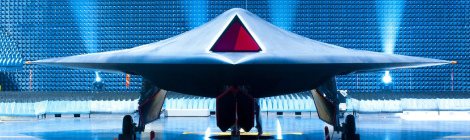
    While the US and its allies have had a monopoly on drone technology until recently, the uptake of military and civilian drones by a much wider range of state and non-state actors shows that this playing field is quickly levelling. Current international agreements on arms control and use lack efficacy in responding to the legal, ethical, strategic and political problems with military drone proliferation. The huge expansion of this technology must push the international community to adopt strong norms on the use of drones on the battlefield.

    Read Article →

  • Sustainable Security

    In considering security sector reform, questions of affordability have often been subordinated to questions of effectiveness and expediency.  A recent series of reviews of security expenditures by the World Bank and other actors in Liberia, Mali, Niger and Somalia has highlighted several emerging issues around the (re)construction of security institutions in fragile and conflict-affected states.

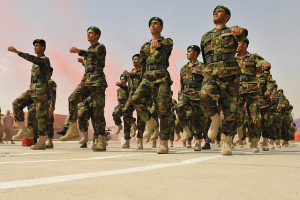
    Afghan National Army soldiers march during the 3rd term graduation oath ceremony at Ghazi Military Training Center in Kabul, Afghanistan, Sept. 6, 2010. During the ceremony 379 non-commissioned officers graduated and joined the Afghan Army. Source: ISAF Media (Flickr)

    Afghan National Army soldiers march during the 3rd term graduation oath ceremony at Ghazi Military Training Center in Kabul, Afghanistan, Sept. 6, 2010. During the ceremony 379 non-commissioned officers graduated and joined the Afghan Army. Source: ISAF Media (Flickr)

    When in late 2005 a team of international financial experts in Kabul put the numbers together on how much the Afghanistan security sector was costing they were astounded by the results. So were the Afghan government and its partners. Running at some $1.3 billion per year, or 23 % of GDP, just over three-quarters of it financed by donors, Afghan security spending (not including counter-narcotics) exceeded domestic revenues by over 500%.

    Simple number crunching put into stark focus the unsustainability of the security sector and the need to look at options for changing the posture of the military and police (the two largest spenders) and bringing costs under control. This analysis did not even touch the international costs of ongoing conflict (such as the NATO-led International Security Assistance Force – ISAF) in the country.

    Such a financial perspective is increasingly being added to emerging practice on internationally driven security sector reform (SSR) with interesting results. One particular aspect that has largely been missing from the international SSR agenda since its beginning in the 1990s has been the nexus between financial resources and security. While general aspirations for affordability are often stressed with regard to SSR, there has been little guidance supporting governments to better understand whether security sector financing is sustainable, let alone efficiently and effectively allocated.

    National budgets are, after all, the most important policy vehicle for articulating and ultimately meeting a country’s priorities within scarce public resources; it is through the budget process that competing priorities are reconciled and implemented. One of the core priorities for many countries is security and justice provision and yet to date there has not been much work on the composition of security sector budgets as well as the processes of how they are planned and managed.

    This is beginning to change for a number of possible reasons, not least that the ‘suits’ responsible for the national purse rather than those ‘in uniform’ are advocating change. A quick overview of a number of recent exercises in conflict-affected African states suggests a number of different contexts in which such scrutiny is being requested.

    Transitions and UN peacekeeping drawdowns: Liberia

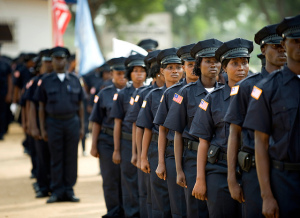
    The thirty-third class of police officers of the Liberian National Police (LNP) participate in a graduation ceremony. Source: Africa Renewal (Flickr)

    Police officers of the Liberian National Police (LNP) participate in a graduation ceremony. Source: Africa Renewal (Flickr)

    In a recent example of United Nations, World Bank and government collaboration, a public expenditure review was undertaken for Liberia in mid-2013 in order to identify the funding requirements necessary for a national security strategy to be put in place in anticipation of the gradual reduction and exit of the UN peacekeeping operation (UNMIL).

    What this immediately revealed was that there was a financing gap between domestic revenues, anticipated foreign assistance and the targets set by the national strategy. In the short term, recommendations focused upon savings through strengthening public financial management systems as well as mobilising additional resources.

    More significantly, the joint review raised questions about the effectiveness of a strategy that relied on the establishment of regional ‘law and order’ hubs which could deploy law enforcement personnel as well as extend the reach of judicial services. Was this the best way to use scarce resources? Were such regional hubs the solution to providing accessible security and justice services to a general public that held in distrust the state and particularly those in uniform? In turn, were there more effective ways to use those scarce resources to address some of the underlying structural causes of grievance and disorder, such as contestation over land and land concessions?

    The debates around those policy tensions and trade-offs continue;  but this was an interesting example of how the money question – whether a proposed security and justice model could be paid for – raised more fundamental questions about the effectiveness and ultimately the purpose of the security and justice system.

    Interestingly, an important side-question was not asked: the affordability of the national army. The review was simply focused on public order and internal security and not on the small (and largely US funded) Armed Forces of Liberia. Indeed, this omission was characteristic of the bifurcated Liberian SSR process, with US (military) and UN (police and justice) pursuing separate programmes since 2004.

    Domestic resource constraints vs existential threats: the Sahel

    Long a focus of international support to national militaries and counter-terrorist capacity, the western Sahel region suffered a major crisis in 2012 with a coup in Mali precipitating the take-over of the country’s north by regional jihadist and local Tuareg and Arab nationalist armed groups.

    As part of the return to ‘normalcy’ and seeking to address historical concerns relating to public mismanagement, the Malian transitional government requested a review of the defence sector in early 2013. This was in part to respond to grievances that had resulted in the coup, particularly relating to reports of an inflated senior officer corps and poor equipping of frontline troops. In turn, donors that had long treated Mali as an ‘aid-darling’ were becoming super sensitive to reports of public sector corruption.

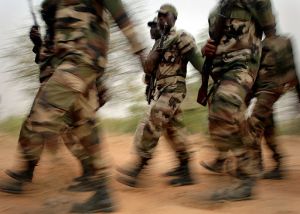
    Nigerien soldiers from the 322nd Parachute Regiment march to a training site during Operation Flintlock 2007. Source: US Navy (Wikipedia)

    Nigerien soldiers from the 322nd Parachute Regiment march to a training site during Operation Flintlock 2007. Source: US Navy (Wikipedia)

    Across the border, Niger, which to date has managed its ‘northern problem’ and the Libyan ‘spillover’ by ways of political accommodation, was also seeking an expanded security sector and additional resources. In so doing, the Nigerien government realised that the quid pro quo was to conduct a review of its security sector.

    Both country reviews were undertaken by the World Bank working on its own; and for its own mandate reasons the Bank reviews were focused exclusively on the public financial management of the sector. This meant that more fundamental policy issues about the effectiveness of the respective militaries and the complementary roles played by key bilateral and multilateral (in Mali’s case) security actors were left aside. However, the reviews did serve to push for more accountable and transparent use of such resources as well as identifying resourcing gaps.

    Management of external financial flows and shaping an emerging security sector: Somalia

    Somalia in many senses confronts all of the challenges outlined above; the newly selected Federal Government (FGS) faces the existential threat posed by the al-Shabab insurgency while also hosting the African Union’s largest peacekeeping force (AMISOM) as well as a number of other onshore and offshore security interventions, such as by US and French forces. At the same time, the FGS is undergoing its own constitutional review process on how it relates to other entities within Somalia on key questions regarding the nature of the state and in particular the very scope, shape and purpose of a formal security and justice system.

    The FGS is keen to take on greater responsibility, expand its remit beyond Mogadishu, and put a variety of external financial flows into the security forces on budget. It is also conscious of the significant resources going to external security providers, such as AMISOM, and would like increasingly to take over the functions of those actors as well as some of their funding.

    For this reason it has turned to the World Bank and the UN Assistance Mission (UNSOM) for support in trying to strengthen public financial management systems, particularly but not exclusively for the Somali National Army and Somali Police Force, as well as to examine some scenarios for the sector and issues of affordability. This review is still ongoing but it is clear that Somalia faces similar questions posed in Kabul about what is a sustainable security sector, and are there alternative ‘cost-effective’ means to reach political settlement with other regional entities in Somalia while tackling an ongoing insurgency.

    Emerging Issues

    It is too early to say whether these recent government requests are turning into a systemic trend; there remain many countries for which such an opening-up of books would be out of the question. However, what this body of work does point to is a number of challenging issues particularly relating to the peace- and state-building agenda.

    Accountability of external support: While many African militaries and security forces are still receiving significant external support, little of this is being formalised within the national budget and in turn discussed with parliaments and civil society. While transparent, accountable and open government is part of the official development discourse, foreign bilateral security arrangements are still kept more often closed and off the books. Foreign governments are not speaking with one voice: foreign assistance is coupled with calls for good-governance that can often be trumped or undermined by bilateral security arrangements.

    Transparency as a process: Budget amounts to policy; it reflects what states actually do and are accountable for. Such reviews are critical entry points for the civilian side of governments to be more empowered in looking at various financing gaps and pose questions about how those gaps can be filled. Security budgets in developed countries often remain opaque and weakly scrutinised, no less than those in the developing world. There is no doubt that security expenditures can remain secret as they touch upon sensitive issues of national security; yet the sector can also harbour serious corruption, off-budget expenditure and unclear procurement practice. Transparency is therefore a bit-by-bit process. Better use of domestic resources could be one prize of greater scrutiny; another could ultimately be greater sharing of data at the regional level in order to build confidence amongst neighbours.

    Revenues, security functions and state-building: Too often, classic SSR approaches can be a Weberian analysis of what a security apparatus should look like in any given country and how external actors can support the establishment of such a system. This is often blind to the actual functions of domestic security actors and their access to resources and exaction of revenues. A political economic inquiry can obtain a better understanding of how security forces raise revenues, from large-scale exploitation of natural resources to illicit taxation, and in turn what the functions of such forces are in practice. A greater understanding of these dynamics enables a clearer policy dialogue around, first, what is affordable in relation to revenues being exacted and, second, what incentives are required to transform those functions into provision of a public good – security.

    Two examples come to mind. At the more micro-level, in 2008, a study on checkpoints in Côte d’Ivoire revealed that the military, gendarmerie and police were raising up to $100 million a year in illicit taxes on local traffic. This study enabled a more open discussion on what steps were needed to clear the checkpoints and remove the burden on commerce and public alike.

    Somaliland Shillings, Hargeisa, 2008. Source: Tristam Sparks (Flickr)

    Somaliland Shillings, Hargeisa, 2008. Source: Tristam Sparks (Flickr)

    The more meta-level example is that of Somaliland in which security sector reform without external support has ‘worked,’ in the sense of providing stability and the conditions for successful democratic transitions of power. Local business and political elites forged a co-dependent coalition in the mid-1990s that allowed sufficient funds (initially some $6m) to pay for the stand-down and demoblisation of the clan militias. To this day some 30-50% of the regular budget is estimated to be payments to these forces; the high price for peace. Analysts have remarked on the way in which domestic revenue (business donations) were utilised to pay off militias (to stand-down and secure stability) that, in turn, no-longer exacted revenues from infrastructure points such as air or seaports. This allowed the government to raise its own revenues (albeit with the largest share of expenditures to pay for the army or demobilised militia) and the business sector to flourish.

    Standards of affordability and effectiveness: ultimately this work asks questions around what is affordable and what is an effective security and justice sector. The former US Secretary for Defense (1961-68, when US military spending averaged over 8% of GDP) and President of the World Bank (1968-81), Robert McNamara, famously posited the idea of an ideal ceiling of 2% of GDP for security. Although that is a standard no longer referred to, the international financial institutions continue to discuss with client governments the size of the public sector in relation to the fiscal framework (revenues vs spending) and, in turn, the sectoral trade-offs such as those between national defence and provision of basic social services such as health or education.

    A more important question is: what is effective security? This relates to a more rigorous management of public finances, greater accountability, transparency and measures against corruption. Yet, it also points to value-for-money performance standards for security and justice providers such as the police. Ultimately, it can potentially pave the way to a more participatory discussion among end-users (citizens) and providers (the state) about how to be cost-effective, which may include sustainable approaches to violence and conflict prevention, including addressing underlying causes of grievance and disorder.

    Afghanistan is now going through another turbulent electoral cycle while donors seek some $3.5 billion to meet the costs of the Afghan army and police – now estimated at over $4 billion per year, or 20% of GDP – as the US and ISAF forces exit by the end of 2014. External security imperatives have superseded questions around affordability and effectiveness: and what is working and what is not. However, a number of African governments have at least started asking the right questions to obtain information to begin to address the challenge of creating affordable and effective security systems for citizens.

    Bernard Harborne is lead of the Violence Prevention Team in the World Bank, having joined in 2004. He has worked for over 20 years on conflict-affected countries for the UN, World Bank, NGOs and the British Government. He has a background in law, including a Masters in International Law from the LSE, and is an adjunct professor at George Washington University. Opinions expressed in this article represent his personal views and not those of the World Bank.

  • Sustainable Security

    The United Nations Integrated Mission in Timor Leste (UNMIT) represents an interesting case when discussing the impact of local peacekeeping on the overall success, or failure, of peacekeeping operations. Although not without its share of problems, this mission is a good example of the promise of local peacekeeping.

    Timorese policemen used to refer to peacekeepers as ‘really useful cabbies’ whose 4x4s could get you anywhere, which provides a stark contrast with the official United Nations (UN) version that peacekeepers had been building the capacity of the local police. The United Nations Integrated Mission in Timor Leste (UNMIT) is particularly interesting when discussing the impact of local peacekeeping on the overall success, or failure, of peacekeeping operations.  This large mission in a relatively small and, following the departure of Indonesian troops, relatively peaceful country followed an integrative approach to peacekeeping. The UN also strongly supported community policing in Timor Leste, which is a good example of the promise of local or ‘bottom-up’ peacekeeping. Generally seen as successful, the peacekeeping operation ended in December 2012. Although not without its share of problems, Timor Leste has remained relatively stable and secure.

    Local Peacekeeping

    Local peacekeeping refers to the activities of peacekeepers throughout the whole area of operations and thus corrects for a biased focus on a country’s capital and the official, internationally recognized government. It emphasizes interactions between local communities and peacekeepers and considers the improvement of local conditions as crucial to stabilizing post-conflict situations. Communities often experience specific conflict dynamics because of uncertainty about entitlements to land and property, exacerbated by the movements of internally displaced people. A common legacy of the civil conflict is the undermining of traditional authority, leading to generational conflicts, as the experience of Liberia illustrates.

    These parochial, often even partially private conflicts and grievances not only lead to increased insecurity locally, they can also have a wider impact because they are easily exploited to obstruct national peace processes. Recently, Séverine Autesserre highlighted the failures of the international community, among them UN peacekeepers, to adequately deal with such local conflict dynamics in the DRC, and it has become common to talk about the need for bottom-up peacebuilding.

    Bottom-up Peace

    Members of the United Nations Transitional Administration in East Timor (UNTAET) Portuguese contingent are accompanied by a group of local children as they conduct a security patrol in the Becora district of Dili. 1/Mar/2000. Dili, East Timor. UN Photo/Eskinder Debebe. www.unmultimedia.org/photo/

    Image by UN Photo via Flickr.

    Even though they are obviously related, local peacekeeping is not the same as bottom-up peacebuilding, and the differences matter when evaluating possible contributions of local peacekeeping to the overall success of missions. First of all, even when peacekeepers are deployed throughout a larger area, they may still predominantly engage with national tensions, for example, when they monitor possible military activities of the government and rebels. In such cases, local communities may simply be caught in the crossfire between the government and rebel groups, and the interaction between peacekeepers and locals will remain largely of an economic and social nature.

    Secondly, a very large peacebuilding community tends to operate in post-conflict countries, involving representatives of global organizations such as UNICEF and UNHCR, but also from international NGOs such as the Red Cross, as well as local activists and local NGOs. This community, rather than the peacekeepers, initiates and supports local peace initiatives and has more readily accepted the importance of bottom-up peacebuilding. Even when they are not directly involved, the presence of peacekeepers can still matter. for example, by guaranteeing the general security situation. Unfortunately, the record of peacekeepers to effectively protect humanitarian workers remains mixed as illustrated by recent events in South Sudan  and the DRC. To find out whether local peacekeeping works, we need to know where peacekeepers go, what they do, with whom they interact, and how locals respond to them.

    Regardless of the recent attention paid to local peacekeeping, it is important to be aware that peacekeeping remains predominantly ‘top-down’. In our research, we have found that UN peacekeeping missions in Sub-Sahara Africa report mainly on interactions with government representatives. Their collaboration is presented as essential to realizing a key goal of the UN, namely to rebuild central administration. There are not only fewer reports of engagement with rebel groups, but these reports also mention conflict more often. The picture is not uniform: relatively weak rebel groups are more cooperative towards larger UN missions, possibly because the latter are able to offer protection. Even more rare are reports of dealing with independent local authorities; in fact, there are too few to be able to say anything about the quality of the interaction.

    A Strategic Approach to Local Peacekeeping

    Currently, there is also little evidence to suggest that the UN recognizes the relevance of local peacekeeping as a strategy. Instead, peacekeeping operations deal with local violence in response to specific events and mainly at the tactical level to contain such events. Peacekeepers definitely respond to flare ups of violence and they are concerned about protecting civilians. Stories about peacekeepers hanging around hotel pools or spending their time on the beach are largely urban myths. Even though they are commonly positioned near cities, they are deployed to, and more active in, conflict zones. The lack of strategy, however, leads to considerable and systematic delays in their response to violence. Once peacekeepers arrive on the scene, they appear able to largely contain the violence but they may well have missed valuable opportunities to limit damage and save lives.

    Operations also lack high-quality information about local conditions hindering the development of an effective local peacekeeping strategy. At the local level, allegiances and antagonisms are often complex and subtle, and may shift quickly. It is not only necessary to gather intelligence about the local context prior, during and even post deployment, but also to coordinate this intelligence with ongoing operations. Stefano Costalli similarly argues that the United Nations Protection Force (UNPROFOR) failed to develop a strategy for Bosnia based on features of the terrain, warring factions and ethnic composition of the population that would have allowed them to intervene in a timely manner. He also recognizes that creating strategies is particularly difficult for multinational missions.

    Pittfalls and Prospects

    Local peacekeeping thus requires a number of difficult choices. First of all, not all peacekeepers are equally suited for local peacekeeping. Regional peacekeeping forces will often have a better understanding of local conditions, but local actors may also perceive them, rightly or wrongly, as biased. Secondly, local peacekeeping benefits from long-term commitments, allowing contingents to understand local conditions better and to be able to complete the projects they have initiated.  Peacekeeping forces, however, regularly rotate, since they often have to operate in difficult circumstances. The support for community policing in Timor Leste provides several useful lessons. Peacekeepers from New Zealand took prime responsibility for this task throughout the duration of the mission and even following its completion. They were credible because the local population, including local policemen, appreciated their commitment to and understanding of community policing. Interestingly, locals recognized the different approaches to policing taken by police officers from, for example, Portugal, Japan and New Zealand.

    Even though it is too early to say that local peacekeeping has become a strategic approach to peacekeeping, the importance of building good relations between peacekeepers and local communities is by now broadly accepted. The United Kingdom is experimenting with training for its peacekeeping mission within local communities in Malakal and Bentiu in South Sudan. This approach, if successful, can be expected to transform into a new policy looking to improve the interaction and integration of the mission within the communities. There are also initiatives within ongoing peacekeeping missions; for example, while deployed as UN police officer, Kristin Konglevoll Fjell set up a women police support network in Liberia, which created a channel for communication between local women police officers and women UN officers.

    It is important to realize that whether with or without a strategic approach to local peacekeeping, peacekeepers always have had a local impact. First of all, already a modest deployment of peacekeepers shortens the duration of conflict episodes in a particular locality. There is also evidence that it makes attacks against civilians by armed factions less likely. The ‘Blue Helmets’ provide a basic level of security in situations where insecurity is the norm rather than the exception. Peace, however, is more than the absence of conflict. Moreover, the endemic insecurity in post-conflict situations creates a dependency on peacekeepers—even while cooperation with, and appreciation of, peacekeepers declines the longer peacekeepers are present in a particular country.  The need for a peacebuilding, rather than peacekeeping, strategy seems evident, and the value of local peacekeeping may well be that it recognizes the importance of harnessing the local capacity to build peace.

    Han Dorussen (PhD, University of Texas at Austin) is Professor of Government at the University of Essex (UK). He is associate editor of the Journal of Peace Research. Current research interests include peacekeeping and the governance of post-conflict societies, the relationship between trade and conflict, and policy convergence in the European Union. Recently his research has focused on the impact of peacekeeping on local communities and on the perception of insecurity among the local population. The latter research based on fieldwork in Timor Leste. He has published in (a.o) International Organization, World Politics, Journal of Peace Research, Journal of Conflict Resolution, International Peacekeeping, and the British Journal of Political Science. 

  • Sustainable Security

    Colombia and Mexico: The Wrong Lessons from the War on Drugs

    As activists around the world participate in a Global Day of Action against criminalisation of drug use, evidence from the multi-billion dollar War on Drugs in Colombia suggests that militarized suppression of production and supply has displaced millions of people as well as the problem, not least to Mexico. The wrong lessons are being exported to Central America and beyond, but a groundswell of expert and popular opinion internationally is calling for alternative approaches to regulating the use and trade in drugs.

    Read Article →

    The United States, Niger & Jamaica: Food (In)Security & Violence in a Globalised World

    due to a complex range of interconnected issues from climate change to misguided economic policies, political failure and social marginalisation, over 2 billion people across the world live in constant food insecurity. Anna Alissa hitzemann takes a sustainable security approach to look at the importance of “physical and economic access to basic food” by exploring the links between food insecurity and violence.

    Read Article →

    Causes of Conflict: A Strategic Perspective on US–Sino Relations in the Caribbean

    Author and former High Commissioner of Trinidad and Tobago to the Court of St. James, Serena Joseph-Harris writes that China’s increasing regional profile in the Caribbean highlights the challenges now posed to American exceptionalism as Beijing defines its own course in the region. This article focuses on the potential within the Caribbean Basin for the burgeoning proceeds presently derived from increases in the legitimate investment, trade, and commerce emanating from Beijing and Washington to become entwined with illicitly derived funds generated from transnational crime activities, specifically the trafficking of drugs.

    Read Article →

    Mano Dura: Gang Suppression in El Salvador

    Widespread social exclusion makes El Salvador fertile ground for gang proliferation and, over time, gang members have resorted to greater levels of violence and drug activity. Yet, government approaches have proved spectacularly ineffective: the homicide rate escalated, and gangs have adapted to the climate of repression by toughening their entry requirements, adopting a more conventional look, and using heavier weaponry. Sonja Wolf argues for approaches which focus on prevention and rehabilitation and looks at why such approaches have been continually sidelined.

    Read Article →