Blog

  • Floating liabilities? Maritime armouries, risks and solutions

    RC_long_logo_small_4webThis article is part of the Remote Control Warfare series, a collaboration with Remote Control, a project of the Network for Social Change hosted by Oxford Research Group.

    The use of security forces to protect merchant vessels from piracy has led to a rise in ‘floating armouries’: vessels that are used for weapons storage, often moored in international waters. This growing trend raises a number of concerns over security, oversight and transparency. 

    From 2005 onwards, cargo ships traversing the seas off the coast of Somalia into the Gulf of Aden have become targets of maritime piracy.  One of the responses has been to station armed guards on the ships, or on support vessels travelling with the ships to protect them. On commercial ships these guards have generally been provided by Private Maritime Security Companies (PMSCs) with weapons owned by the PMSCs themselves or leased from governments or other PMSCs in the region.

    PMSCs need to have storage for the weapons when not in use. One option is to store them in land-based armouries, the other is to store them in ‘floating armouries’. A new report by the Omega Research Foundation commissioned by the Remote Control project examines the issue of floating armouries and offers recommendations for how they could be regulated.

    What are floating armouries and why are they used?

    Floating armouries are ships that store weapons, ammunition and other equipment such as night vision goggles and body armour for use by PMSCs engaged in vessel protection. They also provide other logistics support including accommodation, food and medical supplies storage. They are typically commercially owned vessels, and are often anchored in international waters. These vessels are not purpose built, but ships that have been converted and retrofitted.

    Due to the tightening of state regulation over the use of land based armouries, restrictions on weapons in some territorial waters, as well as the fees levied at PMSCs to move weapons through ports, PMSCs have increasingly turned towards floating armouries.

    What are the issues?

    Whilst PMSCs have dramatically reduced piracy off the coast of Somalia, the Omega Research Foundation’s report sheds light on an underexplored issue: the lack of regulation, oversight and security of floating armouries. It is not known how many floating armouries there are in operation – due to the lack of information on these vessels it is hard to verify their numbers. In 2012 a UN report detailed 18 floating armouries; other reports put the number at between 12 and 20 (See an industry newsletter and a Guardian article quoting the EU Naval Force). In September 2014 the UK Government published a list of floating armouries that UK PMSCs were licensed to use, stipulating 31 armouries. As this number only represents floating armouries licensed for use by UK companies, there may well be other armouries in operation.

    In 2012 the UN Monitoring Group on Somalia and Eritrea highlighted concerns over the safety and security of floating armouries, citing the lack of national and international regulations. The Group stated:

    This new and highly profitable business for PMSCs is uncontrolled and almost entirely unregulated, posing additional legal and security challenges for all parties involved.

    Two years on there is still no international regulation and only limited national regulation. As the floating armouries are often moored in international waters, they operate in a ‘legal grey area’ with, in some cases, the only regulation coming from the states that register the vessels (the flag states). There are at least 3 states (Djibouti, Mongolia, and St Kitts and Grenadine) that give explicit approval for vessels to operate as floating armouries. Other states do have some regulation regarding the carrying of weapons on board ships but it mainly relates to PMSCs rather than floating armouries specifically.

    Some of the vessels operating as floating armouries are flagged to countries that are on the Paris MoU or Tokyo MoU ‘black lists’. These black lists are derived from the Port State Control authority’s inspection of ships for compliance with international conventions and international law. Port State Control publishes an annual list evaluating the performance of flag states and assigning each a white, grey or black classification. The Omega Research Foundation has raised concerns that some floating armouries are flagged to states where there are serious concerns over the regulation of ships that fly under their flags.

    There are also concerns over the construction and physical security standards of the floating armouries. None of the vessels currently used as floating armouries have been purpose built for that function. Existing vessels have been adapted, which means they may not have acceptable storage facilities for arms and ammunition. As a minimum, floating armouries should have an armoury contained within the structure of the ship and should have a secure entrance. Arms and ammunition should be stored separately, and should be kept in a weatherproof, ventilated and shelved environment.

    What are the solutions?

    Whilst states can introduce legislation to regulate floating armouries operating within their jurisdiction, the most effective regulation needs to be at an international level. The International Maritime Organisation (IMO) as well as international trade bodies, such as the Security Association for the Maritime Industry (SAMI), should review current regulation and implement the necessary changes.

    As a first step there should be an international in-depth study into the number of floating armouries currently in operation and the establishment of a central registry that contains information on the vessels used as floating armouries and the companies that operate them. The IMO or another international body should also review any existing national regulations and examples of best practice. Subsequent work should focus on establishing an international regulatory framework for floating armouries and an effective monitoring and compliance mechanism.

    The Omega Research Foundation (@Omega_RF) is an independent UK-based research organisation dedicated to providing rigorous, objective, evidence-based research on the manufacture, trade in, and use of, military, security and police (MSP) technologies. Their report, ‘Floating Armouries: Implications and Risks’ is available here.

    The Remote Control project is a project of the Network for Social Change hosted by Oxford Research Group that looks at the current developments in military technology and the re-thinking of military approaches to future threats.

    Featured image: Offshore tug, the same kind of vessel used for floating armouries. Source: Flickr | Luc Van Braekel
  • Sino-Russian Border Security

    Contrary to the claims of analysts and pundits, the China-Russia relationship is not as friendly as it seems and there is mistrust between Beijing and Moscow. But changes to Sino-Russian border security could help alleviate tensions between the two powers. 

    Seeking to build their own respective influence in East Asia, China and Russia have entered into an ostensible mutual embrace. For Russia, this is part of its so-called “pivot to the East”. The two sides have sought to increase their cooperation in the defense and economic realms, especially in terms of closer economic integration, joint military exercises, and coordinating responses on issues of global concern such as placing restrictions on arms proliferation and militarization. In May 2015, Russian Ambassador to China Andrei Denisov highlighted the need for a Sino-Russian relationship built on the basis of economic development and sustainable security.

    At present, the China-Russia relationship is not as profound as many analysts and pundits suggest. Such is the nature of a relationship built on oil markets and the whims of global politics. Nevertheless, no matter what shifts or weaknesses in China-Russia ties may occur, one thing that the two countries cannot escape is the reality of geographic proximity. The Russian Far East’s closeness to the economic powerhouses of China and Japan opens the region to investment from these areas. The Russian Far East’s sparse population combined with a wealth of natural resources presents Moscow with a unique quandary. For Russia, the task at hand is to develop the Russian Far East to a sufficient degree while also securitizing it from external exploitation.

    Geopolitics casts a shadow over the border

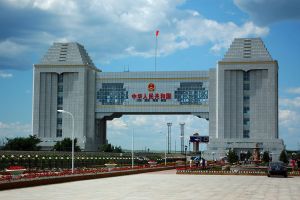
    Manzhouli_Gate_01

    Manzhouli Gate on Sino-Russian border. Image by Quatro Valvole via Wikimedia.

    One of the major stumbling blocks to a culture of sustainable security is persistent mistrust at the highest levels of government in Beijing and Moscow. Despite public displays of solidarity at the diplomatic level in China and Russia, the two countries remain wary of one another. Internal and external observers often view the China-Russia relationship through the lens of geopolitics, namely, that the China-Russia relationship is driven by rivalries both within their bilateral relationship, as well as outside, in terms of a desire to contain the United States’ power in global affairs.

    Much of the modern China-Russia relationship, despite the alarmism propagated by some observers, remains opportunistic for both parties. No number of agreements-neither on the energy trade nor economic initiatives such as the agreement to jointly develop China’s “New Silk Road” economic initiative with the Russia-led Eurasian Economic Union integration structure- can assuage the lingering feelings of strategic mistrust between the two countries, be it in the economic or military realm.

    Despite the post-Cold War drawdown of armed forces on the frontier, the Sino-Russian border remains militarized, exemplified by the deployment of 12,000 Chinese troops to the border in 2014, possibly in response to Russian nuclear drills near the border due to take place later that month. The failure to move beyond a geopolitical worldview in the China-Russia relationship will make sustainable security all the more difficult. Not only will persistent mistrust between China and Russia perpetuate fears based on traditional, military security, but it will also make it more difficult for the two sides to cooperate on border security. Indeed, security tensions on the Sino-Russian border are nothing new, as the two sides engaged in a border conflict that lasted throughout 1969. Despite the end of open conflict after approximately six months, the tense atmosphere on the border persisted until 1991 when the two sides finally resolved their border demarcation disagreement.

    In spite of the ostensible resolution of border disagreements between the two countries in 2001, anger arose among Chinese netizens in late 2015 when news reports highlighted the construction of border markers signifying the return of 4.7 square kilometers of land from Russia to China. The anger came from what appeared to be China’s inability to demand more land from Russia, which Chinese nationalists believe to be rightfully theirs in light of acquisition of land belonging to the Chinese Empire by the former Russian Empire in the 19th century.

    Necessity overrides high politics

    Far removed from the mechanism of high politics at the official level is the day-to-day reality of cross-border interaction between Chinese and Russians living along the border, as well as the issue of Chinese migration to the Russian Far East.  According to a report on life in the Russian Far East many Russians remain skeptical and wary of Chinese consumption of Russian land and material assets. But many locals also protest the heavy-handed and centralized nature in which Moscow conducts its governance over the Far East. The region’s increasing economic dependence on China and continuing political subjugation to Moscow means that many local residents are increasingly turning to China for their everyday needs, which includes engaging in shuttle trading and importing Chinese cars.

    Two major changes in the management of Sino-Russian border security should therefore occur. One is a move away from a strict dependence on reactive measures, to a more proactive approach, explained below. A second is to divorce the happenings of high geopolitics between the two nations’ capitals from realities on the ground, especially by building interethnic relations so as to create a culture of trust and cooperation during times of geopolitical uncertainty in the China-Russia relationship.

    Aside from regular border patrol and law enforcement activities along Russia’s Far Eastern borders, Russian security authorities also utilize the concept of Border Security Zones. Dating back to the Soviet era, these are essentially small, barely-populated areas along the Russian borders with several countries, including China and North Korea prohibited from entry without permission from the local FSB (Russia’s federal domestic security service). Nevertheless, with not only the existing and growing presence of Chinese living in Russia but also the increased trade relationship between the two countries, border security based strictly and exclusively on prevention and interception on the part of Russian law enforcement is not a viable means of border security. One solution to this problem is concentrating on developing the interrelationship between the Chinese and Russian border communities.

    Community relations in border enforcement and security

    Russian authorities could potentially pursue a border security policy based in the concept of community policing. The concept of community policing is based on the notion of building working relationships between law enforcement and local communities. Instead of trying to catch and apprehend criminals, community policing entails interaction between civilians and law enforcement as part of the latter’s patrol duties. This has been implemented with relative success in American cities with high racial tensions such as Philadelphia. Not only does it increase public trust in the police, but it makes communities more willing to be forthcoming about criminal activity in their areas.

    One particular fear for Sino-Russian border security is the potential for organized crime groups to exploit cross-border activity and border communities. It can be easy for criminal elements, ranging from petty smugglers to larger criminal enterprises to blend into local Chinese border communities. In fact, Chinese organized crime groups such as the triads have become increasingly more powerful in the Russian Far East than the traditional Russian mafiya. While that is not a problem specific to border security, a Sino-Russian boundary line that is difficult to protect can only make the jobs of criminals operating in the region easier. Many Chinese migrants in the region end up being caught up in the machinations of criminal organizations as a way of contending with racial discrimination and the possibility of deportation.

    Through members of Russian law enforcement in border areas interacting with members of the Chinese communities in Russia’s borderlands, trust between the two sides can be built. Over the long term, if mutual feelings of respect and good working relationships between law enforcement and the community are established, the ability for the two sides to cooperate on the prevention and interdiction of criminal activities such as drug smuggling and human trafficking can hopefully weather any major potential shifts in geopolitical realities. Elsewhere, Tadaatsu Mohri, writing for the Brookings Institution, asserts that Japan-Russia cooperation on combating trans-national crime can be a way of reducing the greater strategic tensions inherent in the Japan-Russia bilateral relationship due to the ongoing territorial dispute over the Kuril Islands/Northern Territories. Mohri specifically cites existing cooperation on the Sino-Russian border as a case of successful trans-boundary collaboration.

    Yet while this relative success with respect to the Chinese-Russian border may have helped to alleviate tensions on the strategic level, the distance of the common Sino-Russian border and their respective populations from officials in Beijing and Moscow necessitates an even more community-focused approach. This will require the development of language and cultural skills among members of the Russian law enforcement community. For example, Russian education officials are working to implement Chinese language study as a component of education in preparation for Russia’s United State Examination.

    The establishment of working relationships between Russian law enforcement and members of the Sino-Russian border community will take time. Yet in the long term interests of Russia’s far eastern border security, it is a worthy endeavor for Russian border security services to pursue. While political relations between states at the elite level are often unstable or at least inconsistent, ties between populations are often more stable. Given the distance between the Sino-Russian border populations and the governments in Beijing and Moscow, an approach distanced from high politics will likely provide a better solution for sustainable border security. Such an approach would entail fostering relationships between law enforcement and border communities, particularly among immigrant and ethnic minority groups on the frontier.

    Anthony V. Rinna is a specialist on Russian security policy in East Asia with the Sino-NK scholarly research group. He currently resides in South Korea. 

  • The War in Syria: Responding to Stalemate

    This post is based on Paul Rogers’ Monthly Global Security Briefings and was originally posted by Oxford Research Group on 29 April, 2014.

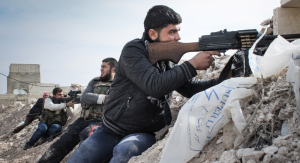
    Free Syrian Army rebels fighting Assad militias on the outskirts of the northwestern city of Maraat al-Numan, Idlib - Syria Source: Freedom House (Flickr)

    Free Syrian Army rebels fighting Assad militias on the outskirts of the northwestern city of Maraat al-Numan, Idlib – Syria Source: Freedom House (Flickr)

    The Syrian War is now in its fourth year and the indications are that the regime will survive and consolidate its position in 2014. This is radically different from early last year when many analysts thought it was under serious pressure, and it should be recalled that in mid-2011, a few months into the war, the prevailing view was that the regime would not last to the end of that year. The costs have been huge, with around 140,000 killed, twice that number injured and more than a third of the population displaced, millions of them refugees in other countries.  This article seeks to put this appalling conflict in a longer term regional context as an aid to looking at possible policy options in attempting to bring the war to an end.

    The Regional Context in 2011

    At the start of 2011 the region was struck by remarkable political upheavals as people in a number of countries reacted against autocratic rule and demanded political change. It commenced with the rapid and unexpected fall of the Ben Ali regime in Tunisia on 14 January and was followed on 11 February by the quite startling collapse of the Mubarak regime in Egypt. Across the region there were public uprisings of varying intensities in Oman, Bahrain, Yemen, Libya and Syria and political uncertainty in several countries including Kuwait, Jordan and Morocco.

    In broad terms, those political authorities that did not immediately collapse reacted in different ways that may be summarised as concession or repression or a mixture of both. In Oman, demonstrations were repressed with force but concessions were also offered and the innate wealth of the authorities was available to “buy off” resentment. In Bahrain the royal house opted for repression, aided by army and police support from Saudi Arabia and the UAE.  Saudi Arabia treated Shi’a opponents harshly but distributed many billions of dollars of resources across most of the population.

    In Morocco, King Mohammed sped up the pace of reform with some effect, and across the border in Algeria some economic concessions, including increased food subsidies, were made.  In Libya, Gaddafi used repression but western, and a few Gulf Arab, states intervened on the part of the rebels; a six-month war ended with regime collapse and Gaddafi’s lynching. This has been followed by huge insecurity, including rise of Islamist and local tribal militias.

    The Syrian regime faced extensive nonviolent demonstrations, most commonly after Friday prayers, and faced an escalation in dissent at a time when two regimes in the region had already fallen and in the same week that Saudi and Emirati forces intervened in Bahrain and the UN approved foreign intervention in Libya. The fate of Mubarak was particular striking for the Assad regime given Syria’s long-term historical relationship with Egypt, and it is probable that this meant the regime believed its only course of action was vigorous repression. It became progressively more vigorous and determined in its pursuit of control.

    Underlying Causes

    Although most of the individual anti-government actions across the Arab World were responses to persistent and long-term autocracy, these were in the context of a number of other factors:

    • Outside of a small cluster of oil-rich states, the wealth-poverty divide has become huge, often with the majority of populations marginalised.
    • Even in countries of modest wealth, much of the economic power has been concentrated in the hands of small groups of elites, often less than a tenth of the population. The world economic downturn from 2007 onwards exacerbated these socio-economic divisions.
    • The demographic transition is still in progress across much of the Middle East, meaning that a large proportion of the population is under the age of 30.
    • Although educational standards are highly variable and there is a still a marked gender gap, in most countries most people now go through high school and there is an increasing proportion of graduates among people under 30. There is frequently a serious lack of job opportunities, not least for well-educated young people. At the time of the changes in Tunisia it was reported to have 140,000 unemployed or seriously underemployed graduates out of a population of 11 million.
    • The surge in world grain prices in the late 2000s, not least following China’s harvest difficulties, added to the economic problems for many, not least in Egypt. Syria had a specific problem of drought stretching over many years, leading to an influx of the rural poor into urban areas.

    As a whole, these factors mean that there are trends across the region that point to the risk of longer-term social upheavals. These will persist and must be factored into any policy formulation that might relate primarily to Syria. Instability is highly likely to be a feature of the region in the coming years.

    Syria’s Perspective

    In the light of the regional upheavals, the Assad regime used high levels of violent repression from the start, which led to a transition from nonviolent to violent protest. From the start the regime presented itself as the guardian of stability against opponents that were essentially terrorists. This may have been a travesty of reality at that time, but in the context of the extraordinary upheavals and uncertainties across the region – as well as a keen understanding of the shared sectarian and geopolitical rivalries that tore Lebanon apart within recent memory – the need for a strong regime was more widely accepted within Syria than most diplomats and external analysts appreciated.

    The regime’s stance was aided by internal and external factors. Internally it had the strong support of the Alawi minority but most other Shi’a, Christians and Druze were also willing to accept the regime as guardian of the security of the state. In combination this represented close to a quarter of the population but there was also support from many in the Sunni business community who feared that regional upheavals would spread to Syria. By and large these elements persist, although the great majority of Syrians just want an end to the war.

    Externally, the regime has had support from three quarters. One is the Hezbollah movement in Lebanon that has long been heavily dependent on Syria for weapons and other support.  Hezbollah militias have become a crucial part of the paramilitary support base of the regime.  Second has been the continuing support of Iran, including weapons, training and supplies, and an important sub-set of this has been the increase in paramilitaries from Iraqi Shi’a communities, backed by Iran. Finally there has been the long–term relationship with Russia, with the Putin government seeing Syria as the key centre for remaining Russian influence in the Middle East.  In the past year Russia has been particularly useful in its support for repairing and upgrading military equipment, especially aircraft and related weapons systems.

    The Islamist Dimension

    In the past year, radical Islamist paramilitary groups such as ISIS, the Islamic Front and al-Nusrah have come to the fore among the rebellion, offering the strongest opposition to the regime. There has thus been an element of self-fulfilling prophecy for the regime. In 2014, internal conflicts among the Islamists have weakened them. They may still offer the strongest resistance but their relative decline is one reason why the regime is likely to survive long-term.  Western states, whatever their public stance, would now prefer to see the regime survive than lose control to al-Qaida-linked Islamists. This is clearly the case for Putin, where fear of an Islamist spill-over to the Caucasus is now considered less likely following the safe conclusion of the Winter Olympics and the internal Islamist conflicts within Syria.

    Policy Implications

    In a very pessimistic environment, there are two more positive elements. One is that relations between Iran and Saudi Arabia are showing signs of improvement, including reports of unofficial Saudi/Iranian discussions on Syria. The second is that a number of local ceasefires have been developed, not least in some parts of Damascus.  There may be scope for these to develop further, especially in parts of the country where Islamist groups are not prominent.

    The international community must seek to increase pressure on the UN to enhance multilateral processes, and specifically seek to engage Tehran and Riyadh. In addition, given that this war has many months and possibly years to run, states must commit to improve aid to refugees and to any initiatives that increase the possibility of gaining and embedding local ceasefires – not least by immediate aid for those districts where ceasefires take hold. Approaches to the region must now take a much longer-term view, based on the likely survival of the regime and the fact that the underlying elements behind changes in the region will persist.

    Paul Rogers is Global Security Consultant to Oxford Research Group and Professor of Peace Studies at the University of Bradford.

  • Why Does UN Humanitarian Intervention Remain Selective?

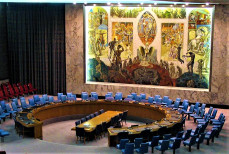
    Over the past two decades, the United Nations Security Council has responded more strongly to some humanitarian crises than to others. This variation in Security Council action raises the important question of what factors motivate United Nations intervention.

    The United Nations (UN) selective response to humanitarian crises—as evidenced most recently by the organisation’s uneven reaction to the conflicts in Libya and Syria—is arguably among the most contentious issues in international politics. Some scholars and observers heavily criticize this practice, arguing that the selectiveness of humanitarian interventions undermines their legitimacy and ultimately their success; that the uneven response to humanitarian emergencies suggests that these intervention are motivated not by humanitarian concerns but by the military and economic interests of powerful states; and that the selective enforcement of human rights norms undermines the emerging rule of law in international politics (for examples see Archibugi 2004, Chomsky 1999)

    Others disagree and claim that selectivity is not only unavoidable for the UN but also desirable. The selectivity of humanitarian intervention, so the argument goes, reduces the risk of over commitment; it helps to maintain cooperation among the great powers; and it prevents the UN from becoming involved in ill-conceived operations (see Roberts and Zaum 2008)

    But what explains why UN humanitarian interventions remain selective in the first place? Why is it that the UN has taken strong action to respond to some crises, like those in Northern Iraq, Somalia, Bosnia, Sierra Leone or—more recently Libya—but not to other like those in Colombia, Myanmar, Sudan, or—currently—Syria?

    The scholarship on humanitarian intervention often argues that each humanitarian crisis (and the responses to them) is historically unique and therefore requires a case-by-case explanation. While I agree that attention should be paid to the specificities of each crisis, my research shows that the UN’s response to them is not random but follows remarkably consistent patterns (see Binder 2015, 2017). More specifically, I argue that a combination of four factors explains whether the United Nations does or does not take strong action (sanctions, ‘robust’ peacekeeping operations, military action) in response to a humanitarian crisis. This explanation has been developed and tested through a systematic comparative analysis of the UN’s response to more than 30 humanitarian crises after the end of the Cold War combined with several in-depth case studies of intervention decisions in the UN Security Council.

    • The first explanatory factor is the extent of human suffering in a crisis. In a humanitarian crisis people suffer and die while human rights norms are massively violated. This generates a morally motivated pressure to come to the rescue of threatened populations and to defend international norms.
    • Secondly, whether the UN intervenes depends on the extent to which a crisis spills over to neighbouring countries and regions. Humanitarian crises often affect neighbouring countries or regions in negative ways. Spill over effects include regional conflict diffusion, refugee flows, terrorism or economic downturn. Spill over effects create a material interest to intervene.
    • The third explanatory factor for UN intervention is the ability of a target state to resist outside intervention. Militarily strong target states, or target states that have powerful allies, can raise the costs and risks of UN intervention and affect its chances of success.
    • Fourth and finally, UN intervention is explained by the level of material and reputational resources the UN has committed to the resolution of a crisis in the past (sunk costs). To the extent that the UN have invested time, money, and diplomatic prestige in the resolution of the crisis, this creates the wish to protect these investments through continued or escalated involvement.

    None of these explanatory factors is sufficient in itself to explain selective intervention. In combination, however, they provide a powerful explanation for the UN’s uneven response to humanitarian crises.

    When does the UN take strong action?

    Image credit: Bernd Untiedt/Wikimedia.

    The UN can be expected to take strong action—coercive measures including economic sanctions, ‘robust’ peacekeeping operation or (the authorization of) military action—if the extent of a humanitarian crisis (in terms of victims and internally displaced persons) is large, and if the organisation has committed substantial resources to its resolution. This, however, leads to intervention only when the crisis also generates substantial negative spill over effects (e.g., refugee flows) or when the target state of an intervention is weak and therefore unable to resist to outside intervention.

    Explaining limited UN action (or inaction)

    A limited response of the UN to a humanitarian crisis, such as UN observer missions, humanitarian assistance, or even complete inaction of the UN, is best explained by the ability of a potential target state to resist outside intervention (e.g., through military capabilities). However, other factors must be present as well. Military capabilities must be either complemented by a low level of previous UN involvement; or by a relatively low level of human suffering and spill over effect to neighbouring countries.

    A few brief examples may help to illustrate how these four factors interact to lead to strong or limited UN action.

    Bosnia

    UN intervention in Bosnian crisis was clearly driven by a combination of motivational factors. For one, UN members were strongly concerned by the large-scale plight of the Bosnian civilian population and the grave human rights violations committed by the parties to the conflict (ethnic cleansing, the installation of concentration camps, the siege of Sarajevo, and the massacres at Srebrenica). Second, the intervention was motivated by the wish to prevent the crisis from spilling over to Western European countries, most notably in form of refugee flows, and to stop a more generalized destabilization of the Balkan region. A third important driver of UN intervention in Bosnia was the wish of UN member states to protect the tremendous investments both material (through humanitarian assistance and peacekeeping) and reputational (diplomatic efforts) the UN had made over the course of the conflict. However, when the Bosnian Serbs took hundreds of UNPROFOR blue helmets hostage, this brought the UN to the brink of failure and put the UN’s efforts in the Bosnian crisis in jeopardy. In this situation, rather than withdraw, the organisation escalated its response. Finally, outside intervention was facilitated by the inability of the Bosnian Serbs and the Serbian government to generate sufficient resistance against outside intervention by the UN (and later by NATO).

    Cote d’Ivoire

    Very similar motivational patterns can be observed with respect to the UN’s decision to authorize military intervention in the context of post-election violence in Côte d’Ivoire in 2010. The dramatic levels of internal displacement and the fears of genocide, given the xenophobic politics of ‘Ivoirité’ that characterized the conflict, raised strong humanitarian concern in the UN. At the same time, UN members wished to prevent the conflict from spilling over to other Western African countries, most notably to Liberia which was slowly recovering from a long and brutal civil war. Moreover, the substantial and longstanding involvement of the UN in the country generated an additional institutional dynamic pushing towards intervention. The UN had invested heavily in the resolution of the crisis in Côte d’Ivoire—most notably through peacekeeping and peacebuilding. UN members wished to protect these investments they saw at stake, should country relapse into civil war. Finally, former President Laurent Gbagbo and his supporters were too weak to effectively resist outside intervention in in the country. By the time the UN decided to authorize military action, large parts of the country were controlled by forces loyal to Gbagbo’s opponent Alassane Ouattara.

    Libya

    As in the crises in Bosnia and in Côte d’Ivoire, humanitarian intervention in Libya was driven by more than one factor. Muammar al Gaddafi’s public announcement to commit a massacre in the town of Benghazi generated particular pressure on the part of UN members to act. Concerns to prevent spill over effects also played an important role. In addition to destabilizing effects for neighbouring Egypt and Tunisia—both of which are undergoing important political change in the wake of the ‘Arab Spring’—Western UN members feared that hundreds of thousands of Libyan refugees would cross the Mediterranean towards Europe. At the same time, the Gaddafi regime was not in a strong position to resist outside intervention. Not only was there a capable opposition movement in the country, but also Tripoli had managed to alienate nearly all of its former Arab and African allies. Libya also lacked partners in the Security Council who might have opposed or blocked UN intervention. However, the Libyan case fails to provide strong support for the previous institutional involvement explanation in that the UN did not invest substantial material and immaterial resources to the resolution of the crisis prior to the intervention.

    Syria

    The ongoing crisis in Syria illustrates how a combination of factors prevents strong UN action. The available evidence suggests that massive human rights violations, the spiralling violence in the country as well as the severe spill over effect of the Syrian conflict for neighbouring countries, most notably Lebanon, raised strong concerns on the part of UN members. A majority of UN members have pushed for sanctions against the Assad regime in the UN Security Council. That the UN has nevertheless not taken strong action in Syria can be explained by two factors. First, unlike the cases discussed before, Syria is more able to resist outside intervention—most notably because the Assad regime enjoys the continued support of its Russian and Chinese allies, who block any coercive measures against Syria in the UN. Second, the UN has not been substantially involved in Syria in the past and has not committed substantial resources to the resolution of the crisis. As such, a complementary dynamic of escalating commitment could not unfold in the UN to push towards coercive measures.

    Summary

    Whether the UN intervenes or does not intervene in a humanitarian crisis cannot be explained by a single factor. Rather, a combination of conditions – the extent of human suffering, the level of spill over effects, the military strength of a target state and the extent to which the UN has been involved in a crisis before – accounts for this variation in UN action to a large extent. While the explanation I suggest here does not account for all UN responses to humanitarian crises, it covers more than 80% of the UN humanitarian interventions after the Cold War.

    Martin Binder is Associate Professor in International Relations at the University of Reading. His research focuses on humanitarian intervention, the authority and legitimacy of international institutions, and rising powers. His work has been published in the Journal of Peace Research, International Studies Quarterly and International Theory, among others. His recent book The United Nations and the Politics of Selective Humanitarian Intervention has been published in 2017 with Palgrave Macmillan.

  • Rising Golden Dawn: Inside Greece’s Neo-Nazi Party

    Golden Dawn, a Greek Neo-Fascist party, has gradually enjoyed greater success in Greek and European parliamentary elections. What are the drivers behind this development?

    The Greek Golden Dawn, a violent neo-Nazi party, has remained in the margins of the Greek political system for most of its political life. However, within the context of the emerging economic crisis both in Europe and in Greece, the party marked an electoral breakthrough in May and June 2012, receiving 7 per cent of the vote in May and 6.9 per cent in June, translating into 21 and 18 parliamentary seats out of 300 respectively. As the economic crisis unfolded, and societal upheaval in Greece became reinforced by the emerging migration crisis, the party retained its support in the 2014 European Parliament Elections receiving 9.38 per cent of the vote; and in the January and September 2015 general elections, when it retained third place in the party system with 6.28 and 6.99 per cent of the vote respectively.

    The ideology of Golden Dawn

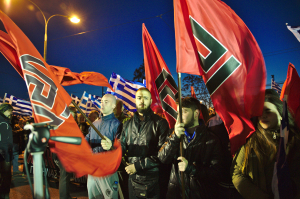
    golden_dawn_members_at_rally_in_athens_2015

    Image by Wikimedia Commons.

    The Golden Dawn is unlike all other parties in the Greek parliament; and most other far right parties in Europe. While the party itself rejects the fascist label, it nonetheless espouses all core fascist- and more specifically Nazi- principles. In our book, we show the party rejects liberalism and socialism and endorses what it terms the ‘third biggest ideology in history’, i.e. nationalism, combined with support for an all-powerful state premised on ‘popular sovereignty’. In its manifesto the party states that being a member of the Golden Dawn entails the acceptance of the following principles: the establishment of the state in accordance to nationalism; the moral obligations that derive from this ideology including the rejection of any authority that perpetuates societal decline; the acceptance of nationalism as the only authentic revolution; the establishment of the popular state in which there are no inequalities on the basis of wealth; racial supremacy and more specifically the belief in the continuation of the ‘Greek race’ from antiquity to the modern day; the idea that the state must correspond and be subservient to the nation/race; and the nationalization of all institutions.

    The fascist myth of palingenetic ultra-nationalism constitutes a key ideological premise underpinning the party’s discourse. The ideology of the Golden Dawn may indeed be categorised within the ‘ethnic nationalism’ variant, emphasising blood, geneaology and the perennial nature of the Greek nation. The party emphasises ties with ancient Greece, past wars, imperial experience during the Ottoman years and invasion in the 1940s. In this context, the party makes frequent references to ancient Greece, emphasising the heroic traits of those belonging to the Greek nation. Historical figures, whether heroes of ancient Greece, Byzantium, the Greek War of Independence, the Second World War or Cyprus are glorified for their heroism, bravery and sacrifice. By referring to a very large array of officially recognised historical events, personalities and national identity traits and placing them within the ethnic election framework, the Golden Dawn successfully integrates them into its ultra-nationalist palingenetic ideology.

    The Golden Dawn seeks ‘catharsis’. The party’s key goal is to eliminate all political divisions and cleanse the nation from outsiders. Communists are identified as those internationalists that seek the annihilation of the Greek nation. Contributing to this ethnocide are also Greece’s external enemies, which include all foreigners who according to the Golden Dawn contribute to the moral and cultural decay of Greece, for example people of Jewish origin and all immigrants.

    Militarism hence is the key to both the Golden Dawn’s ideology and organizational structures. The army is the ultimate value, they claim. A value that encloses within it ‘blood, struggle and sacrifice’. The party’s members see themselves as ‘street soldiers’ fighting for the nationalist cause. This places violence at the heart of Golden Dawn’s activities and illustrates their distinctive view of democracy as a bourgeois construct only to be used as a means for achieving their ultimate goal: its abolition, as its leader Nikolaos Michaloliakos claims. It also explains the link between Golden Dawn members and army officials, as well as the organization of ‘paramilitary orders’ or ‘battalions’.

    Therefore the party should be understood as neo-Nazi, not because of its past use of Nazi paraphernalia, but rather because its ideology and organizational structures fulfil the criteria of what constitutes a neo-Nazi group. Its association with a large number of violent acts resulted in the imprisonment of the majority of its MPs including the party leader in 2013/2014. 70 defendants, which include the party leader and the party’s MPs, went on trial in Spring 2015 on charges including murder, grievous bodily harm and sustaining a criminal organization. The trial remains on-going.

    Accounting for the rise of Golden Dawn

    How may we explain the rise and sustained support for the Golden Dawn? The Golden Dawn’s electoral fortunes have coincided with both the economic and migration crises that have affected Europe as a whole. For example, in 2012 during the peak of Greece’s economic crisis, the country’s unemployment was at 24.5 per cent with youth unemployment at 55.3 per cent. In 2013 these figures increased to 27.5 and 58.3 respectively. The government deficit was -8.6, which increased in 2013 to -12.1. In addition, Greece experienced the bulk of the migration crisis as the entry point for a high number of refugees who travel from Turkey to the islands of Kos, Chios, Lesvos and Samos. For example, an estimated number of 856.723 refugees arrived by sea in 2015 and 169.459 in 2016.  It would make sense to seek causal links between the economic and migration crises on the one hand, and the rise of the Golden Dawn on the other. However, the adoption of a comparative logic suggests that this argument does not hold when subjected to empirical scrutiny. Other European countries that were also severely affected by the Eurozone and/or migration crises have not experienced a comparable rise in support for the far right. For example, Spain’s unemployment levels are second in the EU after Greece with 24.8 per cent in 2012 and 26.1 per cent in 2013. Youth unemployment in Spain is also very high at 52.9 per cent in 2012 and 55.5 in 2013. Portugal’s somewhat lower unemployment rates at 15.8 per cent in 2012 and 16.4 per cent in 2013 are still above the EU average. The same goes for the country’s youth unemployment rates at 37.9 per cent in 2012 and 38.1 in 2013.

    We posit an alternative explanation that takes into account the broader implications of the crises of Greek society. We understand the rise of the Golden Dawn as a response to a perceived breach of the social contract in Greece. Therefore, we see this rise not as question of intensity of economic and/ or migration crisis, but rather as a question of the nature of the crisis, i.e. economic and/migration versus overall crisis of democratic representation. Extreme right parties such as the Golden Dawn are more likely to experience an increase in their support when a societal crisis culminates into an overall crisis of democratic representation. This is likely to occur when severe issues of governability impact upon the ability of the state to fulfil its social contract obligations. The perceived inability of the state to mediate the effects of the crisis and to deliver services based on the redistribution of the collective goods of the state. When state capacity is limited or perceived to be limited, then the result is the delegitimization of the party system as a whole. This is because the system is perceived as incapable to address the crisis and mediate its socioeconomic effects. This breach of the social contract is accompanied by declining levels of trust in state institutions, resulting in party system collapse.

    Conclusion

    If we are right, then the Golden Dawn is a specific symptom of a broader institutional pathology. Therefore in order to contain this phenomenon, political actors should focus on institutional reform in order to restore the domestic social contract and reintegrate key social groups back into the political mainstream. More specifically:

    1. Empower the middle class: because the middle class is key to both economic prosperity and democratic stability. Weak democratic institutions and widespread corruption have resulted in the weakening of the middle ground and this is what allows extremist groups to co-opt middle-class voters. Unless we address this institutional pathology at its core, extremism will keep recurring.
    2. Welfare reform: because the appropriation of key social groups into the mainstream depends on social security. The greater the insecurity, and the broader the populace it affects, the greater the potential of extremist elements to co-opt these social groups that would otherwise support mainstream alternatives.
    3. Strengthen civil society institutions: Because civil society fosters tolerance. Greek civil Society is weak at all levels: weak structure, limited impact and limited membership. There is a wider sentiment of public distrust towards this type of organisations in Greece because of the long tradition of corruption and clientelistic relations that prevail.
    4. Reform the education system: Because education is a key means of socialisation that institutionalises political culture. The type of socialisation that occurs from an early age at the school level is the one that becomes most embedded. And, because people of a younger age are more easily moulded into violence and extremism, they tend to occupy a large portion of far right party membership. As long as the Greek education system promotes exclusion and vilifies the other through official textbooks, it will continue to offer opportunities for right-wing extremism.

    Dr Sofia Vasilopoulou is a Senior Lecturer in Politics at the University of York.

    Dr Daphne Halikiopoulou is an Associate Professor in Comparative Politics at the University of Reading.

  • Recent Authors

    Our expanding group of contributors comes from a wide range of specialist backgrounds, and includes researchers,  academics, security and development practitioners and NGO staff based around the world. Some of our most recent authors include:

    Chris Abbott
    Chris is the founder and executive director of Open Briefing, the world’s first civil society intelligence agency.  He is an Honorary Visiting Research Fellow in the School of Social and International Studies at the University of Bradford and the former deputy director of Oxford Research Group.

    Phillip Bruner
    Phillip is Founder of the Green Investment Forum and a guest lecturer in global political economy at the University of Edinburgh.

    Matt Budd
    Matt is a security analyst at RESDAL (Red de Seguridad y Defensa de America Latina – Latin American Security and Defense Network) in Buenos Aires, where he focuses on public security issues in Central America. Matt holds an honours degree in International Relations from the London School of Economics. Matt has most recently been working on RESDAL’s  Public Security Index, which provides information on public security challenges and institutional responses to them in Central America.

    Mabel González Bustelo
    Mabel is a journalist, researcher and international consultant specialized in international peace and security, with a focus on non-State actors in world politics, organized violence, conflict and peacebuilding. She has worked as a researcher on peace and security  in Colombia, Ecuador, Mexico, Angola and the Palestinian territories and holds an MLitt in terrorism Studies from the University of St Andrews. Mabel blogs at The Making of War and Peace.

    David Cliff
    David Cliff works as a researcher at the Verification Research, Training and Information Centre (VERTIC) in London. There, his work focuses on research into the verification, implementation and compliance aspects of nuclear and chemical arms control and disarmament treaties. He holds a BA in Geography and an MA in International Affairs, both from the University of Exeter in the UK.

    Lisa Dittmar
    Lisa is the CEO and founder of NitrogenWise,  a website that brings together research and straightforward communication to explain the complexities of nitrogen in a meaningful and relevant way.

    Bernard Harborne
    Bernard Harborne is lead of the Violence Prevention Team in the World Bank, having joined in 2004. He has worked for over 20 years on conflict-affected countries for the UN, World Bank, NGOs and the British Government. He has a background in law, including a Masters in International Law from the LSE, and is an adjunct professor at George Washington University. Opinions expressed in his article represent his personal views and not those of the World Bank.

    Cameron Harrington
    Cameron  is an Adjunct Professor of Political Science at King’s University College and Brescia University College, at Western University (Canada), where he teaches in the areas of environmental politics and international relations. His Ph.D thesisbuilds a framework to combat water insecurity in the 21st century by focusing on the ethics of security.

    Anna Alissa Hitzemann
    Alissa is a Peaceworker with Quaker Peace and Social Witness. In this capacity, she previously wortked with Oxford Research Group as a Project Officer for the Sustainable Security Programme, with a focus on the  ‘Marginalisation of the Majority World’ project.

    Andrew Holland
    Andy is Senior Fellow for Energy and Climate at American Security Project, a Washington D.C based think tank. He is an expert on energy, climate change, and infrastructure policy. He has over seven years of experience working at the center of debates about how to achieve sustainable energy security and how to effectively address climate change. He tweets regularly via @TheAndyHolland.

    Sarah Kinosian
    Sarah is a program associate for Latin America at the Center for International Policy, a nongovernmental organization based in Washington D.C. that promotes transparency and accountability in U.S. foreign policy and global relations. She works on their Just the Facts project, monitoring U.S. defense and security assistance to Latin America and the Caribbean.

    Jenny Nielsen
    Jenny Nielsen is a Research Analyst with the Non-proliferation and Disarmament Programme at the International Institute for Strategic Studies (IISS). Previously, she was a Programme Manager for the Defence & Security Programme at Wilton Park and a Research Assistant for the Mountbatten Centre for International Studies (MCIS) at the University of Southampton. At MCIS, Jenny was tasked with the co-editing the 2004-2012 editions of the NPT Briefing Book. She holds a PhD from the University of Southampton which focused on US nuclear non-proliferation policy vis-à-vis Iran in the 1970s.

    Zoë Pelter
    Zoë is a Research Officer of Oxford Research Group’s (ORG) Sustainable Security Programme, where she works on a number of projects including ‘Rethinking UK Security and Defence’ and Sustainable Security and the Global South’.

    Edward Rackley
    Edward Rackley is a Security and Governance consultant for the World Bank, based in Washington DC. He provides periodic technical and strategic advice to the Security Sector Accountability and Police Reform Programme program  in Democratic Republic of Congo via DAI Europe, one of the program’s managing agents.

    Richard Reeve
    Richard  is the Director of Oxford Research Group’s Sustainable Security programme. He works across a wide range of defence and security issues and is responsible for the strategic direction of the programme. Richard has particular expertise in global security, Sub-Saharan Africa, peace and conflict analysis, and the security role of regional organisations.

    Rachel Staley
    Rachel Staley is currently the Programme Manager for the British American Security Information Council (BASIC) in their London office. Since 2011, Rachel has managed the operations of the office and assisted in developing the organisation’s programmes working on nuclear non-proliferation and disarmament in the Middle East, as well as engaging directly in the Trident renewal debate in the United Kingdom. Rachel holds an MA with Distinction in Non-Proliferation and International Security from King’s College London and a BA with Honours in International Affairs and Anthropology from Northeastern University.

    Sonja Wolf 
    Sonja Wolf is a researcher at the Institute for Security and Democracy (INSYDE), Mexico City. She has acted as project coordinator and principal investigator of INSYDE’s Assessment Study of Mexico’s National Migration Institute (INM), the first comprehensive study to examine the INM’s institutional and migration management and the ways in which it facilitates corruption and migrant abuse.

    Ben Zala
    Ben is a Lecturer in International Politics at the University of Leicester and former Director of the Sustainable Security Programme at Oxford Research Group.


  • Humanitarian Consequences of Nuclear Weapons: Five Reasons for the P5 to participate in Vienna

    This week marks the 69th anniversary of the Hiroshima and Nagasaki bombings, still the only two cases of nuclear weapons use. On these dates each year the media reminds the wider public about the destructive power of these inhumane weapons. The ‘humanitarian dimension’ initiative highlighting the consequences of nuclear weapons is evolving and consolidating itself in the non-proliferation regime. It has been shining a bright and constant light on the catastrophic consequences of nuclear weapons use – whether accidental or deliberate – at multilateral fora on nuclear weapons policy since the last Nuclear Non-Proliferation Treaty (NPT) Review Conference (RevCon) in 2010.

    The initiative has held two international conferences, hosted by Norway and Mexico, addressing issues relating to the impact, consequence management, and risks of nuclear weapons detonation (March 2013 in Oslo and February 2014 in Nayarit). At these conferences, the powerful testimony of the hibakusha (Japanese witnesses to nuclear bombing) served as a solemn reminder of the physical and psychological long-term effects for these survivors.

    The five nuclear weapons states (NWS or P5) under the NPT – China, France, Russia, UK and US – boycotted the first two of these international conferences. The third international Conference on the Humanitarian Consequences of Nuclear Weapons will be held in Vienna on 8-9 December 2014. Below are five reasons why the P5 should consider participating in some capacity in the Vienna conference.

    1. To improve atmospherics before the 2015 NPT RevCon

    The P5 have a vested interest in a smooth and “successful” 2015 NPT RevCon, to be convened at the UN in New York next May. After all, the NPT has conveniently served their security interests by limiting horizontal nuclear proliferation whilst designating them as the only recognized NWS. As various non-nuclear weapons states (NNWS) stressed at the April-May 2014 NPT Preparatory Committee (PrepCom), patience is running incredibly thin with the NWS and the credibility of the regime is in question. Some states starkly warned that a roll-over of the 2010 NPT RevCon Action Plan will not be acceptable at the 2015 NPT RevCon.

    So the pressure lies heavily on the P5 to engage – or at least to show a willingness to engage – more genuinely with the demands of the NNWS towards addressing disarmament commitments. One simple way to improve atmospherics in the regime would be engagement and participation in the Vienna conference by at least some of the NWS. The most detrimental behavior to the regime would be a repeat of the cartel-like approach to decision-making on participation at the Vienna conference by the P5. Such P5 solidarity, as was evidenced in bloc P5 decision-making vis-à-vis the Oslo conference would almost certainly have negative implications for the 2015 NPT RevCon.

    1. To encourage NNWS to affirm humanitarian concern as a non-proliferation pledge

    The active reaffirmations of abhorrence and concern with the catastrophic consequences of nuclear use by NNWS are of positive benefit as commitments both to disarmament and non-proliferation. These formal declarations and affirmations by states parties in the NPT review process and in the UN General Assembly can serve as confidence-building measures. Such declaratory statements could be construed to be affirmations akin to the Iranian fatwa against the development of nuclear weapons. Such formal statements in multilateral diplomatic fora could indeed serve to confirm the declaratory views of states in regard to nuclear weapons.

    1. To engage the non-NPT nuclear-armed states

    Given the cross-regional and cross-grouping support for the humanitarian initiative within both the NPT review process and the broader non-proliferation and disarmament regime, the initiative could help to forge new dialogue channels for the regime. As evidenced by India and Pakistan’s participation in the Oslo and Nayarit conferences, such fora, separate from the NPT review process, can include engagement of nuclear-armed non-NPT states on issues and dialogue relating to nuclear weapons in the broader non-proliferation and disarmament regime.

    Given the continued deadlock at the Conference on Disarmament (CD) in Geneva, processes such as these conferences can circumvent the current stalemate in the CD and facilitate dialogue on these salient issues away from the formal confines and political stages of Geneva and New York.

    1. To showcase consequence-management capabilities

    The five NPT NWS could contribute to the humanitarian impact discussions at the initiative’s conferences by sharing their technical research and insight on emergency and disaster response preparedness and capacity. Then again, these states may find it difficult to participate in conferences which may lead to uncomfortable conclusions about the inability of states or any institution to address the consequences of nuclear use and the associated risks of possession and use. Whilst considering participation options at the earlier international conferences, some NWS apparently suggested narrowing the conference agenda to addressing the consequence management of limited/small-scale nuclear exchanges.

    1. To engage the initiative and attempt to shape the discourse and pathway

    If the P5 wish to shape the discourse and the future aims and agenda of an evolving initiative with increasing momentum and sophistication, they could do so more effectively by participating in its non-binding, non-consensus-reaching international conferences. Not to do so is to miss an opportunity to steer the initiative in or at a more comfortable direction or pace. Whether the momentum and aims of the initiative are now beyond “a point of no return” and heading towards a ban treaty, could be the reality the NWS face.

    One thing is certain, dismissing the initiative and trying to discredit its activities as “diverting” from the P5 step-by-step process will only antagonize those NPT states parties already frustrated by the lack of progress on nuclear disarmament commitments. This would surely make the 2015 NPT RevCon more challenging for all parties.


    Jenny Nielsen is a Postdoctoral Research Fellow in the School of Political Science and International Studies at the University of Queensland. Previously, she was a Research Analyst with the Non-proliferation and Disarmament Programme at the International Institute for Strategic Studies (IISS), a Programme Manager for the Defence & Security Programme at Wilton Park, and a Research Assistant for the Mountbatten Centre for International Studies (MCIS) at the University of Southampton, where she co-edited the 2004-2012 editions of the NPT Briefing Book.

    Featured Image: Aftermath of the 6 August 1945 nuclear bombing of Hiroshima. Source: Wikipedia


  • Welcome back!


    Welcome back! We’ve just re-launched with a brand new look, great new authors and, as always, lots to say!

    Sustainablesecurity.org is space to debate, discuss and develop understandings of modern insecurity within a  ‘sustainable security’ framework, which realises the interconnected underlying drivers of challenges to global security and seeks to counter them with preventive policy solutions.

    The blog is a project of the Sustainable Security programme of Oxford Research Group, originally launched in September 2009.

    Sustainablesecurity.org is space to debate, discuss and develop understandings of modern insecurity within a  ‘sustainable security’ framework, which realises the interconnected underlying drivers of challenges to global security in the 21st century. Through topical discussion pieces, we aim to explore the integrated, preventive policies that are needed to solve these threats at source.

    As well as covering a range of pertinent modern security challenges, the website highlights four key interconnected drivers of global insecurity:

    • Climate Change
    • Competition over natural resources
    • Global militarisation
    • Marginalisation

    Articles and resources are allocated to one or more of these headings, but the overall emphasis is on the interconnected nature of these threats and the need for comprehensive, multilateral approaches to them. For a wider range of topics, try our ‘Hot Topics’ tag cloud in the sidebar to the right.

    Don’t forget, you can sign up for updates about new blog posts and special features.

    We hope you enjoy exploring the new site!

    SusSec Team

    Image source: John Martinez Pavliga

  • Learning the Lessons: 11 Years of Drones in Pakistan

    RC_long_logo_small_4webThis article is part of the Remote Control Warfare series, a collaboration with Remote Control, a project of the Network for Social Change hosted by Oxford Research Group. It originally appeared on openDemocracy on 19 June 2015.

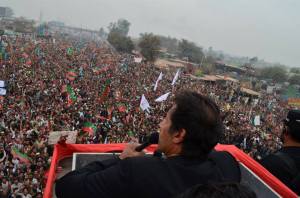
    pakistan_tehreek-e-Insaf_protest_against_drones

    Imran Khan addressing a crowd at a Pakistan Tehreek-e-Insaf protest against drones, Peshawar, in November 2013. Source: Wikimedia

    Last Wednesday marked 11 years since the first reported US drone strike in Pakistan. Since 2004, the US has launched more than 419 strikes in the Federally Administrated Tribal Areas (FATA) as part of its global war on terror. Whilst much debate has focused on the ethics, legality and civilian costs of this new technology, little attention has been given to the broader repercussions drones have had on Pakistan as a whole and how they have shaped the country in the past decade.

    New research into the impact of drone strikes on terrorist behaviour, published this week, shows that drones are having a far wider and more damaging impact on civilian populations beyond those directly killed in the drone strikes themselves. The report, by Dr Paul Gill (UCL) commissioned by the Remote Control project, analyses data on drone strikes and terrorist attacks in Pakistan between 2004 and 2013 at the monthly, weekly and daily levels, finding that terrorist reprisals following a drone strike are disproportionally more likely to target civilians.

    This is because, although terror groups slow down their activities in the immediate aftermath of a drone strike for basic security reasons, when they do re-emerge the attack that follows will likely be one that doesn’t necessitate the lengthy planning of high value targets, due to the damage done to the terrorist group by a drone strike. The focus instead will be on “softer targets”, i.e. civilians, leading to an increase in fatality rates.  When assessing the human costs of drone warfare it is these indirect victims – those who die in terrorist reprisals – that must be factored in.

    Beyond terror attacks, drones are having a broader and more profound impact on Pakistani society in other ways too. A report last year from Dr Wali Aslam (University of Bath) found that drone strikes, whist pursuing some “high value” targets and decreasing the number of fighters in the tribal areas, has caused militants to relocate to other parts of the country, thus displacing rather than eliminating terrorists.

    In turn, this relocation has brought an increase in radicalisation, violence and crime to the regions of Pakistan where the militants have resettled, bringing increased instability to areas such as the Punjab, Karachi and Kurram Agency. Furthermore, the deeply unpopular nature of drones in Pakistan, caused by the civilian casualties, psychological damage and the infringement of sovereignty they entail, has led to growing anti-American sentiment that has provided an effective recruitment tool for extremists, fuelling rather than minimising radicalisation.

    As the UK and US increasingly rely on drones in their air campaign against Islamic State and as a growing number of states are now developing armed drones (the global export market for drones is predicted to grow nearly three-fold over the next decade), we must learn the lessons of Pakistan.

    Drones, like other forms of remote warfare, may be technologically advanced but in reality they are no more effective at ending conflict than boots on the ground were. Both seek to solve insecurity with a military solution, failing to address the root causes of conflict, or to devise any long-term strategy for what comes next. It is the covert nature of remote control warfare – operating in the shadows with minimal transparency, accountability or oversight – that make this warfare even more concerning.

    The case of Pakistan, after a decade long drone war, shows how the appeal of drones as a “cost free” form of warfare is misguided, failing to take into consideration their long term implications. In Pakistan, drones have not only been an ineffective counter-terrorism strategy but they have also had far reaching, negative repercussions on wider society.  It is these long term consequences – in many cases still largely unknown – that will prove to be the most damaging for any long-term, sustainable resolution to conflict.

    Esther Kersley is the Research and Communications Officer for the Remote Control project. Prior to joining ORG, Esther worked in Berlin for the anti-corruption NGO Transparency International as an editorial and online communications officer. She has a particular interest in counter-terrorism and conflict resolution in the Middle East, having previously worked with the Quilliam Foundation and IPCRI (Israel/Palestine Center for Research and Information), a Jerusalem based think tank.

    Featured Image: Imran Khan addressing a crowd at a Pakistan Tehreek-e-Insaf protest against drones, Peshawar, in November 2013. Source: Wikimedia

  • Introducing Jobbik: Hungary’s Second Largest Party

    Jobbik, described as a radical right-wing populist party, has enjoyed considerable success in Hungary’s elections. What accounts for the party’s popularity among certain segments of the Hungarian electorate?

    Prime Minister Viktor Orbán and his FIDESZ party have consolidated their status as preponderant political actors in Hungary. Further along the right angle of the political spectrum, Jobbik (Movement for a Better Hungary) currently stands as the second most popular party in the country. This short piece sets in context the reasons behind Jobbik’s appeal to certain segments of the Hungarian electorate, including an overview of the party’s formation trajectory and a brief assessment of Jobbik’s prospects for the future.

    Jobbik’s political origins and intra-party structure

    Jobbik was made up by a variety of grass-roots nationalist groupings. At its early stage (2003-2004), the party had brought under its auspices initiatives as diverse as an aggregate of nationalist student groupings (the Jobboldali Ifjúsági Közösség, Right-Wing Students Association) and a nucleus of political activists that later evolved, at least partially, into the (unarmed) self-styled militia of the Magyar Gárda (‘Hungarian Guard’). From an instrumental perspective, Jobbik has been highly keen on political activism and the intensive mobilization of its popular bases of support. In particular, the party has been harshly criticized for its links with the Magyar Gárda and the ensuing implications for a more militant (occasionally violent) engagement into politics. By contrast to other far right parties across the ‘new’ Europe and the preponderant status of their leaders, the chairman Gábor Vona does not enjoy a status comparable to that of, say, Marian Kotleba in the ‘Our Slovakia’ party or Volen Siderov in Bulgaria’s Ataka. This more ‘horizontal’ and devolved arrangement has enabled Jobbik to approach a variety of target-groups within the frame of its political campaign.

    Reaching out to the masses: Capitalizing on corruption and Hungary’s economic crisis

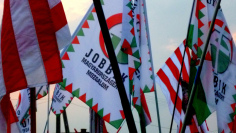
    jobbik-leigh-phillips

    Image by Leigh Phillips/Flickr.

    The period between 2006 and 2008 saw the delegitimization of the Socialists (MSZP), on charges of corruption. This resulted into MSZP’s rapid decline of popularity and the decisive restructuring of Hungary’s party landscape. For a start, Jobbik demanded that political crime is introduced to the Hungarian penal code as a separate legal category. In light of these developments and the subsequent outbreak of the economic crisis (2008), the absence of potent political forces on the left of the MSZP facilitated Jobbik’s campaign of artificial anti-capitalism. The party embedded the concept of so-called ‘Eco-social National Economics’ into its political programme (2010). In this platform, Jobbik has called for the renegotiation of Hungary’s foreign debt, the establishment of a banking system independent from the interference of multinational corporations, the state-ownership of sectors such as health and education and the long-term renationalization of various others. This campaign of artificial anti-capitalism enhanced Jobbik’s appeal to these segments of the society mostly imperiled by Hungary’s economic stagnation. Jobbik’s more concrete emphasis on social issues and adoption of an, ostensibly, leftist platform on the economy signified the major departure from MIÉP (Hungarian Justice and Life Party) and older initiatives of the Hungarian far right.

    Appealing to the youth

    Jobbik’s extensive involvement in social media such as Facebook serves as a rough indication of the party’s popularity among the Hungarian youth. Its leadership has been successful in orchestrating a fashionable youth sub-culture around the party with plenty of happenings and other infrastructure (e.g. nationalist rock-bands such as Hungarica and Kárpátia and Internet portals such as barikad.hu and kuruc.info, etc.). In addition to economic and social welfare anxieties, Jobbik has managed to take advantage of a rather common grievance among the younger generation in Hungary and throughout Central and Eastern Europe. This is, namely, the allegation that mainstream parties are either built upon nepotism or dominated by the older generation, leaving little space for the political representation of young people. By contrast, Jobbik’s links to the Magyar Gárda, and its political activism as a whole, have refrained pensioners and other elderly voters from opting for the party.

    Centering on unresolved problems

    Jobbik has also capitalized on social grievances and unresolved problems that do not necessarily interweave with corruption and the economic crisis. In its political programme (2010), the party dedicates an entire section to ‘Gypsy Issues’. In its own words ‘. . . the coexistence of Magyar and Gypsy is one of the severest problems facing Hungarian society . . . a potential time-bomb’. ‘Gypsy crime’ is introduced as a separate category and the programme acknowledges that ‘. . . certain criminological phenomena are predominantly and overwhelmingly associated with this minority’. Further along the text, the party equates ‘Gypsy integration’ with ‘assimilation into society-at-large’ through ‘work and not welfare’.

    Words have matched with deeds. Between 2007 and 2011, the Magyar Gárda performed a string of ‘patrolling operations’ in areas seen as threatened by ‘Gypsy crime’ and other activities such as blood-donation and charity work. These activities took place in impoverished localities across the Hungarian northeast (e.g. Miskolc and Debrecen). This is one of the least developed parts of the country, with a long record of friction between the local population and the Roma minority. In October 2011, the successful mobilization of the Magyar Gárda in the northeastern district of Gyöngyöspata resulted in the departure of the Roma community, the resignation of the local mayor and the Jobbik candidate’s victory in the elections that followed. The utilization of the Magyar Gárda undoubtedly brandished Jobbik’s image to these rural residents that consider themselves excluded by the remote, or even absent, state. Most importantly, Jobbik has managed to establish its electoral stronghold in the northeast.

    An apparent shift?

    The last few years have witnessed the more decisive turn of the ruling FIDESZ towards the right. In particular, Viktor Orbán has displayed a tough stance in regards to the refugee crisis and staunchly objected to the soft borders principle within the EU. Back in autumn 2015, the Hungarian Premier rushed to justify the erection of a razor-wire fence along the Serbian-Hungarian border on the basis that ‘European and Christian values must be safeguarded…Hungary must be free to defend its borders’. More recently, on October 2nd, 2016, Orbán called an (unsuccessful) referendum on the EU refugee quotas for Hungary.

    Until lately, the ruling party’s gradual shift towards the right also facilitated Jobbik’s political engagement. Nevertheless, now this seems to be evolving into a boomerang for Vona and his associates. Although it remains Hungary’s second most popular party in its own right, some of the latest opinion polls demonstrate that Orbán’s capitalization on public anxieties over the refugee crisis has cost a non-negligible percentage of voters to Jobbik. In this light, the party assumed a neutral stance during the latest referendum. Although he also objects to the refugee quotas arrangement, Vona refrained from granting his assent to what he dubbed ‘Viktor Orbán’s personal project’.

    Consequently, the last months have witnessed an apparent shift on the part of Jobbik. In its programmatic statements, Jobbik’s leadership declares the party ‘non-Islamophobic’. Gábor Vona, Márton Gyöngyösi, and other high-rank affiliates have been networking extensively in countries such as Turkey and Kazakhstan. Moreover, Jobbik has been quick to strike a ’pro-Palestine’ outlook and castigate Israel not solely for its aggression against the Palestinians but also over the, allegedly, belligerent foreign policy towards other states in the Middle East (namely Iran). Nevertheless, the new realities of the refugee crisis and the wave of sexual assaults in Cologne on New Year’s Eve 2016, have demonstrated that the party can be situationally-adaptive in its outlooks on the Muslim world. Endorsing a body politics approach, Jobbik has recently become highly vocal over the necessity to safeguard Europe’s Christian pillars of identity and protect Hungarian and European women from the ‘rapacious Islamic invaders’.

    Furthermore, the party has intensified its charges of corruption against FIDESZ and ostensibly watered down its rhetoric on ‘Gypsy crime’. The extent to which this new strategy may facilitate Jobbik to reclaim its lost voters from FIDESZ remains to be seen within the immediate future. Lastly, Gábor Vona’s decision to purge the more extremist elements from the party (April 2016) was interpreted by various commentators, in Hungary and abroad, as an early indication of Jobbik’s firmer shift towards the mainstream of Hungarian politics. Nevertheless, it is still rather precarious to jump to concrete conclusions; let alone presume that Jobbik might drastically antagonize FIDESZ’s predominance in the country’s political scene in the near future.

    Vassilis Petsinis is a visiting researcher at Tartu University (Johan Skytte Institute of Political Studies). His specialisation is European politics and ethnopolitics with a regional focus on central and eastern Europe (including the Baltic States). He holds a PhD from the University of Birmingham. His personal profile on academia.edu can be accessed here.