Blog

  • Sustainable Security


    In our two-part discussion ‘Countering Militarised Public Security in Latin America’,  Sarah Kinosian and Matt Budd explore the roots of the increasing trend towards militarisation of  public security across Central and South America and ask what lessons can be learnt from alternative methods.

    Homeland Secure Plan already has over 40 000 military personnel deployed to ensure peace Source: Prensa Presidencial

    Plan Patria Suegura (Safe Homeland Plan)  already has over 40 000 military personnel deployed to ‘ensure peace’
    Source: Prensa Presidencial

    Across Latin America, governments are sending their militaries into the streets to act as de facto police forces in the face of disproportionally high crime and violence rates. This trend has been going on for several years, but has accelerated in 2013. With the move to deploy over 40,000 troops for citizen security in Venezuela, President Nicolás Maduro joined a growing list of leaders throughout the region – in Honduras, Guatemala, Mexico, and Dominican Republic, to name a few– that have relied on their militaries to carry out police duties. Yet, in the past 20 years, there are no regional examples in which relying on soldiers for the security of citizens for an extended period of time has brought crime rates down.

    Aside from being ineffective, there are other problems associated with militarization of law enforcement. This tactic might offer short-term political or security gains, but it does not provide a long-term solution to the causes of crime. While the presence of the armed forces can slow violence initially, it often just displaces crime to another area, which can return once the troops leave. Sending soldiers to the streets also raises human rights concerns, as the armed forces are trained to track and kill an enemy with as much force as necessary.

    Police, on the other hand, are theoretically trained to use minimal force, investigate crimes, and respect the rights of citizens. When governments deploy troops, the differences between the functions of the police and the military get lost and the line between citizen and enemy becomes blurred. Yet each of the countries mentioned above has weak, corrupt, public institutions, particularly penal and justice systems, which have yielded high rates of impunity and crime. Shifting tides in the drug trade, the expansion of organized crime and rampant inequality, has exacerbated these problems. While police reform efforts are underway, they are flagging, largely due to a lack of funding and/or political will.

    So why, instead of heavily investing in police reform, have governments in Latin America increasingly turned to the military to solve public security problems? With the highest murder rate in South America, and a corrupt government with a strong military tradition, Venezuela provides an ample case study.

    The shadow of Chávez

    When Hugo Chávez died in March, he left behind an economy in shambles, a dysfunctional judicial system, a broken prison system, security forces rife with corruption, and a politicized government bureaucracy incapable of tackling the resulting spike in organized crime, violence and drug trafficking. In the two decades since Chávez took power, murder rates doubled  – or tripled according to some sources  – and in 2012, Venezuela had the second-highest homicide rate in the world[1]. Caracas, the country’s capital, on its own registers one of the highest murder rates globally, as gang warfare and high levels of street crime plague most urban centers. The country also has become a major hub for drugs transiting from Colombia to the United States and Europe.

    In a post- Chávez Venezuela, the dire security situation appears to be getting worse. In May, just two months after taking office, Chávez’s handpicked successor, President Nicolás Maduro, sent 3,000 members of the military and police to man roadblocks, carry out raids and patrol the streets of Caracas. The deployment was part of an initiative known as “Plan Patria Segura,” (or “Safe Homeland Plan”) which has been expanded to include over 40,000 members of the security forces. Soon, about 80,000 security forces will have been deployed and the military will have an active role in every state. Although the initiative was set to end this October, it looks like troops will be on the streets well past 2013.

    Police Corruption
    Riot police line up at a student protest in Caracas Source: Rodrigo Suarez, Flickr

    Riot police line up at a student protest in Caracas Source: Rodrigo Suarez, Flickr

    One reason Maduro has turned to the troops is that Venezuela’s police are among the most corrupt in Latin America. As in Guatemala, Mexico and Honduras, police in Venezuela have been dismissed by the public as ineffective, corrupt, abusive and complicit with organized crime. In 2012, a Transparency International survey found Venezuelans considered the police to be the most corrupt entity in the country.

    This is not a recent problem – even before Chávez’s reign, the country’s police forces were accused of excessive use of force, unlawful killings of civilians, extortion, torture, forced disappearances and involvement in organized crime. By 2009, even the government admitted police were responsible for up to 20 percent of all crimes. In one poll, 70 percent of respondents agreed with the statement: “Police and criminals are practically the same.”

    As with many forces throughout Latin America, police are underfunded, poorly trained and many times outgunned by criminals. This, compounded by high levels of impunity for officers and officials and a lack of central government control over the country’s 134 police units, has allowed organized crime to penetrate state institutions at every governing level.

    Reform measures put into motion by Chávez in 2009 aimed to centralize law enforcement and create a professionalized national police force. The new body, the National Bolivarian Police (PNB), would be less militarized and given human rights training from a civilian-run policing university. Officers would be vetted and their salaries would be doubled while a council that included human rights activists would oversee the reform’s implementation.

    According to Venezuela experts David Smilde and Rebecca Hanson, while “Venezuelans do not seem to think police corruption or inefficiency are major causes of crime, they do seem to believe that a professional police force and improved judicial and penal system could reduce crime.”

    However, challenges still exist. With just under 14,500 officers, the reformed force lacks manpower, as well as the funding and political will necessary to tackle the spiraling violence. Also, several of the reforms, such as the increased wages, have yet to be implemented.

    Despite Venezuelans support for the idea of citizen security reform, public support for the PNB appears to be one of its obstacles. For many citizens, the PNB’s tactics appear ineffective and “soft,” according to Smilde. While many residents prefer the humanist theory behind the force, many people in poor, crime-heavy areas see a more hard-line approach as the only option to target the sky-high levels of insecurity.

    A History of Military culture 

    Part of this public acceptance lies in the country’s entrenched military culture. The military dominated politics in Venezuela throughout the 19th century until the fall of a military dictatorship in 1958. The institution’s role then subsided, until Hugo Chávez was elected in 1998. Under Chávez’s “Bolivarian Revolution,” strong civil-military ties were forged, with troops being deployed to oversee social projects like food distribution and housing construction. Military members also gained personal voting rights and were placed in top positions in the government.

    Although Chávez initiated police reform, he focused even more attention and resources on the armed forces. Around the same time that he created the PNB, he set up two more militarized initiatives: the Bolivarian National Militia, a military-trained group of civilians that would act as liaisons between the army and the people, and the Bicentennial Security Dispositive, a military unit intended to target high-crime areas.

    Maduro has continued the military’s social and political role by surrounding himself with former and current military members, increasing the armed forces’ salary budget, creating new “Bolivarian militias” headed by former military members and pledging $4 billion (USD) to “increase the defensive capacity of the country.” He has also announced the creation of a new bank, television channel and cargo company, all for the armed forces.

    Given this context, as Smilde has noted, it is no wonder that for the average Venezuelan citizen, the military “represents order and efficiency against a background of chaos and dysfunction, and giving it an important social role appears logical.”

    Political motivations
    President Maduro visit and meets with Aviation High Command Source; Prensa Presidencial

    President Maduro visit and meets with Aviation High Command
    Source: Prensa Presidencial

    Maduro also has political motivations for sending in the military. Stuck in Chávez’s image, Maduro has been parroting his predecessor’s strategies and playing up the tight links between the military and the “Bolivarian Revolution.” In part, the troop deployment is a way to continue Chávez’s legacy and rally support for the government. Because of lingering popular support for Chávismo, the public has not turned on him and despite high inflation, shortages of basic goods, power blackouts, soaring murder rates, and corruption scandals, most polls indicate Maduro maintains a 45-50 percent approval rating.

    By deploying the military, Maduro has shown the public he is responding to the security problem. In general, amid calls for security improvement, it becomes politically difficult to wait for the gradual progress of police reform. “It is a political response to a political problem” according to Venezuelan expert and NYU professor Alejandro Velasco.

    What impact?

    Although the Maduro administration claims murders have dropped by over 30 percent, the Venezuelan Observatory of Violence projects the country will record 25,000 homicides in 2013 – 4,000 more than in 2012. Even in the areas where military presence has mitigated crime, what happens when the military leaves?

    Another concern is the lack of accountability for the military in Venezuela. Unlike the PNB, the armed forces are given no civilian human rights training and there is no mechanism for civilians to report incidents of abuse. There have been at least ten incidents of violations since July, including the shooting of a mother and her daughter by the National Guard. And while Maduro’s approval ratings have barely dipped, those for Plan Patria Segura show a downward trend.

    What now?

    In Venezuela and elsewhere, there are not a lot of hopeful choices to curb the immediate high crime levels. However, police reform is a key part of improving the security situation. As one U.S. State Department official recently said of Honduras, where a military police unit was just created, “the creation of a military police force distracts attention from civilian police reform efforts and strains limited resources.” This same logic applies to Venezuela – Maduro must politically and financially invest in police reform to strengthen and expand the role of the PNB. Police must also receive sufficient training, resources and supervision to ensure transparency. The public can begin to trust the police when they are the ones enforcing the rule of law.

    A line must be drawn between civilian and military leadership, and the role of the armed forces clearly defined and distinct from that of the police. To curb corruption, improved mechanisms for investigating police and military criminality must be established while civilian-led vetting and oversight systems put in place for police and military members. Finally, strong justice and penal systems are fundamental, otherwise those committing crimes will have little reason to stop doing so and prisons will continue to be violent bastions of criminal education. Police reform must not be pushed aside due to short-sighted politics; without a concerted effort to get troops off the streets, Venezuela is vulnerable to descending into an unchecked cycle of criminality, both in society and within its security forces.

    Sarah Kinosian is a program associate for Latin America at the Center for International Policy, a nongovernmental organization based in Washington D.C. that promotes transparency and accountability in U.S. foreign policy and global relations. She works on their Just the Facts project, monitoring U.S. defense and security assistance to Latin America and the Caribbean. 


    [1]  The Venezuelan government reports a rate of 56 homicides per 100,000 people in 2012. The Venezuelan Observatory of Violence (Observatorio Venezuelano de Violencia), a respected non-governmental security organization, estimates the rate was 73 per 100,000.

  • The Security Implications of the Current Resource Scramble

    The Security Implications of the Current Resource Scramble

    Issue:Competition over resources

    Respected security analyst and author Michael Klare’s new book ‘The Race for What’s Left’ discusses the growing competition for resources across the globe driven by the depletion of fossil fuels, minerals, water and arable land. Klare argues that the full extent of the political, economic and security implications of this trend are yet to be fully understood in mainstream political circles. The alternative to this, Klare contends, is a coming race to adapt to a resource and climate-constrained world which can offer a way out of war, widespread starvation and environmental catastrophe.

    The book argues that the current scramble for the world’s resources and the new “assault on resource frontiers” is qualitatively different to the historical exploitation of undeveloped territories in years gone by. The analysis presented shows that “never have we seen the same combination of factors that confronts us today: a lack of unexplored resource preserves beyond those now being used for development; the sudden emergence of rapacious new consumers; technical and environmental limitations on the exploitation of new deposits; and the devastating effects of climate change.”

    One of the most interesting findings of the book is that “for all the importance and forthcoming scarcity of oil, gas, and vital minerals, perhaps the fiercest resource struggle in the coming decades will involve food and the land it is gown on.”  Klare describes the trend towards global ‘land grabs’ led by the governments of China, India, South Korea, and the Persian Gulf countries across parts of Africa, Central and Southeast Asia and even Russia. The relationship between this trend and the marginalisation of dispossessed and angry populations is likely to be a key driver of violence. The book states that “Land ownership has always been a source of conflict in the countryside, especially where notions of customary land rights collide with formal decrees handed down by distant, often suspect government bureaucracies; when the official new owners are foreigners who appear completely oblivious to the historic claims and customs of the people they are displacing, the hostility will be far greater still.”

    Klare is explicit in the stakes here: “The race we are on today is the last of its kind that we are likely to undertake” and this book provides a devastating critique of ‘business as usual’ thinking in times of intense global insecurity.

    More information on the book (including a sample chapter) is available here and a recent review on the Huffington Post is available here. An interesting video has also been released where the author explains a number of the issues raised in the book which can be seen here.   

    Image source: thelGl  
     

    Comments

    Post new comment


  • Sustainable Security

    Momentum towards a nuclear weapons ban treaty: what does it mean for the UK?

    International momentum towards a treaty to ban nuclear weapons reached a milestone in the December 2014 Vienna conference. Even assuming that the UK does not initially sign up to such a treaty, it is subject to the pressures of a changing legal and political environment and could find its present position increasingly untenable – not least on the issue of Trident renewal.

    Read Article →

    Nuclear Weapons: From Comprehensive Test Ban to Disarmament

    Despite not yet entering into force, the 1996 Comprehensive Test Ban Treaty has succeeded in almost eliminating nuclear weapons testing and in establishing a robust international monitoring and verification system. A breakthrough in its ratification by the few hold-out states could have important positive repercussions for the Nuclear Non-Proliferation Treaty or nuclear disarmament in the Middle East.

    Read Article →

    Humanitarian Consequences of Nuclear Weapons: Five Reasons for the P5 to participate in Vienna

    The ‘humanitarian dimension’ initiative highlighting the consequences of nuclear weapons has evolved and consolidated itself in the non-proliferation regime since 2010. The five nuclear weapons states (NWS or P5) under the NPT – China, France, Russia, UK and US – boycotted the first two international conferences on the humanitarian consequences of nuclear weapons. A third conference will be held in Vienna on 8-9 December 2014. This article gives five reasons why the P5 should consider participating.

    Read Article →

    Building the Case for Nuclear Disarmament: The 2014 NPT PrepCom

    The humanitarian impact of nuclear weapons, highlighted by a wide-ranging, cross-grouping, multi-aim initiative which continues to consolidate itself in the non-proliferation regime, has come to the fore in the 3rd Prepatory Committe for the 2015 NPT Review Conference. Frustrated with the lack of progress towards NPT Article VI commitments to complete nuclear disarmament, the initiative has invigorated attention to the urgency of nuclear disarmament and a need for a change in the status quo. NPT member states and civil society continue to engage actively in publicizing the humanitarian consequences of nuclear weapons as an impetus to progress towards nuclear disarmament.

    Read Article →

    The Threat of Nuclear Disconnect: Engaging the Next Generation

    The dramatic decrease in public awareness and engagement in the nuclear weapons debate since the 1980s poses a risk to our future, as younger generations and future policy shapers will be less familiar with the challenges posed by nuclear weapons when they take the helm. But nuclear weapons are too dangerous a threat for an entire generation to disconnect from. BASIC’s Rachel Staley explores the ramifications of not updating the nuclear debate.

    Read Article →

    In piaffe: multilateral nuclear disarmament dialogue in the year of the horse

    Shortly after the lunar New Year, UN Secretary-General Ban Ki-moon challenged the Conference on Disarmament to run with the ‘spirit of the blue horse’ towards substantive engagement on multilateral nuclear disarmament in 2014. While the regime may not achieve this speed, there are initiatives underway this year that may well help nuclear disarmament dialogues pick up speed ahead of the 2015 NPT review conference.

    Read Article →

    Can the Nuclear Non-Proliferation Treaty outrun its double standard forever?

    The recent walkout by Egyptian negotiators at UN talks have demonstrated that, like a building with rotten foundations, the nuclear non-proliferation regime is far less stable than many believe it to be. Egypt’s actions make clear that anything less than a regime specifically geared towards addressing the reasons why some states seek nuclear weapons is a regime existing on borrowed time.

    Read Article →

  • Sustainable Security

    Alex J. Bellamy is professor of peace and conflict studies at the University of Queensland. His books include Kosovo and International Society (2002), Security Communities and Their Neighbours: Regional Fortresses or Global Integrators? (2004), Understanding Peacekeeping (edited with Paul D. Williams and Stuart Griffin, 2004), International Society and Its Critics (editor, 2004), Just Wars: From Cicero to Iraq (2006), and Fighting Terror: Ethical Dilemmas (2008), and Responsibility to Protect (2009). He serves on the editorial board of Ethics & International Affairs.

    In this interview Professor Bellamy discusses the successes and failures of the Responsibility to Protect and the future of this doctrine.

    Q. The Responsibility to Protect (R2P) is commonly understood to be a global political commitment, endorsed by all Member States of the United Nations at the 2005 World Summit, to prevent genocide, war crimes, ethnic cleansing and crimes against humanity. Since the endorsement of this concept in 2005, how successful do you feel the international community has been in honouring this commitment?

    It all, of course, depends on what we mean by ‘success’. To text for underlying progress, I tend to use three measures:

    1. Are states more or less likely to commit atrocities? Here we’ve seen a steady decline that, of course, predates R2P (the commitment to R2P itself being a manifestation of changing international commitment to norms) – there’s been a blip in the past couple of years owing largely to Syria and South Sudan but the overall trends are still downwards and the ‘norm’ is a much lower rate of atrocities than in any other decade since WWII.
    2. Is the international community more, or less, willing to become engaged when atrocities are committed? For this, I’ve used the simple proxy of whether the UNSC passes a resolution in response to atrocity crimes (my dataset works on a threshold of 5,000 deliberately caused civilian deaths). Here we’ve seen clear progress linked to R2P – in the decade prior to R2P the council responded to around three quarters of all qualifying cases (itself up from two thirds in the 1990s), since 2005 that figure has climbed to 100%. In other words, the Council responds in some way or other to every major case of mass atrocity – that is quite a change from past practice.
    3. When the international community responds, is protection a priority? Here the change is still more noticeable. Even when the UNSC did act in times of mass atrocity, until quite recently protection was not a priority. In only around a quarter of its responses to civil wars in the 1990s was some form of protection specifically mandated. That grew to around a half in the 2000s, but has now climbed to somewhere north of 90% – i.e. Since R2P not only is the UNSC likely to respond to atrocities, it is also likely to foreground protection in that response.

    So, I think the underlying evidence is that R2P has been associated with positive shifts in international behaviour with respect to protection. That doesn’t, of course, mean that all of these responses are effective (in some senses since we are talking only of the world’s hardest and most difficult crises, we should expect a low success rate) – but if R2P is understood as a ‘responsibility to try’ to take measures at reasonable cost to protect civilians from atrocities then we have seen positive overall shifts.

    Q. Looking at a specific case of a response by the international community to a humanitarian crisis, the 2011 intervention in Libya was, at the time, heralded as a successful first true test of the R2P. In this instance, the Security Council authorized an intervention to protect civilians citing the R2P. The intervention may have stopped the massacre of civilians, but since 2011 Libya has experienced serious instability. Do you feel that the Libyan case harmed the R2P norm?

    First, I’d start with the caveat that the use of force is always controversial, whether in the name of R2P or not, and it was always going to be the case that the use of force connected to R2P would prove controversial.  Second, it is important to stress how significant Resolution 1973 was not just for R2P but for the UN Security Council – the first time in its history that it had authorised force against a de jure state for human protection purposes – this is an important precedent of principle. Third, that said, this was never going to be a precedent that would be followed very often – it was caused by a range of contingent factors unlikely to be repeated often.

    I’d agree with your assessment of the campaign itself – the intervention prevented a massacre and shortened the civil war. By doing these things, it undoubtedly saved a lot of lives. We need only look at Syria to see what happens when a country falls into protracted civil war. As unstable as Libya is today, it is better than Syria.  The problems with Libya were twofold – first, the linking of R2P with regime change, which was done for understandable domestic political reasons, muddied the international normative waters. Second, the failure to sustain the peace raised questions about the efficacy of the intervention. On the latter point, it should be stressed that the UN developed plans for a follow-on mission but these were rejected by the Libyan authorities themselves. Certainly, however, more pressure should have been brought to bear to get peacekeepers on the ground.

    As for the longer terms impacts on R2P, the effects were paradoxical. On the one hand, there was significant fallout and criticism of the campaign and the link with regime change. On the other hand and at the same time, the use of R2P has become much less controversial in the UN’s political organs. The UNSC has become much more willing to use R2P post-Libya than it was pre-Libya (in fact, subsequent to 1973, the Council issues two more resolutions on Libya itself that contained R2P) and it has even started writing R2P into mission mandates (UNMISS, MINUSMA). Other organs, such as the Human Rights Council and General Assembly have also become more actively engaged (look, for example, at the UNGA’s resolutions on Syria and DPRK).  So, what’s going on here? I think we need to distinguish R2P from the use of force. The former is, by itself, no longer considered controversial and is now a part of common working practice. The latter – whether it is related to R2P or not – remains controversial. What was controversial about Libya was not the invocation of R2P, but the manner in which force was employed. So we have some additional caution on the latter (though I firmly believe that Syria would have panned out exactly as it did had Libya not happened) – in a context where the bar was already set high – but that hasn’t stymied the progress of R2P short of coercive force.

    Q. Obama has recently said that the biggest mistake of his presidency was the lack of planning for the aftermath of Gaddafi’s ouster in Libya. Obviously, effective exit strategies which allow a transition into peace are extremely difficult things to develop. But, aside from putting more pressure on the Libyan authorities to get peacekeepers on the ground, what work could the international community have done to build peace in Libya?

    That’s a good question, that I’m not sufficiently well qualified to answer I’m afraid, being an expert on neither Libya nor peacebuilding. I would say two things, however. First, we need to be more modest in our expectations of what outsiders can achieve – incremental change is possible, but rapid development and political harmony was always going to be unlikely. Second, though, clearly the Western powers dropped the ball too rapidly and dramatically, and more could have been done to support the new authorities to establish and maintain order and facilitate political dialogue. Greater and more sustained political engagement might have helped produce better results. Also, the international community – through the UN or EU – could have looked at better options for civilian support for the new authorities.

    Q. One of the most notable, and perhaps lamentable, changes to R2P since the 2001  International Commission on Intervention and State Sovereignty report, was the dropping of the ‘Responsibility to Rebuild’ – which focused on peacebuilding and exit strategies. Do you feel that getting this component of R2P back on the agenda might help avoid situations like those witnessed in Libya and, if so, how likely do you feel it would be for the international community to commit to this responsibility?   

    Good question. First, I don’t think that Libya panned out the way it did because of the absence of a responsibility to rebuild – it wasn’t that relevant actors ‘forgot’ about peacebuilding, it was simply that the political commitment, strategy and resources from both sides (Libyan and international) were not present. Second, R2P is not a stand alone principle; it exists within a broader framework of international peace and security. The World Summit may not have included a ‘responsibility to rebuild’ but it did say quite a bit about peacebuilding and established an entirely new architecture within the UN system for it — the Peacebuilding Commission. Last year we had the system wide review of that architecture and there are signs that Member States are quite responsive to, for example, broadening the scope of the Peacebuilding Commission’s work.  In terms of understanding post-intervention Libya, I’d suggest that the best lessons to be learned are those from within this peacebuilding architecture and there does seem to be a sense that the key recommendations stemming from the review have purchase in that regard. So that gets me to the third point, which is about political capital. Since 2005, and especially since 2011, the international community’s deeper consensus on R2P has been prefaced on the precise configuration agreed in 2005. I think there’s no will to consider opening that up to include peacebuilding and doing so would, I think, help neither R2P not the peacebuilding architecture. Much better, I think, to see the two as aligned parts of a common whole agreed in 2005 and to focus on learning the lessons of Libya and reforming peacebuilding as fits that rather than trying to reverse engineer the concepts.

    Q. Concerning the legacy of Libya, there have been some analyses that have argued that the Libyan case may have seriously affected the international community’s capacity to respond in a timely and effective fashion to the Syrian crisis. Do you feel that this is the case?

    Simple answer; no. I think the international response to Syria would have been pretty much the same had Libya not happened.  That’s because the factors actually driving Russian thinking, Western thinking and the positions of relevant regional actors are very much driven by Syrian related concerns and interests that would have been in play irrespective of Libya.

    Q. Looking to the future, what do you see as being the greatest challenges for R2P in the next 5-10 years?

    1. Conceptual challenges – clarifying the relationship between R2P and non-state armed groups and the relationship between the R2P, counter-terrorism and countering violent extremism policy agendas.
    2. Political challenges – the ongoing challenge of persuading states to comply with their obligations under international humanitarian law and also commit the resources and personnel needed to protect populations in need. This will be an ongoing political challenge requiring leadership and involves not just persuading cautious states to get on board but also working with committed states to deepen their engagement.
    3. Practical challenges – a) fine tuning early warning and linking it to good understandings of effective early response, so policymakers can be advised of conditions and options with greater confidence; b) developing evidence based guidance on the steps that different sorts of actors (Int Orgs, states, civil society, private sector etc.) can and ought to take to prevent atrocities; c) developing and implementing better strategies for the protection of people from imminent harm, including better approaches to displacement that puts protection at the fore.
  • Sustainable Security

    Remote Warfare series intro – read other articles in the series.

    RC_long_logo_small_4web

    This article is part of the Remote Control Warfare series, a collaboration with Remote Control, a project of the Network for Social Change hosted by Oxford Research Group.


    Editor’s note:
    Remote Warfare and the War on Drugs mini-series: This series of articles explores how remote warfare is being used in the war on drugs. To date, much of the debate on remote warfare has focused on its use in the war on terror. However, the use of drones, private military and security companies (PMSCs), special forces and mass surveillance are all emerging trends found in the US’s other long standing war, the War on Drugs. The articles in this series seek to explore these methods in more depth, looking at what impact and long term consequences they may have on the theatre in which they’re being used.

    US drug policy has become increasingly privatised in recent years as the US government contracts private military and security companies (PMSCs) to provide intelligence, logistical support and training to state security forces in drug-producing and –transit states. As the cases of Colombia and Mexico illustrate, this privatisation strategy is having a damaging impact on these already fragile environments.

    Since the mid-1970s, the US government has invested billions of dollars in anti-drug assistance programmes. The main objective is to reduce the flow of Latin American-sourced illicit drugs to the US. At the beginning of this so-called War on Drugs, the US treated the fight against drugs as a police problem, providing equipment and supplies to civilian law enforcement for counter-narcotic efforts. Since the 1980s, however, US drug policy has been militarised and, more recently, privatised: the US government provides military-grade equipment and training to police forces and contracts private military and security companies (PMSCs) to provide intelligence, logistical support, and training to state security forces in drug-producing and -transit states, such as Colombia and Mexico.

    The privatisation of the War on Drugs has had a significant impact in countries where it is waged, adding further complexity to these already complicated environments. As states often fail to properly control PMSCs’ activities, this tends to increase the risk of human rights violations and impunity in contexts where the application of the rule of law is already uneven. The use of PMSCs in the War on Drugs often weakens the rule of law and so is counterproductive. The cases of Colombia, where the use of PMSCs takes place largely under the guise of Plan Colombia, and Mexico, where PMSCs have been used since the implementation of the Merida Initiative, illustrate these issues well.

    Colombia: Human rights violations and impunity

    Colombia is experiencing an armed conflict where the Colombian government fights against several armed groups, such as Fuerzas Armadas Revolucionarias de Colombia—Ejército del Pueblo (FARC, Revolutionary Armed Forces of Colombia) and Ejército de Liberación Nacional (ELN, National Liberation Army) that are well-organized and heavily linked with drug trafficking. Since the 1960s, the US has collaborated militarily with Colombia in the fight against those armed groups, as well as drug traffickers. In 2000, Colombia and the US agreed on a new plan of cooperation called Plan Colombia: Plan for Peace, Prosperity, and the Strengthening of the State (usually referred to as Plan Colombia).

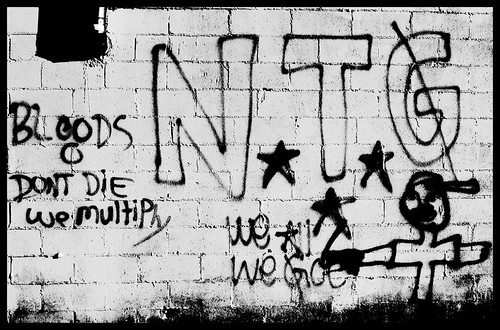
    street art

    Image of Mexican Drug War-themed street art. Picture entitled: The Mexican Dead by Suslan Soosay via Flickr

    Although Colombia and the US had long cooperated in fighting drug trafficking, Plan Colombia represented a shift. Since its implementation, the US State and Defense Departments have contracted PMSCs to carry out activities related to US military and police aid to Colombia. For example, the 2007 Reports to Congress On Certain Counternarcotics Activities in Colombia–partly reproduced here–mention that Telford Aviation provided logistical support for reconnaissance airplanes and ITT and ARINC were responsible for operating radar stations. Furthermore, in 2006, Chenega Federal Systems was in charge of maintaining an intelligence database, and Oakley Networks was responsible for Internet surveillance. Other sources reported that Military Professional Resources Incorporated (MPRI) helped restructure the Colombian armed forces to aid their fight against drugs; Northrop Grumman, under its contract, flew over the Colombian jungle with aircraft equipped with infrared cameras in order to track illegal activities related to drugs or guerrilla movements; and DynCorp has been in charge of the fumigation of coca plants since 2000.

    The concern about human rights violations by PMSCs is particularly acute in Colombia because all US personnel, including PMSC employees, working in Colombia through Plan Colombia have been granted immunity from Colombian jurisdiction by bilateral treaty with the US.

    The lack of control and supervision has been observed on many occasions, including by US authorities. A report on contracting oversight by the United States Senate Committee on Homeland Security and Governmental Affairs concluded that the “State Department, which has awarded over $1 billion in counternarcotics contracts in Latin America to one company, DynCorp, has conducted sporadic oversight of that company.”

    There have been numerous allegations of human rights violations at the hands of PMSCs operating under Plan Colombia, but, so far, none of these violations have been brought to justice. For example, in 2004, a pornographic movie went public that included US contractors from the Colombian base Tolemaida sexually abusing minors. No investigation took place and no one was ever punished. DynCorp’s activities, particularly the fumigation of coca plants, have also caused concern. In 2008, Ecuador filed suit against Colombia at the International Court of Justice, arguing “Colombia has violated its obligations under international law by causing or allowing the deposit on the territory of Ecuador of toxic herbicides that have caused damage to human health, property and the environment.” In August 2013, the governments of Colombia and Ecuador announced an agreement ending the dispute, with Colombia paying reparations for the damage caused.

    Mexico: Increasing violence and a lack of state control

    The drug-related violence in Mexico that has captured so many headlines in recent years is not new to the country. Although drug traffickers have operated in Mexico for more than half a century, serious violence related to drug activity started around the 1990s, when the drug market became more lucrative and the centralized power of the Mexican government started to slip. Mexico is now a major supplier of all kind of illegal drugs—heroin, methamphetamine, marijuana, and cocaine—to the US drug market: the drug market between US and Mexico is estimated by US government reports as ranging between US $18 and 39 billion in profits annually.

    In 2007, following President Calderón’s lead to crack down on the drug cartels, the US and Mexico cemented a plan to cooperate in fighting drug trafficking and increasing security in the region. This plan, called the Merida Initiative: Expanding the US/Mexico Partnership (hereinafter the Merida Initiative), established full cooperation between the two countries, with the US providing an anti-crime and counter-drug assistance package to Mexico that included training and equipping Mexican forces. The provision of Merida Initiative assistance to Mexico has included contracting PMSCs to train local forces.

    As in Colombia, the human rights situation in Mexico is complicated. Militarizing the War on Drugs in Mexico has been severely criticized due to the resulting human rights abuses. For instance, Human Rights Watch (HRW) reported in 2011 “credible evidence of torture in more than 170 cases across the five states surveyed” and documented “39 ‘disappearances’ where evidence strongly suggests the participation of security forces.” HRW concluded that “rather than strengthening public security in Mexico, Calderón’s [and now Peña Nieto’s] ‘war’, has exacerbated a climate of violence, lawlessness, and fear in many parts of the country.”

    In this scenario, the activities of PMSCs, which are hired by the US, raise additional concerns about the respect of human rights. In fact, contractors have been accused of training Mexican police in torture techniques. As is the case in Colombia, the use of PMSCs by the US government to perform security tasks in another country tends to adversely affect human rights, when the purpose should be the contrary.

    A worrying (and growing) strategy

    The privatization of the “war on drugs” is one more element endangering human rights in an already complex environment. Privatization is often resorted to as a strategy when the use of public resources is seen as risky. Indeed, in both Colombia and Mexico, public forces have been involved in massive human rights violations. Given their past history of human rights violations in Colombia and Mexico, the unrestrained use of PMSCs is not the best strategy for improving security and upholding the rule of law. Unfortunately, the trend of privatizing the War on Drugs is not diminishing: following the Plan Colombia and Merida Initiative, the US government implemented the Central American Regional Security Initiative (CARSI) to fight against drugs in Central America, and PMSCs are a key actor in its execution.

    Antoine Perret is visiting research fellow at Columbia Law School. He holds an LLM and a PhD in Law from the European University Institute (Florence), an MA in International Affairs from the Universidad Externado de Colombia (Bogotá) in collaboration with Sciences Po (Paris) and Columbia University (New York), and a Licence in International Relations from the Graduate Institute of International and Development Studies (Geneva). He was a lecturer and researcher at Universidad Externado de Colombia (Bogotá) and research fellow at the Center for Latin American and Latino Studies at American University (Washington, DC). Through his work on PMSCs he has collaborated with the Geneva Center for Democratic Control of Armed Forces (DCAF), the UN Working Group on Mercenaries, and the UN Regional Centre for Peace, Disarmament and Development (UNLIREC).

  • Marginalisation of the majority world

    Marginalisation of the majority world

    A complex interplay of discrimination, global poverty, inequality and deepening socio-economic divisions, together make for key elements of global insecurity. While overall global wealth has increased, the benefits of this economic growth have not been equally shared. The rich-poor divide is actually growing, with a very heavy concentration of growth in relatively few parts of the world, and poverty getting much worse in many other regions. The ‘majority world’ of Asia, Africa and Latin America feel the strongest effects of marginalisation as a result of global elites, concentrated in North America and Europe, striving to maintain political, cultural, economic and military global dominance.

    The Securitisation of Aid?

    Saferworld | Saferworld Briefing | March 2011

    Issues:Global militarisation, Marginalisation

    Poor people want to feel safe just like anyone else. Security and access to justice for poor people are development goals in their own right whether in the midst of endemic violence, such as in parts of Somalia or Afghanistan, or in more stable countries where the police and judicial services may still be inadequate, unfair or abusive. Basic security and the rule of law are also necessary for other areas of development to take root and flourish.
    Image source: Demosh

    Read more »

    Rushing Carefully in Libya

    John Norris | Center for American Progress | March 2011

    Issues:Global militarisation, Marginalisation

    Executive Director of the Sustainable Security and Peacebuilding Initiative at the Center for American Progress, John Norris discusses the need to consider options carefully to avoid militarising the West’s response to the crisis in Libya. He writes that blowing up a runway or imposing a no-fly zone are not silver bullets. And one would hope that after the experience of both Afghanistan and Iraq—and earlier interventions such as Kosovo and Bosnia—we understand that war is a dangerous, uncertain business.

    Image source: Quigibo. 

    Read more »

    Parag Khanna on Marginalisation, the ‘BRICS’ and the Arab Revolt

    Parag Khanna | Harvard Business Review | February 2011

    Issue:Marginalisation

    What do Egypt, Iran, Pakistan, and Nigeria all have in common? They are very populous, Muslim-majority countries, all facing constant political unrest and on the brink of collapse. And yet they are also all part of Goldman Sachs’ “Next Eleven,” the much-anticipated extension of its fabled category of “BRICs” — comprised of Brazil, Russia, India, and China.

    Image source: messay.com. 

    Read more »

    The Arab Uprising and the Implications for Western Policies

    Frederick Bowie | openDemocracy | February 2011

    Issue:Marginalisation

    Writing for openDemocracy, journalist Frederick Bowie analyses the implications for the West of the uprisings across the Arab world. Led by the Egyptians and the Tunisians, the Arab world stands on the brink of inventing forms of democracy and participation that should not only destroy the dominant Orientalist image of the region once and for all, but from which the people of the US and Europe have much to learn, too.

    Image source: Steve Rhodes. 

    Read more »

    Migration Due to Climate Change Demands Attention

    Issues:Climate change, Marginalisation

    Governments in Asia and the Pacific need to prepare for a large increase in climate-induced migration in the coming years, says a forthcoming report by the Asian Development Bank (ADB).
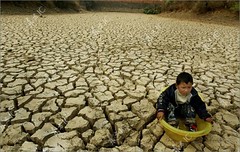
    Typhoons, cyclones, floods and drought are forcing more and more people to migrate. In the past year alone, extreme weather in Malaysia, Pakistan, the People’s Republic of China, the Philippines, and Sri Lanka has caused temporary or longer term dislocation of millions. This process is set to accelerate in coming decades as climate change leads to more extreme weather.

    Article source: Asian Development Bank

    Image source: Hamed Saber

    Read more »

    China’s drought and global food prices

    Issues:Competition over resources, Marginalisation

    What a rollercoaster ride the story of global food prices has been this year – and we’re only a month in.
    Back in January, when news emerged that food prices had reached a new record high, many analysts were relatively sanguine about the rise. As I noted in a Global Dashboard post on 6 January, the new price spike was largely driven by meat, sugar and vegetable oils, rather than, as in 2008, staples like wheat or rice.

    Governments weren’t sliding into panic measures – unlike in 2008, when over 30 of them imposed export bans, forcing prices still higher. And while the 2008 spike was marked by protests in 61 countries (with violent unrest in 23 of them), that didn’t seem to be happening this time around.

    How things can change in a month. No sooner had I published that post than Algeria erupted in rioting over high food prices – and while food prices weren’t the cause of recent events seen in Tunisia, Yemen and Egypt, they have certainly formed part of the backdrop.

    Read the full article at China Dialogue

    Image source: vivianepereiras

    Read more »

  • Sustainable Security

    Resources

    Global Responses to Global Threats: Sustainable Security for the 21st Century

    Chris Abbott, Paul Rogers and John Sloboda | Oxford Research Group | June 2006

    Issues:Climate change, Competition over resources, Global militarisation, Marginalisation

    Tag:report

    This major report was the result of an 18-month long research project examining the various threats to global security, and sustainable responses to those threats. Read more »

    The Power of Nightmares: The Rise of the Politics of Fear

    Adam Curtis | BBC | March 2006

    Issue:Global militarisation

    Tag:video

    A three-part BBC documentary series, written and produced by Adam Curtis. The films compare the rise of the neo-conservative movement in the United States and the radical Islamist movement, making comparisons on their origins and claiming similarities between the two. Read more »

    Losing Control: Global Security in the Twenty-first Century

    Issues:Climate change, Competition over resources, Global militarisation, Marginalisation

    Tag:book

    Image of Losing Control: Global Security in the Twenty-first Century

    • Purchase from Amazon:
    • Losing Control: Global Security in the Twenty-first Century
    • Author: Paul Rogers
    • Publisher: Pluto Press ()
    • Binding: Paperback, pages
    • Price: £15.99

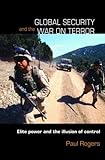
    Global Security and the War on Terror: Elite Power and the Illusion of Control

    Issues:Climate change, Competition over resources, Global militarisation, Marginalisation

    Tag:book

    Image of Global Security and the War on Terror: Elite Power and the Illusion of Control (Contemporary Security Studies)

    • Purchase from Amazon:
    • Global Security and the War on Terror: Elite Power and the Illusion of Control (Contemporary Security Studies)
    • Author: Paul Rogers
    • Publisher: Routledge ()
    • Binding: Paperback, pages
    • Price: £22.99

  • Tomorrow’s Crises Today: Rio – fighting in the favelas

    Tomorrow’s Crises Today: Rio – fighting in the favelas

    UN Habitat and IRIN | http://www.irinnews.org/pdf/in-depth/TomorrowsCrisesToday-Chapter6.pdf | September 2010

    Issue:Marginalisation

    ‘The sheer scale and chaotic construction of the favelas, which became home to hundreds of thousands of migrants, made them the ideal milieu for drug gangs to hide from the police and set up initially paternalistic, de-facto governments, albeit without any concrete political aims.’

    This report explores the human insecurity issues that stem from rapid urbanisation, poverty, cultures of violence and ineffective governance.

    Source: IRIN News

    Image source: Tony the misfit

  • Sustainable Security

    In peacekeeping missions, peacekeepers live seperated and segregated from the local communities which they are mandated to protect. This wide gulf between the everyday lives of peacekeepers and locals has consequences for peace interventions’ effectiveness and outcomes.

    A truism of international peace interventions is that peacekeepers – and international peacebuilding personnel writ large – live in the same place as local residents, but do not live in the same world. The peacekeeping world is air-conditioned, clean, and well-guarded; it consists of decent housing, generous pay, access to vehicles, domestic help, and, usually, a robust (if limited) social life that revolves around expensive restaurants, hotels, bars, and clubs. In other words, peacekeepers live, work, and socialize in what I call ‘blue helmet havens’, distinct from the spaces most locals inhabit. They are spatially, economically, culturally, and in many cases linguistically separated or segregated from the majority of the local population of the ‘peace-kept’ city. As a Goma-based source put it, peacekeepers are ‘living in Congo’ but not ‘living Congo’.

    The security and safety of peacekeeping personnel and property is the dominant justification for the ‘bubble’ in which peacekeepers live. Notably, this separation is enacted not only by barriers, bunkers, and security guards, but also by various peacekeeping rules, regulations, and norms that mitigate – if not actively discourage – informal or social contact between peacekeepers and locals.

    Thus, peacekeepers’ off-duty movements are circumscribed by the security perimeter zone that is established by the mission’s internal security service, which delineates where peacekeepers can live, shop, and socialize and, in capitals and other urban areas, excludes vast swathes of the host cities. Even within the zone, peacekeepers are advised never to move on foot. They are required to live in gated and guarded compounds; are given black-lists of proscribed social venues; and, besides being prohibited from buying sex while in the mission area, are also strongly discouraged from having any intimate or sexual relationships with locals. These formal rules and regulations are reinforced by informal norms and mission cultures, which are heavily oriented towards keeping the peacekeeping bubble intact and exclusive. Cumulatively, the extremely risk-averse approach that missions take towards peacekeepers’ interactions in and with their surroundings means that the contact between peacekeepers and locals is both sparse and essentially transactional. There exists a wide gulf between the everyday lives of peacekeepers and locals, and very few means to bridge it.

    Peacekeeping-as-enterprise in the peacekeeping ‘bubble’

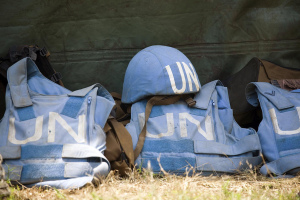
    UN helmets

    Image by UN Photo via Flickr.

    But why is this important? Research shows that the gap in proximity and understanding between the international and the local matters for peace interventions’ effectiveness and outcomes. For example, in her book Peaceland, Séverine Autesserre argues that the shared everyday habits, practices, and narratives of international interveners simultaneously enable international peacebuilders to work in challenging environments, and degrade the effectiveness of peacebuilding interventions. In other words, she asserts a direct link between the peacebuilding bubble and peacebuilding outcomes.

    My own research also deals with the distorting effects of the peacekeeping bubble. Using the analytical lens of the peacekeeping economy – which encompasses the services, establishments, and activities needed to allow peacekeeping and peacekeepers to function, and which to a large extent frames and contains the peacekeeping bubble – I have argued that in areas with robust peacekeeping economies, peacekeeping appears to locals more as an enterprise than protection or development. Where peacekeeping economies flourish, they are as visible and tangible to local citizens as anything else done by peacekeeping missions – maybe even more so. It is thus unsurprising that, when people look around them and see money flowing and where it flows, they conclude that, heroic narratives aside, peacekeeping is not that different after all: it is all about the money. This in turn fosters cynicism and resentment among local citizens towards the peacekeeping mission, from which it is plausible to draw a connection to subpar results. On the peacekeepers’ side, meanwhile, what is striking is the extent to which their arms-length relation to the local reveals a sense of vulnerability – a perception of themselves as potential victims of exploitation, crime, or violence, thus upending the normal framing of peacekeepers as powerful, dominant protectors. On both sides, the strict separation between the peacekeepers and the local encourages, if not fosters, a lack of understanding and trust.

    Taken together, then, this paints a picture of peacekeeping and peacekeepers as purposefully disconnected from the local everyday, apart from the microeconomic transactions contained by, and constitutive of, the peacekeeping economy. When it comes to how peacekeeping really works, the peacekeeping bubble is as relevant and significant as the peacekeeping mandate. Problems associated with this bubble’s existence include local suspicion of missions’ activities and motives; and a dearth of knowledge of, and empathy towards, locals from peacekeepers – each of which could be reasonably conjectured to inhibit the effectiveness and transformative potential of peacekeeping.

    Security, estrangement, and stasis in peacekeeping transformation

    An obvious implication of this contention is that international peace interventions will work better and more empathetically if the prevailing separation and segregation is lessened, such that the international and local ‘everydays’ are more enmeshed and aligned. But how would this work? Is it even possible?

    There are modest proposals that missions could immediately initiate in order to promote an environment of mutual trust and more substantive formal and informal contact between peacekeepers and locals, which could eventually make peacekeeping environments safer for both peacekeepers and locals alike. For example, to mitigate the negative effects of the peacekeeping economy on the local economy and labour market, missions could:

    • implement better scrutiny and oversight of subcontractors employed by missions (with respect to labour standards and protections) and of landlords the mission rents from (to ensure that ill-gotten gains are not rewarded);
    • give guidance to peacekeepers on how to relate to their employees, prioritizing the rights of the employee equal to those of the peacekeeper;
    • make greater efforts to procure goods and supplies locally, working with and monitoring local suppliers to forestall potential negative side-effects on local markets;
    • and use of training methods and materials that do not rely on scare stories and fear to coerce obedience, thus encouraging more receptive attitudes towards locals by peacekeepers.

    The most significant obstacle to peacekeeping transformation lies in the area of security. The tendency in peacekeeping missions to take greater and greater precautions to obviate danger and avoid risk is not without reason: persuading member states to contribute troops and money to peacekeeping is significantly more challenging if the UN is perceived to be reckless, and recruiting civilian peacekeepers also becomes more difficult. But ‘security’ in peacekeeping increasingly seems to mean the elimination of risk – whether stemming from armed groups, organized or ordinary criminals, fraudsters and scam artists, or everyday activities like driving, eating out, having sex, or walking down the street. According to such a standard, peacekeeping missions will never be fully secure. Nor, for that matter, will anything else. Peacekeeping institutions (headquarters and missions) and peacekeepers surely recognize this reality, yet there is little evident willingness at any level to push back against ever-escalating security demands and regulations.

    In this heavily securitised and risk-averse environment, where protection of peacekeepers is (and always has been) mandated equal to protection of civilians, separation is the path of least resistance. This implies that fundamental transformation in how peacekeeping missions situate themselves to local people and communities is unlikely. Missions’ estrangement and alienation from the local community and the local ‘everyday’ is a feature, not a bug; and thus that whatever losses may ensue – of legitimacy or effectiveness – is a price that the peacekeeping apparatus is willing to pay.

    Kathleen Jennings is a senior researcher at the Fafo Research Foundation in Oslo. Her work focuses on UN peacekeeping, gender, and political economy in sub-Saharan Africa. Jennings recently defended her PhD thesis on gendered peacekeeping economies in Liberia and the DR Congo. She has previously worked at the Norwegian Peacebuilding Resource Centre and the Council on Foreign Relations.

  • Sustainable Security

    The Iran Interim Deal: Responses, Potential Impacts, and Moving Forward

    Implementation of the interim deal with Iran, which freezes the country’s nuclear enrichment in exchange for limited sanctions relief, began in January. As a result, we are witnessing a substantial shift in diplomatic relations between Iran and its regional neighbours – some positive, some not. This deal marks a significant step for the international non-proliferation regime, but will it achieve the trust and confidence-building goals intended? As the US and Iran face increasing domestic pushback on the terms of the agreement, questions remain on the interim deal’s impact on relations in the region and abroad, and the effect these relations may have on the prospects of coming to a full comprehensive follow-up agreement between Iran and the P5+1 countries.

    Read Article →

    Sustainable Security and the Challenges of 2014

    2014 is a time for looking backwards and forwards. While the dynamics of the war on terror are still very much in play, the withdrawal from Afghanistan and the re-escalation of violence in Iraq and Libya present an opportune context for sincere reflections on the disastrous consequences of war without borders. Such inquiry needs to look forward too, to the implications of the current administration’s ‘war-lite’ and the unstoppable proliferation of remote control technologies.

    Read Article →

    What next for Iran? Foreign Policy after a Nuclear Agreement

    If Iran and the P5+1 succeed in negotiating a robust agreement on the nuclear issue, then Iran will be less preoccupied with rebalancing its relationship with antagonistic western powers and its role in the Middle East and the wider region has scope for developing in many new directions. This briefing looks ahead to a post-agreement environment and assesses where Iran might chose to concentrate its resources. A key question is whether it will work to build better links with the US and selected European states or whether it will be more interested in the BRIC and other states, not least Turkey. Its choice will be influenced strongly by domestic politics and the urgent need for a more stable region.

    Read Article →