Category: 2014

  • Sustainable Security

    Chemical weapons elicit a very specific emotive and political response from populations, namely, anxiety. What are the drivers behind the fears surrounding chemical weapons? 

    “War, like revolution, is founded upon intimidation. A victorious war…destroys only an insignificant part of the conquered army, intimidating the remainder and breaking their will…Terror…kills individuals, and intimidates thousands”.

    Writing in 1920, Leon Trotsky thus attributed the power of war and terrorism to its psychological effect. The ability to intimidate and coerce is the key strategy in a world in flux; fear and uncertainty are the weapons of choice for terrorist groups. The observation that terrorists endeavour to kill few and create fear among many has been woven tightly into the fabric of terrorism discourse for decades.  

    But the current century has witnessed an evolved threat paradigm in which the aim of a new type of terrorist group is to achieve “a lot of people watching and a lot of people dead”. Chemical weapons are often presented as the apex of such a goal. Yet increasingly it is argued that chemical weapons are merely a tool to elicit fear that far exceeds their actual destructive clout. This fear is a very human response. The psychological power of chemical weapons is intrinsically linked to their contaminant nature, indiscriminate harm and ability to undermine an individual’s sense of security.

    Are chemical weapons really weapons of mass destruction, with a devastating impact on infrastructure, life, and property? Or, are they weapons of terror? Distinguishing between the two, this article queries how uncertainty feeds the fears surrounding chemical weapons. To what extent does the weapon of terror moniker depend on the concept of mass destruction?

    The enduring power of contamination

    new-york-national-guard

    Image credit: New York National Guard/Flickr.

    Chemical weapons have an ancient history. Early hunter-gatherers learned to poison their arrows to ensure an effective kill. Poison gas as a weapon of war was recorded by Thucydides in 428 BCE. The scorched earth tactic of poisoning wells using the rotten corpses of people who had died from infectious disease was used across the Ottoman era and Middle Ages. Chemical weapons have been utilised – or attempted – in many conflicts since then. The British government, for example, approved the use of sulphur fumes at the siege of Sebastopol during the Crimean War. Even in Afghanistan and Iraq, the US Army used white phosphorous grenades, as did the British.

    As scientific advances began to allow a greater multiplicity of chemical agents in industrial quantities, concerns mounted over potential consequences. In recognition of the sentiment that injury or death by poison is inhumane, the Hague Conventions (1899 & 1907) outlawed the battlefield use of poisoned weapons and toxic gas via projectiles. The declaration prohibiting the dissemination of asphyxiating and deleterious gases was ratified by all major powers except the US which refused to sign, arguing that projectiles as detailed in the convention had not yet been fully developed.

    The use of poison has long been regarded as morally reprehensible. This harks back to disdain inherent to poisoning and its associations with chemical weapons: in contrast to the hero’s death by sword in battle, poisoning is regarded as cowardly and secretive. Yet this became more acute in the aftermath of the Hague Conventions: moral indignation follows the breaking of accepted conventions, shattering indoctrinated agreement as to non-use. In the early 20th century, both Allies and Axis powers were reluctant to be the first to breach the law.

    Even General John Pershing, having established the U.S. military’s first gas warfare unit in 1917, denounced chemical weapons as “abhorrent to civilization…a cruel, unfair and improper use of science…fraught with the gravest danger to non-combatants”. By the end of WWI, over 124,000 tonnes of chlorine, phosgene and mustard gases had been dispersed, causing approximately 90,000 deaths and 1,230,853 injuries and earning WWI the moniker, “the chemist’s war”. Though the development of gas masks reduced the number of casualties in the later years, the scale of chemical warfare had set the precedent for a lingering psychological and moral response. That even Hitler refused to use chemical weapons on the battlefield (if not in the gas chambers) cemented their standing as a wholly unacceptable weapon of war.

    For decades, the threat from chemical weapons remained largely in the hands of states. Almost two decades since the Chemical Weapons Convention came into force outlawing the production, stockpiling, and use of chemical weapons, the threat of non-state actors obtaining or producing chemical weapons has become of increasing concern. Large quantities of improperly disposed unconventional weapons have been unearthed in recent decades. After WWII, for instance, tons of mustard gas, sarin, soman, tabun, hydrogen cyanide and many other agents were left in storage facilities near towns and cities, buried in landfills across the world or dumped at sea. During the Cold War, chemical weapons facilities proliferated across the world, shrouded in secrecy. Throughout this time, in the Soviet Union thousands of tonnes of chemical materials were simply dumped in undisclosed, unchartered locations. With the collapse of the Soviet Union, some chemical research units were abandoned, leaving available a mass of untraced and unacknowledged weaponry.

    Chemical weapons and non-state actors

    Various terrorist organisations have spent years working on developing chemical weapons, of which the so-called Islamic State (IS) is but one. The eleventh volume of al-Qaida’s Encyclopaedia of Jihad provides instructions on how to construct chemical and biological weapons, although al-Qaida seems to have balked at actually using such weapons. Where groups have succeeded in their use, they have created vast shockwaves, with minimal outlay. In 1978, a Palestinian group injected non-lethal quantities of mercury into Jaffa oranges leading many countries to cease imports, jeopardising a market worth $172 million to Israel at the time. In 1989, terrorists reportedly laced Chilean grapes with cyanide, costing the Chilean fruit industry $333 million, despite the chemical only having been identified in two grapes.

    In 1995, Aum Shinrikyo unleashed the largest gas attack in peacetime history on several lines of the Tokyo subway, killing 12 people and injuring thousands. Though the proportion of people killed was relatively low compared to numbers injured, the attack demonstrated the ability of non-state actors to obtain and use significant quantities of non-conventional weapons. It has subsequently been cast as a “crossing of the Rubicon” (to pass a point of no return), foreshadowing further similar attacks.

    Chemical anxieties

    Chemical weapons elicit a very specific emotive and political response. When the threat and impact of terrorist attacks using conventional weapons against Western targets is so real, why does the as-yet unrealised potential for chemical terror attacks in the West retain a particular power over our thinking?

    Attempts to explain the anxieties surrounding chemical weapons remain incomplete when considered alongside conventional weapons with similarly cruel capabilities. Why, as in Aleppo or Homs, do we regard using explosives to tear people apart as more humane than burning or asphyxiating them to death? Weapons such as “soft nosed” bullets (which disintegrate upon entry to the body) were banned alongside asphyxiating gases by the 1899 Hague Conventions, yet they do not receive such global censure.

    Part of the concern specifically attributed to chemical weapons lies in the human fear of unpredictable, adverse events such as the potential to develop illness after exposure. The most terrifying threats are those perceived not just as lethal but as dehumanising. The fear of chemical weapons is therefore, at least partially, a result of their potential to cause insidious harm.

    So the potency of chemical weapons lies in the unknown and in how they fester in the imagination of those who have felt threatened by them. Chemical weapons attacks are distinguished by the propagation of functional somatic – medically unexplained – physical symptoms, bestowing unconventional weapons a “psychogenic” hallmark. A result of the potential for chemical weapons to yield psychiatric illness, the notion that the long-term psychological consequences of unconventional weapons may be worse than acute physical, is popular in psychological circles. The many chemical incidents in which low-risk patients far outnumbered those whose exposure could be confirmed, contribute to this “weapon of terror” epithet: the perception of exposure to a toxin is a greater determinant of health status and anxiety than actual exposure. After the Aum Shinrikyo attack, over 4,000 people with no sign of exposure sought medical care.

    Many chemicals are perceived by the public as having a high to extreme degree of uncertainty; many, too, elicit strong anxiety, which can drive somatic symptoms. In order to form judgement under uncertainty, people form intuitive assessments upon relevant information. Attempting to decrease their uncertainty, people may apply preconceived beliefs (for instance, that chemicals are dangerous) to symptoms, even if benign, constructing a causal link between symptom and event.

    Consider, for instance, cases in Israel, a nation so subject to the corollaries of war that it has been termed a natural station for the study of stress. During the 1991 Gulf War, Israel endured 18 Scud ballistic missile attacks from Iraq. The stress of conventional bombardment was compounded by the fear that the missiles contained nerve agents; residents had been instructed to carry gas masks and prepare for Iraqi use of biological or chemical weapons. Fearing contamination, over 1,000 patients attended medical facilities with symptoms such as tremors and breathing difficulties. Only 22% of patients had been genuinely injured: none by biochemical agents. 27% of casualties had mistakenly injected themselves with atropine, an antidote to nerve agents.

    Conclusion

    There are two schools of thought explaining the power of chemical weapons. On one hand is the argument that chemical weapons can be harnessed as weapons of mass destruction. This bears significant political pull. On the other, there is scepticism as to their capabilities, where instead they are branded weapons of psychological terror. The schism between “weapon of terror” and “weapon of mass destruction” is rarely acknowledged. Conflation of the two allowed Tony Blair to drawn upon their psychological power to justify the 2003 invasion of Iraq, which shattered the Middle East.

    The truth lies somewhere in between. The psychological and physical fallout of chemical weapons are, essentially, two sides of the same coin. Feared or sustained physical harm gives rise to short-term anxiety and long-term psychological distress. Chemical weapons victims may never be definitively free from the physical effect, thus the psychological effects may endure. Uncertainty directly impacts upon fear, and is thus one of the most influential features of human history. As human experience is a complex nexus of affect, behaviour, cognition and physiology, chemical weapons are disturbing for their ability to bear upon each, fracturing this integration. Uncertainty can become visceral. While war does not accommodate certainty, the potential use of chemical weapons will feed doubt and continue to draw substantial political influence.

    Clare Henley divides her time between acting as Assistant to the Director of the Oxford Process, and as Project Officer at Refugee Trauma Initiative. She previously worked on the Humanitarian Impact of Nuclear Weapons Initiative at Chatham House, and at the Maudsley Hospital’s Centre for Anxiety Disorders and Trauma. Prior to this, she interned on a decontamination project with the Behavioural Science team at Porton Down, Public Health England. Clare has an MSc in War and Psychiatry from King’s College London, where her thesis focused on the psychological impact of chemical, biological, radiological and nuclear weapons. Her other work focused on topics such as the impact of war on child soldiers and of being held hostage. She also has a BSc in Psychology from the University of Exeter.

  • Sustainable Security

    Droughts can potentially help escalate conflicts, but empirical evidence from the Sahel suggests that the root causes of land disputes are more historical and political than climate driven.

    The climate-conflict narrative

    Oxfam International

    Image by Oxfam International via Flickr.

    The Sahel is often highlighted as a hotspot of violent conflicts, typically occurring between farmers and pastoralists or between the state and armed groups. More recently, jihadist violence, in particular by groups associated with ISIL and Al Qaeda in Mali, Boko Haram in Nigeria and Al-Shabab in Somalia, has also added to this image of the Sahel as a conflict-ridden part of the world.

    With climate change becoming a leading global political issue, a powerful policy narrative has emerged which uses global warming to explain conflicts. In contrast to this narrative, most empirical research points to the role of political and historical factors as the root causes of conflicts in the Sahel.

    Many politicians, international civil servants and climate activists seem attracted to the idea of climate-driven conflicts. For instance, in a newspaper article in 2007 UN Secretary-General Ban Ki-moon made a connection between global warming and the Darfur conflict. In the same year, the idea was also at the crux of the decision to award the Nobel Peace Prize to former US Vice President Al Gore and the Intergovernmental Panel on Climate Change (IPCC). According to the Norwegian Nobel Committee, human-induced climate change is one of the main causes of violent conflict and war in the world today, and violence between farmers and herders in the Sahel are the most typical examples of what the committee calls ‘climate wars’. Also many climate activists champion the idea of climate-driven conflicts – for instance the idea has been repeatedly promoted by former executive director of Greenpeace Kumi Naidoo.

    This narrative about the climate-conflict link in the Sahel consists of two elements. First, it assumes that global climate change leads to drought and desertification, which in turn result in resource scarcity. Secondly, this resource scarcity is believed to cause migration and the emergence of new conflicts, or to trigger existing ones.

    The re-greening of the Sahel

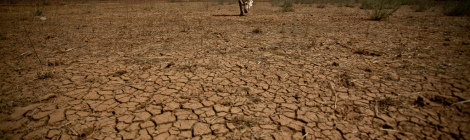
    The claim that rainfall in the Sahel is decreasing is problematic, because the rains have increased again after the drought of the 1980s. Since it is largely rainfall that drives the Sahelian ecosystem, global warming might obviously in the long run produce desertification and resource scarcity – if it reduces rainfall. However, there is currently considerable uncertainty about current rainfall trends and projections in the Sahel. This uncertainty is generally stressed by climate scientists who model how global warming will affect the climate in the Sahel. While some models support the theory that this region will become drier, a majority of models actually suggest not only more abundant, but also possibly more delayed and concentrated rainfall in the future in the Sahel. This might lead to more vegetation over all, and more runoff and floods.

    In fact, because of increased rainfall since the 1980s, instead of desertification, the Sahel became greener again over this period. The re-greening of the Sahel has actually been observed for more than a decade. More recent research by French scientists has also confirmed this trend.  Based on long-term research in northern Mali, this French team observed not only strong resilience and recuperation of the vegetation on sandy soils, but also detected a transformation and thinning of the vegetation on shallow soils. This latter process is linked to stronger and more concentrated run-off resulting in increasing water levels in temporary streams and lakes that in some places have become permanent (see here).

    Hence, while there is a general re-greening of the Sahel caused by stronger rainfall trends since the droughts of the 1980s, there has also been the opposite, a thinning of vegetation on shallow soils, which again leads to more run-off and increased water bodies. In a similar vein and in parallel to the myth of the marching desert, the drying of Lake Chad, the largest lake in the Sahel, is also a myth according to recent research.

    Both these observed and opposing trends are in fact contrary to received wisdom and the dominating policy narrative on the Sahel represented, for instance, by the Great Green Wall Initiative, which aims to make the Sahel green and thereby to fight desertification. This initiative is funded by the Global Environment Facility at the tune of over 100 million USD.

    Political causes of conflicts

    The narrative of climate-driven conflicts first assumes desertification to be a widespread process in the Sahel, and second it postulates such resource scarcity increases conflict levels. This second link cannot be dismissed theoretically, even if empirical results from international research question the validity of this correlation. Most quantitative research undermines the existence of such a general link between climate and conflict, while case studies in central parts of the Sahel indicate that the conflicts have other causes such as rent seeking among government officials as well as policies and legislation that are marginalizing pastoralists.

    In the dry parts of Africa where pastoralism and farming overlap as the main forms of land use, there are continuous conflicts of varying scale. These conflicts have historical and political causes.  For instance, farmer-herder conflicts in Mali are associated with the state’s pastoral and land tenure policies and legislation, which generally are to the disadvantage of pastoralists and tend to lead to their marginalization. Three structural factors can be seen as the main drivers behind these conflicts: agricultural encroachment that has obstructed the mobility of herders and livestock, opportunistic behavior of rural actors as a consequence of an increasing political vacuum following decentralization and the disintegration and withdrawal of state services, and corruption and rent seeking among government officials (see here and here).

    Pastoral marginalization is also at the root of the Tuareg rebellion in Mali. The droughts of the 1970s and 1980s did, however, play an indirect role in the rebellion, because they led to the migration of young men to Algeria and Libya, where they were exposed to revolutionary discourses. There was already a strong feeling among nomads and Tuareg in Mali of being marginalized by state policies of modernization and sedentarization. Embezzlement of drought relief funds by government officials in Bamako added further to the anger felt by young Tuareg in Algeria and Libya who took up arms against the Malian state in 1990. The droughts of the 1970s and 1980s were probably not a necessary condition for the rebellion to take place. The first Tuareg rebellion in Mali took place in 1963 following an unusually humid period.

    Pastoralists are probably the group best adapted to climate variability through their opportunistic and flexible resource use strategies. But at the same time, pastoralists are suffering from state policies favoring settled agriculture in many countries in the Sahel. Even though pastoralists are losing access to land, livestock-keeping remains one of the economically most important activities throughout the Sahel and the large export of live animals to neighboring countries, especially on the West African coast, continues.

    Conclusion

    Even though droughts or flooding may potentially help escalate conflicts, empirical evidence from the Sahel, as well as from other parts of Africa, demonstrates a lack of correlation between climate and conflicts, and suggests that the root causes of land disputes are historical and political in character. While climate change remains a dangerous global challenge, over-stretching its causal responsibility may not only undermine long-term public engagement, but also depoliticize and thereby gloss over the real causes of conflicts, which could hinder the process of finding effective solutions to disputes.

    Tor A. Benjaminsen is Professor at the Department of International Environment and Development Studies, Norwegian University of Life Sciences

  • Sustainable Security

    In March 2016, Jaelyn Young, a 20-year-old student at Mississippi State University was accused of attempting to leave the United States and join the Islamic State (ISIS). She attempted to board a flight with Muhammed Dakhlalla and fly to Turkey with the intent to cross into Syria and join the terrorist group. Young, who pleaded guilty, was posting messages on Twitter about her desire to join the jihadist group, catching the attention of the FBI in May 2015. An agent posing as an Islamic State recruiter began corresponding with her and Dakhlalla. Young and Dakhlalla told the supposed recruiter they would help Islamic State “correct the falsehoods” about it in U.S. news media, such as reports that the group trades young girls as sex slaves. They also asked the recruiter whether ISIS would offer Koran classes in English, how they would be required to prove that they were Sunni Muslims, and what kind of military training Dakhlalla would receive.

    Young and Dakhlalla are just two of many cases of the new trend of terrorists using the newest online platforms, commonly known as the “new media” or “social media.” As several reports on online terrorism reveal, today 90 percent of terrorist activity on the Internet takes place using social networking tools. The growing attraction of social media for modern terrorists relies on the combined impact of several trends: the expansion of online social media and their advantages for terrorists, the virtual interactivity that terrorist propaganda and recruitment are using especially with the targeting of specific audiences (“narrowcasting”) and the emergence of “Lone Wolf” terrorist whose virtual pack is found in the terrorist social media. ISIS managed to recruit thousands of foreign fighters, many of them from Western societies. Many of them were radicalized and recruited on Western online social media. Modern terrorism is turning social media into a powerful anti-social platform of hate, destruction, suicide and mass murder.

    Terrorist Migration to Social Media

    Terrorist use of online platforms is not new. After the events of 9/11 and the antiterrorism campaign that followed, a large number of terrorist groups moved to cyberspace, establishing thousands of websites that promoted their messages and activities.  Many terrorist sites were targeted by intelligence and law enforcement agencies, counterterrorism services, and activists, who monitored the sites, attacked some of them, and forced their operators to seek new online alternatives. The relocation to social media followed. The main motivation to use Facebook and other social media was properly outlined by the terrorist themselves in a Jihadi online forum calling for “Facebook Invasion”:

    This [Facebook] is a great idea, and better than the forums. Instead of waiting for people to [come to you so you can] inform them, you go to them and teach them! …[I] mean, if you have a group of 5,000 people, with the press of a button you [can] send them a standardized message. I entreat you, by God, to begin registering for Facebook as soon as you [finish] reading this post”.

    Social media differentiates from traditional/conventional media in many aspects such as interactivity, reach, frequency, usability, immediacy, and permanence. They are comparatively inexpensive and easily accessible. They enable anyone to upload, download, share and access information. Social media depend on new communication technologies such as mobile and web-based networks to create highly interactive platforms. The global spread of cellular phone with online access to social media made these platforms so widely accessed and used, even in the poorest places in the world. There are 3.42 billion internet users, equaling 46% global penetration, 2.31 billion social media users, delivering 31% global penetration, 3.79 billion unique mobile users, representing 51% global penetration and 1.97 billion mobile social media users.

    These trends were noticed also by Internet-savvy terrorists who quickly learned how to harness the new social media for their purposes. Increasingly, terrorist groups and their sympathizers are shifting their online presence from websites, chatrooms and forums to the newer platforms, the social media.

    Backlit keyboard

    Image via Wikimedia Commons.

    Today, all terrorist groups are present on Facebook, Twitter, Instagram, YouTube, Telegram and other online platforms. Terrorists are encouraging their audiences, followers and operatives to join social media and use them. Maybe most successful is the Sunni terrorist group ISIS, which launched a multi-platform online campaign, covering the entire range of social media. ISIS is using social media to seduce, radicalize and recruit. Since the summer of 2014, ISIS has opened numerous social media accounts for distributing its videos, audios and images via various channels and in many languages, thereby avoiding online censorship. As part of these intensive propaganda efforts, it has launched Al-Hayat Media, a new media branch specifically targeting Western and non-Arabic speaking audiences. ISIS has developed an effective online propaganda machinery. On various social media platforms, ISIS has released numerous videos, photos, texts and music promoting different sides of the militant group. On the one hand is its face of cruel, bloody terror such as of beheadings and burnings of hostages; on the other are more humane and friendly videos of ISIS fighters posing with Nutella jars and kittens. Some of propaganda items on social media are about ISIS providing governance, social justice, and new construction.

    Going Dark: the Move to the Dark Web

    Social media, useful and beneficiary as they may be for terrorists, also involve risks for them: they could be monitored, traced and found. Many of the terrorist websites and social media on the so-called Surface Web are monitored by counter-terrorism agencies and are often shut down or hacked. That led to a recent terrorist migration to the Dark Web. One can describe the Internet as composed of layers: the “upper” layer, or the Surface Web, can easily be accessed by regular searches. However, “deeper” layers, the content of the Deep Web, are not indexed by traditional search engines such as Google. The deepest layers of the Deep Web, a segment known as the Dark Web, contain content that has been intentionally concealed. The Dark Web serves as Internet users for whom anonymity is essential, since they not only provide protection from unauthorized users, but also usually include encryption to prevent monitoring.

    The Dark Web is quite appealing for terrorist groups: While they may lose a broad audience that is available on the Surface Web, they can exploit the obscurity of the Dark Web to further their goals. Following the attacks in Paris (November 2015), ISIS has turned to the Dark Web to spread news and propaganda in an apparent attempt to protect the identities of the group’s supporters and safeguard its content from hacktivists. The move comes after hundreds of websites associated with ISIS were taken down as part of the campaign launched by the amorphous hacker collective Anonymous. ISIS’ media outlet, Al- Hayat Media Center, posted a link and explanations on how to get to their new Dark Web site on a forum associated with ISIS. The announcement was also distributed on ISIS’ Telegram channel, the encrypted communication application. The messages shared links to a Tor service with a “.onion” address, more commonly known as a website on the Dark Web. The ISIS site in the Dark Web contains an archive of the group’s propaganda materials, including its documentary-style film, The Flames of War. The site also includes a link to the terrorist group’s private messaging portal on Telegram. Telegram offers encrypted messaging, a slick, intuitive interface, and a big userbase: it hit 100 million active monthly users in February 2016.

    At this stage, terrorist presence in the Dark Web is rather modest: when propaganda, radicalization and recruitment are the chief goals of terror groups, the reach of Dark Web is limited. Yet, terrorists are already applying the newest privacy-preserving mobile applications like Telegram and are using the Tor browser to hide what they are browsing on the open web from prying eyes. This growing sophistication of terrorist’s use of the Dark Web presents a tough challenge for governments, counter-terrorism agencies and security services. DARPA, the Defense Advanced Research Projects Agency, believes the answer can be found in MEMEX, a software that allows for better cataloguing of Deep Web sites. Envisioned as an analog computer to supplement human memory, the MEMEX (a combination of “memory” and “index”) would poke around the Dark Web and also tune its knowledge to specific domains of interest. MEMEX was originally developed for monitoring human trafficking on the Deep Web, but the same principles can be applied to almost any illicit Deep Web activity. In 2014, an investigation of the source code in one NSA program called XKeyscore, (revealed by the Edward Snowden’s leaks), showed that any user simply attempting to download Tor was automatically fingerprinted, essentially enabling the NSA to know the identity of millions of Tor users. The NSA source code also revealed some of the behavior which users exhibit can immediately be tagged or “fingerprinted” for so-called deep packet inspection, an investigation into the content of data packages sent across the Internet, such as emails, web searches and browsing history.

    However,  there is another side to counter measures in the Dark Web which can serve terrorist communications and activities but also serves journalists, civil rights and democracy activists – all of which may be under threat of censorship or imprisonment.  Thus, the alarming infiltration of Internet-savvy terrorists to the “virtual caves” of the Dark Web should trigger an international search for a solution, but one that should not impair legitimate, lawful freedom of expression.

    Dr. Gabriel Weimann is a Full Professor of Communication at the University of Haifa, Israel. His research interests include the study of persuasion and propaganda, political campaigns, terrorism and the media, online terrorism and cyber-war. He is the author of nine books and over 180 scientific articles. His recent book, Terrorism in Cyberspace: The Next Generation, was published in 2015 by Columbia University Press.

  • Sustainable Security

    A year after the adoption of the United Nations Arms Trade Treaty, the pace is starting to pick up on state action to ratify the treaty. But acceleration of the global arms trade and recent irresponsible deals by treaty ratifiers suggests that state behaviour has yet to catch up to the ideals that sit at the heart of the ATT. A focus on the consistent and long-term blowback of irresponsible trading might go some way to convincing states to start to practice what they preach.

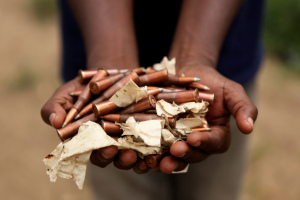
    An ex-combatant holds up munitions in Attécoubé, Abidjan, Côte d'Ivoire. Source: UN Photo (Flickr)

    An ex-combatant holds up munitions in Attécoubé, Abidjan, Côte d’Ivoire. Source: UN Photo (Flickr)

    April 2nd marked the first anniversary of the adoption of the much celebrated Arms Trade Treaty (ATT), the world’s first treaty to establish common standards of international trading in conventional weapons and which, in turn, aims to  ‘ease the suffering caused by irresponsible transfers of conventional weapons and munitions’. 118 states have signed so far, with 31 ratifications including, as of last week, the UK, France and Germany, each a major exporting state. Of the rest of the P5+1, the US has yet to ratify and Russia and China, both of which abstained from voting for adoption of the treaty, have yet to sign. But despite a recent acceleration in the rate of ATT ratification, hard data shows that the global arms trade is accelerating, with many of the biggest deals continuing to transfer cutting edge technologies from democracies like the UK to autocracies like Saudi Arabia.

    Meanwhile, the ghosts of arms deals past continue to haunt arms producing states as their wares come around to be used against them or their allies. Establishing the norms that the ATT seeks to establish will require exporting states to take a longer-term perspective on trading decisions that acknowledge the destabilising impact of weapons proliferation in fragile regions and the consistent blowback against national security. In short, they must start to practice what they have preached.

    New powers, old habits

    Data released by the Stockholm International Peace Research Institute (SIPRI) on 17 March chart the steady rise of international arms transfers – including battle tanks, combat aircraft, missile launchers and small arms and light weapons –  with the volume of transfers up 14% in 2009-13 from transfer in 2004-08.  In 2011 alone, the value of all international arms deliveries is estimated at $44.3 billion. This trend is particularly reflected through rising imports to regions such as Africa, where imports by states rose 53% between 2004-08 and 2009-13. Among the BRICs, Brazil’s arms imports increased by 65% in the same time period, while an increase of 111% in the value of its arms imports has made India the world’s largest arms importer.

    Beyond the deadly threat inherent these tens of millions of weapons pose to human life – the top five arms exporting countries alone delivered nearly 92 million major conventional weapons in 2006-10 – , these statistics suggest an entrenched belief by existing and emerging powers alike that weapons acquisition is a solution to today’s security challenges. Rather, such militarisation is the source of a number of spiralling security crises that are in turn being dealt with using military approaches, with all the Sisyphean repetition that entails. The current NATO-Russia stand-off over the future of Ukraine is but the most obvious example. Prioritising military solutions also tends to stymie peaceful, sustainable alternatives to reducing insecurity.

    What goes around…

    At the heart of the decade-long drive towards a consistent standard of arms trade regulation was an acknowledgement of the human cost of misuse and abuse of legally transferred conventional weapons, leading to human rights abuses and prolonging armed violence in countries such as Sudan, Egypt and Libya. Use of weapons in these countries against citizens has been particularly objectionable and Libya inparticular stands as an example of the warped logic of trading weapons to such countries. Following the lifting of its arms embargo in 2004, EU states granted export licenses worth a reported €834.5m from 2004-2009 to the notoriously repressive Libyan Government – weaponry that was subsequently used against Libyan civilians in 2011, leading to international condemnation and, eventually, western military intervention.

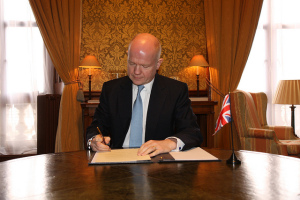
    Foreign Secretary William Hague signs the instrument of ratification for the Arms Trade treaty, 27 March 201. Source: FCO (Flickr)

    Foreign Secretary William Hague signs the instrument of ratification for the Arms Trade treaty, 27 March 2014. Source: FCO (Flickr)

    Yet it seems that such lessons must be continually hard learnt.  Sales such as February’s deal to sell 72 British Typhoon fighter jets to Saudi Arabia – listed by the most recent UK Foreign and Commonwealth Office report on Human Rights and Democracy as a ‘country of concern’ – suggest that London is still not choosy who gets its bang as long as it gets the bucks.  In addition to its domestic record of torture, repression and executions, Saudi Arabia sent its forces to Bahrain to assist in violent crackdowns of popular protests in 2011 and is the leading sponsor of Islamist insurgents in Syria. The UK had to revoke 158 arms export licences to the Middle East in 2011 because of concerns about human rights abuses and risk that the exported weapons might be used for internal repression. Yet the UK was found to have another 600 extant licenses to countries such as Syria, Bahrain and Yemen. With these actions in mind, it is  difficult to reconcile such disregard for the spirit of the ATT with the UK’s recent ratification of the treaty.

    …Comes Around

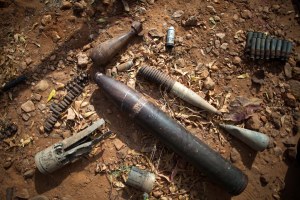
    Ordinance disposal in El Fasher, North Darfur. Source: UNAMID (Flickr)

    Ordinance disposal in El Fasher, North Darfur. Source: UNAMID (Flickr)

    In addition to direct abuse within states such as Libya, international security is challenged by further proliferation through diverted weapons from irresponsible states. For example, the 2008 Final Report of the UN Panel of Expertson Sudan found that arms originating from the stockpiles of Sudan, Chad and Libya had been used in attacks by the Justice and Equality Movement in Sudan, a militia group included in the UN Security Council arms embargo on Darfur since 2005. Chain-of ownership tracing by the Panel then identified numerous weapons that originated in Libya to have originally been transferred from Spain, Belgium and Bulgaria.

    Inside Libya, the dispersal of weapons stockpiles across the country before the downfall of Colonel Gaddafi’s regime – mortars stashed in disused factories, missiles in abandoned buildings – means that today there is an estimated million tons of weaponry in Libya, and much of it is unsecured. Given that this is more than the entire arsenal of the British Army, it is little wonder that MI6 warned the British government in 2013 that the country has become a ‘Tesco for terrorists’. Indeed, Tripoli’s open air Fish Market has now reincarnated as its biggest arms market and deliveries of new weapons systems are regularly hijacked on delivery. Given the hugely destabilising impact of Libyan arms flows south across the Sahara in 2011-12, not least to Mali, one can only speculate on how much of its arsenal has found its way to Syria.

    In Afghanistan, where US-supplied rifles and ammunition have been making their way into Taliban hands for a number of years, the US is currently contemplating  what to do with the $7bn worth of military equipment that will be too expensive to transport from Afghanistan and which will reportedly be of little strategic value to the US once the draw down is complete. As it considers driving some of the equipment over to Pakistan, it seems like the parting gift of the militarised approach in Afghanistan will be the further militarisation of an already deeply unstable region.

    Time to practice what they preach

    The ATT represents the beginning of an important new international norm on arms transfers that aims to lead to more responsible and transparent trade and, ultimately, consideration of the human cost of the trade itself. But despite a majority vote of 156 votes to adopt the ATT last April at the UN General Assembly, and accelerating pace of ratification, there are still important changes to be made to the behaviour of major arms trading states. Countries such as the UK, which proudly claimed to lead the push towards the ATT and made a grand show of ratifying in the recent ‘Race to 50’ campaign, have yet to exhibit the changes to practice that are at the heart of achieving the core ideals of the treaty. Under the terms of the ATT, states reserve the right to continue trade with whichever states they choose, but if a new norm is to be established, they must start to take seriously the spirit of the ATT, whether they have ratified it yet or not. More attention to the consistent and long-term blowback of irresponsible trading – both in terms of the civilian cost of misuse and costs to national security goals caused by destabilisation of areas like the Sahel – might prove worthwhile in making leading exporters like the UK start to practice what they preach.

    Zoë Pelter is the Research Officer of Oxford Research Group’s (ORG) Sustainable Security programme. She works on a number of projects across the programme, including ‘Rethinking UK Defence and Security Policies’ and ‘Sustainable Security and the Global South’. Zoë has worked on conventional arms control issues since 2011. 

  • Sustainable Security


    by Joe Thwaites

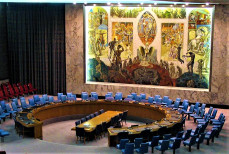
    UN Climate Change Talks Conclude with Copenhagen AccordLast Wednesday, the United Nations Security Council held its second ever debate on climate change, at the request of Germany, who holds the monthly presidency. UN Secretary General Ban Ki-Moon, Director of the UN Environment Program Achim Steiner, President of Nauru Marcus Stephen, and Australia’s Parliamentary Secretary for Pacific Island Affairs Richard Marles all addressed the Council, along with representatives of 62 member states.
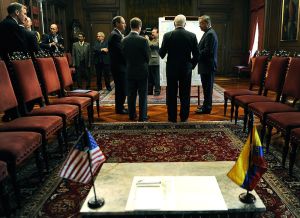
    Stephen wrote powerfully in the New York Times last week about the threat rising sea levels pose to his Pacific island country’s existence, and did not hold back in the Council, usually a place of diplomatic stoicism. Speaking on behalf of the Pacific Small Island Developing States, he said they were facing “the single greatest security challenge of all – that is, our survival” and put the question: “Where would we be if the roles were reversed? What if the pollution coming from our island nations was threatening the very existence of the major emitters? What would be the nature of today’s debate under those circumstances?”

    As it happened, the nature of the debate was twofold. On the ostensible subject, “Maintenance of international peace and security: impact of climate change”, most states agreed that it would have – and in some cases already is having – profound implications for international peace and security, and that the UN had a key role to play coordinating efforts on mitigation and adaptation to climate change. But discussion on this remained secondary to complex political wrangling over the role of the Security Council in addressing the topic. Whilst this is the case for any issue before the body – in discussions on whether to mandate armed intervention into a specific country, for example, the debate focuses not just on the rights and wrongs in that instance, but also the wider precedent it may set – there were added complexities with climate change.

    China and Russia displayed their usual reticence about extending the Security Council’s competencies into new areas. They were joined by Brazil, India, and many developing countries in the G77 bloc, who opposed attempts to move the issue away from the General Assembly-mandated UN Framework Convention on Climate Change (UNFCCC), in which all member states have equal footing and decisions are made by consensus, and into the 15 member body where China, Russia, France, the UK and U.S. hold veto power, and are some of the biggest greenhouse gas emitters, on either cumulative or per capita bases. The underlying fear of developing countries was that such a move would circumvent the core principles which make the existing climate change regime palatable – namely, the recognition of states’ “common but differentiated responsibilities” to act on climate change, and the right to sustainable development.

    Indeed, if the Security Council were to take overall control of climate action, this would be a regressive step, potentially allowing developed countries off the hook for their failure to meet existing targets under the Kyoto Protocol, and removing the impetus to agree a further UNFCCC commitment period. States proposing that the Security Council address the issue (primarily the EU, U.S. and small island states) were therefore at pains to stress that it would be complementary to existing UN bodies and processes, and should not encroach upon their remits. They argued that as a major security threat, it was right that the Council afford these dimensions of climate change due consideration. But as the UN body with the most diplomatic bite – only the Security Council has the power to authorise military force – it is easy to see why there are concerns that it could dominate the issue.

    During the debate there was related apprehension about the excessive securitisation of climate change. Many states pointed out that climate change was a cross-cutting issue, as much related to sustainable development and humanitarian relief as security, and that looking at it as a security issue would not address the underlying causes of the problem. Bolivia noted that developed countries gave $10 billion in climate change finance annually, which amounted to just 1% of defence spending, and suggested the Council adopt a resolution to cut defence and security spending by 20%, using the money saved to address the impacts of climate change. Papua New Guinea echoed Nauru’s Marcus Stephen, pointing out that if the Security Council could address issues such as development and HIV/AIDs as security problems (without them becoming militarised), then why not climate change?

    The non-binding Presidential Statement which was finally agreed did not include mention of a Special Representative on Climate Change and Security, which had been one of Germany’s original proposals. Many countries remained open to the idea of a representative, but opposed them being answerable to the Security Council, instead suggesting they be appointed by the General Assembly.

    On one level, the outcome was disappointing. Russia initially vetoed adoption of the statement, later agreeing to a watered down version merely noting the “possible security implications” of climate change. Ambassador Susan Rice of the U.S. lambasted the lack of stronger action as “pathetic”, “short sighted” and “a dereliction of duty”. However, given that the first Council debate on climate change in 2007 was unable to agree any formal outcome, getting a Presidential Statement was something of a success.

    There remains wide disagreement between states over whether climate change merely exacerbates conflict, or is a distinct threat itself. Academic opinion is still divided, and the Security Council’s position often lags a good ten years behind the latest research on peacebuilding and conflict prevention, so this is not hugely surprising. It is also difficult to untangle the opposition to climate-security links on conceptual grounds from opposition for political reasons related to Security Council ‘mission creep’, as discussed above.

    In 2009, the General Assembly requested that the Secretary General produce a report on the possible security implications of climate change. A few states strongly disputed its findings on Wednesday. Nevertheless, the Presidential Statement recommended that in his regular reports to the Council, the Secretary General begin to include information on the possible influence of climate change upon conflict situations around the world. These are important first steps towards mainstreaming climate change in conflict assessments, even if we are a long way from any legally binding resolution.

    Another reason for optimism is the level of participation in the debate. I followed many Security Council meetings whilst working in the UN community last year, and never saw so many member states request to speak. Most countries took the discussion seriously, and even where they disagreed on whether the Council had a mandate to act, they spoke strongly on the devastating impacts of climate change.

    The question now is: how long will it take for states to take this rhetoric seriously; to realise the gravity of the situation, break the cycle of mistrust in international negotiations and commit to unified multilateral action to address this issue – in whatever forum they choose? The answer is unclear.
    There is one thing we can be confident about – this won’t be the last time the Security Council discusses climate change.

    Joe Thwaites is a graduate in politics from the University of York, UK. He has worked on conflict prevention at the Quaker United Nations Office and represented Friends of the Earth at the UNFCCC.

    Image Source: United Nations Photo

  • Sustainable Security

    With skills and expertise in fighting insurgencies and drug trafficking networks, Colombia’s armed forces are increasingly being sought for engagement in similar security challenges in West Africa. But increasing Colombian engagement gives rise to a number of important questions – not least of which is the goal and expected outcomes of replicating militarised approaches to the war on drugs that have already failed in Latin America.

    Colombian National Army Soldiers. Source: US Department of Defense (Flickr)

    Colombian National Army Soldiers. Source: US Department of Defense (Flickr)

    Colombia has become an exporter of defence cooperation, including operational support, training and capacity building in national security and the fight against insurgencies, drug trafficking networks and terrorism. The skills and expertise of their security forces are in demand and, with strong US support and funding, and through intense diplomatic activism (the ‘Diplomacy for Security’ initiative), the country is building a wide array of bilateral and multilateral agreements for these activities. West African countries suffering from drug trafficking related problems are among the recipients of this support. Although extensive information on these ties and specific programmes is not publicly available, this involvement is evident and therefore raises a number of questions.

    Colombian Engagement in West Africa

    Between 2005 and mid-2013, Colombia trained 17,352 military staff from approximately 47 countries in various areas of assistance. In 2009, officials from Guinea Bissau, Cape Verde, Gambia, Ghana, Togo and Senegal attended training on operations and intelligence-gathering in Colombia under the auspices of the European Union and the UN Office on Drugs and Crime. The head of the Colombian police then announced that he would send ten anti-narcotics police to Africa, to be based in Sierra Leone.

    Colombian and African officials met again in March 2012 in Bogotá at a seminar on transnational organised crime. The same year, the US State Department announced that both countries were providing direct operational support and indirect capacity building efforts to countries throughout the hemisphere and West Africa. And police from 10 African countries, including Cameroon, Guinea Bissau, Senegal and Sierra Leone attended in January 2013 a Colombian National Police-hosted port and airport security seminar.

    Police officers remove bags of drugs found in the Senegalese town of Nianing, 50 miles south of Dakar. Source: africablogs.wordpress.com

    Police officers remove bags of drugs found in the Senegalese town of Nianing. Source: africablogs.wordpress.com

    Colombian involvement in West Africa (and Africa more generally) should not come as a surprise. West Africa is increasingly affected by the illegal narcotics trade and associated problems on governance and security. In this trend there are pull and push factors. It has become a transit hub and intermediate point for drugs making their routes from South America to European and other markets,  at a time when border –particularly maritime – security has improved in some European countries, making it more difficult for drugs to reach their territories using the traditional direct routes. The West African coastline is situated at the shortest travel distance from some Latin American departure points, and networks shifted to it while looking for new routes. From West Africa, drugs can continue to Europe or elsewhere by sea or by diverse land routes. Some countries with problems of territorial and border control, corruption and weak governance have been particularly vulnerable to this shift in international narcotics routes. One case in point is Guinea Bissau, where “the combination of a corrupt and centralized leadership and an inadequate and underfunded justice system in a country riven by upheaval and abject poverty” are among the driving factors.

    US Reliance on Colombian forces – Advantageous for Both Sides

    Colombian Defense Minister Gabriel Silva, U.S. Defense Secretary Robert M. Gates, center right, and U.S. Ambassador to Colombia William R. Brownfield talk to one another at the Presidential Palace before meetiing with President Alvaro Uribe in Bogota, April 15, 2010.

    Colombian and U.S. Defense Ministers and  Ambassador  William R. Brownfield meet in Bogota, 2010. Source: Wikimedia

    The reliance of the US on Colombia to export security policies makes sense for both countries. For the former, it is a way to maintain indirect military support and training programmes at a lower cost and through a reliable partner. “It is cheaper for us to have Colombia do the training than us do it ourselves,” Ambassador William Brownfield (Assistant Secretary for the Bureau of International Narcotics and Law Enforcement Affairs) told Congress, later adding that “it’s a dividend that we get for investing over $9 billion in support for Plan Colombia.” The SOUTHCOM Posture Statement 2014 describes Colombia as a clear example of a sizeable return on relatively modest investment and sustained engagement.

    For their part, the Colombian security forces face uncertainty about the future. They have undergone an important growth in personnel (up to 450,000 now) and operational capacities, parallel to increases of a defence budget that reached $12 billion in 2012. Their air power and deployment capacities have become more sophisticated; and the Police now have highly vetted units trained in intelligence-gathering on drug trafficking organizations. A significant part of those advancements can be attributed to US support through Plan Colombia. But this is an untenable situation provided that a peace deal with the FARC has been reached and in the event of a post-conflict scenario. Not surprisingly, they are in search of new missions within and outside Colombia.

    US Focus on West Africa… From Narrative to Policies

    Africa is for the US “the new frontier in terms of counterterrorism and counternarcotics issues,” according to Jeffrey P. Breeden, the chief of the DEA Europe, Asia and Africa section. The US narrative on this region is one of intertwined and convergent threats and actors, where illicit trafficking feeds the crime-terror continuum and criminal insurgencies become players in illicit markets, using the profits to finance terror campaigns. A member of the State Department remarked that “If we do not act decisively, the region will remain an exporter of terror and a provider of safe havens where terrorists from other conflicts all over the world find refuge, illicit trafficking will continue to expand, (…) and drugs and illicit enterprise will corrode the rule of law and the gains of globalization.”

    There is a boom of academic and policy literature about the ‘continuum’ and other modalities of confluence among terrorism, illicit traffic networks and armed conflict. But the relations between these actors are complex, multifaceted and non-linear. Oversimplification of this complexity,  reducing the problem to a ‘merger’ of different types of groups makes an ideal argument to gain media attention and push for kinetic policies and strong military involvement. For the US, any link to terrorism or crime-terror nexus makes it easier to gain political support for engagement. But this ‘merger’ is hardly supported by operational evidence, with cross-overs between terrorist groups and drugs cartels, for example, remaining more like opportunistic agreements and less as structural and permanent. This argument also leaves aside other root causes of crises such as lack of governance, corruption, underdevelopment and marginalisation.

    The reason for abundant use of this narrative may be hidden in plain sight. According to the criminal code, US agencies are authorised to pursue and prosecute drug offences abroad provided that a link to terrorism is established, even if there is no connection with US consumption markets. This is the case for West Africa.

    In 2011, Ambassador Brownfield led a delegation of senior U.S. officials to West Africa to begin formulating a strategic approach to undermine transnational criminal networks and  reduce their ability to operate. The response is the West Africa Cooperative Security Initiative (WACSI). US counter narcotics assistance for West Africa soared from $7.5 million in 2009 to $50 million each of the past to years, according to the State Department. The budget and operational constraints limiting direct US engagement in West Africa’s drugs and organised crime problems include AFRICOM, an agency that relies on around 2,000 personnel to manage coordination of defence programmes for 38 African countries, plus around 5,000 soldiers deployed at any time. The response to scarce resources increasingly takes the form of reliance on special operations teams and cooperation with close allies, with Colombia playing a prominent role.

    Colombia in West Africa: More Questions Than Answers

    The strategic partnership between both countries is expressed in several instruments, notably the bilateral High-Level Strategic Security Dialogue (HLSSD), periodic meetings of the Security Cooperation Coordinating Group (SCCG) and the US-Colombia Action Plan on Regional Security Cooperation. These instruments are used to formalise security cooperation activities and assistance programs to partner nations affected by transnational crime, including West Africa.

    There is no doubt that the shift in trafficking routes is affecting security in some West African countries. Again, Guinea Bissau is among the most obvious cases, due to the ties among senior government, military officials and criminal groups that have played into upheaval and instability. Northern Mali has experienced drug related violence among armed groups involved in different degrees in the drug trade. Beyond these, the connection between drugs and overt violence is less evident, but a focus exclusively on drugs and violence ignored the important connections of the drug trade and criminal networks with political and business elites. These less studied but structural relationships have potentially grave destabilising effects.

    A Colombian cooperation undertaken by the Police (not the military), focusing on capacity building to strengthen national capacities in law enforcement, and improved intelligence and information–sharing mechanisms, could make sense. International cooperation is certainly needed to address this truly transnational problem. But due to the lack of information available, it is not clear what kind of responsibilities different parts of the Colombian security forces (Police, military, intelligence) are currently assuming.

    Therefore, the involvement in West Africa raises a number of important questions. The security forces, with US support, have managed well in counter-insurgency but the overall impact of Plan Colombia and associated policies on the illegal drug economy remains doubtful. What kind of capacity building and operational support can the Colombian forces provide in countries at peace, provided that their expertise has been acquired in armed conflict? What insurgencies might be fought in West Africa?

    What is the goal and the expected outcomes of replicating ‘drug war’ policies and approaches already failed in Latin America, such as militarisation of the fight against drugs? In particular, one of the unintended consequences of this approach is the ‘balloon effect’, through which crop cultivation, routes and transit points shift to new places as the old ones become more controlled. Indeed, this is already an important factor in current West African problems. In terms of fight against corruption and involvement of powerful figures in the drug economy, the results have been mixed in Colombia (considering both national and regional levels).

    Last but not least, all the relative Colombian successes have come at the untenable cost of grave human rights violations. The security forces, particularly the military, remain very active in trying to avoid accountability for past misbehaviour and crimes. In one of the latest scandals in civil military relations, sections of Colombian military intelligence have been found to have spied on delegations of the recent peace process, including spying on the President’s representatives. What kind of human rights and democracy messages are being sent through this US backed Colombian defence activism?

    International Law enforcement cooperation can be asset in dealing with criminal networks like those involved in drug trafficking, particularly where corruption and involvement of state officials is a factor. But approaches that confuse different non-state actors, their roles and potential levels of threat and attempt to provide a one-size-fits-all response, generate more risk than certainty with regards to potential outcomes and consequences. Militarised approaches to the drug war and public security have been extensively tried in Latin America with limited impact on the drug trade, while worsening the situation of violence. In the Colombian case, the results have been remarkable in counter-insurgency, but the country is still one of the main sources of cocaine for international markets, and there have been widespread violations of human rights.

    These approaches are being increasingly questioned in Latin America and continue to lose support even among high Government representatives and Presidents. Replicating them without further evaluation and careful reflection about what has worked  – and what has not – is not a promising approach. Instead, approaches to drugs and organised crime in West Africa must be based on lessons learned, to avoid the repetition of past ineffective policies and their harmful effects.

    Mabel González Bustelo is a journalist, researcher and international consultant specialized in international peace and security, with a focus on non-State actors in world politics, organized violence, conflict and peacebuilding. You can follow her at her blog The Making of War and Peace, her webpage, and Twitter (@MabelBustelo).

    Feature image: Colombian Marines, 2009. Source: Wikimedia

  • Sustainable Security

    This article was first posted on 15 October 2012 and has been featured this week in light of renewed tensions in the region.

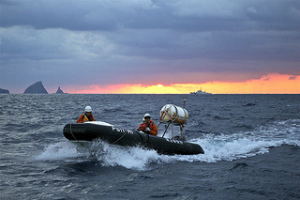
    East China Sea smallAs the long running tensions over the set of islands in the East China Sea appear to be coming to a head, the time for thinking through the alternatives to the militarisation of this conflict seems to be well and truly upon us.
    The conflict raises interesting issues about sovereignty claims based on offshore territories, particularly as we face a climate-constrained future as well as the increasing importance of competition over scarce resources. The latter is fast becoming one of the most important global trends if one thinks about the potential ‘drivers’ of conflict and even war.

    Spiralling naval spending in the region has been tracked by analysts for some years now, and flashpoints such as the dispute over the Senkaku/Diaoyu islands could show rampant military spending and arms racing for the dangerous trends that they are if things deteriorate rapidly. Arms racing helps to reinforce security dilemmas (the problems of interpreting the motives of potential adversaries and responding in-kind by arming yourself thus creating a spiral towards ever increasing militarisation). Arms racing also discourages the development of what Ken Booth and Nicholas Wheeler refer to as ‘security dilemma sensibility’ – the ability to “perceive the motives behind, and to show responsiveness towards, the potential complexity of the military intentions of others. In particular, it refers to the ability to understand the role that fear might play in their attitudes and behaviour, including, crucially, the role that one’s own actions may play in provoking that fear.”

    But what is particularly important to note in relation to this crisis is the interaction between the trends of increasing militarisation and competition over resources. The potential hydrocarbon resources beneath the ground around the islands as well as the rich fishing grounds in the surrounding waters gives the competing claims to sovereignty a particular strategic bite.

    Imposed on top of this is the effect of unresolved historical tensions and fierce nationalist sentiment in some quarters of both Japan and China. The coverage of the dispute in the media has been particularly important. Kevin Clements and Ria Shibata have noted that “this might be expected in China, which has a state-run media. In democratic Japan and Taiwan, however, the media have also promoted official and unofficial nationalist positions on the conflict. This has been accompanied by a marginalising or silencing of moderate voices favouring negotiated non-violent solutions to the conflict.” Interestingly, the most constructive voices calling for calm who have been able to cut through the jingoism and sabre rattling have been the business community concerned with the bigger picture issues of losing trade and tourism between China, Taiwan, Japan and South Korea.

    Clements and Shibata have outlined five initial steps that could be used to de-escalate the issue and begin the difficult but unavoidable process of a negotiated solution. In the longer-term, both regional powers and important external players will need to put addressing the inter-linked trends of militarisation and increasing competition over strategic resources at the heart of any attempts to avoid the worst case scenarios playing out.

    Ben Zala is a Lecturer in International Politics at the University of Leicester.

    Image source: Al Jazeera English.

  • Sustainable Security

    Over the past two decades, the United Nations Security Council has responded more strongly to some humanitarian crises than to others. This variation in Security Council action raises the important question of what factors motivate United Nations intervention.

    The United Nations (UN) selective response to humanitarian crises—as evidenced most recently by the organisation’s uneven reaction to the conflicts in Libya and Syria—is arguably among the most contentious issues in international politics. Some scholars and observers heavily criticize this practice, arguing that the selectiveness of humanitarian interventions undermines their legitimacy and ultimately their success; that the uneven response to humanitarian emergencies suggests that these intervention are motivated not by humanitarian concerns but by the military and economic interests of powerful states; and that the selective enforcement of human rights norms undermines the emerging rule of law in international politics (for examples see Archibugi 2004, Chomsky 1999)

    Others disagree and claim that selectivity is not only unavoidable for the UN but also desirable. The selectivity of humanitarian intervention, so the argument goes, reduces the risk of over commitment; it helps to maintain cooperation among the great powers; and it prevents the UN from becoming involved in ill-conceived operations (see Roberts and Zaum 2008)

    But what explains why UN humanitarian interventions remain selective in the first place? Why is it that the UN has taken strong action to respond to some crises, like those in Northern Iraq, Somalia, Bosnia, Sierra Leone or—more recently Libya—but not to other like those in Colombia, Myanmar, Sudan, or—currently—Syria?

    The scholarship on humanitarian intervention often argues that each humanitarian crisis (and the responses to them) is historically unique and therefore requires a case-by-case explanation. While I agree that attention should be paid to the specificities of each crisis, my research shows that the UN’s response to them is not random but follows remarkably consistent patterns (see Binder 2015, 2017). More specifically, I argue that a combination of four factors explains whether the United Nations does or does not take strong action (sanctions, ‘robust’ peacekeeping operations, military action) in response to a humanitarian crisis. This explanation has been developed and tested through a systematic comparative analysis of the UN’s response to more than 30 humanitarian crises after the end of the Cold War combined with several in-depth case studies of intervention decisions in the UN Security Council.

    • The first explanatory factor is the extent of human suffering in a crisis. In a humanitarian crisis people suffer and die while human rights norms are massively violated. This generates a morally motivated pressure to come to the rescue of threatened populations and to defend international norms.
    • Secondly, whether the UN intervenes depends on the extent to which a crisis spills over to neighbouring countries and regions. Humanitarian crises often affect neighbouring countries or regions in negative ways. Spill over effects include regional conflict diffusion, refugee flows, terrorism or economic downturn. Spill over effects create a material interest to intervene.
    • The third explanatory factor for UN intervention is the ability of a target state to resist outside intervention. Militarily strong target states, or target states that have powerful allies, can raise the costs and risks of UN intervention and affect its chances of success.
    • Fourth and finally, UN intervention is explained by the level of material and reputational resources the UN has committed to the resolution of a crisis in the past (sunk costs). To the extent that the UN have invested time, money, and diplomatic prestige in the resolution of the crisis, this creates the wish to protect these investments through continued or escalated involvement.

    None of these explanatory factors is sufficient in itself to explain selective intervention. In combination, however, they provide a powerful explanation for the UN’s uneven response to humanitarian crises.

    When does the UN take strong action?

    Image credit: Bernd Untiedt/Wikimedia.

    The UN can be expected to take strong action—coercive measures including economic sanctions, ‘robust’ peacekeeping operation or (the authorization of) military action—if the extent of a humanitarian crisis (in terms of victims and internally displaced persons) is large, and if the organisation has committed substantial resources to its resolution. This, however, leads to intervention only when the crisis also generates substantial negative spill over effects (e.g., refugee flows) or when the target state of an intervention is weak and therefore unable to resist to outside intervention.

    Explaining limited UN action (or inaction)

    A limited response of the UN to a humanitarian crisis, such as UN observer missions, humanitarian assistance, or even complete inaction of the UN, is best explained by the ability of a potential target state to resist outside intervention (e.g., through military capabilities). However, other factors must be present as well. Military capabilities must be either complemented by a low level of previous UN involvement; or by a relatively low level of human suffering and spill over effect to neighbouring countries.

    A few brief examples may help to illustrate how these four factors interact to lead to strong or limited UN action.

    Bosnia

    UN intervention in Bosnian crisis was clearly driven by a combination of motivational factors. For one, UN members were strongly concerned by the large-scale plight of the Bosnian civilian population and the grave human rights violations committed by the parties to the conflict (ethnic cleansing, the installation of concentration camps, the siege of Sarajevo, and the massacres at Srebrenica). Second, the intervention was motivated by the wish to prevent the crisis from spilling over to Western European countries, most notably in form of refugee flows, and to stop a more generalized destabilization of the Balkan region. A third important driver of UN intervention in Bosnia was the wish of UN member states to protect the tremendous investments both material (through humanitarian assistance and peacekeeping) and reputational (diplomatic efforts) the UN had made over the course of the conflict. However, when the Bosnian Serbs took hundreds of UNPROFOR blue helmets hostage, this brought the UN to the brink of failure and put the UN’s efforts in the Bosnian crisis in jeopardy. In this situation, rather than withdraw, the organisation escalated its response. Finally, outside intervention was facilitated by the inability of the Bosnian Serbs and the Serbian government to generate sufficient resistance against outside intervention by the UN (and later by NATO).

    Cote d’Ivoire

    Very similar motivational patterns can be observed with respect to the UN’s decision to authorize military intervention in the context of post-election violence in Côte d’Ivoire in 2010. The dramatic levels of internal displacement and the fears of genocide, given the xenophobic politics of ‘Ivoirité’ that characterized the conflict, raised strong humanitarian concern in the UN. At the same time, UN members wished to prevent the conflict from spilling over to other Western African countries, most notably to Liberia which was slowly recovering from a long and brutal civil war. Moreover, the substantial and longstanding involvement of the UN in the country generated an additional institutional dynamic pushing towards intervention. The UN had invested heavily in the resolution of the crisis in Côte d’Ivoire—most notably through peacekeeping and peacebuilding. UN members wished to protect these investments they saw at stake, should country relapse into civil war. Finally, former President Laurent Gbagbo and his supporters were too weak to effectively resist outside intervention in in the country. By the time the UN decided to authorize military action, large parts of the country were controlled by forces loyal to Gbagbo’s opponent Alassane Ouattara.

    Libya

    As in the crises in Bosnia and in Côte d’Ivoire, humanitarian intervention in Libya was driven by more than one factor. Muammar al Gaddafi’s public announcement to commit a massacre in the town of Benghazi generated particular pressure on the part of UN members to act. Concerns to prevent spill over effects also played an important role. In addition to destabilizing effects for neighbouring Egypt and Tunisia—both of which are undergoing important political change in the wake of the ‘Arab Spring’—Western UN members feared that hundreds of thousands of Libyan refugees would cross the Mediterranean towards Europe. At the same time, the Gaddafi regime was not in a strong position to resist outside intervention. Not only was there a capable opposition movement in the country, but also Tripoli had managed to alienate nearly all of its former Arab and African allies. Libya also lacked partners in the Security Council who might have opposed or blocked UN intervention. However, the Libyan case fails to provide strong support for the previous institutional involvement explanation in that the UN did not invest substantial material and immaterial resources to the resolution of the crisis prior to the intervention.

    Syria

    The ongoing crisis in Syria illustrates how a combination of factors prevents strong UN action. The available evidence suggests that massive human rights violations, the spiralling violence in the country as well as the severe spill over effect of the Syrian conflict for neighbouring countries, most notably Lebanon, raised strong concerns on the part of UN members. A majority of UN members have pushed for sanctions against the Assad regime in the UN Security Council. That the UN has nevertheless not taken strong action in Syria can be explained by two factors. First, unlike the cases discussed before, Syria is more able to resist outside intervention—most notably because the Assad regime enjoys the continued support of its Russian and Chinese allies, who block any coercive measures against Syria in the UN. Second, the UN has not been substantially involved in Syria in the past and has not committed substantial resources to the resolution of the crisis. As such, a complementary dynamic of escalating commitment could not unfold in the UN to push towards coercive measures.

    Summary

    Whether the UN intervenes or does not intervene in a humanitarian crisis cannot be explained by a single factor. Rather, a combination of conditions – the extent of human suffering, the level of spill over effects, the military strength of a target state and the extent to which the UN has been involved in a crisis before – accounts for this variation in UN action to a large extent. While the explanation I suggest here does not account for all UN responses to humanitarian crises, it covers more than 80% of the UN humanitarian interventions after the Cold War.

    Martin Binder is Associate Professor in International Relations at the University of Reading. His research focuses on humanitarian intervention, the authority and legitimacy of international institutions, and rising powers. His work has been published in the Journal of Peace Research, International Studies Quarterly and International Theory, among others. His recent book The United Nations and the Politics of Selective Humanitarian Intervention has been published in 2017 with Palgrave Macmillan.

  • Sustainable Security

    Summary

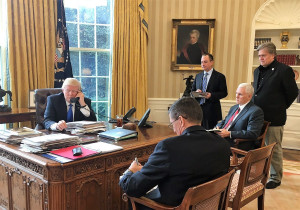
    Despite considerable disarray continuing into its third month, the new US administration is showing more consistent, if not coherent, signs of how it will try to implement Donald Trump’s campaign proposals. In large part, these may be assessed as antithetical to a more sustainable security agenda, given that they promote military confrontation, undermine attempts to address climate change, and are, at best, incoherent in their response to economic inequality. Little of this translation to reality is likely to endear Trump to voters or his party. Greater policy turbulence, at home and abroad, should be expected ahead of mid-term elections next year.

    Introduction

    The Trump administration has been in power for 75 days; following the election campaign and the post-election transition it is now possible to get a reasonably clear picture of how its policies relating to security are taking shape. There has been much speculation that the United States will take a very different path to that of the Obama era, not least in relation to security and climate change, and since the United States is the world’s most powerful state it is appropriate to make an initial assessment of the changes as they may affect the sustainable security thinking with which ORG has been concerned for the last decade. Is the Trump era likely to make a major difference to the global security outlook or is it more likely that realities of international relations will limit the capacity for the change Trump seeks?

    Sustainable Security

    The ORG approach to security may be summarised:

    Security challenges such as terrorism, crime and weapons proliferation cannot be successfully contained or controlled without understanding and addressing their root causes. ORG’s Sustainable Security concept takes a comprehensive, long-term approach that encompasses climate change, resource scarcity, militarisation, poverty, inequality and marginalisation.

    As the thinking has developed it has tended to group the challenges into three main areas, economic relations, climate change, and militarisation, and these are convenient headings with which to make an initial assessment of the Trump era.

    The issue of economic relations is seen as having as its greatest challenge the failure of the neoliberal approach to deliver economic justice, equity and emancipation, and the consequent growing divide between a relatively small minority of rather more than a billion people and the majority of the world’s population, with a clear rise in frustration and resentment among that majority at relative marginalisation and lack of life prospects.

    In the environmental context, while a number of resource limitations and regional environmental impacts are important, the emphasis in the ORG analysis has to be on the most significant trend – climate change and especially its impact on human well-being especially as a result of severe effects on food production.

    Finally, militarisation is seen partly in terms of a particularly entrenched and powerfully influential economic sector but most significantly as a culture in which the early use of military force is essential in maintaining the status quo, however unequal, unjust or unstable that order is.

    In all cases, the ORG view is that these approaches are thoroughly inappropriate if we wish to avoid an unstable and violent world, and much more emphasis must be placed on the underlying causes of the problems and how they may be addressed. The failure of the current 15-year war on terror is the most grievous example, having led to hundreds of thousands of deaths, millions of displaced people, at least three failed or failing states and a continuing perception of the threat of political violence in western countries. The question, simply, is how does the new Trump era affect the possibility of taking the wider view?

    Economic Issues

    Image credit: PressSec/Wikimedia.

    The early indications are that the Trump administration is a potentially unstable mix of those best described as economic nationalists and others, especially in the wider Republican Party, who are convinced neoliberals. The latter may be dubious about any trend towards protectionism and believe that in a free market which already favours the wealthy such protectionism may turn out to be counter-productive. In this view, transnational corporate organisation is a fact of life and no country, not even the United States, can go its own way for long.

    The economic nationalists, who are dominant within Trump’s inner policy circle, are very strongly convinced that the United States has sufficient power to dominate the markets that matter most. Furthermore, the whole Trump election platform was predicated on strong opposition to the perceived elite, an establishment that “ran” Washington. His appeal to those left behind, especially in the post-industrial American Mid-West, was probably the most important element in his successful election and it is an approach that will not readily be abandoned. At the same time, he was committed to policies that would reduce taxes while scaling down the Obamacare reforms – initially both popular with his supporters.

    In the short-term Trump’s policies may be popular but it may be as little as a year before those left behind find that their predicament simply does not ease. Indeed, it is already becoming clear that health provision reforms will lead to many millions of Americans facing higher costs, including many of those who voted for Trump. More generally, economic nationalism may turn out to provide little gain for the country as the power of China and other major economies becomes more apparent. “America first” is simply not sustainable in a globalised world.

    Even so, what has to be faced is that the Trump era will not see any fundamental challenge to the neoliberal system, precisely in a period when that system is proving unfit for purpose. What may perhaps be more relevant is how long the Trump approach in its present form persists. The degree of disorganisation currently apparent in so many areas within the White House is hardly encouraging in terms of stability, and it may well be that as the 2018 mid-sessional elections to the House and Senate draw nearer, Trump’s singularly soft Republican majority support in both Houses of Congress will lead to sudden changes of policy. These may not directly address core issues of inequality but could take much of the remaining lustre off the Trump approach.

    Climate Change

    This month has seen the very clear enactment of a number of policies that confirm that the Trump approach on climate change is one of denial coupled with the strong promotion of domestically-sourced fossil fuel resources. This is a highly negative approach for two reasons – there will be an increase in carbon emissions from the United States and a lack of leadership within the international community for addressing the considerable dangers stemming from climate change. This would seem disastrous for any hope of effectively preventing climate change but there are other very interesting factors at work.

    Firstly, the reality of the dangers of uncontrollable climate change is far more recognised across the world than a decade ago. Many more states are accelerating their moves towards renewable energy sources, with the biggest emitter, China, making remarkable strides. Indeed, China may well see its way to playing a global leadership role. Secondly, the rapid developments in renewable energy technologies are making renewable sources far more economic, with many further developments coming closer to fruition. The effect of this is that renewable energy utilisation is now competing much more closely with fossil carbon sources and, as a consequence, there is a rapid increase in investment in renewables. More than half of all investment in electricity generation is now in renewables and in the United States and elsewhere there is far greater potential for employment in renewables than in fossil carbon sources.

    Major problems remain including historic underinvestment in energy storage technologies and the need to cut carbon emissions by even more than most states currently accept, but the point here is that this is one area where there is every sign that Trump’s policies are obsolete and likely to ensure that the United States is left high and dry. Even in the face of that, though, the ideological certitude of the climate change deniers close to Trump means that the administration is unlikely to change. In short, the advent of the Trump era may limit the prospects for countering climate disruption but at least this will be another area where the Trump approach may be singularly counterproductive to any aim to make the United States the world leader.

    Security

    As with climate change, the first two-and-a-half months of the Trump administration have shown the translation of rhetoric into policy: control of migration, increased military spending and the more frequent use of force. Here, though, it is necessary to recall that the eight years of the Obama administration may have seen the withdrawal of US troops from substantial parts of the Middle East and Afghanistan but also saw the quiet transition to remote warfare with much greater use of air power, armed drones and Special Forces, not least in Libya and Iraq. The early signs are that Trump is expanding such operations rather than radically changing the posture and this includes even greater use of air power in the war against Islamic State (IS), as well as the deployment of even more Special Forces in Iraq, Syria and Yemen.

    These kinds of changes are being reflected in the manner in which the Pentagon is being given a much freer hand to conduct operations, but there are already consequences. A major raid in Yemen in late January failed to achieve its objective while also killing many civilians, and the much-expanded use of air strikes in Mosul in the past month has led to such an increase in civilian casualties that they are even being reported in the mainstream western media. Even so, such consequences are unlikely to carry any weight with Trump unless there are serious disasters involving US military personnel.

    The risk of this has been limited until now but one factor that has received little attention is that Trump’s Pentagon is advocating, and indeed already initiating, a substantial increase in the number of “boots on the ground”. In Iraq this is no longer just Special Forces but regular troop deployments which include, for example, units from the 82nd Airborne Division. Trump has also just agreed to give US forces in East Africa much more open powers to operate assaults on suspected al-Qaida-linked groups in southern Somalia, and there are also repeated calls for the Pentagon to expand its deployments in Afghanistan.

    As with economic issues, such actions may be popular with Trump supporters in the short term, examples of forceful action in the task of “Making America Great Again”, but based on the failures of the last fifteen years, the longer-term impact may be very different. What it does mean, though, is that as the United States seriously expands in overseas military operations then its close allies such as Britain will have to face up to whether they are willing to maintain their commitments.

    Conclusion

    These are, indeed, different times and with all three aspects of the sustainable security challenge the election of Trump is likely to exacerbate ingrained problems. At the same time, his policies may become increasingly irrelevant concerning climate change and his economic popularity with his supporters may also erode quickly. This may well increase the temptation to use foreign military action to distract voters from domestic discontents. However, even in the military dimension there are unlikely to be any quick wins and Trump’s direction of travel means that his allies could quickly come under domestic political pressure if they were to stay closely aligned with the United States. In any case, the need to rethink our attitudes to security remains critical and it is best to see the advent of the Trump era as a period when even more opportunity for creative, critical and independent rethinking of security will be essential.

    Paul Rogers is Global Security Consultant to Oxford Research Group and Professor of Peace Studies at the University of Bradford. His ‘Monthly Global Security Briefings’ are available from our website. His new book Irregular War: ISIS and the New Threats from the Margins will be published by I B Tauris in June 2016. These briefings are circulated free of charge for non-profit use, but please consider making a donation to ORG, if you are able to do so.

  • Sustainable Security

    The centenary of the First World War also marks the anniversary of the practice of recording and naming casualties of war. But a century on, new forms of ‘shadow warfare’ limit the ability to record casualties of conflict and thus threaten to allow states a free hand to employ dangerous new tactics without threat of individual or international accountability. Without verifiable casualty figures – including information on who is being killed and how – we cannot evaluate the acceptability, effectiveness or impact of ‘remote control’ tactics as they are rolled out among civilian populations.

    A Humanizing Legacy

    Image of the name of Sgt. Robert O'Connor of The Leinster Regiment on the Menin Gate wall, who was killed on 31 July 1917 during the First World War. Source: Wikipedia

    Image of the name of Sgt. Robert O’Connor of The Leinster Regiment on the Menin Gate wall, killed on 31 July 1917 during the WWI. WWI saw the start of practice of recognizing by name each and every soldier killed during battle. Source: Wikipedia

    As the world marks the centenary of the commencement of the First World War,  we remember not the war that ended all wars, but instead the war that changed them forever. Introducing new forms of mechanized warfare – including the machine gun, u-boat, tank and airplane – WWI increased exponentially the lethal force of the individual soldier, bringing about an era of death and destruction on an industrial scale.  Yet, even as it ushered in the means of mass and impersonal killing, the ‘Great War’ also initiated the humanizing practice of recognizing by name each and every soldier who lost their lives, burying them in marked graves alongside those of their officers. Not only does such identification and public acknowledgement of victims dignify their memory, in today’s conflicts it can also provide vital information for humanitarian response and for monitoring compliance with – or tracking violations of – international law.

    Today we are again witnessing the introduction of new forms of warfare – including armed drones, lethal autonomous weapons, special operations forces and use of private military and security companies.  Like their WWI counterparts, these new tactics will reshape the face of conflict, yet as they do so they also threaten to destroy the humanizing legacy of casualty recording. Pushing global warfare deep into the shadows, these new ‘remote-control’ tactics are replacing public military campaigns with covert and contracted force. This shift to a ‘light-footprint’ approach, primarily by the United States, but also by France, Russia and the United Kingdom, reflects not only the changing nature of security threats, which have become mercurial at best, but also the lessening appetite for long military campaigns with high military casualties. A recent report from the Every Casualty Programme at Oxford Research Group and the Remote Control Project finds that the prioritisation of ‘remote control’ tactics presents serious obstacles to the recording of casualties, and subsequently, accountability for the civilians impacted by their use.

    Issues of capacity, political will, and access challenge efforts to record the casualties of any type of conflict. Yet, in conventional warfare, where identifiable or recognised conflict parties conduct attacks, such recording is not impossible: militaries generally record their own fatalities in these instances, while civilian deaths are often recorded by small civil society organizations around the world.  One need only look to the names of the hundreds of civilians killed in recent conflict in Gaza published by major news outlets to see the result of such efforts. In covert conflicts, however, or in conflicts where ‘remote control’ tactics are used, the ability to record casualties – including information on who is killed and how – is greatly diminished.

    The merging of intelligence operations with the use of force – seen currently in countries such as Yemen, Pakistan and Afghanistan with the use of armed drones and special operations forces by the United States – is a particularly problematic trend for casualty recorders. By greatly increasing the opacity – or outright deniability – of state force, covert operations erect a seemingly impenetrable wall of ‘classified information’, impeding recorders’ ability to conduct field investigations and verify their data. In 2010, the United Nations Mission in Afghanistan (UNAMA), which has conducted systematic casualty recording since 2007, reported that due to “tactical reasons and deliberate lack of information about such operations” they found it “very difficult to monitor and adequately document the activities of Special Forces” operating in the country. Gathering data on civilian and combatant casualties of drone strikes has also proved problematic – with ORG’s report finding that recorders are challenged by a lack of official disclosure of information about strikes, blocking of access to strike sites, and a near monopoly of information by anonymous officials on information coming from affected areas.

    The consequent lack of reliable casualty data impedes the impartial evaluation of the tactics’ impacts on civilian populations. It also limits the ability to scrutinise the tactics acceptability and effectiveness using evidence-based analysis. The United States – the primary user of armed drones – has repeatedly claimed that drones allow for precision targeting, capable of surgically eliminating targets with minimal civilian casualties. Yet, as a recent report from the Bureau of Investigate Journalism on drone use in Afghanistan has shown, “the armed forces that operate drones publish no data on casualties to corroborate these claims.” Although the United States claims to record data on casualties itself, its failure to make such records transparent not only prevents an analysis of the acceptability of drone strikes, but also denies the victims and their families the opportunity for accountability or redress.

    Bringing Remote-Control warfare out of the shadows

    People of Narang district mourning for the students killed in a night raid in the village Ghazi Khan on December 27, 2009. Although the operation was authorised by NATO, it is still not publicly known who carried out the attack. Source: Wikipedia

    People of Narang district mourning for the students killed in a night raid in the village Ghazi Khan on December 27, 2009. Although the operation was authorised by NATO, it is still not publicly known who carried out the attack. Source: Wikipedia

    Data documenting the casualties of particular weapons – from chemical gas in WW1 to landmines and cluster munitions more recently – has been instrumental in evaluating these weapons’ impact and acceptability, and ultimately ensuring their regulation through international treaty. Yet, as new tactics are employed under the cloak of ‘covert action’, the ability of the international community to measure and regulate their impact is increasingly limited. Without verifiable casualty figures, states may be given a free hand to employ dangerous new tactics without threat of individual or international accountability. Indeed a recent report from Amnesty International has found that as a result of an almost complete lack of transparency from the US government regarding civilian casualties in Afghanistan – specifically around those killed in night raids by SOFs or by missiles from drones strikes – victims are already facing a major accountability vacuum.

    States must take greater responsibility for recording and acknowledging the casualties – both civilian and combatant – of these new tactics. They must not seek to block public investigation and accountability, even though these tactics may be adopted for the lower profile they afford armed force. Furthermore the United Nations, alongside civil society groups or other entities, must enhance their recording efforts so as to provide independently verifiable data on casualties. Such data is essential for developing an accurate, complete and impartial record, and for facilitating scrutiny in circumstances where casualties are highly politicized. Civil society-led casualty recording and analysis, despite its limitations, has already highlighted policies within the use of remote control tactics that need greater examination: for example, the practice of ‘double-tap’ or rescuer drone strikes in Pakistan on those coming to the assistance of individuals at the site of a previous strike. Only by ensuring that casualty recording is conducted systematically and to a high standard can we bring the impact of remote control warfare out of the shadows and into the public eye.

    If we are to take a lesson from the commemoration ceremonies resounding across Europe it is simply that to learn from the past, and to honor it, we must first know that past. Details regarding the identites of those killed in conflict, both on the battlefield and in their homes, are essential to understanding the impact of violence, and to telling the full story of a conflict, to both current and future generations. The risks, then, of wars waged in secret, their battles and casualties concealed, are profound. Not only will there be no monuments at which to mourn their dead, there will be no lessons to be gleaned from their history: the wisdom of hindsight – both for policymakers deploying force and the public – may be lost completely.

    Kate Hofstra is Research and Communications Consultant of the Every Casualty Programme at Oxford Research Group and co-author of Losing Sight of the Human Cost: Casualty Recording and Remote Control Warfare. Kate previously worked for TLG,a London-based communications consultancy, where she was the editor of a digital magazine on business and development. She has also worked with the OSCE Mission to Bosnia and Herzegovina in Sarajevo and hasa background in transitional justice. Kate has an MSc in Human Rights from the London School of Economics.

    Featured Image: Deputy chief minister of Pakistan’s North West Frontier Province and tribesmen offer funeral prayers in front of dead bodies who were killed in army operation in Khar, the main town in Bajaur tribal agency, 30 October 2006. Source: The Bureau of Investigative Journalism, Naming the Dead Project