Author Archives: Zoë Pelter

Quiet Legacies and Long Shadows: The Obama era of counterterrorism in the Sahel-Sahara
Despite the crumbling façade of its interventions in Iraq and Afghanistan, the US is preparing for a new century of ‘light footprint’ warfare, using Africa as its laboratory.

Getting Older But Not Wiser: the Arms Trade Treaty’s First Birthday
April 2nd marked the first anniversary of the adoption of the much celebrated Arms Trade Treaty (ATT), the world’s first treaty to establish common standards of international trading in conventional weapons and which in turn aims to ‘ease the suffering caused by irresponsible transfers of conventional weapons and munitions’. But with the continued irresponsible arms trading and an overall rise in the global arms trade, it seems that some states have yet to put the ideals of the ATT into practice.

Britain’s Strategic Pause: Lessons from an insecure and interventionist century
After 100 years of continuous war, can Britain learn the limits of military action to respond to shifting realities of insecurity? Continued investment in force projection and lack of commitment to genuine reflection on today’s security challenges suggests it’s not yet ready to let go of its militarist mindset.
Beyond crime and punishment: UK non-military options in Syria
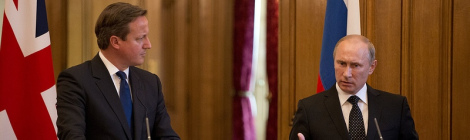
The defeat of the UK government’s parliamentary motion on support in principle for military action against the Syrian regime means that Britain will play no part in any direct attack on Syria. What then are its options for resolving the Syrian conflict, protecting civilians and punishing those responsible for war crimes there? This article assesses what the UK can do in terms of pushing for a negotiated peace settlement and to hold accountable those responsible for using chemical weapons and any other war crimes committed during this century’s worst humanitarian crisis.

A top-down approach to sustainable security: the Arms Trade Treaty
2012 has been hailed as a potential landmark year in the push for greater regulation of the global trade in conventional arms. After more than a decade of advocacy to this end, negotiations took place throughout July towards the world’s first Arms Trade Treaty (ATT), which is intended to establish the highest possible common international standards for the transfer of conventional weapons. However, although significant progress was made during the month of intense negotiations, the ATT is not yet open for signature. In this article, Zoë Pelter explores what role a potential treaty – if reopened for further negotiation – could play in a move towards sustainable security.

Towards sustainable civilian security in South Sudan
Civilian disarmament campaigns in South Sudan currently attempt to tackle one of the many symptoms of the country’s militarised post-war society. But instead, there is a need for proactive strategy – not reactive operations – towards sustainable civilian security.
Leave a Reply