Category Archives: Inclusive Security
‘Sustainable Security’ is not possible without consideration of the differential impact that violent conflict – and its drivers – has on women and girls. Similarly, constructing the tools we need to build lasting security and end gender-based insecurity will require a re-think of our existing, heavily masculine, security structures. Through practice focused articles, our ‘Inclusive Security’ series seeks to highlight approaches being developed to include and empower women in security discourse, and tackle those security practices which proliferate gender-based insecurity.
A long road ahead: integrating gender perspectives into peacekeeping operations
A spate of violence against women in the eastern DRC shows that there is still a long way to go on effective implementation of the UN Security Council Resolution 1325 on Women, Peace and Security, 14 years after its adoption.

Engendering Peace? The militarized implementation of the women, peace and security agenda
Almost 15 years after the first resolution to address women, peace and security, the agenda’s implementation is increasingly subverted by the militarised security paradigm. Implementing UNSCR 1325 has been interpreted as being about fitting women into the current peace and security paradigm and system; rather than about assessing and redefining peace and security through a gender lens. As a result, the opportunity to create a new recipe for peace and security, based on taking women’s perspectives into account, is being lost.
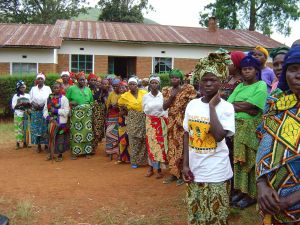
Security Sector Roles in Sexual and Gender-based Violence
Democratic Republic of Congo’s sexual violence epidemic is not only a weapon of ongoing violent conflict but an expression of entrenched systemic problems. Indeed, sexual and gender-based violence (SGBV) is most commonly perpetrated by the security services in place to protect civilians. In Quartier Panzi in South Kivu province, innovative processes of security sector reform and strengthened police-civilian channels of communication may be providing an opportunity for change, argues World Bank adviser Edward Rackley.
Leave a Reply