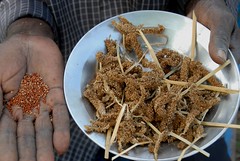
 The United Nations Development Programme (UNDP) defines food security as “all people at all times having both physical and economic access to the basic food they need”. However, due to a complex range of interconnected issues from climate change to misguided economic policies, political failure and social marginalisation, over 2 billion people across the world live in constant food Insecurity. It is important to take a sustainable security approach to look at the importance of “physical and economic access to basic food” by exploring the links between food insecurity and violence.
Image source: Bioversity International
 ‘The sheer scale and chaotic construction of the favelas, which became home to hundreds of thousands of migrants, made them the ideal milieu for drug gangs to hide from the police and set up initially paternalistic, de-facto governments, albeit without any concrete political aims.’

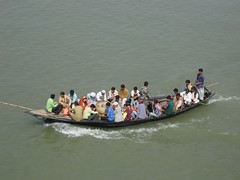 This case study explores the potential impact of climate change on security and conflict in Bangladesh. As international researchers have started to make the link between climate change, insecurity and conflict, they have raised concerns that Bangladesh’s extreme vulnerability to the environmental effects of climate change may create conditions that put it at risk of greater insecurity and possible conflict.

 From the Center for American Progress: