Blog

  • The heart of India is under attack
    The heart of India is under attack

    Arundhati Roy | guardian.co.uk | October 2009

    Issues:Climate change, Competition over resources, Marginalisation

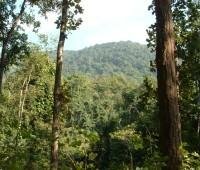
    The low, flat-topped hills of south Orissa have been home to the Dongria Kondh long before there was a country called India or a state called Orissa. The hills watched over the Kondh. The Kondh watched over the hills and worshipped them as living deities. Now these hills have been sold for the bauxite they contain. For the Kondh it’s as though god had been sold. They ask how much god would go for if the god were Ram or Allah or Jesus Christ.

    Perhaps the Kondh are supposed to be grateful that their Niyamgiri hill, home to their Niyam Raja, God of Universal Law, has been sold to a company with a name like Vedanta (the branch of Hindu philosophy that teaches the Ultimate Nature of Knowledge). It’s one of the biggest mining corporations in the world and is owned by Anil Agarwal, the Indian billionaire who lives in London in a mansion that once belonged to the Shah of Iran. Vedanta is only one of the many multinational corporations closing in on Orissa.

    If the flat-topped hills are destroyed, the forests that clothe them will be destroyed, too. So will the rivers and streams that flow out of them and irrigate the plains below. So will the Dongria Kondh. So will the hundreds of thousands of tribal people who live in the forested heart of India, and whose homeland is similarly under attack.

    In our smoky, crowded cities, some people say, “So what? Someone has to pay the price of progress.” Some even say, “Let’s face it, these are people whose time has come. Look at any developed country – Europe, the US, Australia – they all have a ‘past’.” Indeed they do. So why shouldn’t “we”?

    In keeping with this line of thought, the government has announced Operation Green Hunt, a war purportedly against the “Maoist” rebels headquartered in the jungles of central India. Of course, the Maoists are by no means the only ones rebelling. There is a whole spectrum of struggles all over the country that people are engaged in–the landless, the Dalits, the homeless, workers, peasants, weavers. They’re pitted against a juggernaut of injustices, including policies that allow a wholesale corporate takeover of people’s land and resources. However, it is the Maoists that the government has singled out as being the biggest threat.

    Two years ago, when things were nowhere near as bad as they are now, the prime minister described the Maoists as the “single largest internal security threat” to the country. This will probably go down as the most popular and often repeated thing he ever said. For some reason, the comment he made on 6 January, 2009, at a meeting of state chief ministers, when he described the Maoists as having only “modest capabilities”, doesn’t seem to have had the same raw appeal. He revealed his government’s real concern on 18 June, 2009, when he told parliament: “If left-wing extremism continues to flourish in parts which have natural resources of minerals, the climate for investment would certainly be affected.”

    Who are the Maoists? They are members of the banned Communist party of India (Maoist) – CPI (Maoist) – one of the several descendants of the Communist Party of India (Marxist-Leninist), which led the 1969 Naxalite uprising and was subsequently liquidated by the Indian government. The Maoists believe that the innate, structural inequality of Indian society can only be redressed by the violent overthrow of the Indian state. In its earlier avatars as the Maoist Communist Centre (MCC) in Jharkhand and Bihar, and the People’s War Group (PWG) in Andhra Pradesh, the Maoists had tremendous popular support. (When the ban on them was briefly lifted in 2004, 1.5 million people attended their rally in Warangal.)

    But eventually their intercession in Andhra Pradesh ended badly. They left a violent legacy that turned some of their staunchest supporters into harsh critics. After a paroxysm of killing and counter-killing by the Andhra police as well as the Maoists, the PWG was decimated. Those who managed to survive fled Andhra Pradesh into neighbouring Chhattisgarh. There, deep in the heart of the forest, they joined colleagues who had already been working there for decades.

    Not many “outsiders” have any first-hand experience of the real nature of the Maoist movement in the forest. A recent interview with one of its top leaders, Comrade Ganapathy, in Open magazine, didn’t do much to change the minds of those who view the Maoists as a party with an unforgiving, totalitarian vision, which countenances no dissent whatsoever. Comrade Ganapathy said nothing that would persuade people that, were the Maoists ever to come to power, they would be equipped to properly address the almost insane diversity of India’s caste-ridden society. His casual approval of the Liberation Tigers of Tamil Eelam (LTTE) of Sri Lanka was enough to send a shiver down even the most sympathetic of spines, not just because of the brutal ways in which the LTTE chose to wage its war, but also because of the cataclysmic tragedy that has befallen the Tamil people of Sri Lanka, who it claimed to represent, and for whom it surely must take some responsibility.

    Right now in central India, the Maoists’ guerrilla army is made up almost entirely of desperately poor tribal people living in conditions of such chronic hunger that it verges on famine of the kind we only associate with sub-Saharan Africa. They are people who, even after 60 years of India’s so-called independence, have not had access to education, healthcare or legal redress. They are people who have been mercilessly exploited for decades, consistently cheated by small businessmen and moneylenders, the women raped as a matter of right by police and forest department personnel. Their journey back to a semblance of dignity is due in large part to the Maoist cadre who have lived and worked and fought by their side for decades.

    If the tribals have taken up arms, they have done so because a government which has given them nothing but violence and neglect now wants to snatch away the last thing they have – their land. Clearly, they do not believe the government when it says it only wants to “develop” their region. Clearly, they do not believe that the roads as wide and flat as aircraft runways that are being built through their forests in Dantewada by the National Mineral Development Corporation are being built for them to walk their children to school on. They believe that if they do not fight for their land, they will be annihilated. That is why they have taken up arms.

    Even if the ideologues of the Maoist movement are fighting to eventually overthrow the Indian state, right now even they know that their ragged, malnutritioned army, the bulk of whose soldiers have never seen a train or a bus or even a small town, are fighting only for survival.

    In 2008, an expert group appointed by the Planning Commission submitted a report called “Development Challenges in Extremist-Affected Areas”. It said, “the Naxalite (Maoist) movement has to be recognised as a political movement with a strong base among the landless and poor peasantry and adivasis. Its emergence and growth need to be contextualised in the social conditions and experience of people who form a part of it. The huge gap between state policy and performance is a feature of these conditions. Though its professed long-term ideology is capturing state power by force, in its day-to-day manifestation, it is to be looked upon as basically a fight for social justice, equality, protection, security and local development.” A very far cry from the “single-largest internal security threat”.

    Since the Maoist rebellion is the flavour of the week, everybody, from the sleekest fat cat to the most cynical editor of the most sold-out newspaper in this country, seems to be suddenly ready to concede that it is decades of accumulated injustice that lies at the root of the problem. But instead of addressing that problem, which would mean putting the brakes on this 21st-century gold rush, they are trying to head the debate off in a completely different direction, with a noisy outburst of pious outrage about Maoist “terrorism”. But they’re only speaking to themselves.

    The people who have taken to arms are not spending all their time watching (or performing for) TV, or reading the papers, or conducting SMS polls for the Moral Science question of the day: Is Violence Good or Bad? SMS your reply to … They’re out there. They’re fighting. They believe they have the right to defend their homes and their land. They believe that they deserve justice.

    In order to keep its better-off citizens absolutely safe from these dangerous people, the government has declared war on them. A war, which it tells us, may take between three and five years to win. Odd, isn’t it, that even after the Mumbai attacks of 26/11, the government was prepared to talk with Pakistan? It’s prepared to talk to China. But when it comes to waging war against the poor, it’s playing hard.

    It’s not enough that special police with totemic names like Greyhounds, Cobras and Scorpions are scouring the forests with a licence to kill. It’s not enough that the Central Reserve Police Force (CRPF), the Border Security Force (BSF) and the notorious Naga Battalion have already wreaked havoc and committed unconscionable atrocities in remote forest villages. It’s not enough that the government supports and arms the Salwa Judum, the “people’s militia” that has killed and raped and burned its way through the forests of Dantewada leaving 300,000 people homeless or on the run. Now the government is going to deploy the Indo-Tibetan border police and tens of thousands of paramilitary troops. It plans to set up a brigade headquarters in Bilaspur (which will displace nine villages) and an air base in Rajnandgaon (which will displace seven). Obviously, these decisions were taken a while ago. Surveys have been done, sites chosen. Interesting. War has been in the offing for a while. And now the helicopters of the Indian air force have been given the right to fire in “self-defence”, the very right that the government denies its poorest citizens.

    Fire at whom? How will the security forces be able to distinguish a Maoist from an ordinary person who is running terrified through the jungle? Will adivasis carrying the bows and arrows they have carried for centuries now count as Maoists too? Are non-combatant Maoist sympathisers valid targets? When I was in Dantewada, the superintendent of police showed me pictures of 19 “Maoists” that “his boys” had killed. I asked him how I was supposed to tell they were Maoists. He said, “See Ma’am, they have malaria medicines, Dettol bottles, all these things from outside.”

    What kind of war is Operation Green Hunt going to be? Will we ever know? Not much news comes out of the forests. Lalgarh in West Bengal has been cordoned off. Those who try to go in are being beaten and arrested. And called Maoists, of course. In Dantewada, the Vanvasi Chetana Ashram, a Gandhian ashram run by Himanshu Kumar, was bulldozed in a few hours. It was the last neutral outpost before the war zone begins, a place where journalists, activists, researchers and fact-finding teams could stay while they worked in the area.

    Meanwhile, the Indian establishment has unleashed its most potent weapon. Almost overnight, our embedded media has substituted its steady supply of planted, unsubstantiated, hysterical stories about “Islamist terrorism” with planted, unsubstantiated, hysterical stories about “Red terrorism”. In the midst of this racket, at ground zero, the cordon of silence is being inexorably tightened. The “Sri Lanka solution” could very well be on the cards. It’s not for nothing that the Indian government blocked a European move in the UN asking for an international probe into war crimes committed by the government of Sri Lanka in its recent offensive against the Tamil Tigers.

    The first move in that direction is the concerted campaign that has been orchestrated to shoehorn the myriad forms of resistance taking place in this country into a simple George Bush binary: If you are not with us, you are with the Maoists. The deliberate exaggeration of the Maoist “threat” helps the state justify militarisation. (And surely does no harm to the Maoists. Which political party would be unhappy to be singled out for such attention?) While all the oxygen is being used up by this new doppelganger of the “war on terror”, the state will use the opportunity to mop up the hundreds of other resistance movements in the sweep of its military operation, calling them all Maoist sympathisers.

    I use the future tense, but this process is well under way. The West Bengal government tried to do this in Nandigram and Singur but failed. Right now in Lalgarh, the Pulishi Santrash Birodhi Janasadharaner Committee or the People’s Committee Against Police Atrocities – which is a people’s movement that is separate from, though sympathetic to, the Maoists – is routinely referred to as an overground wing of the CPI (Maoist). Its leader, Chhatradhar Mahato, now arrested and being held without bail, is always called a “Maoist leader”. We all know the story of Dr Binayak Sen, a medical doctor and a civil liberties activist, who spent two years in jail on the absolutely facile charge of being a courier for the Maoists. While the light shines brightly on Operation Green Hunt, in other parts of India, away from the theatre of war, the assault on the rights of the poor, of workers, of the landless, of those whose lands the government wishes to acquire for “public purpose”, will pick up pace. Their suffering will deepen and it will be that much harder for them to get a hearing.

    Once the war begins, like all wars, it will develop a momentum, a logic and an economics of its own. It will become a way of life, almost impossible to reverse. The police will be expected to behave like an army, a ruthless killing machine. The paramilitary will be expected to become like the police, a corrupt, bloated administrative force. We’ve seen it happen in Nagaland, Manipur and Kashmir. The only difference in the “heartland” will be that it’ll become obvious very quickly to the security forces that they’re only a little less wretched than the people they’re fighting. In time, the divide between the people and the law enforcers will become porous. Guns and ammunition will be bought and sold. In fact, it’s already happening. Whether it’s the security forces or the Maoists or noncombatant civilians, the poorest people will die in this rich people’s war. However, if anybody believes that this war will leave them unaffected, they should think again. The resources it’ll consume will cripple the economy of this country.

    Last week, civil liberties groups from all over the country organised a series of meetings in Delhi to discuss what could be done to turn the tide and stop the war. The absence of Dr Balagopal, one of the best-known civil rights activists of Andhra Pradesh, who died two weeks ago, closed around us like a physical pain. He was one of the bravest, wisest political thinkers of our time and left us just when we needed him most. Still, I’m sure he would have been reassured to hear speaker after speaker displaying the vision, the depth, the experience, the wisdom, the political acuity and, above all, the real humanity of the community of activists, academics, lawyers, judges and a range of other people who make up the civil liberties community in India. Their presence in the capital signalled that outside the arclights of our TV studios and beyond the drumbeat of media hysteria, even among India’s middle classes, a humane heart still beats. Small wonder then that these are the people who the Union home minister recently accused of creating an “intellectual climate” that was conducive to “terrorism”. If that charge was meant to frighten people, it had the opposite effect.

    The speakers represented a range of opinion from the liberal to the radical left. Though none of those who spoke would describe themselves as Maoist, few were opposed in principle to the idea that people have a right to defend themselves against state violence. Many were uncomfortable about Maoist violence, about the “people’s courts” that delivered summary justice, about the authoritarianism that was bound to permeate an armed struggle and marginalise those who did not have arms. But even as they expressed their discomfort, they knew that people’s courts only existed because India’s courts are out of the reach of ordinary people and that the armed struggle that has broken out in the heartland is not the first, but the very last option of a desperate people pushed to the very brink of existence. The speakers were aware of the dangers of trying to extract a simple morality out of individual incidents of heinous violence, in a situation that had already begun to look very much like war. Everybody had graduated long ago from equating the structural violence of the state with the violence of the armed resistance. In fact, retired Justice PB Sawant went so far as to thank the Maoists for forcing the establishment of this country to pay attention to the egregious injustice of the system. Hargopal from Andhra Pradesh spoke of his experience as a civil rights activist through the years of the Maoist interlude in his state. He mentioned in passing the fact that in a few days in Gujarat in 2002, Hindu mobs led by the Bajrang Dal and the VHP had killed more people than the Maoists ever had even in their bloodiest days in Andhra Pradesh.

    People who had come from the war zones, from Lalgarh, Jharkhand, Chhattisgarh and Orissa, described the police repression, the arrests, the torture, the killing, the corruption, and the fact that they sometimes seemed to take orders directly from the officials who worked for the mining companies. People described the often dubious, malign role being played by certain NGOs funded by aid agencies wholly devoted to furthering corporate prospects. Again and again they spoke of how in Jharkhand and Chhattisgarh activists as well as ordinary people – anyone who was seen to be a dissenter – were being branded Maoists and imprisoned. They said that this, more than anything else, was pushing people to take up arms and join the Maoists. They asked how a government that professed its inability to resettle even a fraction of the 50 million people who had been displaced by “development” projects was suddenly able to identify 1,40,000 hectares of prime land to give to industrialists for more than 300 Special Economic Zones, India’s onshore tax havens for the rich. They asked what brand of justice the supreme court was practising when it refused to review the meaning of “public purpose” in the land acquisition act even when it knew that the government was forcibly acquiring land in the name of “public purpose” to give to private corporations. They asked why when the government says that “the writ of the state must run”, it seems to only mean that police stations must be put in place. Not schools or clinics or housing, or clean water, or a fair price for forest produce, or even being left alone and free from the fear of the police – anything that would make people’s lives a little easier. They asked why the “writ of the state” could never be taken to mean justice.

    There was a time, perhaps 10 years ago, when in meetings like these, people were still debating the model of “development” that was being thrust on them by the New Economic Policy. Now the rejection of that model is complete. It is absolute. Everyone from the Gandhians to the Maoists agree on that. The only question now is, what is the most effective way to dismantle it?

    An old college friend of a friend, a big noise in the corporate world, had come along for one of the meetings out of morbid curiosity about a world he knew very little about. Even though he had disguised himself in a Fabindia kurta, he couldn’t help looking (and smelling) expensive. At one point, he leaned across to me and said, “Someone should tell them not to bother. They won’t win this one. They have no idea what they’re up against. With the kind of money that’s involved here, these companies can buy ministers and media barons and policy wonks, they can run their own NGOs, their own militias, they can buy whole governments. They’ll even buy the Maoists. These good people here should save their breath and find something better to do.”

    When people are being brutalised, what “better” thing is there for them to do than to fight back? It’s not as though anyone’s offering them a choice, unless it’s to commit suicide, like some of the farmers caught in a spiral of debt have done. (Am I the only one who gets the feeling that the Indian establishment and its representatives in the media are far more comfortable with the idea of poor people killing themselves in despair than with the idea of them fighting back?)

    For several years, people in Chhattisgarh, Orissa, Jharkhand and West Bengal – some of them Maoists, many not – have managed to hold off the big corporations. The question now is, how will Operation Green Hunt change the nature of their struggle? What exactly are the fighting people up against?

    It’s true that, historically, mining companies have often won their battles against local people. Of all corporations, leaving aside the ones that make weapons, they probably have the most merciless past. They are cynical, battle-hardened campaigners and when people say, “Jaan denge par jameen nahin denge” (We’ll give away our lives, but never our land), it probably bounces off them like a light drizzle on a bomb shelter. They’ve heard it before, in a thousand different languages, in a hundred different countries.

    Right now in India, many of them are still in the first class arrivals lounge, ordering cocktails, blinking slowly like lazy predators, waiting for the Memorandums of Understanding (MoUs) they have signed – some as far back as 2005 – to materialise into real money. But four years in a first class lounge is enough to test the patience of even the truly tolerant: the elaborate, if increasingly empty, rituals of democratic practice: the (sometimes rigged) public hearings, the (sometimes fake) environmental impact assessments, the (often purchased) clearances from various ministries, the long drawn-out court cases. Even phony democracy is time-consuming. And time is money.

    So what kind of money are we talking about? In their seminal, soon-to-be-published work, Out of This Earth: East India Adivasis and the Aluminum Cartel, Samarendra Das and Felix Padel say that the financial value of the bauxite deposits of Orissa alone is $2.27 trillion (more than twice India’s GDP). That was at 2004 prices. At today’s prices it would be about $4 trillion.

    Of this, officially the government gets a royalty of less than 7%. Quite often, if the mining company is a known and recognised one, the chances are that, even though the ore is still in the mountain, it will have already been traded on the futures market. So, while for the adivasis the mountain is still a living deity, the fountainhead of life and faith, the keystone of the ecological health of the region, for the corporation, it’s just a cheap storage facility. Goods in storage have to be accessible. From the corporation’s point of view, the bauxite will have to come out of the mountain. Such are the pressures and the exigencies of the free market.

    That’s just the story of the bauxite in Orissa. Expand the $4 trillion to include the value of the millions of tonnes of high-quality iron ore in Chhattisgarh and Jharkhand and the 28 other precious mineral resources, including uranium, limestone, dolomite, coal, tin, granite, marble, copper, diamond, gold, quartzite, corundum, beryl, alexandrite, silica, fluorite and garnet. Add to that the power plants, the dams, the highways, the steel and cement factories, the aluminium smelters, and all the other infrastructure projects that are part of the hundreds of MoUs (more than 90 in Jharkhand alone) that have been signed. That gives us a rough outline of the scale of the operation and the desperation of the stakeholders.

    The forest once known as the Dandakaranya, which stretches from West Bengal through Jharkhand, Orissa, Chhattisgarh, parts of Andhra Pradesh and Maharashtra, is home to millions of India’s tribal people. The media has taken to calling it the Red corridor or the Maoist corridor. It could just as accurately be called the MoUist corridor. It doesn’t seem to matter at all that the fifth schedule of the constitution provides protection to adivasi people and disallows the alienation of their land. It looks as though the clause is there only to make the constitution look good – a bit of window-dressing, a slash of make-up. Scores of corporations, from relatively unknown ones to the biggest mining companies and steel manufacturers in the world, are in the fray to appropriate adivasi homelands – the Mittals, Jindals, Tata, Essar, Posco, Rio Tinto, BHP Billiton and, of course, Vedanta.

    There’s an MoU on every mountain, river and forest glade. We’re talking about social and environmental engineering on an unimaginable scale. And most of this is secret. It’s not in the public domain. Somehow I don’t think that the plans afoot that would destroy one of the world’s most pristine forests and ecosystems, as well as the people who live in it, will be discussed at the climate change conference in Copenhagen. Our 24-hour news channels that are so busy hunting for macabre stories of Maoist violence – and making them up when they run out of the real thing – seem to have no interest at all in this side of the story. I wonder why?

    Perhaps it’s because the development lobby to which they are so much in thrall says the mining industry will ratchet up the rate of GDP growth dramatically and provide employment to the people it displaces. This does not take into account the catastrophic costs of environmental damage. But even on its own narrow terms, it is simply untrue. Most of the money goes into the bank accounts of the mining corporations. Less than 10% comes to the public exchequer. A very tiny percentage of the displaced people get jobs, and those who do, earn slave-wages to do humiliating, backbreaking work. By caving in to this paroxysm of greed, we are bolstering other countries’ economies with our ecology.

    When the scale of money involved is what it is, the stakeholders are not always easy to identify. Between the CEOs in their private jets and the wretched tribal special police officers in the “people’s” militias – who for a couple of thousand rupees a month fight their own people, rape, kill and burn down whole villages in an effort to clear the ground for mining to begin – there is an entire universe of primary, secondary and tertiary stakeholders.

    These people don’t have to declare their interests, but they’re allowed to use their positions and good offices to further them. How will we ever know which political party, which ministers, which MPs, which politicians, which judges, which NGOs, which expert consultants, which police officers, have a direct or indirect stake in the booty? How will we know which newspapers reporting the latest Maoist “atrocity”, which TV channels “reporting directly from ground zero” – or, more accurately, making it a point not to report from ground zero, or even more accurately, lying blatantly from ground zero – are stakeholders?

    What is the provenance of the billions of dollars (several times more than India’s GDP) secretly stashed away by Indian citizens in Swiss bank accounts? Where did the $2bn spent on the last general elections come from? Where do the hundreds of millions of rupees that politicians and parties pay the media for the “high-end”, “low-end” and “live” pre-election “coverage packages” that P Sainath recently wrote about come from? (The next time you see a TV anchor haranguing a numb studio guest, shouting, “Why don’t the Maoists stand for elections? Why don’t they come in to the mainstream?”, do SMS the channel saying, “Because they can’t afford your rates.”)

    Too many questions about conflicts of interest and cronyism remain unanswered. What are we to make of the fact that the Union home minister, P Chidambaram, the chief of Operation Green Hunt, has, in his career as a corporate lawyer, represented several mining corporations? What are we to make of the fact that he was a non-executive director of Vedanta – a position from which he resigned the day he became finance minister in 2004? What are we to make of the fact that, when he became finance minister, one of the first clearances he gave for FDI was to Twinstar Holdings, a Mauritius-based company, to buy shares in Sterlite, a part of the Vedanta group?

    What are we to make of the fact that, when activists from Orissa filed a case against Vedanta in the supreme court, citing its violations of government guidelines and pointing out that the Norwegian Pension Fund had withdrawn its investment from the company alleging gross environmental damage and human rights violations committed by the company, Justice Kapadia suggested that Vedanta be substituted with Sterlite, a sister company of the same group? He then blithely announced in an open court that he, too, had shares in Sterlite. He gave forest clearance to Sterlite to go ahead with the mining, despite the fact that the supreme court’s own expert committee had explicitly said that permission should be denied and that mining would ruin the forests, water sources, environment and the lives and livelihoods of the thousands of tribals living there. Justice Kapadia gave this clearance without rebutting the report of the supreme court’s own committee.

    What are we to make of the fact that the Salwa Judum, the brutal ground-clearing operation disguised as a “spontaneous” people’s militia in Dantewada, was formally inaugurated in 2005, just days after the MoU with the Tatas was signed? And that the Jungle Warfare Training School in Bastar was set up just around then?

    What are we to make of the fact that two weeks ago, on 12 October, the mandatory public hearing for Tata Steel’s steel project in Lohandiguda, Dantewada, was held in a small hall inside the collectorate, cordoned off with massive security, with an audience of 50 tribal people brought in from two Bastar villages in a convoy of government jeeps? (The public hearing was declared a success and the district collector congratulated the people of Bastar for their co-operation.)

    What are we to make of the fact that just around the time the prime minister began to call the Maoists the “single largest internal security threat” (which was a signal that the government was getting ready to go after them), the share prices of many of the mining companies in the region skyrocketed?

    The mining companies desperately need this “war”. They will be the beneficiaries if the impact of the violence drives out the people who have so far managed to resist the attempts that have been made to evict them. Whether this will indeed be the outcome, or whether it’ll simply swell the ranks of the Maoists remains to be seen.

    Reversing this argument, Dr Ashok Mitra, former finance minister of West Bengal, in an article called “The Phantom Enemy”, argues that the “grisly serial murders” that the Maoists are committing are a classic tactic, learned from guerrilla warfare textbooks. He suggests that they have built and trained a guerrilla army that is now ready to take on the Indian state, and that the Maoist “rampage” is a deliberate attempt on their part to invite the wrath of a blundering, angry Indian state which the Maoists hope will commit acts of cruelty that will enrage the adivasis. That rage, Dr Mitra says, is what the Maoists hope can be harvested and transformed into an insurrection.

    This, of course, is the charge of “adventurism” that several currents of the left have always levelled at the Maoists. It suggests that Maoist ideologues are not above inviting destruction on the very people they claim to represent in order to bring about a revolution that will bring them to power. Ashok Mitra is an old Communist who had a ringside seat during the Naxalite uprising of the 60s and 70s in West Bengal. His views cannot be summarily dismissed. But it’s worth keeping in mind that the adivasi people have a long and courageous history of resistance that predates the birth of Maoism. To look upon them as brainless puppets being manipulated by a few middle-class Maoist ideologues is to do them a disservice.

    Presumably Dr Mitra is talking about the situation in Lalgarh where, up to now, there has been no talk of mineral wealth. (Lest we forget – the current uprising in Lalgarh was sparked off over the chief minister’s visit to inaugurate a Jindal Steel factory. And where there’s a steel factory, can the iron ore be very far away?) The people’s anger has to do with their desperate poverty, and the decades of suffering at the hands of the police and the Harmads, the armed militia of the Communist Party of India (Marxist) that has ruled West Bengal for more than 30 years.

    Even if, for argument’s sake, we don’t ask what tens of thousands of police and paramilitary troops are doing in Lalgarh, and we accept the theory of Maoist “adventurism”, it would still be only a very small part of the picture.

    The real problem is that the flagship of India’s miraculous “growth” story has run aground. It came at a huge social and environmental cost. And now, as the rivers dry up and forests disappear, as the water table recedes and as people realise what is being done to them, the chickens are coming home to roost. All over the country, there’s unrest, there are protests by people refusing to give up their land and their access to resources, refusing to believe false promises any more. Suddenly, it’s beginning to look as though the 10% growth rate and democracy are mutually incompatible.

    To get the bauxite out of the flat-topped hills, to get iron ore out from under the forest floor, to get 85% of India’s people off their land and into the cities (which is what Chidambaram says he’d like to see), India has to become a police state. The government has to militarise. To justify that militarisation, it needs an enemy. The Maoists are that enemy. They are to corporate fundamentalists what the Muslims are to Hindu fundamentalists. (Is there a fraternity of fundamentalists? Is that why the RSS has expressed open admiration for Chidambaram?)

    It would be a grave mistake to imagine that the paramilitary troops, the Rajnandgaon air base, the Bilaspur brigade headquarters, the unlawful activities act, the Chhattisgarh special public security act and Operation Green Hunt are all being put in place just to flush out a few thousand Maoists from the forests. In all the talk of Operation Green Hunt, whether or not Chidambaram goes ahead and “presses the button”, I detect the kernel of a coming state of emergency. (Here’s a maths question: If it takes 600,000 soldiers to hold down the tiny valley of Kashmir, how many will it take to contain the mounting rage of hundreds of millions of people?)

    Instead of narco-analysing Kobad Ghandy, the recently arrested Maoist leader, it might be a better idea to talk to him.

    In the meanwhile, will someone who’s going to the climate change conference in Copenhagen later this year please ask the only question worth asking: Can we leave the bauxite in the mountain?

    Comments

    Post new comment


  • Competition over resources

    Competition over resources

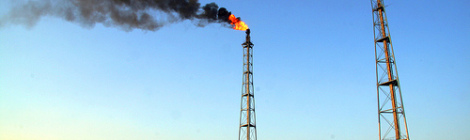
    In the environmentally constrained but more populous world that can be expected over the course of this century, there will be greater scarcity of three key resources: food, water and energy. Demand for all three resources is already beyond that which can be sustained at current levels. Once population growth and the effects of climate change are factored in, it is clear that greater competition for such resources should be expected, both within and between countries, potentially leading in extreme cases to conflict.

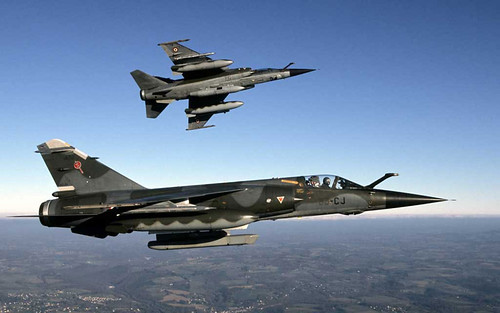
    Military Aviation and the Environment: Why the Military should care

    Ian Shields | Exclusively written for sustainablesecurity.org | September 2010

    Issues:Climate change, Competition over resources, Global militarisation

    Ian Shields writes exclusively for sustainablesecurity.org:
    “The impact of the civil airline industry on the environment is well documented, but what is less well considered is the impact of the military sector. This article will identify three key areas where military aviation has a major impact on the environment, and suggest mitigation policies for each: hydro-carbon use, ground contamination and noise.”

    About the author: Ian Shields is a retired, senior Air Force Officer and now a respected commentator on Defence and security matters, particularly with relation to Air and Space Power. He holds an MA from KCL, and MPhil from Cambridge and is presently undertaking a PhD in International Studies, also at Cambridge. He can be contacted via his web-site, www.ian-shields.co.uk

    Image source: chanelcoco872

    Read more »

    The Great Transition

    Issues:Climate change, Competition over resources, Marginalisation

    Humanity appears caught in a trap with no way out. ‘Business as usual’ is no longer an option. However, halting and reversing our consumption of more and more ‘stuff’ appears likely to trigger a massive depression with serious unemployment and poverty. This is certainly true if all we do is ‘apply the brakes’ without fundamentally redesigning the whole economic system.

    Attach PDF: 

    So what’s wrong with the MDGs?

    Dan Smith | http://dansmithsblog.com/ | September 2010

    Issues:Climate change, Competition over resources, Global militarisation

    This week’s UN summit will call for a big renewed effort to achieve the Millennium Development Goals. But there are reasons for starting to think a bit further ahead. A new report from International Alert asks us to get ‘beyond the MDGs”.

    At a launch meeting a couple of weeks back in London, the moderator – the BBC’s Bridget Kendall – asked the report’s lead author, Phil Vernon, “You clearly seem to have a problem with the MDGs – what’s that about?

    Article source: Dan Smith’s blog 

    Image source: Meanest Indian

    Read more »

    The silent crisis: Global water scarcity reshaping future foreign policy

    Dr David Tickner & Josephine Osikena | The Foreign Policy Centre | September 2010

    Issue:Competition over resources

    Understandably, the world has become increasingly preoccupied with risk and insecurity. The uncertainties produced by global challenges such as financial crises, economic slowdowns, health pandemics, the international narcotics trade, terrorism and conflict and indeed the impact of climate change are just a few pressing examples causing concern. However, the earth’s environmental resources are increasingly under enormous strain and nowhere is this stress more apparent than in the case of the earth’s finite supplies of freshwater.
    Article Source: The Foreign Policy Centre

    Image Source: darkpatator

    Read more »

    The Other Resource Wars

    Roger Howard | Exclusively written for sustainablesecurity.org | September 2010

    Issues:Climate change, Competition over resources

    Roger Howard writes, exclusively for sustainablesecurity.org, that:
    ‘The presence of valuable natural resources in the Arctic region, or even the mere possibility of finding them, poses a subtly different challenge to international peace than usually supposed. For instead of fighting over resources, governments could instead feel threatened by the heightened foreign presence that the search, or exploitation, of these resources will bring to places that are important for other, quite independent, reasons. This is potentially a recipe for international mistrust that could conceivably spill over’.

    Image Source: psd

    Read more »

    Youth Breaking Cycles of Marginalisation, Resource Competition and Violence in Yemen

    Issues:Competition over resources, Global militarisation, Marginalisation

    Last month in Yemen, 40 young men and women, all under the age of 30, came together to form the country’s first cross-tribal youth council to address violence and marginalisation. Disputes over land claims and competition for resources and government services often lead to violence and cycles of revenge killings that can extend over a decade, hindering the work of government and international development agencies, and isolating citizens from the state.

    Image source: NDI.

    Read more »

  • Holding Libya Together: Security Challenges after Qadhafi

    Holding Libya Together: Security Challenges after Qadhafi

    Middle East/North Africa Report N°115 | Crisis Group | December 2011

    Issue:Global militarisation

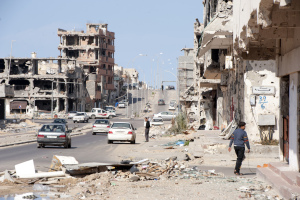
    The structure of Libyan society under the Qadhafi regime, as well as during its demise and aftermath, was and remains peculiarly fragmented. The former dictator deliberately kept state institutions weak (in particular the army) in order to prevent the formation of an organised opposition and to create a cult of leadership centred on himself and his family. The consequence for the nature of the uprising was that rebel forces were fragmented, their control over the country was acquired piecemeal, and the internationally recognised National Transitional Council has had tenuous legitimacy outside its base in Benghazi and the east.


    Now that the regime has fallen, the process of rebuilding should be underway; but Libya has many autonomous, disconnected and heavily armed militias, all of whom have independent claims on their country’s liberation as well as the fire power to back those claims. The following Crisis Group Report examines the tricky path that the authorities must navigate in order to successfully disarm, demobilise and reintegrate into society Libya’s rebel fighters, without plunging the country back into violence. Many of the young men who took up arms and joined the rebellion found in it a dignity long denied them by lack of economic and employment opportunities. So while the number of weapons in circulation must be dramatically reduced, the status that they bestow needs to be met by other means.


    Executive Summary and Recommendations

    As the recent upsurge of violence dramatically illustrates, the militias that were decisive in ousting Qadhafi’s regime are becoming a significant problem now that it is gone. Their number is a mystery: 100 according to some; three times that others say. Over 125,000 Libyans are said to be armed. The groups do not see themselves as serving a central authority; they have separate procedures to register members and weapons, arrest and detain suspects; they repeatedly have clashed. Rebuilding Libya requires addressing their fate, yet haste would be as perilous as apathy. The uprising was highly decentralised; although they recognise it, the local military and civilian councils are sceptical of the National Transitional Council (NTC), the largely self-appointed body leading the transition. They feel they need weapons to defend their interests and address their security fears.

    A top-down disarmament and demobilisation effort by an executive lacking legitimacy would backfire. For now the NTC should work with local authorities and militias – and encourage them to work with each other – to agree on operational standards and pave the way for restructured police, military and civilian institutions. Qadhafi centralised power without building a central state. His successors must do the reverse.

    A dual legacy burdens Libya’s new authorities. The first was bequeathed by Qadhafi in the form of a regime centred on himself and his family; that played neighbourhoods and groups against one another; failed to develop genuine national institutions; and deliberately kept the national army weak to prevent the emergence of would-be challengers. The second legacy stems from the way in which he was toppled: through the piecemeal and variegated liberation of different parts of the country. A large number of local forces and militias volunteered to take part in this fight. After Qadhafi’s fall, all could legitimately claim to have sacrificed blood and treasure for the cause, and all could consider themselves national liberators.

    To much of the world, the NTC was the face of the uprising. It was formed early, spoke with authority and swiftly achieved broad international recognition. On the ground, the picture was different. The NTC was headquartered in the eastern city of Benghazi, a traditional base of anti-regime activity that provided army defectors a relatively secure area of operations, particularly after NATO’s involvement. The eastern rebellion was built around a strong kernel of experienced opposition and commanders who found friendly territory in which to defect at relatively low cost and personal risk. But it could only encourage western cities and towns to rise up, not adequately support them. At key times, army components that defected, stuck on the eastern frontlines, by and large became passive observers of what occurred in the rest of the country. In the eyes of many, the rebel army looked increasingly like an eastern, not a truly national force. As for the NTC, focused on obtaining vital international support, it never fully led the uprising, nor could it establish a substantial physical presence in much of the rest of the country.

    In the west, rebels formed militias and military brigades that were essentially autonomous, self-armed and self-trained, benefiting in most instances from limited NTC and foreign government support. Some had a military background, but most were civilians – accountants, lawyers, students or labourers. When and where they prevailed, they assumed security and civilian responsibility under the authority of local military councils. As a result, most of the militias are geographically rooted, identified with specific neighbourhoods, towns and cities – such as Zintan and Misrata – rather than joined by ideology, tribal membership or ethnicity; they seldom possess a clear political agenda beyond securing their area.

    The situation in Tripoli was different and uniquely dangerous. There, victory over Qadhafi forces reflected the combined efforts of local residents and various militias from across the country. The outcome was a series of parallel, at times uncoordinated chains of command. The presence of multiple militias has led to armed clashes as they overlap and compete for power.

    The NTC’s desire to bring the militias under central control is wholly understandable; to build a stable Libya, it also is necessary. But obstacles are great. By now, they have developed vested interests they will be loath to relinquish. They also have become increasingly entrenched. Militias mimic the organisation of a regular military and enjoy parallel chains of command; they have separate weapons and vehicle registration procedures; supply identification cards; conduct investigations; issue warrants; arrest and detain suspects; and conduct security operations, sometimes at substantial cost to communities subject to discrimination and collective punishment.

    They also have advantages that the NTC and the National Army lack, notably superior local knowledge and connections, relatively strong leaderships and revolutionary legitimacy. In contrast, the NTC has had to struggle with internal divisions, a credibility deficit and questions surrounding its effectiveness. It has had to deal with ministries still in the process of reorganisation and whose employees – most of them former regime holdovers – have yet to cast off the ingrained habit of referring any decision to the ministerial level.

    But the heart of the matter is political. The security landscape’s fragmentation – and militias’ unwillingness to give up arms – reflects distrust and uncertainty regarding who has the legitimacy to lead during the transition. While the NTC and reconstituted National Army can point out they were among the first to rebel or defect and were crucial in obtaining international support, others see things differently. Some considered them too eastern-dominated and blamed them for playing a marginal role in liberating the west. Civilians who took up arms and who had been powerless or persecuted under Qadhafi resent ex-senior officials who defected from the army and members of the regime’s elite who shifted allegiances and now purport to rule. Although they are represented on the council, many Islamists consider the NTC overly secular and out of touch with ordinary Libyans. Above all else, militias – notably those in Tripoli, Zintan and Misrata – have their own narrative to justify their legitimacy: that they spearheaded the revolution in the west, did the most to free the capital or suffered most from Qadhafi’s repression.

    Formation of a new cabinet was supposed to curb militia-on-militia violence as well as defiance of the National Army; it has done nothing of the kind. Instead, violence in the capital if anything has escalated, with armed clashes occurring almost nightly. Regional suspicion of the central authority remains high as does disagreement over which of the many new revolutionary groups and personalities ought to be entrusted with power.

    The problem posed by militias is intimately related to deeper, longer-term structural issues: Qadhafi’s neglect of the army along with other institutions; regional friction and societal divisions (between regions, between Islamist-leaning and secularist-leaning camps, as well as between representatives of the old and new orders); the uprising’s geographically uneven and uncoordinated development; the surplus of weapons and deficit in trust; the absence of a strong, fully representative and effective executive authority; and widespread feeling among many armed fighters that the existing national army lacks both relevance and legitimacy.

    Until a more legitimate governing body is formed – which likely means until elections are held – and until more credible national institutions are developed, notably in the areas of defence, policing and vital service delivery, Libyans are likely to be suspicious of the political process, while insisting on both retaining their weapons and preserving the current structure of irregular armed brigades. To try to force a different outcome would be to play with fire, and with poor odds.

    But that does not mean nothing can be done. Some of the most worrying features of the security patchwork should be addressed cooperatively between the NTC and local military as well as civilian councils. At the top of the list should be developing and enforcing clear standards to prevent abuses of detainees or discrimination against entire communities, the uncontrolled possession, display or use especially of heavy weapons and inter-militia clashes. The NTC also should begin working on longer-term steps to demobilise the militias and reintegrate their fighters in coordination with local actors. This will require restructuring the police and military, but also providing economic opportunities for former fighters – vocational training, jobs as well as basic social services – which in turn will require meeting minimum expectations of good government. Even as it takes a relatively hands-off approach, the international community has much to offer in this respect – and Libyans appear eager for such help.

    Ultimately, successfully dealing with the proliferation of militias will entail a delicate balancing act: central authorities must take action, but not at the expense of local counterparts; disarmament and demobilisation should proceed deliberately, but neither too quickly nor too abruptly; and international players should weigh the need not to overly interfere in Libya’s affairs against the obligation not to become overly complacent about its promising but still fragile future.

    RECOMMENDATIONS

    To the Transitional National Council (NTC):

    1.  Strengthen the legitimacy of central authorities by ensuring greater transparency in decision-making and in identifying and selecting Council representatives and members of the executive.

    2.  Ensure all decisions relating to disarmament, demobilisation and reintegration (DDR) are taken in close consultation with local military councils and militias, by appointing a credible personality to liaise and coordinate with such local bodies.

    3.  Enhance opportunity for involvement by community and religious leaders in sponsoring and supporting DDR initiatives.

    4.  Back local DDR initiatives financially in cooperation with local councils, including weapons registration, improvement of detention facilities and support for young fighters.

    To the Revolutionary Brigades, Local Military Councils and Local Civilian Councils: 


    5.  Seek to reintegrate armed rebels, notably the youngest among them, inter alia by identifying and registering those who wish to pursue careers in the police and military; offering alternative civilian employment; and sponsoring civic improvement initiatives with city funds.

    6.  Disclose all sources of funding.

    7.  Agree on and enforce codes of conduct and mechanisms for dispute resolution, especially where several militias operate in the same area.

    To the NTC, Revolutionary Brigades, Local Military Councils and Local Civilian Councils:

    8.  Agree on and enforce a common set of rules and behaviour for all armed fighters; implement a single procedure for weapons registrations; and ban the display of heavy weapons in town centres and the bearing of arms at checkpoints and key installations.

    9.  Transfer as quickly as possible responsibility for detainees to central authority and, in the meantime, ensure respect for rule of law and international standards in arrest and detention procedures; release persons whose detention is not consistent with such practices; and bring to justice, speedily and in accordance with international law, those accused of criminal acts.

    10.  Agree on a process for NTC inspection of arms depots, detention centres, border posts, checkpoints and other militia-controlled facilities.

    11.  Implement initial steps toward DDR by:

        a) focusing at first on heavy weapons;

        b) through a joint effort by the government and local councils, providing support for young fighters in particular;

        c) establishing an NTC-funded mandatory training program covering rules of engagement and discipline for militia members who wish to pursue careers in the military or policing; and

        d) providing vocational training for militia fighters as well as necessary financial incentives.

    12.  Establish and implement criteria for appointment to senior posts within the defence ministry and army on an inclusive basis.

    13.  Create at both the central and local levels a non-par­ti­san, inclusive committee to review and refer candidates for recruitment into the police and national army.

    14.  Institute an appeals procedure for rejected candidates.

    To the UN Support Mission in Libya and other International Stakeholders, including Arab countries, the European Union and the U.S.:

    15.  Offer the NTC assistance in, inter alia:

        a) undertaking quick assessments of security, DDR, and related needs;

        b) police training, including possibly establishment of a gendarmerie function;

        c) security force professionalisation, including specifically on human rights and civilian oversight; and

        d) border control.

    Tripoli/Brussels


    Article Source: Crisis Group. To read the full Report, click here

    Image Source: United Nations

    Comments

    Post new comment


  • Sustainable Security

    Sustainable Finance and Energy Security

    General volatility in financial markets – fuelled by irresponsible lending and trading practices, as well as evidence of market manipulation – have had an effect on oil prices. Although the specific effects of the finance sector on oil prices requires further investigation, we can already understand that a sustainable and secure future will require the development of a wider energy mix to meet rising demand. To this end, more sustainable financial systems must be developed to service the real needs of citizens

    Read Article →

    National security and the paradox of sustainable energy systems

    The transition away from a centralised global economy built around conventional energy sources to a decentralised global economy mostly fuelled by renewable resources is one we must make for the sake of our children’s futures and that of our planet. Writing for sustainablesecurity.org, Phillip Bruner asks if national security is at present, deeply concerned with preserving access to conventional energy, then how would national security for a decentralised renewable energy Internet be managed? Who would manage it? And what role, if any, could the public play in helping to alleviate some of the burdens of 21st century threat mitigation?

    Read Article →

    Environment, Energy, Economy: a threefold challenge to sustainable security

    Whether it’s the economy, energy or the environment which you value most, when it comes to security, each holds equal weight. If security can be defined in terms of what is or isn’t sustainable, then it must evolve to incorporate additional elements that transcend more traditional views on geopolitics.

    Read Article →

  • Sustainable Security

    The 2011 Libyan intervention and the anarchy which ensued has highlighted an aspect of the responsibility to protect principle that has, to date, been overshadowed by the debates on the use of force; the responsibility to rebuild.

    While the carnage in Syria has dominated policy agendas and newspaper headlines in the recent years, the aftermath of the 2011 Libyan intervention elicited much deserved attention following Obama’s candid review of his foreign policy legacy and, more recently, the UK Foreign Select Committee report on the government’s handling of the intervention. Obama openly accused David Cameron of having become ‘distracted’ over Libya and failing to follow through the military intervention. A similar accusation was levelled against Downing Street by the Foreign Select Committee report on Libya published in August that berated Cameron for having failed to develop a coherent plan for post-intervention Libya. This was evident in the fact that the UK government spending on reconstruction was less than half of its spending on the intervention, the report points out. The report argues further that the intervening governments, with particular focus on Britain and France as the leaders of the intervention, had a distinct responsibility to help to reconstruct the Libyan state. The failure to de-arm and de-mobilise fighters after the ousting of Gaddafi and the subsequent violence rendered the construction of political and economic institutions an impossible task.  Indeed, Libya today has made little headway to becoming a stable state; fighting between militant factions and the emergence of ISIS have left many wondering whether civilians are better off today than they were under the Gaddafi regime.

    The intervention to protect civilians in Libya was hailed by some as an example of successful realisation of the ‘responsibility to protect’ principle that sets out the joint responsibility of states and the international community to protect civilians from so-called atrocity crimes (crimes against humanity, war crimes, genocide and ethnic cleansing). Where governments fail to do so, the international community has the responsibility to assume the duty to protect. The emergence of the principle in the late 1990s and early 2000s stirred much debate. While some rejected it as a thinly-veiled attempt by Western states to legitimize use of force for political purposes, others lauded the principle as a first step in finding consensus on the contentious issue of conducting humanitarian interventions. Libya, as is well-known now, provided few answers to those seeking clarification on issues pertaining to civilian protection and responsibility to protect.

    As I have argued elsewhere, the Libyan intervention has highlighted an aspect of the responsibility to protect principle that has to date been overshadowed by the debates on the use of force; responsibility to rebuild. The responsibility to protect principle was first formulated by the Canadian government-sponsored International Commission on Intervention and State Sovereignty (ICISS). The Commission famously argued in its 2001 report that state sovereignty was no longer an irrevocable right but a responsibility to protect populations from mass atrocities such as genocide and ethnic cleansing. In its initial formulation, responsibility to protect entailed three interlinked duties; to prevent, react and rebuild. While prevention of mass atrocities was the starting point for any government endorsing the principle, rebuilding societies in the aftermath of military interventions was seen to logically follow the ‘reactive’ pillar of the principle.  The rebuilding pillar was seen to consist of providing security in post-intervention states, promoting reconciliation between former enemies and promoting economic development. These measures, it was argued, are crucial for stability and self-sustaining peace in societies targeted by protection interventions.  One of the key aims of the principle was, in other words, to ensure that the need for protection intervention would not arise again as the capacity of domestic authorities to realise their protection responsibility would be augmented through rebuilding assistance.

    This sequential conception of the principle was short-lived, however. While many Western governments were reluctant to commit to costly and often long-drawn out rebuilding missions, some in the Global South saw the notion of responsibility to rebuild as a throwback to imperialist foreign interference. In the light of these and other concerns, the R2P was refashioned along more statist lines; the rebuilding component was dropped from the framework and the responsibilities of states to protect their citizens were emphasised at the expense of the international community’s obligation to protect. This was evident in the 2005 UN World Summit Outcome Document where governments, for the first time, endorsed the R2P principle. This recalibration of the R2P was outlined in detail in the UN Secretary General’s report on the responsibility to protect in 2009. It proposed a three-pronged understanding of the principle, centred on the states’ responsibility to protect their citizens, the international commitment to capacity-building assistance and, finally, the international community’s responsibility to protect. The rebuilding component was, again, notable in its absence; the principle was largely understood in terms of the preventative responsibility of governments. Although preventative and rebuilding measures overlap to a certain extent, lack of attention to specific rebuilding tasks, such as the provision of post-intervention security, was striking in the UN Secretary General’s 2009 report and in those thereafter.

    The Future of the Responsibility to Rebuild

    libya-sirte

    Image by ECHO/DDG/Flickr.

    The Libyan experience indicates that this change in the focus of the responsibility to protect has not been a matter of mere semantics. Although Libyans, eager to take charge of their own affairs after the fall of the Gaddafi regime, rejected plans for UN peacekeepers, they requested capacity-building assistance. Some assistance was provided by the intervening governments – for example the UK government’s Security, Justice and Defence Programme – but on the whole the immediate aftermath of the intervention was marked by the policy of disengagement as Libya observers have argued. The UN reconstruction strategy and donor government policies were premised on the emphasis of domestic ownership, coupled with references to the wealth of the Libyan state that could be utilised for the reconstruction process. It was not until emergence of the ISIS threat in the region that the Libyan authorities’ appeals for assistance gained attention in the Western capitals.

    While it is of course impossible to state with certainty the effects that an alternative course of action (continued engagement in the rebuilding of Libya in the immediate aftermath of the intervention) could have had, it is not hard to see how the rebuilding measures outlined by the ICISS in its 2001 report may have helped to stabilise Libya.  In the absence of the permission to dispatch peacekeepers, more extensive assistance to the Libyan authorities in providing day to day security after the intervention would have not gone amiss. Perhaps more importantly, concentrating international efforts and resources to supporting inter-communal reconciliation would have been vital, given that the precarious security situation in the country following the fall of the Gaddafi regime has been caused by the lack of political solution on how, and by whom, the country should be governed.

    The instability and violence that has plagued Libya since the 2011 intervention suggest that if the aim of protection interventions is to generate self-sustaining peace rather than just carry out regime change operations, re-incorporating the rebuilding pillar into the current responsibility to protect framework is crucial. Doing so would not necessarily mean overhauling the entire principle: many of the measures regarded as ‘pillar II’ responsibilities provide the basis for incorporating rebuilding tasks into the framework. Pillar II, the commitment by the international community to assist the capacity and resilience-building in conflict-affected societies, refers to a range of measures such as fostering dialogue between communities and indigenous conflict resolution skills. Adding measures that address the short-term issues faced by societies in the wake of military interventions would strengthen the pillar and the framework as a whole.  This would inevitably mean increased costs and commitment on behalf of those undertaking protection interventions, something that is likely to be deeply unpopular in the context of the lengthy engagements in Iraq and Afghanistan as well as the increasing pressure on public spending. The alternative, however, as the refugee flows from Libya and the rise of ISIS in the country have shown, may mean having to face even more troublesome questions in the long run.

    Outi Keranen is Teaching Fellow in International Relations at the Department of Political Science, University College London. Her research interests are in post-conflict statebuilding and the responsibility to protect. Her monograph ‘The Contentious Politics of Statebuilding’ (Routledge) is coming out in May 2017. In addition to post-conflict statebuilding, Outi has researched and written on identity-building, symbolic politics and the responsibility to rebuild.

  • Israel

    Israel

    Israel’s shadow over Iran

    Paul Rogers | open democracy | January 2010

    Issue:Global militarisation

    Tagss:Iran, Israel

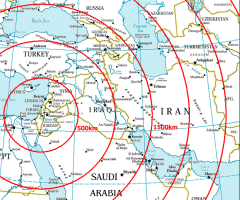
    Excerpt: Most of the international attention on Iran in the second half of 2009 focused on the political turmoil following the presidential election of 12 June. The discussion of Iran’s nuclear capabilities and plans receded from the foreground, though it continued behind the scenes among all the states and international agencies involved. The signs are that, whatever the outcome of the domestic confrontation between the Mahmoud Ahmadinejad regime and the opposition, the coming months will see a sharpening of tension over the nuclear issue. This raises the question of whether there will be a military assault on Iran’s nuclear facilities – most likely by Israel, since there is little likelihood that the Barack Obama administration would countenance direct United States military action against Iran – in an attempt to stop the country from acquiring a nuclear weapon.
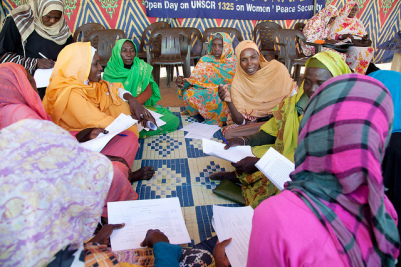
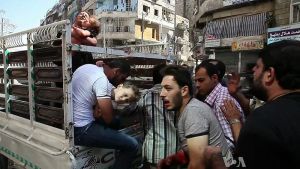
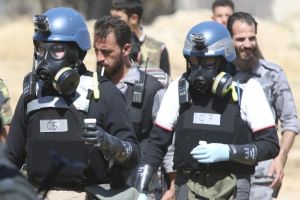
    Image: Globalsecurity.org

    Read more »

  • Sustainable Security

    In an important year for the Women, Peace and Security agenda, women’s civil society organising is increasingly being impacted by global and national counter-terrorism regimes.

    2015 is a key year for women peace activists around the world. United Nations Security Council members will convene a high-level review in October 2015 to assess progress at the global, regional and national levels in implementing Security Council Resolution (UNSCR) 1325, renew commitments, and address obstacles and constraints.

    Women, Peace and Security conference

    North Darfur Committee on Women session on the UNSCR 1325 in Dar El Salaam, Darfur, 2011 Source: Flickr | UNAMID

    Fifteen years since UNSCR 1325 was passed, there are still a lot of challenges to overcome. However, women peacemakers and activists are as resilient as ever. They continue to push the Women, Peace and Security agenda’s important message forward, in environments that can be risky, unsupportive, or outright hostile.

    However, this resilience is closely tied to the existence of a vibrant civil society space. It is therefore important to assess new challenges to the building of peace and women’s rights posed by counter-terrorism measures.  This assessment must overcome the hesitancy that many peacemakers feel about discussing their experiences openly, fearing damage to their reputation as well as other repercussions.

    To this end, in early 2015 the Women Peacemakers Program (WPP), together with Human Security Collective (HSC) contacted a selection of partners in ten countries to gain insight into the multiple ways the counter-terrorism agenda is affecting their work for peace and women’s rights.  This article is based on the perspectives of the respondents from a range of countries worldwide, who were guaranteed anonymity.

    Global framework

    Post 9/11 counter-terrorism measures have impacted on civil society’s operational and political space in several ways. Legislation, although enacted at the national level, is enacted within, and responsive to, a global framework of measures. Terrorist listing regimes and partner vetting systems may hinder peace work in a variety of complex ways.

    One of the most significant areas for peace organizations is the framework that governs the prevention of terrorism financing through the non-profit sector. The Financial Action Task Force (FATF), a highly influential global consortium established in 1989 by the G7, has developed specific recommendations for non-profit organizations (Recommendation 8 – Best Practices: Combating the Abuse of Non-Profit Organisations) in its Anti Money Laundering/Countering Financing of Terrorism standard. This standard assumes that non-profits are vulnerable to abuse for terrorism financing. To date, over 180 countries have endorsed the standard and as such are subject to a peer evaluation by the FATF every 6 to 7 years. Receiving a low FATF rating immediately influences a country’s international financial standing.

    In recent years, a number of countries have started to use the FATF standard, and specifically Recommendation 8, as a pretext to clamp down on civil society space. Although countries often deny that it is the case, evidence is growing that upcoming FATF evaluations can have a preemptive chilling effect on civil society space. This is a direct result of governments’ desire to show the FATF that they are capable of preventing terrorist financing abuse through their non-profit sectors. In addition, some states are starting to pass more restrictive non-profit laws after an FATF evaluation – as if the evaluation itself serves to legitimize the drafting of such laws.

    Shrinking space

    The WPP research indicates that as a result of these mechanisms, a growing number of women activists around the world are experiencing growing pressures on their capacity to undertake peace and human rights activism, including restrictive NGO legislation, suffocating financial regulations, intimidating surveillance practices and exhaustive reporting requirements.

    Many women peace activists engage in civil society work that is critical and political. They often operate in high-risk settings, where they face repercussions because of the very nature of their activist work, which challenges established notions and bastions of patriarchal power. Several respondents reported that their governments are trying to control, limit, or stop critical civil society work through the development and passing of new NGO legislation. This new legislation is impacting on their space to operate, for example by putting restrictions on receiving funding support. As one activist from the Middle East and North Africa (MENA) region shared:

    The Rights and Liberties Committee at the Constitution Drafting Assembly has released their suggestion for the Constitution… namely that local civil society should be banned from receiving any foreign government funds.

    A women’s organisation based in South Asia observed a difference between the difficulties experienced by various organisations:

    There is enough funding for service delivery organizations and those who follow right wing politicians. However, there is no funding for the rights-based organizations, or for those that work towards alternatives.

    Some respondents described nationwide campaigns of invasive NGO inspections undertaken by national governments, using harassment tactics such as personal intimidation and threatening activists with the closing down of their organizations. One respondent reported:

    When I received a grant from one (domestic) Foundation, I was getting calls from the intelligence bureau and had to supply them with three-years of audited statements, a list of Governing Board Members and staff members. […] They visited my home three times, to ask me questions.

    Some women’s groups also faced demanding reporting requirements because of government regulations:

    In some locations, all civil society organizations have to submit a copy of their annual report to the police, armed forces, and intelligence offices of the state.

    Better safe than sorry?

    Aside from the general worsening atmosphere for political or rights-based peace work in many contexts, the FATF standard has also had a great impact on the financial service industry, particularly on banks. Banks can be sanctioned when not abiding by the FATF standard, which may include the withdrawal of their banking license, freezing of assets, or hefty fines.

    There is a growing body of evidence that shows that banks’ risk averse behavior has resulted in the withdrawal of bank services to civil society active in conflict areas. As a result of this “better safe than sorry” attitude of the banks, a growing number of civil society organizations are experiencing great difficulties in making or receiving money transfers. Over the years, many donors have become cautious  with grants. Some donors are avoiding partners in high risk, terrorist prone areas, and a number of others are tightening their own due diligence.

    Women’s peace organizations more easily fall prey to these restrictions. This is partly because women’s organizations usually operate on small budgets, which means they often do not have the leverage to negotiate a solution with their banks, which big donor organizations and charities are often still able to do. Several respondents mentioned facing challenges with their banks, ranging from delays in receiving their funds to banks requesting additional project information before releasing the funds. Some activists reported that certain banks would no longer release foreign funds to their organizations or had refused to provide their organization with a bank account. One activist reported that another organization in her network had had its account closed by the bank. A respondent from the MENA region shared:

    Sometimes we are facing difficulties during the money transfer process, it takes a long time for us to receive the funds, and some correspondent banks reject the amount. Recently a new system has been introduced: there is a limit on the amount we can withdraw on a weekly basis from the bank. This means we cannot pay all our organizational expenses on time, such as staff salary, rent, activity expenses… Everyone is calling us for their money, and we have to promise them that we will pay them next week… Sometimes we are taking loans from other people just to cover our expenses.

    In addition, several reported that direct access to funding is getting more difficult. This is partly due to donors increasingly prefering to channel funds via large organizations capable of producing grant proposals according to their demanding guidelines, as well as able to absorb rigorous reporting and auditing requirements. An organization based in Europe reported significantly increased pressures on human resources regarding donor reporting. Staff found themselves working overtime to meet the requirements of this related additional bureacracy, and on some occasions had to seek external advice.

    Cumulative effect

    Increasingly, these complex and time-consuming requirements are clashing with the reality on the ground: that many women’s organizations are operating on very modest budgets with a combination of limited paid staff capacity and/or volunteer efforts, in a demanding environment that is at best challenging and at worst highly insecure and hostile.

    As such, counter-terrorism measures – whether subtly or bluntly – are having an impact on a number of levels that, in combination, restrict civil society space. As one respondent, whose organization had been severely impacted, summarized:

    We face an increase in expenditure (because we want to avoid targeting, we now travel in groups, which is more costly); increased surveillance of our movement and programs (officials are asking for reports and bank advices, including that of our personal bank accounts); postponing or cancelling of some of our programs or keeping low profile for some time; mental unrest of our members; impact on the reputation of our organization as our work was projected as “anti-national”, which has affected the outreach of our member organizations. Also, a few partner organizations have left the network fearing repercussions by the government.

    The cumulative effect of the range of pressures is that the enabling space for women’s civil society work is shrinking and therefore progressive and pioneering work for inclusive development, peace and women’s rights becomes frustrated. The implications for broader security concerns are worrying. When alternative civil society voices and constructive seeds of change are not provided with the soil to take root, threats to the daily security of people and communities are given free reign. As such, opportunities for actors looking to exploit these vulnerabilities increase.

    It is important for civil society to come together to exchange experiences as well as document and monitor the impact counter-terrorism measures are having on their peace and human rights work, in order to engage in collective advocacy. It is equally important for the Women, Peace and Security community to engage with the different counter-terrorism measures and stakeholders. Conversely, it is crucial to raise awareness about the importance of safeguarding critical civil society space worldwide so that women’s voices and actions for peace and human rights can continue to change the world for the better.

    Isabelle Geuskens serves as Executive Director of the Women’s Peacemakers Program (WPP), a Dutch NGO that works for the nonviolent resolution of conflict, and the inclusion of women’s voice and leadership in nonviolent conflict resolution processes. In early 2015 the WPP, together with Human Security Collective (HSC), contacted a selection of partners in the field, to gain insight into the multiple ways the counter-terrorism agenda is affecting their work for peace and women’s rights. The findings are summarised in WPP’s Policy Brief: Counterterrorism Measures and their Effects on the Implementation of the Women, Peace and Security Agenda.

    Featured Image: Women’s group in Badakhshan, Afghanistan. Source: Flickr | Canada in Afghanistan

  • Sustainable Security

    Wounded civilians arrive at a hospital during the ongoing Syrian civil war. Source: Wikimedia

    Wounded civilians arrive at a hospital during the ongoing Syrian civil war. Source: Wikimedia

    Recent events in the Syrian civil war have proved the greatest test of the norm against the use of chemical weapons since the Chemical Weapons Convention (CWC), the clearest and most comprehensive expression of that norm, opened for signature in 1993. At its core, this was a test of the willingness of countries to uphold the norm, in this case in the face of a flagrant violation causing the deaths of nearly 1,500 people. While the international community may have stumbled upon a satisfactory conclusion – one that reaffirms  the special category of chemical arms – the global response said a great deal about current attitudes to the use of military force as a means of humanitarian intervention.

    The Ghouta incident

    Despite a number of alleged incidents of chemical weapons use in Syria in the early months of 2013 – the use of which was reportedly first confirmed by British scientists in April from soil samples smuggled out of the country – it was August before their apparent use touched mass consciousness around the world.

    The catalyst for global outrage, and near-intervention with military means by western powers, was an attack in the early hours of 21 August in the Ghouta district of eastern Damascus. Chemical weapons, it seemed, had been deployed in Ghouta on a scale far greater than witnessed in any of the handful of previous alleged attacks. Video footage showing evidently sick and distressed adults and children, as well as dozens of bodies, began to rapidly circulate around the world—with Médecins Sans Frontières, the medical aid charity, reporting shortly after the attack that three hospitals supported by it in Damascus had treated around 3,600 patients displaying so-called neurotoxic symptoms. Of these, it said, 355 had died.

    On 30 August, the United States issued a press release in which it claimed that 1,429 people—including at least 426 children, it said—had ultimately died in the attack on Ghouta. As for the who and the what of the incident, the US asserted that on the basis of both open-source information and covertly-acquired intelligence, it assessed ‘with high confidence’ that the attack had been carried out by the Syrian government, and that a nerve agent had been used.

    UN chemical weapons experts wearing gas masks carry samples from one of the sites of an alleged chemical weapons attack in the Ain Tarma neighbourhood of Damascus. Source:

    UN chemical weapons experts wearing gas masks carry samples from one of the sites of an alleged chemical weapons attack in the Ain Tarma neighbourhood of Damascus. Source: Tetovasot

    Following access to three sites in the Ghouta neighbourhood, inspectors operating under the auspices of the United Nations Secretary-General subsequently confirmed that the fast-acting nerve agent sarin had been used there on a ‘relatively large scale’. Their report, released in mid-September, stated that biological samples taken from survivors showed ‘definitive evidence of exposure’ to sarin—evidence, they said, that was consistent with clinical assessments of survivors’ symptoms. Lab analysis of environmental samples taken in Ghouta was reported to have also confirmed the presence of sarin or its by-products.

    While UN verification of chemical weapons-use in Ghouta provided important independent confirmation of what had taken place there (if not who was responsible, which it was not part of the inspectors’ mandate to ascertain), for most onlookers it came as little surprise. Videos, photos and survivor accounts were enough to leave most with few doubts that a toxic weapon of some kind had been used on a mass scale in Ghouta—a dark new low for a conflict already characterised by widespread savagery and the almost total disregard for the lives and welfare of non-combatants.

    Less expected, however, was the decision by the Syrian government, in the days immediately preceding the release of the inspectors’ report, to give up its chemical weapons arsenal in an immediate, verifiable fashion and to join the CWC – a plan proposed by Russia, a key ally of the Assad regime, and an agreement to it by Syria that saw the prospect of US-led airstrikes averted.

    In truth, it is unclear how likely airstrikes would have been had Syria not agreed to give up its chemical weapons. A parliamentary vote in the UK, held in late August, saw a government motion for intervention defeated, ruling Britain out of any involvement In the US, early September saw President Obama step back from the seemingly-imminent launch of airstrikes that would have most clearly of all upheld the ‘red line ’ he himself had set in 2012 regarding any use of chemical weapons in Syria. Instead, President Obama announced that he would first seek approval for the use of force from Congress – a vote that was ultimately overtaken by events and never held, but one that was by no means sure to end in favour of military intervention. Indeed, the vote looked likely to go against.

    To intervene, or not?

    If Syria’s decision to join the CWC and rid itself of chemical weapons stands as one unlikely positive outcome of the Ghouta incident, it is a positive that distracts little from the more troubling features of the attack and the global response to it. For one, the use of chemical weapons on the scale witnessed in Ghouta laid bare the lack of limits that seems to have become a feature of this war.

    Moreover, the reluctance of most Western powers – and publics – to move beyond rhetorical outrage, in the face of the massacre of nearly 1,500 Syrian citizens with a weapon of mass destruction, threatened to erode the sense of chemical weapons’ unique evilness in a fashion not seen at any other time in the recent past.

    All of which says more about the current Western appetite for military intervention, in the Middle East particularly, than it does about their attitude to the use of chemical weapons in warfare. That President Obama had placed chemical weapons use on the other side of the red line of acceptable conduct in warfare—the crossing of which may, the implication was, trigger more forceful intervention—is evidence of that.

    A year on from his proclamation of the red line, however, the situation on the ground had evolved dramatically. Arguably the ripest time for intervention in the conflict has long passed, with al-Qaeda-affiliated and other radical Islamist groups increasingly entrenched within a rebellion that has no clear leadership nor common vision. For western powers, all choices may now be bad ones; though of course that does little to help the millions of refugees and internally displaced Syrians that the conflict continues to produce.

    Slow progress in verifying destruction

    Against a backdrop of ongoing violence, personnel from the Organisation for the Prohibition of Chemical Weapons, the implementing body for the CWC, have been working in Syria since last autumn verifying Assad’s chemical arsenal and overseeing its removal from the country. Progress, though, has so far not been encouraging. An end-of-year deadline for the removal of Syria’s most dangerous chemical stockpile was missed over difficulties in implementation, largely due to the ongoing fighting, and more recently concerns have been raised that Syria is not doing enough to ensure the smooth implementation of the ‘framework’ agreement under which the elimination operation is proceeding. Russia has sought to quieten concerns, announcing in the past few days that a large shipment of chemical weapons would leave Syria this month.

    Pressure on Syria, as war continues

    That world powers are continuing to lean on Syria to ensure implementation of the framework, however, is evidence that the use of chemical weapons is taken seriously at the highest level, and that the issue remains high on the priority list of foreign policymakers in world capitals. What it says to the rest of the world is that the use of chemical weapons will incur consequences, but that leads to a host of questions over what level of use would generate a response (the Ghouta incident was the largest, but almost certainly not the first use of chemical weapons in the war there), as well as how to prove the use of these weapons in circumstances where use has been alleged—and, by extension, what level of doubt is acceptable.

    Meanwhile, in Syria, as the war continues, so the country becomes ever more a kind of ‘new Somalia rotting in the heart of the Levant’, as The Economist so vividly put it last year. Long-awaited peace talks recently concluded in Switzerland achieved nothing of substance, beyond agreement to resume on 10 February. That we may have seen the last use of chemical weapons as Syria tears itself apart is a silver lining of sorts, but a silver lining around a cloud of particularly heavy darkness.

    This article was written in a personal capacity. The views expressed are the author’s own and do not necessarily reflect the views of VERTIC.

    David Cliff works as a researcher at the Verification Research, Training and Information Centre (VERTIC) in London. There, his work focuses on research into the verification, implementation and compliance aspects of nuclear and chemical arms control and disarmament treaties. He holds a BA in Geography and an MA in International Affairs, both from the University of Exeter in the UK.


  • National security and the paradox of sustainable energy systems

    National security and the paradox of sustainable energy systems

    Phillip Bruner | Exclusively written for sustainablesecurity.org | August 2012

    Issue:Competition over resources

    Unlike economic policy, national security is rarely influenced by popular decisions taken in the public domain. While citizen-led movements in Western democracies may help to encourage or discourage a particular military intervention or diplomatic alliance, the actual coordination of efforts to mitigate major security threats rests with top tier generals, qualified analysts and skilled specialists. The public may elect leaders who will, by popular mandate, appoint experts to govern domestic and/or foreign intelligence organisations. But the actual responsibility over national security lies far beyond the public sphere, situated centrally, in the upper echelons of government. Centralised management of national security decision-making reflects the realities of a global system whereby rogue nations issue warnings by testing ‘low-intensity’ nuclear weapons, extremists pledge to murder innocent civilians en masse, cyber attackers plot to expose state secrets and organised criminals smuggle large volumes of deadly weapons into the hands of drug czars and tribal warlords. It is a system bedevilled by deadly, chaotic forces. Only experienced individuals at the highest levels of government are qualified to deal with these deadly forces and to take calculated measures designed to protect the innocent. However, even with the best and brightest at the helm, ‘success’ is not always guaranteed. Threat multipliers in the form of climate destabilisation and volatility in financial markets are further complicating matters so that the challenges of understanding and mitigating security threats in the 21st century are perhaps more daunting than they have ever been in modern history. 
    At the start of a century characterised by constrained resources, rapid population rises and the collapse of oppressive regimes – some home to high-yielding oil provinces – the need to gain access to sensitive information and the capability to process and manage sensitive information flows is of paramount importance for decision-makers whose job it is to maximise the safety of citizens. So too, is the availability of predictable fossil fuel supplies and the capacity to manage conventional supply chains, essential for ensuring the smooth functioning of day-to-day telecommunications and transportation systems. At least, for now and irrespective of whether or not they are aware of it, citizens in Western economies demand acute regularity in the functioning of electrical grids and cost effective fuel supplies for manufacturing, importing and delivering basic goods. Affordable energy keeps commerce afloat and allows for a minimal standard of living without which, most people and especially people with investment capital, would either relocate or protest. Ideally, in societies organised on the basis of industrial capitalism (which nearly all are), telecommunications and transport systems will not merely function predictably, but will prosper and grow. Attracting foreign investment and foreign companies from abroad depends on creating a stable environment for businesses to operate. 

    Steady access to affordable energy supplies also enables advanced economies to thrive by facilitating an environment in which livelihoods are not stifled by a lack of lighting, heating, refrigeration, medical equipment, clean water and sanitation. These fundamental energy and infrastructure services, once they become readily available and cost competitive, create the conditions from which innovations and new products like the Internet and renewables technologies can emerge. It could therefore be argued, that like a seed to a tree, green shoots stem from brown roots. Is it any wonder why most countries are moving rapidly ahead with business as usual? Without growth, trade and industry stagnate, inflation can rise, so too can food prices and when that happens – as we’ve witnessed in the Arab Spring – populations can revolt. Industrial growth, in a global capitalist system that is overwhelmingly dependent on oil and gas, must continue or the global economy will collapse. Alternatively, an energy transition, where fossil fuels are gradually phased out or replaced by renewable sources may be on the horizon. But whether or not a global energy system fuelled by renewables will yield economic growth on par with that of the 20th century will largely depend on the prudence of heads of state and industry in managing the transition. Meanwhile, global carbon emissions have risen by even more than previously thought, according to new a recent article published by the Guardian.

    Jeremy Rifkin, senior adviser to many European heads of state, including the European Commission has put forth a vision for a ‘Third Industrial Revolution (TIR)’ which aims to integrate smart communications technologies with distributed, renewable energy resources into an ‘energy Internet’. This energy Internet, according to Rifkin, constitutes an essential paradigm shift, which will spell an end to the old embedded top-down hierarchies of centralised governance, which the Second Industrial Revolution produced. The old top-down method of organising fossil-fuelled energy and telecommunications networks will be replaced by a new way of laterally organising renewable-fuelled energy and transnational information communication networks. The TIR has gained popular support throughout Europe at various governance scales, legitimising Rifkin’s recommendations for a complete overhaul of existing infrastructure and services delivery systems. This overhaul consists of 5 pillars: 

    • Shifting to Renewable Energy
    • Converting Buildings into Power Plants 
    • Hydrogen and Other Energy Storage Technology
    • Smart Grid Technology
    • Plug in, Electric, Hybrid, and Fuel Cell based Transportation 

    Rifkin’s optimism is a refreshing break from many of the dire forecasts we’re accustomed to hearing. His solutions-oriented approach, is aligned closely with those of some of the world’s leading industrialists as evidenced by their involvement in the TIR Global CEO Business Roundtable – a committee of TIR supporters who gather informally to discuss how to strategically implement Rifkin’s vision. At the same time, there is a missing element to Rifkin’s thesis. If national security is deeply concerned with ensuring a steady stream of access to conventional energy sources and requires a high degree of central control over sensitive information in order to mitigate 21st century threats, then Rifkin’s TIR vision, which advocates a decentralised, renewable ‘energy Internet’ leaves open the question of security as it relates to the realities of a fossil fuel industry-dependent global economy. What’s more, there is evidence that while the TIR vision has widespread support amongst heads of state and industry, governments everywhere are going to great lengths to secure access to diminishing fossil fuel reserves. A recent post by SustainableSecurity.org, ‘The Security Implications of the Current Resource Scramble,’ draws attention to the work of Michael Klare, which provides several cases in point. Klare is Defense Correspondent for The Nation magazine and has published, among other works, a book titled The Race for What’s Left, in which he outlines in great detail the efforts of the world’s most powerful nation-states, pursuing access to increasingly scarce, yet fundamental resources. This work lies in stark contrast to Rifkin’s bestseller, The Third Industrial Revolution, which paints a much rosier picture. Klare’s analysis presents us with a possible future in which governments continue to work closely with industry to protect their populations from fundamental supply shortfalls for many of the good reasons outlined above.

    The transition away from a centralised global economy built around conventional energy sources to a decentralised global economy mostly fuelled by renewable resources is one we must make for the sake of our children’s futures and that of our planet. Rifkin has outlined a game plan for smoothing the transition in a way and on a scale which powerful government decision-makers and industry leaders can support. But there needs to be another parallel conversation on what the TIR vision means for the future of national security. If, as Rifkin argues, the historical development of telecommunications, infrastructure and energy systems are interwoven, then a move to make one sustainable overhaul in one of these sectors must be reflected in both the other two sectors. Rifkin’s plan acknowledges this fact, but leaves open the question of security. If national security is at present, deeply concerned with preserving access to conventional energy, then how would national security for a decentralised renewable energy Internet be managed? Who would manage it? And what role, if any, could the public play in helping to alleviate some of the burdens of 21st century threat mitigation? 

    Phillip Bruner is Founder of the Green Investment Forum and a guest lecturer in global political economy at the University of Edinburgh


    Image source: Truthout


    Comments

    Post new comment


  • The United States, Niger & Jamaica: Food (In)Security & Violence in a Globalised World

    The United States, Niger & Jamaica: Food (In)Security & Violence in a Globalised World

    Anna Alissa Hitzemann | | September 2012

    Issues:Climate change, Competition over resources, Marginalisation

    The United Nations Development Programme (UNDP) defines food security as “all people at all times having both physical and economic access to the basic food they need”. However, due to a complex range of interconnected issues from climate change to misguided economic policies, political failure and social marginalisation, over 2 billion people across the world live in constant food Insecurity. It is important to take a sustainable security approach to look at the importance of “physical and economic access to basic food” by exploring the links between food insecurity and violence.

    A recent article published by the journal Conflict, Security & Development examines food riots as representations of insecurity and looks at the relationship between contentious politics and human security.

    Thomas O’Brien, author of the article, argues “the upheaval caused by a food riot can lead to lasting instability and violence as social and political structures are challenged”. Global rises in basic food prices triggered demonstrations and often violent protests in “over 30 countries across Africa, Asia, Latin America and the Middle East in 2007-08”. The article puts recent food riots and the current global food crisis in historical perspective. Food riots are about more than “just access to food”.  They represent dissatisfaction with political structures and perceived injustices.

    It is important to note that “the extreme nature of the rise in food price in the absence of much evidence of food shortages, left a sense of something unnatural about the way food markets were working”. Although poverty, weak states, ineffective civil society and lack of political freedom all contribute to food insecurity and the possibility of violent food riots, we cannot ignore to challenge underlying transnational and global power structures: “146 protests in 39 countries over the 1976-92 period were linked to the imposition of International Monetary Fund and World Bank structural adjustment policies.” Food security is fundamental to human security and needs to be approached by addressing underlying causes and drivers. A sustainable response to food insecurity would take global cooperation, justice and equity as key requirements.

    An often mentioned driver of food insecurity is climate change. Climate change already has a great impact on global security concerns and the physical, social and economic effects will undoubtedly only be exacerbated in the near future. Increasingly high temperatures and little or inconsistent rainfall have devastating effects on crop yields in places such as India, Africa’s Sahel region and the mid-western United States.

    The catastrophic food crisis in Niger in 2005 for example was largely attributed to the effects of climate change and competition over limited resources. Years of too little and too inconsistent rainfall have meant devastating droughts and diminishing harvests in this Sahel country of west Africa which has the highest birth rate in the world. Increasingly advanced desertification due to climate change means competition and potentially violent conflict, over limited resources such as water and arable land, intensifies.

    In the 2005 food crisis however, although thousands of children died of malnourishment, Niger had produced enough food to feed its population. The real issue was a food shortage in neighbouring Nigeria. Nigeria has an economy based primarily on oil exports with a significantly weakened agricultural sector. Instead of Niger feeding its own population, much of the harvest was sold to wealthier Nigeria at prices much higher than anyone in Niger could have afforded. This is a good example of why free market economy and trade liberalisation do not necessarily benefit all parties involved. Writing about the great famines of the last century, Nobel laureate Amartya Sen noted “a drought is natural but famine is man-made”. What this tells us is that although the challenges we face by climate change are serious threats, there is much that can be done to ensure more food security through political and economic policies.

    Farmers in Niger are struggling. But so are farmers in Jamaica. In contrast to Niger, Jamaica has a wealth of fruit, vegetables, fish and an abundance of fertile land. About one fifth of this island’s population is employed in the agricultural sector. Still, farmers are struggling to survive because they cannot compete with the much lower prices of subsidised agricultural imports from the USA. As cheap foreign products flood the market, Jamaican prices are driven down which makes local food production by and large unprofitable. As they rely more on foreign food imports, Jamaicans will be increasingly vulnerable to price volatility on the global marketplace. With the average Jamaican spending about half of household income on food, such vulnerability to price changes is a real danger to food security.

    Importing less foreign food products is a difficult matter for Jamaica because of the strict trade liberalisation policies imposed on the country through its debt relief agreements. One could also argue that if it is cheaper for Jamaica to import food than to produce its own, why should it still encourage its local agricultural sector? When a country is dependent on food imports, it cannot assure food security for its population.

    So far US imports have been much cheaper than local Jamaican produce. 2012 however has seen the “worst US drought in 50 years” according to last month’s Aljazeera article entitled Food riots predicted over US crop failure. “Grain prices have skyrocketed and concerns abound the resulting higher food prices will hit the world’s poor the hardest- sparking violent demonstration” says the newspaper. Corn is a primary staple in Sub-Saharan Africa, Central and South America, and prices have already gone up 60 per cent since June because “the United States accounts for 39 per cent of global trade in corn and stockpiles are now down 48 per cent” due to the drought.

    Price fluctuations on the global food market do not affect all people in the same way as “people in wealthy industrialised countries spend between 10 to 20 per cent of their income on food. Those in the developing world pay up to 80 per cent. According to Oxfam, a one per cent jump in the price of food results in 16 million more people crashing into poverty.”

    A sustainable approach to food security would address underlying forces such as climate change, economic and political policies and social marginalisation.

    Paul Rogers, expert on global conflict and consultant to the Oxford Research Group on global security, was recently featured on the BBC Radio 4 programme Costing the Earth. When asked whether free markets can help feed us, he replied:

    “It will contribute in some way, but I think it is fairly minimal. There are far more important things to consider. Look at it this way: Back in the world food crisis in the early 1970s, which was the worst for about 80 years, there were about 450 million people malnourished.  Now the figure is closer to 800 million. Now, that malnourishment and lack of food is not generally because there isn’t enough food to go around. Even at the height of that crisis there was still half the normal reserve. It is because people cannot afford to get the food or to buy the food. […]  If you are looking at the situation of poor people across the majority world, there has to be some way in which we can actually improve the production of food in and around those areas to provide greater resilience in the face of what is coming because beyond all of this is the whole issue of climate change. I think we will have a wakeup call this year in terms of what might come.” 

     
    The Conflict, Security and Development article Food riots as representations of insecurity is available for paid download here
     
    The AlJazeera article Food riots predicted over US crop failure is available here
     
    The Pulitzer Center for Crisis Reporting project Agriculture and Jamaica’s rural poor is available here
     
    Paul Rogers’ Monthly Global Security Briefings can be read and subscribed to here
     
     
    Image source: Dioversity International

    Comments

    The 2005 Food Frises in Niger has been – as usually a very. Implementier one: the shortage in Nigeria was due to a change in agriculture policy in Nigeria. Plus, when the big grain traders in Niger AND Nigeria realised the forthcoming shortage they bought as much as possible and stocked as much as possible and them just waited the prices to clim knowing that the crises would bring in UN and NGOs to buy at any price their stocks. This made the prices even clim further.
    Andrea Hitzemann
    24.09.2012

    Post new comment