Tag Archives: Militarisation
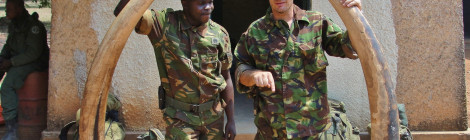
Militarising Conservation: A Triple ‘Fail’ for Security, People and Wildlife
Biodiversity conservation is becoming increasingly militarised. Conservationists are learning from the strategies of contemporary warfare, and this is highly problematic for both wildlife and global security. Biodiversity conservation and security […]

A Sharper Edge: QME, the Iran Deal and the Gulf Arms Race
In order to persuade its allies in Israel and Gulf Arab states to support the Iran nuclear deal, the United States is relying on inducements of weaponry sales; this regional militarisation is destabilising the wider Middle East region.
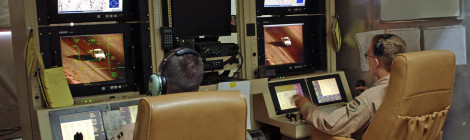
Expanding Contracting: The Private Sector’s Role in Drone Surveillance and Targeting
Over-burdened in its requests for continuous surveillance of an expanding battlefield, the US military is increasingly turning to private contractors to fill key roles in its operation of armed drones.

Learning the Lessons: 11 Years of Drones in Pakistan
Whilst much debate has focused on the ethics, legality and civilian costs of drone technology, little attention has been given to the broader repercussions US drone strikes have had on Pakistan as a whole in the last 11 years.
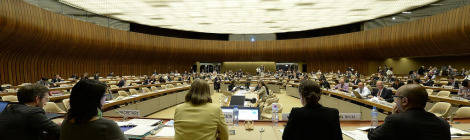
The UN’s Meetings on Autonomous Weapons: Biting the Bullet, or Lost in Abstraction?
States’ ability to move forward on the issue of lethal autonomous weapons will depend on not only finding consensus on key concepts but also having the will to find concrete outcomes.

El Salvador’s gang truce: a lost opportunity?
The truce declared in 2012 may have been imperfect and controversial but positive lessons must be learned amid the country’s current crisis of violence.

2015: Towards a brave new nuclear world?
Deep tensions and frustrations are rising to the fore as this month’s Nuclear Non-Proliferation Treaty Review Conference in New York gets underway. All parties must act bravely to bridge these deep divides if they are to make progress towards a nuclear-free world.
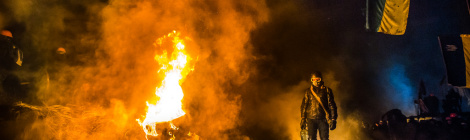
The Ukraine conflict’s legacy of environmental damage and pollutants
One year after violent conflict began, information is now emerging on the specific environmental impact of war in Ukraine’s highly industrialised Donbas region. Although obtaining accurate data is difficult, indications are that the conflict has resulted in a number of civilian health risks, and potentially long-term damage to its environment. In order to mitigate these long-term risks, international and domestic agencies will have to find ways to coordinate their efforts on documenting, assessing and addressing the damage.
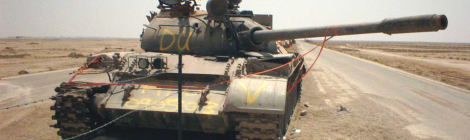
DU-turn? The changing political environment around toxic munitions
Is the US backpedalling on its use of depleted uranium (DU) rounds? There are indications that the use of these highly toxic munitions could increasingly be a political liability for the US, with countries affected by DU, like Iraq, other UN Member States, and populations in contaminated areas all expressing concerns over its use and impact. But stigmatisation, although important, is not enough on its own – in order to make sustained progress on accountability and in reducing civilian harm, a broader framework that addresses all toxic remnants of war is needed.
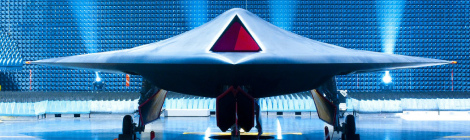
Losing control over the use of force: fully autonomous weapons systems and the international movement to ban them
Later this month, governments will meet in Geneva to discuss lethal autonomous weapons systems. Previous talks – and growing pressure from civil society – have not yet galvanised governments into action. Meanwhile the development of these so-called “killer robots” is already being considered in military roadmaps. Their prohibition is therefore an increasingly urgent task.
Leave a Reply