Author: admin

  • Sustainable Security

    Security Sector Roles in Sexual and Gender-based Violence

    Democratic Republic of Congo’s sexual violence epidemic is not only a weapon of ongoing violent conflict but an expression of entrenched systemic problems. Indeed, sexual and gender-based violence (SGBV) is most commonly perpetrated by the security services in place to protect civilians. In Quartier Panzi in South Kivu province, innovative processes of security sector reform and strengthened police-civilian channels of communication may be providing an opportunity for change, argues World Bank adviser Edward Rackley.

    Read Article →

  • Kony 2012 and the Militarisation of Uganda

    Amongst the online flurry of activity and debate over the Invisible Children video campaign to make the Ugandan war criminal Joseph Kony ‘famous’ in 2012, Al Jazeera have published an interesting op-ed piece on the dangers of the Kony 2012 campaign adding to the growing militarisation of Uganda.

    It is written by Adam Branch who is a senior research fellow at the Makerere Institute of Social Research, Uganda, and an Assistant Professor of Political Science at San Diego State University. Branch argues that the campaign is “not about Uganda, but about America. Uganda is largely just the stage for a debate over the meaning of political activism in the US today.” While this may be true, in itself it is not necessarily a reason be concerned about the effect of the viral video and associated campaign. In principle, positive change can still come about from a social movement regardless of its aims and deep motives (however unlikely this is). The problem that Branch identifies with Kony 2012 is that it is “being used by those in the US government who seek to militarise Africa, to send more and more weapons and military aid, and to bolster the power of states who are US allies.” He argues that “The hunt for Joseph Kony is the perfect excuse for this strategy – how often does the US government find millions of young Americans pleading that they intervene militarily in a place rich in oil and other resources? The US government would be pursuing this militarisation with or without Invisible Children – Kony 2012 just makes it a little easier.”

    While all the other issues that have been raised about the campaign (eg. its lack of effect ‘on the ground’ in addressing the reasons and drivers of conflict in Uganda, the hypocrisy of a US citizen-led campaign to bring someone to justice at the International Criminal Court when the US itself still refuses to ratify the Rome Statute etc.) are no doubt important, perhaps it is the issue of militarisation that is least understood but most dangerous over the long-term.

    The article suggests a number of ways that people can more effectively engage on this issue so that “in our desire to ameliorate suffering, we must not be complicit in making it worse.”


    The full article is available here

    Image source: debobhappy


  • Sustainable Security

    RC_long_logo_small_4webThis article is part of the Remote Control Warfare series, a collaboration with Remote Control, a project of the Network for Social Change hosted by Oxford Research Group.


    Islamic State (IS) has used aerial drones for reconnaissance and battlefield intelligence in Iraq and Syria and has attempted to use aerial and ground drones with explosive payloads to attack Kurdish troops. IS-directed or -inspired attacks in Australia, Canada, Denmark, the United States and France and failed or foiled attacks elsewhere, including the United Kingdom, have demonstrated the group’s desire to attack targets outside the Middle East. Given that threat is a function of capability and intent, should we therefore be concerned about the possibility of Islamic State or another terrorist group using drones to attack Western cities? A recent report from the Remote Control project and Open Briefing examined this scenario, among others.

    The Drone Threat

    For Hostile drones, the Open Briefing team assessed the capabilities of over 200 commercial and consumer/hobbyist drones capable of operating in the air, on the ground or on or under the sea. Although limited at present, they found that there are consumer drones available today that are capable of delivering an explosive payload equivalent to a pipe bomb (1-4 kilograms) or a suicide vest (4-10 kilograms). Many more could be modified with readily-available components to increase their stated payload capacity. If used in a swarm against the crowd at a major sporting event, for example, they would cause serious injury and multiple fatalities. If one or more of the drones carried on-board cameras to record the event, it would also provide a group such as Islamic State with prime propaganda material.

    Using drones for terrorist attacks has several advantages over conventional methods, including removing the need to convince a suicide bomber to carry out an attack and opening up targets a bomber would not usually be able to access due to security. An attacker would not even necessarily need to weaponise a drone, as the vehicle itself could be used as a projectile to target a light aircraft’s engines on take-off or landing, for example. In addition to attack, Open Briefing identified intelligence gathering as another major capability that drones offer terrorists or insurgents, as demonstrated by Hezbollah, Hamas and Donetsk separatists. For example, Donetsk People’s Republic militias reportedly possess and deploy sophisticated Russian-made Eleron-3SV drones for intelligence, surveillance and reconnaissance (ISR) in eastern Ukraine. Drones provide insurgent groups with an excellent level of battlefield awareness and provide terrorist groups the ability to reconnoitre a target before an attack These same capabilities are also of interest to criminal, corporate and activist threat groups. For example, aerial drones have been used to transport illicit drugs over the Mexico-US border and in April 2015 a man protesting over the Japanese government’s nuclear energy policy landed a drone containing radioactive sand on the roof of the prime minister’s office in Tokyo.

    The same technology Western militaries have been controversially employing to target terrorists in Afghanistan, Pakistan, Yemen, Iraq and elsewhere for years is now being used by various threat groups to target Western interests. This is a prime example of how the tactics and technologies of remote-control warfare have created unintended consequences for those countries that have embraced them.

    Towards Drone Countermeasures

    No single countermeasure is completely effective at limiting the hostile use of drones by non-state actors. Open Briefing therefore proposes the United Kingdom adopt a hierarchy of countermeasures encompassing regulatory, passive and active countermeasures, which provides a layered defence. Regulatory countermeasures include point of sale regulations, civil aviation rules and manufacturing standards and restrictions. Passive countermeasures include early warning systems and signal jamming. Active countermeasures include kinetic defence systems, such as missiles, rockets and bullets, and less-lethal systems, such as projectile weapons and net guns. Each stage of the hierarchy of countermeasures requires government action, but it is the regulatory countermeasures upon which it can affect the greatest change.

    Any changes to the laws surrounding the use of drones need to be proportionate to the risks and balance interests relating to privacy, individual freedoms, safety and commercial interest. In addition to the existing regulations around drones needing to be flown within visual line of sight, below 400 feet and not within 50 metres or a person, vehicle or building, there have been calls from airline pilots and politicians for a registration scheme for consumer drones and for the adoption of firmware limitations that restrict the ability of drones to travel near geofenced no fly zones around sensitive sites, such as airports or nuclear power stations. These are reasonable demands that should be implemented as soon as possible.

    However, these regulations may have limited impact beyond reducing accidental incidents. Unless coupled with some kind of identification/tracking technology built in to drones, a registration scheme would not remove consumer drones from the terrorist arsenal altogether (in any case, such technology would be a step too far in terms of state surveillance and could be easily disabled). What registration would do is impose some control on a presently uncontrolled market and impress upon drone operators the responsibility they must take for their actions. It may also reduce the supply of readily-available drones that could be used for nefarious purposes. In the case of geofenced no fly zones, those wishing to carry out an intentional attack could still purchase open-source controllers that can bypass geofencing, and inertial navigation systems (using dead reckoning) would allow a drone to continue to a static target with reasonable accuracy even if it were possible to jam controller frequencies and GPS signals within the target perimeter. What geofencing would allow is for security to assume that any drone operating within the no fly zone is unauthorised and potentially hostile, allowing them to react appropriately (evacuation and/or deploying active defences).

    Beth Cortez Neavel

    Image of drone by Beth Cortez-Neavel via Flickr.

    There are two further regulations that have received little attention but which should also be considered. Firstly, the payload capacity of the consumer drones available for purchase or import in the United Kingdom without licence should be legally limited to that reasonably required to carry a camera and nothing else. This would mean these types of drones could not be used to carry explosive payloads without further modification. Secondly, owners of commercial drones capable of carrying heavier payloads for legitimate reasons (such as in agriculture or search and rescue) should be legally required to store them securely (in the same way fertiliser must be appropriately secured to prevent its use in homemade bombs, for example). This would prevent the theft and use of drones capable of carrying considerable explosive payloads by terrorists and other threat groups.

    A Layered Defence

    The current regulatory regime around drones in the United Kingdom is very limited. The adoption of the four regulations outlined above would balance the various interests and address specific risks without being unduly restrictive. However, regulations are not a panacea – they would merely limit the ability of terrorists and others to acquire drones with the capabilities needed for attack or intelligence gathering. That is why the government must also work with the police, security services and industry to explore the passive and active countermeasures that are needed to protect VIPs or sensitive sites and ensure that procurement and R&D funding is made available to purchase or develop the required systems. This should include the development of less-lethal systems for destroying or disabling hostile drones in urban environments, where little warning of an attack and the risk of collateral damage limits the usefulness of conventional kinetic countermeasures, such as missiles or bullets. Again, though, this will not be a panacea: the less-lethal systems currently available are of limited effectiveness against one or more fast-moving, small drones. As with all the possible countermeasures, such systems – if coupled with early-warning – would form part of an effective layered defence.

    Ultimately, the regulations and technology needed to reduce the threat from the hostile use of drones are either available now or are under development. The British government has to act now to bring drone regulations up to date and invest in the technologies needed to keep us safe. In the meantime, the threat from the malicious use of civilian drones is only going to increase.

     Chris Abbott is the founder and executive director of Open Briefing (www.openbriefing.org). Matthew Clarke is an associate researcher at Open Briefing. Hostile drones: The hostile use of drones by non-state actors against British targets was published by the Remote Control project on 11 January 2016.

  • Analysing President Obama’s Address to the United Nations General Assembly

    There were many positives in Barrack Obama’s speech to the United Nations on the 24th September. The US President outlined the importance of the UN as an institution and more importantly its function as a forum through which the nations of the world can collectively address shared problems. He reaffirmed America’s commitment to an “era of engagement based on mutual interest and mutual respect” and to seeking “the goal of a world without nuclear weapons”.

    However… 

    As Joshua Keating points out on his Foreign Policy blog, “it seems telling that President Obama ended his first major address on climate change not with a stirring call to action, but by urging pragmatism and compromise”. Obama’s assertion that “if we are flexible and pragmatic; if we can resolve to work tirelessly in common effort, then we will achieve our common purpose” will certainly ring alarm bells regarding the nature of a US climate bill which may not be comprehensive enough to inspire the required outcome at Copenhagen. For although Obama is correct that nations must address problems collectively, he is equally correct in highlighting the existence of, ” hope that real change is possible and the hope that America will be a leader in bringing about such change.”

  • Sustainable Security

    Chemical Weapons Use in Syria: a Test of the Norm

    Recent events in the Syrian civil war have proved an unparalleled test of the norm against the use of chemical weapons. At its core this was a test of the willingness of countries to uphold the norm, in this case in the face of a flagrant violation, and a response that in the end stumbled upon a satisfactory conclusion—reaffirming the special category of chemical arms—but which in the process said a great deal about current attitudes to the use of military force as a means of humanitarian intervention.

    Read Article →

    Beyond crime and punishment: UK non-military options in Syria

    The defeat of the UK government’s parliamentary motion on support in principle for military action against the Syrian regime means that Britain will play no part in any direct attack on Syria. What then are its options for resolving the Syrian conflict, protecting civilians and punishing those responsible for war crimes there? This article assesses what the UK can do in terms of pushing for a negotiated peace settlement and to hold accountable those responsible for using chemical weapons and any other war crimes committed during this century’s worst humanitarian crisis.

    Read Article →

  • Sustainable Security

  • Sustainable Security

    Raphael Cohen-Almagor received his DPhil in political theory from Oxford University. He is Professor/Chair in Politics, and Founder and Director of the Middle East Study Group, University of Hull. He was the Director of the Center for Democratic Studies, University of Haifa, Fulbright-Yitzhak Rabin Visiting Professor at UCLA School of Law, Visiting Professor at Johns Hopkins University, and Fellow at the Woodrow Wilson International Center for Scholars.  Raphael is the author of more than 200 publications in politics, law, media and ethics, including most recently Confronting the Internet’s Dark Side (NY and Washington DC.: Woodrow Wilson Center Press and Cambridge University Press, 2015), the first comprehensive book on social responsibility on the Internet. https://www.wilsoncenter.org/book/confronting-the-internets-dark-side-moral-and-social-responsibility-the-free-highway. Blog: http://almagor.blogspot.com Twitter: @almagor35

    This interview examines the rise of hate speech on the Internet, how it can be countered and how the battle against hate speech can be balanced with freedom of expression.

    Q. Your recent book, Confronting the Internet’s Dark Side: Moral and Social Responsibility on the Free Highway, examines the dark side of the internet and the issue of social responsibility on the net. Why did you choose to examine this subject as a research project?  

    In answering the question, I will explain three issues: Why I chose to write about the Internet? Why I emphasise the concept of responsibility? Why the themes of terrorism, child pornography, hate and cyberbullying are at the center of attention? 

    Why the Internet?

    This is my fifth book in a series of books in the fields of tolerance, freedom of expression and media ethics. It started with The Boundaries of Liberty and Tolerance (1994) continued with Speech, Media and Ethics: The Limits of Free Expression (2001) and then The Scope of Tolerance (2006) and The Democratic Catch (2007). Upon completing my research for the last two books in 2006, it was clear to me that my next big project would concern the Internet, a fascinating growing phenomenon that required close probing. I wished to examine the extent to which the mode of communication makes a difference, and whether the Internet constitutes a totally different issue that makes the theory that I have been developing over the years, the Democratic Catch, irrelevant.

    Why responsibility?

    I have done the majority of research during 2007-2008, when I was a Fellow at The Woodrow Wilson International Center for Scholars in Washington DC. The United States puts great emphasis on freedom of expression. The First Amendment is enshrined in the nation’s psyche. I was looking for a way to connect with my American colleagues in addressing the very delicate issue of boundaries to Internet’s freedom of expression. My book acknowledges the great importance assigned to the value of freedom of expression and supports balancing it against no less important value: social responsibility.

    The forefathers of the Internet had the vision of creating a free highway, a public space where everyone can say what he or she has in mind. This wonderful innovation of unfettered platform has backfired. The Internet is open for use but unfortunately also for abuse. We should provide and promote responsible use and we should also fight against those who abuse. The abuse corrupt public space and has posed many challenges on all levels: individual, the community, the state and the international community. We are in the early stages of learning how to cope and how to combat Internet abuse. Slowly we are developing the necessary tools to enjoy innovation and freedom while, at the same time, we are adopting safeguards and rules of responsible conduct.

    Confronting the Internet’s Dark Side makes a distinction between Netusers and Netcitizens. The term “Netuser” refers to people who use the Internet. It is a neutral term. It does not convey any clue as to how people use the Internet. It does not suggest any appraisal of their use. On the other hand, the term “netcitizen” is not neutral. It describes a responsible use of the Internet. Netcitizens are people who use the Internet as an integral part of their real life. That is to say, their virtual life is not separated from their real life.

    Even if they invent an identity for themselves on social networks, they do it in a responsible manner. They still hold themselves accountable for the consequences of their Internet use. In other words, netcitizens are good citizens of the Internet. They contribute to the Internet’s use and growth while making an effort to ensure that their communications and Net use are constructive. They foster free speech, open access and social culture of respecting others, and of not harming others. Netcitizens are Netusers with a sense of responsibility.

    Why the themes of terrorism, child pornography, hate and cyberbullying are at the center of attention?

    At the outset, it was clear to me that I cannot possibly tackle all the problematic information that we find on the Internet. I asked myself: What troubles you the most, and what issues may present a compelling case for social responsibility? I thought that if I am able to reach some conclusions and suggestions about confronting some highly problematic issues, maybe the discussion can then serve as a spring-board to drive forward a motion for Internet social responsibility. After long and careful probing I decided to concentrate attention on violent, anti-social forms of Internet expression: hate speech and racism, use of the Internet by terrorist organizations, and child pornography. Later, another concern was added: Cyberbullying.

    When I started my research for this book in 2006, cyberbullying was not on my radar. In 2010, I could no longer ignore it. Cyberbullying became a major concern. I changed the book structure to accommodate comprehensive research on this sensitive and most tragic topic.

    Q. Sometimes the line between free speech and hate speech is not as clear cut as we would like it to be. How do you identify hate speech?

    There is no single definition of hate speech and hate speech legislation varies from one country to another. The same speech might be illegal in the United Kingdom and legal in the United States. The United Kingdom passed the Public Order Act 1936 to protect minorities from hate speech and harassment while the United States permits the American Nazi Party and allowed them to march in Skokie, a Jewish neighbourhood that was heavily populated with Holocaust survivors. I find it hard to believe that such a march would be allowed in the UK. My definition of hate speech is: Bias-motivated, hostile, malicious speech aimed at a person or a group of people because of some of their actual or perceived innate characteristics. Hate speech expresses discriminatory, intimidating, disapproving, antagonistic and/or prejudicial attitudes toward those characteristics which include sex, race, religion, ethnicity, colour, national origin, disability, or sexual orientation. Hate speech is intended to injure, dehumanize, harass, debase, degrade, and/or victimise the targeted groups, and to foment insensitivity and brutality towards them.

    Q. There could be a counter argument made that much information could be interpreted as “bias-motivated, hostile, malicious”. So, for example, a person could publish a study or statistics on the internet which claims that a certain racial, ethnic or religious group is less intelligent or commits more crime than another group. It is highly likely that some individuals would see this as “bias-motivated, hostile, malicious” behaviour. Yet the publisher of the data might simply claim that they are merely presenting their evidence and that they had no intention to “injure, dehumanize, harass, debase, degrade, and/or victimise the targeted groups”.  Where would a case such as this fall in the hate speech/free speech distinction?

    This is a very interesting question. Let me answer it with an example. For many years, I have related in my teaching on freedom of expression the case of Jean-Philippe Rushton, a Canadian psychology professor who has argued about hierarchy of races: Asians are smarter than whites, who are in turn smarter than blacks. In his 1999 book Race, Evolution, and Behavior, Rushton explained that brain and genital size are inversely related, and that races differ in brain size, intelligence, sexual behaviour, fertility, personality, maturation, lifespan, crime and in family stability. He explained that blacks are less intelligent than Orientals and Whites and they are more involved in criminal activities. While the IQ of Orientals is about 106, the IQ of Black people is around 70 to 75. Black people are also more sexually promiscuous and they lack social organization.

    The science behind these assertions is debatable. Rushton’s theory evoked much criticism and has been perceived as racist. His theory attempts to explain everything by the sole criterion of race. It ignores social circumstances and social construction. It does not take into account other, no less important factors, such as individual abilities, class, poverty, education and family infrastructure. But is it hate speech?

    In the spirit of the liberal marketplace of ideas, the search for the truth and open disputation of ideas with contrasting ideas, one may think that Rushton’s theory is problematic but it should be tolerated and debated. Its scientific facade needs to be exposed and simultaneously the true motives that guide Rushton should be explored. This, indeed, is my belief. Rushton’s theory is a hard case. It is opened to interpretations but it should not be silenced.

    I also believe that Rushton’s theory was not guided only by scientific methods, that it had underpinning agenda which was not innocent, that it was motivated by other reasons rather than the urge to discover a scientific truth. Rushton was asked “Weren’t theories about race differences the reason for racism, genocide and the Holocaust?” Rushton answered: “The Nazis and others used their supposed racial superiority to justify war and genocide. But just about every idea – nationalism, religion, egalitarianism, even self-defence – has been used as an excuse for war, oppression or genocide. Science, however, is objective. It can’t give us our goals, but it can tell us how easy or difficult it will be to reach our goal. Knowing more about race differences may help us to give every child the best possible education and help us to understand some of our chronic social problems better”.

    With this answer, Rushton was trivializing the Nazi crimes. Nazism was equated with nationalism, religion, egalitarianism, “even self-defence”. Rushton says nothing about the evil ideas of Nazism per se but how they were used for evil deeds, in the same way that other ideas, including noble ideas such as egalitarianism and well-established ideas such as self-defence, have been used for evil deeds. Then Rushton declares that his science is objective. His commitment is to scientific truth, no matter how crude that truth might be. And then he goes on to argue that his ideas may better children education. But surely not the education of every child. No matter how much you invest in the education of black children, they would not be able to escape their lot. They belong to the inferior race and therefore they are doomed to suffer the consequences of their brute luck.

    What can help us understand Rushton’s reasoning is his behaviour and conduct outside the scientific world. Rushton was embraced by anti-black associations, by racists and bigots. Rushton not only did not flinch; he accepted their attention and the honour of being their star scientist.

    In 2002, Rushton was appointed president of the Pioneer Fund, which has for decades funded dubious studies linking race to characteristics like criminality, sexuality and intelligence. Pioneer has long promoted eugenics, or the “science” of creating “better” humans through selective breeding. Set up in 1937 and headed by Nazi sympathizers, the Pioneer Fund’s mission was “to advance the scientific study of heredity and human differences”. It strove to improve the character of the American people through eugenics and procreation by people of white colonial stock. Rushton has spoken on the alleged IQ deficiencies of minorities at conferences of the racist American Renaissance magazine and website, and he has published a number of articles in the group’s newsletter. His work is often published on racist websites, including the anti-immigrant hate site, Vdare.com.

    While appearing before and in support of racist groups, the above-mentioned sensitive and debatable statements then amount to hate speech. The context, as we learned from JS Mill’s theory On Liberty makes a great difference. A questionable race theory when invoked in Nazi and other radical extremist rallies is the fuel for their raging hatred, the validating force for their twisted beliefs, the scientific cloth that legitimized crude beliefs about hierarchy of races. Expressed in such forums, Rushton’s ideas become hate speech.

    Q. Staying with the distinction between hate speech and free speech, religious criticism is commonly seen as an area where the lines become blurred. For example, sometimes actual bigotry towards religious minorities is dressed up as critique of religious beliefs and scripture. Where do you see the line being drawn on this issue?   

    Two separate issues are relevant:

    1. A speaker uses religion to incite violence against others.
    2. A speaker defames and offends a certain minority because of its religion.

    Both have taken place in Britain. As for the first scenario:

    The state cannot sit idly by while religious authorities incite violence. Such public figures need to decide: either they are public servants who adhere to the laws and values of the state or they incite to violence. If they chose the latter, they should resign immediately. And if they do not see the necessity in doing so, then the state should discharge them from all public responsibilities. This is true for all religious authorities and more so for popular public figures with a large crowd of adherents. The justice system should act and crack down on the phenomena that might lead to violence. Violent religious preachers might pose a real danger to the well-being of society.

    As for the second scenario, I think offence should be taken more seriously than it is considered today. Much blood was shed unnecessarily because of the Danish cartoons. We should be respectful of all religions, understand and appreciate the power of religion to bring about change, positive and negative. One of Karl Marx’s greatest mistakes was underestimating the power of religion. Religion can motivate people to help others, and it can motivate people to destroy. This is true for any religion. Pushed to its extreme, fundamental religion can create a lot of damage. As extremes tend to feed each other, speakers should be cautious of the power of the word and avoid inflaming tensions, emphasising those things that bring people together, not that divides them, creating bridges rather than obstacles and alienation.

    In this age, many terrorists were Muslim. But, of course, not all Muslims are terrorists. Only a small number of Muslims are terrorists and they represent Islam to the same extent that the KKK represents Christianity and the Kahane movement represents Judaism. To tag Islam as a terrorist religion is to defame religion unjustly. Such statements are unwarranted and only inflame an already tense environment.

    Let me mention the work of organisations such as ‘TELL MAMA’, an Anti-Muslim Hatred group that seeks to consider and takes forward proposals to tackle anti-Muslim hatred. Its action plan aims to create an environment that prevents hate crime from happening.

    Free expression is not a recipe for lawlessness. The balance between free speech and protecting the public should not, on such matters, lean to the former. Liberal democracies have an obligation to secure the well-being of its population, especially vulnerable minorities. Indeed, the litmus test of a decent or civilized liberal democracy is the status of minorities.

    Q. In your research, have you observed a connection between hate speech and violent acts?

    Yes, I did.

    In 1999, 21-year-old Benjamin Nathaniel Smith, an avowed Aryan supremacist, went on a racially-motivated shooting spree in Illinois and Indiana over the July 4th weekend. Targeting Jews, African-Americans, and Asian-Americans, Smith killed two and wounded eight before taking his own life, just as law enforcement officers prepared to apprehend him. Smith embarked on his killing spree after being exposed to Internet racial propaganda. He regularly visited the World Church of the Creator (WCOTC) website, a notorious racist and hateful organisation founded in Florida in the early 1970s. Smith was so consumed by the hate rhetoric of WCOTC that he was willing to murder and to take his own life in pursuit of his debased hate devotion.

    The same year there were two other hate-motivated murders. Buford Furrow used to visit hate sites, including Stormfront.org and a macabre site called Gore Gallery, on which explicit photos of brutal murders were posted. Whether inspirational or instructional, the Internet supplied information that clearly helped fuel the explosion of a ticking human time bomb. Furrow decided to move to action. He drove to the North Valley Jewish Community Center and shot an elderly receptionist and a teenage girl who cared for the young students attending the summer day school. He continued shooting, hitting three children, one as young as 5 years old, before leaving the facility. Shortly thereafter Furrow fatally shot a Filipino American postal delivery worker because he worked for the federal government and was not White.

    In turn, Matthew Williams, a solitary student at the University of Idaho, turned to the Internet in search of a new spiritual path. Described as a “born fanatic” by acquaintances, Williams reportedly embraced a number of the radical-right philosophies he encountered online, from the anti-government views of militias to the racist and anti-Semitic beliefs of the Identity movement. He regularly downloaded pages from extremist sites and continually used printouts of these pages to convince his friends to also adopt these beliefs. At age 31, Matthew Williams and his 29-year-old brother, Tyler, were charged with murdering a gay couple, Gary Matson and Winfield Mowder, and with involvement in setting fire to three Sacramento-area synagogues. The police discovered boxes of hate literature at the home of the brothers.

    In early 2001, Richard Baumhammers, another Aryan supremacist, shot down six people, all members of minorities, in suburban Philadelphia, inspired by material on the Internet. Tim Haney of the Allegheny County Police Department in Pennsylvania testified that computer records confiscated at Baumhammers’ home indicated his frequent visits to white supremacist Internet sites.

    Michael Brad Magleby burned a cross on an interracial couple’s property. He also visited hate sites prior transmitting this hateful message. In 2002, Michael Kenneth Faust, a  white supremacist who spent several hours a day on the Internet soliciting teens to take his classes on firearm use, shot and killed a teenager.

    More recently, a 22-year-old man Keith Luke murdered two black people, and raped and nearly killed a third, on the morning after Barack Obama was inaugurated as president (January 21, 2009). When he was captured, Luke told police that he intended to go to a synagogue that night and kill as many Orthodox Jews as possible. Luke told the police that he had been reading white power websites for about six months (in other words, from about the time that Obama won the Democratic nomination) and had concluded that the white race was being subjected to a genocide in America. Therefore he had to act. This is a clear-cut case of propaganda translating directly into criminal violence.

    Later the same year, on June 10, 2009, James von Brunn entered the U.S. Holocaust Memorial Museum in Washington DC and opened fire, killing Security Guard Stephen Tyrone Johns before he was stopped by other security guards. Von Brunn, a die-hard white supremacist anti-Semite, was an active neo-Nazi for decades long before the Internet became a viable public platform during the early 1990s. He utilized the Internet to publish his tracts and to spew hatred. Von Brunn ran a hate website called holywesternempire.org and had a long history of associations with prominent neo-Nazis and Holocaust deniers. For a period of time, he was employed by Noontide Press, a part of the Holocaust denying Institute of Historical Review, which was then run by Willis Carto, one of America’s most prominent anti-Semites.

    In Canada, Craig Harrison was found guilty of an assault causing bodily harm to an individual whose race he did not like and was sentenced to two years less a day in jail. Observing the content of messages posted on the Net by him, the Canadian Human Rights Commission concluded that the materials were likely to expose those of the Jewish faith, Aboriginal peoples, francophones, blacks and others to hatred and contempt: “They are undoubtedly as vile as one can imagine and not only discriminatory but threatening to the victims they target”.

    In 2014, The Southern Poverty Law Center (SPLC) published a two-year study that details incidents in which active users on one website, Stormfront.org, murdered nearly 100 people in the last five years. These incidents include: (a) the killing of three Pittsburgh police officers by Richard Poplawski in 2009. (b) Two years later, in 2011, Anders Behring Breivik’s murderous journey in which he detonated a truck bomb in front of a government building in Oslo, killing eight, and then went on a shooting spree in Utoya Island, murdering 69 others. (c) In May 2012, Jason Todd Ready killed four people before killing himself. (d) That same month, Eric Clinton Kirk Newman, also known as Luca Rocco Magnotta, was accused of torturing and dismembering a Chinese immigrant; (e) three months later, Wade Michael Page shot and killed six people at a Sikh temple before killing himself during a shootout with police.

    Q. What practical actions can be taken to counter hate on the Internet and are there any promising initiatives currently underway to tackle this issue?

    Speech v. Speech – This is the favourite American response, espoused by many Internet experts and human rights activists who argue that the way to tackle hate on the Net is by more communication, by openness and by exposing the problem. We need to show that all human beings deserve respect and concern, all have dignity, and that a racially based society negates liberal-democratic values that we all hold dear: pluralism, diversity, individuality, liberty, equality, tolerance, justice. Counter-speech includes expressive support for the targets of hate, highlighting the values of tolerance, pluralism, individualism and respect for others.

    Education – activity at primary and high schools alerting about hate on the Internet; its forms and attractions (music, video games, activities for kids); why racism is logically incoherent, empirically unattainable, anti-democratic and inhumane; why it is harmful; who is targeted; history of hate and the connection between hate and some of the most horrific human catastrophes men inflicted upon other men.

    In the USA, Partners Against Hate, an innovative collaboration of the Anti-Defamation League, the Leadership Conference on Civil Rights Education Fund, and the Center for the Prevention of Hate Violence, offers promising education and counteraction strategies for young people and the wide range of community-based professionals who work and interact with youth, including parents, law enforcement officials, educators, and community/business leaders. In turn, Family Online Safety Institute focuses on making the online safer for kids through the promotion of best practices, tools and education.

    Adopting and enforcing school, university and workplace policies – institutions and organizations should adopt policies that exclude hate and bigotry off and online. They should ascertain that their computers are not used for purposes that are incompatible with these policies. Students and workers should not abuse their time at the education system and at the workplace and exploit the technology that is made available to them to preach hatred against others, or to engage in expressions that contravene and undermine civility and respect for others. Hate is destructive. There is no reason to provide scope for hate speech in schools and the workplace.

    Netcitizenship – the term “Netcitizenship” means good citizenship on the Internet. It is about developing responsible modes of conduct when surfing the Internet which include positive contributions to debates and discussions, and raising caution and alarm against dangerous Net expressions. Netcitizenship encourages counter-speech against hate speech, working together to provide a safe and comfortable virtual community, free of intimidation and bigotry. One example is Wipeout Homophobia (WHOF) which was originated as a response to gay hatred on the Internet. Wipeout Homophobia provides communal support and promotes a vision of a more tolerant and just world. In 2012, this Facebook page had more than 300,000 members and 6 million visitors.

    ISPs’ responsibility – ISPs and web-hosting companies should develop standards for responsible and acceptable practices for Net users. They should adopt clear and transparent hate speech policies and include them in their terms of service. ISPs should also devise friendly and easy-to-use mechanisms for Netusers to report violations of their terms of service. With continued development of technical solutions and innovation and with increased awareness of and adherence to basic Corporate Social Responsibility (CSR) we will assure a certain security level on the Internet, like in any other industry. What is required is more structure. CSR should be part of the web company’s strategy, in the frame of mind of the day-to-day operations. Indeed, CSR is a continuous living process.

    Social media companies have teams of only a few hundred employees to monitor networks of billions of accounts. This is insufficient and it is also irresponsible. Social media companies need to address the problem far more seriously. Each company should have a group of highly-talented software engineers to devise a search algorithm that would flag out a string of words that may indicate that a person is engaged with anti-social and dangerous expressions. Facebook has such a team of specialists to deal with suspected fake identities. Facebook takes this issue very seriously. It is suggested to adopt a similar attitude to combat radical, extremist expressions as human lives are no less significant than fake identities. After flagging a string of violent words, a team of people who monitor social networks will then look at the context and, if they come to believe that the speech is dangerous, they will swiftly intervene, remove the dangerous content and block the extremist from continuing the dangerous activity. By such proactivity, social media companies can save many lives.

    Affecting search engines results — If you Google the words “Martin Luther King”, one of the results you will receive is http://www.martinlutherking.org/, a hate site masquerading as an objective historical source about the American human rights leader. High school students who are asked to conduct research on the life and leadership of Mr King are likely to come across this site. Some of them might think this is a legitimate site, with credible eye-opener information. The Google algorithm used to determine search ranking does not evaluate the accuracy of information thus the site’s high ranking can potentially mislead many users, especially young users who conduct their very first research.

    Google was under pressure to manipulate its search engine so as to boost or reduce websites’ page ranking. The controversy revolved around a clearly anti-Semitic website, http://www.jewwatch.com/, which sometimes was ranked first if you searched the word “Jew”. Thousands of netusers petitioned Google to remove the site.

    Labelling, naming and shaming – Web-hosting companies like First Amendment, Go Daddy and Xanga.com (blog hosting) that are friendly to racial propaganda should be named and shamed.

    International cooperation – In Europe, a continent that suffered a great deal from the horror of hate and bigotry, much less tolerance is afforded to such phenomenon compared to the United States. In 1996, a governmental organization in Germany, Jugendschutz.net, and a non-governmental organization in the Netherlands, Stichting Magenta, were the first organizations in the world to start a dedicated team to address the problems of racism, anti-Semitism, hate against Muslims, gays, and other discrimination or incitement to hatred, each in their own country.

    In 2002, they founded the International Network Against Cyber Hate (INACH) whose vision is the international co-operation between complaints bureaus against discrimination, which allows the sharing of knowledge, the exchange of best practices and coordinated measures against hate speech, promoting respect, citizenship and responsibility, enabling Internet users to exercise their right of freedom of speech with respect for the rights and reputations of others, and to freely use the Internet without experiencing cyber hate. The mission of INACH is to unite and empower organizations fighting cyber hate, to create awareness and promote attitude change about on-line discrimination and to reinforce the rights of all Internet users. INACH monitors the Internet and publishes overviews and reports about the situation in different countries. INACH acts as an umbrella organization for hotlines specializing in racist and hateful content.

    Other notable organizations fighting against hate are LICRA.org and the Dutch Centre Information and Documentation on Israel (CIDI). LICRA is the French International League against Racism and Anti-Semitism (Ligue Internationale Contre le Racisme et l’Antisémitisme). It was created in May 1926 in Paris. LICRA fights discrimination, racism and xenophobia especially as they are manifested on the electronic and print media. CIDI is the Netherlands’ prime source of information about Israel and the Jewish people. CIDI has published instructions explaining how to get anti-Semitic material removed from the Internet. CIDI believes that individual surfers have a responsibility to take action against hate.

    Publishing overviews and reports on a regular basis –- publishing names of hate sites, highlights of their content, their locations, their ISPs, both successful and unsuccessful attempts to curtail their activities.

    Law and adherence to international conventions — On global issues such as hate there is a need for international cooperation to respond to global concerns. As the Internet is an international medium, countries realize the urgency for transnational coordination. The Ministerial Council Decision 9/09 of the Organization for Security and Co-operation in Europe (OSCE) of December 2, 2009, on Combating Hate Crimes calls on the participating States to seek opportunities to co-operate and thereby address the increasing use of the Internet to advocate views constituting an incitement to bias-motivated violence including hate crimes and, in so doing, to reduce the harm caused by the dissemination of such material, while ensuring that any relevant measures taken are in line with OSCE commitments, in particular with regard to freedom of expression.

    Further research may analyse the ways social media apps are used in spreading hate speech, the way modern technologies are exploited to spread hate speech and whether search engines and social networking sites should continue to assist hate groups in their agenda.

    Future research may also compare between the utilization of the Internet to spout hatred to the way the Internet is being utilized to other anti-social groups: criminals, paedophiles and terrorists. There seem to be many commonalities between the modes of operation of these groups. Such comparative studies may help security agencies in the fighting against these phenomena.
  • Sustainable Security


    BZ Bushfire smallWhen does a serious environmental problem become a security threat?

    Professor Tim Flannery, a leading scientist and public intellectual in Australia wrote a piece in the Guardian newspaper a few days ago reflecting on the links between climate change and the extreme temperatures and bushfires ravaging Australia at present. He notes that “Australians are used to hot summers. We normally love them. But the conditions prevailing now are something new. Temperature records are being broken everywhere.” What is important for thinking about the security consequences of climate change is that towards the end of the article, Flannery reflects:

    “Australia’s average temperature has increased by just 0.9 of a degree celsius over the past century. Within the next 90 years we’re on track to warm by at least another three degrees. Having seen what 0.9 of a degree has done to heatwaves and fire extremes, I dread to think about the kind of country my grandchildren will live in. Even our best agricultural land will be under threat if that future is realised. And large parts of the continent will be uninhabitable, not just by humans, but by Australia’s spectacular biodiversity as well.”

    Conditions in which large parts of the continent are threatened in such a way would appear to raise some pretty serious questions about Australia’s national security (let alone the human security of those individuals living in areas where agriculture has failed or fires threaten homes and livelihoods). Yet recently a number of commentators have become particularly concerned about the so-called ‘securitisation’ of climate change, largely due to a sense of there being “alarmist views about climate change on conflict risk.” This has led some to argue that rather than helping to raise the profile of the issue in terms of the need for urgent policy change, we in fact now need to “disconnect security and climate change.” According to Professor Betsy Hartmann of Hampshire College, “A fear of imminent doom runs deep in popular culture and, like the grim reaper, stalks the environmental movement.” This, she argues allows “security agencies and analysts” to distract us from feelings of empathy towards those affected by climate change and to instead cause us to fear them and to “turn to the military to protect us.” According to Professor Mike Hulme of the University of East Anglia,

    “What climate change means to us and means to the world is conditioned by what we do, by the way we govern, by the stories we tell. Presenting climate change as the ultimate security crisis is crudely deterministic, detached from the complexities of our world, and invites new and dangerous forms of military intervention.”

    All of this matters as the potential world in which Flannery is imagining that his grandchildren might have to live in is becoming more and more likely the longer multilateral efforts drag on. Richard Haass, the President of the Council on Foreign Relations, when asked to look ahead to the big global governance challengers for 2013 recently stated that: “It is becoming increasingly clear that efforts at mitigation are not just falling short but that the gap between what is needed and what is likely to happen is widening.”

    The whole notion of the ‘securitisation’ of climate change pre-supposes that we get to choose whether climate change is a security threat or not – it emphasises what political scientists refer to as human agency. Of course we can choose to label something as a threat or not (yes, perhaps it may even not be the end of the world if we use the dreaded T word!). But in the face of increasingly extreme weather and related natural disasters (let alone serious discussions about whether states such as Kiribati can survive within their own national borders), it does seem that we can sensibly talk about the security threats posed by climate change in the decades to come regardless of whether we can specifically link particular instances of conflict and climate change in the past.

    The point is that simply because something may pose a security threat does not mean that we have to respond in the traditional way – to throw military force at it. It’s abundantly clear that there is no military solution to climate change and that addressing the problem at source means changing (among other things) the ways we use energy. But that doesn’t mean that our current energy policies are not a fundamental security threat. They are. And why can’t we use better energy policies to ensure our security?

    Ben Zala is a Lecturer in International Politics at the University of Leicester.

  • Sustainable Security

    The significant imbalances in the distribution of aid between different geographical areas in the current Syrian war threaten not only the immediate survival of civilians, but also the future prospects for peace.

    The Syrian crisis counts among the direst of our times, and never has there been a humanitarian emergency reaching comparable volumes of assistance. Formerly a relatively prosperous middle income country of about 21 million people, more than five years of war have plunged Syria into staggering poverty. Having lost their livelihoods, 13.5 million people are dependent on humanitarian aid.

    Irrespective of International Humanitarian Law (IHL), belligerents have targeted residential areas and vital infrastructure such as water and electricity supplies, as well as medical facilities. In a desperate effort to survive, half the country’s population have been forced to leave their homes, not knowing whether they will ever be able to return. Of these, 4.8 million have crossed the borders as refugees, while a further 6.1 million people remain uprooted within the country.

    While humanitarian assistance such as food and water, shelter, and medical aid are indispensable, it is deeply problematic that the distribution of aid in different areas in the country is highly uneven. Needs are estimated to be greatest in territory controlled by opposition forces – yet it is here that least aid is being delivered. In 2015, for example, only 27% of World Health Organisation administered medical aid reached opposition areas, as did the same share of food aid delivered by the World Food Programme only last month. Under the umbrella of the UN, both are the biggest humanitarian actors in their fields. Why are these imbalances occurring, and why are they critical for future peace negotiations and reconstruction?

    The Syrian war

    In Syria, the multitude of armed groups, estimated to number several hundred, complicates the distribution of aid as much as the fact that the country is now engulfed in not one, but two wars. Since 2011, civilians have been caught up in the original conflict between the regime and opposition groups seeking a change of government. But another battle is being fought between these opposition groups and Daesh, which proclaimed the establishment of their so-called Islamic State in July 2014. In areas controlled by the latter, the US-led international alliance is attacking Daesh positions across Syria and Iraq, while the Syrian and Russian air forces target other opposition-held areas.

    Given that the presence of armed groups, their alliances and infighting differ significantly at the local level, humanitarian actors are thus operating in a highly fragmented terrain that requires often daily negotiations and re-evaluation of safety concerns for their own staff.

    An aid system controlled by the government

    eu-aid

    Image credit: IOM Iraq/Flickr.

    To some extent, aid imbalances occur in war zones anywhere in the world. Generally, humanitarian aid can only be delivered when belligerents grant aid organisations permission to access people in need and guarantee for the security of their staff. Syria is exceptional, however, in the severity and persistence of aid imbalances. Although belligerents on all sides have interfered with aid deliveries, the Syrian government still controls about half the Syrian territory, thus presenting the single largest threat to impartial aid. By claiming to uphold Syrian sovereignty, it has quietly retained tight control over the aid system in place.

    Only 17 INGOs are permitted to operate in designated areas of the country with limited reach, and their choice of local partners is limited to NGOs licensed by the government. Even after more than five years, the UN are still not allowed to carry out needs assessments in the country independently of the government, and they have remained obliged to issue the annual Syrian Humanitarian Response Plan (SHARP) – which is the basis for planning and monitoring the response each year – jointly with them. Even if convoys are approved for deliveries into opposition areas through rapidly changing bureaucratic procedures which can stretch over months, they are regularly stripped of surgical equipment and even delivery kits at government checkpoints.

    Contravening the Hippocratic Oath and IHL, anti-terrorism legislation has rendered the medical treatment of anyone associated with the opposition a crime since June 2012. Intimidation, arrests and killings of medical staff, such as ambulance drivers, doctors and nurses were common at the beginning of the war, while medical facilities including hospitals, blood banks and coordination centres are regularly being subjected to targeted attacks.

    Horrifying accounts have emerged from those trapped in such conditions, such as in Eastern Aleppo, where the remaining population was evacuated over the past week after years of heavy assault. By designating all opposition-held areas as being controlled by “terrorists” – an expression which is by no means limited to Daesh – the regime has portrayed the populations in these territories as undeserving of aid. In so doing, it puts the lives of millions in need at risk.

    Fear of losing access

    Although the UN have long denounced the blockade of aid to opposition areas as an illicit  war tactic, they have continued to compromise for fear of losing access, which is becoming more and more restricted. Today, 5.47 million live in hard-to-reach areas and 861,200 are trapped in areas under siege in Syria alone. Although, again, it is not only the government conducting sieges, 15 out of 18 areas are currently besieged by its armed forces. Sieges seek to enforce surrender – just as as Darayya did after 2.5 years without aid to civilians. Where humanitarian aid does reach opposition areas, airstrikes by Syrian and Russian government forces destroy residential neighborhoods and carry out targeted strikes on medical facilities, leaving not only wounded fighters, but also civilians without resort.

    Conversely, not only has the government ensured that the vast majority of aid is channeled towards areas under its own control, but it has also used its leverage to strengthen its economy. Citing a lack of alternatives, the UN have paid tens of millions of US-dollars to implementing organisations and suppliers owned or run by individuals associated with the government who are under EU sanctions. These are not legally binding for the UN – yet current practice render them devoid of meaning. All these measures are without consequences for the government.

    A parallel system: the unofficial humanitarian response

    While opposition areas are systemically being deprived of direly needed humanitarian aid, an unofficial response has quietly emerged in parallel to the UN-led response which is co-ordinated with the government through SHARP. Early in the conflict, hundreds of local NGOs and expat-founded NGOs abroad sought to fill the gap the UN-led response left in opposition-held territory. From the conflict’s onset, the government refused to licence local NGOs in these areas, knowing full well that these are indispensable partners for major INGOs, most of whom had no prior experience of working in the country.

    While it is impossible to establish the actual financial volume of the unofficial deliveries, which are not accounted for in the annual SHARPs, they are highly unlikely to reach levels anywhere near that of the official UN-led response. Although Médecins Sans Frontières (Doctors without Borders) warned that since the beginning of the war that opposition-areas were being strongly disadvantaged in life-saving aid, it took three years until UN resolution 2156 was implemented, which allowed for additional cross-border deliveries mainly from Turkey – with deeply insufficient results, as present figures show. If local NGOs are permitted to work with the official response at all, strict monitoring processes are put in place on money spent, and rightly so. In the view of some, however, the recent revelations on UN-suppliers render these requirements into a farce.

    Why do belligerents seek to control aid?

    Where belligerents can ensure access to aid in areas under their own control, a resemblance of normality can be maintained in which former state services are being replaced by external assistance. Before the war, the Syrian government implemented socialist-inspired welfare programmes over the course of decades, including needs assessments, which aimed to maintain political consent even within a highly repressive dictatorship. It is now drawing on humanitarian aid as a substitute. In a similarly systemic manner, Daesh have sought to control humanitarian actors, of which only very few are managing to uphold access and operational independence. In areas controlled by Kurdish forces and different groups affiliated with the Free Syrian Army, aid deliveries are often facilitated and coordinated by the Local People’s Committees or Local Administrative Councils, respectively.

    While these are often credited for their efficiency, they are nonetheless political bodies who should not seek to monopolise aid deliveries for political gain. Belligerents seek to portray access to aid as a testimony to their ability to fulfill basic needs and protect survival. Where they manage to secure regular access to aid, the result is an order which is functional and might appear as either a continuation of the previous status quo or as a credible alternative to the latter. It is that perception which, by blocking aid deliveries to populations in territories under the control of the enemy, is sought to be destroyed with the aim of undermining their respective quest for legitimacy.

    The dangers of Syria’s aid imbalances

    Aid imbalances are dangerous not only because they raise the question as to who is most disadvantaged in receiving aid, but also because other wars have shown that access to social services and aid influence the directions in which people move. Demographic changes are a decisive factor in the outcome of war. From the viewpoint of belligerents, deserted neighborhoods are more difficult to defend because they lower the morale amongst fighters. For civilians, aid imbalances which privilege areas under the control of a given warring party over others deepen existing divides. Populations in areas less reached – especially if imbalances occur over long periods of time – will be physically and mentally weaker, exposed to poorer living conditions, and with comparatively fewer options to reach out for assistance. Violence, and in the Syrian case aerial bombardments in particular, prompt populations to flee; access to life-saving resources influence where they seek refuge.

    In Syria, data on population movements within the country are still scarce, but the key question is whether those who cannot afford to leave the country are drawn from opposition- into government-held areas out of sheer need. If so, the international aid system threatens to not only enhance social fragmentation, but also further depopulation. In a country where a third of the population has been forced to flee, how will peace negotiations allow for their voices to be heard? For those who remain in the country, in which areas are residents still strong enough to engage, where do factories and business remain functioning that can stem the unfathomable project of future reconstruction, and how will the divides that have been deepening for so long now be bridged?

    Future outlook

    With every day passing, the aid delivered contributes to shaping the conditions under which peace will be concluded and reconstruction will begin. Aid imbalances are no new phenomenon, but the scale at which opposition-held areas are being disadvantaged in the Syrian case is. The present war has plunged organisations in the official response into a most severe crisis.

    In an unprecedented decision, 73 local NGOs declared stopping all collaboration with the UN in October this year in protest against their perceived partiality. It has long been argued that in line with IHL, humanitarian aid must be carried out independently and it must be neutral and impartial in intent, but it is inevitably political in effect. In the Syrian war, however, humanitarian aid has become politicised to the point that it may severely impact on the outcome of the war.

    The idea that delivering some aid is better than no aid at all thus represents a dangerous approach. Although slow progress has been made in raising awareness of government interference over the course of this year, the struggles of the unofficial response in opposition areas in particular remain underestimated and underreported. With added pressures resulting from chronic shortages of funding, humanitarian organisations on all sides are caught up in having to reach as many recipients as possible – regardless of where they are located – to meet donor expectations. As a result, there is little room for self-critical reflection, and internal divides on the present responses remain largely invisible for the public.

    In contrast to these trends, concrete measures to counter present imbalances are urgently required. These could mean greater numbers of aid drops — similar to those recently resumed in Dayr al-Zur — in areas under siege, hard-to-reach areas, and others where ground access cannot be secured. They also require a coherent approach which does not tolerate interference by any warring party – including the government. For cases where belligerents insist on unacceptable compromises, protocols are needed which allow for humanitarian deliveries to be stopped as result.

    If it comes to a point where these measures are being taken, it must be clear that responsibility does not lie with the humanitarian system, but the warring party refusing to abide by the very principles on which humanitarian aid  is based. Addressing these challenges remains an indispensable condition for ensuring even and fair access to humanitarian aid for those in dire need now, and for their prospects of living in the country in the future.

    Dr. Esther Meininghaus is a Senior Researcher at the Bonn International Center for Conversion. 

  • Sustainable Security

    This week marks the 69th anniversary of the Hiroshima and Nagasaki bombings, still the only two cases of nuclear weapons use. On these dates each year the media reminds the wider public about the destructive power of these inhumane weapons. The ‘humanitarian dimension’ initiative highlighting the consequences of nuclear weapons is evolving and consolidating itself in the non-proliferation regime. It has been shining a bright and constant light on the catastrophic consequences of nuclear weapons use – whether accidental or deliberate – at multilateral fora on nuclear weapons policy since the last Nuclear Non-Proliferation Treaty (NPT) Review Conference (RevCon) in 2010.

    The initiative has held two international conferences, hosted by Norway and Mexico, addressing issues relating to the impact, consequence management, and risks of nuclear weapons detonation (March 2013 in Oslo and February 2014 in Nayarit). At these conferences, the powerful testimony of the hibakusha (Japanese witnesses to nuclear bombing) served as a solemn reminder of the physical and psychological long-term effects for these survivors.

    The five nuclear weapons states (NWS or P5) under the NPT – China, France, Russia, UK and US – boycotted the first two of these international conferences. The third international Conference on the Humanitarian Consequences of Nuclear Weapons will be held in Vienna on 8-9 December 2014. Below are five reasons why the P5 should consider participating in some capacity in the Vienna conference.

    1. To improve atmospherics before the 2015 NPT RevCon

    The P5 have a vested interest in a smooth and “successful” 2015 NPT RevCon, to be convened at the UN in New York next May. After all, the NPT has conveniently served their security interests by limiting horizontal nuclear proliferation whilst designating them as the only recognized NWS. As various non-nuclear weapons states (NNWS) stressed at the April-May 2014 NPT Preparatory Committee (PrepCom), patience is running incredibly thin with the NWS and the credibility of the regime is in question. Some states starkly warned that a roll-over of the 2010 NPT RevCon Action Plan will not be acceptable at the 2015 NPT RevCon.

    So the pressure lies heavily on the P5 to engage – or at least to show a willingness to engage – more genuinely with the demands of the NNWS towards addressing disarmament commitments. One simple way to improve atmospherics in the regime would be engagement and participation in the Vienna conference by at least some of the NWS. The most detrimental behavior to the regime would be a repeat of the cartel-like approach to decision-making on participation at the Vienna conference by the P5. Such P5 solidarity, as was evidenced in bloc P5 decision-making vis-à-vis the Oslo conference would almost certainly have negative implications for the 2015 NPT RevCon.

    1. To encourage NNWS to affirm humanitarian concern as a non-proliferation pledge

    The active reaffirmations of abhorrence and concern with the catastrophic consequences of nuclear use by NNWS are of positive benefit as commitments both to disarmament and non-proliferation. These formal declarations and affirmations by states parties in the NPT review process and in the UN General Assembly can serve as confidence-building measures. Such declaratory statements could be construed to be affirmations akin to the Iranian fatwa against the development of nuclear weapons. Such formal statements in multilateral diplomatic fora could indeed serve to confirm the declaratory views of states in regard to nuclear weapons.

    1. To engage the non-NPT nuclear-armed states

    Given the cross-regional and cross-grouping support for the humanitarian initiative within both the NPT review process and the broader non-proliferation and disarmament regime, the initiative could help to forge new dialogue channels for the regime. As evidenced by India and Pakistan’s participation in the Oslo and Nayarit conferences, such fora, separate from the NPT review process, can include engagement of nuclear-armed non-NPT states on issues and dialogue relating to nuclear weapons in the broader non-proliferation and disarmament regime.

    Given the continued deadlock at the Conference on Disarmament (CD) in Geneva, processes such as these conferences can circumvent the current stalemate in the CD and facilitate dialogue on these salient issues away from the formal confines and political stages of Geneva and New York.

    1. To showcase consequence-management capabilities

    The five NPT NWS could contribute to the humanitarian impact discussions at the initiative’s conferences by sharing their technical research and insight on emergency and disaster response preparedness and capacity. Then again, these states may find it difficult to participate in conferences which may lead to uncomfortable conclusions about the inability of states or any institution to address the consequences of nuclear use and the associated risks of possession and use. Whilst considering participation options at the earlier international conferences, some NWS apparently suggested narrowing the conference agenda to addressing the consequence management of limited/small-scale nuclear exchanges.

    1. To engage the initiative and attempt to shape the discourse and pathway

    If the P5 wish to shape the discourse and the future aims and agenda of an evolving initiative with increasing momentum and sophistication, they could do so more effectively by participating in its non-binding, non-consensus-reaching international conferences. Not to do so is to miss an opportunity to steer the initiative in or at a more comfortable direction or pace. Whether the momentum and aims of the initiative are now beyond “a point of no return” and heading towards a ban treaty, could be the reality the NWS face.

    One thing is certain, dismissing the initiative and trying to discredit its activities as “diverting” from the P5 step-by-step process will only antagonize those NPT states parties already frustrated by the lack of progress on nuclear disarmament commitments. This would surely make the 2015 NPT RevCon more challenging for all parties.


    Jenny Nielsen is a Postdoctoral Research Fellow in the School of Political Science and International Studies at the University of Queensland. Previously, she was a Research Analyst with the Non-proliferation and Disarmament Programme at the International Institute for Strategic Studies (IISS), a Programme Manager for the Defence & Security Programme at Wilton Park, and a Research Assistant for the Mountbatten Centre for International Studies (MCIS) at the University of Southampton, where she co-edited the 2004-2012 editions of the NPT Briefing Book.

    Featured Image: Aftermath of the 6 August 1945 nuclear bombing of Hiroshima. Source: Wikipedia


  • Sustainable Security

  • Sustainable Security

    Author’s Note: All views in this piece are the author’s own and do not reflect her employer’s views or anyone else’s.

    In 1996, the Comprehensive Nuclear-Test-Ban Treaty (CTBT) opened for signature. The CTBT is a multilateral treaty that bans all nuclear explosions on Earth. Its predecessor, the 1963 Partial Test Ban Treaty (PTBT), banned nuclear explosions except for underground testing. Between 1945 and 1996, over 2000 tests were conducted by the five NPT nuclear-weapon states. Since 1996, India, Pakistan and the DPRK have conducted around half a dozen tests. A ban on testing limits further development of nuclear explosive devices. Twenty years since the CTBT opened for signature, the Treaty has not yet entered into force given the pending necessary ratifications by eight Annex 2 states (China, the DPRK, Egypt, India, Iran, Israel, Pakistan and the United States).  Annex 2 states are the 44 states that participated in the negotiations of the CTBT and possessed nuclear power or research reactors at the time.

    Marking the 20th year of the CTBT, I attended the 2016 CTBTO Symposium, including several panel events on the treaty in Vienna, and organized a public panel event at the Vienna Center for Disarmament and Non-Proliferation (VCDNP). Last week, I attended a high-level CTBTO public discussion panel featuring the UN Secretary-General Ban Ki-Moon, among other dignitaries. The following are a few reflections and musings on issues surrounding the CTBT at 20 to stimulate discussion. These include issues and questions which continue to irk me—an analyst—and which remain unanswered.

    Trite but true: political will vs policy priorities

    CBTO

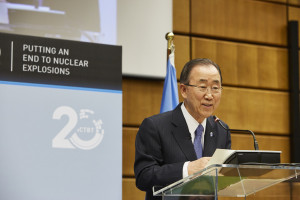
    UN Secretary-General Ban Ki-moon at the CTBTO Symposium. Image by the Official CTBTO Photostream via Flickr. 

    Twenty years on, the bottom line ultimately remains languishing political will. Let’s be honest—the CTBT is not a priority for most states who have yet to sign or ratify this treaty. If this issue had been a policy priority for states, there would have been positive progress towards ratification by now, despite domestic hurdles. Some Annex 2 states may be increasingly perceived to be holding CTBT entry-into-force hostage to other regional issues and priorities.

    Political will is again tested when those few windows of opportunity for exerting political leverage on other states vis-à-vis non-proliferation and disarmament are dismissed for more pressing policy objectives. In bilateral nuclear cooperation deals with India, NPT states who advocate routinely for the entry into force of the CTBT—including the US and Australia—could have used the negotiation of a bilateral commercial cooperation deal to include some requirement for India to progress on its CTBT status. More significantly, if the Nuclear Suppliers Group (NSG) has to take a decision in the future on admitting India into the NSG as a participating government, then the pre-condition of adhering to nuclear non-proliferation conditions such as ratifying the CTBT could be pushed. Yet these small windows of opportunity for bilateral or multilateral leverage on non-proliferation priorities are squandered.

    In a similar vein, one could wonder whether requiring Iran to ratify the CTBT was sacrificed early on in the negotiation process of the multilateral deal seeking to curtail Iran’s nuclear activities. Of course, more pressing objectives vis-à-vis Iran’s nuclear program were at stake. The CTBT and missile development issues were expendable.

    If CTBT entry-into-force is indeed a priority for states of the international community, as oft heard in high-level declarations of support and urgency for this issue, political will and determination for the CTBT should align with policy priorities. It currently doesn’t and, as evidenced by bilateral nuclear cooperation agreements, securing trade policy objectives seem instead to be prioritized.

    With the DPRK’s continued defiance of the nuclear testing moratorium, more than high-level statements of condemnation and expressions of regret need to take place following suspected nuclear tests and missile-related activities. China seems to be finally exerting some pressure on the DPRK in the UNSC and via bilateral channels after all these years of acquiescence. Concerted and united action by the international community and the UN Security Council needs to be taken against the DPRK. Such action should include curtailing bilateral trade relations with the DPRK. Again, this will require policy priorities—trade versus non-proliferation—to be assessed by governments.

    CTBT: is it a disarmament, non-proliferation, or an arms control treaty?

    Throughout the various sessions of the CTBTO Symposium, there were comments and unanswered questions posed by speakers on their views of how to categorize the CTBT. For example, is it a disarmament, non-proliferation or arms control treaty? Or possibly a hybrid of these? There was no clear consensus of views on this issue which was recurrently woven throughout sessions and presentations. An academic assessment of this issue would be useful and may have implications on practicalities.

    During a session on the CTBT and nuclear security, I posed a politically sensitive question which remains unanswered. What are the prospects of the CTBT contributing to issues of the broader nuclear security agenda given the existing apprehension and political sensitivities by IAEA member states to link any aspects of nuclear disarmament in addressing nuclear security issues post the Nuclear Security Summit (NSS) process? The “d” word inside certain corridors of the Vienna International Center (VIC) seems to raise apprehension and discontent, with arguments voiced by member states of certain international organizations that nuclear disarmament is not covered by the mandates. Disarmament seems to traditionally not be a Vienna issue, and belongs to the enclave dialogue in the NPT and First Committee bubbles in Geneva and New York. Until, that is, 2017, when the NPT PrepCom is due to roll into town for the kick-off of the 2020 NPT review cycle. How states parties view the CTBT—as a disarmament, non-proliferation or arms control treaty—may have implications for this question on whether the CTBT can contribute towards the broader nuclear security priorities.

    Is testing necessary?

    During the CTBTO Symposium there was a very interesting panel discussion between scientists elaborating the technical rationale for why states conduct nuclear tests. One passing comment on the Vela Incident—a 1979 event which is believed to be a nuclear test conducted by Israel and South Africa over the ocean between the southern part of Africa and the Antarctic–prompted  me to think the unthinkable quietly to myself. Given the existing moratorium on testing (not including subcritical)—which only the DPRK defies–and based on the technical assessment that testing is not necessary for certain devices, would the potential sharing of nuclear test data amongst allies be a preferable solution to testing?

    Although this would strictly not contravene the testing moratorium and the text of the CTBT, assisting proliferation and nuclear weapons advancement to NPT non-nuclear weapon states and non-NPT states would still contravene the NPT and the spirit of the CTBT. Although states could potentially avoid international condemnation by transgressing the established testing moratorium e.g. by relying on allies for the required testing data and expertise in relation to simple devices, this would still be contradictory to the spirit of the established non-proliferation treaties which underpin the broader nuclear non-proliferation regime. Moreover, some Annex 2 states seem to be debating domestically whether computer simulations, subcritical tests and activities not specifically prohibited by the CTBT are sufficient for the maintenance of their safe, secure and reliable nuclear arsenals. A comment by a Chinese Ambassador at this week’s recent CTBTO discussion panel, alludes to this debate as the National People’s Congress deliberate the Treaty.

    Definitional issue: does nuclear testing constitute nuclear use?

    There is a definitional issue which remains to be addressed adequately: does nuclear testing constitute nuclear use? Individuals affected by nuclear testing definitely consider the testing of nuclear explosives and devices as nuclear use. In his intervention at this week’s CTBTO discussion panel, UN Secretary-General Ban Ki-Moon argued that bringing the CTBT into force would honour the victims of nuclear testing. The Secretary-General noted that nuclear testing poisons water, causes cancers and pollutes the environment with radioactive fallout for generations.

    Whilst most states, academics and analysts would consider the explosion of nuclear devices at Hiroshima and Nagasaki the two instances of nuclear use, many —including victims of nuclear testing— would argue that nuclear testing actually constitutes nuclear use. This is based on the detrimental effects and impact that nuclear testing has had on individuals, communities and the environment where these tests were conducted. In Australia, “nuclear nomads” from aboriginal communities have been forced to leave their spiritual lands. In the South Pacific, including the Marshall Islands, many communities are still living with the long-term reproductive health implications from the nuclear testing that was conducted on their territory.

    During this year, marking the 20th anniversary of the CTBT, it may therefore be fitting to have an honest conversation about whether the international community ought to start considering and reframing our understanding and discourse of what actually constitutes nuclear use. This wouldn’t be politically popular, given the many states who have conducted nuclear tests. Given the highly contentious discord and fractures in the multilateral nuclear non-proliferation and disarmament fora—the NPT review process,the UNGA First Committee and the Open Ended Working Group taking forward multilateral nuclear disarmament negotiations (OEWG)—in multilateral discussions of pathways towards nuclear disarmament and the humanitarian consequences of nuclear weapons, discussions of reframing the discourse on nuclear testing as nuclear use may add further contention. It could, however, also serve to discursively elevate the issue of nuclear testing, and strengthen the case for entry-into-force of the CTBT. Additionally, it would raise the political costs of future nuclear tests. It does however remain an issue—along with several others raised in this short piece—which ought to be assessed and adequately discussed, even if only in wonky academic circles.

    Jenny Nielsen is a Postdoctoral Fellow at the Vienna Center for Disarmament and Non-Proliferation (VCDNP). Previously she was a Visiting Scholar at the NATO Defence College (NDC), Postdoctoral Research Fellow at the University of Queensland (UQ), Research Analyst at the International Institute for Strategic Studies (IISS), and Programme Manager for the Defence & Security Programme at Wilton Park.

  • Sustainable Security

    The Costs of Security Sector Reform: Questions of Affordability and Purpose

    In considering security sector reform, questions of affordability have often been subordinated to questions of effectiveness and expediency. A recent series of reviews of security expenditures by the World Bank and other actors in Liberia, Mali, Niger and Somalia has highlighted several emerging issues around the (re)construction of security institutions in fragile and conflict-affected states.

    Read Article →

    Human Security and Marginalisation: A case of Pastoralists in the Mandera triangle

    This paper seeks to bring out the relevance of human security in pastoral areas of Mandera triangle and the relationships and contradictions that exist between it and national security. The “Mandera Triangle” encompasses a tri-border region of Ethiopia, Somalia, and Kenya that exemplifies, in a microcosm, both a complex and a chronic humanitarian crisis that transcends national boundaries.

    Read Article →

  • Sustainable Security

    This article was originally published on openSecurity’s monthly Sustainable Security column on 29 May, 2014. Every month, a rotating network of experts from Oxford Research Group’s Sustainable Security programme explores pertinent issues of global and regional insecurity.

    First Lady Michelle Obama holding a sign with the hashtag

    First Lady Michelle Obama holding a sign with the hashtag “#bringbackourgirls” in support of the 2014 Chibok kidnapping. Posted to the FLOTUS Twitter account on May 7, 2014. Source: Wikipedia

    The abduction of over 200 school girls from Chibok has radically changed not only the popular profile of the Boko Haram insurgency but also the narrative of the war in northeast Nigeria. This was probably not intended by the insurgents or the ham-fisted Nigerian government, neither of which seemed to recognise this apparent gear-shift in the insurgency. After this fumble, it was civil society, through the #BringBackOurGirls social media campaign that picked up and ran with the call for action. Now that the US and its allies have channelled this urge to “do something now” into security assistance, caution is due in monitoring how and why the energy from this new burst of liberal interventionism will be channelled.

    Responding to Chibok

    Boko Haram has a long and undiscriminating record of terrorist violence. My analysis of data compiled by Nigeria Watch suggests that about 9,000 Nigerians (including combatants) have died in related violence since 2009, most of them since the federal government declared a localised state of emergency a year ago. That rate has been rising fast; 1,043 were recorded killed in March 2014 alone. Nevertheless, the 14 April Chibok mass abduction and Boko Haram leader Abubakar Shekau’s subsequent threat to forcibly marry pre-teen girls to his supporters or sell them into slavery were extraordinary, crossing multiple red lines around protection of civilians, girls’ right to education and sexual violence.

    The #BringBackOurGirls campaign has tapped into a social movement last and best exploited through the Stop Kony 2012 viral video campaign. That campaign influenced the African Union to establish its Regional Cooperation Initiative for the Elimination of the Lord’s Resistance Army (LRA) in April 2012 and was a major driver of post-facto public support for the Obama administration’s October 2011 commitment of US special forces to Uganda and central Africa to hunt LRA leader Joseph Kony. Those troops remain in four countries and haverecently been reinforced. Kony has not been caught but the LRA menace to children, women and other civilians has been contained and reduced.

    The state-level response to Chibok has been belated but even stronger. Since 7 May, the US, UK, France, China and Israel have all sent teams to Nigeria to help search for and rescue the abducted girls, and France has hosted a summit of Nigeria, its four neighbours and the US, UK and EU. In fact, all these states already played a role in training, equipping or supporting Nigerian forces against Boko Haram. However, they were reluctant about going public with a counter-insurgency campaign previously linked to the increasingly unpopular and divisive ‘war on terror’, the toxic human rights reputation of the Nigerian security forces, and an entirely reasonable confusion over the political nature and linkages of the ostensibly Islamist rebellion.

    Response and replication

    Whether this foreign assistance is useful in the search for the missing girls is both highly questionable and a moot point. The US certainly has formidable aerial, satellite and signals reconnaissance technology to employ but it is struggling to coordinate with Nigeria, and unwilling to share raw data with the Nigerian security agencies. Other countries’ contributions probably only replicate Nigerian and US capabilities, and risk over-complicating the search.

    French President Francois Hollande greets Nigerian President Goodluck Jonathan. Source: France Diplomatie (Flickr)

    French President Francois Hollande greets Nigerian President Goodluck Jonathan. Source: France Diplomatie (Flickr)

    The French summit on 17 May was a classic case of replicating initiatives in order to bolster perceptions of French concern, consultation and action. Nigeria, which desperately wants to revel in its new status as Africa’s economic superpower, was humiliated that Paris – Abuja’s great rival for influence in West Africa – assumed its regional leadership role. The summit outcome commitments to bolster security cooperation in the Lake Chad basin replicated those that Nigeria and its neighbours had already made. Those sanctioning Boko Haram replicated UN-led measures.

    The Elysée Summit was more useful in redirecting attention to the gendered aspects of Boko Haram’s campaign of violence, issues of particular importance to the EU and the UK, whose Global Summit to End Sexual Violence in Conflictconvenes on 10 June. Both sides of the conflict have made tactical use of abducting and (separately) raping women and children linked to the other side as a means of exerting pressure or retaliation. Nigerian security forces and their civilian allies increasingly harass local women suspected of working for the militants. Boko Haram is accused of abducting girls and women to marry to its young, poor male combatants. Shekau has put his view on video record that girls above puberty should not be educated. This may be the most convincing explanation for the Chibok kidnapping: women as an economic and sexual resource.

    Intervention narratives

    The goal of securing the safe release of the abducted girls – and the security of their peers – must be paramount at this time. But, if the foreign assistance being pledged and provided makes little impact on this task, we must ask whether there are other goals motivating western governments to cooperate with Nigerian forces. Clearly, the political urge to assuage activists by responding with action is one of these, although we should not doubt that the Obama or Cameron families share the revulsion of other families around the world united behind #BringBackOurGirls.

    The social media shaming of the Nigerian and foreign governments’ inactivity and inability to resolve the crisis has propelled foreign military forces across the rubicon. US, and perhaps British, French, Canadian, Israeli and other states’, special forces and reconnaissance aircraft and drones may stay on in Nigeria well beyond the current abduction crisis; this should not be surprising.

    French forces are currently consolidating their redeployment from coastal Africa to a string of remote bases in Mali, Burkina Faso, Niger and Chad. Their main base in N’djamena is just 40 km from Boko Haram’s stronghold in northeast Nigeria. US special and private military forces operate covertly in most countries of the Sahel-Sahara belt. Until this month, Nigeria appeared to be the exception.

    The quiet reinforcement of these several thousand French and US troops across the western Sahel since 2012 – linking up to similar strings of mostly US bases in the eastern Sahel and Horn –is justified through the on-going international campaign against al-Qaida. US African Command openly uses the Operation Enduring Freedom tag for its operations in the Horn and Trans-Sahara. In Mali, Niger and Mauritania, French forces have joined battle against the al-Qaida in the Islamic Maghreb (AQIM), an Algerian-origin group with regional aspirations. Yet Boko Haram is rather different. While it professes a common Salafism, it is not an al-Qaida affiliate and appears uninterested in controlling territory or attacking state assets outside of Nigeria.

    This matters in the Nigerian context for two reasons. The first is in the way that the humanitarian impulse of #BringBackOurGirls – which diplomats can recognise as Protection of Civilians, Responsibility to Protect, or Ending Sexual Violence – shades into the realities of the war on terror. I would count four or five distinct narratives used to justify foreign military interventions in the last 15-20 years:

    1. Liberal interventionism – following the ostensibly humanitarian urge to protect civilians and uphold human rights, notably in Kosovo and Sierra Leone.
    2. The War on Drugs – an old idea reinvigorated with Plan Colombia in 1999.
    3. The War on Terror – the idea that homeland security begins abroad, notably in Afghanistan, but lately in Yemen, Somalia, Pakistan, Mali and elsewhere.
    4. Proliferation of WMDs – actively in Iraq, and as a threat to Iran, Syria and others.
    5. Protection of civilians – controversial used to pursue regime change in Libya, less so in pursuit of Kony thereafter.
    U.S. President George W. Bush and British Prime Minister Tony Blair at the White House, July 2003. Source: White House (via Wikipedia)

    George W. Bush and Tony Blair at the White House, July 2003. Blair’s enthusiasm for foreign military intervention changed in tone after the 9/11 attacks on the US. Source: White House (via Wikipedia)

    Clearly, there are overlaps; the Bush administration’s Axis of Evil concept linked state sponsors of terrorism and WMD. ‘Narco-terrorism’ links the wars on drugs and terrorism. Whatever their muddy political and religious ideologies, Kony and Shekau do lead terrorist movements. With the failed war on terror increasingly unpopular among a cynical and war-weary populace, the post-2011 shift back to humanitarian criteria completes the circle back to liberal interventionism.

    While applauding the global public’s shift from retribution to humanitarianism, we should be wary of politicians’ and generals’ intent in getting involved in northern Nigeria. The signs are that future ‘humanitarian’ interventions will be fought with the tactics of the war on terror, minus its rhetoric. Perhaps we should call these ‘Protection from Terror’ operations?

    Self-fulfilling prophecy

    If this shift in narrative represents the new Anglo-American take on intervention, the second reason for concern about the international fallout from Chibok is the Nigerian and French imperative to rebrand Boko Haram as part of al-Qaida. Nigeria’s successful addition of Boko Haram to the UN Security Council’s Al-Qaida Sanctions Committee list on 22 May was a step in this direction. For Abuja, this may help to isolate Boko Haram and justify the disastrous escalation of the war since France pushed AQIM and its allies out of Mali in early 2013. For France, it creates a common bond and removes a potentially powerful voice of dissent in the AU and regional organisations about its own military presence in the Sahel.

    Yet al-Qaida, for all its strategic interest in Nigeria’s 90 million Muslims, has shown little interest in Boko Haram and its use of indiscriminate violence against mostly Muslim civilians. Boko Haram has, in rhetoric and action, showed limited interest in a wider struggle beyond Islamicising Nigeria. It almost certainly has links to AQIM and splinter groups in Mali and Niger but these are not obviously strong. Al-Qaida and Boko Haram are not natural bedfellows, but post-Chibok dynamics, including US and Israeli military in northern Nigeria, are pushing them together, potentially consolidating a regional insurgency that is as much anti-western as anti-Nigerian.

    Richard Reeve is the Director of Oxford Research Group’s Sustainable Security programme. He has researched African peace and security issues since 2000, including work with ECOWAS and the AU. His most recent security briefing ‘The Internationalisation of Nigeria’s Boko Haram Campaign’ is available here. 

  • Sustainable Security

    National Security, Climate Change and the Philippine Typhoon

    Super Typhoon Haiyan made landfall in the Philippines on 8 November, and is possibly the most powerful tropical cyclone on record. Beyond the immediate impact of the typhoon, the natural disaster is already proving to be a threat to national security, with reports surfacing of massive looting and military engagement following attacks on government relief convoys. As US and UK naval convoys head to support the situation, Andrew Holland discusses climate change’s impact as a threat multiplier and what plans militaries and governments must make to prevent the insecurity that will come with future disasters of this scale.

    Read Article →

    Bay of Bengal: a hotspot for climate insecurity

    The Bay of Bengal is uniquely vulnerable to a changing climate because of a combination of rising sea levels, changing weather patterns, and uncertain transboundary river flows. These problems combine with already existing social problems like religious strife, poverty, political uncertainty, high population density, and rapid urbanization to create a very dangerous cocktail of already security threats. Andrew Holland argues that foresight about its impacts can help the region’s leaders work together to solve a problem that knows no boundaries.

    Read Article →

  • Sustainable Security

    This article by Chiara Oriti Niosi and Maud Farrugia originally appeared on openDemocracy on 19 December 2014.

    A spate of violence against women in the eastern DRC shows that there is still a long way to go on effective implementation of the UN Security Council Resolution 1325 on Women, Peace and Security, 14 years after its adoption.

    There are very few roads accessible by car in the South Kivu province of the eastern Democratic Republic of Congo (DRC). One of these is around Bukavu, the provincial capital. The road is used daily by locals, government officials, non-governmental organisations and United Nations agencies, including the United Nations Stabilization Mission for the DRC (MONUSCO), the world’s largest peacekeeping mission.

    In this area, over a few months in 2013, at least 40 women were reportedly attacked, sexually assaulted and robbed of all their goods while taking shortcuts on their way to markets. As often happens, such incidents went unreported for a long time, mainly because survivors feared being stigmatised as victims, and had little faith that their assailants would be prosecuted.

    What was happening? Too poor to afford basic transportation, heavily burdened Congolese women walk long distances to reach markets to sell their products. Congolese Armed Forces had obstructed the road to Bukavu with illegal barriers, forcing women who lacked the money to pay the tolls to choose the forest by-ways, risking attack.

    MONUSCO peacekeeper patrol, South Kivu. Source: Flickr | MONUSCO

    MONUSCO patrol, South Kivu. Source: Flickr | MONUSCO

    But even if unreported, the risk of incidents should have been detected. The presence of illegal barriers was well known, but despite some on-going efforts to stop them, almost no peacekeepers from the government, non-governmental organisations or MONUSCO noticed the absence of women transporting goods along the road. This should have been striking considering how common it is to see women carrying large loads on their shoulders everywhere in this area of the DRC.The presence of illegal barriers was well known, but despite some on-going efforts to stop them, almost no peacekeepers from the government, non-governmental organisations or MONUSCO noticed the absence of women transporting goods along the road.

    This indicates not only a terrible gap in recognising and preventing sexual violence, but also a lack of attention to women’s roles in society, and to women’s potential contributions to security, early warning and early response, and peacemaking. In other words, a lack of concern for what is stated in UN Security Council Resolution 1325 on Women, Peace and Security, which acknowledges the vital role women can and should play in conflict management, conflict resolution and sustainable peace.

    Losing direction: the gaps in adopting a gender perspective

    In spite of growing efforts to raise awareness and knowledge of Resolution 1325 among international actors and national institutions, many peacebuilders are not yet used to applying a gender perspective. On one hand, the importance of gender is underestimated, and its potential to influence peace and conflict is not recognized. This is partly because gender is so rooted in each society’s behaviour that it is often confused with culture, or not even perceived at all–neither in the local peacekeeping environment, nor in the environment of origin of peaceworkers. Peaceworkers take great trouble not to ‘interfere’ with the culture of local people.

    The difficulties associated with discussing gender norms, while remaining sensitive to the cultural autonomy of the local population, end up being used to justify not working with gender at all. On the other hand, those difficulties have also created the perception that working with gender is the exclusive responsibility of specialized experts, with a specific budget. While this can be true for the implementation of gender programs, it is not true for adopting a gender perspective. The transversal nature of gender necessitates acting with a gender perspective.

    What dominates is a misinterpretation of ‘gender’, which for most practitioners is largely linked to reducing sexual violence. A shallow interpretation of gender inhibits this aspect of peacework. Although most strategies of civilian protection take into account threats, vulnerabilities, profiles of aggressors and attacks, and even indicators of conflict-related sexual violence, few consider the social roles assigned through gender alongside these other key elements. For example, if collecting water is a role traditionally taken on by women, and (male) armed actors have a record of sexual violence against women, it is crucial that local water points are secured away from them.

    But understandings of gender are not only about reducing sexual violence; they are crucial to every aspect of peace and conflict life. The transversal nature of gender, just like peace and conflict, means that gender influences women’s and men’s roles and behaviours in practical ways, from the level of the family to the institution. The daily activities conducted by men and women are frequently determined by gender, and can sway and be swayed by conflict and peace contexts.

    For instance, women’s and men’s daily activities will expose them to different knowledge. Where women are tasked with collecting water and wood, cultivating fields, childcare or visiting markets, while men maintain a breadwinner role, they will have access to different kinds of information which can be essential to recognize conflict patterns; information about a particular community’s needs, specific security threats, and local power brokers. Humanitarian situations can also challenge gender norms. It has been widely reported amongst Syrian refugees that, because men have been uncomfortable asking for assistance, women have added to their traditional responsibilities by looking for humanitarian aid outside of the home. Acquiring this breadwinner status has left some women on the receiving end of frustrations of their male partners, expressed through violence.The transversal nature of gender, just like peace and conflict, means that gender influences women’s and men’s roles and behaviours in practical ways, from the level of the family to the institution.

    In other cases, working with women directly can be crucial to achieving a sustainable peace. In reintegration programs especially, working with ex-combatants’ wives can be very helpful. Social connections with the host community, which are crucial for a sustainable reintegration, are often created by women via childcare, visits to the market and so on. In all these senses, a gender perspective can provide opportunities to drive positive changes towards peace and gender equality.

    Yet gender often is not included in peacekeepers’ observations. Why? One explanation is that in conflict situations, “hard issues”, such as armed attacks or massive destruction, are much more visible, easier to monitor and with immediate measurable impact, and so are more easily included in protection strategies. In contrast, gender issues come across as “soft issues”, and are often confined to the domain of “women’s issues”. Gender issues are not seen as priorities that must be considered for stepping towards peace; rather, they are considered ‘consequences’ of the conflict to which provide assistance.

    Commonly, gender is very much associated with women, rather than the gendered roles of women and men; women in conflict situations are mostly seen as vulnerable objects of peacekeeping initiatives. This understanding of gender relegates women to passive victimhood–rather than to persons that are not vulnerable per se, but are in a condition of vulnerability. This misinterpretation is very costly: not only reducing peace operations’ capacity to prevent violence, but also the participation of key active elements able to promote a sustainable peace.

    The implementation of Resolution 1325 suffers from this bias: it is often treated as an appendix to weightier matters, rather than being integral to conflict resolution or sustainable peace. The titular focus of Resolution 1325 on Women (rather than Gender), Peace and Security may itself be problematic. It risks being misinterpreted as advocating that the security of women be dealt with differently (and separately) from that of men; stressing the need to promote protection and participation of women, rather than highlighting the interdependence of women’s and men’s security for lasting peace. The existence of specific security threats towards a targeted group, for example the frequency with which sexual violence is directed against women and girls, or the forced recruitment into armed groups of children, does not mean that consequences will affect only that part of the population. Nor does it follow that the strategies of prevention should focus only on the ‘at risk’ group.

    Rather, the consequences of violations affect the population as a whole, at all levels of society. Attacks against women on routes to market have not only consequences for the victim personally, but on family relationships, where the victim suffers discrimination, and the husbands frustration. The socio-economic stability of the community itself is put at risk when the markets are closed due to declining participation. Consequently, such attacks have consequences also at a regional and national level. Indeed, security does not mean only protection against threats, but the creation of a protected environment at all levels: domestic, community, institutional, and international. Each man and each woman has a role to play in all those levels of security.

    Gender equality has further implications for security. If men and women do not have the same access to opportunities and rights, the security and peace of the society at large is compromised. An imbalance of rights and participation at the family level can have repercussions nationwide. What is essential is the interaction and participation of women and men together to build peace and prevent conflict.

    The greater aim of Resolution 1325 to integrate a gender perspective into all aspects of conflict prevention and resolution is thus missed in many efforts to implement it. Indeed, this tendency to dissociate, as opposed to integrate, gender into security and conflict resolution strategies also risks feeding the idea that the security and protection of women can only be provided for by women as security actors. This is only part of the picture. Training all mission personnel in operating with a gender perspective is more important.

    Indian peacekeepers in UNMIL. Source: Wikimedia

    Indian peacekeepers in UNMIL. Source: Wikigender

    It is true that there is an immediate need to increase the number of women (military, police and civilian) deployed in peace support operations and to elevate their roles to those of their male counterparts. Female peacekeepers can play crucial roles in certain areas, including women’s protection: assisting women victims of violence, and patrols and community engagement in contexts where social norms restrict contacts between women and men. Female peacekeepers challenge broad conceptions around women’s–and men’s–roles in security. For instance, a Uruguayan female helicopter pilot with MONUSCO has aroused enormous interest among Congolese women, which has supported the mission’s engagement with local people. In Liberia, Indian female peacekeepers in the UN Mission in Liberia (UNMIL) have assumed a very high profile role guarding the President’s office. The percentage of women enrolling in the Liberian National Police rose from 13 percent in 2008 to 15 percent in 2009. The tendency to dissociate, as opposed to integrate, gender into security and conflict resolution strategies also risks feeding the idea that the security and protection of women can only be provided for by women as security actors.

    However, the presence of female peacekeepers is often the sole emblem of the UNSC resolution. While this is indeed part of the solution, the key is for each actor–male or female, military or civilian–to learn and to act with a gender perspective in all situations. In order to achieve this, a gender perspective needs to be taught, continuously cultivated and practiced before, during and after peace operations.

    Getting it right: South-South collaboration

    Sharing similar experiences and lessons learned between regions is an excellent way to gradually adopt the gender perspective. Latin America and Africa, for example, are regions that share a number of structural characteristics and face comparable challenges: post-colonial states, corruption, insecurity, inequality, young governments, histories of long-lasting internal conflicts, and post-dictatorial contexts. South-South collaborations between these regions enables a thoughtful approach based on the experiences countries have acquired over the years. Such collaborations, moreover, are all the more pertinent as many Troop Contributing Countries to peace operations deployed in Africa are from Latin American countries. Currently, 12 Latin American and Caribbean states contribute over 1,500 peacekeepers to UN missions in Africa, with the Uruguayan and Guatemalan commitments to MONUSCO being the largest.

    Resolution 1325 was originally neglected at the Latin American level. Since 2007, RESDAL’s investigations on women in the armed forces across the Latin American region have revealed a number of issues, including a lack of data on the subject, and a lack of discussion of gender issues within peace operations. The research papers promote collaboration between civil, military and police actors to improve gender equality within democratic institutions, and are an important resource for Latin American practitioners. As a result of such efforts, Resolution 1325 and related material were incorporated into the regional agenda within three years, notably in the IX Conference of Defense Ministers of the Americas.

    RESDAL has been uniquely positioned to use this regional advocacy experience to progress the Women, Peace and Security agenda in international peace operations. After conducting fieldwork in Haiti, DRC and Lebanon, where Latin American countries participate in United Nations peace operations, it became clear to RESDAL that it was necessary to carry out regular and pre-deployment training for military peacekeeping forces. To this end, RESDAL instigated a programme of classes on gender promotion in peacekeeping operations at various centers across Latin America that consider international legal frameworks and field experiences, as well as local understandings of gender.

    The implementation of Resolution 1325 cannot take shortcuts: the path to adopt is that of a comprehensive, multi-actor and practical gender approach. The 15th anniversary of Resolution 1325 next year provides an opportunity to follow such a path, advocating for an approach based on fieldwork and South-South collaboration to work with women and men towards a lasting peace.

    Chiara Oriti Niosi specializes in reducing sexual violence in conflict, with several years of experience at the United Nations Organization Stabilization Mission in DRC (MONUSCO). She currently works at RESDAL in the Women, Peace and Security program.

    Maud Farrugia holds a degree in Social Anthropology from the University of Cambridge. She is Assistant Researcher for the Women, Peace and Security program of RESDAL. 

    Featured image: A MONUSCO vehicle on patrol in Beni, Democratic Republic of Congo. Source: Flickr | MONUSCO

  • Marginalisation of the majority world

    The global distribution of intrastate conflicts is not what it used to be. During the latter half of the 20th century, the states with the most youthful populations – a median age of 25.0 years or less – were consistently the most at risk of being engaged in a civil war or in an internal conflict, where either ethnic or religious factors, or both, came into play (an ethnoreligious conflict). However, the tight relationship between demography and intrastate conflict has loosened over the past decade. Ethnoreligious conflicts have gradually, though noticeably, increased among a group of states with a median age greater than 25.0 years, including Thailand, Turkey, Sri Lanka, Indonesia, and Russia.  The salient feature of these intrastate conflicts has been an armed struggle featuring a minority group that is age-structurally more youthful than the majority populace. The difference in age-structural maturity reflects a gap in fertility between the minority and majority, either in the present or in the recent past. 

    Article Source: The Stimson Center

    Image Source: CharlesFred

    Read more »

  • Sustainable Security

    Carefully Managing Water Resources to Build Sustainable Peace

    Carefully planned interventions in the water sector can be an integral part to all stages of a successful post-conflict process, from the end of conflict, through recovery and rebuilding, to […]

    Read Article →

  • Sustainable Security

    Jobbik, described as a radical right-wing populist party, has enjoyed considerable success in Hungary’s elections. What accounts for the party’s popularity among certain segments of the Hungarian electorate?

    Prime Minister Viktor Orbán and his FIDESZ party have consolidated their status as preponderant political actors in Hungary. Further along the right angle of the political spectrum, Jobbik (Movement for a Better Hungary) currently stands as the second most popular party in the country. This short piece sets in context the reasons behind Jobbik’s appeal to certain segments of the Hungarian electorate, including an overview of the party’s formation trajectory and a brief assessment of Jobbik’s prospects for the future.

    Jobbik’s political origins and intra-party structure

    Jobbik was made up by a variety of grass-roots nationalist groupings. At its early stage (2003-2004), the party had brought under its auspices initiatives as diverse as an aggregate of nationalist student groupings (the Jobboldali Ifjúsági Közösség, Right-Wing Students Association) and a nucleus of political activists that later evolved, at least partially, into the (unarmed) self-styled militia of the Magyar Gárda (‘Hungarian Guard’). From an instrumental perspective, Jobbik has been highly keen on political activism and the intensive mobilization of its popular bases of support. In particular, the party has been harshly criticized for its links with the Magyar Gárda and the ensuing implications for a more militant (occasionally violent) engagement into politics. By contrast to other far right parties across the ‘new’ Europe and the preponderant status of their leaders, the chairman Gábor Vona does not enjoy a status comparable to that of, say, Marian Kotleba in the ‘Our Slovakia’ party or Volen Siderov in Bulgaria’s Ataka. This more ‘horizontal’ and devolved arrangement has enabled Jobbik to approach a variety of target-groups within the frame of its political campaign.

    Reaching out to the masses: Capitalizing on corruption and Hungary’s economic crisis

    jobbik-leigh-phillips

    Image by Leigh Phillips/Flickr.

    The period between 2006 and 2008 saw the delegitimization of the Socialists (MSZP), on charges of corruption. This resulted into MSZP’s rapid decline of popularity and the decisive restructuring of Hungary’s party landscape. For a start, Jobbik demanded that political crime is introduced to the Hungarian penal code as a separate legal category. In light of these developments and the subsequent outbreak of the economic crisis (2008), the absence of potent political forces on the left of the MSZP facilitated Jobbik’s campaign of artificial anti-capitalism. The party embedded the concept of so-called ‘Eco-social National Economics’ into its political programme (2010). In this platform, Jobbik has called for the renegotiation of Hungary’s foreign debt, the establishment of a banking system independent from the interference of multinational corporations, the state-ownership of sectors such as health and education and the long-term renationalization of various others. This campaign of artificial anti-capitalism enhanced Jobbik’s appeal to these segments of the society mostly imperiled by Hungary’s economic stagnation. Jobbik’s more concrete emphasis on social issues and adoption of an, ostensibly, leftist platform on the economy signified the major departure from MIÉP (Hungarian Justice and Life Party) and older initiatives of the Hungarian far right.

    Appealing to the youth

    Jobbik’s extensive involvement in social media such as Facebook serves as a rough indication of the party’s popularity among the Hungarian youth. Its leadership has been successful in orchestrating a fashionable youth sub-culture around the party with plenty of happenings and other infrastructure (e.g. nationalist rock-bands such as Hungarica and Kárpátia and Internet portals such as barikad.hu and kuruc.info, etc.). In addition to economic and social welfare anxieties, Jobbik has managed to take advantage of a rather common grievance among the younger generation in Hungary and throughout Central and Eastern Europe. This is, namely, the allegation that mainstream parties are either built upon nepotism or dominated by the older generation, leaving little space for the political representation of young people. By contrast, Jobbik’s links to the Magyar Gárda, and its political activism as a whole, have refrained pensioners and other elderly voters from opting for the party.

    Centering on unresolved problems

    Jobbik has also capitalized on social grievances and unresolved problems that do not necessarily interweave with corruption and the economic crisis. In its political programme (2010), the party dedicates an entire section to ‘Gypsy Issues’. In its own words ‘. . . the coexistence of Magyar and Gypsy is one of the severest problems facing Hungarian society . . . a potential time-bomb’. ‘Gypsy crime’ is introduced as a separate category and the programme acknowledges that ‘. . . certain criminological phenomena are predominantly and overwhelmingly associated with this minority’. Further along the text, the party equates ‘Gypsy integration’ with ‘assimilation into society-at-large’ through ‘work and not welfare’.

    Words have matched with deeds. Between 2007 and 2011, the Magyar Gárda performed a string of ‘patrolling operations’ in areas seen as threatened by ‘Gypsy crime’ and other activities such as blood-donation and charity work. These activities took place in impoverished localities across the Hungarian northeast (e.g. Miskolc and Debrecen). This is one of the least developed parts of the country, with a long record of friction between the local population and the Roma minority. In October 2011, the successful mobilization of the Magyar Gárda in the northeastern district of Gyöngyöspata resulted in the departure of the Roma community, the resignation of the local mayor and the Jobbik candidate’s victory in the elections that followed. The utilization of the Magyar Gárda undoubtedly brandished Jobbik’s image to these rural residents that consider themselves excluded by the remote, or even absent, state. Most importantly, Jobbik has managed to establish its electoral stronghold in the northeast.

    An apparent shift?

    The last few years have witnessed the more decisive turn of the ruling FIDESZ towards the right. In particular, Viktor Orbán has displayed a tough stance in regards to the refugee crisis and staunchly objected to the soft borders principle within the EU. Back in autumn 2015, the Hungarian Premier rushed to justify the erection of a razor-wire fence along the Serbian-Hungarian border on the basis that ‘European and Christian values must be safeguarded…Hungary must be free to defend its borders’. More recently, on October 2nd, 2016, Orbán called an (unsuccessful) referendum on the EU refugee quotas for Hungary.

    Until lately, the ruling party’s gradual shift towards the right also facilitated Jobbik’s political engagement. Nevertheless, now this seems to be evolving into a boomerang for Vona and his associates. Although it remains Hungary’s second most popular party in its own right, some of the latest opinion polls demonstrate that Orbán’s capitalization on public anxieties over the refugee crisis has cost a non-negligible percentage of voters to Jobbik. In this light, the party assumed a neutral stance during the latest referendum. Although he also objects to the refugee quotas arrangement, Vona refrained from granting his assent to what he dubbed ‘Viktor Orbán’s personal project’.

    Consequently, the last months have witnessed an apparent shift on the part of Jobbik. In its programmatic statements, Jobbik’s leadership declares the party ‘non-Islamophobic’. Gábor Vona, Márton Gyöngyösi, and other high-rank affiliates have been networking extensively in countries such as Turkey and Kazakhstan. Moreover, Jobbik has been quick to strike a ’pro-Palestine’ outlook and castigate Israel not solely for its aggression against the Palestinians but also over the, allegedly, belligerent foreign policy towards other states in the Middle East (namely Iran). Nevertheless, the new realities of the refugee crisis and the wave of sexual assaults in Cologne on New Year’s Eve 2016, have demonstrated that the party can be situationally-adaptive in its outlooks on the Muslim world. Endorsing a body politics approach, Jobbik has recently become highly vocal over the necessity to safeguard Europe’s Christian pillars of identity and protect Hungarian and European women from the ‘rapacious Islamic invaders’.

    Furthermore, the party has intensified its charges of corruption against FIDESZ and ostensibly watered down its rhetoric on ‘Gypsy crime’. The extent to which this new strategy may facilitate Jobbik to reclaim its lost voters from FIDESZ remains to be seen within the immediate future. Lastly, Gábor Vona’s decision to purge the more extremist elements from the party (April 2016) was interpreted by various commentators, in Hungary and abroad, as an early indication of Jobbik’s firmer shift towards the mainstream of Hungarian politics. Nevertheless, it is still rather precarious to jump to concrete conclusions; let alone presume that Jobbik might drastically antagonize FIDESZ’s predominance in the country’s political scene in the near future.

    Vassilis Petsinis is a visiting researcher at Tartu University (Johan Skytte Institute of Political Studies). His specialisation is European politics and ethnopolitics with a regional focus on central and eastern Europe (including the Baltic States). He holds a PhD from the University of Birmingham. His personal profile on academia.edu can be accessed here.

  • Sustainable Security

    Nuclear Weapons: From Comprehensive Test Ban to Disarmament

    Despite not yet entering into force, the 1996 Comprehensive Test Ban Treaty has succeeded in almost eliminating nuclear weapons testing and in establishing a robust international monitoring and verification system. A breakthrough in its ratification by the few hold-out states could have important positive repercussions for the Nuclear Non-Proliferation Treaty or nuclear disarmament in the Middle East.

    Read Article →

    10 years of US Drone Strikes in Pakistan – What Impact Has it Had?

    This week marks 10 years since the first reported US drone strike in Pakistan. It has also seen the resumption of US drone strikes in the country following a five-month pause. Considering the length of time the CIA-led programme has been running, a number of questions deserve consideration: namely, how effective has the decade long covert drone programme been in Pakistan and what impact have drones had on wider Pakistani society? As the military technology for remote-control warfare spreads, there is a need to question whether drones provide significant tactical advantage or whether their proliferation could lead to greater long-term global insecurity.

    Read Article →

    US Drone Strikes in Pakistan: ineffective and illegitimate

    Strikes by unmanned combat air vehicles, or armed drones, have become the tactic of choice in US counterterrorism efforts in Yemen, Somalia and, the topic of current controversy, Pakistan. The lack of transparency, dubious effectiveness, civilian casualties and negative consequences for US national security being highlighted by current debate means that Washington needs to re-evaluate its approach.

    Read Article →

    Can the Nuclear Non-Proliferation Treaty outrun its double standard forever?

    The recent walkout by Egyptian negotiators at UN talks have demonstrated that, like a building with rotten foundations, the nuclear non-proliferation regime is far less stable than many believe it to be. Egypt’s actions make clear that anything less than a regime specifically geared towards addressing the reasons why some states seek nuclear weapons is a regime existing on borrowed time.

    Read Article →

  • Climate Change and Glacial Lake Outburst Floods

    The following article from the Woodrow Wilson International Center for Scholars highlights the uncertainty attached to predicting the effects of climate change. Focusing on the phenomena of glacial lakes in Nepal and Peru, it begins to explore the extreme complexity that characterises the relationship between climate change and other drivers of instability, as well as what is required to manage the risk with the help of local communities.

    The article is frank in acknowledging that there is still much that we do not know about glacial lakes and outburst flooding, a knowledge gap that has discouraged risk management; but it concludes that uncertainty is no reason not to take sensible action now, because perfect information could well arrive too late.


    Glacial Lake Outburst Floods: “The Threat from Above” – Lessons from Peru to Nepal

    By Kate Diamond

    “We have never experienced so many potentially dangerous lakes in such a short period of time,” said Alton Byers of The Mountain Institute during a roundtable discussion on glacial melt, glacial lakes, and downstream consequences at the Wilson Center on October 26. “There have always been glacial lake outburst floods,” said Byers. What has changed is how quickly these lakes now grow. “Suddenly, you wake up in the morning, and now there are hundreds and hundreds of these lakes above you – the threat from above,” he said.

    Nepal’s Fastest Growing Glacial Lake

    The Imja Glacier in Nepal has been receding since the 1960s which has made Imja Lake the fastest growing lake in the country, if not the entire Hindu Kush Himalayas, said Byers in a short film produced by The Mountain Institute (TMI) about the group’s recent expedition to the region (watch below). The lake is now “more than a square kilometer in size, has more than 35 million cubic meters of water, and continues to grow at an alarming 35 meters per year,” he said.

    The lake’s terminal moraine – the buildup of glacial debris that acts as a retaining wall holding the lake waters back – is all that keeps Imja from flooding the valley below, home to a number of Sherpa communities and the starting point for many climbers scaling Mount Everest.

    When these moraines break, the result is a glacial lake outburst flood (or GLOF). And “these aren’t floods in the normal sense,” said Campbell. “These are floods that carry boulders the size of houses,” because of all the debris that gets lodged in glaciers.

    Critical Need for Research

    It is tempting to say that what is happening at Imja Lake is representative of the thousands of glacial lakes believed to exist throughout the Himalayas, but the fact is that “at this point in time, we don’t really know that much about these lakes,” or how to control them, said Byers.

    Glacial melting “is an extraordinarily complicated story,” said ClimateWire’s Lisa Friedman, who joined the Imja expedition for part of the trip. There is no “clear understanding yet of how fast glaciers are melting, of where they’re melting, of whether greenhouse gases or black carbon soot is primarily responsible.”

    There is considerable disagreement over how many glacial lakes are even in the Himalayas, TMI Executive Director Andrew Taber added, simply because of how prohibitively remote their locations often are. Byers explained that it can take as many as 10 days, plus semi-technical climbing, to reach these places, and even then some glaciers still aren’t accessible. The Siachen Glacier, for instance, has the distinction of being the world’s highest battleground (India and Pakistan have had troops stationed on the glacier since 1984).

    And yet understanding what is happening not just at Imja, but throughout the Himalayas, has continental implications. Himalayan glaciers feed nine of Asia’s largest rivers: the Yellow, Yangtze, Mekong, Salween, Indus, Ganges, Brahmaputra, Syr Darya, and Amu Darya. Those rivers, in turn, feed some of Asia’s largest population centers. The sheer number of people who depend on these rivers mean that even minor changes in glaciers’ sizes can have exponentially huge impacts downstream.

    Adapting Lessons Learned from Peru

    The Mountain Institute’s expedition was aimed at bringing lessons learned about managing glacial change from Peru to Nepal. Peru is home to 70 percent of the world’s tropical glaciers, but those glaciers are melting so quickly that some have predicted within 15 years, they could disappear entirely.

    Peru has been working to mitigate the threat of glacial melt since 1941, when a GLOF killed thousands and devastated the capital of Ancash, said César Portocarrero of the Peruvian National Water Authority (also a member of the expedition to Imja). At first, risk management meant simply diverting water from glacial lakes to lower the risk of GLOFs. Over time, though, and with community input, that strategy has expanded to include more comprehensive resource management, so that water being diverted from lakes can be captured and put to use downstream.

    Just as Peru’s mitigation work is a reflection of local needs, finding a long-term solution for Imja Lake will depend on local involvement. “When you think about science, and when you think about change, there’s something to be said for more demand driven approaches,” Taber said. “Working with local people…is more likely to lead to solutions and answers that will actually be picked up.”

    And yet, Byers said, local people have often been marginalized in research on glacial melt in the Himalayas. “There’s been 30 years of research on this and other lakes and yet no researcher has ever involved them in their research, and they had no idea what the results were,” he said. The TMI expedition made a point of incorporating local residents throughout the process.

    Acting in Spite of Uncertainty

    Portocarrero said that convincing people of the need for risk management can be difficult. “Around the world, it seems that people don’t want to work in risk management because we don’t have tangible results,” said Portocarrero. And when risk is mired in uncertainty – as it is in the Himalayas – getting people to invest in risk management becomes even harder.

    Portocarrero warned it might take a decade or more for people downstream to realize Imja and other glacial lakes pose a big enough danger and galvanize into action. “But the big question is,” he added, “are we going to wait 10 years to see the real danger?”

    Sherri Goodman, who led the CNA Military Advisory Board during its 2007 report on national security and climate change, said action can’t wait for perfect information.

    “Climate change is a threat multiplier for instability in fragile regions of the world,” said Goodman. Considering those stakes, uncertainty “can’t stop you from making smart decisions based on today’s information for adaptation.”

    Article Source: New Security Beat

    Image Source: Oxfam International

  • Sustainable Security

    10 years of US Drone Strikes in Pakistan – What Impact Has it Had?

    This week marks 10 years since the first reported US drone strike in Pakistan. It has also seen the resumption of US drone strikes in the country following a five-month pause. Considering the length of time the CIA-led programme has been running, a number of questions deserve consideration: namely, how effective has the decade long covert drone programme been in Pakistan and what impact have drones had on wider Pakistani society? As the military technology for remote-control warfare spreads, there is a need to question whether drones provide significant tactical advantage or whether their proliferation could lead to greater long-term global insecurity.

    Read Article →

  • Sustainable Security

  • Sustainable Security

    In Deep Water: China tests its neighbours’ patience

    Control of water, including navigation rights, resource extraction and the exploitation of shared watercourses is at the heart of today’s geopolitical tensions in Asia. China’s recent actions in the South China Sea and Himalayas have given rise to further—and at times violent—conflict over the region’s natural resources. So will water insecurity lead to greater partnership in Asia? Or will it lead to a revival of China’s traditional sense of regional dominance and undercut efforts to build a rules-based approach to growing resource conflicts?

    Read Article →

    Deforestation: REDD-y for peace or fuelling conflict?

    REDD forestry efforts don’t pay enough attention to their influence on local conflict dynamics. For REDD+ to be an effective mechanism to curb deforestation and strengthen peace opportunities, it has to pay more attention to pre-existing land and forest conflicts linked to tenure, take into account the interests of the local communities and be more sensitive to the local context

    Read Article →

    US Drone Strikes in Pakistan: ineffective and illegitimate

    Strikes by unmanned combat air vehicles, or armed drones, have become the tactic of choice in US counterterrorism efforts in Yemen, Somalia and, the topic of current controversy, Pakistan. The lack of transparency, dubious effectiveness, civilian casualties and negative consequences for US national security being highlighted by current debate means that Washington needs to re-evaluate its approach.

    Read Article →

    Can the Nuclear Non-Proliferation Treaty outrun its double standard forever?

    The recent walkout by Egyptian negotiators at UN talks have demonstrated that, like a building with rotten foundations, the nuclear non-proliferation regime is far less stable than many believe it to be. Egypt’s actions make clear that anything less than a regime specifically geared towards addressing the reasons why some states seek nuclear weapons is a regime existing on borrowed time.

    Read Article →

    Bay of Bengal: a hotspot for climate insecurity

    The Bay of Bengal is uniquely vulnerable to a changing climate because of a combination of rising sea levels, changing weather patterns, and uncertain transboundary river flows. These problems combine with already existing social problems like religious strife, poverty, political uncertainty, high population density, and rapid urbanization to create a very dangerous cocktail of already security threats. Andrew Holland argues that foresight about its impacts can help the region’s leaders work together to solve a problem that knows no boundaries.

    Read Article →

  • Sustainable Security

    Originally set up the mid-1980s, the temporary village guard system’s purpose was to act as a local militia in towns and villages, protecting against attacks and reprisals from the insurgents of the Kurdistan Workers Party (PKK). Has this system been successful as a counter-terrorism strategy and does it still have a role in the Turkey of today?

    In any counterinsurgency strategy, the separation of “bad guys” from the rest of the population is a significant objective which has a direct impact on the effectiveness of the campaign. To achieve this objective, forming, arming and using local militias may be a viable strategy, particularly in rural, remote, harshly mountainous and tribal contexts in which security forces face difficult challenges to reach the local population. In recent years, the “Sons of Iraq” or the “Anbar Awakening” case in Iraq and the “Tribal Security Forces (Arbakai)” case in Afghanistan are contemporary examples of this strategy.

    Does the strategy of forming local militias yield successful results? The existing, yet limited, literature on this subject has opened the door to speculations and interpretations that are more journalistic than scholarly. To better elucidate the effectiveness of forming local militias, this article presents the case of the “Temporary Village Guard System” (Geçici Köy Koruculuğu Sistemi)” in Turkey, which was first initiated in 1985 and has been fully active since.

    Turkey’s Village Guards System

    armed-guards

    Image via Facebook.

    Since being founded in 1978, Turkey’s Kurdistan Workers’ Party (PKK) has caused approximately 20,000 fatalities, including about 11,000 civilians and 9,000 security personnel. In the meantime, about 20,000 PKK members were killed and about 6000 were captured and imprisoned. In order to thwart PKK-initiated violence, Turkish authorities have implemented many different countermeasures ranging from repressive to accommodative strategies, including the village guard system. As of January 2016, the monthly salary is approximately the equivalent of U.S. $400, along with clothing expenses and some social security benefits that came with passage of the amendments between the 74th article and 82nd article of the Village Law on March 26, 1985.

    With this legally founded, centrally appointed, and state-paid “security force,” the Turkish government created a civilian militia in the Kurdish populated southeast provinces of Turkey. Except for 300 Ulupamir Guards, who immigrated to the Van province from Kyrgyzstan, all village guards are ethnically Kurd. To supplement the employed village guard system, a “voluntary village guard” program was added in 13 more provinces, which led to the expansion of this system to 22 provinces in 1993, the year in which violence reached its peak level over the course of the conflict with the PKK. The difference between the two programs is that, while the employed village guards receive monthly salary and health benefits, the voluntary village guards do not receive a salary but are entitled to health compensation and benefits. The size of temporary and voluntary civilian armed force reached almost 60,000 by the end of the 1990s, accounting for almost one-third of the armed forces in the Kurdish region.

    As of August 2013, Muharrem Güler, then the Interior Minister of Turkey, announced that there are currently 65,456 village guards, 46,113 of whom are employed (interestingly 337 of them are women) and 19,343 of whom are voluntary (161 of them are women). Currently, the village guard system is implemented in 23 provinces. Most of the village guards are employed on the border between Iraq, Iran, and in the extremely mountainous provinces of Hakkari, Sirnak and Van because PKK has been using safe heavens in Iraq and Iran for years.

    All village guards, whether voluntary or hired, work under the supervision of the provincial Gendarmerie Commands and receive two weeks of basic military training from their provincial governor immediately after joining.

    To better understand the debate, it may be useful to examine the existing arguments for and against the Village Guard System.

    Arguments Favoring the System

    1. The village guard system has been seen a success story in Turkey’s strategy against the PKK-initiated violence to such an extent that it has become one of the main pillars of counterterror strategy. If the village guard system had not been initiated, the state authority in the region would have eventually collapsed.
    2. The village guards have first denied the mobility of the PKK both by separating them from the rest of the population as a bottom-up means of isolating them, and then prevented them from gaining territorial control.
    3. The village guards have provided intelligence to the security forces both on the territory and the activities of the PKK.
    4. The village guards have not been forced by the security forces to join this system. The existence of more than 25,000 voluntary village guards, who are not paid by the government, is a proof of this.
    5. PKK’s numbers has never exceeded the number of the village guards, even during the early 1990s, the period in which the number of the armed terrorists reached its peak level of 11,000. This is an indicator showing the low level of popular support to the PKK.

    Arguments against the System

    1. The state pitched brother against brother. If it hadn’t been for the village guards, this conflict would have never reached this intensity.
    2. The village guard system is a typical reflection of state tradition on the Kurdish issue. Enmeshed in the Kurds’ tribal networks, it exacerbated the tensions in the region. The equipping of the village guards, who were without even basic military training, increased instability in the entire region. The guard system introduced virtually extinguished social order in Kurdish daily life.
    3. The village guard system was used by the state officials as a repressive mechanism to recruit villagers.
    4. The village guards are poorly disciplined and inadequately trained.
    5. The village guards have been accused repeatedly in past years of drug trafficking, corruption, theft, rape, and other abuses. Inadequate oversight exacerbated the problem, and in many cases the security forces allegedly protected village guards from prosecution.
    6. Several reports document concerns regarding human rights violations resulting from the village guard system in Turkey.
    7. The village guard system has been responsible for deepening mistrust and ethnic divisions in an already troubled region.
    8. The village guards have moved with their families into villages that were evacuated in the 1990s and now the original villagers are returning to their villages to find the Village Guards already living there.
    9. The establishment of village guards made civilians more vulnerable to attacks.

    Has the village guard system in Turkey really worked as a counterterror strategy?

    In military terms, and despite its drawbacks and unintended consequences, the village guard system in Turkey worked well as a counter-terror strategy between 1985 and 1993 and achieved the objectives of separation of the local population from the terrorists and denying the PKK control of their hoped-for secessionist territory. Early success gained just after the implementation of the militia system needed a follow-up before the insurgency adapts. In the following years, however, it gradually waned in effectiveness when considering the increased number of PKK attacks in the period of 1993-1999, and caused increasing socio-economic and political micro-level cleavages in the region. As the big inertia in a dispersed system means resistance to change, the guards system could not easily be modified, meaning the strengthening of the existing micro-cleavages and the emergence of the new ones.

    Reasons for the decline in effectiveness

    The village guard system in Turkey was originally initiated under the assumption that the emergent threat (PKK bandits) was so local and small that it was not considered to require commitment of national security forces. This perception of PKK fighters as “a few bandits” led the Turkish government officials to the authoritization of the system in a temporally (initially, the system was designed for a two-years long period ) and spatially (only in three provinces) limited setting. However, there emerged many institutional problems as the number of village guards was enormously expanded from 800 men to 40,000 men only within a one-year-long period. The primary sources of these shortfalls would be sorted as follows: the absence of comprehensive vision at the national level and the implementation of the planning and recruitment strategy of the system at the provincial level. The absence of a national-level institutional framework which would standardize the system led to the differentiating practices in the provinces. The dramatic rise within a short period of time, when combined with the attempt of government to micro-manage the village guard system at the provincial level, led not only to confusion about the rights, missions and responsibilities of the village guards but also caused different (sometimes contradicting) practices in the following years. Fast expansion meant both weak control at the national level and different interpretations of the operational use of the guards at the provincial level.

    Furthermore, the formation of local militias may not only have pros and cons in the sphere of security but also may lead to implications in the socio-cultural sphere. The persistent characterization of the village guards as “traitor,” and the prevalent use of the term “Jash” (a Kurdish slang word for donkey) by PKK supporters to refer to Kurdish village guards, indicates the significance of the local political structure when analyzing the local dynamics of the conflict in Turkey. It is not hyperbole to suggest that the system has also changed the nature of conflict by first pushing the conflict into new areas and creating new micro-cleavages (whether tribal or at the family level) in the provinces.  These results, which clearly emphasize the explanatory power of local political structures in an ethnic conflict, confirm Stathis Kalyvas’s theorization. That is, when examining the dynamics of an ethnic conflict in a comparative perspective, Kalyvas points out that local political structures and rivalries among local groups have a great impact on shifting alliances, which are considered as acts of treason by rival factions.

    The allegation of human rights violations by militias seem to be inevitable. The absence or lack of sufficient legal mechanisms to investigate accusations, especially in combination with low levels of transparency and accountability, may lead to structural legal problems and emotional conflicts over justice in the Afghan and Iraq cases as in the Turkish case.

    To demobilize or not to demobilize?

    The Turkish government has been in a dilemma when deciding on the fate of the village guard system. Opinions about this issue highlight two options for the government, each of which can take two forms.

    The first option is demobilization. One form of this option is “honorable demobilization,” which implies that the government will end the guard system after providing all material and social rights and benefits to the retired and serving guards, and publicly elevating the history of the guards for their role in the Turkish state’s armed struggle against the PKK.  The other form, “dishonorable demobilization,” implies that the government will end the guard system with few rights and benefits for retired and serving guares, and will meticulously search the history of the guards to bring to justice those who allegedly committed crimes.  Interviewees who favor dishonorable demobilization argue the need to establish memorial sites for those crimes and brutalities allegedly committed by the guards, with periodic visits by government officials to these sites to keep the collective memory fresh.

    The second option is to maintain and continue the guards system. With this option, there again appear to be two alternative forms.  One form is the maintainance of the system after a comprehensive revision that examinines the strengths, drawbacks and conseuqences of the system in the domains of security, law and politics so as to make it more effective and efficient. The other form is the maintainance of the status-quo which implies the continuation of the village guards as an open-ended commitment not restrained by definite limits, restrictions, or structure.

    Currently, the Turkish government seems to embrace the last altenative; that is, maintainance of the system as it is in an open-ended process. With the information at hand, it is difficult to predict which option the Turkish government will embrace in the near future. Sooner or later, however, when the government decides on the village guard system, this decision will surely be a strategic one which directly affects the evolution of ongoing clashes.

    Metin Gurcan is an Istanbul Policy Center Researcher specializing in security issues.

  • Sustainable Security

  • Global militarisation

    The tragic events of September 11th 2001 propelled the western security agenda down a reactive, narrow, and self-defeating path defined by the ‘War on Terror.’ The eighth anniversary of 9/11 is marked by a groundswell of voices from policymakers and analysts acknowledging that the greatest threats to global security require moving beyond a limited focus on terrorism. This groundswell is partly a response to the multiple failings of the current approach, but has been given new energy by the global financial crisis and the increased prominence of issues such as climate change.

    However, the specific policy recommendations arising from these new assessments still tend to be framed predominantly in terms of national self interest and preservation of the status-quo, rather than in terms of a more fundamental transformation of global relations in the direction of collective human security. Yet such a transformation is viewed by many as the only sure means of securing lasting security for the people of any individual nation. An emerging approach, which focuses on addressing the root causes of conflict, systemically, and collaboratively, to achieve long term change, has come to be known as; ‘sustainable security’. SustainableSecurity.org is a new platform for developing this approach, coming to understand its implications for policy, and promoting these implications to those who can act on them.

    Read more »

  • The economies of violence

    Are countries poor because they are violent or violent because they are poor?

    Yesterday it was Afghanistan and Congo. Today it is Côte d’Ivoire and Libya. Violence, it seems, is always with us, like poverty. And that might seem all there is to be said: violence is bad, it is worse in poor countries and it makes them poorer.

    But this year’s World Development Report, the flagship publication of the World Bank, suggests there is a lot more to say. Violence, the authors argue, is not just one cause of poverty among many: it is becoming the primary cause. Countries that are prey to violence are often trapped in it. Those that are not are escaping poverty. This has profound implications both for poor countries trying to pull themselves together and for rich ones trying to help.

    Many think that development is mainly hampered by what is known as a “poverty trap”. Farmers do not buy fertiliser even though they know it will produce a better harvest. If there is no road, they reason, their bumper crop will just rot in the field. The way out of such a trap is to build a road. And if poor countries cannot build it themselves, rich donors should step in.

    Yet the World Development Report suggests that the main constraint on development these days may not be a poverty trap but a violence trap. Peaceful countries are managing to escape poverty—which is becoming concentrated in countries riven by civil war, ethnic conflict and organised crime. Violence and bad government prevent them from escaping the trap.

    Read the full article here.

    Image source: B.R.Q.

  • Sustainable Security

    In our two-part discussion ‘Countering Militarised Public Security in Latin America’,  Sarah Kinosian and Matt Budd explore the roots of the increasing trend towards militarisation of  public security across Central and South America and ask what lessons can be learnt from alternative methods. Part 2 is available here.

    Homeland Secure Plan already has over 40 000 military personnel deployed to ensure peace Source: Prensa Presidencial

    Plan Patria Suegura (Safe Homeland Plan)  already has over 40 000 military personnel deployed to ‘ensure peace’
    Source: Prensa Presidencial

    Across Latin America, governments are sending their militaries into the streets to act as de facto police forces in the face of disproportionally high crime and violence rates. This trend has been going on for several years, but has accelerated in 2013. With the move to deploy over 40,000 troops for citizen security in Venezuela, President Nicolás Maduro joined a growing list of leaders throughout the region – in Honduras, Guatemala, Mexico, and Dominican Republic, to name a few– that have relied on their militaries to carry out police duties. Yet, in the past 20 years, there are no regional examples in which relying on soldiers for the security of citizens for an extended period of time has brought crime rates down.

    Aside from being ineffective, there are other problems associated with militarization of law enforcement. This tactic might offer short-term political or security gains, but it does not provide a long-term solution to the causes of crime. While the presence of the armed forces can slow violence initially, it often just displaces crime to another area, which can return once the troops leave. Sending soldiers to the streets also raises human rights concerns, as the armed forces are trained to track and kill an enemy with as much force as necessary.

    Police, on the other hand, are theoretically trained to use minimal force, investigate crimes, and respect the rights of citizens. When governments deploy troops, the differences between the functions of the police and the military get lost and the line between citizen and enemy becomes blurred. Yet each of the countries mentioned above has weak, corrupt, public institutions, particularly penal and justice systems, which have yielded high rates of impunity and crime. Shifting tides in the drug trade, the expansion of organized crime and rampant inequality, has exacerbated these problems. While police reform efforts are underway, they are flagging, largely due to a lack of funding and/or political will.

    So why, instead of heavily investing in police reform, have governments in Latin America increasingly turned to the military to solve public security problems? With the highest murder rate in South America, and a corrupt government with a strong military tradition, Venezuela provides an ample case study.

    The Shadow of Chávez

    When Hugo Chávez died in March, he left behind an economy in shambles, a dysfunctional judicial system, a broken prison system, security forces rife with corruption, and a politicized government bureaucracy incapable of tackling the resulting spike in organized crime, violence and drug trafficking. In the two decades since Chávez took power, murder rates doubled  – or tripled according to some sources  – and in 2012, Venezuela had the second-highest homicide rate in the world[1]. Caracas, the country’s capital, on its own registers one of the highest murder rates globally, as gang warfare and high levels of street crime plague most urban centers. The country also has become a major hub for drugs transiting from Colombia to the United States and Europe.

    In a post- Chávez Venezuela, the dire security situation appears to be getting worse. In May, just two months after taking office, Chávez’s handpicked successor, President Nicolás Maduro, sent 3,000 members of the military and police to man roadblocks, carry out raids and patrol the streets of Caracas. The deployment was part of an initiative known as “Plan Patria Segura,” (or “Safe Homeland Plan”) which has been expanded to include over 40,000 members of the security forces. Soon, about 80,000 security forces will have been deployed and the military will have an active role in every state. Although the initiative was set to end this October, it looks like troops will be on the streets well past 2013.

    Police Corruption
    Riot police line up at a student protest in Caracas Source: Rodrigo Suarez, Flickr

    Riot police line up at a student protest in Caracas Source: Rodrigo Suarez, Flickr

    One reason Maduro has turned to the troops is that Venezuela’s police are among the most corrupt in Latin America. As in Guatemala, Mexico and Honduras, police in Venezuela have been dismissed by the public as ineffective, corrupt, abusive and complicit with organized crime. In 2012, a Transparency International survey found Venezuelans considered the police to be the most corrupt entity in the country.

    This is not a recent problem – even before Chávez’s reign, the country’s police forces were accused of excessive use of force, unlawful killings of civilians, extortion, torture, forced disappearances and involvement in organized crime. By 2009, even the government admitted police were responsible for up to 20 percent of all crimes. In one poll, 70 percent of respondents agreed with the statement: “Police and criminals are practically the same.”

    As with many forces throughout Latin America, police are underfunded, poorly trained and many times outgunned by criminals. This, compounded by high levels of impunity for officers and officials and a lack of central government control over the country’s 134 police units, has allowed organized crime to penetrate state institutions at every governing level.

    Reform measures put into motion by Chávez in 2009 aimed to centralize law enforcement and create a professionalized national police force. The new body, the National Bolivarian Police (PNB), would be less militarized and given human rights training from a civilian-run policing university. Officers would be vetted and their salaries would be doubled while a council that included human rights activists would oversee the reform’s implementation.

    According to Venezuela experts David Smilde and Rebecca Hanson, while “Venezuelans do not seem to think police corruption or inefficiency are major causes of crime, they do seem to believe that a professional police force and improved judicial and penal system could reduce crime.”

    However, challenges still exist. With just under 14,500 officers, the reformed force lacks manpower, as well as the funding and political will necessary to tackle the spiraling violence. Also, several of the reforms, such as the increased wages, have yet to be implemented.

    Despite Venezuelans support for the idea of citizen security reform, public support for the PNB appears to be one of its obstacles. For many citizens, the PNB’s tactics appear ineffective and “soft,” according to Smilde. While many residents prefer the humanist theory behind the force, many people in poor, crime-heavy areas see a more hard-line approach as the only option to target the sky-high levels of insecurity.

    A History of Military culture 

    Part of this public acceptance lies in the country’s entrenched military culture. The military dominated politics in Venezuela throughout the 19th century until the fall of a military dictatorship in 1958. The institution’s role then subsided, until Hugo Chávez was elected in 1998. Under Chávez’s “Bolivarian Revolution,” strong civil-military ties were forged, with troops being deployed to oversee social projects like food distribution and housing construction. Military members also gained personal voting rights and were placed in top positions in the government.

    Although Chávez initiated police reform, he focused even more attention and resources on the armed forces. Around the same time that he created the PNB, he set up two more militarized initiatives: the Bolivarian National Militia, a military-trained group of civilians that would act as liaisons between the army and the people, and the Bicentennial Security Dispositive, a military unit intended to target high-crime areas.

    Maduro has continued the military’s social and political role by surrounding himself with former and current military members, increasing the armed forces’ salary budget, creating new “Bolivarian militias” headed by former military members and pledging $4 billion (USD) to “increase the defensive capacity of the country.” He has also announced the creation of a new bank, television channel and cargo company, all for the armed forces.

    Given this context, as Smilde has noted, it is no wonder that for the average Venezuelan citizen, the military “represents order and efficiency against a background of chaos and dysfunction, and giving it an important social role appears logical.”

    Political motivations
    President Maduro visit and meets with Aviation High Command Source; Prensa Presidencial

    President Maduro visit and meets with Aviation High Command
    Source: Prensa Presidencial

    Maduro also has political motivations for sending in the military. Stuck in Chávez’s image, Maduro has been parroting his predecessor’s strategies and playing up the tight links between the military and the “Bolivarian Revolution.” In part, the troop deployment is a way to continue Chávez’s legacy and rally support for the government. Because of lingering popular support for Chávismo, the public has not turned on him and despite high inflation, shortages of basic goods, power blackouts, soaring murder rates, and corruption scandals, most polls indicate Maduro maintains a 45-50 percent approval rating.

    By deploying the military, Maduro has shown the public he is responding to the security problem. In general, amid calls for security improvement, it becomes politically difficult to wait for the gradual progress of police reform. “It is a political response to a political problem” according to Venezuelan expert and NYU professor Alejandro Velasco.

    What impact?

    Although the Maduro administration claims murders have dropped by over 30 percent, the Venezuelan Observatory of Violence projects the country will record 25,000 homicides in 2013 – 4,000 more than in 2012. Even in the areas where military presence has mitigated crime, what happens when the military leaves?

    Another concern is the lack of accountability for the military in Venezuela. Unlike the PNB, the armed forces are given no civilian human rights training and there is no mechanism for civilians to report incidents of abuse. There have been at least ten incidents of violations since July, including the shooting of a mother and her daughter by the National Guard. And while Maduro’s approval ratings have barely dipped, those for Plan Patria Segura show a downward trend.

    What now?

    In Venezuela and elsewhere, there are not a lot of hopeful choices to curb the immediate high crime levels. However, police reform is a key part of improving the security situation. As one U.S. State Department official recently said of Honduras, where a military police unit was just created, “the creation of a military police force distracts attention from civilian police reform efforts and strains limited resources.” This same logic applies to Venezuela – Maduro must politically and financially invest in police reform to strengthen and expand the role of the PNB. Police must also receive sufficient training, resources and supervision to ensure transparency. The public can begin to trust the police when they are the ones enforcing the rule of law.

    A line must be drawn between civilian and military leadership, and the role of the armed forces clearly defined and distinct from that of the police. To curb corruption, improved mechanisms for investigating police and military criminality must be established while civilian-led vetting and oversight systems put in place for police and military members. Finally, strong justice and penal systems are fundamental, otherwise those committing crimes will have little reason to stop doing so and prisons will continue to be violent bastions of criminal education. Police reform must not be pushed aside due to short-sighted politics; without a concerted effort to get troops off the streets, Venezuela is vulnerable to descending into an unchecked cycle of criminality, both in society and within its security forces.

    Sarah Kinosian is a program associate for Latin America at the Center for International Policy, a nongovernmental organization based in Washington D.C. that promotes transparency and accountability in U.S. foreign policy and global relations. She works on their Just the Facts project, monitoring U.S. defense and security assistance to Latin America and the Caribbean. 


    [1]  The Venezuelan government reports a rate of 56 homicides per 100,000 people in 2012. The Venezuelan Observatory of Violence (Observatorio Venezuelano de Violencia), a respected non-governmental security organization, estimates the rate was 73 per 100,000.

  • Sustainable Security

    For decades, national and international actors have used Disarmament, Demobilization and Reintegration (DDR) programs for combatants as standardized key elements of peace operations, but these programs are not without their problems. 

    There is an African expression: “Softly, softly, catchee monkey!” which means that with patience and perseverance obstacles can be overcome. The saying exemplifies the qualities and skillset needed by peacebuilders in the difficult task of reintegrating combatants through Disarmament Demobilization and Reintegration (DDR) programs. What turns people towards armed mobilization and political violence and how can individuals be steered away from it? These are questions that have vexed governments and international organizations for some time now. Yet nobody seems to have a definite answer to what it takes to reintegrate ex-combatants, insurgents and rebels. What kinds of activities and skills underpin reintegration and more importantly: can they be acquired over time?

    DDR and the Changing Context of Conflict

    DDR programs are designed and intended to facilitate the transformation of combatants into civilians (see below). The understanding that DDR programs are essential in helping to prevent war’s recurrence in post-conflict situations is at the heart of current international aid practice and the academic literature on peacekeeping and stabilization.

    Disarmament is the comprehensive collection, documentation, and disposal of small arms, ammunition, explosives and light and heavy weapons of ex-combatants and the civilian population.

    Demobilization is the formal and controlled discharge of active combatants from armed groups. The first stage involves the processing of combatants in temporary centers. The second stage encompasses a ‘reinsertion’ package.

    Reintegration is the process by which ex-combatants return to civilian life and gain sustainable employment and income during the post-conflict recovery period. Reintegration addresses social and economic issues.

    DDR programming today is frequently mandated in on-going conflict contexts. There are two major challenges for ensuring the implementation of DDR interventions in these settings:

    1. When there is no peace to keep due to on-going hostilities. To this one must add of lack of a political agreement and political buy-in from warring parties. There have been doubts about whether DDR activities will work in such settings (also called non-permissive environments).
    1. When ongoing conflicts lack the stability required to facilitate the economic reconstruction needed to provide ex-combatants jobs entering the labor market, raising questions about how to implement effective DDR programs that prevent conflict relapse.

    The Scale of DDR

    Weapons being burnt during the official launch of the Disarmament, Demobilization, Rehabilitation and Reintegration (DDRR) process in Muramvya, Burundi. Burundian military signed up voluntarily to be disarmed under the auspices of United Nations peacekeepers and observers. 2/Dec/2004. Muramvya, Burundi. UN Photo/Martine Perret. www.un.org/av/photo/

    Weapons being burnt during the official launch of the Disarmament, Demobilization, Rehabilitation and Reintegration process in Muramvya, Burundi. Image by United Nations Photo via Flickr.

    DDR has grown significantly during the last decades. The first UN effort in Central America demobilized 18,000 fighters in the early 1990s. In recent years, 101,000 combatants were demobilized in Liberia.  150,000 combatants were due to be processed through DDR in South Sudan before the outbreak of the ongoing civil war and this number is expected to double or triple with the implementation of the peace agreement between the warring factions.  According to the UN department of Peacekeeping Operations, in 2013 estimated mandated caseloads for on-going DDR operations in peacekeeping contexts alone were over 400,000. DDR efforts, in other words, seem here to stay as long as conflicts around the world show no sign of abating.

    DDR programs comprise a number of elements. They are highly standardized following the introduction in 2006 of the United Nation’s Integrated DDR Standards. Never before have DDR programs been so comprehensive in their scope and areas of competency, comprising an ever expanding field of interventions such as access to land, cash transfers, skills training and job placement.

    Despite the abundant literature on lessons to be learned from previous DDR processes there is little evidence that DDR programs actually produce the desired outcomes, and important loopholes and gaps remain; particularly around the mechanisms at stake in successful social and economic reintegration of former combatants.

    Very few DDR programs aim to achieve a sustainable reintegration of ex-combatants. Arguably, the aim has been to provide a tangible peace dividend and stabilize the situation in the short term (for instance in Sierra Leone, Liberia, South Sudan, Nepal, just to name a few countries). In other words, the theory and policy of DDR is driven by realist and strategic rationalities: security first.

    A dominant assumption underlying academic theory, policy and practice in the field of peacekeeping is the indispensability of DDR in the early transition from war to peace. Indeed, the rather rigid model of DDR that has evolved over the past decade has become part of the orthodoxy of UN peacekeeping, part of a sequencing of programs and activities that UN missions rarely deviate from. In recent years, this orthodoxy has increasingly been questioned, both in terms of the content of the DDR templates along with the outcomes/effectiveness of the intervention and, not least, the very serviceability of the concept to broader processes of peacekeeping. The important questions regarding DDR programs we have to ask ourselves are: Why do we approach these issues the way we do? Is the offer of a DDR program better than no program at all since it is believed that they make a substantial difference to the lives of ex-combatants and community members?

    Vocation Skills Training vs Spending

    The potential success of a DDR programme depends largely on the type, quality and length of the vocational skills training provided to ex-combatants. In practice, though, the type of training carried out often does not even amount to half of the duration required for a civilian in peace circumstances. In other words, training does not lead to jobs, and it might not even provide access to employment at all. More often than not, training is poorly suited to labour market needs. Furthermore, without capital, the returns on skills training could be low. If the outcomes are that meagre, then why are education and skills training still so central to DDR? For some critical observers, vocational training persists because it is what donors and implementing actors know and are willing to fund, and it therefore involves little risk (the measurement of success is straightforward: the number of graduated trainees). If DDR has been ineffective in facilitating economic reintegration for former combatants, the reason may be that the programs’ approach to the problem is wrong because skills training will not be effective in environments characterized by fragility, conflict and violence. In contrast to the poor results of training and education, recent research has shown that capital-centred DDR activities are among the best performing ones. Capital-centric intervention refers to start-up grants, in-kind capital transfers and cash injections.

    In Burundi, for instance, a reinsertion allowance was offered for eighteen months, with the amount depending on rank. A business start-up grant worth about $1200 was also offered. Comparing the results for those who received it with those who did not, researchers found a large reduction in poverty among the former.

    This review of DDR experiences suggests that ex-combatants tend to use the cash received wisely to satisfy their immediate needs and that some manage to save and invest. In Liberia cash transfers had a positive impact on local and national security. This is reflected, for example, in the low levels of violence reported in parts of Liberia, where the Danish Refugee Council ran a dollar-a-day program for ex-combatants after the war ended. Injections of capital – cash, capital, livestock – seem to stimulate self-employment and raise long-term earning potential. The main assumption is that these programs are cost-effective and enable ex-combatants to expand their income generating activities.

    DDR Bureaucracy and the Promise of Peace

    An important assumption of DDR program concerns the special needs of ex-combatants – as opposed to the broader population – for reintegration support in order to leave behind militancy and adopt a civilian life and identity. However, that is not necessarily the case. Ex-combatants are a heterogeneous group, with some of them more at ‘risk’ than others. Some ex-combatants might even share traits with youth at risk of recruitment by radical groups or violent gangs. Programs should be targeted at those at the highest risk of crime, violence, or future insurgency. But increasingly, DDR programs directly target civilians insofar as they have a relation with an ex-combatant (spouses and children), as it is the case in the recently launched DRC reinsertion and reintegration program. This prompts us to ask: are DDR programs faced with a difficult balancing act between equity and security? In other words, is this kind of targeted assistance rewarding violence? The answer seems to be ‘yes’.

    Conclusion

    DDR programs, rather than being value-free, amount to a normative process of change, with the aim of altering the identity from that of a combatant to a civilian, and from individual dependency on military structures to civilian self-resilience. It is believed that DDR programs are able to facilitate this change. DDR as a technocratic intervention amounts to a belief in the ability to arrive at the optimal answer to any discussion through the application of particular practices. In other words, DDR programs keep the promise that disarmament and reintegration can be achieved by bureaucratic means. Bureaucracies require standardization for efficiency and rationalized training.

    Today, however, effective DDR requires greater participation of local populations. DDR activities have still not found ways to adapt and respond to local contexts of armed violence and fragility in sensible, realistic and cost-effective ways.  DDR interventions require locally differentiated analyses rooted in local perceptions and participation, as well as inclusive processes in designing prioritized programs. To be honest: the bulk of the world’s fighters, gang members, insurgents and high risk youth do not want to be reintegrated: but have expectations of physical protection and material support for their own projects. They should have a say in this multimillion dollar enterprise.

    Jairo Munive is a postdoctoral research fellow at the Danish Institute for International Studies in Copenhagen. His research focuses on DDR processes in Africa. Previously worked as a consultant for DANIDA, ILO and UNDP. He has published in various journals such as:  the Journal of Agrarian Change, Conflict Security and Development, and Forced Migration Review.

  • Global Warring

    In Global Warring: how environmental, economic and political crises will redraw the world map, Cleo Paskal combines climate research and interviews with geopolitical strategists and military planners, to identify the environmental problems that are most likely to start wars, destroy economies and create failed states. 

    Global Warring is available for purchace from palgrave macmillan.

  • Australia Remilitarizes

    Australia has recently begun to remilitarize in contrast to global trends of cuts in spending. As geopolitics shift from the Atlantic to the Pacific and the rise of China dominates concerns over the balance of global power, Australian investment in the military – and the navy in particular – shows a change in attitude towards security in the region.  However, as the following article from Foreign Policy in Focus demonstrates, China has not reacted positively to the change in gear in military development nor to Australian intentions to reopen uranium sales to India. Moreover, a 2009 White Paper refers to potential Australian aspirations “…to have greater strategic influence beyond our immediate neighborhood”. While an escalation of regional tensions is not inevitable, cooperation in the western Pacific region may be under threat.


    Derek Bolton, 7 December 2011

    In the realm of geopolitics, Australia has often been the overlooked continent – a benign haven for rowdy cricket fans and sunburned tourists resting safely under a U.S. security umbrella.

    However, recent transformations in the international system, notably the rise of China and an economic slump in the West, are rapidly ushering in a new age in Australian foreign policy. Slowly the sleeping continent has awoken to the din of machinery in uranium mines, shipbuilders in dry docks, and the arrival of a new contingent of U.S. Marines – the latter only the most recent indication of a re-posturing of the country’s foreign policy against perceived Chinese expansionism.

    Force 2030

    In 2009, Australia’s Ministry of Defense issued a White Paper entitled “Defending Australia in the Asia-Pacific Century: Force 2030,” which outlines an aggressive plan for Australian military expansion. Although economic woes have induced talk of military cutbacks in the United States and much of Western Europe, Australia’s own initiatives have run counter to this trend. “The 2009 White Paper was developed in the midst of a global recession,” notes the document’s preface. “The Government has demonstrated the premium it puts on our national security by not allowing the financial impact of the global recession on its budget to affect its commitment to our Defense needs.” Hinting at an expansionist current, it adds, “The more Australia aspires to have greater strategic influence beyond our immediate neighborhood…the greater level of spending on defense we need to be prepared to undertake.”

    The White Paper says that the government will introduce a “comprehensive set of reforms that will fundamentally overhaul the entire Defense enterprise, producing efficiency and creating savings of about 20 billion.” However, reforms should in no way be interpreted as cuts — a sentiment reinforced by the planned expansion of Australian defense capabilities, with a particular emphasis on naval warfare.

    Indeed, the document promises “a significant focus on enhancing our maritime capabilities. By the mid-2030s, we will have a heavier and more potent maritime force.” This will include 12 new submarines, three destroyers equipped with SM-6 long-range anti-aircraft missiles, eight new frigates, and Landing Helicopter Dock (LHD) amphibious ships.

    China

    Australia has done little to hide the motivations behind this current mobilization. Outlining the rationale behind the formation of the White Paper, the authors write, “Changes in the distribution of global power have become obvious in the past decades. China’s rise in economic, political and military terms has become more evident. Pronounced military modernization in the Asia-Pacific region is having significant implications for our strategic outlook.”

    They add, “China is likely to be able to continue to afford its foreshadowed core military modernizations. Over the long term, this could affect the strategic reach and global postures of the major powers. Reflecting on the possibility of U.S. military cutbacks, the report assesses that “Any future that might see a potential contraction of US strategic presence in the Asia-Pacific region, with a requirement for its allies and friends to do more in their own regions, would adversely affect Australian interests, regional stability and global security.”

    Given Australia’s qualms over Chinese expansion in the region and fear of possible abandonment by the United States, the recent deployment of U.S. forces to the continent should come as little surprise, for it addresses concerns dating back to 2009.

    Alliances 2030

    Australia has similarly undertaken new initiatives on the diplomatic front with equal fervor. Possibly the most significant move has been Australia’s outreach to India, a longtime regional rival of China. The recent announcement by Prime Minister Julia Gillard that she will reopen uranium sales to India is a prime example, part of the new “trilateral security pact” that has been in the works between Australia, India, and the United States.

    Although Chinese diplomats have remained cool toward the security pact, elements within the People’s Liberation Army have voiced their strong opposition to the Australian moves. General Geng voiced grave concern in response to the pact, noting, “This is not in keeping with the tide of the era of peace, development and cooperation and does not help to enhance mutual trust and cooperation between countries in the region, and could ultimately harm the common interests of all concerned.” Geng went on to comment that the notion of U.S. and Australian officials seeking to advance “integrated air and sea combat” amounted to “trumpeting confrontation and sacrificing others’ security for the sake of one’s own security.” Australian Foreign Minister Kevin Rudd has responded in the face of such condemnation, “We are not going to have our national security policy dictated by any other external power. That’s a sovereign matter for Australia.”

    So far Sino-Australian exchanges have remained strictly verbal, and not all signs point to confrontation. “Exercise Co-operation Spirit,” a recent joint Chinese-Australian military exercise focused on earthquake disaster response, shows that the two countries have remained generally cordial despite increasing tensions. However, given renewed U.S. initiatives in East Asia in conjunction with Australia’s apparent ambitions to curb Chinese expansion, such joint cooperation may be short-lived.
     

    Article Source: Foreign Policy in Focus

    Image Source: Australian Defence Force

  • Crude Calculation – The Continued Lack of Transparency Over Oil in Sudan

    Persistent calls for clear and transparent information on Sudan’s oil revenues have yet to yield satisfactory information, says a new report published by Global Witness today. With a referendum on independence for southern Sudan just days away, oil sector transparency is now more important than ever to preserving the fragile peace between north and south.


    Author: Global Witness

    Image source: L C Nottaasen

  • Finding the Right Paddle: Navigating Climate Change Adaptation and Mitigation Strategies

     After decades on the periphery, climate change has made its way onto the national security stage. Yet, while the worlds of science, policy, and defense are awakening to the threats of rising sea levels, stronger storms, and record temperatures, debate continues over the means and extent of adaptation and mitigation programs. In a world of possibilities, how to decide which paddle to use to navigate uncertain waters?

    A report from E3G titled, Degrees of Risk: Defining a Risk Management Framework for Climate Security, contends that a more rigorous risk management approach is needed to deal with the security implications of climate change, and cues should be taken from the risk management approach of the national security community. Risk management, while not a “panacea” for divisive climate change politics, “provides a way to frame these debates around a careful consideration of all the available information.”

    The report calls for a three-tier, “ABC” framework for international planning:

    1) Aim to stay below 2°C (3.6°F) of warming
    2) Build and budget assuming 3-4°C (5.4-7.2°F) of warming
    3) Contingency plan for 5-7°C (9-12.6°F) of warming

    Authors Nick Mabey, Jay Gulledge, Bernard Finel, and Katherine Silverthorne write, “Absolutes are a rarity in national security and decisions are generally a matter of managing and balancing various forms of risk.” Climate change adaptation and mitigation, they say, is no different. “There are multiple levels of uncertainty involved in addressing and planning for climate change…such as how much global temperatures will rise, what the impact of more rapid regional climate change will be, and how effective countries will be in agreeing to and implementing adaptation and emissions reduction plans?”

    The security community “need[s] to go out and tell leaders that they will not be able to guarantee security in a world where we don’t control climate change, and that controlling climate change means radical changes – not just more incremental progress,” argued Mabey, the Founding Director and Chief Executive of E3G, in a video interview with ECSP in May 2009.

    Preparing for the effects of climate change is certainly a daunting task given the complexity and scope of the system – the entire planet. It is therefore important to gather as much information as possible and to “look in the dark spaces” of our knowledge gap. 

    But, “uncertainty per se cannot be a barrier to action,” write Mabey et al. “Uncertainty doesn’t mean we know nothing, just that we do not know precisely what the future may hold. Risk management is both an art and a science. It depends on using the best data possible, but also being aware of what we do not know and cannot know.”

    Article source: The New Security Beat

    Image source: Pondspider

  • Sustainable Security

  • Sustainable Security

    Environment, Energy, Economy: a threefold challenge to sustainable security

    Whether it’s the economy, energy or the environment which you value most, when it comes to security, each holds equal weight. If security can be defined in terms of what is or isn’t sustainable, then it must evolve to incorporate additional elements that transcend more traditional views on geopolitics.

    Read Article →

  • Sustainable Security

    From The Great War to Drone Wars: The imperative to record casualties

    The centenary of the First World War also marks the anniversary of the practice of recording and naming casualties of war. But a century on, new forms of ‘shadow warfare’ limit the ability to record casualties of conflict and thus threaten to allow states a free hand to employ dangerous new tactics without threat of individual or international accountability. Without verifiable casualty figures, – including information on who is being killed and how – we cannot evaluate the acceptability, effectiveness or impact of ‘remote control’ tactics as they are rolled out among civilian populations.

    Read Article →

    The Costs of Security Sector Reform: Questions of Affordability and Purpose

    In considering security sector reform, questions of affordability have often been subordinated to questions of effectiveness and expediency. A recent series of reviews of security expenditures by the World Bank and other actors in Liberia, Mali, Niger and Somalia has highlighted several emerging issues around the (re)construction of security institutions in fragile and conflict-affected states.

    Read Article →

  • Military Aviation and the Environment: Why the Military should care

    Ian Shields writes exclusively for sustainablesecurity.org:

    Aviation has come a long way in the century or so since the Wright brothers first flew, and there can be no doubt that it has brought some great benefits: bringing people closer together, allowing (through travel) individuals to experience other places and other cultures, and permitting a greater degree of freedom. The militaries have, after a rather slow start, grasped the opportunities that airpower now represents, and no major military power would seriously consider going to war without airpower and, ideally, mastery of the airspace over their own ground forces. Furthermore, there have been many scientific advances that have benefited mankind in general whose origins were in advances in military aviation, invariably forged in the crucible of war.  Moreover, military airpower can contribute to humanitarian missions as witnessed following the floods in Pakistan, while with more precise weapons fewer civilian casualties are sustained due to aerial bombing: compare present-day Afghanistan with WWII Dresden.

    But this article is not an ethical debate about the efficacy of military airpower, it is a look at the impact that military airpower has on the environment now, and what steps need to be taken to minimise that impact. I say “minimise” because there has to be a degree of realism here: Plato said that only the dead have seen the end of war: I will assume that military aviation is here to say and it is impact reduction that we should seek rather than an unrealistic desire to end the military use of the air completely.

    The impact of the civil airline industry on the environment is well documented, but what is less well considered is the impact of the military sector. This article will identify three key areas where military aviation has a major impact on the environment, and suggest mitigation policies for each: hydro-carbon use, ground contamination and noise.

    Unsurprisingly, by far and away the greatest environmental impact that military aviation has is the use of hydro-carbons.  Military aircraft, for reasons of speed, power and response, utilise rapid-response, high power output engines for their attack and air defence aircraft.  While this gives the necessary performance, environmental considerations are low on the priority list when designing new jet engines, the polar opposite from the civilian airline market where the cost-factor has driven up fuel efficiency.  In America, the United States Air Force accounts for some 1% of the total hydro-carbon use across the country: it is, simply, a gas-guzzler.  It is unlikely that environmental, or even cost, pressures will significantly reduce the carbon footprint while military requirements will continue to demand the immediate thrust response that in turn will require the type of engines presently in use and in development.  However, the military requirement is not unchanging and a spin-off from two particular changes will be a reduction in hydro-carbon use.  The first is increasing use of simulation for flying training on the grounds of cost, efficiency and safety; note that environmental concerns are placed firmly in the second-order effects bracket.  The second, and more subtle change, is the increased use of unmanned or remotely-piloted air vehicles.  This move, on the grounds of greater endurance and lower risk to the operator, has resulted in smaller and lighter vehicles since there is no requirement for the bulky and heavy life-support equipment needed to sustain on-board aircrew.  Furthermore, with no risk to the operating crew, the platforms themselves do not have been as responsive, and engines are generally configured more for endurance than immediate response, resulting in lower hydro-carbon use (1).  For both of these changes, then, while reducing fuel use will be a benefit it will not be an intentional goal: military requirements will continue to predominate and those seeking to reduce the environmental impact of military aviation will need to be mindful of the military imperative.

    The other two concerns, though real, have far less environmental impact than hydro-carbon use.  Ground contamination falls into two categories: first, and far from unique to military aviation, is the damage done to the soil at airbases: pollution from leaked aviation fuel, oils and hydraulic fluid used to service the aircraft, de-icing fluid used on aircraft and on runways, all leech into the local water courses and contaminate the environment.  Of course, this happens on civilian airfields too, but at military bases there is the added issue of ammunition and high explosives.  Although Britain’s Royal Air Force has disposed of its stock of nuclear weapons, one wonders what the radiation levels are like at the former storage sites, especially for the early and very crude weapons.  However, there is good news here: as with other airports, environmental standards at today’s military air bases are high and increasing: the loss of Crown Immunity and raising awareness of standards are reducing such pollution markedly.  Furthermore, and praise where praise is due, the UK’s Ministry of Defence has a generally good record for cleaning up sites when they vacate them. Nevertheless, aviation requires the use of some potentially very harmful chemicals and with the rise in use of carbon-fibre (excellent in aircraft as it is strong, light and flexible; really dangerous due to the carcinogenic properties of the material if broken by, say, an accident or hostile fire) new problems are likely to be encountered.  Present legislation goes a long way to minimise this form of environmental damage, but we cannot afford to be complacent.  Second, spent ammunition, as well as the destruction it causes with its initial effect (think the effects of the Dambusters Raid of WW II) there has been marked ground contamination from used ammunition in the past.  Again, this article is not about the ethics of military airpower, but in terms of environmental impact it is good to note that Depleted Uranium is no longer used as ammunition by the RAF.  However, destruction from the air is achieved almost exclusively through kinetic effect, and it is only recently that consideration has been given both to the environmental after-effects of destruction, and to the environmental impact of the chosen weapon system.  These moves are in the right direction, and are to be welcomed, but there remains a long way to go.

    My final area of concern is with noise pollution.  While the civilian sector has invested a great deal of money in making jet engines quieter (and, of course, more fuel efficient to reduce operating costs) the same cannot be said for the engines in jet fighters and attack aircraft.  The military requirements from their engines are, as intimated earlier, different from a civilian airliner, with the need for immense thrust at any moment (achieved by the use of “after-burners”: the pumping of aviation fuel into the rear of the engine where it is ignited by the hot gases) which achieves the goal, but not only burns considerably more fuel but creates a great deal of noise.  Anyone who has ever attended an airshow where military jets are performing will understand!  The noise issue is further evident with the large, and defensible, amount of training the military pilots undertake.  Back in the 1980s low-flying jets, practicing evading enemy radar systems were a common feature of the more open space across the UK, and the source of many, many complaints for noise.  While that has reduced due to a reduced requirement to low fly and a decrease in overall military jet numbers, the increasing use of night-vision devices with the need to practice night low-flying has brought a different noise disturbance.  Furthermore, it is primarily in the helicopter and transport fleets that this increase has risen, with the inhabitants of those areas frequented by such aircraft subject to considerable night-time disturbance.  While all is done within reason to decrease the disturbance, and the military has a fair point in claiming that it must practice, much more could and should be done to reduce further the level of noise contamination.  Again, more investment in simulation would enable much more of this training to be undertaken synthetically; while live flying training will always be required, particularly in military aviation where the unexpected is more common than in the civilian sector, and while military simulators do not represent sufficient fidelity (due to under-investment), this problem is one that has a reasonable solution that should be pursued with greater vigour.

    As an adjunct to this consideration of air power, man’s attempts to reach higher, above the atmosphere and into space, continue apace with ever more countries keen to have at least their own satellites, if not launch capability.  There is no near-term likelihood of an alternative to the massive hydro-carbon use for launch: as the military – and civilian – use of space continues, the environmental bill for overcoming earth’s gravity will continue to be significant: an interesting point for the future.

    To conclude. Military aviation has a marked impact on the environment.  It is unlikely that ecological pressures alone will change the military mindset, although they can help to shape it.  There are some benefits accruing from changes in behaviour (albeit that the changes are driven by military necessity), and increased simulation in particular is having a beneficial effect.  Nevertheless, military aviation will continue to be environmentally unfriendly and efforts to reinforce good behaviour will have to continue.  But why should the military start to take its impact, particularly its use of hydro-carbons and the subsequent carbon output, seriously?  Ask any serious military man or woman about the experience of fighting, conflict, war (or whichever synonym you care to name) and they will emphatically state that they wish it could cease.  No sensible person who has experienced conflict would wish to repeat it, and all militaries wish to see a more secure world.  It is therefore ironic that carbon-generation, in which military aviation in particular excels, is clearly linked to climate change, and climate change itself threatens security and the global peace.  In seeking to deter or resolve conflict, it is possible that military aviators and aviatrix are inadvertently creating an even greater problem for the future than the ones they are presently seeking to resolve(2).

    (1) As an aside and outwith the main thrust of this article, there are marked human security concerns about the increased use of unmanned vehicles that have yet to be fully explored (see, for example,

    http://www.huffingtonpost.com/laura-colarusso/military-drones-and-the-e_b_278195.html

    (2) The UK MoD’s own Development, Concepts and Doctrine Centre has identified the security threat that climate change represents.  See the DCDC’s Global Strategic Trends Out To 2040 (and in particular pages 21 and 106):

    http://www.mod.uk/NR/rdonlyres/38651ACB-D9A9-4494-98AA-1C86433BB673/0/gst4_update9_Feb10.pdf

    About the author: Ian Shields is a retired, senior Air Force Officer and now a respected commentator on Defence and security matters, particularly with relation to Air and Space Power. He holds an MA from KCL, and MPhil from Cambridge and is presently undertaking a PhD in International Studies, also at Cambridge. He can be contacted via his web-site, www.ian-shields.co.uk

    Image source: chanelcoco872

    <!–[if gte mso 9]>

    Normal
    0

    false
    false
    false

    MicrosoftInternetExplorer4

    <![endif]–><!–[if gte mso 9]>

    <![endif]–><!–[if gte mso 10]>

    <![endif]–>

  • Sustainable Security

    Carefully Managing Water Resources to Build Sustainable Peace

    Carefully planned interventions in the water sector can be an integral part to all stages of a successful post-conflict process, from the end of conflict, through recovery and rebuilding, to […]

    Read Article →

  • Climate change

    The World Development 2010 climate Change Report published in September outlines how a 2 degree centigrade rise in global temperature would likely cost Africa 4% of GDP whilst the impact on India would be %5 of GDP. Read more »
  • Sustainable Security and Environmental Limits

    “Sustainable security – A briefing for Friends“, has been co-produced by peace and security think tank the Oxford Research Group (ORG), Northern Friends Peace Board (NFPB) and Quaker Peace & Social Witness (QPSW) in order to stimulate discussion, reflection and action among Quakers.

    Sustainable security is a paradigm that recognises we must work to tackle the causes of insecurity, not respond to it with attempts to control, often by military means. It is about curing the disease, rather than fighting the symptoms. The briefing identifies the major trends likely to cause large scale loss of life and security over the coming decades as:

    • marginalisation of the majority world (the global South);
    • climate change;
    • competition over resources;
    • global militarisation.

    With respect to environmental limits, the briefing says the following;

    The earth, which is abundant in natural and material resources, has been used to fulfil
    the desires (some essential, some not) of the population that lives on it. Many of the
    resources which have been exploited, such as fossil fuels, cannot be replaced; the extraction of others places habitats and ecosystems in danger; others produce damaging pollutants when used.

    The treatment of the natural world by humankind has contributed towards the two
    related major trends that are likely to drive insecurity in the coming decades: climate
    change and competition over natural resources.

    Climate change is high on the international political agenda. The likely and actual physical effects of these processes are well documented; the earth will be changed. Climate change will also have dramatic social and economic impacts. For example: a loss of, or damage to, infrastructure, shifts in disease patterns (e.g. spread of diseases like malaria and dengue fever, as the mosquitoes that transmit the infection are able to inhabit new locations because of changing temperatures), human crises as a result of more frequent extreme weather events such floods, water scarcity, and the mass displacement of peoples as some regions become uninhabitable. These trends could produce serious security consequences.

    A closely related driver of insecurity is competition over resources. The planet is more heavily populated than ever, and today some populations are already consuming far more than their share of the planet’s resources. As population growth continues, there will be greater scarcity of resources including food, water and energy, particularly if consumption patterns also increase. Once major demographic changes and the effects of climate change are factored in, greater competition for such resources should be expected. This will have local and global effects, as those nations rich in natural resources become subject to competition between local populations and international corporations who wish to buy their resources for sale in other parts of the world.

    Resource-conflict is already an issue: many anti-war activists cited oil as a cause behind the invasion of Iraq (central to the Persian Gulf, an oil-rich region) in 2003; water access is an ongoing source of tension between Syria, Lebanon, Jordan and Israel and the occupied Palestinian territories around the River Jordan basin; and in the same region, there are differences in how much water Israeli settlers and Palestinian inhabitants of the West Bank are able to access. The final example will relate in future also to climate change, as the Middle East is highly likely to suffer increased occurrences of drought. Competition will make some existing conflicts worse, and produce new struggles.

    These two related environmental crises will disproportionately affect the poor, and further entrench marginalisation. The Climate Justice movement has been prominent in describing the injustice of this situation: it is the poorest that have contributed least to the greenhouse gas emissions that are catalysing climate change, yet they will suffer most because of it.

    Read the whole briefing here.

    The above illustrates the normative underpinnings of QCEA’s sustainable energy security programme, and may help people understand why Quakers, with a strong tradition in working for peace, justice and equality, are working on issues related to sustainability, and indeed, energy security. It is precisely because the issues of climate change and increased competition over resources, including energy, have such strong implications for peace, justice and equality, that they cannot be ignored. The political importance of energy (and more broadly, resource) security, at European level, is a strong driver of traditional, militaristic security concepts – where “our” security increases the insecurity of others. It is this concept that the Quaker Council for European Affairs, by emphasising sustainable energy security – a sustainability that recognises both environmental and social sustainability not just within Europe, but in the wider world – urges against.

    Article source: Quaker Council for European Affairs

    Image source: kretyen

  • How Food Could Determine Libya’s Future

    As Libya’s protesters-turned-rebels fight a series of hard battles with forces loyal to Muammar Qaddafi, the United States — and the much of the world — struggles to find a meaningful response to the conflict. U.S. lawmakers have proposed such aggressive options as enforcing a no-fly zone over Libya or arming anti-Qaddafi rebels, both of which the White House has kept on the table. Critics of these plans argue that they risk involving the U.S. in another military engagement. But there’s another option that the U.S. could consider, one that might give anti-Qaddafi rebels crucial help while avoiding the messy complications of direct involvement: Send food.

    Food shortages in eastern Libya, the largest rebel-controlled area, have reached dire levels. Fighting has left food stocks depleted and food supply chains in shambles. Around Benghazi, food prices have reportedly risen by 50 to 75 percent. Due to its poor suitability for agriculture, Libya imports the majority of its food, which has become largely impossible since fighting broke out. The United Nations-run World Food Program is attempting to alleviate the food shortage, but so far with little success. Last Thursday, a ship that the World Food Program had chartered to carry 1,000 tons of flour to Benghazi, the provisional capitol of the rebel leadership, abandoned the trip after reports of attacks by pro-Qaddafi aircraft in the area. As food runs out and the conflict drags on, eastern Libya’s food crisis will only get worse. Qaddafi appears willing to use the shortage as a weapon against the rebels, reportedly blocking food from reaching the besieged rebel-held town of Zawiya.

    It still appears unlikely that Qaddafi will step down on his own accord. If the rebels are to free Libya, it will probably mean taking Tripoli by force and toppling Qaddafi outright. Currently, rebels in eastern Libya are mustering an army — mostly raw recruits and seized weapons — which they may use to do just that. But Benghazi is just over 1,000 km, about 630 miles, from Tripoli. Defeating Gadaffi would require this irregular force to travel hundreds of miles across the Mediterranean coast, all the while supplying itself through what would likely be a series of battles along the Gulf of Sidra, Sirte, and then in Tripoli itself.

    Warfare has changed much since Napoleon’s Grande Armée marched across Europe, but one of the Little Corporal’s maxims is just as true in Libya today as it was near Waterloo two centuries ago: armies march on their stomachs. The anti-Qaddafi rebels are no different. The push to Tripoli would require consistent access to — amongst other things — food supplies. While having adequate food alone would not be sufficient to take the capitol (they also need war materials, training, and transportation), it is an absolute necessity. And, right now, the rebels don’t have enough. But we do.

    The United States has the capacity and infrastructure to supply rebel-controlled eastern Libya with substantial amounts of food aid. These shipments could be transported directly into the rebel center of Benghazi, a major seaport with more than adequate facilities. The food aid would not only alleviate the emerging humanitarian crisis in eastern Libya — an important effort in itself — it would help the rebel cause. The shipments would boost the morale of rebel fighters and, more important, provide the supplies necessary to feed the newly formed army during any push towards Tripoli.

    The U.S. may be unable or unwilling to supply Libya’s rebels with everything they need to topple Qaddafi — since protests began in Libya and before that in Egypt, President Obama has made clear that the grassroots Arab uprisings must remain grassroots and Arab, rather than being co-opted by the U.S. But we can supply food. Supplying Benghazi with food aid is a viable and meaningful policy option short of risking the military entanglement Obama appears determined to avoid. Whether or not Libya’s revolution is ours to fight, it could well be ours to feed.

    Image source: B.R.Q.

    This article first appeared on The Atlantic.

  • Sustainable Security

    In the UK, tens of thousands of deer are poached annually. This has significant implications for the sustainability of British deer populations and human health.

    Recessions and economic slumps have effects on various aspects of people’s security and presumably, people’s food security is a part of this. In order to cope with food insecurity, some people may steal food or other items for money to buy food, but there is also the possibility that some people will turn to poaching. The British Deer Society places the number of poached deer in the UK as high as 50,000 each year yet in 2009 only 335 incidents were reported to the police.

    In 2013, I undertook a study to gather information as to whether deer poaching in the UK is linked purely to economics or if people who poach deer have other motivations beyond food or money. I sent online questionnaires to all police constabularies and the questionnaire was advertised in the monthly publication of the British Association for Shooting and Conservation. I received responses from 27 wildlife crime officers and six gamekeepers. Drawing on Nurse’s (2013) typologies of wildlife crime offenders, I asked respondents about the change in poaching around the time of the 2008 recession and about their perspective on the motivations of poachers. The four typologies consist of traditional profit motive, external economic pressure, masculinity and as a hobby. In particular, the traditional profit-driven motivation of offenders was explored by attempting to uncover if there is, as suspected, a black market in venison. From this data, I hoped to create a more detailed picture of deer poaching and to further inform wildlife law and poaching prevention.

    UK deer poaching: why it matters

    Image credit: Peter Trimming

    Understanding more about deer poaching is important for two main reasons. The first is in relation to human health. Presumably, experienced hunters are trained to inspect the deer they kill or poach for diseases. There is the possibility though of poachers infecting themselves with Bovine Tuberculosis or Foot and Mouth disease, which are known to occur in deer in the UK, though no data indicating deer meat has been found with these diseases. Additionally, if the poacher is selling the meat on the black market, there is the further possibility that any disease could be passed on to other people and the public.

    The respondents suspected some poached deer meat makes it way to pubs and restaurants, so disease transmission to the public, whilst unlikely, is not impossible. The second point is in regards to the sustainability of deer populations. It is difficult to manage wildlife populations where there is a significant amount of poaching, such as is suspected in the UK. Hunting licences and potentially other management strategies, like culling, need to be grounded in accurate population numbers in order to not over exploit the species in question. If too many individuals are killed through hunting and poaching, this could endanger the stability and survival of the population. With tens of thousands of deer potentially being poached each year, it is difficult to see how deer populations can be properly estimated and therefore managed.

    The police and gamekeepers who responded stated there are individual poachers and groups of poachers who do so for profit and financial reasons. As suspected, poachers personally consume the poached deer, but probably also sell the meat to make money. This fits Nurse’s (2013) first typology, ‘Model A’, where offenders are driven by traditional profit motives. ‘Model B’ wildlife crime offenders are also financially driven, but the pressure on the offender is from an external source like an employer. In the context of deer poaching, this helps to explain the poaching undertaken by some gamekeepers. Landowners pressure gamekeepers to maintain the landscape in particular way. The respondents indicated though there is more driving poaching than simply economics. Nurse (2013) proposes there are also offenders who do so to maintain or assert their masculinity, ‘Model C’, and those who offend as a hobby, ‘Model D’. The data confirm these typologies. Men carry out nearly all poaching. Apparently, often these men poach together as a form of male bonding, as a form of ‘sport’, or as one respondent stated ‘just for the hell of it!’.

    Each of Nurse’s (2013) typologies then were found within the respondents’ answers. The implications of this are two-fold. First, deer poaching, and presumably other poaching, is not only driven by food insecurity and money and therefore the motivations, and uncovering those motivations, are complex. Even when money is at the heart of the motivation, there are further distinctions to be made. The food and/or profit from the poaching may be for an individual, for an organized crime group or for an employer. For non-profit driven poaching such as for status, sport and/or fun, the motivations can be equally challenging to uncover.  Uncovering motivations though is an important and useful endeavour as this data can be used to improve policy and prevention strategies. Second, that motivations are varied means that policy and prevention strategies also need to be varied. To have policy interventions and wildlife law enforcement strategies targeted solely at food insecurity or profit motivations are likely to be ineffective.

    Addressing the problem

    Poaching, of deer and other non-human animals, must then be addressed through a multi-faceted approach. In the first instance, the punishment for poaching in the UK is not a deterrent and the risk of being caught or prosecuted is low (Nurse 2013). This is partly because wildlife crime is not a concern for most police constabularies and not an offense that is prioritized. Making the fines higher, sentences harsher and confiscation of poaching equipment mandatory may help to address this aspect. Nurse (2013) suggests banning hunters and gamekeepers who are caught poaching from being able to receive licences in the future and/or from working in the industry. Second, wildlife crime is viewed as a victimless crime. This is not the case. Deer are shot by bullets and arrows, trapped in snares and/or torn apart by dogs. People can potentially eat uninspected diseased venison.

    The environment as a whole or at least the ecosystem where deer live can be disrupted by overexploitation – people and non-human animals are victims of this too from the loss of a healthy environment. Public awareness needs to be raised through concentrated media campaigns as to the value and impact of biodiversity and the environment. Whereas regard for the environment has increased in recent years, there is still much more to be done to increase the knowledge of our connection to the planet. Additionally, there should be wide spread information about the danger of consuming uninspected meat and venison. In conjunction with these strategies in times of particular economic hardship, extra support should be put in place to assist people who may poach because of food insecurity. Addressing the enforcement side of deer poaching can help to impact upon economic motivations. Changing the view that poaching is victimless may help to alter motivations related to status and sport.

    Deer poaching and wildlife crime are worthy of being made more of a priority not only because of the victimisation to the non-human animals and the environment, but also because these crimes impact upon people and communities. A multi-faceted approach increasing the attention on and penalties for wildlife crime as well as educating the public to the nature and risks associated with wildlife crime are necessary first steps to reducing the harm and suffering linked to wildlife crime in general and poaching in particular.

    Tanya Wyatt is a lecturer at the University of Northumbria.

  • Sustainable Security

  • The Security Implications of the Current Resource Scramble

    Respected security analyst and author Michael Klare’s new book ‘The Race for What’s Left’ discusses the growing competition for resources across the globe driven by the depletion of fossil fuels, minerals, water and arable land. Klare argues that the full extent of the political, economic and security implications of this trend are yet to be fully understood in mainstream political circles. The alternative to this, Klare contends, is a coming race to adapt to a resource and climate-constrained world which can offer a way out of war, widespread starvation and environmental catastrophe.

    The book argues that the current scramble for the world’s resources and the new “assault on resource frontiers” is qualitatively different to the historical exploitation of undeveloped territories in years gone by. The analysis presented shows that “never have we seen the same combination of factors that confronts us today: a lack of unexplored resource preserves beyond those now being used for development; the sudden emergence of rapacious new consumers; technical and environmental limitations on the exploitation of new deposits; and the devastating effects of climate change.”

    One of the most interesting findings of the book is that “for all the importance and forthcoming scarcity of oil, gas, and vital minerals, perhaps the fiercest resource struggle in the coming decades will involve food and the land it is gown on.”  Klare describes the trend towards global ‘land grabs’ led by the governments of China, India, South Korea, and the Persian Gulf countries across parts of Africa, Central and Southeast Asia and even Russia. The relationship between this trend and the marginalisation of dispossessed and angry populations is likely to be a key driver of violence. The book states that “Land ownership has always been a source of conflict in the countryside, especially where notions of customary land rights collide with formal decrees handed down by distant, often suspect government bureaucracies; when the official new owners are foreigners who appear completely oblivious to the historic claims and customs of the people they are displacing, the hostility will be far greater still.”

    Klare is explicit in the stakes here: “The race we are on today is the last of its kind that we are likely to undertake” and this book provides a devastating critique of ‘business as usual’ thinking in times of intense global insecurity.

    More information on the book (including a sample chapter) is available here and a recent review on the Huffington Post is available here. An interesting video has also been released where the author explains a number of the issues raised in the book which can be seen here.   

    Image source: thelGl  
     

  • Climate Change and Security in Bangladesh

    This case study explores the potential impact of climate change on security and conflict in Bangladesh. As international researchers have started to make the link between climate change, insecurity and conflict, they have raised concerns that Bangladesh’s extreme vulnerability to the environmental effects of climate change may create conditions that put it at risk of greater insecurity and possible conflict. It is therefore important to analyse this issue in detail, in order to identify how serious the risk is and what can be done to address it.
    Published by Bangladesh Institute of International and Strategic Studies and Saferworld

    Image source: Julie Lindsay

  • Sustainable Security

    Too Quiet on the Western Front? The Sahel-Sahara between Arab Spring and Black Spring

    While the world’s attention has been focused on the US-led military interventions in Iraq and Syria a quieter build-up of military assets has been ongoing along the newer, western front of the War on Terror as the security crises in Libya and northeast Nigeria escalate and the conflict in northern Mali proves to be far from over. In the face of revolutionary change in Burkina Faso, the efforts of outsiders to enforce an authoritarian and exclusionary status quo across the Sahel-Sahara look increasingly fragile and misdirected.

    Read Article →

    The Costs of Security Sector Reform: Questions of Affordability and Purpose

    In considering security sector reform, questions of affordability have often been subordinated to questions of effectiveness and expediency. A recent series of reviews of security expenditures by the World Bank and other actors in Liberia, Mali, Niger and Somalia has highlighted several emerging issues around the (re)construction of security institutions in fragile and conflict-affected states.

    Read Article →

  • Competition over resources

    Ian Shields writes exclusively for sustainablesecurity.org:

    “The impact of the civil airline industry on the environment is well documented, but what is less well considered is the impact of the military sector. This article will identify three key areas where military aviation has a major impact on the environment, and suggest mitigation policies for each: hydro-carbon use, ground contamination and noise.”

    About the author: Ian Shields is a retired, senior Air Force Officer and now a respected commentator on Defence and security matters, particularly with relation to Air and Space Power. He holds an MA from KCL, and MPhil from Cambridge and is presently undertaking a PhD in International Studies, also at Cambridge. He can be contacted via his web-site, www.ian-shields.co.uk

    Image source: chanelcoco872

    Read more »

  • Climate change

    Roger Howard writes, exclusively for sustainablesecurity.org, that:
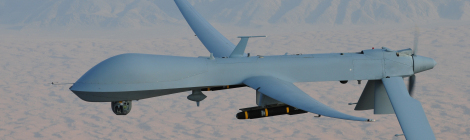
    ‘The presence of valuable natural resources in the Arctic region, or even the mere possibility of finding them, poses a subtly different challenge to international peace than usually supposed. For instead of fighting over resources, governments could instead feel threatened by the heightened foreign presence that the search, or exploitation, of these resources will bring to places that are important for other, quite independent, reasons. This is potentially a recipe for international mistrust that could conceivably spill over’.

    Image Source: psd

    Read more »

  • Sustainable Security

    US Drone Strikes in Pakistan: ineffective and illegitimate

    Strikes by unmanned combat air vehicles, or armed drones, have become the tactic of choice in US counterterrorism efforts in Yemen, Somalia and, the topic of current controversy, Pakistan. The lack of transparency, dubious effectiveness, civilian casualties and negative consequences for US national security being highlighted by current debate means that Washington needs to re-evaluate its approach.

    Read Article →