Blog

  • Sustainable Security

    This article was originally published on openSecurity’s monthly Sustainable Security column on 27th January, 2014.  Each month, a rotating network of experts from Oxford Research Group’s Sustainable Security programme and their partners explore on-going issues of global and regional insecurity. 

    Sustainable Security is a concept that has been around for almost a decade now. It was first conceptualised by my colleagues Chris Abbott and Paul Rogers, whose thoughts on the subject have appeared many times in these pages. In 2000, Paul summed up what looked to many commentators like a surprisingly quiet decade of US hegemony as characterised by an unsustainable ‘control paradigm’, in which the symptoms of global insecurity were suppressed with force while their root causes were ignored and left to fester. The 9/11 attacks and subsequent ‘war on terror’ served to confirm Paul’s hypothesis that military domination would not be sufficient to ‘keep a lid’ on security challenges, even in the world’s most powerful states.

    The Sustainable Security paradigm has been developed by the Oxford Research Group as an alternative lens through which to view global security, identifying the underlying drivers of conflict and insecurity rather than its symptoms, such as violence, organised crime or radicalisation. The point is to understand how unmet human needs and feelings of insecurity interrelate and lead to violence, then to work to prevent conflict by addressing its root causes. The aim of this new monthly column on openSecurity is to facilitate precisely this kind of understanding through contributions from the Sustainable Security Programme’s network of experts on non-traditional security issues.

    Taking a sustainable security approach requires some thought about the future of our planet as well as its current unsustainable state. Changes to climate, demography, economic production and consumption, political and national identity, access to information and military technology will all condition the future security of our world. What, then, does 2014 hold in the way of challenges and opportunities?

    2014: the end of the war on terror?

    British Soldier with 1 Welsh Guards returns from patrol in Zarghun Kalay, Afghanistan Source: Ministry of Defence (Flickr)

    By the end of 2014, the last NATO combat troops should have withdrawn from Afghanistan. Does this mean that the alliance’s war on terror will end where it began 13 years earlier? I doubt it. Billions of dollars and thousands of lives later, Afghanistan looks about as stable as Iraq. Pakistan, India, Iran and other powerful actors will continue to play their own cards at the Afghan table and it is barely conceivable that the US and its allies will not seek to use their own military influence and proxies to keep the Taliban down, however appalling the post-Karzai elections this April.

    As much as President Obama has sought to distance himself from the toxic Bush legacy of overt and unilateral interventionism, the nature of the ‘Obama doctrine’ is war on terror-lite. It is covert, stealthy, and still the wrong side of international law. Obama’s strategy relies on the use of ‘remote control’ warfare: special forces, private military contractors and, above all, armed drones, or unmanned combat air vehicles (UCAVs). Since 2009, US drone attacks have escalated dramatically and killed hundreds, including civilians, in Pakistan, Yemen, Somalia and Afghanistan, where the UK also increasingly uses UCAVs. Withdrawing combat units does not mean that NATO states will cease to pursue war by remote control in Afghanistan.

    Arguments that UCAV systems and operators are more offensive or inclined to kill civilians miss the larger legal point that the US is increasingly pursuing undeclared wars and targeted assassinations, whether it employs drones, special forces, mercenaries, manned gunships or cruise missiles. The backlash to such action is demonstrable through the further radicalisation of communities living in fear of constant surveillance and attack from the unseen. It is employing terror against terror.

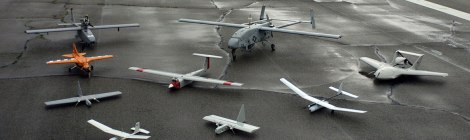
    2013 was something of a break-out year for UCAVs. Israel set many of the precedents that the US has followed in drone warfare as well as targeted killings. The technology is simple and easy to imitate. While the UK and France invest in US systems and test indigenous prototypes, China and Iran have flown their own first UCAVs. Russia and others are not far behind. Even very modest air forces like Nigeria’s have built their own rudimentary drones. Non-state constructors cannot be far behind. Drone proliferation may define this decade as wireless communications defined the last.

    Militarisation of the greater Middle East

    If 2013 was the year that the democratic hopes of the Arab Spring unravelled, 2014 may be the year that it turns to regional war. Libya appears to be at the vanguard, although there remains a chance that it could follow Yemen’s path of dialogue and isolate its increasingly prominent radical fringe. Egypt’s generals have learned nothing from Algeria’s tragic past and the leaden Mubarak years. Iraq’s Maliki regime still believes it has nothing to learn from Syria’s sectarian implosion, continuing to marginalise a Sunni minority.

    Neither the US, UK nor France is likely to want to overtly intervene in the inferno of Syria or the escalating crises of Iraq, Libya and Egypt; plenty of others will. Meanwhile, the Sahara is becoming steadily more militarised. France has just announced a major repositioning of its forces in Africa out of their urban and coastal bases and into the Sahel to hunt and destroy al-Qaida affiliates. Ever since 2009, US special forces, drone operators and private contractors have been quietly moving from Djibouti across the Sahel and Horn, increasingly sharing facilities with France.

    Transition tensions

    Away from the Middle East, 2014 could be a year of democratic consolidation among rising powers. No less than eight of the 15 largest emerging economies expect to hold elections this year and a couple more are already polarising around polls due in early 2015.
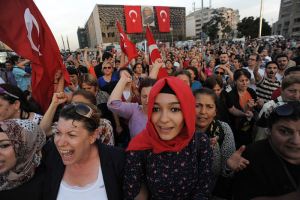
    Taksim Sqaure protestors, 16 June, 2013. Source: Wikimedia

    Taksim Sqaure protestors, Istanbul, Turkey, 16 June, 2013. Source: Wikimedia

    India, Brazil, Turkey, South Africa, Thailand and Egypt all plan to hold elections this year, in the wake of major protest movements in 2013. New parties from the margins are shaking up politics in India and South Africa, potentially increasing instability as the establishment fights back. Thailand is already politically paralysed as its metropolitan establishment lashes back at the populist aspirations of the rural majority. Turkey could see something similar if, as expected, conservative premier Erdogan seeks the presidency in August. Emerging giants Brazil and Indonesia will probably weather their elections better but nonetheless will be distracted.

    While 2014 may not be a peak year for economic growth or political stability among regional powers, overall the longer-term trend looks positive – marginalised groups, whether from the middle or working classes, asserting their rights and taking a stand against corruption and environmental degradation.  With notable exceptions in Egypt, Thailand and perhaps Turkey, there is a deepening of democratic culture, whether or not civil society is fully respected, in many major developing states and significant incidences of demilitarisation and respect for rights.  However, many of the biggest of them – Brazil, Mexico, Indonesia, Argentina to name just the democracies – are major oil, food and timber exporters with structural incentives to resist, for example, international efforts to restrict carbon emissions.

    Elections to the European Parliament in May and the US Congress in November may be less encouraging. The Tea Party trend and the rise of populist nationalism will continue squeezing progressive policy options on both sides of the North Atlantic.

    2014 as prelude to 2015

    Finally, 2014 is the year in which much of the work has to be done to prepare for the potentially landmark policy processes of 2015, each of which will have significant impact on future global security. For the UK, this includes the political parties setting their manifesto commitments ahead of the May 2015 general election and preparations for the ensuing review of National Security Strategy and Defence and Security Review. Three international processes also stand out.

    For arms reduction there is the quinquennial Nuclear Non-Proliferation Treaty Review Conference, due next May. Difficult debates are expected given the Obama administration’s focus on superiority in strategic conventional weapons.

    For climate change the UN Framework Convention on Climate Change is to set a new universal climate agreement to replace the 1997 Kyoto Protocol on carbon emissions after 2020. This will extend emissions targets from industrialised to developing countries but faces huge hurdles in overcoming resistance from energy lobbies and climate change sceptics in the most powerful states.

    To address development there is also the culmination of the Post-2015 Development Agenda process to supersede the Millennium Development Goals and forge a new agenda with the Sustainable Development Goals. This is a massive project and there remains much to be done to ensure that conflict-affected states are not left behind, as they have been by the MDGs, and that the new agenda tackles inequality as a crucial part of achieving sustainable human security and development.

    2014, then, is a time for looking backwards and forwards. While the dynamics of the war on terror are still very much in play, the withdrawal from Afghanistan and the re-escalation of violence in Iraq and Libya present an opportune context for sincere reflections on the disastrous consequences of war without borders. Such inquiry needs to look forward too, to the implications of the current administration’s ‘war-lite’ and the unstoppable proliferation of remote control technologies.

    This is also the year where we have the chance to get the agenda right for the big international policy decisions of 2015. Looming elections may make it a difficult year for politicians in the US, Europe and many emerging powers to show leadership on such controversial issues. Thus, 2014 will be an important year in deciding whether we continue to control the symptoms of global insecurity or whether we begin to address seriously the inequalities and injustices that underlie it.

    Richard Reeve  is the Director of Oxford Research Group’s Sustainable Security programme. He works across a wide range of defence and security issues and is responsible for the strategic direction of the programme. Richard has particular expertise in global security, Sub-Saharan Africa, peace and conflict analysis, and the security role of regional organisations.
  • Climate change

    The 2010 Joint Operating Environment report, recently released by the U.S. Joint Forces Command, rightly recognizes climate change as one of 10 trends “most likely to impact the Joint Force” writes Laura Conley.

    Read more »

  • Competition over resources

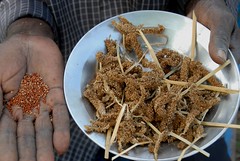
    The United Nations Development Programme (UNDP) defines food security as “all people at all times having both physical and economic access to the basic food they need”. However, due to a complex range of interconnected issues from climate change to misguided economic policies, political failure and social marginalisation, over 2 billion people across the world live in constant food Insecurity. It is important to take a sustainable security approach to look at the importance of “physical and economic access to basic food” by exploring the links between food insecurity and violence.
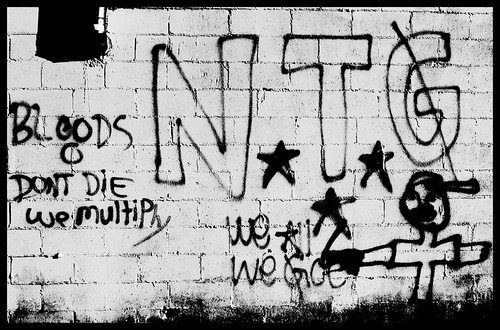
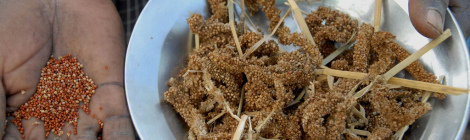
    Image source: Bioversity International

    Read more »

  • Marginalisation of the majority world

    ‘The sheer scale and chaotic construction of the favelas, which became home to hundreds of thousands of migrants, made them the ideal milieu for drug gangs to hide from the police and set up initially paternalistic, de-facto governments, albeit without any concrete political aims.’

    This report explores the human insecurity issues that stem from rapid urbanisation, poverty, cultures of violence and ineffective governance.

  • The Three Pillars of Sustainable National Security in a Transnational World

    In today’s transnational world, a sustainable national security policy cannot be achieved through national capabilities alone. Sustainable national security instead rests on three pillars: 1) a multi-sum security principle based on justice at all levels, multilateralism and multidimensionality (including human, environmental, national, transnational and transcultural/transcivilizational security); 2) symbiotic realism in international relations, whereby mutual cooperation among states results in non-conflictual absolute gains; and 3) transcivilizational synergy which results from mutual respect, multiculturalism, cosmopolitanism and cross-fertilization, and will lead to global justice, security and prosperity. This is essential reading for anyone interested in an innovative approach to the complex yet central subject of sustainable national security.

    Purchase book here. 

  • Sustainable Security

  • Sustainable Security

    Drone-tocracy? Mapping the proliferation of unmanned systems

    While the US and its allies have had a monopoly on drone technology until recently, the uptake of military and civilian drones by a much wider range of state and non-state actors shows that this playing field is quickly levelling. Current international agreements on arms control and use lack efficacy in responding to the legal, ethical, strategic and political problems with military drone proliferation. The huge expansion of this technology must push the international community to adopt strong norms on the use of drones on the battlefield.

    Read Article →

    VIDEO – Militarisation of the Sahel: An interview with Richard Reeve

    Sustainable Security programme Director Richard Reeve discusses our latest report ‘From New Frontier to New Normal: Counter-terrorism operations in the Sahel-Sahara’. The report, commissioned by the Remote Control project, finds that 2014 is a critical year for militarisation of the Sahel-Sahara and the entrenchment of foreign powers there.

    Read Article →

  • The Global Land Rush: Catalyst for Resource-Driven Conflict?

    On May 11, the UN approved new international rules to govern how land is acquired abroad. These Voluntary Guidelines (VGs), the outcome of several years of protracted negotiations, are a response to growing global concern that nations and private investors are seizing large swaths of overseas agricultural land owned or used by small farmers and local communities for food, medicinal, or livelihood purposes. FAO head Jose Graziano da Silva describes the VGs as “a starting point that will help improve the often dire situation of the hungry and poor.”
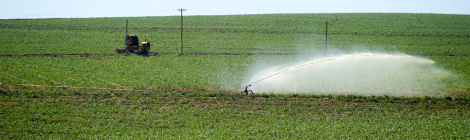


    It’s hard to quibble with the intent of the guidelines. They call for, among other things, protecting the land rights of local communities; promoting gender equality in land title acquisition; and offering legal assistance during land disputes.

    Unfortunately, however, any utility deriving from the VGs will be strictly normative. As their name states explicitly, they are purely optional. A toothless set of non-obligatory rules will prove no match for a strategy that is striking both for its scale and for the tremendous power of its executioners.

    Oxfam estimates that nearly 230 million hectares of land (an area equivalent to the size of Western Europe) have been sold or leased since 2001 (with most of these transactions occurring since 2008). According to GRAIN, a global land rights NGO, more than 2 million hectares were subjected to transactions during the first four months of 2012 alone. One of the largest proposed deals—an attempt by South Korea’s Daewoo corporation to acquire 1.3 million hectares of farmland in Madagascar—failed back in 2009. Still, even larger investments are being planned today, including a Brazilian effort to acquire a whopping 6 million hectares of land in Mozambique to produce corn and soy (Mozambique offered a concession last year).

    The Brazil-Mozambique deal illustrates another striking element of scale: transactions are not limited to wealthy, developed nations preying on the developing world. Developing nations in Africa, Latin America, and Africa are acquiring farmland as well, and developed countries like New Zealand are some of the targets. Nevertheless, capital-rich countries in East Asia and the Gulf (along with large western corporations and agribusiness firms) are indeed spearheading the majority of the investments, with most of the land located in impoverished African states.

    Who are these investors? They include the likes of China and Saudi Arabia, along with companies such as Goldman Sachs. According to the Oakland Institute, prestigious universities such as Harvard and Vanderbilt are joining the farmland craze as well. These wealthy nations and institutions are acquiring land in corruption-prone African countries—such as Sudan, Ethiopia, Kenya—and in areas populated by the rural destitute.

    Given the power imbalances at play—wealthy nations and institutions feasting on land in desperately poor and often undemocratic countries—it is folly to assume that land-seekers will suddenly embrace, en masse, a set of voluntary rules promoting sustainable and equitable investor practices. Land-lusting nations and investors are driven by immediate needs—promoting food security back home and making profits, respectively—and they have neither the incentive nor the obligation to slow down and adjust their investments in response to the wishes of distant international bureaucrats.

    What, then, can we expect from this race for the world’s farmland? Proponents of large-scale land acquisitions predict positive consequences in countries hosting investments: Better technologies for local farmers, job opportunities for rural laborers, and enhanced crop yields. Critics paint a drastically different picture. They warn that rural communities will be robbed of land that they have long owned or accessed, with devastating ramifications for food security and livelihoods.

    While some preliminary research supports the positive narrative (a German government study, for example, projects that a sugar production project in Mali will create 5,000 jobs), the bulk of available data (which includes analyses from the World Bank, International Land Coalition, and Oxfam) buttresses the negative narrative. In Sierra Leone and Mozambique, investors’ promises of jobs to smallholders have gone unfulfilled. And in Ethiopia, an Indian conglomerate is producing food for export on land previously used to cultivate an indigenous staple crop.

    Perhaps the most troubling implication of all, however, is the potential for conflict. While it is risky to attribute direct causation between natural resource inequity and conflict, there are clear links between resource security and national security. The case of India is illustrative, because, as I have written previously, many of its national security concerns are tied to natural resource issues. The nation’s Maoist insurgency—which Delhi often refers to as its “gravest internal security threat”—is based in Indian coal country, and is fueled in great part by the belief that Indian firms and the government exploit coal resources with little regard for the needs of locals. Tensions with Pakistan are tied to water, thanks to long-standing disagreements over riverwater allocations in Kashmir. And Delhi’s concerns about China’s activities in the Indian Ocean Region (IOR) are linked to energy, because China, like India, is scouring the IOR for the resource. Furthermore, India-China border tensions occur over the Himalayan Indian state of Arunachal Pradesh, an unusually water-rich area and hence strategic territory for both water-starved nations.

    So far, the only example of large-scale land acquisitions contributing to widespread instability is Madagascar, where the aforementioned 2009 Daewoo bid caused a local outcry, helping spark public protests that ultimately brought down the government that had agreed to the deal (the new government immediately annulled it). Still, several land accords have sparked localized conflict. Last year, a Ugandan mob, furious about an Indian firm’s decision to clear space in a rainforest for sugarcane production, killed an Indian man. The threat of future land-induced conflict is very real. Last year Kenyans told of being forcibly evicted from Tana Delta to allow investors to build a sugar plantation, and promised to fight back “with guns and sticks….It will be war.”

    Ominously, these land acquisitions often occur in nations already riven by conflict, and so the volatile mix of factors at play—land, food insecurity, and poverty—could well trigger more strife. Take Pakistan, for example, where the ability of the Taliban to take control of the Swat region several years ago was facilitated by its exploitation of land-based class divisions. With Islamabad having offered a 100,000-person-strong private security force to protect foreign land investor holdings, the possibility of violent land-based conflict in the deeply food-insecure nation is particularly acute (however, there is no evidence as of yet of major foreign land acquisitions in Pakistan). Consider Indonesia as well. Here, a Saudi firm has acquired more than a million hectares of land for food production on a Jakarta-controlled estate in Papua, a province embroiled in separatist insurgency. With non-Papuans expected to be imported in to provide labor for this project, the chance of ethnic-driven unrest is high.

    Don’t expect these risks and threats to disappear anytime soon, because there is little reason to expect the investments themselves to cease in the near-term. The factors that first sparked these land acquisitions during the global food crisis of 2007-08—population growth, high food prices, unpredictable commodities markets, water shortages, and above all a plummeting supply of arable land—remain firmly in place today.

    Still, while the troubling outcomes of these deals cannot be wished away, their harmful effects can be blunted. And this can best be done not by announcing nice-sounding yet non-binding international guidelines, but rather by establishing firm and clear national laws and policies in the countries hosting investments. National governments should establish robust land-use regulations that emphasize food security and resource equity; offer legal assistance to local farmers to ensure that their rights are safeguarded in the contracts governing land deals; and strengthen land registries so that land is better protected from foreign exploitation.

    Granted, given that many of the governments hosting these investments are not known for promoting the well-being of their masses, this all represents a tall order. Yet given the high stakes, it is also a necessary order. The world is already overburdened by food insecurity, unemployment, and conflict; let’s hope that appropriate measures are taken to ensure that large-scale land acquisitions don’t exacerbate these global scourges.


    Michael Kugelman is the South and Southeast Asia associate at the Woodrow Wilson International Center for Scholars in Washington DC, and lead editor of The Global Farms Race: Land Grabs, Agricultural Investment, and the Scramble for Food Security, to be published by Island Press this coming fall. He can be contacted at or on Twitter @michaelkugelman

    Image source: Planète à vendre

  • Global militarisation

    New Wikileaks releases today have shown the Arctic oil rush is not just a threat to the environment and our climate, but also to peace. The documents show how deadly serious the scramble for Arctic resources has become. And the terrible irony of it is that instead of seeing the melting of the Arctic ice cap as a spur to action on climate change, the leaders of the Arctic nations are instead investing in military hardware to fight for the oil beneath it. They’re preparing to fight to extract the very fossil fuels that caused the melting in the first place.

    Article source: Greenpeace UK

    Image source: U.S. Geological Survey

    Read more »

  • Sustainable Security

  • Boko Haram: Nigeria’s growing new headache

    The following article from the International Institute for Strategic Studies’ Strategic Comments focuses on the threat posed to Nigerian security by the Boko Haram Islamist group.  By placing Boko Haram in a religious context, both historical and geographical, the author examines its recent emergence as an ideological player in Nigerian society.  However, while articulating its vision through an Islamist framework, the group is largely focused on local issues of economic and religious marginalisation in the north, where 75% of the population live in poverty, compared with 27% in the south. The article also touches on conflict in the Niger Delta over control of resources, in a wider reference to the troubles facing the government in Abuja.


    Boko Haram: Nigeria’s growing new headache

    With a suicide car-bombing of the United Nations building in the Nigerian capital, Abuja, in August, and recent deadly attacks in the northeastern states of Yobe and Borno, Islamist group Boko Haram has announced its return to the stage, two years after it was supposed to have been defeated. The radical group, which used to confine itself to drive-by shootings, is more violent than ever, adding to the pressures on Nigeria’s security forces. Faced with the sect’s calls for an Islamic caliphate and increasingly sophisticated guerrilla tactics, Defence Minister Bello Halliru Mohammed recently compared Nigeria’s current position to ‘the United States … after 9/11’.

    In a series of high-profile attacks this year, Boko Haram has also burnt down a hotel in its headquarters city of Maiduguri, assassinated a candidate in the race to become governor of Borno, and bombed the national police headquarters in Abuja. More than 100 people died in the Yobe and Borno attacks earlier this month. Although the group draws its inspiration from a broader Islamist agenda, it is also motivated by local economic and religious grievances,

    Boko Haram’s activities are one of several factors behind Nigeria’s largest military deployment since the 1967–70 Civil War. Following repeated outbreaks of violence in the country’s north and centre troops have been stationed in about ten states, including Borno, Kaduna, Plateau and Bauchi. Meanwhile, the country’s immigration authorities, in conjunction with a military task force, have tightened control along the borders with Chad, Cameroon and Niger, because of suspicion that some Boko Haram members come from neighbouring countries, taking advantage of porous borders.

    Islamic extremism in Nigeria
    The small religious sect that formed in 2002 is officially called Jama’atu Ahlus-Sunnah Lidda’Awati Wal Jihad, or ‘People Committed to the Prophet’s Teachings for Propagation and Jihad’. However, it has become known by the name given to it by locals: Boko Haram, which in the Hausa language means ‘Western education is unlawful’. It is not northern Nigeria’s first extremist Islamic movement; these first appeared in the early nineteenth century when Islam in the area was dominated by the Sokoto caliphate (whose sultan currently remains the key spiritual leader for Nigerian Muslims). They spread across all northern states through the so-called Sokoto jihad. Under British rule the state’s authority was challenged by the Islamist, anti-colonial trans-Saharan Mahadist movement, which opposed foreign presence and the unification of the northern and southern protectorates.

    Since independence in 1960, power has shifted from the Muslim north to the Christian south. The Iranian revolution of 1979 resulted in growing demand for sharia law to be adopted across Nigeria. In addition, Saudi-sponsored missionaries from Saudi Arabia, Sudan, Syria, Libya, Pakistan and other countries began in the 1990s to promote Wahhabi doctrine and orthodoxy. This helped lead to the adoption of sharia law in 12 northern states between 1999 and 2001.

    In the 1980s Islamist militants belonging to the Maitastine movement became prominent in Kano and other northern states and were at the centre of violent disputes with government forces. Maitastine extremists, rejecting Muslims who had, in their eyes, gone astray, lived in secluded areas to avoid mixing with mainstream Muslims, and rejected material wealth on the grounds that it was associated with Western values. The government believed it had repressed the movement in the 1980s but it re-emerged in Kano and Jigawa in 2005, and is now present in almost all northern states.

    Common factors among militant groups have included vocal criticism of the country’s leadership as corrupt, unjust and unable to deal with social and economic problems; and rejection of Western values that, in their view, caused society and some clerics to abandon the tenets of Islam and to embrace secularism.One such group, the Muslim Brothers, attracted educated young people in the 1970s amidst economic and social crisis and high unemployment. An internal fracture between Sunnis and Shiites led the latter to establish the militant Islamic Movement of Nigeria (IMN), which did not recognise the Nigerian state and engaged in violent clashes with government forces until 1999. Later it renounced violence and became part of the national government.

    Over the past decade, new groups of militant Islamists have grounded their ideology more firmly in deteriorating socio-economic conditions, especially in the northern areas. Among this new wave was Muhajirun, whose upper and middle-class leaders from northeast Nigeria and recruited young unemployed to its cell-based network. In 2003 the group launched its first attack in Maiduguri, capital of Borno state, and soon began attacking government officials and police, often seizing weapons and ammunitions. It carried the Afghan flag and was later known as the ‘Nigerian Taliban’ even though it appeared to have no actual link with the Afghan Taliban.

    Boko Haram emerges
    Boko Haram developed out of Muhajirun. The introduction of sharia law in the north was not enough for its members, who wanted the adoption of Islamic rule across the country. Statements issued by the group also indicated an attempt to align the Nigerian struggle to jihad in Palestine, Afghanistan and Iraq.

    Nigeria lies on the so-called ‘tenth parallel’ and its persistent divide between Christian south and Muslim north has also been blamed for Boko Haram’s rise. The pastoral nomadic north has traditionally lagged behind the farming south in terms of economic development. In the Middle Belt of the country, where these two different ways of life meet, competition over land usage, exacerbated by religious, ethnic and political divisions, has resulted in intense violence with central states suffering over 10,000 deaths in the last ten years. Plateau state and its capital Jos witnessed some of the deadliest outbreaks in 2010. This stark polarisation – 75% of northerners live in poverty compared with 27% of those in the south – is a factor behind local insurrections such as that of Boko Haram. According to former federal minister Nasir Ahmad El-Rufai, ‘most of the apparent ethnic and religious crises in the north, and the youth violence and criminality in the south, can be linked to increasing economic inequality.’

    From the outset the group was led by Mohammmed Yusuf, who had previously been associated with the IMN and had been part of the committee implementing sharia law in Borno state. Yusuf’s third arrest for incitement to violence and support of terrorism in 2009 led to days of violence between his followers and the police, and resulted in his death under unclear circumstances while in police custody. His deputy, Abubakar bin Muhammad Shekau (also known as Abu Muhammad) is now believed to be the group’s leader.

    The group has mainly engaged in small-scale attacks against government and security targets, but first made international headlines in July 2009 when five days of intense attacks against ‘Westernised’ clerics and elites left more than 700 people dead in Maiduguri and forced 5,000 to flee. The extent of the violence showed that Boko Haram was capable of mobilising thousands of people and was better trained and armed than government forces had thought. Boko Haram also appeared to be strengthened – and sought to adopt the new name – following a prison break in 2010 in which 700 convicts escaped.

    Boko Haram draws its membership from unemployed and marginalised youth. There have been rumours of splits within the movement since 2009, but in 2011 internal differences became more evident as some elements including the Yusufiyya Islamic Movement (YIM) condemned the targeting of civilians and distanced themselves from attacks against places of worship.

    Escalation of the group’s attacks was seen on 24 December 2010, Christmas Eve, when two churches were attacked in Maiduguri, and in the series of incidents in 2011. These indicate that the group has become more sophisticated, that its confidence is growing and that it is no longer simply a local problem but a threat to national security.

    Official reaction
    The government has reacted by deploying troops to the region from 2004 onwards. In recent weeks, house-to-house armed searches by the Joint Task Force (JTF) in Maiduguri have prompted Boko Haram to relocate its base to Damaturu, capital of Yobo state, to which, in turn, additional forces have been deployed to strengthen an already substantial military presence. The federal government has approved the establishment of permanent operational bases for JTFs in the states of Bauchi, Yobe, Borno, Gombe, Taraba and Adamawa. While the overall size of the military contingent is unclear, local reports indicate that troops returning from peacekeeping operations in Kaduna (north-central Nigeria) and elements of the Army’s 1st Division, also deployed in Kaduna, have been put on stand-by to join the JTFs. In addition, some of the 2,400 troops engaged in Darfur, Sudan, under the United Nations, due to return to Nigeria in mid-late November, will be assigned to operations in the northeast.

    The Nigerian Army has a long-standing relation with its American counterparts which includes the provision of training. There has been speculation that some 300 Nigerian soldiers were sent to the United States to receive counter-insurgency, counter-terrorism and bomb-disposal training specifically aimed at fighting Boko Haram. However, Nigerian Army sources were reported as denying this. US officials would not comment on whether such activities were linked to Boko Haram.

    Use of the military can be problematic. Former American Ambassador to Nigeria John Campbell recently noted that the military and the police in Nigeria are national forces, not local. This means that troops operating in the north are unlikely to share ethnic and cultural background with the local population. Human-rights abuses have been reported following army deployments in the north and some Boko Haram attacks have been carried out in response to the actions of government forces.

    A further problem is that rampant corruption weakens the judicial system. Early arrests showed that some Boko Haram militants were the children of the affluent upper class. In subsequent investigations, tardiness, absence of transparency and lack of convictions suggested a willingness to protect some of those detained.

    A 2008 diplomatic cable from the American embassyin Abuja, published by the Wikileaks website, highlighted another problem: it was common practice for Islamist terrorist suspects to be released from jail and handed over to imams for re-education.  According to the cable, the imams ‘contended that the so-called de-radicalization efforts of the State Security Service were not only ill-conceived, but also ineffective, counter-productive, and unimpressive.’

    The increased sophistication of Boko Haram’s attacks may be partly explained by growing foreign support. There has been speculation – though without hard evidence – about interaction with al-Shabaab, the al-Qaeda affiliate in Somalia, including possible training of Nigerians. In August 2011 General Carter Ham, Commander of the US Africa Command (AFRICOM), said it was likely that Boko Haram had established contacts with al-Qaeda in the Islamic Maghreb (AQIM) and with al-Shabaab. He described this as, if confirmed, ‘the most dangerous thing to happen not only to the Africans, but to us as well’.In November, Algerian Deputy Foreign Minister Abdelkader Messahel said he had ‘no doubts that coordination exists between Boko Haram and al-Qaeda’, citing intelligence reports and common operating methods.

    Intersection with other groups
    Boko Haram is just one of the many security challenges confronting President Goodluck Jonathan’s administration. For the past 15 years Nigerian forces have been combating ethno-nationalist rebels, as well as militia groups which oppose foreign exploitation of resources in the oil-rich Niger Delta. The most prominent of these are the Movement for the Emancipation of the Niger Delta (MEND), the Niger Delta People’s Volunteer Force (NDPVF) and the Niger Delta Vigilantes (NDV).

    Such groups do not view Boko Haram favourably, since it has stolen the limelight and attracted government attention and resources. MEND and other Delta groups, which had gone relatively quiet since a 2009 amnesty, are determined to shift back the official focus and have threatened to resume attacks against oil installations. The Niger Delta groups tend to dismiss Boko Haram as irrelevant to Nigeria’s future, and to condemn its tactics. They have declared themselves ready to employ their most violent armed wings, such as NDV’s ‘Icelanders’, if Boko Haram were to shift its operations further south. They would see such a move as an attempt to negotiate a lucrative deal with the government similar to that which the Delta regions rebels have enjoyed as a result of the amnesty.

    Serious threat
    Boko Haram is now believed to consist of 300 fighters with a wide network of supporters numbering in the thousands. It receives some foreign financial support and, following the attacks it launched over the past 12 months, has made itself known outside Nigeria. However, it would be premature to label Boko Haram as another branch of the al-Qaeda franchise alongside organisations such as AQIM and al-Qaeda in the Arabian Peninsula. The group certainly draws part of its inspiration from the wider Islamist agenda but even the attack against the UN building in Abuja appears to have been motivated by domestic grievances – the UN is seen as aligned with the Nigerian government. There is nothing to indicate that Boko Haram will not remain a domestic, inward-looking movement.

    However, the group does represent a serious threat. In an already highly polarised country of 150 million people and nearly 350 ethnic groups speaking 250 languages, where about 50% of the population is Muslim and 40% Christian, and where nearly three-quarters of the people live on less than $1.25 a day, the potential for inter-ethnic and religious violence remains high. Poverty and unemployment in the north, coupled with population increase and government’s inability to deal effectively with non-state groups, can turn northern states into an ideal recruitment ground for extremists and a springboard from which they could expand into the rest of the country. The Abuja attacks suggest that this is already occurring.

    Article Source: International Institute for Strategic Studies

    Image Source: pjotter05

  • Sustainable Security

  • Sustainable Security

  • Sustainable Security

    The Ukraine conflict’s legacy of environmental damage and pollutants

    One year after violent conflict began, information is now emerging on the specific environmental impact of war in Ukraine’s highly industrialised Donbas region. Although obtaining accurate data is difficult, indications are that the conflict has resulted in a number of civilian health risks, and potentially long-term damage to its environment. In order to mitigate these long-term risks, international and domestic agencies will have to find ways to coordinate their efforts on documenting, assessing and addressing the damage.

    Read Article →

    DU-turn? The changing political environment around toxic munitions

    Is the US backpedalling on its use of depleted uranium (DU) rounds? There are indications that the use of these highly toxic munitions could increasingly be a political liability for the US, with countries affected by DU, like Iraq, other UN Member States, and populations in contaminated areas all expressing concerns over its use and impact. But stigmatisation, although important, is not enough on its own – in order to make sustained progress on accountability and in reducing civilian harm, a broader framework that addresses all toxic remnants of war is needed.

    Read Article →

    Breaking the silence: Protecting civilians from toxic remnants of war

    Toxic remnants of war and their legacy of civilian harm is seriously under-explored as an area of conflict. There is a growing consensus that the current legal framework governing conflict and the environment is not fit for purpose – so how could new international norms that merge environmental protection with civilian protection come into effect?

    Read Article →

  • Global militarisation

    The recently held  Indian Defexpo 2010 (described as “Asia’s biggest arms bazaar”) illustrates the increasing levels of militarisation both in India but also globally writes Nitasha Kaul.


    Read more »

  • Sustainable Security

    The United States, Niger & Jamaica: Food (In)Security & Violence in a Globalised World

    due to a complex range of interconnected issues from climate change to misguided economic policies, political failure and social marginalisation, over 2 billion people across the world live in constant food insecurity. Anna Alissa hitzemann takes a sustainable security approach to look at the importance of “physical and economic access to basic food” by exploring the links between food insecurity and violence.

    Read Article →

    The Global Land Rush: Catalyst for Resource-Driven Conflict?

    Michael Kugelman of the Woodrow Wilson International Center, argues that the factors that first sparked many of the land acquisitions during the global food crisis of 2007-08 — population growth, high food prices, unpredictable commodities markets, water shortages, and above all a plummeting supply of arable land — remain firmly in place today. He writes that land-lusting nations and investors are driven by immediate needs, and they have neither the incentive nor the obligation to slow down and adjust their investments in response to the wishes of distant international bureaucrats. This, he argues, has serious consequences for global security.

    Read Article →

  • Competition over resources

    To browse a list of all of the articles EXCLUSIVELY written for sustainablesecurity.org – follow this link

    Read more »

  • Sustainable Security

    This article was originally published on openSecurity’s monthly Sustainable Security column on 7 August 2014. Every month, a rotating network of experts from Oxford Research Group’s Sustainable Security programme explore pertinent issues of global and regional insecurity.

    RC_long_logo_small_4webThis article is part of the Remote Control Warfare series, a collaboration with Remote Control, a project of the Network for Social Change hosted by Oxford Research Group.

    Obama USAfrica Summit

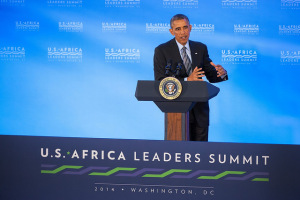
    President Obama Holds a News Conference at Conclusion of U.S.-Africa Leaders Summit. Source: US State Department (Flickr)

    This week, Africa’s leaders have congregated in Washington, D.C. for the first US-Africa Leaders Summit, with talks on trade, investment and security aimed at establishing stronger ties between the US and countries across the continent. President Obama has been widely criticised for the late timing of this summit, 14 years after China started holding its regular Africa summits, and his failure to prioritise the continent earlier in his presidency. In the eyes of many commentators, this is Obama’s attempt to etch out a legacy in Africa.

    But, as African leaders sit down to discuss peace and stability, the Obama administration need not fear a lack of a legacy. Indeed, as a recent report from Oxford Research Group and the Remote Control project shows, for all the talk of the US lacking engagement with Africa, military forces under the new US Africa Command (AFRICOM, a legacy of the late Bush administration) have been pursuing a quiet but sustained “pivot to Africa” under the Obama administration. In the wake of recurrent security crises in the region this decade, the remote Sahel-Sahara region of northwest Africa has become the laboratory for experiments that will define counter-terrorism operations in the 21st century.

    The global ‘war on terror’ has come to the Sahel, but not with the lengthy, embedded military campaigns we have seen in Iraq and Afghanistan. Instead, AFRICOM and its allies are testing an open-ended, “light-touch” approach, with few boots-on-the-ground and a reliance on special forces, drones and private military companies.  This emphasis on covert and deniable operations makes it inherently difficult to gauge the full extent of the war in the Sahel-Sahara. It also raises many questions about its effectiveness in countering violent extremism and what the long-term impact will be on regional stability.

    The Quiet Pivot to Africa

    SusSec_cover-image_2_darker

    A U.S. Navy SEAL advisor watches a Malian special operations vehicle unit run through immediate action drills for counter-terrorism missions during training, February 26, 2010 near Gao, Mali. Source: Max R. Blumenfeld, Joint Special Operations Task Force Trans-Sahara, via AFRICOM.

    The evolving importance of the Sahel-Sahara in the counter-terrorism strategies of the US, France and other western states cannot be understated. Following the 2011 Arab uprisings, NATO-assisted overthrow of Libya’s Gaddafi regime and 2012-13 Mali crisis, the Sahel-Sahara has become the “new frontier” in global counter-terrorism operations. With three main active jihadist groups – Al-Qaida in the Islamic Maghreb (AQIM), Boko Haram and Ansar al-Shari’a – it has risen high in US priorities.

    September 11 is the key date for US engagement in the Sahel-Sahara, but 2012 not 2001. This was the date that jihadist militants stormed US diplomatic compounds in Benghazi, Libya, killing the US Ambassador and three other citizens. The result of Benghazi has been a battle over blame in the US Congress and a profound rethinking of crisis response capabilities in remoter, high threat parts of the world. Called the “New Normal”, the new US concept calls for heavily armed air-mobile Marines to be able to deploy anywhere within hours to respond to threats to US citizens and interests.

    US Marines already operate out of bases in Spain, Italy and Djibouti but, since Africa is a vast continent with scores of “high risk” US facilities, more bases will be needed to support the “New Normal”. Recent visits by Marines in their MV-22 Osprey vertical landing aircraft to Senegal and Ghana were part of this base-scouting process.

    The US is also likely to seek more facilities to operate its intelligence, surveillance and reconnaissance (ISR) drones in the Sahel-Sahara, both to track terrorists and to support the “New Normal”. Its one drone base in Niamey, Niger can cover most of West Africa – and North Africa is covered by drones operating from Sicily – but there are gaps, notably around Senegal and Chad. Responding to the humanitarian outcry over Boko Haram’s kidnapping of schoolgirls from Chibok, Nigeria, has already seen US drones deployed from Chad. A web of drone bases in and off the Horn of Africa already surrounds Somalia.

    Covert Operations

    These are the kind of current and future operations that we can broadly expect to know about because their bases and impacts are highly visible. The “New Normal” has already been tested in embassy evacuations in South Sudan (December 2013) and Libya (late July). But there is much more happening beneath the radar. Covert operations using Special Operations Forces appear to be an increasing feature of the US approach in the Sahel-Sahara. Several hundred are believed to be present in the region on undisclosed “contingency operations”.

    Increased ISR capabilities have also depended on use of private military and security contractors (PMSCs), who have run key elements of AFRICOM’s covert counter-terrorism operations in the region. Using unmarked, civilian-registered aircraft, they provide ISR operations, transport special operations forces, and provide medical evacuation and search and rescue capacities.

    Partnerships and Alliances

    Finally, US influence on counter-terrorism in the region extends to training regional security forces under AFRICOM’s Trans-Sahara Counterterrorism Partnership (TSCTP) and is likely to be expanded significantly under the Counterterrorism Partnerships Fund, announced by Obama in May, and as more Special Operations Forces are released from duty in Afghanistan. The EU, Canada and a number of more controversial US allies like Israel, Colombia and Morocco are also increasingly involved in counter-terrorism training programmes in the Sahel.

    But it is France – the old colonial power, Saharan gendarme or legionnaire – that has most at stake in the Sahel-Sahara and on which the US so-far depends. Last week, France formally redeployed its military forces under Opération Barkhane, which sees French land, air and special forces establish an indefinite regional presence at eight bases and several other forward operating locations across five or more Sahel states. US forces and aircraft have a presence at least three of these bases (Niamey, N’Djamena and Ouagadougou) and probably use several others for “contingencies”.

    Barkhane and the recently renewed mandate of the UN Multidimensional Stabilization Mission in Mali (MINUSMA) entrench the presence of over 9,000 external security forces in the Sahel-Sahara with mission and mandate to combat terrorist groups. Remarkably, Dutch special forces and intelligence agents are embedded in MINUSMA with responsibility to track jihadist groups. UN-mandated French forces have carte blanche to seek and destroy whomever they decide is a threat to security in Mali. Not surprisingly, AQIM and its allies rarely distinguish in their targets between France and the UN.

    Repercussions

    Just as there is little mention of this rapidly expanding presence, so too is there little discussion of the effectiveness this new approach to counterterrorism and the impact it will have on stability, governance, and accountability in a fragile region.

    The 2013 French and African intervention in Mali stopped the southwards advance of jihadist groups and returned control of much of the north to the Malian government. However, this displaced AQIM and its allies into Libya, Niger and possibly Nigeria, threatening wider regional stability. Moreover, the intervention has done little to address the political and social nature of Mali’s northern rebellion and French and African forces have limited ability to protect civilians against a terrorist rather than insurgent threat. The heightened visibility of US and French forces in the Sahel-Sahara and the strengthening of Islamist militia during the Libyan civil war have significantly increased the profile and activity of jihadist groups. As the foreign militarisation of the region continues, the motivation for retaliatory attacks is likely to increase.

    While AFRICOM and Washington have established a regular military presence in all regional countries through its TSCTP, there is little recognition of the often toxic nature of these partnerships. The US has made sure this week not to be seen to engage with selected authoritarian African regimes, withholding invitations to Sudan’s ICC indicted Omar el Bashir, Zimbabwe’s Robert Mugabe and Eritrea’s Somalia-meddling Isaias Afewerki. Yet, in a nod to similarly uncritical alliances of the Cold War era, its expanding military engagement across Africa has depended on relationships with similarly dubious governments. Djibouti, Uganda and Ethiopia, the increasingly undemocratic pillars of US campaigns against Somalia’s al-Qaida franchise, are the most blatant examples.

    In the Sahel-Sahara, the US and, to a larger extent, France, rely hugely on Chad’s authoritarian government for basing and combat support. Military-based governments in Algeria and Mauritania have also been able to normalise their international relations, including arms imports, as crucial partners in Saharan counter-terrorism operations. To be fair, the US is choosier than France where it locates its overt bases – Niger and, potentially, Senegal and Ghana are among the best ruled West African states – but its covert operations and military-to-military partnerships span every country in the region.

    Perceived international protection may discourage some regional governments from seeking internal political settlements. The elected Malian government seems to have interpreted its post-2013 French and UN guarantees of security enforcement as reason not to pursue a peace process with northern separatists. Similarly, Côte d’Ivoire’s President Alassane Ouattara has shown no urgency in seeking reconciliation with supporters of the former regime since French and UN troops helped him to power in 2011. Governance, human rights and non-military solutions to existing conflict are thus considerably undermined by the securitisation of policy in the Sahel-Sahara.

    A lasting legacy

    With all of this in mind, US outreach efforts at this week’s Summit seem readily undermined by the lack of ability to monitor – and thus hold accountable – its military expansion across Africa. While President Obama has stated that partnership with Africa must be ‘grounded in mutual responsibility and mutual respect’, his willingness to leave a legacy of low accountability and low-key military support for undemocratic regimes suggests that this responsibility and respect is not intended for the people of Africa.

    Outside of the limits of this week’s Summit, the trend towards covert or “plausibly deniable” counter-terrorism – PMSCs, drones, rapid reaction special forces – and barely restrained mandates to wage war is indicative of the real and increasing power over Africa policy exercised by Defense departments in both Washington and Paris. In turn, securitisation of approaches to the region will undermine non-military approaches to insecurity and conflict resolution, moving regional autocrats further from domestic accountability and buoying the extremist ideology it seeks to discredit. For all the west may seek to tread lightly, there is a large footprint in the sands of the Sahara – one which will not be erased any time soon.

    Richard Reeve and Zoë Pelter are authors of From New Frontier to New Normal: Counter-terrorism in the Sahel-Sahara, released on 5 August.

    Zoë Pelter is the Research Officer of the Sustainable Security Programme at Oxford Research Group. Previously, she worked with the International Security Research Department at Chatham House and the Associate Parliamentary Group for Sudan and South Sudan in the UK Parliament.

    Richard Reeve is Director of the Sustainable Security Programme at Oxford Research Group. He has worked as an analyst of conflict and security issues in Africa since 2000, including for Jane’s Information Group, Chatham House, King’s College London and as Head of Research at International Alert. He has worked on conflict prevention, warning and management systems with ECOWAS, the African Union, the Arab League and many local organisations.

  • Sustainable Security

    Donald Trump’s victory in the US presidential elections has raised serious questions about whether the Joint Comprehensive Plan of Action, a landmark nuclear accord signed in July 2015, has a future.

    The election of Donald Trump as US President potentially means very uncertain times for the future of US-Iranian relations. For example, during his presidential campaign trail, Trump declared—“My number one priority is to dismantle the disastrous deal with Iran”. If the Trump administration acts on his campaign rhetoric, there is a distinct possibility that it will be overwhelmed by multiple contradictions and problems.

    The Iran Nuclear Deal

    The deal, formally known as the Joint Comprehensive Plan of Action (JCPOA), stripped Iran of the ability to develop a nuclear weapon system into the next decade in exchange for the gradual lifting of crippling sanctions.  The deal holds Iran to agree to cap enrichment levels of uranium at 3.67 percent for the next fifteen years, which will cut the Iranian enrichment capacity by two-thirds. Under the agreement, Iran ended up shipping the lion’s share of its 20 percent enriched uranium abroad. The deal also provided for more intrusive monitoring by the International Atomic Energy Agency (IAEA), the UN’s nuclear watchdog, and for the heavy water reactor at Arak to not produce weapons grade plutonium. On November 20th 2016, as a gesture of good will, Iran shipped its remaining heavy water abroad as well. Thus, the breakout capability of Iran to potentially make a nuclear bomb was noticeably extended from two-months to a year, giving further assurance to the international community that the Islamic Republic will not be closer to making a bomb any time soon.

    In exchange, Iran would be relieved from the nuclear-related sanctions, and if it violates the agreement, the sanctions will be re-imposed through a snap-back mechanism built in to the agreement.  Since the signing of the agreement, all the reports by the monitoring agencies, including the IAEA, indicate that Iran has abided by its end of the bargain. Seen in this context, it is easy to understand the expression of concern and apprehension surrounding Trump’s ascent to power among many members of Iran’s ruling elite.

    What President Trump could mean for US-Iran relations

    Two very different futures in US-Iran relations may lie ahead.

    • Withdrawal
    trump

    Image by Matt Johnson/Flickr.

    First, the Trump administration may decide to withdraw from the nuclear deal, impose further sanctions on, and try to isolate Iran.  Trump may seek better ties with Russia and tolerate the Assad regime in Syria in an attempt to defeat and dismantle the Islamic State in Iraq and Syria (ISIS). Trump has declared the defeat of ISIS to be his number one priority in the Middle East and seeks to partner with the anti-ISIS coalition. Yet Iran has been actively involved in the war against ISIS in Syria in alliance with Russia.. It thus remains to be seen how the Trump administration could resolve this contradiction if it tries to defeat ISIS whilst simultaneously escalating tensions with Iran.

    Since the Republicans currently control both houses of Congress and many of their members were opposed to the deal when it was signed, bolstered by their electoral victory, they may introduce new bills demanding the renegotiation of the agreement, or prevent sanctions relief, and propose the imposition of new US unilateral sanctions on Iran. In November 2017, the US Senate passed a bill with a vote of 99 to 0 to extend the Iran sanctions for another decade, and the Obama administration—which previously had threatened to veto such a bill— has stated that the president is not likely to veto it. In addition, the Trump foreign policy team has stated that they plan to impose new sets of sanctions on Iran for its missile defense system. These new political developments are certain to evoke a reaction from Tehran in kind. If such an escalation of the anti-Iran campaign in Washington continues, despite the Islamic Republic fulfilling its obligations under the nuclear deal, absent new diplomatic breakthroughs between Tehran and Washington, in all likelihood, the deal as we know it now would be dead and Washington’s tensions with Tehran would grow. If this outcome materializes, it would undermine the Rouhani administration and the moderates and would strengthen the position of hardliners in Iran’s factional politics.

    President-elect Trump, who identified the nuclear pact as “disastrous” and “the worst deal ever” and labeled the Islamic Republic as “the foremost terrorist state” is less likely to oppose further congressional sanctions on Iran. Hence, while the newly appointed Secretary of Defense, General James Matthis, has stated that he would not be inclined to scrap the nuclear deal, he has also stated publically that it is not ISIS but Iran that is the single most critical security threat to the United States. dditionally, the powerful pro-Israeli lobby group, the American Israel Public Affairs Committee, the neo-conservatives and influential foreign policy voices on the right—like the National Security Adviser, General Michael Flynn, John Bolton, James Woolsey, and Newt Gingrich— have been pushing hard for further containment of and confrontation with Iran.

    From the Netanyahu administration’s standpoint, discarding the nuclear deal would have a dual impact. On the one hand, such an initiative would prevent the Islamic Republic from reaping the benefit of sanctions relief, thus allowing it to expand its economic and political influence in the region- an undesirable outcome for the Israeli leadership.–On the other hand, unilaterally tearing up the deal would remove all the inhibitions on the part of Iranian leaders to develop a nuclear arsenal, another undesirable outcome for Israel. To prevent this from happening, US/Israeli cyberattacks on Iran’s nuclear program, using sophisticated worms such as Stuxnet, or even military strikes, could be ordered in future.

    The Israeli leadership would therefore most likely favor an option in which the current nuclear agreement would stand, but with a new interpretation which would prevent Iran from receiving the full economic and political benefit of sanctions relief. In other words, the nuclear agreement should not lead to normalization of relations with Tehran and the policy of containment of the Islamic Republic with the ultimate goal of regime change should persist. It is also important to note that, since Trump’s cabinet is so far is dominated by hard-liners, they are likely to be in favor of accelerating pressure on Tehran and ensuring that it does not reap the benefit of sanctions relief and expand its regional power.

    • Limited Rapprochement

    The second option offers a different outlook, one that serves both countries’ national interests, whereby the Trump administration could consider seeking a limited rapprochement with Iran, holding out the prospect of future diplomatic—if not commercial—ties between the two countries.  This option uses the nuclear deal as a way to ease tensions between Tehran and Washington on other longstanding problems. This approach will also render Iran more responsive to cooperation on specific issues of regional conflict such as the fight against ISIS and the Taliban while at the same time making progress toward possible venues for cooperation, such as shaping the future of Syria, Iraq, Yemen, and Afghanistan.

    The advantages of this approach will outweigh its costs, as Tehran and Washington are likely to find several overlaps in pursuit of their foreign policy interests. Moreover, this approach would allow Washington to build up a new momentum to accommodate Tehran’s emerging economic interests while also using its leverage over the country’s regional role to mitigate the negative impact of instability in the Middle East. The challenge is to recognize that building trust and sustainable cooperation between Tehran and Washington is the key first step to reversing the troubled and tumultuous status quo of tensions and enmity between the two nations.

    While Trump may not seek a new sanctions regime against Iran so long as the latter abides by its obligations, the influence of neo-conservatives in his administration probably means that the removal of first-order sanctions, imposed by the US, is unlikely to happen any time soon.

    Tehran’s Reaction

    Iran’s President Hassan Rouhani has noted that the election of Donald Trump as the US president will have no effect on Iran’s foreign policy conduct. Rouhani has also stated that the nuclear deal is independent of the new US administrations’ decision and cannot be rescinded by the government’s change in Washington. “Iran’s sagacity,” Rouhani has asserted, “was in having the nuclear deal endorsed as a resolution by the UN Security Council and not just an agreement with a single country or administration, so it cannot be changed by decisions of one government,”.  A recent US Senate vote to extend the sanctions on Iran for ten more years is likely to undermine Rouhani’s position, who sees that his chances of getting re-elected in May 2017 are quickly vanishing under the threat of further sanctions by the United States.  Sensing that, given these sanctions, he cannot ultimately make good on his promise of an economic renaissance after the nuclear deal, Rouhani was emphatic: “If the Iran Sanction Act is carried out, it will be a clear and obvious violation of the [nuclear] agreement and will be met with a very harsh response from us.”  The Obama administration has said that the new round of sanctions did not violate the nuclear agreement.

    The United States, one observer notes, cannot unilaterally unravel or amend the agreement without violating international law. Any attempt to directly undermine the deal or even renegotiate it will isolate the United States- not Iran.  Beyond Iran, pulling out of the deal would also risk intensifying tensions in the region, most notably in Syria, Yemen, Iraq, and Afghanistan, countries in which Iran has played a significant role. This choice is equally fraught with difficulties in part because several key nations have signed off on this agreement. Thus, unilaterally negating or sabotaging the nuclear agreement is likely to have serious international implications beyond the region. The United States is likely to emerge out of step with the UN resolution and all the signatories to this agreement.

    Furthermore, such a policy is imbued with so many deep uncertainties that it may backfire.  The real question is, then, what exactly can the United States do if Iran continues to abide by its obligations under the nuclear deal and continue its rapprochement with the European Union by simply deepening their commercial and trade ties with those countries?  Cognizant of the unpredictability surrounding the future of US policy toward Iran, the Islamic Republic has kept the option of walking away from the deal open, while not abandoning its “Eastern Strategy” that is predicated on maintaining its extensive bilateral ties with Beijing and Moscow. The Islamic Republic is likely to continue to maintain these ties as an insurance policy against the possible continuation or escalation of Washington’s policy of containment and confrontation. Along the same lines, should Trump adopt hostile policies toward Iran, this will likely empower the Islamic Republic’s hardliners, creating more political pressure on the moderates there, thus complicating their chances of winning the 2017 presidential elections. Should this scenario materialize, Tehran is likely to assume a more aggressive regional policy posture in response to Washington’s belligerence.

     The Future: which option will Trump take?

    In an interview with CNN in September of 2015, Trump the businessman revealed his concern about America being shot out of the Iranian market, while the Chinese, the Russians and the Europeans have expanded their trade and commercial ties with Iran since the signing of the agreement in July of 2015. Trump should know that the US cannot hope to emerge as a major economic partner for Iran by imposing a new set of sanctions or ratcheting up political pressure on Tehran. It may turn out that Trump, like his Republican predecessors, would conclude that US bilateral trade, military and political ties with its Arab Gulf Cooperation Council (GCC) allies are much more significant than Iran.

    It is also likely that Trump, the candidate of the Republican Party, who had to appeal to that conservative constituency, would turn out to be different from the Trump the president. He may find it necessary to move ideologically to the center and heed the centrist logic of power politics. His past record as a businessman, who regularly funded the political campaigns of both Democrat and Republican politicians, and repeatedly changed his position on political issues during the presidential campaign, may predispose him toward adopting an erratic as well as a pragmatic course with no clear political vision. This may lead to a foreign policy style that would be more transactional rather than ideological.

    However, having won the presidency as a Republican candidate, he could be captured by the very party establishment that he derided during his campaign.  So far his campaign promise of “draining the swamp” has turned out, in practice, to involve filling his administration with hawks from the Republican Party, Washington insiders and the Wall Street establishment. Therefore, it is possible that he will decide to outsource his Iran policy to a cabinet dominated by conservative hardliners. In that case, the anti-Iran agenda discussed above would become ascendant. In the past, many Republican politicians have stated that the complete political capitulation of Tehran is the only acceptable outcome that they would support. However, if he chooses to play an active role in formulating his administration’s Iran policy, then Trump the pragmatist may have the sway.

    While the early signs are not promising, it is simply too early to know which option the Trump administration will choose and what the details of his future policies might be, but there is no reason to believe that things will improve beyond present conditions, and more than likely, there is reason to believe that Trump may be a far better ally to Israeli Prime Minister Netanyahu and the Saudi Royal family than was the Obama administration, a realistic possibility for which Tehran has surely a contingency. How these emerging realities will play out in coming months and years remains to be seen. The choice for the Trump administration—engaging or isolating Iran—couldn’t be more stark and profound.

    Mahmood Monshipouri, PhD, teaches Middle Eastern Politics at San Francisco State University and the University of California at Berkeley.  He is the editor, most recently, of Inside the Islamic Republic: Social Change in the Post-Khomeini Iran.

    Manochehr Dorraj, PhD, is professor of International Affairs and Middle Eastern Studies at Texas Christian University (TCU).  He is the author of From Zarathustra to Khomeini: Populism and Dissent in Iran and coeditor of Iran Today: An Encyclopedia of Life in the Islamic Republic.

  • Sustainable Security

    Author’s Note: This contribution is a shorter version of the article “Resilience and environmental security: towards joint application in peacebuilding” by Schilling et al. 2017

    Resilience is a widely used concept among development, environmental, security and peacebuilding organisations. However, it has rarely been applied together with the concept of environmental security, despite the obvious ways in which the concepts complement each other. These concepts can be jointly applied in the peacebuilding sector. Environmental security sharpens the scope of resilience, while resilience allows for taking issues into account that a traditional environmental security perspective might miss.

    ‘Resilient communities’, ‘climate-resilient pathways’, ‘resilient future’, ‘resilient planet’: there are hardly any key terms in the development, climate change, security, and peacebuilding sectors that have not been combined with ‘resilience’. Due to the malleability of and enthusiasm for this concept, it has been depicted as the ‘new superhero in town’ replacing sustainability as the key guiding concept and buzzword in the international development community.

    Less prominent but still widely used, at least implicitly, is the concept of environmental security. The term can relate to the absence of risks posed by environmental changes or events to individuals, groups or nations. But it can also focus on the environment itself and how human behaviour, including conflict, affects the security and integrity of the environment.

    Several international organisations, including International Alert, adelphi, and the United States Agency for International Development (USAID) are working on combined approaches to environment, conflict and security issues. However, resilience has hardly ever been applied in conjunction with the concept of environmental security, despite their potential complementarity. Particularly in the peacebuilding sector, joint application of the concepts is promising because it could help to create an understanding of the extent to which people are at risk due to environmental factors (environmental security), and the extent to which people are able to adapt to environmental risks (resilience).  Further, a joint application could help to understand the impacts of environmental factors on conflict dynamics and vice versa. Against this background, develop a framework which allows non-governmental organisations (NGOs) working to implement peacebuilding projects in developing countries to jointly apply resilience and environmental security.

    Joint framework for environmental security and resilience in peacebuilding

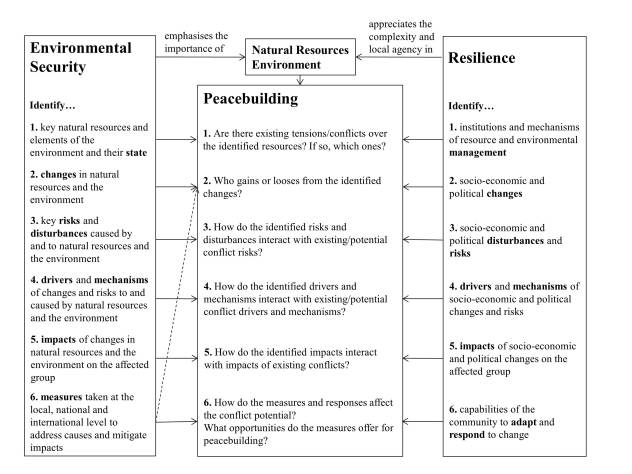
    Natural resources and the environment are the key elements linking environmental security and resilience to peacebuilding (see figure). Based on a six-step process, we combine the key strength of environmental security, its emphasis on the importance of the environment, and the key strength of resilience, namely the appreciation of complexity and local agency. The purpose of the process is to identify the states, changes, risks and disturbances, drivers and mechanisms, impacts, and measures and responses from an environmental security and resilience perspective to gain a better understanding of conflict dynamics and identify entry points for peacebuilding.

    Figure 1 – Framework for Environmental Security and Resilience in Peacebuilding.

    In step one we use the environmental security perspective to determine the key elements of the environment and natural resources that are important to a specific community or group of people, while the resilience perspective identifies how and by whom natural resources and the environment are managed. Together the environmental security and resilience perspectives help to answer the question of whether tensions or conflicts over the identified resources exist.

    In step two, we determine changes in natural resources and the environment before identifying the losers and winners of these changes. The resilience perspective allows us to take the overall complexity of the socio-economic and political context into account.

    The objective of step three is to understand the interaction of different risks. The environmental security perspective pays particular attention to risks to the environment as well as risks caused by the environment. The resilience perspective adds socio-economic and political considerations, such as strong increases in food prices, regime changes and social instability.

    Step four aims to identify the key drivers and mechanisms of the changes and risks, identified under step 2 and 3. For example, if a reduction of rainfall is identified under step 2 and in step 3 an increased drought risk is noted, then step 4 explores whether the reduction of rainfall and drought risk can be attributed to global climate change or local factors such as deforestation.

    Step five focuses on impacts. For example, one can ask whether the droughts and loss of harvest identified on the environmental security side and/or the increases in food prices identified on the resilience side, lead to hunger and how hunger in turn interacts with impacts of existing conflicts identified in the peacebuilding column.

    Step six is particularly important because at that point we consider the actual measures and responses to environmental, socio-economic and political changes at different scales in order to determine the effects on conflict potential as well as to identify entry points for peacebuilding.

    For example, if we identify hunger as a key impact under step five, the government could invest into irrigation schemes or (temporarily) subsidise staple food. This could reduce the conflict potential and strengthen the social contract between the government and the affected communities. However, for each measure taken, consideration must be given to who is affected, either positively or negatively (see dashed arrow connecting step six and two). On the resilience side, the capabilities (including knowledge, technology, networks and financial assets) and responses of the communities strongly depend on the social capital of the group concerned. For example, a loss of harvest might not result in hunger because the affected community might receive remittances from family members living outside the drought affected area. Our framework enables peacebuilding organisations and other stakeholders from development organisations and humanitarian assistance to identify core risks to environmental security without losing sight of the wider political and cultural structures into which these insecurities are embedded.

    In Practice: Palestine’s Good Water Neighbor’s Project

    The Good Water Neighbors (GWN) project in Palestine shows the advantages of combining a resilience and an environmental security perspective in peacebuilding. Palestine suffers from a number of environmental insecurities, most of which are related to water scarcity and pollution. But these insecurities are embedded in and interact with wider political contexts, such as the Israeli occupation of the West Bank, tensions between various Palestinian groups, and dominance of technocratic, liberal peacebuilding approaches. In order to address this complex reality, GWN facilitates cooperation on environmental issues between Israeli and various Palestinian groups, thus increasing resilience to socio-political and environmental shocks simultaneously. Examples of such activities include transnational environmental education, establishing water infrastructure shared between both sides, and common protests against environmentally harmful infrastructure (such as the Israeli separation barrier).

    Conclusion

    Image credit: Traynor Tumwa.

    Overall, the framework offers a possibility for environmental security to sharpen the scope of resilience, while resilience allows for taking issues such as governance into account that a traditional environmental security perspective might miss. The framework helps identifying the states, changes, risks and disturbances, drivers and mechanisms, impacts, and measures and responses from an environmental security and resilience perspective to gain a better understanding of conflict dynamics. However, when applying the framework continuous attention should be also paid to ambivalent effect of depoliticisation which is a risk both concepts entail.

    On the one hand, steering away from contentious political debates, such as those related to the wider Israeli-Palestinian conflict, provides an entry point for peacebuilding projects. Social groups and even official actors can be involved without taking a stance on contentious political questions. On the other hand, avoiding discussions on structural inequalities means that some root causes of environmental insecurities, such as the unequal distribution of water resources between Israel and Palestine, are difficult to address. When applying the framework further attention needs to be paid to other pitfalls of resilience and environmental security, namely the redistribution of responsibility to the local level and potentially justifying external intervention. If these issues are kept in mind, the framework can be a useful tool, especially when analysing conflicts where natural resources and the environment play key roles.

    Rebecca Froese is a PhD candidate in the Department of Earth System Sciences at the University of Hamburg and a member of the research group Climate Change and Security (CLISEC) at the University of Hamburg. Her research focuses on development cooperation and the role of non-party stakeholders in implementing and financing climate action.

    Janpeter Schilling holds a Klaus Töpfer Junior Professorship for Landuse Conflicts at the University of Koblenz-Landau. He is an associated researcher at the research group Climate Change and Security (CLISEC) at the University of Hamburg, the peacebuilding organisation International Alert in London and the Peace Academy Rhineland-Palatinate in Landau. His research focuses on environmental security, conflict and resilience.  

    Tobias Ide is head of the Research Field Peace and Conflict at the Georg Eckert Institute and currently a visiting researcher at the School of Geography, University of Melbourne. He is an associated researcher with the reserach group Climate Change and Security (CLISEC) at the University of Hamburg. He works on environmental conflicts, climate security, environmental peacebuilding, and the representation of peace and conflict, especially in school textbooks.

    Sarah Louise Nash is a 2016/17 Mercator-IPC fellow at Istanbul Policy Center, Sabanci University and an associated researcher with the research group Climate Change and Security (CLISEC) at the University of Hamburg. Her research focuses on the politics of climate change and human mobility.

    Jürgen Scheffran is professor of geography and head of the Research Group Climate Change and Security (CLISEC) at the University of Hamburg, Cluster of Excellence ‘Integrated Climate System Analysis and Prediction (CliSAP) and the Center for Earth System Research and Sustainability (CEN). His research specialities are climate and conflict research, sustainability science, resilience and energy and human security.

  • Sustainable Security

    Neuroscience, the scientific study of the nervous system, is a rapidly emerging interdisciplinary scientific approach, offering exciting new insights into our understanding of human behaviour. Could it also help us overcome many of the difficulties of peacebuilding?

    Why do violent conflicts arise so easily? Why do groups and nations believe that their own violence is justified but not that of the other sides? How do political or religious fundamentalist ideologies capture the minds and hearts of people and groups, often beyond the value of their own lives?  Why do people often believe, or create, their own versions of ‘truth’? Why does peacebuilding take so long  – and be so darned difficult?

    As a social and political psychologist, these questions have absorbed and challenged me for decades. Then, some years ago I came across a relatively new science – or parts of other sciences – which helped me to re-think many of my ideas about the difficulties of peacebuilding.  These were the emerging ideas that question whether or the not the ways in which we as humans have been physically shaped by the exigencies of evolution, have left us with some body/brain legacies which, if left unattended, seem to hamper our capacities to live together and to resolve our conflicts peacefully. Many of these processes are currently being studied by businesses, educational institutions, governments and others for their possible use in shaping human behavior, but not as yet in any conscious way by social and international conflict resolvers.  These new fields are called variously biopsychology, genopolitics, political physiology, behavioral genetics, cognitive neuroscience, etc. What do they suggest to us that may be of use to those in the peacebuilding professions?

    We are strangers to ourselves

    Contrary to what most of us believe, our human capacity for rational judgment is much (much!)  shallower than we think. We are limited by our nature as human beings whose very existence throughout history was often dependent upon instincts and emotions to survive.  Mostly, it is the emotional brain that drives us, in this case the amygdala, the part of our brain that deals with our memories, pleasures and fears. Millennia of evolution have shaped us to feel first and think (if at all) afterwards. Research using Functional Magnetic Resonance Imaging (fMRI shows) that feelings usually precede the analytic and logical reasoning that comes from our anterior cingulate cortex, which controls our logical thinking, and this is true particularly in times of stress.  Our ‘emotional’ and ‘reasoning’ minds coexist uneasily. Our choices are often instinctual, dictated not only by our brain structures, but also by hormones such as adrenaline, norepinephrine and cortisol, which inform our response to fear messages. Thus when we feel threatened, or someone – and particularly a leader, or would be leader  – tells us that we are being threatened, our amygdala fears overwhelm the cortex thinking that is needed to rationally respond to complex and changing situations. This supremacy of emotions is particularly relevant in situations termed “weak psychological situations” such as crises or situations characterized by uncertainty or conflict.

    Our brains differ

    B0010280 Healthy human brain from a young adult, tractography Credit: Alfred Anwander, MPI-CBS. Wellcome Images images@wellcome.ac.uk http://wellcomeimages.org Coronal view of nerve fibres in the brain of a young healthy adult, which has been virtually sliced down a vertical axis to divide it into front and back. The brain is viewed from behind, with the left side of the brain on the left of the image. This image was created by virtually dissecting the brain using data obtained from diffusion magnetic resonance imaging (MRI). Diffusion weighted imaging is a specialised type of MRI scan which measures water diffusion in many directions in order to reconstruct the orientation of bundles of nerve fibres. Tractography is used to indirectly model these nerve fibres, which transmit information between different regions of the brain. These have been colour-coded to help distinguish between different tracts which pass close to each other. For example, fibres connecting the left and right hemispheres (red), fibres travelling from top to bottom (blue) connecting to the spinal cord, and fibres running from front to back (green) are visible here. Reconstructing these connections between different parts of the brain will aid our understanding of how the brain functions in health and disease, and could ultimately become a tool in the same way as the human genome. Width of image is approximately 165 mm. Magnetic resonance imaging 2015 Published: - Copyrighted work available under Creative Commons by-nc-nd 4.0, see http://wellcomeimages.org/indexplus/page/Prices.html

    Healthy human brain from a young adult, tractography. Image by Wellcome Images via Flickr.

    Genetically, the power of the amygdala can differ from person to person, and enables some of us to tolerate uncertainty more easily, and to be more open to those we see as ‘others’. fMRI scans have shown that these differences in biology, and in genetics, influence differences in attitudes and beliefs.

    At one end of the spectrum, people, often called traditionalists, or conservatives, are influenced more by their amygdala. Having genetically greater sensitivity to fear and uncertainty they are more likely to advocate policies that protect the existing social structure from both external out groups and internal, norm-violator threats. They have a greater need for order, structure, and certainty in their lives, resist change more often, and are less open to risk taking. Researchers have shown that they are usually more supportive of policies that provide them with a sense of security:  hence their greater backing for e.g. military spending, capital punishment, patriotism, and tougher laws on immigration.

    On the other end of the continuum, there are people who are genetically more open to new things, and to new experiences – these are often termed ‘liberals’. fMRI scans have shown that they can better tolerate uncertainty, and cognitive complexity,  take risks more often, and have wider and more diverse friendships.  They often exhibit stronger preferences for social change and for equality when compared with traditionalists. Researchers have identified a variant called DRD4-7R, which affects the neurotransmitter called dopamine and a further 11 genes which are responsible for inclining people towards liberal or conservative beliefs: these are genes involved in the regulation of three neurotransmitters—dopamine, glutamate and serotonin—and also G-protein-coupled. There is speculation that evolutionary wise it may have proved useful to have such varied types of individuals in a society so as to ensure the best survival responses to different sets of societal and group challenges.

    We are ‘groupish” people

    There is a now an increasing, and welcome, body of literature stressing the innate tendencies for cooperation between people, in contrast to the competitiveness that previous evolutionary psychology has suggested is the norm. However, it appears that although biologically humans have evolved for cooperation, it is mainly with those people they perceive as their own group. Experiments have shown that bonding within groups is assisted by the hormone oxytocin, a rise in the level of which appears to provide a ‘glue’ between people, making them demonstrably more generous, trusting and compassionate towards their neighbours.

    Spraying oxytocin into people’s noses increases a sense of belonging, or connectedness to a group, and makes them more willing to cooperate with them. However, research has also shown that while oxytocin can increase levels of cooperation within a group, it can also promote ethnocentric behavior, increase our suspicion and rejection of ‘others’ outside the group, and make people less likely to cooperate with members of an out-group.

    Brain imaging experiments (fMRI) have also shown that our attitude towards out-groups is affected by what scientists call ‘mirror neurons’, which are linked to our capacity for empathy, which helps us to better understand other peoples intentions, feelings and emotions.

    Unfortunately, when we encounter people from groups we perceive as others, the brain often switches off the empathetic neurons and actively resists any emotional connection with the perceived other group. There is also some research from MIT on Israeli/Palestinians and US/Mexican group processes using fMRI scans during group dialogues that suggests it is particularly hard for groups who see themselves as ‘oppressed’ groups to feel any empathy with those they see as having more power than they have.

    Mirror neurons also have the effect of increasing emotional contagion so e.g. during a political landscape where fear is high and emotions are strong, there is quite a bit of emotional contagion occurring between individuals, which will drive them to group behaviour that can be contrary to their ‘normal’ characteristics.

    Truth is as  we see it

    What we see as ‘truth’ is often determined by our innate needs for beliefs and values, our capacity to tolerate uncertainty and fear, and the cultural context in which we live – thus they have often been what is termed  ’groupish’ rather than necessarily true. We often rationalize what our guts tell us rather than care too much about fact checking. The number of would be ISIS recruits who have been caught with a copy of ”Islam for Dummies” and “The Koran for Dummies”  in their rucksacks is legendary. Suggestions that such recruits are conversant with, and committed to Islam, are therefore questionable, suggesting that alternative reasons such as a search for meaning and for a group belonging  in their lives. Once we form our beliefs, we have a tendency to see and find evidence to support them, and ignore evidence that challenges them. When faced with logical contradictions to their very deeply held beliefs, fMRI scans  show that although people may feel negative emotions, there is no actual increase in their reasoning cortex, which becomes quiescent.  Our memories too are also notoriously faulty – they often reframe and edit events so as to create a story that will fit our current situation, conflating the past and present to suggest a story to us that suits what we need to believe today, rather than what is true

    So – what does this mean for peacebuilding?

    For change to happen, people need to be both emotionally and rationally engaged. As peacebuilders we often fail to understand how little actual sway logical thinking has on the actors concerned, and on their constituencies in the field. Peace agreements fall apart because, although the cognitive skills of those involved have crafted clever political and social compromises, constituents fail to feel they are winning through peace agreements.

    Peacebuilding processes need to particularly appeal to traditionalists who are more afraid of change.  For traditionalists, such processes will often involve leaders from trusted faith, community or political leaders who can reassure their constituencies about the advantages of various change measures, and of how such measures can ensure their future security.

    We need to find ways of increasing oxytocin levels between conflicting groups at both individual and social levels.  These include factors such as empathetic responses to others family/national crises, and gestures such as gift giving, meal sharing, alcohol, where such is culturally permitted (just a modicum – too much can make us belligerent!) positive physical gestures, expressions of understanding and appreciation, sharing of family stories, group singing, etc. Note that none, or almost none of these are mentioned in the mediator’s guidebooks, but fMRI and hormonal testing indicate that perhaps they should be. Also, given the challenges of achieving empathy as shown by the patterning of mirror neurons, we need to ensure that dialogue processes address, or promise to address, structural societal differences, as little empathy between perceived victims/oppressor groups can be achieved without such promises.

    We should not get too hung up on issues of ‘factual’ differences, but should try and see why it is important for some people or groups to hold on to a version of facts that seems incontrovertibly incorrect to ‘experts’.  It may be more helpful to see such beliefs as a need for personal or group safety or congruence, or as a lack of trust in the sources and the filters through which people learn about facts, rather than of a lack of intelligence.

    Conclusion

    In recognizing the bio-psychological sciences as important, we need to be careful not to turn the spotlight away from structural and societal contexts that are unfair to certain groups: such contexts often bring out our worst bio-psychological feelings rather than our best. We also need to appreciate that much of the research about these processes is very tentative, and many of the mechanisms used to measure such processes are still in their infancy. Finally, and most importantly, there is nothing determinist about what is revealed by fMRI scans. While our genes can predispose us to certain ideas, they are not predestined: brains can be relatively plastic in their nature, and our bio-psychological and genetic tendencies can be altered (somewhat) by our environments.

    My hope is that a greater appreciation of how our genetic and physical predispositions, allied to environmental factors, can affect our human behaviour, and can help make our work more effective and sustainable. Building our programs on the realities of our neural legacies, rather than ignoring them, may help us to relate more realistically, and more compassionately to conflicted groups whose behavior is often dictated to, and limited by, human physical processes whose consequences we are only just beginning to understand and appreciate.

    Mari  Fitzduff was the founding Chief Executive of the Northern Ireland Community Relations Council (CRC). The CRC was set up in 1990 to fund and work with government, trade unions, community groups, police and army, paramilitaries, prisoners, businesses and politicians on issues of peacebuilding in N Ireland. Mari has also worked on programs on conflict issues  in the Basque Country, the Caucasus, Sri Lanka, Middle East, Indonesia, Russia, Crimea, Cameroon, Philippines, Peru and Columbia. From 1997-2003, she held a Chair of Conflict Studies at the University of Ulster where she was Director of a United Nations University researching peacebuilding program and practice development around the world. She is Founding Director of the MA professional programs in Conflict Resolution and Coexistence at the Heller School at Brandeis University. Her publications include: (2015) An Introduction to Neuroscience for Peacebuilders, Public Policy for Shared Societies Palgrave MacMillan (2013), Fitzduff, M and Stout, C: (Eds) (2006) The Psychology of Resolving Global Conflicts: From War to Peace. 3 Vols Praegar Press and Fitzduff, M and Church (Eds): (2003) NGO’s at the Table Rowan and Littlefield.  She is just finished editing a political psychology book for Praegar Press on the phenomenon of Trumpism, and why it has been so successful in engaging with so many possible voters.

  • Climate Adaptation, Development, and Peacebuilding in Fragile States – Finding the Triple-Bottom Line

    “The climate agenda goes well beyond climate,” said Dan Smith, secretary general of International Alert at a recent Wilson Center event. “In the last 60 years, at least 40 percent of all interstate conflicts have had a link to natural resources” and those that do are also twice as likely to relapse in the five years following a peace agreement, said Neil Levine, director of the Office of Conflict Management and Mitigation at USAID.

    Development, peace, and climate stability are “the triple-bottom line,” said Smith. “How would you ever think that it would be possible to make progress on one, while ignoring the other two?” Levine and Smith were joined by Alexander Carius, managing director of Adelphi Research, who pointed out that climate change is both a matter of human security and traditional security. For example, as sea-level rise threatens the people of small-island states, “it also affects, in a very traditional sense, the question of security and a state’s sovereignty,” he said.

    The Triple-Bottom Line

    Conflicts are never attributable to a single cause, but instead are caused by “a whole pile-up, a proliferation, a conglomeration of reasons” that often include poverty, weak governance, traumatic memory of war, and climate change, said Smith. “Climate adds to the strains and the stresses that countries are under,” and works as a “risk-multiplier, or conflict multiplier,” he said.

    Focusing development and peace-building efforts on those regions experiencing multiple threats is both a “moral imperative” and a “self-interested imperative,” said Smith. “We benefit from a more prosperous and a more stable world.”

    There are currently one and a half billion people in the world living in countries that face these interlinked problems, said Smith, “and interlinked problems, almost by definition, require interlinked solutions.” Responding to the needs of these people requires developing resiliency so that they can respond to the consequences of climate change, which he called “unknown unknowns.”

    “What we need are institutions and policies and actions which guard us not only against the threats we can see coming… but against the ones we can’t see coming,” said Smith. The strength and resilience of governments, economies, and communities are key to determining whether climate events become disasters.

    Interagency Cooperation

    “Part of making the triple-bottom line a real thing is to understand that we will have to be working on our own institutions, even the best and most effective of them, to make sure that they see the interlinkages,” said Smith.

    But even though individuals increasingly understand the need to address security, development, and climate change in an integrated fashion, “institutions have only limited capacities for coordination,” said Carius. Institutions are constrained by bureaucratic processes, political mandates, or limited human resources, he said. “Years ago, I always argued for a more integrated policy process; today I would argue for an integrated assessment of the issues, but to…translate it back into sectoral approaches.”

    Levine expressed optimism that with “a whole new avalanche of interagency connections” being established in the last few years, U.S. interagency cooperation has become “the culture.” However, if coordination efforts are not carefully aligned to advance concrete programs and policies, they run the risk of “getting bogged down in massive bureaucratic exercises,” he said. “‘Whole of government’ needn’t be ‘all of government,’ and it needn’t be whole of government, all of government, all the time.”

    Building Political Will

    Europe has a “conducive political environment to making [climate and security] arguments,” said Smith, but the dialogue has yet to translate into action. In 2007, the debate on climate and security was first brought to the UN and EU with a series of reports by government agencies and the first-ever debate on the impacts of climate change on security at the UN Security Council, said Carius. However, none of the recommendations from the reports were followed and “much of the political momentum that existed…ended up in a very technical, low-level dialogue,” he said.

    More recently, the United Kingdom included energy, resources, and climate change as a priority security risk in their National Security Strategy. And Germany, which joined the UN Security Council as a rotating member this year, is expected to reintroduce the topic of climate and security when they assume the Security Council Presidency in July. These steps may help to regain some of the political momentum and “create legitimacy for at least making the argument – the very strong argument – that climate change has an impact on security,” said Carius.

    Image source: DfID

    Article source: The New Security Beat

  • Extremist violence often rooted in helplessness, humiliation and hatred – John Brennan

    John Brennan, President Obama’s senior adviser on counter-terrorism, highlighted the linkages between extremist violence and political, social and economic factors in a speech on 6th August at the Center for Strategic and International Studies, a US think-tank.
     
    Although Brennan identified Al-Qaeda as the biggest threat to US security, much of the speech was devoted to the importance of non-military solutions to the problem of violent extremism: “any comprehensive approach has to also address the upstream factors, the conditions that help fuel violent extremism.” Brennan described how part of the current US national security strategy is “a political, economic and social campaign to meet the basic needs and legitimate grievances of ordinary people – security for their communities, education for their children, a job and income for parents and a sense of dignity and worth.”
     
    Time will tell how this sentiment will translate into policy. However, increased focus on the route causes of insecurity is certainly welcome. 
     
    The full speech can be downloaded here. 
    Photo: Getty Images


  • User account

    Enter your Sustainable Security username.

    Enter the password that accompanies your username.

  • Sustainable Security

  • Sustainable Security

  • Sustainable Security

    The Anthropocene denotes a new geological epoch characterized by the unprecedented impact of human activities on the Earth’s ecosystems. While the natural sciences have advanced our understanding of the drivers and processes of global change, the social sciences address the fundamental challenge of governance and politics in the Anthropocene.

    On Monday 29 August 2016, the official Working Group on the Anthropocene reported to the International Geological Congress underway in Cape Town and recommended to adopt the Anthropocene as the official term for our contemporary geological epoch. The suggested term Anthropocene denotes the all-encompassing influence of the human species on our planetary systems. The 35 scientists currently serving on the working group have voted 30 to three in favor of formally designating the Anthropocene, with two abstentions. While this suggestion will be reviewed by further commissions – first by the Subcommission on Quaternary Stratigraphy, then International Commission on Stratigraphy and finally the Executive Committee of the International Union of Geological Sciences – it is a strong signal that something extraordinary is going on.

    When did the Anthropocene begin?

    mongolian-development-bank

    Image by Asian Development Bank/Flickr.

    Geologists of the future might well remember 16 July 1945 as the beginning of the Anthropocene. This day witnessed the explosion of the first nuclear bomb at the White Sands Proving Ground, New Mexico, under the code name ‘Trinity’. The debris from more than 500 above-ground nuclear tests conducted between 1945 and 1963, when the Test Ban Treaty took effect, has created a detectable layer of radioactive elements in sediments all around the planet. However, other potential start dates have been suggested. In their original proposal of the Anthropocene, Crutzen and Stoermer argue for the beginning of the Industrial Revolution in 1750 as an appropriate start date, while others have has suggested an earlier start date around 3000 BC, when agriculture and livestock cultivation intensified and the first centralized political authorities emerged. An intermediary position also exists, for example Lewis and Maslin, who propose the noticeable decline in atmospheric CO2 concentrations between 1570 and 1620 as a good marker for the start of the Anthropocene.

    Beyond its symbolic and metaphoric value, these discussions illustrate the radically different nature of current global environmental change. System Earth is rapidly changing, potentially shifting to life-threatening modes of operation. Climate change, biodiversity loss, disruption of the nitrogen and phosphorous cycles, plastic soup in the oceans and men-made chemicals found in (human) embryos, these are the symptoms and most visible signs of the great acceleration and earth system transformation underway. In other words: space ship earth is on a collision course, and the autopilot has been set by its own crew. The Anthropocene hypothesis has become a rallying call for action in the light of scientific evidence that warns against dangerous global environmental change and the ensuing environmental insecurities produced by systemic tipping-points, feedback-loops and emergent properties of complex systems. The Anthropocene hypothesis also highlights specific challenges for governance: how to deal with the apparent urgency of global change while taking into account scientific and normative uncertainties; how to distribute responsibility in a fair and equitable manner; and finally how to embrace complexity as an ontological category of the Anthropocene.

    Global governance scholars and the Anthropocene

    But how will the field of global governance studies react to the Anthropocene hypothesis? Will scholarship continue down a business-as-usual path, with a disciplinary focus and a narrowly conceived ethical and normative agenda? Or will the field of global governance studies engage in a more radical epistemological and ontological debate? I argue that global environmental governance research is fruitfully challenged by the Anthropocene hypothesis, potentially leading to a reorientation of theory and practice. I see three reasons for this.

    First, the Anthropocene hypothesis calls into question long-held assumptions about the human-nature dualism and has therefore been associated with the end-of-nature discourse. At the heart of most environmental activism over the last five decades lies the conviction that nature exists independent of human agency and that (supposedly) ‘natural’ states of our planet, such as a stable climate system, should be protected. However, if the nature-human dualism is questioned by the advent of the Anthropocene, what does this mean for popular conceptions of conservation, wilderness and sustainability and for environmental politics more generally? In the words of Paul Wapner: “Nature, then, is not a separate realm, as many environmentalists assume but, because it is always interpreted through cultural lenses, is part and parcel of human affairs.” The challenge for global environmental governance scholarship is to scrutinize human agency as part of a broader ‘earth-system’ perspective.

    Second, the notion of the Anthropocene, and the related idea of a unified human force that exerts unprecedented influence on the earth system, challenges governance scholarship in two ways. First, it urges scholars to take a more system-theoretical perspective in order to identify the system-wide drivers of anthropogenic global change and the systemic reactions produced by various social sub-systems. And second, global governance scholarship is urgently needed as a corrective to accounts of the Anthropocene that neglect the fact that human agency is not uniform across the planet, and that contributions to the problem and the distribution of risks and opportunities arising from global environmental change are highly uneven.

    Third, the Anthropocene hypothesis propels governance research to the center of attention, as the question becomes: how can we steer towards socio-natural co-evolution and a resulting safe operating space fur human development? As a result, this position opens up opportunities for genuine interdisciplinarity, in which the social sciences in general and global governance scholarship more specifically are not just a ‘junior partner’ of the sciences, but contribute fundamental insights into drivers, solutions and complex feedbacks between agency, unintended consequences and reactions to these.

    From scholarship to policies

    However, while there are good arguments for adopting the Anthropocene as an official geological epoch and for fruitful engagement from a social sciences and governance perspective, what is less evident is how we will address the challenges associated with the Anthropocene in broader political terms. Governance strategies for the Anthropocene fall roughly into two broad camps: first, a global elitist managerial approach, underpinned by a sense of human ingenuity and epitomized by ever-more vocal calls for geoengineering, an approach that puts some people’s interests before others. Advocates of this vision of the future Anthropocene see potentials rather than threats. On this account, a new glorious epoch is dawning, one of men-made unprecedented progress towards a post-human evolution and eternal future.

    The second vision is more humble and less secure about its eventual success: a bottom-up approach based on cultural and political diversity, equity, fairness and a broader eco-centric ethos. A political vision that favors deliberation over efficiency and fairness over effectiveness and is enshrined already (in broad terms) in the internationally agreed Sustainable Development Goals as part of the global development agenda until 2030.

    While the Anthropocene as a term might be almost universally accepted, the contestations about its political and normative contours have only just begun. The election of the climate change-denier Donald Trump as the 45th President of the United States of America does not leave much room for optimism in this respect. In particular his announcement to withdraw from the international climate change negotiations (in one or another form) calls into question some of the modest signs of progress that we could witness recently. This should motivate everyone interested in shaping the Anthropocene to get involved in the necessary and difficult debates about how we want to shape our common future.

    Philipp Pattberg is professor of transnational environmental governance and policy at VU Amsterdam, The Netherlands. He specializes in the study of global environmental politics, with a focus on climate change governance, biodiversity, forest and fisheries governance, transnational relations, public-private partnerships, network theory and institutional analysis. Pattberg’s current research scrutinizes institutional complexity, functional overlaps and fragmentation across environmental domains (http://fragmentation.eu/). At VU Amsterdam, Pattberg heads the Department of Environmental Policy Analysis, a team of more than 25 researchers that was evaluated in a 2014 international review as ‘world leading’ and as being ‘one of the highest profile academic research groups involved with sustainability governance from around the world’.

  • Sustainable Security

    El Salvador ArticleEl Salvador’s gang history dates back to the 1960s. At the time, numerous neighbourhood-based groups provided marginalised urban youths with the means to hang out, party, take drugs, and fight their rivals. These gangs constituted a nuisance for the affected residents but did not represent a public security threat. The situation drastically changed when the Central American civil wars ended and the United States stepped up its deportations of offending non-citizens, including members of Mara Salvatrucha (or MS-13) and Calle Dieciocho (18th Street). Both gangs had been formed in Los Angeles’ immigrant barrios, a haven for Central American refugees some of whose children responded to difficult circumstances by joining existing gangs (such as the Dieciocho) or forming their own group (Mara Salvatrucha). Tired of the stresses of gang life, many deportees arrived in their country of origin hoping to make a fresh start. Faced with poor reinsertion opportunities, however, they continued with what they knew best. Their comparatively nice dress, money, and tales of gang exploits held a fascination that local adolescents found hard to resist. Soon the imported gangs absorbed their smaller counterparts and continued to grow, since widespread social exclusion made El Salvador fertile ground for gang proliferation. Over time gang members resorted to greater levels of violence and drug activity, but the country long lacked a full-fledged gang policy.

    In 2003 – eight months before the 2004 presidential elections – President Francisco Flores of the conservative ARENA party launched Plan Mano Dura (“Strong Hand”), ostensibly to dismantle the gangs and curb the number of homicides, most of which had been attributed to these groups. Backed by considerable media publicity, the measure entailed not only area sweeps and joint police-military patrols, but was also accompanied by a temporary anti-gang law that permitted the arrest of suspected gang members on the basis of their physical appearance alone. Both the nature and the timing of the initiative suggested that it had been designed to improve the ruling party’s electoral position rather than to ensure effective gang control. Plan Mano Dura enjoyed huge support among a population that had become weary of permanent insecurity, but human rights defenders, judges, and opposition politicians criticised it for its abuses and neglect of prevention and rehabilitation. The measure helped ARENA win the elections, but the incoming administration of Antonio Saca responded to the earlier criticism by incorporating prevention and rehabilitation into his Plan Super Mano Dura. These alternative approaches, however, were a largely rhetorical concession since suppression remained the dominant strategy. Contrary to the official discourse of success, Mano Dura was spectacularly ineffective: the homicide rate escalated, and the gangs adapted to the climate of repression by toughening their entry requirements, adopting a more conventional look, and using heavier weaponry. More importantly, confinement in special prisons allowed gang members to strengthen group cohesion and structure. Moreover, the large-scale incarceration of gang members fuelled the need for more resources for both the inmates and their families and resulted in an upsurge in extortions, particularly in the transport sector.

    By June 2009, when the government of ex-journalist Mauricio Funes and the FMLN (the former guerrilla army) came into power, the gang problem had become intractable. MS-13 and Dieciocho clicas (subgroups) sprawled hundreds of marginal urban communities, their members committed a variety of crimes – ranging from threats, robbery, injuries, auto theft, and the illegal carrying of firearms to drug sales, extortions, rapes, kidnappings, and homicides – and their violence had become increasingly diffuse and brutal. The Funes government announced a comprehensive crime policy comprising social prevention, law enforcement, rehabilitation, victim support, and institutional and legal reforms. The strategy, however, is underfunded (state coffers had been plundered by previous administrations), and gangs are being tackled through the overall crime policy rather than a specific gang programme. The police – now under a new command – has stopped conducting mass raids in gang-affected zones and begun to strengthen its investigative capacity. These are promising steps, but events on the ground soon pushed policy in another direction. Public demands for a quick reduction of homicides and media coverage alleging government incompetence led President Funes in November 2009 to deploy the army. Military participation in public security tasks is no recent development. At present, however, the army has been given broader powers, permitting it to conduct patrols, perform searches, and arrest criminals caught red-handed as well as to maintain perimeter security at the prisons. In what appears to be a face-saving gesture, the Funes administration adopted a gang strategy that exhibits ominous parallels with the earlier Mano Dura policies. Meanwhile, prevention and rehabilitation have once again taken the backseat.

    Sonja Wolf is a Researcher at the Instituto para la Seguridad y la Democracia in Mexico City, where she conducts research on security and migration issues in Mexico and Central America.

    Image source: VCK xD

  • Iraq: the path of war

    Most analysts agree that the security situation across Iraq as a whole has improved in 2008-09. The lower incidence of violence owes something to the consolidated sectarian geography of Baghdad and its environs as a result of the ferocious conflict of the mid-2000s. In any event the decline is relative rather than absolute, for Iraq continues to be a perilous place for many of its citizens.

    In conjunction with the opening of the official inquiry in Britain into the circumstances of the then prime minister Tony Blair’s decision to join the United States-led military campaign against Saddam Hussein’s regime in 2003, the persistent violence in Iraq reopens the question of the impulse of the war and whether other decisions with better outcomes could have been taken.

    A political target

    The everyday dangers in Iraq are illustrated by car-bombings in Mosul (against Christian churches) and Baghdad (near Iraq’s foreign and immigration ministries, and the Iranian embassy) on 15 December 2009; eight people were killed and over fifty injured in the blasts. These are not isolated incidents but part of a pattern of attacks that has evolved throughout 2009. 

    In the early part of the year, most of the attacks were directed at the Shi’a community’s mosques or crowded markets. In its second half, there has been a shift towards systematic bombings of government ministries that have often reached their targets despite high levels of security:

    ▪ on 19 August 2009, ninety-five people were killed and two ministries wrecked in central Baghdad 

    ▪ on 25 October 2009, 155 people were killed in further attacks outside government buildings in Iraq’s capital

    ▪ on 8 December 2009, at least 127 people were killed in car-bombings; many of those who lost their lives were civil servants.

    It is clear that this is a specific campaign to undermine the Nouri al-Maliki government in the run-up to the elections in spring 2010.

    The ease with which insurgents can penetrate highly secure areas is of particular concern to the authorities. Indeed, there is a widespread belief that the insurgents have access to inside information to prepare their operations.

    A grave intention

    These assaults are part of an ongoing if now less intense war that is approaching the start of its eighth year. The issue that dominated its launch, Saddam Hussein’s possession or otherwise of weapons of mass destruction (WMD), has been in effect forgotten. Tony Blair himself stated in a television interview broadcast on 13 December that he would have supported the regime’s overthrow whether WMD existed or not, a point that has raised once more the broader arguments for military action – not least that Saddam had used chemical weapons against Iraqi Kurds in the town of Halabja during the Iraq-Iran war of 1980-88.

    This specific case against Saddam Hussein is dubious, even though the chemical attack on Halabja on 16-17 March 1988 did indeed take place; it killed over 3,000 people and injured twice that number. But it is often forgotten that leading western powers chose to overlook the event, since Iraq was widely seen at the time as a de facto ally against revolutionary Iran.  Within a month, the United States navy was targeting and sinking the warships of its Iranian counterpart, in actions that did much to persuade the Iranians to agree a negotiated end to the war in August 1988.

    But the search for a pretext to effect regime-change in Iraq is in many ways less important than the fact that a firm intention to do so had existed long before the 9/11 attacks.  Nick Ritchie documents with great precision the determination of neo-conservatives and other Republicans to pursue this strategy from as early as 1997 (see The Political Road to War with Iraq: Bush, 9/11 and the Drive to Overthrow Saddam [Routledge 2006]).

    The extensive lobbying from the Republican right for regime termination in the late 1990s was related less to Iraq’s own oil power than to its location in the world’s key oil-bearing region. In particular, a little-noticed event in December 1998 intensified the neocon belief that the United States had to act against Saddam Hussein.

    A bleak arousal

    The background was that the pro-war faction in Washington was becoming concerned that 20% of the world’s oil was owned by two unfriendly states: Iran and Iraq. At the same time, there was at least some reassurance that Saudi Arabia, which controlled another 25% of global oil reserves, was sufficiently close to Washington and would prove trustworthy in a crisis.

    But the House of Saud itself was increasingly worried by domestic anti-American radicalisation, a feeling that was heightened by the United States air-force’s four-day assault on Iraq in December 1998.  A key stated aim of Operation Desert Fox was to damage Iraqi air defences, command-and-control systems and armaments-factories; though there were indications that the real purpose was to support of an attempted internal coup against the regime.

    The US air-force crew involved had undertaken training for this kind of operation; some of its key units operated the advanced F-15E Strike Eagle bombers from bases within Saudi Arabia. But as the momentum built, the Saudi authorities caused consternation in the Pentagon by refusing to allow these bases to be used for direct combat-operations – and even to allow the planes to be transferred to other bases in the region. The kingdom’s leaders in all probability feared that permission to “crusader” forces to attack another Arab country would incite further internal radicalisation.

    The Saudi decision, which meant that Desert Fox had to be undertaken with less competent forces, was a considerable shock to the Pentagon, to the Bill Clinton administration, and even more to the neo-conservatives. Those who had already been calling for regime-termination in Iraq now saw that the Saudi royal house too could not be relied on to support American actions.  The calculations turned bleak: almost half of the world’s oil was in three countries of which two were bitter opponents and the other at best unreliable. Something had to be done.

    A war ordained

    The calls for regime-termination in Iraq became more strident from the end of 1998. They rose to a crescendo after 9/11. Six weeks after the assaults on New York and Washington, an early column in this series argued that:

    “A powerful group in Iraq sees as essential an Iraq offensive, combining extensive air strikes with, in due course, military occupation of Iraq’s southern oilfields, support for Kurdish rebels in the north and Shi’a forces in the south” (see “From Afghanistan to Iraq?”, 21 October 2001).

    Before the end of 2001, well over a year before the war was launched, signs that its planning was underway were discussed in another column:

    “One indicator of possible action is the establishment of a US army headquarter in Kuwait, the HQ concerned being a key component of the army’s commitment to US Central Command, the unified military command that covers the middle east and southwest Asia, including both Afghanistan and Iraq. There are further reports that elements of five different army divisions are preparing for possible deployment to the Gulf early in 2002, including units that have recently undergone extensive desert-warfare training” (see “America’s theatre is the world”, 24 December 2001).

    These developments, all within the first year of the George W Bush administration’s term, were to be reinforced by a British prime minister armed with an implicit belief in the need to support the United States and in the utterly evil nature of the Iraqi regime. The hardening position towards Iraq had intensified after Bush’s inauguration in January 2001; it is now clear that Tony Blair had bought into it with a greater degree of commitment than most people (even those in his party and government) then appreciated.

    Before Operation Desert Fox, the likelihood of war with Iraq was already there.  After the Saudi action and George W Bush’s subsequent election it became almost certain. It may even be that 9/11 and the “diversion” into Afghanistan delayed its onset. The result of the decision was a war of terrible consequences that approaches the end of its seventh year with no end in sight.

  • A Thai Perspective on Proposed Mainstream Mekong Dams

    The Mekong River is very important for millions of local communities along the mainstream and its tributaries who depend heavily on the river’s natural ecosystem functions. The health of the river is the health of the communities. Changes in the river basin mean a lot to those marginalized people who too often have no voice and have limited alternatives for sustaining their livelihoods.

    The villages along the Mekong mainly depend on fishing and agriculture that require irrigation water from the river. Dam construction in China has already caused impacts to the river ecosystems and subsequently downstream communities. Water-level fluctuation has been the most destructive impact from unannounced releases at upstream dams in China. Most of the Mekong’s fish species are migratory and their migration instincts depend on the natural flow of the river and the health of ecosystems. Some of the fish that are vulnerable to these changes are endangered species such as Mekong Giant Catfish.

    Local fishermen depend heavily on migratory fish species. They have learned for generations how to successfully fish each migration for a given season, and how to manage the resulting food and income literally harvested from the river each season. Although the fish population decline already witnessed in parts of the Mekong is the result of many factors, dam construction is the most serious. Already, many restaurants in a province along the Mekong in Thailand are forced to import fish from the Tonle Sap Great Lake of Cambodia.

    Riverbank gardens are another important source of food and income generation for locals. In the dry season, when the water level is low and villagers are not growing rice, gardens along the riverbank serve as their main resource. Upstream hydropower operations result in unpredictable water levels, which locals have never experienced before, and result in damage or loss to their crops and investment. Consequently, these conditions cause more negative impacts beyond just food and economic insecurity, including social and cultural problems.

    Local Responses and Empowerment

    In response to these developments, communities along the Mekong River have established the “Network of Thai People in Eight Mekong Provinces” because of their concern for the impacts they’ve already experienced from dams in China and those anticipated to result from the construction of additional dams in the lower basin. The problems they are already experiencing make locals realize that the dams planned for the river in Lao and Cambodia will be even more devastating.

    One of their main strategies has focused on conducting local-level Thai Baan (villager) research to develop scientific evidence for use in their fight with those in support of more dam development. For example, this data could be used to sue the government and related authorities if the proposed Xayaburi dam is allowed to proceed. The research and data will also serve as an important tool for mobilizing, uniting, and empowering local communities in many other ways. Recently the “Network” organized a protest in Bangkok and engaged in other activities to campaign against the planned dams, including the creation and installation of big posters stating their opposition to the planned projects along the Thai-Lao border in all eight provinces.

    Of course, another important avenue has been the Thai media who have increasingly covered Mekong hydropower development issues. This coverage reflects the concern of Thai people for protecting their natural resources. Although these concerns are not uniformly widespread throughout the whole country, the people in the eight provinces and those involved in environmental and social movements are intensely aware. In some cases, domestic dam construction is still a controversial issue and can cause conflict among Thais between supporters and those who oppose additional domestic hydropower development. As for the Mekong mainstream dams, it seems no one supports them.

    The issue of the dams played a small role in the national elections this past July. People in the eight provinces of Northern and Northeastern Thailand form the core supporters of the Pheu Thai Party. During the election, the “Network” organized a forum aimed at sending a message to the politicians. The new Yingluck Administration has not yet made any statements on the proposed Mekong dams. However, the “Network” plans to send a message to the new government and their representatives stating their concerns and interests. Local people in the eight provinces believe that the new government should want to listen to their concerns because they won the election largely with the help and support of people in these areas.

    The first strategy of Living River Siam is to strengthen civil society enough to participate meaningfully in water management. The second strategy is focused on the politics of knowledge. This means using information and knowledge as a tool for the local communities to engage on policy decisions. Living River Siam organizes trips to meet with local communities in the eight provinces to give them information, collect data, and listen to their concerns. We work with them to set up the network and support local activities. We also spread their voices by organizing conferences, producing publications, organizing field trips for media and decision makers to visit the local communities, working with the media, cooperating with international organizations, and working with governmental sub-committees on the issue. One of our main activities is working with the communities along the river to collect data and conduct Thai Baan (villager) Research, research done by villagers based on local knowledge. We also use the research model as a tool for building a Mekong civil society network. The first goal is to elevate the voices of locals and ensure that their rights are recognized in water resource management. The second goal is to protect and maintain river ecosystems that are healthy enough to sustain local livelihoods.

    Multilateralism and Institutional Improvements

    The Mekong River Commission (MRC) should do more to work with civil society partners. This should include producing and providing information and knowledge for civil society organizations which could be used to support their outreach and engagement activities. Conversely, local communities, NGOs, and other civil society organizations can help the MRC conduct necessary research. This sort of relationship would also help to level the current power imbalance that exists among many of the main actors. An important new mechanism that should be established is a Mekong Community Fund. Such a fund will provide a path for communication while also supporting local participation in the various activities of the MRC. Ideally, the MRC office in each member country should establish an appropriate mechanism that allows for people’s participation in research, education, and engagement.

    Furthermore, the creation of a People’s Commission of the Mekong River or Mekong Community Network set up by local communities, NGOs, and academics that have been working or directly experiencing these issues would be an important linkage between the MRC and citizens of member countries. It can either be an independent organization or established as a department of the MRC. The first step would be to organize a meeting for representatives of local communities. Past activities of the MRC have not served as a genuine forum for Mekong communities. In 2012, Living River Siam plans to organize an international meeting of Thai Baan Research network in the Mekong Basin. As we know that each Mekong country has different political and social systems and are in different stages of development, this research model can provide a strategy for the Commission or Network as it is not necessarily a political tool aimed at dam supporters or government.

    Such an organization would also be a great target for support from the donor countries that traditionally fund the MRC. Their contributions to this new People’s Commission of the Mekong River would support the further development of an active, engaged, and responsible civil society in the Mekong Basin, while also developing new educational tools and providing a clear mechanism for the two-way transfer of knowledge.

    For More Information on Living River Siam, visit their website in English or Thai

    Article source: Stimson Center

    Image source: Roberto Moretti

  • A Realist Argument in Favour of Non-Violent Opposition in Syria

    How can the state violence in Syria be stopped? Daniel Serwer argues in the Atlantic that, given the Syrian regime’s complete failure to protect its own citizens it may be morally justifiable to arm the Syrian opposition; however from a realist perspective it is neither ‘possible nor wise’ as a means to topple Assad and bring about accountable politics. A violent reaction to the state’s overwhelmingly superior violence would not only destroy the opposition’s legitimacy, but would eventually draw them into a militarised conflict that they could not win.

    Serwer strongly advocates mass-participatory non-violent approaches which use tactics that are difficult to attribute to single individuals. In the end, removing the regime’s ability to instil fear will be the surest way to ensure its downfall, as seen in the cases of Zine El Abidine Ben Ali and Hosni Mubarak, and Serwer argues that this is still possible, even now after so much bloodshed.

    Why the Syrian Rebels Should put Down Their Guns

    It is remarkable how quickly we’ve forgotten about nonviolence in Syria. Only a few months ago, the White House was testifying unequivocally in favor of nonviolent protest, rather than armed opposition, against Syrian President Bashar al-Assad and his regime’s awful crackdown. Even today, President Obama eschews military intervention. Yesterday, Yahoo News’ Laura Rozen offered the views of four experts on moving forward in Syria. While one doubted the efficacy of arming the opposition, none advocated nonviolence. When blogger Jasmin Ramsey wrote up a rundown of the debate over intervention in Syria, nonviolence wasn’t even mentioned.

    There are reasons for this. No one is going to march around Homs singing kumbaya while the Syrian army shells the city. It is correct to believe that Syrians have the right to defend themselves from a state that is attacking them. Certainly international military intervention in Bosnia, Kosovo, and arguably Libya saved a lot of lives. Why should Syrians not be entitled to protection? Isn’t it our responsibility to meet that expectation?

    First on protection: the responsibility belongs in the first instance to the Syrian government. The international community is not obligated to intervene. It may do so under particular circumstances, when the government has clearly failed to protect the population. I don’t see a stomach for overt intervention in the U.S. Nor do I think the Arab League or Turkey will do it without the U.S., as Anne-Marie Slaughter suggests.

    The Syrian government has not only failed to protect, it has in fact attacked its own citizens, indiscriminately and ferociously. Self-defense and intervention are justified. The question is whether they are possible or wise, which they do not appear to be.

    The Free Syria Army, an informal collection of anti-regime insurgents, is nowhere near able to protect the population. Their activities provoke the government and its unfree Army to even worse violence. It would be far better if defected soldiers worked for strictly defensive purposes, accompanying street demonstrators and rooting out agents provocateurs rather than suicidally contesting forces that are clearly stronger and better armed. A few automatic weapon rounds fired in the general direction of the artillery regiments bombarding Homs are going to help the artillery with targeting and do little else.

    Violence also reduces the likelihood of future defections from the security forces. For current Syrian soldiers weighing defection, it is one thing to refuse to fire on unarmed demonstrators. It is another to desert to join the people who are shooting at you. Defections are important — eventually, they may thin the regime’s support. But they aren’t going to happen as quickly or easily if rebels are shooting at the soldiers they want to see defect.

    But if you can’t march around singing kumbaya, what are you going to do? There are a number of options, few of which have been tried. Banging pans at a fixed hour of the night is a tried and true protest technique that demonstrates and encourages opposition, but makes it hard for the authorities to figure out just who is opposing them. The Arab variation is Allahu akbar called out for 15 minutes every evening. A Libyan who helped organize the revolutionary takeover of Tripoli explained to me that their effort began with hundreds of empty mosques playing the call to prayer, recorded on CDs, at an odd hour over their loudspeakers. A general strike gives clear political signals and makes it hard for the authorities to punish all those involved. Coordinated graffiti, marking sidewalks with identical symbols, wearing of the national flag — consult Gene Sharp’s 198 methods for more.

    The point is to demonstrate wide participation, mock the authorities, and deprive them of their capacity to generate fear. When I studied Arabic in Damascus a few years ago, I asked an experienced agitator friend about the efficacy of the security forces. She said they were lousy. “What keeps everyone in line?” I asked. “Fear,” she replied. If the oppositions resorts to violence, it helps the authorities: by responding with sometimes random violence, they hope to re-instill fear.

    Could the Syrians return to nonviolence after everything that’s happened? As long as they are hoping for foreign intervention or foreign arms, it’s not likely. Steve Heydemann, my former colleague at the United States Institute of Peace, recently suggested on PBS Newshour that we need a “framework” for arming the opposition that would establish civilian control over Free Syria Army. This is a bad idea if you have any hope of getting back to nonviolence, as it taints the civilians, making even the nonviolent complicit in the violence. It’s also unlikely to work: forming an army during a battle is not much easier than building your airplane as you head down the runway.

    What is needed now is an effort to calm the situation in Homs, Hama, Deraa, and other conflict spots. Russian Foreign Minister Sergei Lavrov, who is visiting Damascus, could help. The continuing assault on Homs and other population centers is a major diplomatic embarrassment to Moscow. The opposition should ask for a ceasefire and the return of the Arab League observers, who clearly had a moderating influence on the activities of the regime. And, this time around, they should be beefed up with UN human rights observers.

    If the violence continues to spiral, the regime is going to win. They are better armed and better organized. The Syrian revolt could come to look like the Iranian street demonstrations of 2009, or more likely the bloody Shia revolt in Iraq in 1991, or the Muslim Brotherhood uprising in Hama in 1982, which ended with the regime killing thousands. There is nothing inevitable about the fall of this or any other regime — that is little more than a White House talking point. What will make it inevitable is strategic thinking, careful planning, and nonviolent discipline. Yes, even now.


    Article Source: the Atlantic

    Image Source: Yunchung Lee

  • The Challenge of Managing State-owned Small Arms and Light Weapons in South Sudan

    In this feature for the Bonn International Center for Conversion, Marius Kahl explores the security threats posed by widespread possession of small arms and light weapons in South Sudan, and some of the practical measures that can be taken to contain these threats.

    Article: The Challenge of Managing State-owned Small Arms and Light Weapons in South Sudan

    Picture Source: ENOUGH Project

  • Sustainable Security

    Carefully Managing Water Resources to Build Sustainable Peace

    Carefully planned interventions in the water sector can be an integral part to all stages of a successful post-conflict process, from the end of conflict, through recovery and rebuilding, to […]

    Read Article →

  • Sustainable Security

    There are strong calls to give UN peacekeeping operations more robust mandates to engage in counter-terrorism tasks. But the idea of UN peacekeepers conducting counter-terrorism operations is not without its problems.

    Terrorist attacks have been increasing rapidly over the last decade. According to the Global Terrorism Index, 29,376 people were killed in terrorist attacks in 2015. This was the second deadliest year after 2014, when 32,765 people were killed. The spike in 2014 and decline in 2015 is largely a result of the rise and subsequent weakening of Boko Haram and the Islamic State (IS).

    Fatigue after long engagements in Afghanistan and Iraq and the continued impact of the financial crisis has significantly dampened the interest in new out-of-area operations among Western member states. At the same time, the threats of terrorism and migration remain at the top of the foreign policy agenda. It is in this environment that policy makers are turning to the UN, to see what role it can play in the global security burden-sharing. This means a more transactional relationship with the UN, not necessarily considering the longer-term impact of undermining its impartiality and legitimacy.

    UN peacekeeping operations have, during the last decade, been deployed to protect civilians in increasingly unstable conflicts, most often without a peace to keep. However, although the conflicts have been asymmetrical in nature, armed groups have seldom perceived the UN as a party to the conflict, and pursued a strategy of strategic targeting of its troops, police and civilians.

    The Case of Mali

    Image credit: MINUSMA/Flickr.

    In March 2012, a coalition of rebel and Islamist groups took control of the north of Mali in the wake of a coup. On April 6, 2012, the rebels proclaimed the independence of the ‘Republic of Azawad’ and the imposition of sharia law in northern Mali. 412,000 persons had fled their homes and had become internally displaced or moved across the border to Mauritania, the Niger and Burkina Faso. By November 2012, Al Qaida in the Islamic Maghreb (AQIM) had taken control of Timbuktu and Tessalit, the Movement for Unity and Jihad in West Africa (MUJAO) had taken control of Douentza, Gao, Menaka, Ansongo and Gourma, and Kidal was under the control of the Islamist group Ansar Dine (“defenders of the faith”).

    The Islamists and rebel groups were quickly conquered and fled to the far north of Mali after a short and swift intervention in the beginning of 2013 by the French Opération Serval, in cooperation with the African-led International Support Mission in Mali (AFISMA). To avoid being stuck in a long and bloody counterinsurgency, the French had pushed for a swift handover to the UN.

    On 1 July 2013, AFISMA handed over authority to the UN multidimensional integrated stabilisation mission in Mali (MINUSMA). However, the Islamist groups have proven resilient and the operation has been struggling to deploy and implement its mandate. From its inception in 2013 until 31 January 2017, it has endured 72 fatalities due to hostile actions, including suicide attacks, mortar attacks and improvised explosive devices (IEDs). The mission has been given increasingly robust mandates, and its most recent mandate ordered the mission to “…to stabilize the key population centres and other areas where civilians are at risk, notably in the North and Centre of Mali, and, in this regard, to enhance early warning, to anticipate, deter and counter threats, including asymmetric threats…”.

    The mission is actively supporting counter-terrorism actions, as it has been preparing “targeting packs” and has been informally sharing information with the French parallel counter-terrorism operation Barkhane  (the French follow-on mission from Serval). This follows a trend towards peace enforcement that started with MONUSCO, where the UN peacekeeping mission in the Democratic Republic of Congo (DRC) is now being mandated to “neutralize” identified rebel groups.

    Future missions may be deployed to Libya, Syria and Yemen – countries that are also marked by asymmetric conflict and violent religious extremism. Against this backdrop, many member states are now arguing that UN peacekeeping operations need to reform to not only deal better with the challenges it faces in Mali, but also in future operations.

    The high-level panel on peace operations, nominated by former UN Secretary-General Ban Ki-moon, strongly underscored that UN peacekeeping operations should not undertake “counter-terrorism operations”. However, the report left the back-door open, insofar as it argued that “UN peacekeeping missions, due to their composition and character, are not suited to engage in military counter-terrorism operations. They lack the specific equipment, intelligence, logistics, capabilities and specialized military preparation required, among other aspects.” Disregarding the principled arguments against moving UN peacekeeping in such a direction, this could indeed be read as a list of areas where reform is needed to enable UN peacekeeping to take on counter-terrorism tasks.

    A Desirable Shift?

    But what may the consequences be of taking UN peacekeeping operations in such a direction? First, UN peacekeeping missions are not likely to be able to perform counter-terrorism tasks in a satisfactory manner, militarily speaking. They are composed of troops from many different countries, and although they should provide a military deterrent against armed groups, they are not likely to be able to protect themselves against asymmetric attacks. Even small attacks can lead to the withdrawal of troops by troop-contributing countries, as most of these do not have the political interest needed to be able to sustain losses. The exception to this are neighbouring countries, as these may have a political interest in the conflict, but precisely because of this fact they may also be interested to use force only against some and not all parties that threaten the peace.

    The UN has been strongly criticised for not taking action to protect civilians, and the continued inaction has been used as an argument to make the UN more robust, as well as able to take on counter-terrorism tasks. However, this argument confuses the ability of the UN to protect civilians with counter-terrorism. In Mali, the mission is much busier protecting itself than protecting civilians. In fact, the recruitment to the terrorist groups is increasingly moving south in the country, as local populations are not experiencing a peace dividend or improving levels of participation and inclusion after the deployment of MINUSMA. Rather, they are experiencing a government that is continuing to marginalize significant groups of the population such as the Tuaregs in the North and the Fulani (also known as Peul) in the central regions of the country, and employ draconian counter-terrorism tactics.

    The inclusion of neighbouring countries’ troops in UN peacekeeping missions was previously considered a red line. As seen with the example of MINUSMA, as well as UN peacekeeping missions in the Democratic Republic of Congo and South Sudan (to mention a few), this principle has fallen by the wayside. Taken together with the move towards UN peacekeeping missions taking on counter-terrorism tasks, this shows a trend towards a more partial UN in these situations, which may increasingly be rendered unable to play its vital good offices and humanitarian roles, and be a UN for all the people, not only the government of the day. The UN and member states should reverse this trend, and make sure that UN peacekeeping operations can serve in their most effective way – as a tool to keep the peace while institutions, service delivery and an inclusive and participatory state is being built.

    John Karlsrud is the Manager of the Training for Peace program. He is on Twitter at @johnkarlsrud.

  • RSS Feeds

    What is RSS?

    RSS (Really Simple Syndication) is a format for distributing and gathering content from sources across the Web.

    What RSS feeds does Sustainable Security offer? Sustainable Security currently has the following RSS feeds available:

    How can I use RSS feeds? In order to use these RSS feeds you will need to use an RSS reader. There are a variety of readers to download, for example Feed reader for Windows and NetNewsWire for Mac OS X. A more detailed list of RSS readers can be found at RSS Compendium. RSS feeds can also be accessed using browsers such as Internet Explorer 7, Firefox, Netscape, Opera and Safari for Macs, or email clients such as Thunderbird. There is also software available to read RSS feeds on newer PDAs or mobile phones.

  • Sustainable Security

    Belize: challenges and contradictions in gang policy

    Like its neighbours in the northern triangle (El Salvador, Honduras and Guatemala), Belize has a high murder rate that is closely connected to the strong presence of gangs. But the character of gang activity in Belize is quite different from its Central American neighbours. Belize has pioneered some innovative solutions to the problem it is facing. But it will need to overcome the challenges of internal resistance and an acute lack of resources in order to address the political, economic and social issues that marginalise Belize’s large youth population.

    Read Article →

    Breaking the silence: Protecting civilians from toxic remnants of war

    Toxic remnants of war and their legacy of civilian harm is seriously under-explored as an area of conflict. There is a growing consensus that the current legal framework governing conflict and the environment is not fit for purpose – so how could new international norms that merge environmental protection with civilian protection come into effect?

    Read Article →

    Security Sector Roles in Sexual and Gender-based Violence

    Democratic Republic of Congo’s sexual violence epidemic is not only a weapon of ongoing violent conflict but an expression of entrenched systemic problems. Indeed, sexual and gender-based violence (SGBV) is most commonly perpetrated by the security services in place to protect civilians. In Quartier Panzi in South Kivu province, innovative processes of security sector reform and strengthened police-civilian channels of communication may be providing an opportunity for change, argues World Bank adviser Edward Rackley.

    Read Article →

    Water Security in South Africa: The need to build social and ecological resilience

    Tackling South African water insecurity will require addressing the technical deficiencies, governance gaps and social inequality that are currently having a dangerous and environmentally devastating impact. The links between environmental health and socio-political stability are clear in South Africa, where there has been an exponential increase in violent protests over poor or privatized service delivery, social marginalization, and unequal access to water. South Africa must act to solidify the links between resilient societies and resilient ecosystems.

    Read Article →

  • Sustainable Security

    This article is part of a two-part series discussing Britain’s Trident nuclear programme and the influence it may be having on the country’s energy policy. Read part 2 here.

    Following a majority vote of 355 in the House of Commons  in July 2016, the UK Government took the key decision to renew the Trident nuclear weapons system. Yet the issue remains controversial, with a wide variety of aspects persistently under scrutiny. At the forefront are debates over the costs of Trident renewal, which range from £31 billion (for the lowest estimates of submarine build costs alone) to over £200 billion when lifetime costs are considered.

    With a host of other ethical, technical and strategic issues also abounding, controversy around UK nuclear weapons policy has intensified in recent years and months, including on the future vulnerability of nuclear submarines, the growing influence that the Atomic Weapons Establishment (AWE) has over university research, the malfunction of a Trident missile test, and Theresa May’s decision to withhold this information from parliament ahead of the July 2016 vote. Not for the first time, support for Trident has come into tension with democratic transparency and accountability.

    In this two-part article we focus on another non-military sector in which developments may be strongly – but nearly invisibly – conditioned, by ambitions to renew UK strategic nuclear weapons capabilities. The issue here is a widely identified ‘puzzle’ in UK energy policy – the persistent intensity of UK Government enthusiasm for what is actually in energy terms the seriously under-performing option of civil nuclear power. Based on official defence policy documents, it seems clear that UK commitments to nuclear energy are significantly influenced by pressures to sustain the skills and expertise perceived to be necessary for the country’s naval nuclear propulsion programme. Crucially, these military connections remain almost entirely unacknowledged in energy policy literatures. The implications thus extend beyond military and energy policy alone, to raise questions about British democracy more widely.

     The ‘puzzle’ of UK energy policy

    In September 2016, after many years of setbacks, the decision was finally taken by UK Prime Minster Theresa May to give the green light for the construction of Hinkley Point C (HPC) nuclear power station in Somerset. This £24.5 billion initiative, largely financed by French and Chinese state-owned firms, constitutes one of the largest single infrastructure investments in British history. The announcement came less than a year after enactment of a “new direction” in UK energy policy, withdrawing support from several renewable and energy efficiency schemes and entrenching commitments to nuclear power. The relative scale and intensity of this British nuclear enthusiasm is a point of growing curiosity among international observers. Al Gore is “puzzled” by this and he is not the only one.

    Official UK rationales for these persistent nuclear commitments are indeed puzzling. As government analyses have repeatedly shown, nuclear power is far from being the most favourable low carbon UK energy option. Britain is blessed with what the Department for Energy and Climate Change called “the best wind, wave and tidal resources in Europe”. Official figures repeatedly show HPC to be more expensive than comparable tranches of energy from wind and solar power. Arguments over the value of “base load” generation are repudiated by the National Grid. With nuclear construction times also massively longer and relative costs dropping radically for renewables, the mismatch looks set to exacerbate by the time HPC comes online.

    Originally set for completion by Christmas 2017, HPC is now unlikely even to have started construction by then. Associated plans for a massive 16 GWe programme of new nuclear power by 2025 look even less likely. With UK renewable energy capacities in the meantime burgeoning despite a relative dearth of official support, energy security arguments would logically also favour a switch towards these “Cinderella options” to fill the gap left by nuclear delays. Yet, as prospects for resolving underperforming nuclear plans get ever more distant, increasingly favourable renewable projects remain paradoxically ever more threatened by cut-backs, leading to serious problems in that sector. Taken at face value, these patterns are difficult to explain.

    The comparative weakness of UK civil nuclear

    Image credit: Defence Imagery/Wikimedia.

    Looking at key international comparators, our research has illuminated these anomalies in more detail. The scale of the planned 16 GWe UK “nuclear renaissance” relative to the existing size of the national energy system, is unsurpassed anywhere in the world. With global investments in non-hydro renewables outstripping nuclear and fossil fuels combined, authoritative observers – including a UN Chief Scientist – argue that the world is moving in one direction (towards a renewables future), whilst the UK is moving in another. As a country with an unrivalled record of success in industrial policy, Germany offers a particularly compelling contrast. Despite hosting one of the best-performing nuclear industries in the world, the German Energiewende (energy transition policy) aims entirely to phase out nuclear power by 2022. Why should a country like the UK, with a far more attractive renewable resource and a far less competitive nuclear industry, persist in the reverse strategy?

    Our research also finds that conventional theories concerning innovation and technological transitions predict, on the basis of economic and industrial considerations, Britain (not Germany), would be most expected to phase out nuclear power. Germany was a leader in nuclear innovation with German companies leading in reactor construction projects around the globe. The UK no longer has the industrial capability to construct new conventional civil nuclear reactors. German nuclear reactors have traditionally been some of the best performing in the world, while (as noted by the Environmental Audit Committee), the UK performs badly in international comparisons. The history of UK nuclear power is replete with a number of historic failures including the “major blunder” of the Advanced Gas-cooled Reactor (AGR) programme, a 15 GW new build programme announced in 1979 where only one reactor was built, and the “financial collapse” of privatised nuclear signalled by the bailing out of British Energy.

    Factors that may explain why British and German policies have pursued such counter-intuitive trajectories go well beyond energy-specific issues – involving (for instance) the relative strengths of democracy in the two countries. Disembedding an entrenched industrial system like nuclear power requires enormous political leverage. This is difficult to achieve without strongly democratic institutions and wider capacities for vigorous critical debate. German levels of participation, subsidiarity, civic responsiveness and central accountability are repeatedly rated in international surveys to surpass corresponding qualities of democracy in the UK.

    The UK as a military nuclear power

    There is, however, another key difference between these two countries which arguably helps explain this pattern: the two countries’ contrasting enthusiasm for military nuclear capabilities. Although it hosts US air-launched nuclear weapons under NATO nuclear-sharing agreements, Germany has no apparent commitments or ambitions to develop its own nuclear-armed or nuclear-powered military capabilities. Conversely, the UK has retained a remarkable industrial and technological infrastructure for maintaining a ‘continuous-at-sea-nuclear-deterrent’ since the late 1960s.  Even a cursory familiarity with UK politics shows how essential this capability is perceived to be, under a particular post-colonial vision of an ‘outsized power’ that ‘punches above its weight’ on the world stage.

    This cherished feature of elite UK national identity comes at significant cost. Nuclear-powered submarines are a particularly burdensome element of these ambitions. With their stealth, range and robustness viewed as essential to the military credibility of strategic nuclear weapons, these are among the most complex and demanding of manufactured artefacts – each comparable in complexity to the space shuttle. Yet security sensitivities preclude much of the kind of specialist outsourcing of production that is routine in other industries, as made explicit in the (still current) 2005 Defence Industrial Strategy. So despite a diminishing, ever more globally-integrated manufacturing base, Britain must somehow finance exclusive national capabilities in this most demanding of areas.

    With the sensitive nature of the military nuclear sector, obviously limiting opportunities directly to cover these costs through exports, it is becoming ever more difficult to maintain the national reservoirs of specialist expertise, education, training, skills, production, design and regulatory capacities necessary to sustain UK nuclear submarine infrastructures. It is here that even second- and third-tier roles for British submarine industry firms in parallel supply chains for civilian nuclear power, could make all the difference. Perhaps it is a particular militaristic vision of national prestige on the world stage, then, that might help explain why the UK Government is evidently so relaxed about the otherwise insupportable additional costs of civil nuclear power?

    Here, further illumination may be found in another UK energy policy puzzle: the Blair government’s unexplained ‘U-turn’ on nuclear energy policy where the technology went from being declared “unattractive” in 2003 to being firmly back on the agenda in 2006 in one of the most abrupt policy turnarounds in UK history. It is during this period that the obscure imperatives around national submarine capabilities come to the fore. We explore this critical juncture in Part 2.

    Phil Johnstone is Research Fellow at the Science Policy Research Unit (SPRU),  the University of Sussex. His current research is focussed on disruptive innovation in the energy systems of Denmark, the UK and Germany. Previously Phil worked on the Discontinuity in Technological Systems (DiscGo) project and is a member of the Sussex Energy Group (SEG). 

    Andy Stirling is a professor in SPRU and co-directs the STEPS Centre at Sussex University. An interdisciplinary researcher with a background in natural and social science, he has served on many EU and UK advisory bodies on issues of around science policy and emerging technologies.

  • Sustainable Security

    This content is password protected. To view it please enter your password below:

  • Sustainable Security

    From Surveillance to Smuggling: Drones in the War on Drugs

    In Latin America drones are being used as part of the War on Drugs as both regional governments and the US are using surveillance drones to monitor drug trafficking and find smuggling routes.. However, as drones are increasingly being used by drug cartels themselves to transport drugs between countries, could Latin America find itself at the forefront of emerging drone countermeasures?

    Read Article →

    Privatising the War on Drugs: PMSCs in Colombia and Mexico

    US drug policy has become increasingly privatised in recent years as the US government contracts private military and security companies (PMSCs) to provide intelligence, logistical support and training to state security forces in drug-producing and –transit states. As the cases of Colombia and Mexico illustrate, this privatisation strategy is having a damaging impact on these already fragile environments.

    Read Article →

    Colombia and Mexico: The Wrong Lessons from the War on Drugs

    As activists around the world participate in a Global Day of Action against criminalisation of drug use, evidence from the multi-billion dollar War on Drugs in Colombia suggests that militarized suppression of production and supply has displaced millions of people as well as the problem, not least to Mexico. The wrong lessons are being exported to Central America and beyond, but a groundswell of expert and popular opinion internationally is calling for alternative approaches to regulating the use and trade in drugs.

    Read Article →

    Mexico’s Conflicting Migration Policy Goals: National Security and Human Rights

    Mexico has rapidly become a major site of transmigration from Central America to the United States, as people move in search of employment opportunities or escape from social violence. This rise in migrant flows from Mexico’s southern border overlaps with problems of control of contraband, organised crime, and the trafficking of drugs and arms. However, the government’s militarised approach to the phenomenon means that the use of force and human rights violations go unresolved and military approaches to preserving public order go unchecked. As long as migration remains a security issue, instead of a developmental and human rights matter, it will not be tackled appropriately. Instead, the government must start to view the matter through a citizen, not national, security lens.

    Read Article →

  • New Report on Alternatives to Militarisation in the Indian Ocean

    In the Lowy Institute’s latest Strategic Snapshot, International Security Program Associate Ashley Townshend explores the strategic dynamics between China and India in the Indian Ocean. While the potential for rivalry exists, Mr Townshend argues that the combination of a skewed distribution of capabilities and collective interest in stability, together with a range of enhanced confidence-building mechanisms, should go a long way to dampening the region’s underlying competitive impulses.

    Source: Lowy Institute For International Policy

    Image source: Swami Stream

  • Kenya and Somalia: Landscape of Tension

    Kenya’s troubled relationship with Somalia and its own population of ethnic Somali citizens is coming to a head. Kenyan troops crossed the border on 16 October 2011 as Operation Linda Nchi (“Protect the Nation”) got underway. In response, hundreds of fighters from the Somali militia called al-Shabaab converged on the town of Afmadow in southern Somalia to meet them.

    In an ominous sign of the most likely trajectory of this expedition, a suicide-attack on 19 October close to the building in Mogadishu hosting talks between Kenyan and Somali ministers killed five people. Al-Shabaab has threatened further attacks on Nairobi. “Kenya doesn’t know war. We know war”, the group’s spokesman told the BBC. “The tall buildings in Nairobi will be destroyed.”
    The attacks in Kampala in July 2010 suggest that Kenyans would do well to heed the warning. The grenade-attack on a bar in Nairobi on the night of 23-24 October hich injured thirteen people adds to its immediacy. But Kenyans would also be advised to look even closer to home to understand why it is they find their country at war.

    The insecurity complex

    To some observers, the Kenyan government is behaving creditably. “African countries that step up to tackle an African problem, rather than sitting back and then complaining when the West tries to do it for them, are to be applauded”, writes the Guardian’s Simon Tisdall. There is some merit to the argument that Kenya is simply reacting to provocation from across the border. Many outside Kenya are familiar with the murder of David Tebbutt and the abductions of his wife Judith, the now-deceased Marie Dedieu, and the medical workers Blanca Thiebaut and Montserrat Serra.

    But readers or viewers outside Kenya may be less familiar with the long-running disruption to humanitarian efforts, raids on border-posts, and fears of terrorist attacks in Nairobi caused by al-Shabaab. It is worth noting that no evidence has yet been provided by the Kenyan government that al-Shabaab carried out the abductions; while this seems plausible, little effort has been made in Nairobi to prove the case for war.

    The actions of the Kenyan military in the second half of October 2011 are, in many respects, an extension of existing policy. The Kenyan police have long been providing training to their Somali counterparts on behalf of the Transitional National Government in Mogadishu. The Kenyan government has also made considerable efforts to bolster anti-al-Shabaab militias in southern Somalia, including the recruitment of Kenyan-Somalis on the Kenyan side of the border.

    In the meantime, the government has grumbled about the burden placed upon it by anti-piracy efforts. It has also been content, in the words of a report from the Center for American Progress, to profit “from humanitarian traffic through its port and its status as an international development hub”. Indeed, the same report argues, Nairobi has experienced an “economic boom as a result of Somali diaspora investment.”

    Such measures have done little to check the insecurity in border areas, however. Some local commentators were therefore relieved by the invasion and bullish in their forecasts. “Al Shabaab is used to pinching the bottom of a goat and now that they pinched that of the lion, that is more fiercer and more prepared, it should be in for trouble”, Mathew Buyu of the United States International University in Nairobi told The Standard newspaper. For its part Kenya’s navy set its army counterparts a poor example when its efforts to rescue Marie Dedieu resulted in the deaths of two officers after their boat capsized.

    The security response

    The Kenyan security forces seem to be eager for the fight, but there are many reasons to think that they are ill-suited to their mission. The armed forces stayed out of the post-election violence of January 2008 for the most part; at the time, responsibility for suppressing protests and subsequent clashes was left to the police and the paramilitary General Service Unit. The armed forces were, however (according to Human Rights Watch) “responsible for horrific abuses, including killings, torture and rape of civilians” in a security crackdown along the western border later in the same year (see “All the Men Have Gone: War Crimes in Keny’a Mt. Elgon Conflict”, Human Rights Watch, 27 July 2008).

    The Kenyan military is not attuned to winning hearts and minds. Nor is it used to fighting wars; its only major campaign since independence was the campaign against Somali irredentists seeking secession from Kenya and absorption by Somalia during the 1960s.

    The task of establishing a buffer-zone in southern Somalia will be difficult enough, even more so the apparent goal of taking and holding the city of Kismayo that has been part of military planning over the past couple of years. Whatever the objective, there is, as other analysts note, little reason to think Kenya will succeed where the battle-hardened Ethiopians failed in recent years.

    President Yoweri Museveni of Uganda, whose armed forces are part of the African Union peacekeeping effort in Somalia, is another sceptic. In conversations with the United States assistant secretary of state, Johnnie Carson, and other senior American diplomats in January 2010, Museveni described the Kenyan military as a “career army” and wondered “Is Kenya used to fighting like this?”

    The US seems to agree, or at least it did in December 2009 when one diplomat portrayed any plan by Kenya to occupy parts of southern Somalia “as a bad idea that would more likely add to Somalia’s instability than to help stabilise the country”. The state department has been noticeably silent since the Kenyan operation began.

    The Kenyan problem

    But Kenya’s military adventure cannot usefully be considered solely in terms of an external threat from Somalia. There is, as with all conflicts, no single reason why the country finds itself at war. A complex mix of local politics and economics is at play, as well the activities of al-Shabaab.
    The strong presence of al-Shabaab inside Kenya reflects the region’s troubled history. Ever since the British colonial government and Kenyan nationalist leaders rode roughshod over the demands of Kenya’s Somali population to be allowed to join with Somalia at independence in 1963, the relationship between Kenyan-Somalis and the state has been fraught.

    The opposition to Somali secession resulted in a low-intensity war in northeastern Kenya between 1963 and 1967. The official number of insurgents killed is 2,000, but it is likely that many more died during the war. Thousands more were forced from their homes during a campaign of compulsory resettlement. Once the war was over, promised development funds never materialised. Without any stabilising effect from Nairobi in the form of a legitimate state presence, northeastern Kenya remained prone to tremors emanating from across the border.

    As Somalia spun into crisis in the 1980s, so cross-border incursions by armed gangs became more common. But efforts by the Kenyan government to restore a semblance of order made little effort to discriminate between those from Somalia itself and those from the local Somali population of the North Eastern Province. Restrictions were placed on movement on Kenyan-Somalis and the community was subject to numerous incidents of gross human-rights abuses. None was as significant nor remembered with as much bitterness by Kenyan-Somalis as the Wagalla massacre in February 1984 when at least 1,000 civilians were killed by the Kenyan security forces.

    The continued failure of successive governments to extend the full benefits of citizenship to Kenyan-Somalis has, unsurprisingly, meant that al-Shabaab has built up networks of support within Kenya itself (see the UN Security Council report of 18 July 2011). “We are not part of Somalia, and the Kenyan government treats us as second-class citizens”, mayor Mohammed Gabow from Garissa town told al-Jazeera in 2009. “It’s a dilemma”.
    Such a sense of grievance has been reinforced on a regular basis. A security crackdown targeted at Somalis living inside the Kenyan border in October 2008, for instance, was described by Human Rights Watch as “a deliberate and brutal attack on the local civilian population”.

    The recent military action has been followed quickly by promises of tough action against Kenyan-Somalis. On 19 October 2011, a junior minister responsible for internal security, Orwa Ojodeh, promised parliament “a massive operation to get rid of Al Shabaab and Al Qaeda here in Nairobi.” Al Shabaab is, Ojodeh claimed, “a big animal with its main network in Kenya and only a fraction of it extending into Somalia.” Kenyan-Somalis now face tighter movement restrictions, which MPs representing them claim are both unconstitutional and unrelated to the conflict in Somalia.

    It is true that some Kenyan-Somalis and migrants from Somalia are working actively in support of al-Shabaab in Nairobi. They play a vital role in the organisation through raising and transferring funds for the insurgency, handling contraband, recruiting new fighters and providing medical treatment to the injured. Moreover, support for al-Shabaab has recently grown amongst the wider Muslim community in Kenya. Strong efforts were made by the opposition in the 2007 election campaign to court the support of Muslim voters dismayed by the Kenyan participation in renditions and security purges linked to the global “war on terror”.

    But Islamophobia plays well with certain sections of an increasingly evangelised Christian Kenyan middle class. Several incidents – the terror attacks of 2002 in Mombasa, the bombing of the US embassy in Nairobi in 1998, and (more distantly) the Norfolk Hotel bomb on new-year’s eve 1980 – are cited as evidence of a Muslim propensity for violence. A government that holds an annual national prayer breakfast can expect a war against self-proclaimed jihadists to play well with some voters, at least until the casualties begin to mount.

    Al-Shabaab can operate inside Kenya only because of much wider problems that have (according to the International Peace Institute) also allowed organised crime to gain a foothold in Kenya. These include porous borders, impunity, corruption and the complicity of leading political figures have created a conducive environment for the groups’s activities. It is relatively easy to move illicit funds in and out of the country and use it as the base for the movement of illegal goods, be it cocaine or smuggled charcoal from Somalia.

    If the Kenyan government is serious about checking al-Shabaab’s operations, there are other ways of achieving this goal than invading southern Somalia. But if accusations by the US government are true, implementing measures that would also restrict international organised crime will be politically indelicate.

    In this light, al-Shabaab can be understood as a Kenyan problem as well as a Somali one, and insecurity within Kenya’s borders can be said to be a product of the shortcomings of the Kenyan state as well as the instability in its stateless neighbour. With the state’s footprint of effective rule far smaller than the boundaries drawn on a map, insecurity has been endemic in Kenya’s periphery for decades. This no-man’s-land makes up vast swathes of territory thousands of kilometres long and hundreds deep. The state’s presence is often invisible, policing inadequate, firearms readily available and the resident populations engaged in fierce competition for grazing and water.

    At times of crisis, such as political upheaval or drought, that equation often produces bloodshed. Even as troops massed on the Somali border over the weekend of 14-16 October, for instance, clashes between Borana and Somali communities some 500 kilometres inside the border took the lives of ten people.

    It is hard, furthermore, to argue that al-Shabaab presents any greater risk to the residents of northern Kenya than Ethiopian cattle-raiders. In just one incident in early May 2011, up to sixty-nine Kenyan citizens were killed along that border after they crossed just inside Ethiopia to buy food at a market.

    The development lens

    So why do tourists and aid workers abducted or killed by al-Shabaab seem to matter more to the government in Nairobi than the many more of its citizens killed along the border with Ethiopia? In addition to the ideas discussed above, the answer might lie in developments in and around the Lamu archipelago over the past few years.

    Lamu is a designated “world heritage site” and was long a sleepy backwater – a stopping-off point on the hippy trail, and a destination for other adventurous travellers attracted by its beguiling mix of tropical paradise and rich Muslim culture. Now host to numerous high-end hotels, Lamu and nearby resorts account for nearly a quarter of all tourists who head to Kenya’s Indian Ocean beaches. Tourism is a vital part of the economy, bringing in $800 million a year at a time when the shilling is plummeting in value. Tourists are, as expected, cancelling their holidays in line with travel advice from the British and French governments.

    Tourism matters to this story only insofar as the development of Lamu has meant Kenya’s major economic interests have encroached on the internal, unofficial buffer-zone that once protected the key centres of economic activity in southern, highland parts of the country from the more unstable periphery. Lamu has become an important part of ambitious development plans funded by China that involve the wider northeast African region.
    The area has been earmarked as a hub for transport links, a new port, an oil pipeline stretching from South Sudan, and a refinery. Whereas once the Kenyan government could afford to turn a blind eye to events on the archipelago and its hinterland, the area now matters. And not just to Kenya; landlocked Ethiopia and South Sudan see such ties to Kenya as a way of escaping from their own difficult relationships with Eritrea, Djibouti and Sudan.

    Both investors and likely customers have viewed recent events with trepidation. The threat of piracy unnerves shipping companies and political instability concerns other investors. The Kenyan government has sought to reassure those who will ultimately pay for the projects. The archipelago is, President Mwai Kibaki said in July 2011, “the next frontier of development in our country and region”. In part because of that, Lamu now finds itself on the frontline of a war.


    This article originally appeared on openDemocracy.  

  • UK Opposition Parties outline potential Defence Spending Cuts

    Liberal Democrat Treasury spokesman Vince Cable and Shadow Chancellor George Osborne have both highlighted potential defence spending cuts should their parties come to power. In a pamphlet for the think tank Reform, Cable identified nine ideas for budget savings, which included scrapping the Trident nuclear missile system as well as other defence procurement programmes including tranche three of the Eurofighter aircraft. Osborne, following a speech at a conference organised by the Spectator magazine, echoed Cable in citing the Eurofighter project and also identified the project to build 2 new aircraft carriers and a £2.7 billion order for 25 A400 transport aircraft as specific potential savings.

    Whether these statements amount to anything more than political posturing in the run up to the general election remains to be seen. However, such statements will likely increase the pressure for a rigorous 2010 defence spending review following the general election. Whilst the scrapping of ‘white elephant’ defence projects is welcome, any savings should not just be absorbed by the spending deficit, but go hand in hand with a realignment of spending that contributes towards tackling the route causes of global insecurity that are highlighted on this site.

  • Conflict Resolution and Environmental Scarcity

    The third, fully revised and updated, edition of Contemporary Conflict Resolution written by Oliver Ramsbotham, Tom Woodhouse and Hugh Miall has just been released and includes a chapter on ‘Environmental Conflict Resolution.’

    The authors – three of the most eminent conflict resolution experts writing today – track the debates around environmental scarcity and degradation and the relationship to conflict. Key themes such as ‘Tragedies of the Commons’ and conflicts of interest over climate change are addressed as well as multilateral and other responses.

    The authors argue that “The social cost of mitigation and adaptation is far lower than the cost of unrestricted climate change. The problem is that different individuals, interest groups and states perceive very different costs and benefits, and institutions capable of balancing global costs and benefits do not yet exist” (p. 297).

    Different strategies and analytical approaches are examined by the authors who conclude that “The supreme test for the human species is to learn collectively how to understand and anticipate … ‘unintended’ systemic effects of human action and, even at this late hour, to succeed in adapting conflict resolution approaches for overcoming local ‘tragedies of the commons’… to a global setting” (p. 304).

    More information (including ordering) can be found on the Polity website.
     

  • Women debate a new way forward for the World’s financial system

    Many in the west are blind to the fact that poverty and social injustice create a breeding ground for conflict. “An Iraqi youth recently said to me that if he and his family were hungry and he couldn’t get a job, he would go to fight with whoever will pay him. Wars are not only about armies and bombs, but about economic instability.”  This is the view of Zaib Salbi, founder of Women for Women International.  She is one of more than 1000 female activists, business leaders and politicains attending the Fifth International Women’s Forum for the Economy and Society in Deaville October 17/18 2009.

    Read the full article here.

  • Sustainable Security

    A version of this article was originally published on Paul Roger’s column on openDemocracy on 11 September 2014.

    Soon after the start of the Iraq war in March 2003, I wrote of the risk of a “thirty-year war” in the Middle East. More than eleven years on – and after thirteen years of the “war on terror” – Barack Obama has now committed the United States to “degrade and ultimately destroy” the Islamic State with “a comprehensive and sustained counter-terrorism strategy”.

    President Barack Obama delivers an address to the nation on the U.S. Counterterrorism strategy to combat ISIL, in the Cross Hall of the White House, Sept. 10, 2014. (Official White House Photo by Chuck Kennedy)

    President Barack Obama delivers an address to the nation on the U.S. Counterterrorism strategy to combat ISIL, in the Cross Hall of the White House, Sept. 10, 2014. (Official White House Photo by Chuck Kennedy)

    This will be a long-term project that goes way beyond Obama’s own second term, and thus his 10 September Address to the Nation may be the most important speech of his presidency. Beyond that, it is likely to be the prelude to two more decades of war – and perhaps even on to that thirty-year timescale.

    The BBC summarises the strategy as Obama outlined it:

    * A systematic campaign of airstrikes against IS targets “wherever they are”, including in Syria;

    * Increased support for allied ground forces fighting against IS – but not President Assad of Syria;

    * More counter-terrorism efforts to cut off the group’s funding and help stem the flow of fighters into the Middle East;

    * Continuing humanitarian assistance to civilians affected by the IS advance.

    The Iraq element of this strategy has already been underway for a month, with at least 154 airstrikes by 10 September.  An initial analysis of the targets attacked shows that the Islamic State paramilitaries are lightly armed, highly mobile and prone to use commercial vehicles for much of their mobility. They have acquired US weapons, not least from overrunning Iraqi army bases, but they use these sparingly. A Breaking Defense analysis suggests that their capabilities would be limited against well-protected and well-armed defenders, but that their versatility would make it difficult for air-strikes to degrade and ultimately destroy them.

    Tip-toeing back into Iraq

    The United States intention is to work with other states, including the Iraqi government and the Iranian (though that is not admitted in public). Also it already has its own substantial forces in the region, primarily air and naval power. The latter includes the George H W Bush carrier battle-group in the Persian Gulf and the USS Cole cruise-missile-armed destroyer in the eastern Mediterranean. The USS Cole itself was an early victim of an al-Qaida-linked operation when it was bombed in Aden harbour in October 2000, killing seventeen American sailors and injuring thirty-nine.

    The US airforce has even stronger forces available: air-bases in Kuwait, Qatar, the United Arab Emirates and Turkey as well as facilities in Jordan. It could also utilise the large UK base at RAF Akrotiri in Cyprus. President Obama has stated that the US operations will differ greatly from the “boots-on-the-ground” wars in Iraq and Afghanistan, with their deploymernt of huge numbers of ground troops. More indicative of what is intended are the operations in Yemen and Somalia, with their heavy reliance on armed-drones, special forces, and aid to local militias.

    In each of these examples, though, early successes have been followed by regroupings of opponents. The Yemeni government is currently struggling to cope with a resurgent al-Qaida in the Arabian Peninsula (AQAP). Al-Shabaab in Somalia may have been excluded from some of the country’s few large urban areas, but it has influence across swathes of countryside as well as regional abilities through to Kenya and beyond.

    In any case, the US secretary of state John Kerry has acknowledged – in a revealing comment at a Baghdad press conference on 9 September – that in extreme circumstances, the United States might commit combat-troops on the ground in Iraq. Indeed, several hundred more US troops are already heading for Iraq, albeit reportedly for defensive purposes only; but special-forces units are likely to be already in the country, many of them involved directly in combat (though again this would never be acknowledged officially).

    In the labyrinth

    All this raises the issue of why the Islamic State’s paramilitary capabilities have come to the fore so rapidly and lethally. It remains a central question. The answer will determine how deeply the US and its coalition partners gets immersed in a new war, and relates quite strikingly to how the United States conducted the previous war in Iraq before the withdrawal of most of its forces in 2011.

    The well-informed Guardian journalist Martin Chulov reports that at the core of the Islamic State’s paramilitary force is a tightly-knit group around its leader Abu Bakr al-Baghdadi. Many of them are Iraqis who fought the American and British special forces in perhaps the most vicious phase of that singularly dirty war, which lasted for three years from late 2004.

    At that time, the US joint special-operations command (JSOC) under General Stanley McChrystal was facing a relentless and capable insurgency inflicting huge US casualties. In response it developed a new form of network-centric warfare focusing on mobile special-force groups that were highly autonomous yet connected in “real time” to a wide range of intelligence capabilities.

    The operation reached its peak in 2005 in the form of Task Force 145 (TF 145), comprising four groups working in four geographical locations around central Iraq. Three of the groups were based on US forces – SEAL Team 6 from the navy, a Delta squadron and a Ranger battalion. The fourth, Task Force Black, was organised around a British SAS squadron.

    The entire JSOC operation was centred on rapid night-raids that killed or captured insurgent suspects. Those captured would often be subject to intensive interrogation (a.k.a. torture) – the results immediately used, sometimes within hours, to prompt further raids. Steve Niva, in his remarkable academic paper “Disappearing violence: JSOC and the Pentagon’s new cartography of networked warfare” in the journal Security Dialogue (June 2013) recounts: “By the summer of 2005, JSOC teams undertook an estimated 300 raids per month, hitting targets every night, eventually turning their focus to suspected local players and middle managers in insurgent networks”. A further valuable source is Mark Urban’s book Task Force Black (2010).

    The learning game

    The full death-toll among the insurgents is not known but believed to be in the thousands. More significant in this context, however, is that many tens of thousands of insurgents were detained by JSOC units and others. Some of them were kept for years in squalid conditions in huge prison-camps such as Camp Bucca, south of Basra – which at its peak had 20,000 inmates. Some of the prisoner abuse came to light at Abu Ghraib, but other centres were engaged as well in straightforward torture (one was the infamous “Black Room” at Camp Nana near Baghdad).

    By 2009, Barack Obama had been elected president in the US and the war began to wind down. Most of the prisoners were released, including the current Islamic State leader, Abu Bakr al-Baghdadi, who may himself have been radicalised partly by his time in Camp Bucca. Nouri al-Maliki, prime minister of Iraq since 2006, was marginalising the Sunni minority. From the Sunni ranks arose a renewed extreme lslamist group in Iraq which developed into the Islamic State, linking increasingly from 2011 onwards with paramilitaries fighting Bashar al-Assad’s regime in Syria.

    The Islamic State is thus part of a long-term evolution of a process that originated in Iraq in 2003, was badly knocked back by McChrystal’s JSOC forces by 2008, but has now re-emerged to provide the hardline core of a revived movement – veterans of urban conflict against well-trained and heavily-armed US troops, marines, and special forces.

    These are people likely to have an intense hatred of the United States and its forces – coupled with a cold ability to avoid that hatred clouding their judgment. They will be people, including Abu Bakr al-Baghdadi himself, who will positively welcome US military action, especially when it extends to the greater use of special forces and the even more welcome possibility of regular troops. These are individuals who survived intense air-attacks and special-force operations for years in Iraq. They will be prepared for what now, following Obama’s speech, is likely to ensue: a new phase in a very long war.


    Paul Rogers is professor in the department of peace studies at Bradford University and Global Security Consultant at Oxford Research Group.  He is the author of numerous books including Why We’re Losing the War on Terror (Polity, 2007), and Losing Control: Global Security in the 21st Century (Pluto Press, 3rd edition, 2010). He is on twitter at: @ProfPRogers 

    Featured Image: Iraqi troops run through a smoke screen in Baqubah, central Iraq, 22 June 2007, followed by US troops from the 3rd Stryker Brigade Combat Team. The action was part of Operation Arrowhead Ripper against al-Qaida in Iraq (precursor of Islamic State) as part of the 2006-07 Diyala Campaign. Source: Sgt. Armando Monroig, 5th Mobile Public Affairs Detachment, Tikrit (via Wikipedia)

  • Sustainable Security

  • Climate change

    This case study explores the potential impact of climate change on security and conflict in Bangladesh. As international researchers have started to make the link between climate change, insecurity and conflict, they have raised concerns that Bangladesh’s extreme vulnerability to the environmental effects of climate change may create conditions that put it at risk of greater insecurity and possible conflict.
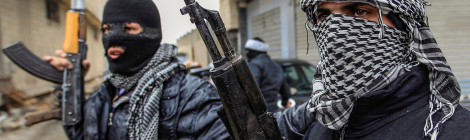
  • Sustainable Security

  • Sustainable Security

    International Dimensions of the Ukraine Crisis: Syria and Iran

    The Russian annexation of Crimea may be in direct contravention of international agreements but is popular in Russia and almost certain to hold. Given tensions within Ukrainian society and its weak transitional government, there remains some risk of further intervention in eastern Ukraine and possibly the Trans-Dniester break-away region of Moldova. Even if there is no further escalation in the crisis, the deterioration in EU/Russian and US/Russian relations is of great concern, not least in relation to two aspects of Middle East security – the Syrian civil war and the Iran nuclear negotiations.

    Read Article →

  • Al-Qaida: the Yemen factor

    The closing weeks of 2009 have seen an intensive focus among western policy-makers and media on the war in Afghanistan. The long-awaited surge in American troop deployments ordered by President Barack Obama, whose effects will be seen as 2010 unfolds, sets the scene for increased combat. The new United States strategy is mainly a response to the increased activity of Taliban and other militias; there are even claims by Mulla Sangeen that 80% of Afghanistan is under Taliban influence (see “Taliban claim control of over 80pc of Afghanistan”, PakTribune, 22 December 2009). This may be an exaggeration, but the many elements opposed both to the Hamid Karzai regime and the foreign military presence in Afghanistan have undoubtedly increased the movement’s influence (see “Afghanistan: from insurgency to insurrection”, 8 October 2009).

    There is something of a conundrum here, for the surge is being launched in a period where many argue that al-Qaida itself – the original target of the invasion of Afghan in October 2001, rather than its Taliban hosts – is actually in decline. This narrative cites the retreat of key al-Qaida leaders to western Pakistani districts where they are under constant risk of drone-attacks (which have killed many middle-ranking operatives) and are pressed by the Pakistani army to contend that al-Qaida is a diminishing threat. The implication is that if the Taliban in Afghanistan can be sufficiently squeezed into a degree of political acquiescence, then the war there can actually be won.

    True, civil planners in the United States take a far more cautious view on this issue than their military equivalents (see Rajiv Chandrasekaran, “Civilian, military planners have different views on new approach to Afghanistan”, Washington Post, 26 December 2009). But the military strategists who played a central role in the discussions preceding the new strategy are at the forefront of policy, and they are active in disseminating the case that the al-Qaida movement is in decline.

    The call of home

    This makes Umar Farouk Abdulmuttalab’s attempt on 25 December 2009 to destroy a Northwest Airlines flight as it approached Detroit after its journey from Amsterdam even more worrying. There is still more speculation than hard fact about the operation, but what little detailed information there is suggests that the young Nigerian had some connections with Yemen.

    Most of the focus of the United States war on al-Qaida since 9/11 has been on Afghanistan, Pakistan and Iraq; relatively little attention has been given to the two states on either side of the Gulf of Aden – Yemen and Somalia. Any surplus resources away from the middle east and southwest Asia have tended to be devoted to Algeria and Mali as potential sites for al-Qaida activity.

    True, Washington has looked with concern at Somalia as the internal troubles of this “failed state” have intensified; the expanding power of the al-Shabab Islamist militias – which may have loose connections with al-Qaida – in Somalia have deepened the US’s involvement here (see Harun Hassan & David Hayes, “Somalia: between violence and hope”, 15 July 2009). There is much clearer evidence, however, that Al-Qaida is active in Yemen; indeed, the group calling itself “Al-Qaida in the Arabian Peninsula” (AQAP) has claimed responsibility for the Northwest Airlines attack.

    Four elements of the Yemeni context are relevant in clarifying a complex situation:

    * Many Yemenis fought against the Soviets in Afghanistan in the 1980s and were welcomed back afterwards. Osama bin Laden himself is half-Yemeni.  More recently, a Saudi clampdown and conflict in western Pakistan have encouraged many more Yemeni paramilitaries to return home (see Ginny Hill, “Yemen: the weakest link”, 31 March 2009)

    * The Yemeni state does not control much of its territory, and its capabilities are further limited by a rebellion in the north; the latter is being waged with Saudi aid, including cross-border bombing raids by Royal Saudi air force F-15 strike-aircraft (see Michael Horton, “Borderline Crisis”, Jane’s Intelligence Review, January 2010).  A separatist movement in the south presents yet further problems to a beleaguered government

    * The government lacks the resources to maintain security. Yemen faces severe economic difficulties, in part because its oil reserves are now severely depleted and because it has been badly affected by the international financial downturn (see Fred Halliday, “Yemen: travails of unity”, 3 July 2009)

    * There has long been an Islamist paramilitary movement within the country; past attacks include the bombing of the USS Cole in Aden harbour in 2000 and the attack on the Limburg tanker in 2002 (see Fred Halliday, “Yemen: murder in Arabia Felix”, 13 July 2007).

    AQAP received a particular boost in February 2006 when twenty-three prisoners escaped from a prison in Sana’a. The group, which appears to have had support from sympathetic security officials, included the current AQAP leader Nasir al-Wuhayshi (see Sudarsan Raghavan, “Al-Qaeda group in Yemen gaining prominence”, Washington Post, 28 December 2009). In the subsequent period AQAP has become steadily more active; for example, it launched an attack on the US embassy in Sana’a and tried to assassinate Saudi Arabia’s head of counter-terrorism.

    The developments in Yemen in these four years have already prompted a strong response from the United States. The Pentagon has more than doubled military aid to Yemen, and committed over $70 million to training Yemeni security forces. There is a US special-forces presence in the country, and strong support from Washington for air-strikes against presumed AQAP targets; these include two bombing-raids on 17 and 24 December 2009 that are reported to have killed more than sixty militants (see Barbara Starr, “U.S. fears Yemen a safe haven for al Qaeda”, CNN, 28 December 2009).

    The government of Yemen’s president, Ali Abdullah al-Saleh, is working increasingly closely with the United States. The connection was expanded following a visit from the head of US Central Command, General David H Petraeus, in July 2009. The full extent of the cooperation is hidden, but it is likely that US forces are directly involved in Yemen’s internal operations – quite probably with armed drones and possibly US carrier-based strike-aircraft (see Eric Schmitt & Robert F Worth, “U.S. Widens Terror War to Yemen, a Qaeda Bastion”, New York Times, 27 December 2009).

    The inner story

    The rhetorical force of President Obama’s response to the Northwest Airlines attack makes it more than likely that Yemen will evolve into another military front against al-Qaida. This in turn will increase the perception that, after apparent reversals in Iraq and western Pakistan, the movement has staged a major comeback.

    The problem with this narrative is that it perceives al-Qaida as a clearly-structured and hierarchical movement with a coherent world plan. The reality, supported by developments in Yemen, is more complex (see Fawaz Gerges, “Al-Qaida today: a movement at the crossroads”, 14 May 2009). It is more accurate to say that al-Qaida has elements of a movement, a belief-system, a franchise and a very informal cluster of networks, yet at the same time it is widely dispersed and has relatively few internal interconnections.

    Many of the informal networks revolve around Islamist paramilitaries who fought in Afghanistan in the 1980s or in Iraq, Afghanistan and Pakistan in the 2000s. Some of the links have been consolidated by groups coalescing in detention-centres across the world, including Guantánamo. There are also indications that paramilitaries of several nationalities have moved to Yemen in recent years.

    The term “al-Qaida” is therefore best used to connote a loose rather than a ight or integrated movement. It is thus possible for the “old” leadership in western Pakistan to be under pressure while the broader movement continues to evolve. Similarly, it is also possible for the movement to have lost support in Iraq, Pakistan and the wider Islamic world (in large part because of the civilian deaths its attacks have inflicted) while it is still capable of attracting dedicated young men – including the scion of a wealthy Nigerian family – prepared to give their lives to the cause (see “Al-Qaida’s afterlife”, 29 May 2008).

    The US-led war in Yemen is likely to expand in the early months of 2010. It is not easy to see what else the Obama administration feels it can do, given that the Christmas Day attack came close to killing hundreds of people above Detroit. 

    But if the issue is seen through the other end of the telescope – a task that becomes ever more vital – and an increased American involvement in Yemen may well prove to be a hugely welcome gift to al-Qaida and its affiliates. Already its propagandists are at work, pointing to the civilian casualties of the December air-raids (as of those in the coalition’s latest Afghanistan attacks).  They will go on to develop a very clear narrative of the “far enemy” now extending its war against Islam to yet another country.

    Barack Obama may make an impressive speech on relations with the Islamic world in his Cairo speech of June 2009 – but this is seen as merely a sham. Instead, what will be portrayed is a “crusader” enemy that occupies Iraq and Afghanistan, exerts control over the Pakistani government, equips and aids the “Zionist” armed forces that suppress the Palestinians, and now kills Muslims in yet another country. It is a powerful and dangerous narrative, and one that retains great potency.