Blog

  • Sustainable Security

    From Surveillance to Smuggling: Drones in the War on Drugs

    In Latin America drones are being used as part of the War on Drugs as both regional governments and the US are using surveillance drones to monitor drug trafficking and find smuggling routes.. However, as drones are increasingly being used by drug cartels themselves to transport drugs between countries, could Latin America find itself at the forefront of emerging drone countermeasures?

    Read Article →

  • World Not Prepared for Climate Conflicts

    Accelerating climate change and competition for limited supplies of water, food and energy are poised to ignite long-simmering conflicts in fragile states, monopolising the world’s military resources and hampering development efforts, security experts say.

    Defusing these new 21st century conflicts – or at least preparing governments and citizens to cope with them – will require a broad range of innovative interventions, a gathering at Britain’s Department for International Development (DFID) heard earlier this month.

    Mitigation measures include borrowing business risk-management strategies, getting military officials to talk publicly about the constraints they face, building capable institutions in unstable countries, and ensuring billions in climate aid go to the right places and aren’t lost to corruption, experts said.

    Putting the right strategies in place will require bringing together disparate groups – economists, military strategists, aid workers – and working out fresh approaches to the emerging problems, they said.

    Climate change and resource scarcity are “setting a new challenge that we are not very good yet at handling”, said Dan Smith, secretary general of International Alert and one of the organisers of the “Dialogue on Climate Change, Conflict and Effective Response”.

    In Yemen, for example, severe water shortages – the result of water mismanagement and changing climatic conditions – are hurting crop production and feeding into growing political strife that could unseat longtime ruler, President Ali Abdullah Saleh, and even break the country apart.

    The pressures have important military implications, not least because Saleh has cooperated with Washington to dismantle an arm of Al Qaeda in Yemen, and because food and water shortages appear to be contributing to recent violence.

    TIPPING POINTS

    Worsening climate impacts and resource shortages could similarly aggravate simmering conflicts from Pakistan to fragile regions like the Niger River basin, which includes parts of Mali, Niger and Nigeria, said Smith, whose independent organisation works on peace and conflict issues.

    “Twenty-first century conflict will be different from 20th century conflict, and our institutions are set up for 20th century conflict,” he warned.

    One problem with dwindling resources, experts at the discussion noted, is that they push countries to put their own needs first, making them less likely to cooperate with neighbours and more likely to conflict with them. Resulting political tensions make international institutions less effective, just when they are most needed to tackle international problems like climate change.

    Another problem countries face is growing uncertainty stemming from climate change. There could be potential “tipping points” that threaten to abruptly increase sea level or global temperatures, or wipe out food crops, forcing up prices.

    Countries – particularly fragile ones – need to develop greater resilience and capacities to deal with unexpected problems, the security experts said. That usually involves things like creating state institutions that work and giving people new skills.

    “Understanding how to strengthen national institutions is crucial,” said Neil Bird, a researcher on environmental policy and international funding mechanisms at the London-based Overseas Development Institute.

    ‘CLIMATE FINANCE ORPHANS’

    But money to help countries prepare – including a planned $100 billion a year for climate-vulnerable nations by 2020 – could miss those that need it most precisely because they don’t have capable institutions in place to handle the funds in a transparent and accountable way.

    Fragile states could end up as “climate finance orphans”, Bird warned.

    Addressing all these looming problems will require a high degree of innovation, as well as input from diverse fields, the experts said. Business people and market traders, for instance, are usually good at assessing risk and hedging things like commodity prices – skills politicians and others may need to adopt too.

    Persuading military officials to “tell the world what they cannot do, even if they have a gazillion-pound defence budget” may also be useful, Smith said. They may be best placed to explain how spending on climate mitigation and adaptation could be cheaper and more effective than trying to control resource-driven conflicts or large-scale environmental migration further down the line, he added.

    Both rich and poor countries have a stake in limiting conflict driven by climate change and resource scarcity, not least because it will likely be costly to lives, budgets and development efforts, the security experts said.

    Climate change, together with associated shortages of food, water and energy, “are one of the gravest threats to our security and prosperity”, warned Sarah Cullum, head of the climate change and energy group at Britain’s Foreign Office.


    This article originally appeared on AlertNet. 

  • Sustainable Security

    RC_long_logo_small_4webThis article is part of the Remote Control Warfare series, a collaboration with Remote Control, a project of the Network for Social Change hosted by Oxford Research Group.

    This article by Esther Kersley, Katherine Tajer and Alberto Muti originally appeared on openDemocracy on 7 November 2014.

    Cyber space is a confusing place. As current discussions highlight the possibility of “major” cyber attacks causing a significant loss of life or large scale destruction, it is becoming harder to determine whether these claims are hype or are in fact justified fears. A new report by VERTIC, commissioned by the Remote Control project, offers some clarity on the subject by assessing the major issues in cyber security today to help better inform the debate and assess what threats and challenges cyber issues really do pose to international peace and security.

    How much of a threat are cyber attacks?

    Cyber attacks have been identified as one of the greatest threats facing developed nations. Indeed, the US is spending $26 billion over the next five years on cyber operations and building a 6,000 strong cyber force by 2016 and the UK has earmarked £650 million over four year to combat cyber threats. This level of investment suggests that states view issues of cyber security as a question of national security. But how much of a threat do cyber attacks pose to national security and how much damage have they caused?

    There is a need for caution when assessing the risk posed to national security by cyber threats. Indeed, although states are heavily investing in cyber security, to date, the majority of cyber incidents that have made the news have not directly impacted a state’s sovereignty, or threatened a state’s survival. For that to happen, an attack would have to significantly affect a government’s ability to control its territory, inflict damage to critical infrastructure or, potentially, cause mass casualties.

    Nevertheless, some notable instances of cyber attacks have had a significant impact on international relations over the past decades. These are ‘Stuxnet’, the cyber attack targeting Iranian uranium centrifuges (allegedly launched by a combined US-Israeli operation), the ‘Nashi’ attacks on Estonian government and private sector websites and web-based services, and the many instances of cyber-espionage that form the so-called ‘Cool War’ currently taking place between China and the US. Furthermore, cyber attacks have also been used as instruments of war in conjunction with conventional military operations, for example during the Russo-Georgian conflict in 2008 and most significantly during in the Israeli air raid against a nuclear reactor facility in Syria in 2007.

    However, to date no attack has led to large scale destruction or fatality, suggesting that the potential for this is unlikely. This is due to the great amounts of technological expertise, material resources and target intelligence required to carry out such an attack. These resources are currently only in the hands of states, that might hesitate in using cyber attacks in such a way, when other means are available. This could of course change, especially if different political actors acquired the necessary means.

    What should we be concerned about?

    This is not to say we have nothing to be concerned about. Although a large scale cyber attack that inflicts mass casualties is unlikely to occur in the near future, cyber activities can still affect civilian lives in other ways. The hyperbolic language used to describe the potential consequences of cyber attacks, combined with a lack of reliable, concrete information on the real risks posed by cyber threats has contributed to the ‘securitisation’ of the debate around cyber security issues. It is feared that this process will lead to possible dangers being overestimated, and vulnerabilities cast as national security threats of immediate concern. States’ reactions to these perceived risks may cause negative implications on both citizens and international peace and security.

    Already we are seeing a potential consequence of securitisation as governments turn to surveillance as a preventative measure against cyber attacks. In addition, the difficulty of attributing cyber attacks, as well as the widespread fear that other countries will constantly engage in cyber espionage, has led some to claim that the ‘cyber realm’ favours the attacker. This, in turn, may lead states to engage in a ‘cyber arms race’, as well as foster a ‘Cool War’ dynamic of continuous attrition and escalation between states. This erosion of trust between states, as well as the diminishing of civil liberties, are two serious concerns with regards to the militarization of cyber space.

    Cyber attacks also pose serious transparency and accountability issues due to the above-mentioned technical complexities of cyber attack attributions, as well as the ambiguous relationship between state and non-state actors (in the ‘Nashi’ attack in Estonia for example, the relation between the youth group responsible for the attack and the Russian government remains an ambiguous one).  The lack of legal clarity in this area is also worrying, meaning attackers will often not face consequences for their actions.

    The only existing international legislation in the field – the Budapest Convention – solely addresses cybercrime and no further issues (such as military use of cyberspace). The Convention also does not have enough support to provide enforcement of its objectives, has no monitoring regime and has not been signed by Russia or China. Furthermore, an attempt to set out ‘rules’ on the legal implications of cyber war – in The Tallinn Manual – found that the complexities of cyber conflict means there are many instances that do not easily adhere to current legislative standards. The speed of technology evolution further hampers drafting of law and international legislation.

    Growth of remote control warfare

    The rise in cyber activities cannot be examined in isolation. Its growth is part of a broader trend of warfare increasingly being conducted indirectly, or at a distance. This global trend towards ‘remote control’ warfare has seen an increasing use of drones, special forces, private military and security companies as well as cyber activities and intelligence and surveillance methods by governments in the last decade.

    Indeed the global export market for drones is predicted to grow nearly three-fold over the next decade, and a broader range of states are now using drones, including France, Britain, Germany, Italy, Russia, Algeria and Iran. The US has more than doubled the size of its Special Operations Command since 2001, and private military and security companies are playing an increasingly important role in both Afghanistan and Iraq, with over 5, 000 contractors employed in Iraq this year.

    The idea of countering threats at a distance, without the use of large military forces, is a relatively attractive proposition as the general public is increasingly hostile to ‘boots on the ground’. However, the concerns highlighted in this latest report with regards to cyber activities are echoed in all ‘remote’ warfare methods as their covert nature means there are serious transparency and accountability vacuums. As well as this, wider negative implications have been identified where these methods are in use, from the detrimental impact of drone strikes in Pakistan to instability caused by special forces and private military companies in Sub-Saharan Africa. The militarisation of cyber space is part of this growing trend and, like these other new methods of warfare, increased transparency and accurate information is essential in order to assess the real impact they are likely to have.


    Esther Kersley is the Research and Communications Officer for the Remote Control project of the Network for Social Change. The project, hosted by Oxford Research Group and affiliated with its Sustainable Security programme, examines changes in military engagement, in particular the use of drones, special forces, private military and security companies, cyber warfare and surveillance.

    Katherine Tajer is a Research Assistant for the Verification Research, Training and Information Centre (VERTIC).

    Alberto Muti is a Research Assistant for the Verification Research, Training and Information Centre (VERTIC).


    Featured image: The command line environment in MS-DOS. Source: Flickr. Available under Creative Commons v2.0.

  • Sustainable Security

  • Sustainable Security

    In January 2016, the government of Honduras and the Organization of American States (OAS) formalized the creation of a new international organ to help fight corruption in this country. The Mission of Support Against Corruption and Impunity in Honduras (MACCIH, in the Spanish acronym) is a welcome step. However, it is very early to estimate whether it will be able to make a positive contribution to solving the daunting challenges facing justice and security in this country.

    Honduras experiences what can be called a “perfect storm” of interrelated problems: violence perpetrated by diverse actors (gangs, drug traffickers); human rights abuses, in the context of a steady militarization of public security; impunity; corruption at the highest institutional levels, and widespread poverty and inequality. For years, it has been the most violent country in the world, with an average rate of 90 homicides per 100,000 people according to estimates by the UN Office on Drugs and Crime and the World Bank, which is significantly higher than the international average intentional homicide rate of 6.2 per 100,000 people.

    Gangs, Drugs, and Corruption

    Honduras, like El Salvador and Guatemala, has a serious problem with gangs. These are territorial groups involved in extortion and other crimes, exerting social control and who are connected to other criminal actors. The prevailing narrative from politicians and the media puts the blame of violence on the gangs, whose members are highly stigmatized as a result. Different governments have adopted iron-first and militarized approaches to deal with them. Casa Alianza, a charity that works and campaigns for the rehabilitation and the defence of street children, has documented that even children become victims of extrajudicial executions, carried out by death squads sometimes linked to the security forces. In January 2016, Casa Alianza denounced a monthly average rate of 81 children victims of extrajudicial executions.

    makarinfotos

    Image of Mara Salvatrucha gang member by markarinafotos.

    However, the figures of homicides attributable to gangs are highly disputed, and national and international actors diverge in their interpretations about the share of responsibilities for violence. This is a strategic corridor for drug trafficking, and the local markets are growing. According to the OAS, around 70% of homicides are perpetrated by drug cartels involved in wars for the control of routes, sometimes using gang members and youth as sicarios (a Spanish term for hit men). By January 2014, estimates were that 87% of the drug planes heading from South America to North America passed through this country. Transnational groups, especially from Mexico, have established bases here. Then, there are local groups and transportistas (carriers), contracted by the cartels and connected to Honduran political and economic elites, including land owners and mayors.

    In 2012, when the news about the gang truce in El Salvador spread throughout Central America, the Honduran gangs explored the possibility of starting a similar process. In May 2013, they delivered their first public statements from jail, announcing that they would stop violence in exchange for a series of demands. This was the first public event of a process accompanied by the Bishop of San Pedro Sula, Rómulo Emiliani, and the Secretary of Multidimensional Security of the OAS, Adam Blackwell.

    Dialogue never advanced for many different reasons, including the decentralized nature of the Honduran gangs (that makes it difficult to enforce discipline among the ranks), the lack of political maturity of their leadership, and the weak legitimacy of a government that had emerged from the 2009 coup d’état,. But Bishop Emiliani had warned, from the beginning, that even a successful truce could never emulate the sudden drop of homicides of El Salvador, where the daily rate plummeted from 14 to 5. n Honduras, he warned, the range of actors involved in violence for different purposes is extensive, and the balances of power among them very distinct from those of the neighbour country.

    It is worth remembering that in the 80s, amidst the wars that ravaged Central America, the Honduran territory was used for drug and arms trafficking with the aim of supporting the US allies in these wars, among them the Contras, who fought against the Sandinista government in Nicaragua. The illicit networks and connections created have survived well after these conflicts ended, including in sectors of the elite and security forces. Interpeace states that this is the country with more denounces of complicity between police members and illegal actors for the commission of crimes.

    Militarization as a Response

    President Juan Orlando Hernández, who took office in 2014, has followed others by trying to respond to these threats with an iron first strategy of crime suppression. But he has elevated the militarization of law enforcement to new levels. The military is now in charge of most aspects of public security.

    The most prominent example is the creation of the Military Police of Public Order (PMOP), which currently has around 3,000 soldiers deployed throughout the country. A special law has been approved to prevent the Attorney General’s Office from investigating and prosecuting their potential abuses. It is the National Council on Defence and Security, under the control of the Armed Forces, who appoints judges and prosecutors for that role. The resources for the PMOP are collected through a security tax and allocated through a classified and ultra-secret budget.

    Another emerging actor is FUSINA (Fuerza de Seguridad Interinstitucional), a task force composed of representatives of different security units. Led by the military, and with no formal status as an agency, FUSINA manages various bodies and organs, such as an anti-extortion unit that controls phone intercepts. Added to this is the US-backed Special Comprehensive Government Security Response Unit (TIGRES), a SWAT-style militarized police force.

    Militarization takes place in the streets and also in the top-down institutional structures, with more military in charge of security positions, including the Security Ministry that has power over the armed forces and the police. The military also controls the penitentiary system, with soldiers guarding prisons. The trend is worrying in itself and for the lack of transparency and accountability implied. Civil society groups have denounced a trend that might be bringing the country back to the ‘80s, when the military had extended powers and human rights abuses were rampant, and reversing the efforts to advance civilian power during the 90s.

    On the other hand, the national police experienced only limited reform in the past and are often accused of corruption and complicity in crime. Recently there have been limited purges of corrupt officers, but the situation could get even worse as they receive less equipment, salaries, and benefits than the PMOP. The priority given to the military threatens the feasibility and viability of a much-needed profound transformation of the police forces.

    There have been some successes in the fight against drug trafficking, such as the dismantlement of the leadership of the crime organization Los Valle while Los Cachiros surrendered to US authorities. The head of operations of the Sinaloa Federation, who operated from San Pedro Sula, has also been captured. But efforts to cut the links of powerful elite sectors with narco-trafficking and crime have been far less evident despite the US efforts in this matter. The US Treasury Department has included some of them in their “kingpin list”, including the Rosenthal family, one of the most influential in the country. Jaime Rosenthal, former vice-president and head of an economic conglomerate, has been asked for extradition on charges of money laundering.

    Corruption Shocking the Country

    In 2015, a corruption scandal shook the country. Members of the President-related Liberal Party diverted more than 335 million dollars from the Institute of Social Security, at least in part to fund the party’s electoral campaign. Citizens protested for months in the streets of Tegucigalpa, the nation’s capital, and other cities against corruption, impunity, and human rights abuses. They claimed for the President resignation and asked for international support to fight corruption, through an initiative similar to the International Commission to Combat Impunity in Guatemala (CICIG), which has achieved significant results including the case against President Otto Pérez Molina on corruption charges.

    The Mission Against Corruption and Impunity in Honduras (MACCIH), tasked with “the prevention and fight against corruption and impunity in the country”, is now a reality and could be accompanied by a permanent UN human rights monitoring mission in Honduras. The MACCIH shares some similarities with the CICIG. Both are hybrid agencies, international and domestic, but composed by international civil officers accountable to international organs (the UN, and the OAS). Both are tasked with the fight against corruption and impunity with the hope of bringing justice where the national counterparts cannot for different reasons (pressures, corruption, lack of resources).

    The MACCIH is expected to include independent judges and prosecutors to supervise and support their national counterparts, promote a review of the effectiveness of the public security system, create a civil society observatory to evaluate progress and a role for the Justice Studies Centre of the Americas in proposing legislation reform. But their powers will be more limited than those of the CICIG, which can initiate and conduct criminal proceedings against anyone without approval of the national authorities.

    The MACCIH can promote transparency and reforms, but much will depend on the political will to follow and implement (instead of resisting) its recommendations and proposals. National and international voices have questioned whether it will have enough power to fight effectively institutional corruption. Honduran elites will probably resist any effort directed at reform and accountability. In April 2015, the investigator that uncovered the ISS corruption scandal received death threats and had to flee the country. And the former head of the National Commission for the Fight Against Drug Trafficking, Alfredo Landaverde, was shot dead days after condemning the links between police and organized crime.

    With all those factors in mind, it becomes clear that repressive iron first policies and militarization cannot substitute the fight against illicit networks, corruption and impunity, nor the effort towards institution building, particularly in the rule of law and justice. They have been popular in electoral terms and have received substantial international backing, but are incapable of supressing crime connected to gangs or drug trafficking, and fail to guarantee human security. Furthermore, they do nothing to address corruption at all levels of the state and cut the links between elites and different forms of organized crime. Ivan Briscoe, of the Clingendael Institute, summarized the dynamic as follows: “Informal relationships, money and fear have initiated a vicious cycle of emergency responses, militarization and corruption that only virtuous policies with public backing can replace”. Of course, that will be a long-term endeavor.

    Mabel González Bustelo is a Fellow of the Global South Unit for Mediation (BRICS Policy Centre, Brazil) and author of Mediation with non-conventional armed groups? Experiences from Latin America.

  • Sustainable Security

    International Relations scholars, politicians, religious institutions and religious leaders can no longer debate whether religion is relevant to global or national governance issues and they can no longer afford to ignore the roles and functions of religious identity in many violent and nonviolent conflict areas in the world today. From European to South Asian societies, the headlines are related to the potentially destructive role that religion can play in everyday policy making. Those cases include, but are not limited to, the self-declared Islamic State of Iraq and Syria (ISIS); the civil war in the Central African Republic in which religious identity was thrown into the midst of the political conflict; and the ongoing conflict in Myanmar where religious identity is utilized to justify certain governmental policies.

    The issue that practitioners (policy makers, religious institutions and religious leaders) are really struggling to effectively address is how to understand the interreligious dynamics of conflicts and constructively link this to future policies. The response of policy makers in Europe to the ongoing global refugee crisis represents an important case of the need for further linkages between religious leaders and policy makers. Given that the majority of the refugees are Muslims, how are secular European policy makers going to develop an approach to manage or mediate the inherent difference of cultural and religious Islamic ways of living and do so without stereotyping or inciting violence and exclusion towards refuges?  An even more challenging task is facing policy makers in the Muslim world, especially those in the Middle East where religious and sectarian identities have been systematically manipulated to justify political and even inter- and intra-communal violence with brutal effects. Unlike the European reality, in the Middle East, delinking religious identity and institutions from governmental policies and from justifying wars and certain governance frameworks is the primary needed change. In this context, politicians continuously enlist religious leaders in pursuing their own interests.

    President Barack Obama meets with the Dalai Lama in the Map Room of the White House, Feb. 21, 2014. (Official White House Photo by Pete Souza) This official White House photograph is being made available only for publication by news organizations and/or for personal use printing by the subject(s) of the photograph. The photograph may not be manipulated in any way and may not be used in commercial or political materials, advertisements, emails, products, promotions that in any way suggests approval or endorsement of the President, the First Family, or the White House.

    President Barack Obama meets with the Dalai Lama in the Map Room of the White House, Feb. 21, 2014. (Official White House Photo by Pete Souza)

    Despite their problems grasping the issues, there is a growing agreement amongst policy makers and researchers that engaging religious leaders and institutions in peacebuilding on all levels is crucial to bringing the message of tolerance, pluralism and peaceful resolution of conflicts to communities. However, the research on such tools and techniques is still limited. Most studies continue to focus on the theological bases of peace and harmony in different faith groups (See Abu-Nimer’s 2007 book, Unity in Diversity). There are few studies on the mechanism and tools (design, processes, and evaluation of success) of interreligious peacebuilding which will allow policy makers to engage religious leaders and their institutions in a systematic process of mediation, negotiation, or problem solving to respond to a concrete social or political problem. As result of this shortage in experiences, many interreligious peacebuilding activities resort to the traditional and old models of symbolic and ceremonial representation of religious leaders in policy making circles. For example, a prime minster invites Abrahamic faith leaders to bless his/her new policy towards refugees in a certain area. In most cases such blessings take place outside of areas of worship and in the public secular space. The lack of systematic engagement of religious agencies in such peace processes and the instrumentalization of such agencies in a symbolic way only at the end of the process reduces the capacity of religious peacemakers in their own communities.

    This approach of limited (time and resources) and symbolic engagement with religious identity (via leaders, symbols, rituals, etc.) has been around for centuries: a ceremonial role but not genuine engagement as a serious stakeholder in the conflict (using the cross or holy books as part of the ceremony to celebrate a peace agreement in a conflict situation like Northern Ireland, Palestine-Israel, Mindanao Philippines, etc.). In fact, a similar approach is taken by those who use religion to justify their war plans and violence in general (such as the use of religion for justification of violence in the wars in Bosnia in the 1990s, conflict in Northern Ireland, etc). The selective and partisan hijacking of certain religious values to explain the need to exclude, discriminate, dehumanize the “different other.” In both cases, there is an instrumentalization of the religious identity but not deep and nuanced engagement.

    In current interreligious peacebuilding practices there are genuine efforts to move beyond this instrumentalization and bring a more holistic and integrative approach to engage religious leaders and institutions (See the recent 2015 report on CVE). Such trends can be vied in the most recent revisions of the American White House Summit responding to countering violent extremism (CVE) in which a strong call for a community based approach is an integral part of the CVE efforts; the KAICIID campaign, “United Against Violence in the Name of Religion”; Network of Religious and Traditional Peacemakers (launched by Finn Church Aid, Religions for Peace, KAICIID, USIP, OIC, etc.).

    The Main Challenges Ahead

    In spite of such efforts, there are still number of core challenges and potential pitfalls that face the field of interreligious peacebuilding in its development as a recognized field of researchers and practice, these include the following:

    • First, there is the western post Industrial Revolution framework that endorses the cultural assumption (some argue myth) that religion and faith can and should be left outside of public spheres. Thus, bringing faith into academic institutions becomes a major struggle and threatens the foundation of its knowledge generating paradigm. This assumption that dealing with religion and faith is a private matter that ought to be compartmentalized to the Sociology of Religion or Theological Studies has obstructed many international relations and political scientists from systematically exploring the complex relations between religion and peace and war.
    • Second is the assumption that conflicts and their causes reside primarily with material resources and not religion (identity or ideology). Such assumptions can lead many researchers and practitioners to dismiss or underestimate the role that religious identity and ideology can play in both triggering and sustaining conflict, as well as peace. There is no doubt that religion plays a complex and to some extent unique role in many conflict dynamics and outcomes. However, many aspects of this role are similar to other identity-based conflicts in which the stakeholder’s identity is deployed in the process of conflict escalation and de-escalation. Ethnicity, culture, race, gender, and sexual orientation are identities that have also been linked to conflict and violence, often through aggressive parties employing dehumanizing framing of an ‘other’, and there are many studies in both social science and the humanities that have explored the links between these identities and conflict and peace (see From Identity-Based Conflict to Identity-Based Cooperation, edited by Jay Rothman; and Ashmore, Jussim and Wilder of Rutgers University’s Department of Psychology’s publication: Social Identity, Intergroup Conflict, and Conflict Reduction).  The study of interreligious peacebuilding can draw on this wealth of research on conflict and identity and develop its own analytical frameworks and practices (R. Scott Appleby addresses religious identity and documents many of these the conflicts in his book, The Ambivalence of the Sacred: Religion Violence and Reconciliation).
    • Third, resources and support by professional organizations, donors, religious leaders and institutions are limited due to the above perceptions and biases. Thus many interreligious analysts and practitioners are rarely invited to the table as recognized and credible actor or agency who can contribute to the processes of peace or policy managements.
    • The fourth challenge is understanding that religious peacebuilding is not the ultimate solution for all social and political problems in any given society, since religious identity and its manipulation is rarely the main cause of the violence in any conflict situation. In such cases, we should relate to interreligious peacebuilding agencies as serving a complementary role in a wider range of peacebuilding efforts carried out by many other peace agencies (such as media, educators, business sector, civil society, etc.) (See Abu-Nimer)

    Conclusion

    Despite the above challenges, the field of religious peacebuilding has been growing and gradually recognized by policy makers and donors as an important agency to engage with. Also, it is important to recognize that interreligious peacebuilders have been able to create significant progress in relief, development and aid. Faith based Organizations (FBOs) have illustrated that through interreligious cooperation they can significantly contribute to eradication of malaria in West Africa, provide relief to Tsunami victims in Sri Lanka and Indonesia, and fight hunger and poverty around the world in many local communities; and NIFA, a Nigerian interfaith organization that launched a campaign to eradicate malaria; also see the recent International Partnership on Religion and Sustainable Development (PaRD), a network for linking development and religion, which was launched by the German Federal Ministry for Economic Cooperation and Development.

    Nevertheless, the field of interreligious peacebuilding still has a long road ahead in terms of its research and study agenda, especially in producing empirical research that articulates the detailed processes, conditions and dynamics in every conflict and that lead certain communities to be easily mobilized through their religious identities (symbols, rituals, and institutions) to endorse violence or peace.

    Mohammed Abu-Nimer is Senior Advisor Interreligious and Intercultural Dialogue Center (KAICIID); and Prof. of Peace and Conflicts Resolution, American University, Washington DC.

  • Sustainable Security

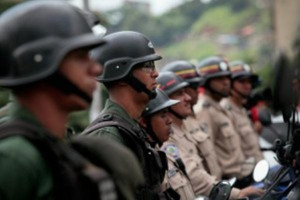
    Militarised Public Security in Latin America in Venezuela

    Across Latin America, governments are sending their militaries into the streets to act as de facto police forces in the face of disproportionally high crime and violence rates. This trend has been going on for several years, but has accelerated in 2013. With the move to deploy over 40,000 troops for citizen security in Venezuela, President Nicolás Maduro joined a growing list of leaders throughout the region that have relied on their militaries to carry out police duties. In the first of our two-part discussion ‘Countering Militarisation of Public Security in Latin America’, Sarah Kinosian discusses the conditions that are causing the trend to thrive.

    Read Article →

  • Sustainable Security

    by Elizabeth Minor, Researcher at Article 36

    RC_long_logo_small_4webThis article is part of the Remote Control Warfare series, a collaboration with Remote Control, a project of the Network for Social Change hosted by Oxford Research Group.

    Later this month, governments will meet in Geneva to discuss lethal autonomous weapons systems. Previous talks – and growing pressure from civil society –  have not yet galvanised governments into action. Meanwhile the development of these so-called “killer robots” is already being considered in military roadmaps. Their prohibition is therefore an increasingly urgent task.

    From 13-17 April, governments will meet at the United Nations in Geneva to discuss autonomous weapons – also referred to as killer robots. The week-long meeting will be the second round of multilateral expert discussions on “lethal autonomous weapons systems” to take place within the framework of the United Nations’ Convention on Certain Conventional Weapons (CCW).

    Urgent and coordinated international action is needed to prevent the development and use of fully autonomous weapons systems. Such systems would fundamentally challenge the relationship between human beings and the application of violent force, whether in armed conflict or in domestic law enforcement. Once activated and their mission defined, these systems would be able to select targets and carry out attacks on people or objects, without meaningful human control. As states with high-tech militaries such as China, Israel, Russia, South Korea, the UK, and the US continue to invest in aspects of increased autonomy in weapons systems technologies, consideration of this issue is increasingly urgent. Campaigners are calling on states to tackle this issue by developing a treaty that pre-emptively bans these weapons systems before they are put into operation, by which time it may be too late.

    The issue

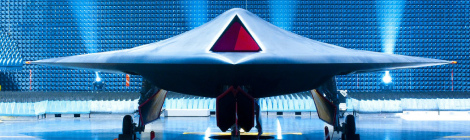
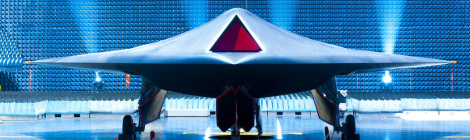
    Taranis stealth UAV

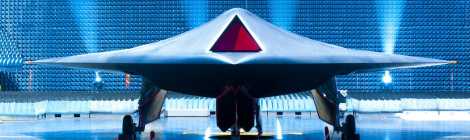
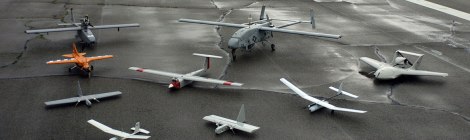
    The UK’s Taranis stealth UAV. The Taranis exemplifies the move toward increased autonomy as it aims to strike distant targets “even on other continents”, although humans are currently expected to remain in the loop. Source: Flickr | QinetiQ

    Weapons systems that do not permit the exercise of meaningful human control over individual attacks should be prohibited, due to the insurmountable ethical, humanitarian and legal concerns they raise. The governance of the use of force and the protection of individuals in conflict require control over the use of weapons and accountability and responsibility for their consequences. This principle, rather than any particular piece of technology or format of weapons delivery, is at the heart of the issue of autonomous weapons systems. Some have argued that fully autonomous weapons systems might reduce the risk of conflict or be able to better protect civilians. However, the focus must remain on these systems’ overall implications for the conduct of violence, rather than on a small range of hypothetical possibilities.

    Tasks can be given to hardware and software systems. Responsibility for violence cannot. The process of rendering the world ‘machine-sensible’ reduces people to objects. This is an affront to human dignity. Computerised target-object matching such as shape detection, thermal imaging and radiation detection may enable the identification of objects such as military vehicles, though in complex and civilian-populated environments, not necessarily with accuracy. However, assessment of information about these objects and the surrounding environment, including the presence of protected persons such as civilians or wounded combatants, is also essential to uphold the principles that govern the launching of individual attacks under International Humanitarian Law. These are not quantitative rules, but considerations that require deliberative moral reasoning and contextual decision-making. As such, they could not be translated into software code. Based on the principle of humanity, they implicitly require human judgement and control over the process of decision-making in individual attacks.

    Other concerns about the development of fully autonomous weapons systems include the dangers of proliferation among state and non-state actors, hacking, and the use of these systems in law enforcement or other situations outside of warfare.

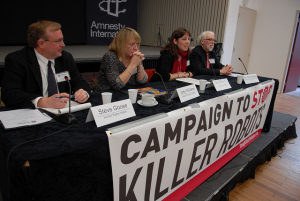
    Campaign to Stop Killer Robots campaign launch in April 2013

    Campaign to Stop Killer Robots first NGO conference in April 2013

    A preemptive ban as a solution

    Whilst the Campaign to Stop Killer Robots is calling on states to move with urgency towards negotiations on a treaty to outlaw fully autonomous weapons systems, previous talks in Geneva have not yet galvanised governments into action.

    Some states have suggested that existing law is sufficient to tackle this issue. Existing international law, which was developed prior to any consideration of autonomous weapons systems, implicitly assumes that the application of force is governed by humans. This body of international law is now inadequate as a reliable barrier to the development and use of fully autonomous weapons systems. A pre-emptive ban through an international instrument would not only halt any progress on these systems amongst states parties, but would help to stigmatise development by others.

    Some states have argued that this issue can be dealt with by conducting individual reviews of their weapons technologies to ensure they continue to uphold current international law. States are already obligated to do this however, and whilst it is important, it will not be sufficient in preventing the development of these systems internationally. A clear legal standard and norm needs to be set, and this is best done through new international treaty law.

    A ban based around prohibiting systems that operate without meaningful human control over individual attacks should be the starting point in international discussions among states, and so the elaboration and agreement of the elements of this principle are required as a next step.

    International response so far

    To date, autonomous weapons have been raised at the Human Rights Council in 2013 and considered by governments in dedicated discussions held at expert meetings of the CCW in 2014. The UN Special Rapporteur on extrajudicial, summary or arbitrary executions, Christof Heyns, called in 2013 for national moratoria to be imposed by all states on the “testing, production, assembly, transfer, acquisition, deployment and use” of these systems, until an internationally agreed framework on their future has been established. The CCW could be a possible venue for developing this, having previously produced a pre-emptive ban on blinding laser weapons. One should note, though, that previous attempts within the CCW to deliver the responses needed to certain weapons systems have occasionally failed, often hampered by operating under the consensus rule and a tendency to defer to military considerations rather than focus on humanitarian or ethical imperatives.

    Promisingly, the need to ensure meaningful human control has already been a prominent feature of the debate at the CCW, with several states recognising the importance of this approach. In upcoming discussions, governments should elaborate their policies for maintaining meaningful human control over existing weapons systems in individual attacks. Such an exchange would advance consideration of how human control can be ensured over future systems. This would in turn help clarify what practices and potential systems must be prohibited and the standards that states must demonstrate that they are meeting in their conduct. Elements to consider could include the need for adequate information to be available to commanders using any weapons system, positive action from a human being in launching individual attacks, and ensuring accountability.

    Few states have elaborated any policy on human control over weapons systems. Current US policy on autonomous weapons systems stresses that there should be “appropriate levels of human judgement over the use of force”, but does not define what these should be. The policy leaves the door open for the development of fully autonomous weapons systems, whilst recognising the harm they could cause to civilians. The UK government has stated that it has no intention to develop fully autonomous weapons and that “human control” over any weapons system must be ensured. However, it has not given sufficient elaboration of what exactly this means and how it will be ensured.

    States may see different types of operating, supervising or overseeing systems to constitute acceptable control. Agreement between states on the concept of meaningful human control is therefore an important element of international progress on the issue of fully autonomous weapons systems.

    Work by states on an international framework should be supported by input from civil society and draw on the views of a range of experts. Ultimately, negotiation processes will determine the definitions of key concepts. If discussions do not advance towards a binding framework within the CCW, a freestanding treaty process may be required, as was the case previously in the processes to outlaw both anti-personnel landmines and cluster munitions.

    The upcoming meeting of experts at the CCW in April is unlikely to result in particular concrete actions due to the nature and format of the meeting. It could pave the way for a decision in November that states continue to discuss this issue in 2016 and put it on the agenda for the CCW’s 2016 Review Conference. At that point it could be flagged as a subject on which States Parties should develop a new binding protocol. No clear group to lead this process has yet emerged. So far Cuba, Ecuador, Egypt, the Holy See, and Pakistan have endorsed a pre-emptive ban on autonomous weapons systems. France secured consensus for the CCW mandate in 2013 that established its work on lethal autonomous weapons systems, and Germany will be chairing the upcoming meeting, with the aim of seeking consensus on further consideration of the subject. However, the development of fully autonomous weapons systems is already being considered in military roadmaps. This makes their prohibition an urgent task.

    Elizabeth Minor (@elizabethminor3) is a Researcher at Article 36, and was previously Senior Research Officer at Every Casualty, and a Researcher for Iraq Body Count (IBC). 

    Featured image: The UK’s Taranis stealth UAV. The Taranis exemplifies the move toward increased autonomy as it aims to strike distant targets “even on other continents”, although humans are currently expected to remain in the loop. Source: Flickr | QinetiQ

  • Sustainable Security

    Momentum towards a nuclear weapons ban treaty: what does it mean for the UK?

    International momentum towards a treaty to ban nuclear weapons reached a milestone in the December 2014 Vienna conference. Even assuming that the UK does not initially sign up to such a treaty, it is subject to the pressures of a changing legal and political environment and could find its present position increasingly untenable – not least on the issue of Trident renewal.

    Read Article →

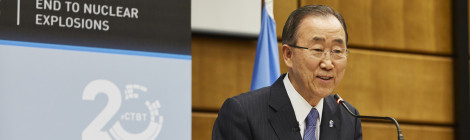
    Nuclear Weapons: From Comprehensive Test Ban to Disarmament

    Despite not yet entering into force, the 1996 Comprehensive Test Ban Treaty has succeeded in almost eliminating nuclear weapons testing and in establishing a robust international monitoring and verification system. A breakthrough in its ratification by the few hold-out states could have important positive repercussions for the Nuclear Non-Proliferation Treaty or nuclear disarmament in the Middle East.

    Read Article →

    Humanitarian Consequences of Nuclear Weapons: Five Reasons for the P5 to participate in Vienna

    The ‘humanitarian dimension’ initiative highlighting the consequences of nuclear weapons has evolved and consolidated itself in the non-proliferation regime since 2010. The five nuclear weapons states (NWS or P5) under the NPT – China, France, Russia, UK and US – boycotted the first two international conferences on the humanitarian consequences of nuclear weapons. A third conference will be held in Vienna on 8-9 December 2014. This article gives five reasons why the P5 should consider participating.

    Read Article →

    Building the Case for Nuclear Disarmament: The 2014 NPT PrepCom

    The humanitarian impact of nuclear weapons, highlighted by a wide-ranging, cross-grouping, multi-aim initiative which continues to consolidate itself in the non-proliferation regime, has come to the fore in the 3rd Prepatory Committe for the 2015 NPT Review Conference. Frustrated with the lack of progress towards NPT Article VI commitments to complete nuclear disarmament, the initiative has invigorated attention to the urgency of nuclear disarmament and a need for a change in the status quo. NPT member states and civil society continue to engage actively in publicizing the humanitarian consequences of nuclear weapons as an impetus to progress towards nuclear disarmament.

    Read Article →

    The ‘High Politics’ of Sustainable Security

    If events like those in Ukraine have taught us anything it is that, despite the predictions of many, the potential for conflict between the major powers is still one of the defining characteristics of world politics. Crisis diplomacy and inter-state rivalry is back on the global agenda. But if policymakers, analysts and civil society actors are to try and come up with ways of reversing the trend towards an increasingly competitive, militarised and crisis-driven inter-state order, then thinking carefully through the implications of a sustainable security approach to great power politics would appear to be a most useful starting point.

    Read Article →

    International Dimensions of the Ukraine Crisis: Syria and Iran

    The Russian annexation of Crimea may be in direct contravention of international agreements but is popular in Russia and almost certain to hold. Given tensions within Ukrainian society and its weak transitional government, there remains some risk of further intervention in eastern Ukraine and possibly the Trans-Dniester break-away region of Moldova. Even if there is no further escalation in the crisis, the deterioration in EU/Russian and US/Russian relations is of great concern, not least in relation to two aspects of Middle East security – the Syrian civil war and the Iran nuclear negotiations.

    Read Article →

    The Threat of Nuclear Disconnect: Engaging the Next Generation

    The dramatic decrease in public awareness and engagement in the nuclear weapons debate since the 1980s poses a risk to our future, as younger generations and future policy shapers will be less familiar with the challenges posed by nuclear weapons when they take the helm. But nuclear weapons are too dangerous a threat for an entire generation to disconnect from. BASIC’s Rachel Staley explores the ramifications of not updating the nuclear debate.

    Read Article →

  • India’s 21st-century war

    A year on from the election of Barack Obama as United States president, the conflicts that dominated Washington’s concern under his predecessor are still raging – and even increasing in intensity. This is particularly true of the arc of insecurity that stretches from the middle east through to southwest Asia, where – from Afghanistan and Pakistan to Israel-Palestine and Iran – the reality and potential of violence have hardly been diminished as a result of the change of administration.

    Moreover, alongside the high-intensity conflicts where Washington is directly or by proxy involved in this region, there are other slow-burn insurgencies that often receive less attention than they deserve. The persistent rebellion in India of the Maoist guerrilla movement known as the Naxalites is one such. A reason for paying more heed to this issue is that the evolving nature of the Naxalite conflict – including the Indian government’s approach in attempting to combat the movement – may represent a more accurate indicator of future trends in global insecurity even than the al-Qaida network.

    A potent legacy

    The internal United States debate about its future strategy in Afghanistan and Pakistan in particular has as much of its specific focus the current status of al-Qaida, and whether it still represents a major threat to US security interests.

    The argument over whether (and by how much) to increase US deployments in Afghanistan – prompted by General Stanley A McChrystal’s request for at least 40,000 more troops – is now complicated further by the political fallout of the now aborted rerun of Afghanistan’s presidential election. The effect of the confirmation of Hamid Karzai as the election winner and thus president for a third term in office (after the withdrawal on 1 November 2009 of his rival, Abdullah Abdullah) makes it even harder for the pro-”surge” advocates to make their case (see Charles A Kupchan & Steven Simon, “Pull the Plug on the Afghan Surge”, Financial Times, 3 November 2009).

    Many of those who oppose such a move argue that the US is making a strategic mistake by seeing the Afghan and Pakistani Taliban groups as the main focus of its efforts. These are so embedded in local societies on either side of the border that they cannot, so the argument goes, be defeated in the conventional sense. It is far more important in this view to concentrate specifically on the al-Qaida leadership and that movement’s most determined adherents. By doing so, the US military will lead the task of defeating terrorism and making the world a safer place.

    This argument, though yet to be won, can be seen as a significant departure from the dominant thinking of George W Bush’s “war on terror” – especially its tendency to describe any radical paramilitary group anywhere in the world as “terrorist”. The logic of this view, embraced with glee by the neo-conservatives that provided the Bush administration’s ideological fuel, was the radical division of the world into two absolutely polarised sides: with us or against us, there is no room for doubt or compromise.

    The search for a more nuanced and targeted approach reflects a degree of new thinking from Barack Obama. The problem he faces is that the mentality of the “war on terror” has proved so influential, including by other states facing their own domestic insurgencies, that it is very difficult to change course.

    A hidden rage

    A case in point is the New Delhi government’s developing assault on the Naxalite rebels in India.

    The Naxalite movement has its origins in a land dispute near the village of Naxalbari in the northern part of West Bengal in 1967. This lasted several years and appeared to have been brought under control. But later, a number of leftist groups fired by a Maoist ideology made links with disadvantaged peoples in parts of rural eastern India; in the early 2000s, this coalesced into a renewed movement (see Ajai Sahni, “India and its Maoists: failure and success”, 20 March 2007)

    Since then, the Naxalites have grown in power and influence. They are often brutal in their methods but have managed to win support from huge numbers of marginalised people, in part because of the great brutality inflicted by security forces in the areas the guerrillas control. The Indian authorities are increasingly concerned at the threat the movement poses to the country’s internal security – and even its much-vaunted economic miracle. For the state, and much of the economic elite, the Naxalite/Maoist rebels are simply terrorists who must be put down with whatever force is necessary (see “A world in revolt”, 12 February 2009).

    Since then, the Naxalites or Maoists have grown in power and influence, as part of a conflict with the authorities in which there has been great brutality on both sides. They are reported to be active in 220 of India’s 602 districts across fifteen of India’s twenty-eight states.

    Much of the activity is spread across India’s so-called “red corridor”, which stretches from the Nepalese border down to the southern state of Karnataka. A current report says: “With a force of 15,000 armed cadres, they control an estimated one-fifth of India’s forests. They are also believed to have 50,000 underground activists. Around 100,000 people, including the intelligentsia, are associated with various front organisations in different parts of the country” (see Prakash Nanda, “India’s deadly war within”, UPI Asia Online, 4 November 2009).

    The problem with this view is that the guerrillas draw on the genuine injustices inflicted on poor Indians in rural areas, including (for example) the many thousands dispossessed of their lands and livelihoods by mining corporations and new industries (see Arundhati Roy, “The heart of India is under attack”, Guardian, 30 October 2009). These injustices are part of the entrenched and increasing disparities in wealth and poverty that India’s breakneck race for growth has created.

    The war between the Indian state’s security forces (including the armed militias it has organised) and the Naxalites is taking place amid this landscape of desperate poverty and inequality. The rebels’ tactics include the use of roadside-bombs and ambushes, which have helped them kill over 900 Indian security personnel in 2006-09. In the period from April-June 2009 alone, they killed 112 security personnel in four key regions of combat: Chhattisgarh, Bihar, Jharkhand and Orissa; over three days in early June, twenty police lost their lives in two attacks (see Divy Khare, “Naxalites strike again, kill 10 cops in Jharkhand”, Times of India, 13 June 2009). In Maharashtra, two Naxalites lured a police patrol into a trap and in an hours-long fight, seventeen policemen died (see Jim Yardley, “A growing Maoist rebellion vexes India”, International Herald Tribune, 31 October 2009).

    The authorities are now being shocked by years of accelerating conflict into raising the level of their response. New Delhi is mounting a large-scale operation – Operation Green Hunt – that is expected to involve some 70,000 paramilitary forces. The aim is partly to counter the spread of Naxalite influence beyond the most densely forested areas that have been their core domain into open countryside; Operation Green Hunt seeks to force the rebels back into the forests where they can (it is supposed) be more easily contained (see Anuj Chopra, “Jungle lair of the Maoist rebels”, 5 November 2009).

    The carefully planned operation could take several years to complete. At its root is the firm belief that the target groups, however strong their support, constitute a threat to the emergence of the new India as a global economic power. In such circumstances, strategic ores must be mined and factories built on suitable land. Those in the way – leftist rebels or local villagers – simply cannot be allowed to interfere with India’s onward march to western-style modernity (see “China and India: heartlands of global protest”, 7 August 2008).

    It is especially pertinent to note that this rebellion has caught India somewhat by surprise. At the very time that India has finally embraced the consumer society, when burgeoning cities are replete with shopping-malls, entertainment venues and gated communities – violent extremists appear, as if from nowhere, to wreck the party and threaten the future (see Manmohan Singh, “’A Systemic Failure’”, OutlookIndia, 4 November 2009). The fact that much of what is happening can be understood as a desperate response from intensely marginalised people is discounted.

    A warming conflict

    The import of the Naxalites and other Maoist groups in India may go far beyond the major internal-security problem they pose. From another perspective, they represent an early example of the kinds of radical response that could – if present dominant policies continue – become far more widespread in the coming decades (see “A world on the edge”, 29 January 2009).

    In the 2010-40 period, climate change will affect the tropical and sub-tropical regions of the world in ever more pervasive ways. As the continents warm up much faster than the oceans and the croplands dry out, the consequence will be a sharp decline in the land’s ecological “carrying-capacity” (see Shanta Barley, “A World 4 degrees C warmer”, New Scientist, 3 October 2009)

    This is also a world where there are enormous gaps in living-standards, life-chances and access to resources; where 10% of the world’s people have over 85% of the household wealth; and where hundreds of millions of people in the global south (and north) are marginalised and resentful. The results, if such trends are allowed to continue, will be a combination of more fragile and failing states with intense migratory pressures; in turn this will reinforces the tendency of the world’s elites to seek to “close the castle gates” (see “A tale of two towns”, 21 June 2007).

    In this perspective, the rational approach would be led by an awareness of how the dangers of socio-economic divisions and environmental limits make a new definition of security essential (see “A world in need: the case for sustainable security”, 10 September 2009). A continuation of the current path may mean that al-Qaida will be seen as a short-term problem that withered away – and the Naxalite rebellion as the prototype conflict for the 21st century.

  • Boiling point

    If Pakistani householders look carefully at their electricity bills, they will find they have been charged an extra amount for NJP – the Neelum Jhelum Project. It has been going on for years and is an attempt by the Pakistani government to raise money for a hydroelectric project on the Neelum River, a tributary of the Jhelum in Kashmir.

    But while Pakistan – unable to get loans for the project from international agencies due to the ongoing terrorism problem – is still raising money, India is diverting the water upstream, meaning there will not be enough of it in the Neelum for Pakistan to build the project it wanted.

    India is within its legal rights to do this. Under the 1960 Indus Water Treaty (IWT), it is allowed to build run-of-the-river projects as long as it delivers all the water to Pakistan at the end of it. And that is exactly what India is doing; channeling the water for its own hydroelectricity project, before releasing it directly into the Jhelum further downstream. Pakistan is so incensed that, in late April, it announced it would approach the World Bank, which is the arbitrator under the IWT, in an effort to stop the Indian project.

    Water is rapidly overtaking the territorial dispute over Kashmir to become the biggest bone of contention between India and Pakistan. And the rhetoric in Pakistan is getting uglier by the day. One of the first questions this Indian reporter faced in Islamabad in late March was: “Why is India stealing our water?” The question came from a Pakistani journalist at the start of a workshop on precisely this topic, which brought together journalists from India and Pakistan as well as water experts. After two days of discussion, the Pakistani journalist said: “Now I know India is not stealing our water and that it is sticking to the treaty. But does it not realise we need more water? How can we survive without it?”

    Much of the reportage in the Pakistani media is not so nuanced, and charges of water theft by India – the upper riparian country – are bandied about regularly. There is no doubt that India has built and is continuing to build hydroelectric projects in the upper reaches of the rivers that flow into Pakistan. But it has been scrupulous in sticking to the IWT, which says India can build run-of-the-river projects on the Indus, Jhelum and Chenab rivers, as long as the quantity of water that flows into Pakistan through these waterways is not reduced. The treaty also allows India to store 3.6 million acre feet (MAF) of this water, before the rivers flow into Pakistan.

    Whenever Pakistani government officials are asked about the water dispute, they agree that India is sticking to the IWT. But that is not the way it is reported in much of the Pakistani media, and even one of Pakistan’s Islamic fundamentalist groups recently said its ire against India was partly a result of it “stealing our water”.

    This perception has grown due to “lack of transparency and lack of timely data from India”, said Danial Hashmi, senior engineer at Pakistan’s Water and Power Development Authority (WAPDA). “That leads to lack of trust. We have to keep asking them for water flow data that should be coming to us automatically, and without delay.”

    The origins of the water dispute lie back in the nineteenth century, when Britain ruled the subcontinent and British engineers started to build what became the world’s largest canal irrigation system in the Indus river basin. That became a huge issue when Pakistan was carved out of India in 1947, splitting the river basin and its canals. As it was located upstream, India had control of the rivers and there were repeated disputes over water flow until the World Bank mediated the IWT, giving the three eastern rivers – Ravi, Beas and Sutlej – to India and the other three to Pakistan.

    India’s High Commissioner to Pakistan, Sharat Sabharwal, has repeatedly said: “The IWT has served both countries well and has been operational even in times of war. It assigned to Pakistan 80% of the water in the Indus system of rivers.”

    John Briscoe, a water expert who has worked in the subcontinent for 35 years, was the World Bank adviser involved in choosing the neutral expert to adjudicate between India and Pakistan on the Baglihar dam in the Indian part of Kashmir. (Read John Briscoe’s article for chinadialogue here: “Bankrolling change”). Briscoe says that the IWT could be a “stable basis for cooperation if India and Pakistan had normal trustful relations. [Then] there would be a mutually-verified monitoring process which would assure that there is no change in the [water] flows going into Pakistan.”

    Since both countries agree that India is sticking to its part of the IWT, why is less and less water available to farmers in Pakistan? Daanish Mustafa, an academic in the geography department at King’s College, London, said it was partly because the planners had not foreseen how there would be less water flowing down these rivers due to changes in the Himalayan environment.

    Deforestation in the catchment area of the Indus basin means more and more silt is flowing down these rivers, choking the channels and reducing water flow. Another key issue is the dependence of these rivers on the Himalayan glaciers. While it has now been established that these glaciers are in no danger of disappearing in the next few decades, there is no doubt that they are receding due to global warming. A detailed satellite-based study by the Indian Space Research Organisation came to the conclusion this March that Himalayan glaciers have shrunk by 16% in the last 50 years.

    In the entire Himalayan ranges, glacier melt is responsible for less than 10% of the annual flows in these rivers. But that is not the case in the Indus basin. As the westernmost of the river basins formed by the Himalayas, it gets much less of the monsoon rain than the eastern Himalayas and is consequently far more dependent on the glaciers.

    So Pakistan is asking India for water in an environment where the total water flow is shrinking all the time. This had not been foreseen when the IWT was signed 50 years ago, but today it threatens to become the major flashpoint between the two nuclear-armed neighbours in south Asia, despite conciliatory messages from parts of the Pakistani establishment. “This is a problem that can be solved only through cooperation and not confrontation,” Pakistan’s environment minister Hameed Ullah Jan Afridi pointed out at the March workshop, which was organised by the voluntary organisation LEAD Pakistan and sponsored by the British government.

    India is the upper riparian country in the Indus basin, but the rivers do not start in India. They start in the Tibet Autonomous Region of China. Unless China is brought to the discussion on how to control deforestation in the basin’s catchment area and how best the dwindling water supplies can be shared in a situation where glaciers are retreating due to global warming, the water-related tension between India and Pakistan can only get worse. Eminent Pakistani lawyer Tariq Hassan recently said: “Water is the most strategic issue facing the subcontinent. If there is a war here in the future, it will be over water.”

    Independent experts like Briscoe say that, while India is sticking to the IWT, it needs to be more generous because of the “great vulnerability and legitimate concern of Pakistan” over water scarcity, which has already ensured that the Indus, the mother river of the subcontinent since pre-history, no longer even flows to the Arabian Sea but instead trickles to its death in the sands of Sindh.


    About the author: Joydeep Gupta is a director of the Earth Journalism Network at Internews and secretary of the Forum of Environmental Journalists of India.
    Source: China Dialogue

    Image Source: Sanju

  • Gorbachev – Twenty years after the fall of Berlin wall the world is no fairer

    Twenty years have passed since the fall of the Berlin wall, one of the shameful symbols of the cold war and the dangerous division of the world into opposing blocks and spheres of influence. Today we can revisit the events of those times and take stock of them in a less emotional and more rational way.

    The first optimistic observation to be made is that the announced “end of history” has not come about, though many claimed it had. But neither has the world that many politicians of my generation trusted and sincerely believed in: one in which, with the end of the cold war, humankind could finally forget the absurdity of the arms race, dangerous regional conflicts, and sterile ideological disputes, and enter a golden century of collective security, the rational use of material resources, the end of poverty and inequality, and restored harmony with nature.

    Another important consequence of the end of the cold war is the realisation of one of the central postulates of New Thinking: the interdependence of extremely important elements that go to the very heart of the existence and development of humankind. This involves not only processes and events occurring on different continents but also the organic linkage between changes in the economic, technological, social, demographic and cultural conditions that determine the daily existence of billions of people on our planet. In effect, humankind has started to transform itself into a single civilisation.

    At the same time, the disappearance of the iron curtain and barriers and borders, unexpected by many, made possible connections between countries that until recently had different political systems, as well as different civilisations, cultures and traditions.

    Naturally, we politicians from the last century can be proud of the fact that we avoided the danger of a thermonuclear war. However, for many millions of people around the globe, the world has not become a safer place. Quite to the contrary, innumerable local conflicts and ethnic and religious wars have appeared like a curse on the new map of world politics, creating large numbers of victims.

    Clear proof of the irrational behaviour and irresponsibility of the new generation of politicians is the fact that defence spending by numerous countries, large and small alike, is now greater than during the cold war, and strong-arm tactics are once again the standard way of dealing with conflicts and are a common feature of international relations.

    Alas, over the last few decades, the world has not become a fairer place: disparities between the rich and the poor either remained or increased, not only between the north and the developing south but also within developed countries themselves. The social problems in Russia, as in other post-communist countries, are proof that simply abandoning the flawed model of a centralised economy and bureaucratic planning is not enough, and guarantees neither a country’s global competitiveness nor respect for the principles of social justice or a dignified standard of living for the population.

    New challenges can be added to those of the past. One of these is terrorism. In a context in which world war is no longer an instrument of deterrence between the most powerful nations, terrorism has become the “poor man’s atomic bomb”, not only figuratively but perhaps literally as well. The uncontrolled proliferation of weapons of mass destruction, the competition between the erstwhile adversaries of the cold war to reach new technological levels in arms production, and the presence of the new pretenders to an influential role in a multipolar world all increase the sensation of chaos in global politics.

    The crisis of ideologies that is threatening to turn into a crisis of ideals, values and morals marks yet another loss of social reference points, and strengthens the atmosphere of political pessimism and nihilism. The real achievement we can celebrate is the fact that the 20th century marked the end of totalitarian ideologies, in particular those that were based on utopian beliefs.

    Yet new ideologies are quickly replacing the old ones, both in the east and the west. Many now forget that the fall of the Berlin wall was not the cause of global changes but to a great extent the consequence of deep, popular reform movements that started in the east, and the Soviet Union in particular. After decades of the Bolshevik experiment and the realisation that this had led Soviet society down a historical blind alley, a strong impulse for democratic reform evolved in the form of Soviet perestroika, which was also available to the countries of eastern Europe.

    But it was soon very clear that western capitalism, too, deprived of its old adversary and imagining itself the undisputed victor and incarnation of global progress, is at risk of leading western society and the rest of the world down another historical blind alley.

    Today’s global economic crisis was needed to reveal the organic defects of the present model of western development that was imposed on the rest of the world as the only one possible; it also revealed that not only bureaucratic socialism but also ultra-liberal capitalism are in need of profound democratic reform – their own kind of perestroika.

    Today, as we sit among the ruins of the old order, we can think of ourselves as active participants in the process of creating a new world. Many truths and postulates once considered indisputable, in both the east and the west, have ceased to be so, including the blind faith in the all-powerful market and, above all, its democratic nature. There was an ingrained belief that the western model of democracy could be spread mechanically to other societies with different historical experience and cultural traditions. In the present situation, even a concept like social progress, which seems to be shared by everyone, needs to be defined, and examined, more precisely.

  • Global Climate Change Vulnerability and the Risk of Conflict

    In a study from the Center for Sustainable Development at Uppsala University in Sweden titled “Climate Change and the Risk of Violent Conflicts in Southern Africa,” authors Ashok Swain, Ranjula Bali Swain, Anders Themnér, and Florian Krampe examine the potential for climate change and variability to act as a “threat multiplier” in the Zambezi River Basin. The report argues that “socio-economic and political problems are disproportionately multiplied by climate change/variability.” A reliance on agriculture, poor governance, weak institutions, polarized social identities, and economic challenges in the region are issues that may combine with climate change to increase the potential for conflict. Specifically, the report concludes that the Matableleland-North Province in Zimbabwe and Zambezia Province in Mozambique are the areas in the region most likely to experience climate-induced conflicts in the near future.

    Article source: The New Security Beat

    Image source: The City Project

  • Sustainable Security

    Has Paris Opened the Door for a UNSC Climate Court?

    Historically, permanent members of the UN Security Council have variously rejected the idea that it was the proper venue to address international cooperation on climate change. The notable cooperation between China and the United States to secure the Paris Agreement, however, may signal a greater openness to UNSC climate securitization, including the creation of a UNSC-enforced Climate Court.

    Read Article →

  • Sustainable Security

    The Syrian war is one of the worst political and humanitarian crises since the Second World War and mediation attempts have proven largely fruitless. What are the reasons behind their failure, and what are the prospects for peace in the future?

    January 2017 will see new leadership both at the UN and in the US. António Guterres will become the 9th Secretary-General of the United Nations and Donald Trump will take office as the 45th President. These leaders will inherit from their predecessors a problem that ranks among the toughest and most complex in the world today: the Syrian civil war a, conflict that began in 2011 and since then has seen between 312,000 and 470,000 deaths.

    Both men have declared Syria a policy priority. Trump has given few specifics beyond a desire to depart from current U.S. policy, whereas Guterres has said that, under his leadership, ending the Syrian civil war will be the UN’s most important task.

    Guterres faces tough odds: the catalogue of failed mediation efforts in Syria has by now grown quite long. After the Arab League’s failed attempt in the early phase of the conflict, the UN dispatched to Syria first Kofi Annan and then Lakhdar Brahimi, both of whom fervently tried to broker various ceasefire arrangements, and both of whom returned empty-handed. More recently, the diplomatic initiative has rested with U.S. Secretary of State John Kerry and Russian Foreign Minister Sergei Lavrov, who have sought to find a way to collaborate on Syria despite diverging priorities.

    In September 2016, this duo managed to negotiate a ceasefire, but, in a rather typical display of how tenuous progress is in Syria, the deal fell apart within days, following an ill-timed accidental American bombardment of Syrian troops in Deir el-Zour and unrelenting combat in Aleppo. In parallel, Staffan de Mistura, the UN’s third envoy since the war began, has continued to probe for breakthroughs, however small and local, to keep a semblance of a process alive, but without substantive progress.

    Why Syria is a mediator’s “mission impossible”

    There are several reasons why previous mediation has fallen short in Syria. International disunity and distrust in the various mediators are important factors – rebels rejected the most recent UN initiative, a limited humanitarian ceasefire in Aleppo, on the grounds that the UN was “biased” against them. The main explanation, however, lies in the nature of the conflict. Kofi Annan labeled it a mediator’s “mission impossible”: a war fought between many and fractured coalitions, infused with sectarian enmity, and subject to constant meddling from foreign powers.

    Academic research sheds light on all of these factors, and why and how they effect peace mediation. First, the higher the number of belligerents, the harder a conflict is to settle. In Syria, where the number of actors is extraordinarily high, it has proven impossible to design a deal that is attractive to a critical mass of parties. This problem has been particularly acute with respect to the opposition, which frequently have fallen to infighting and agree on little beyond the necessity of ousting President Bashar al-Assad.

    Second, historical evidence shows that conflicts where belligerents anchor their demands in religious traditions are more intractable than other conflicts. In Syria, religious fault lines have gradually hardened, especially between Sunni and Shia, raising the threshold for peace deals that depend on sectarian co-existence. The widespread presence of jihadists who view the conflict in cosmic, Manichean terms add one further barrier to initiating a process premised on the exchange of concessions.

    Third, with the possible exception of the Islamic State, nearly all actors in Syria enjoy the material and diplomatic support of foreign sponsors. Conflicts that attract external interventions tend to be more resistant to mediation, most likely because foreign powers can offset shifts on the battlefield by escalating the influx of weapons and other resources to their preferred client. Further, support from foreign sponsors makes belligerents less dependent on support from the local population, which otherwise can generate social pressure that incents negotiations.

    Combined, these factors have created a situation where it has been difficult for mediators to identify a viable power-sharing deal, and even less, generate firm expectations that such a deal could be implemented.

    The conflict will end, but how?

    Like all wars, the war in Syria will end. The question is how long it will take and the means through which this will be achieved. Logically, the war in Syria can end in three ways: through a military victory, by petering out into a “cold war”, or via a negotiated agreement.

    Even though the majority of civil wars end in military victory, most analysts have held the view that this is an unlikely outcome in Syria. Neither side has had the resources to impose, much less maintain, a monopoly on violence in the entirety of the country. However, there are signs that a regime victory has become, if not likely, at least a possibility. The fall of Aleppo to regime troops in December 2016 will free up considerable forces that can be reallocated for tactical offensives in other areas. Continued Russian efforts and a realignment of U.S. priorities in Syria under a Trump Presidency may allow the regime to make further gains.

    Another scenario is that the war gradually de-escalates into a “cold war”, with little or no active fighting. In parts of the country, especially the South, this is already the de facto situation, as localized truces and standoffs have produced a state of suspended warfare. A generalization of this scenario, though, is premised on the exhaustion not only of the primary belligerents (e.g., via manpower shortages), but also of their foreign sponsors, which would require significant shifts in both regional and international politics.

    The third way the war can end is via a negotiated agreement, either induced via external mediation of the kind discussed above, or emerging from direct negotiations between the parties within Syria. We know from statistical research that a growing number of civil wars end in negotiated agreements, but, in light of the challenges listed above, there is clearly some way to go before that will happen in Syria.

    A changing landscape?

    syria-homs

    Image credit: Chaoyue 超越 PAN/Flickr

    As neither of three paths to peace appears imminent, continued war is therefore the only realistic scenario in the short- to mid-term. But there are signs of a changing landscape, both militarily and politically, which may open up avenues to a negotiated agreement, at least in limited forms between the regime and the non-jihadist opposition.

    The most important shift, potentially, is the election of Donald Trump as the next U.S. President. While the details of the President-elect’s Syria policy remains opaque, it is likely to include two ingredients: more direct coordination with Russia and stronger military efforts against the Islamic State. With Trump as President, the U.S. may be willing to shift publicly on issues that are currently recognized only implicitly, such as the acceptance of Assad’s staying in power, the failure of train-and-supply efforts, and the Islamist domination within the opposition. The current battery of economic sanctions may also be revisited.

    The coming of Trump is therefore likely to favor Damascus, but it could also increase the prospects for substantive negotiations. Historically, when great powers favoring opposing belligerents in a civil war come together, it have tended to favor negotiated outcomes. If Russia, Turkey and the U.S. can maximize their leverage with their respective clients, they could help push them to the negotiation table. But chances are still slim: they have tried before without succeeding and Trump’s Syria policy may alienate the opposition, reducing U.S. leverage.

    The fall of Aleppo signifies another important change in the strategic landscape. By capturing the city, regime forces dealt a demoralizing blow to the opposition, while further alienating Western audiences. It remains unlikely that the regime can claw back all lost territory, let alone rule it in a legitimate manner, but the victory in Aleppo may add further leverage to its strategy of seeking local “reconciliation agreements”. Several hundred such local truces have already been struck across the country and, if generalized, may portend a demographic “sorting out” that would leave Syria organized into more or less autonomous zones, akin to the  “cold war” scenario above.

    For its part, the UN is likely to continue its valiant search for solutions, small and large. If the new UN Secretary General is to deliver on his promise to prioritize a peaceful solution in Syria, he needs to find a way to capitalize on the expected rapprochement between Russia and the U.S. His man in the field, envoy de Mistura has signaled that he concurs with the military fight against the Islamic State but that a military strategy needs to be accompanied by “political devolution” in Syria. This indicates that the UN is considering an arrangement styled on Bosnia or Iraq – essentially power-sharing along sectarian lines – for Syria. Even if the UN manages to leverage the U.S. and Russia behind such a plan, however, it currently appears unlikely that the opposition would give up on its demands for regime change, and that Damascus, smelling military victory, would seriously consider it.

    Magnus Lundgren is a postdoctoral research fellow at Stockholm University, Sweden. His research focuses on conflict resolution in civil wars and on decision-making in international organizations such as the UN. His most recent publications include ”Which international organizations can settle civil wars” and ”Mediation in Syria: Initiatives, strategies, and obstacles, 2011-2016”. He is the co-founder of the Multilateral Negotiation Project, a non-profit that seeks to enable better global negotiation processes. He can be followed on Twitter @magnusllundgre

  • Sustainable Security

  • Sustainable Security

    by Shazad Ali and Chris AbbottMQ1 Predator Drone

    Strikes by unmanned combat air vehicles, or armed drones, have become the tactic of choice in US counterterrorism efforts in Yemen, Somalia and Pakistan. But lack of transparency, dubious effectiveness, civilian casualties and negative consequences for US national security means that Washington needs to re-evaluate its approach.

    It is the controversy over drone strikes in northwest Pakistan that has bought the issue to public attention. Leaving aside the wider issue of the extrajudicial nature of these killings and the questions over the legality of repeatedly breaching Pakistani airspace, it is the level of civilian casualties that is prompting the most concern.

    In a 23 May 2013 national security speech, President Barack Obama asserted that only terrorists are targeted by drones and that ‘there must be near-certainty that no civilians will be killed or injured’ before any strike is taken. However, independent reports contradict his claims.

    From 2004 to date, there have been 376 known US drone strikes in Pakistan. According to the UK-based Bureau of Investigative Journalism (BIJ), 407 to 926 civilians, including 168 to 200 children, have been killed in these strikes. According to a leaked Pakistani government report cited by the BIJ, at least 147 of 746 people killed in the 75 drone strikes in Pakistan between 2006 and 2009 were civilians. Of those killed, about 94 were children.

    Controversial tactics

    The high level of civilian casualties is attributable to two key elements of the US drone strike programme: double-tap strikes and signature strikes.

    Double-tap strikes use follow up strikes to deliberately target rescuers and first responders who are coming to the aid of those injured in an initial strike. The UN special rapporteur on extrajudicial executions, Christof Heyns, and the UN special rapporteur on counterterrorism and human rights, Ben Emmerson, have described the use of double-tap strikes as a possible war crime. Ironically, terrorists in Pakistan are now using their own version of the double-tap strike to target law enforcement personnel in cities such as Karachi: an initial low-intensity blast is used to draw in the emergency services, who are then targeted in a second much larger explosion.

    Signature strikes target individuals based on predetermined ‘signatures’ of behaviour that US intelligence links to militant activity. In other words, people are targeted merely on the basis of their behaviour patterns. This is different to personality strikes, which use intelligence to target specific terror suspects. In a June 2013 report that cited classified documents, NBC News revealed that one in four people killed in drone strikes in Pakistan between 3 September 2010 and 30 October 2011 were classified as ‘other militants’ by CIA. This means the CIA were unable to determine the affiliation, if any, of those killed.

    Intelligence failures

    However, even those strikes directed by intelligence are fallible. Such strikes rely on a mixture of signals intelligence and human intelligence from assets on the ground in Pakistan. The local CIA operatives are notoriously unreliable sources of intelligence.

    The doubts over the accuracy of US intelligence have some credence, as there are several cases in which a militant was reported killed in a drone strike only to be declared dead again following a later strike.

    For example, the alleged al-Qaeda leader in Pakistan, Ilyas Kashmiri, was reportedly killed in a drone strike in January 2009 and then again in September 2009, though he gave an interview to a Pakistani journalist the next month. Civilians are known to have been harmed in these unsuccessful attacks. In the January attack, 14-year-old Fahim Quershi lost an eye and suffered multiple injuries. In the September 2009 attack, 15-year-old Sadaullah Wazir lost his both legs and an eye. Three of his relatives died in the same attack. Kashmiri was again declared dead in July 2011, which is also contested.

    The United States has indeed managed to kill many militants in drone strikes in Pakistan, but these have been mostly low-level targets. According to a September 2012 study by Stanford Law School and New York University’s School of Law, only 2% of militant casualties in drone strikes between 2004 and 2012 were high-value targets.

    Justification

    MQ9 Reaper (used in Pakistan)There is an important question over congressional oversight of US drone strikes. The Obama administration has refused to provide legal justification of drone strikes to the Senate Select Committee on Intelligence despite several requests, according to committee chair Senator Dianne Feinstein. This has created an accountability vacuum and is a significant hurdle in congressional debate on the use of drones.

    Following the 9/11 attacks, the US Congress gave the president sweeping powers through the Authorisation to Use Military Force (AUMF). It allows the president to:

    ‘use all necessary and appropriate force against those nations, organisations, or persons he determines planned, authorised, committed, or aided the terrorist attacks that occurred on September 11, 2001, or harboured such organisations or persons.’

    In that context, drone strikes against al-Qaeda and the Afghan Taliban are authorised under US law. But it is hard to justify under the AUMF attacks in Pakistan against organisations not involved in 9/11, such as the Tehrik-i-Taliban Pakistan and the Haqqani network – notwithstanding the transnational nature of and blurred boundaries between some of these groups.

    It is also difficult to justify such attacks under the right to self-defence, which cannot be applied prospectively without limit. Nor does it warrant the repeated violations of Pakistan’s airspace, as Pakistan has not been shown to be responsible for any attacks against US interests. According to a leaked US diplomatic cable, Pakistan had, at one point, consented to drone strikes but it is not known whether Washington continues the strikes with Islamabad’s tacit agreement. Publicly, the Pakistani government has denounced the drone strikes, saying they are illegal and a violation of their country’s sovereignty. In September 2013, Pakistani Prime Minister Nawaz Sharif told the UN General Assembly that US drone strikes violated his country’s borders and were detrimental to Pakistani counterterrorism efforts. But, in reality, Pakistan has at times been deliberately ambiguous on the issue and the complex nature of civil-military relations in Pakistan and the known links between the ISI and various militant networks make things more complicated.

    Unintended consequences

    Whatever the legal status of the US drone strike programme in Pakistan, it is clear that it risks several unintended consequences. The United States might have made a prudent military choice in using armed drones rather the special forces for counterterrorism strikes in Pakistan. But the use of drones has backfired in a strategic sense and resulted in serious ‘blowback’.

    Chief among these is the radicalising impact US drone strikes are having in Pakistan. Repeated strikes are stoking anti-American sentiments and are a propaganda and recruitment gift to the extremist groups. Pakistan is being destabilised, as the strikes are undermining chances of peace talks between the state and Taliban groups. There are now increasing numbers of terrorist attacks against the Pakistani government by Taliban militants who believe Islamabad has failed to maintain the country’s sovereignty. Furthermore, the United States may be risking further attacks in its own backyard along the lines of the failed 2010 Times Square attack by Pakistani-born US citizen Faisal Shahzad.

    Drone strikes in Pakistan may also be complicating the US withdrawal from Afghanistan, as they have resulted in attacks on US forces. The 2009 Camp Chapman attack is a case in point. The al-Qaeda and Tehrik-i-Taliban Pakistan suicide attack used a double agent to target CIA personnel and contractors inside Forward Operating Base Chapman who were responsible for providing intelligence for drone strikes against targets in Pakistan. The attack on the base in Khost province was in revenge for the deaths of three al-Qaeda and Pakistani Taliban leaders who were killed in US drone strikes.

    The use of drones by the US has increased the danger of proliferation. Seventy six countries are known to have unmanned aerial vehicles, with approximately 20 countries possessing armed drones (though estimates vary widely). The United States has lowered the threshold for the use of lethal force and pushed back the limits of counterterrorism efforts to include the targeted killing of its enemies abroad. In doing so, they have set a dangerous precedent – one that could easily be followed by other countries. In a September 2013 study, Open Briefing identified 29 different models of armed drone in use with China, India, Iran, Israel, Russia and Turkey – each of which have external security concerns that could justify drones strikes under doctrine modelled on the US approach.

    Time for change

    The use of double-tap and signature strikes must be ended, as they result in unjustifiably high numbers of civilian casualties. They are the most controversial elements within the already controversial US drone strike. Beyond that, it is time to begin winding in Washington’s unchecked ability to target individuals around the world without due process. Central to this is the revocation of the post-9/11 Authorisation to Use Military Force. For 12 years this has allowed the spread of US military and intelligence operations around the world without accountability and transparency. These operations are increasingly straying from targeting those who ‘planned, authorised, committed, or aided the terrorist attacks that occurred on September 11, 2001’ to simply targeting suspected militants, regardless of their links to al-Qaeda or the Taliban.

    Washington can address the democratic deficit inherent in its drone programme by moving responsibility for it from the CIA to the usual chain of command within the US Department of Defense. There must also be proper congressional and judicial oversight of the drone programme, with monitoring by Congress’s intelligence and armed services select committees, in order to remove absolute executive power for the targeted killings.

    For its part, Pakistan can retract any tacit approval of US drone strikes and be unequivocal in its opposition to further strikes. This will allow the United Nations and key US allies to use whatever influence they have to press the United States to enact the much needed changes to its drone programme.

    Shazad Ali is a contributing analyst at Open Briefing. He is a journalist in Pakistan and pursuing a PhD in European Studies at the University of Karachi. He has been the assistant editor of the Vienna-based journal Perspectives on Terrorism and now serves as a member of its editorial board.

    Chris Abbott is the founder and executive director of Open Briefing. He is an Honorary Visiting Research Fellow in the School of Social and International Studies at the University of Bradford and the former deputy director of Oxford Research Group. http://www.openbriefing.org

    Featured image: MQ-1 Predator on patrol  Source: Air Force Reserve Command

    Image: An MQ-9 Reaper takes off on a mission from Afghanistan. Source: Wikimedia

  • US Security Establishment not Prepared for Climate Change

    In a three-month investigation, a team of Northwestern University student reporters has found that the US security establishment is not adequately prepared for many of the environmental changes that are coming faster than predicted and that threaten to reshape demands made on the military and intelligence community. This is despite the fact that the Defense Department has called climate change a potential “accelerant of instability.”

    The 10 Medill School of Journalism graduate students interviewed more than 200 current and former national security officials and experts and reviewed scores of official documents and reports. While reporting, they used social media to create a community of people interested in the intersection of national security and climate change, informing them of their work through Tweets, blog posts and an e-newsletter.

    Among the project’s findings:

    • The government lacks critical information about where and when climate changes will happen and what effect they will have on the U.S. military, intelligence and national security communities.

    • In a major strategy review last year, the Pentagon acknowledged the challenge that climate change poses to its operations, including a dramatically increased need for intervention in future humanitarian crises. While military branches have begun global assessments of their vulnerabilities, many security experts say the work lacks senior level support in Congress and the administration and that military service preparations are not keeping up with environmental changes.

    •  Work by the CIA and environmental scientists during the Clinton administration was largely ignored in the years of George Bush’s presidency. Although the CIA is now spearheading intelligence assessments to determine where climate change could affect global stability, that work may be in jeopardy as Republicans skeptical of climate control take control of key congressional committees.

    • The nation’s satellite system, which provides the lifeblood of climate information, is in disrepair after years of inadequate funding and, in the past two decades, the intelligence community has struggled both internally and politically to respond to the challenges posed by climate change.

    •  At home, critical infrastructure along the Gulf of Mexico is vulnerable to the stronger storms and more frequent flooding that are predicted due to climate change.

    Stories in the series also explore how the U.S. defense and intelligence community is preparing for a melting Arctic, shifting disease vectors, altered glacial melt in the Andes and rising seas in South Asia.

    In addition to traditional print and online pieces, the project allows audiences to explore the impact of climate change through creative interactive graphics that:

    • demonstrate the impact of rising seas on domestic military installations;

    •  visualize the cascade of consequences that could turn climate changes into national security threats and crises;

    •  cast users as decision makers in a war game that plays out the consequences of climate change in four regional scenarios;

    •  convey the interrelated history of scientific findings, extreme weather events and  political and defense policy as they relate to a changing climate through an interactive timeline;

    • let users hear from the experts themselves and engage in the conversation; and

    •  provide an online library of dozens of government, academic and think tank documents related to climate change and national security.


    For more information on this timely initiative please visit the project’s Global Warning website. Further information about the Medill National Security Journalism Initiative can be found here.  

  • The New Insecurity in a Globalized World

    A new conceptualization of insecurity and instability is needed in a world with greater and freer movement of goods, services and people – both legal and illicit – greater demands on weakening governments and the internationalization of local conflicts. The new insecurity is fundamentally derived from the responses of people and groups to greater uncertainty in an increasingly volatile world. Governments, and increasingly other actors need to recognize this in order to promote sustained stability in the long-term, locally and internationally.

    Security of persons and property is absolutely necessary for economic, social, or political development on any large scale; people must have a reasonable belief in their own physical safety and that tomorrow they will be able to capture the fruits of their labor today. This extends not just to people in underdeveloped countries. Insecurity is a global and natural phenomenon – although admittedly undesirable – experienced by all people to varying degrees. The financial crisis has brought a large amount of uncertainty to people in the United States and the European Union about their futures and has seen a surge in political mobilization and social upheaval across the Atlantic. In an age of globalization where borders are more open, people and goods more mobile, which simultaneously facilitates the spread of prosperity as well as risk; i.e., there is greater opportunity for everyone, not just those engaged in legitimate activities. Furthermore, global openness also requires that events in one part of the world are necessarily felt in other parts. We learned this lesson all too well during the financial crises of 1998, and are still learning it after the 2008 crisis.

    Fundamentally, the question is still: how can we make lives and livelihoods better? The question is not restricted to the poor anymore, although the poor generally face much higher levels of risk and insecurity than the wealthy. The question is now focused on the creation and sustainment of secure, stable environments where people can exercise personal authority to improve their own outcomes. The answer is that lives are made qualitatively better when people’s environments are relatively stable, and they have the power to exercise autonomy over them.

    The absolute rise in risk and insecurity resulting from an open, global economic system has reshaped the nature of insecurity in two ways. First, people internalize more risk. The 9/11 attacks and the 2005 London bombings, in addition to news stories of “home-grown” terrorists or uncovered attack plots that came close to being enacted, remind people in the developed world that they are not entirely protected against international threats to their security. Second, the rise in risk creates demand for greater state interventions to curb the proliferation of insecurity. It does this first by placing demands on states by its constituents, and second by other states’ demands that they take action against persons or groups that promote violence or insecurity elsewhere. As demands on the state to provide greater security and stability increase, the ability of the state to establish and maintain sole authority over the use of force is constrained. In many places the state is incapable or unwilling to establish, maintain and consistently deliver a fair and impartial rule of law – i.e., provide a stable environment in which people can go about their daily lives with the reasonable expectation that the integrity of their persons, family, and property will be secure.

    As a side note, the inclusion of the term “unwilling” is deliberate here. Some states are unwilling to undertake necessary measures to establish secure environments, perhaps because they lack the resources, the opportunity cost of those resources is too high, or there is insufficient political will to allocate the necessary resources. In general, establishing authority over a space is a difficult task requiring huge amounts of money, manpower, experience, and a credible commitment to maintain those efforts into the long-term. To illustrate, in 2011 the United States Department of Defense spent an estimate $159 billion USD on operations in Afghanistan, most of these to train police and maintain security. If this number were the GDP for a nation, it would be the 58th largest economy in the world, far ahead of countries like Iraq, Angola, Ethiopia, Sudan, South Sudan, Uruguay, Bolivia, Cote d’Ivoire, Democratic Republic of Congo, Chad, Mali, and many other nations that are being increasingly asked to take on greater roles of governance and responsibility within their own borders. Aside from a lack of resources, states have other agendas and demands on political energy. This has been the case in Rio de Janeiro since the 1960s. The favelas around Rio are mazes of ad hoc buildings and streets built up on hilly terrain – very easy to defend and very difficult to infiltrate for outsiders. That is essentially what the state has become for many in the favelas of Rio – outsiders. In Rio and other cities, poor areas are run by local “informal” authorities” who provide a form of governance in the absence of the state. Donos provide public security, dispute resolution mechanisms, and a clientelistic form of service delivery that acts in part as a substitute for government functions. While there have been actions taken to combat the control of the favelas by narcotrafficking donos, the government of Rio has been, in general, tolerant of their control of these areas even if vocal about their disapproval of the donos.

    That “informal” groups provide some semblance of order is not to say that the lives of everyday people is secure in these areas. They are not. Yet, there are very few places in the world where there is absolutely no form of social control or order – someone is calling the shots practically everywhere. What is ultimately at the heart of growing local and regional insecurity are the dynamics at play between individuals who are seeking to reduce their personal insecurity, groups that promote or engage in illicit and/or violent activity, and states or other sovereign authorities. The social contract is being renegotiated as states compete with other groups for public authority, either because other groups are expanding into spaces formerly occupied or controlled by the state, or because the state is trying to expand into spaces formerly occupied or controlled by other groups.

    This dynamic inevitably creates insecurity for individuals at the micro-level. People come under competing jurisdictions, and have to learn to negotiate blurry lines of authority and safety.  As security increases, the incentive to take sides rises. This happens globally. The aggregation of personal responses to insecurity generates the instability that policy-makers seek to mitigate. When the state cannot provide protection or opportunity, unemployed, disenfranchised young people join street gangs across the globe – Chicago, Mumbai, Johannesburg, Kinshasa. They join organized criminal networks that will offer employment and protection throughout Latin America, Asia, and Africa. They join rebel movements, taking up arms against a state that cannot make credible promises of opportunity, equality, or personal security. They join terrorist groups that can offer them immediate protection, access to resources, and a sense of belonging and identity – a buffer against an uncertain world and a framework for organizing and making sense of one’s environment.

    Moreover, these decisions also have implications for conceptions of personal identity. Personal identity is a fundamental human need. People seek a sense of self, a way of organizing their world and the environments in which they find themselves. Instability necessitates changes in how people view themselves and their place in the world. As group, ethnic, regional, and national identities are redefined in the face of conflict or altered sovereignty, people are forced to renegotiate personal identities to incorporate these changes. In the face of dissonance between how they see themselves and the opportunities they have, people often adapt different identities to reduce this disconnect. This renegotiation comes through practice; as people practice new behaviors, they adopt their new identities. Hence, as people in areas of contested authority or beyond the reach of the state practice informality or criminality, this becomes a part of their identity over time.

    Even for those that are not willing to commit to sides, the insecurity caused by ill-defined or blurry lines of authority within a political, economic or special space leads civilians to hedge their bets against a clear victor and pay tribute to both sides, to the extent that they can. Civilians must learn to talk out of both sides of their mouths, so to speak, to appease one authority without offending the other. This must necessarily weaken the ability of the state to exert authority in contested spaces and confound efforts to establish authority in these spheres.

    The presence of criminal groups absolutely promotes this dynamic. Illicit, violent or other criminal groups have benefitted from the freer movement of goods and services at least as much as those in legitimate business. They have large stores of cash that they can use to buy favors and loyalty, as well as power and weapons to enforce order within their spheres of influence. In some parts of the world, illicit groups are the only groups with public authority – Jamaica, some of Rio’s favelas, most of Sinaloa, Mexico, the shantytowns of Mumbai, Nairobi, and even today, after a huge effort on the part of the Colombian government, parts of Calí and Medellín. These groups benefit from this kind of uncertainty on the part of civilians. They offer employment and an identity to young men, and favors, medication, and even some public services to the community. In return, they receive support – sometimes tacit, sometimes explicit – which builds legitimacy, which translates into authority. The more a non-state group can make state forces appear inept, corrupt, or unwilling to provide basic security to the people, the more people will turn to the group to provide it.

    The result is that, in the course of trying to promote their own personal stability – access to resources, a sense of identity, employment, safety –people either actively engage in activities that promote instability for others, or they acquiesce to a system that sustains insecurity.

    Furthermore, as boundaries become more fluid, formerly local or regional conflict takes on an increasingly international flavor with some unintended consequences.  Global supply chains for illicit goods and services imply an opportunity for many new types of illicit groups to participate. Hence,  the lines between types of violent destabilizing actors, activities, and events are blurry and becoming more so. Local street gangs in Latin American countries are being used by transnational drug-trafficking supply chains to enforce order in their zones of control and move drugs, people and weapons throughout the region. Similar gangs in megacities in India, Africa and Asia are being used like Tammany Hall-style political coercion delivering votes for local bosses. Formerly local gangs in the United States and elsewhere are adopting increasingly organized, hierarchical structures as their focus grows and their range of activities extends from local protection to drugs, prostitution, extortion and weapons trading. Some of them now resemble the top-down tiered structure of organized crime syndicates. Rebel groups use youth gangs in countries from Colombia to Nigeria as mercenary fighters, who then take their skills learned back to their neighborhoods with them. Rebel groups also are becoming less distinguishable from terrorist groups, and vice versa. As well, all of them are becoming indistinct from organized criminal networks and organizations as they turn to the movement and sale of illegitimate goods and services to finance their operations. Paramilitary groups and other violent non-state groups from across the globe convene in the Tri-Border Area of South America to laundery money and trade expertise and illicit goods. The Irish Republican Army (IRA) had well-known ties to the Cartagena and Medellin Cartels in Colombia, as well as the FARC, during the 1990’s. Previous demarcations between types of violence and insecurity as well as their perpetrators no longer apply as neatly as they used to.

    The second consequence is that local, regional, or national crises have spillover effects across borders. There is little true “global” insecurity. Rather, local, national, or regional instabilities have spillover effects that affect people beyond the area where the instability originates. Porous borders, low state capacity, and poorly guarded information can cause leakages of weapons, people, and goods that can decrease security everywhere. Regional conflicts create power vacuums where local, violent terrorist groups can set up operations and perpetrate instability not only in their own areas of operation, but also far-off targeted countries. Intrastate conflicts in Africa directly affect the probability of war in neighboring countries. Drug trafficking and violence in Central America filter through even the heavily guarded US-Mexico border. However, these sources of instability are not, in themselves, global in origin. Rather they are the organizational, and in some cases societal-level, responses to insecurity and instability locally that contribute to global insecurity.
    Third, insecurity breeds insecurity. Insecurity motivates people to take steps to reduce the insecurity to themselves – to exercise, or regain, control over their environment. Sadly, this often manifests itself in competition rather than cooperation, resulting in zero-sum approaches to reducing instability. If groups cannot cooperate effectively to reduce risk, which is often the case where insecurity exists, then one’s actions to reduce one’s own insecurity generates insecurity for others. As a simplified example, a man who burgles a home has generated insecurity for the homeowner even as the sale of the stolen items generates income for him.

    Fourth, unless credible commitments can be made on the part of all groups involved, the third issue cannot be overcome.  In the absence of credible commitments, the actors fall into a classic Prisoner’s Dilemma. None of them can credibly commit to provide security for one another. This can be the case between any combinations of states and non-state groups or actors.  In some parts of the world, there is no actor who can enforce societal contracts in which all sides agree to cooperate. States may not have either the capacity or the willingness to police their borders, ensure fair and enforceable dispute resolution, provide a fair and uncorrupt police force, or ensure tight control of the movement of goods and services – legal and illegal – within and beyond its borders. Partly, in an age of globalization, the sheer magnitude of movement and the increase in demands on the state makes this near impossible. Partly, despite rhetoric to the contrary, some states have not taken effective steps to try and a globalized world has made these places even more dangerous. However, the fact remains that without either a mechanism between competing parties, be they individuals, groups or states, or a third party who can credibly commit to enforcing contracts of cooperation over competition, it seems difficult, if not impossible, to overcome the problem of the third observation noted above.

    Fifth, many things promote insecurity, and they cannot all be thought of as separable. Environmental degradation and pollution, climate change and constrained natural resources, porous borders and weak state capacity, social or economic exclusion, and structural or institutional exclusion all exacerbate problems of insecurity and incentivize individuals to seek alternative situations that increase their short-term security and stability. Groups in resource-depleted areas can often also face ethnic or sectarian violence over access to resources. People in areas where unemployment is high turn to illegal or informal modes of income generation. Additionally, these problems all exacerbate one another. Lack of state control over resources or their distribution permits poor custodianship of those resources. Porous borders make illegal economies more lucrative. Conflict weakens state capacity. Globalization itself worsens insecurity by amplifying its effects across borders.

    Sixth, responses to insecurity can be seen as rational attempts to reduce insecurity. If a neighborhood has a high rate of crime and no police protection, it makes sense in the short-term to join a gang for protection. Unemployed, young men who face challenges in securing legitimate livelihoods join gangs to traffic drugs, or join rebel armies for a steady supply of food and pay. Socially excluded groups with no political means of securing access to resources will organize rebellions and wars to gain access. Related to this, steps to crack down on groups that cause insecurity may generate new problems, as the insecurity for the groups itself is increased. A notable example is that, as a result of the Mexican government’s crackdown on narco-trafficking groups, some groups have splintered off and begun extorting schools and other local officials. These are rational, if awful, responses to increased instability in the lives of the former traffickers. Attempts to crack down on insecurity should be ready for its expression in alternate forms.

    While it is undoubtedly the case that policy-makers and academics have begun to prioritize efforts to mitigate the spread of the kind of insecurity discussed here, too much emphasis is still placed on actions and reactions at the group and national level. Daily insecurity happens at the micro-level, beginning with individuals’ perceptions of and reactions to the environment in which they find themselves. While insecurity and conflict are all connected at the micro-, meso-, and macro- levels, there needs to me more analysis of risk and insecurity that recognizes the effect of these societal dynamics in individuals as well as groups, and understand how the effects at one level aggregate or disaggregate to levels above and below.


    Image source: bass_nroll


  • Sustainable Security

    Privatising the War on Drugs: PMSCs in Colombia and Mexico

    US drug policy has become increasingly privatised in recent years as the US government contracts private military and security companies (PMSCs) to provide intelligence, logistical support and training to state security forces in drug-producing and –transit states. As the cases of Colombia and Mexico illustrate, this privatisation strategy is having a damaging impact on these already fragile environments.

    Read Article →

    Belize: challenges and contradictions in gang policy

    Like its neighbours in the northern triangle (El Salvador, Honduras and Guatemala), Belize has a high murder rate that is closely connected to the strong presence of gangs. But the character of gang activity in Belize is quite different from its Central American neighbours. Belize has pioneered some innovative solutions to the problem it is facing. But it will need to overcome the challenges of internal resistance and an acute lack of resources in order to address the political, economic and social issues that marginalise Belize’s large youth population.

    Read Article →

    Colombia and Mexico: The Wrong Lessons from the War on Drugs

    As activists around the world participate in a Global Day of Action against criminalisation of drug use, evidence from the multi-billion dollar War on Drugs in Colombia suggests that militarized suppression of production and supply has displaced millions of people as well as the problem, not least to Mexico. The wrong lessons are being exported to Central America and beyond, but a groundswell of expert and popular opinion internationally is calling for alternative approaches to regulating the use and trade in drugs.

    Read Article →

    Mexico’s Conflicting Migration Policy Goals: National Security and Human Rights

    Mexico has rapidly become a major site of transmigration from Central America to the United States, as people move in search of employment opportunities or escape from social violence. This rise in migrant flows from Mexico’s southern border overlaps with problems of control of contraband, organised crime, and the trafficking of drugs and arms. However, the government’s militarised approach to the phenomenon means that the use of force and human rights violations go unresolved and military approaches to preserving public order go unchecked. As long as migration remains a security issue, instead of a developmental and human rights matter, it will not be tackled appropriately. Instead, the government must start to view the matter through a citizen, not national, security lens.

    Read Article →

    Exporting (in)Security? Questioning Colombian Military Engagement in West Africa

    With skills and expertise in fighting insurgencies and drug trafficking networks, Colombia’s armed forces are increasingly being sought for engagement in similar security challenges in West Africa. But increasing Colombian engagement gives rise to a number of important questions – not least of which is the goal and expected outcomes of replicating militarised approaches to the war on drugs that have already failed in Latin America.

    Read Article →

    Militarised Public Security in Latin America in Venezuela

    Across Latin America, governments are sending their militaries into the streets to act as de facto police forces in the face of disproportionally high crime and violence rates. This trend has been going on for several years, but has accelerated in 2013. With the move to deploy over 40,000 troops for citizen security in Venezuela, President Nicolás Maduro joined a growing list of leaders throughout the region that have relied on their militaries to carry out police duties. In the first of our two-part discussion ‘Countering Militarisation of Public Security in Latin America’, Sarah Kinosian discusses the conditions that are causing the trend to thrive.

    Read Article →

    Countering Militarised Public Security in Latin America: Lessons from Nicaragua

    Facing a myriad of public security challenges that have provoked some of the highest indices of crime and violence in the world, authorities in Central America have followed a variety of different responses, ranging from repressive and reactive policies to grass roots prevention. Of these approaches, the Nicaraguan National Police’s Proactive Community Policing model stands out due to the results it has achieved. In the second of our two-part discussion, ‘Countering Militarisation of Public Security in Latin America’, Matt Budd explores the lessons that Latin American countries can extract from Nicaragua’s unique approach to public security.

    Read Article →

  • podcast

    Global warming is moving much more quickly than scientists thought it would. Even if the biggest current and prospective emitters – the United States, China and India – were to slam on the brakes today, the earth would continue to heat up for decades. Read more »

  • WEBSITE

    This website presents an extensive database of the latest news, analysis and information on a variety of international issues. There are currently over 2,000 articles available covering issues ranging from globalization to poverty, climate change, people power and much more.
    The objectives of Share the World’s Resources are Read more »

  • Sustainable Security

  • Sustainable Security

    Nitrogen largeWith nearly 870 million people chronically undernourished, and progress towards the Hunger Millennium Development Goal ebbing since 2008, feeding the world will continue to be a major global challenge. The limitations of arable land availability, water accessibility, and humanity’s increasing population trajectory further compound the problem. Addressing the challenges to global food security while ensuring the sustainability of the planet will require changes to the way we interact with agriculture and a clear understanding of the driving factors behind it.
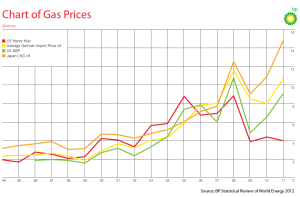
    Food and Energy Price Volatility

    World-Energy-PricesThe industrialisation of agriculture over the last five decades has contributed to massive gains in productivity, but it has also made food increasingly susceptible to energy supply and price fluctuations. Energy in the form of oil and gas is needed to run industrial farm equipment and to ship food around the world. Fertilizers, the driving factor behind most yield increases, are intimately tied to energy and therefore price volatility. Nitrogen fertilizers are particularly significant and are created through a process that combines natural gas and inert nitrogen from the atmosphere in a high-energy reaction to create ammonia. Fertilizer production is estimated to account for more than 50 per cent of total energy use in commercial agriculture (Woods, et al 2010). While shale gas has had a significant impact on the US natural gas market, globally, energy prices are expected to rise in the long term and become increasingly volatile, as shown by the graph to the right. Fertilizer costs will follow a similar trend, leading to variability in cost and availability. This can be especially difficult for small farmers in developing countries, whose resilience to price fluctuations is low.
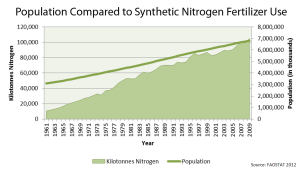
    Locking Ourselves In to Volatility

    Natural means of increasing agricultural yields are possible through recycling manures and planting crops that add nutrients to the soil. However, barring a radical change in agricultural practices, globally we are locked into chemical fertilizer use, especially nitrogen fertilizers in the short and medium term. Approximately 45 per cent of the world’s food supply is grown using chemical fertilizers, and that number is growing. Meat consumption, which requires large amounts of grain for animal feed, is on the rise. Consumption of animal protein in Europe and the United states together is double the world average (FAO 2006), and is expected to grow 10 per cent between 2005 and 2030. However, demand in developing countries for animal proteins is projected to increase 60 per cent in the same period (Reay 2011). Pressure from biofuel legislation in Europe and the United States puts further pressure on land and drives up global food prices.

    Global land deals have increased dramatically in the last ten years, with an area of land eight times the size of the UK sold off globally in that time (Geary 2012). In addition to causing landlessness and poverty for local communities, the land is often used to grow large areas of single-species crops such as soy or eucalyptus, which use industrial agricultural methods requiring a high amount of chemical fertilizer, thus increasing dependence on global energy markets and locking new land into fertilizer dependence. Furthermore, nutrients and pesticides can make their way into local water supplies, degrading the environment upon which local communities depend. For example, water contamination from agricultural runoff can force communities to buy bottled or trucked water at higher prices, reducing their resilience to price fluctuations even further.

    Fertilizer as a Means of Reducing Poverty

    But fertilizers are not evil. Increasing yields (either through better access to fertilizers or implementing natural yield improvement practices) can greatly impact poverty and inequality. There are many regions of the world in which more nutrients are urgently needed in order to ensure the land is not degraded. When fertilizer is introduced to degraded soils, it can have enormous trickle down effects for poverty reduction, health, and education. In the early stages of development, when a country is primarily agrarian, the most consistently effective methods to reduce poverty and improve equality involve the agriculture sector, particularly through methods that raise small farm productivity (Berry 2010, Deininger and Byerlee 2011). For example, a recent review of coffee grower data from Mexico and Peru, published in the World Development journal, found that increasing yields are most important for growers (Barham and Weber 2011).

    Nitrogen: The Missing Link

    So where does that leave us? The very thing that reduces poverty and hunger through increasing yields can cause insecurity through energy price volatility. Add increasing pressure from consumption choices, land degradation, population pressure and climate change and we have a situation of increasing food insecurity globally.

    Population-and-Fertilizer-UseThere is no silver bullet answer to this conundrum. However, the solution will likely be a combination of improving the efficiency of chemical fertilizer use and increasing the productivity and adoption of natural methods. Cross-cutting all of these solutions is the main driver of yields: nitrogen. Phosphorous and potash are also important elements of fertilizer, but nitrogen is the nutrient needed in the largest quantities. Just as a basic knowledge of how CO2 impacts climate change is important for developing solutions to the problem, so is knowledge of nitrogen important for developing solutions to food security.
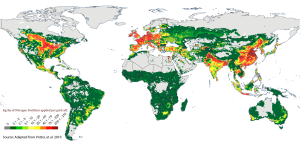
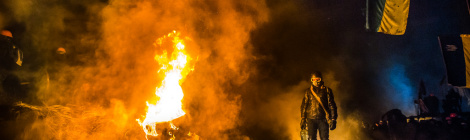

    Nitrogen is critical for all plants and animals to grow. Some plants build it naturally into the soil through a symbiotic process between bacteria and their roots called ‘biological nitrogen fixation’ (beans and clover, for example), but the majority comes from chemical fertilizers and as a by-product of burning fossil fuels.

    For those that remember the nitrogen cycle from science class, we know that 78.1% of the atmosphere is inert nitrogen (N2). In the 20th century, we developed a way to convert this inert, atmospheric nitrogen into a form of nitrogen accessible to plants and animals (known as “reactive nitrogen”). This has enabled food production to roughly keep pace with the explosion of population growth over the last fifty years. Whether through fertilizers or biological fixation, nitrogen will play a key role in meeting the food needs of the future.

    When there is not enough nitrogen in the soil, loss of soil productivity and degradation occur. Because it is small farmers that often lack access to nitrogen, their yields decline year over year, reducing their annual income and thus exacerbating inequality within the global food system. This pushes them further into poverty, and in many cases can force them to purchase food when they cannot grow enough. Degraded land forces them to go in search of new, more fertile land, breaking apart families and communities.

    However, the solution is not as easy as simply adding more nitrogen in areas where there is not enough. Too much nitrogen can cause serious problems for human health and the environment. While nitrogen is required by plants in order to grow, there is a limit to how much any plant can use. Beyond this “critical load”, nutrients that cannot be absorbed by plants will leach into the water and air. Once in the environment, nitrogen can change forms over an extremely long life (average of 120 years) and detrimentally affect many different systems before finally becoming denitrified back into atmosphere. Nitrogen exacerbates climate change, depletes the ozone layer and drives biodiversity loss. It causes low-oxygen zones in water systems that weaken or kill fish and marine habitats (known as eutrophication or hypoxia). Reactive nitrogen can also be very detrimental to human health through air and water contamination. It is a major contributor to smog, which is estimated to take six months off the life expectancy of over half the population in Europe (Sutton et al 2011). It is even worse in areas like China, where the density of air particulates have registered at twice the level considered “dangerous” in metropolitan centres like Beijing. Ingesting high levels of water-borne nitrates has been associated with cancer, diabetes and adverse reproductive outcomes (Ward et al. 2005).

    The graph below shows nitrogen fertilizer application globally. In the red areas of the graph, many of the main water bodies suffer the detrimental effects of too much nitrogen, and the people that live in those areas suffer as a result of nitrogen pollution. Many of the green areas could benefit from more nitrogen to increase soil productivity.

    WorldFertilizerApplication

    The key is balance. On the one hand, improving the efficiency of fertilizer use will maintain crop yields while protecting the ecosystems humans and animals depend upon. On the other hand, developing biological nitrogen fixation methods or pro-poor fertilizer programmes to increase yields for small farmers will improve their situation economically and strengthen their resilience to price shocks and weather events. In both cases, proper nitrogen management will be a crucial part of solving our global hunger crisis while ensuring sustainability for future generations.

    Lisa Dittmar is the CEO and founder of NitrogenWise,  a website that brings together research and straightforward communication to explain the complexities of nitrogen in a meaningful and relevant way.


    Citations

    Barham, B. L., & Weber, J. G. (2011). The Economic Sustainability of Certified Coffee: Recent Evidence from Mexico and Peru. World Development, 1269-1279.

    Berry, A. (2010). What type of global governance would best lower world poverty and inequality? In J. Clapp, & R. Wilkinson, Global Governance, Poverty and Inequality (pp. 46-68). London: Routledge.

    Deininger, K., & Byerlee, D. (2011). Rising global interest in farmland. Washington DC: World Bank. Retrieved November 30, 2012, from http://siteresources.worldbank.org/INTARD/Resources/ESW_Sept7_final_final.pdf

    FAO. (2006). Livestock Report 2006. Rome: Food and Agriculture Organization of the United Nations.

    Geary, K. (2012). Our Land, Our Lives: Time out on the global land rush. Oxford: Oxfam. Retrieved November 2, 2012, from http://www.oxfam.org/sites/www.oxfam.org/files/bn-land-lives-freeze-041012-en_1.pdf

    Reay, D. S. (2011). Societal choice and communicating the European nitrogen challenge. In M. Sutton, The European Nitrogen Assessment (pp. 585-602). Cambridge: Cambridge University Press.

    Sutton, M. (2011). Too much of a good thing. Nature, 472, 159-161

    Ward, M. (2005). Workgroup report: Drinking-water nitrate and health-recent findings and research needs. Environmental Health Perspectives, 113, 1607-1614

    Woods, J., Williams, A., Hughes, J. K., Black, M., & Murphy, R. (2010). Energy and the food system. Philosophical Transactions of the Royal Society B, 2991-3006

    Front page image source: Organic Fertiliser for sugar cane – Shell

  • Sustainable Security

    The Ukraine conflict’s legacy of environmental damage and pollutants

    One year after violent conflict began, information is now emerging on the specific environmental impact of war in Ukraine’s highly industrialised Donbas region. Although obtaining accurate data is difficult, indications are that the conflict has resulted in a number of civilian health risks, and potentially long-term damage to its environment. In order to mitigate these long-term risks, international and domestic agencies will have to find ways to coordinate their efforts on documenting, assessing and addressing the damage.

    Read Article →

    The ‘High Politics’ of Sustainable Security

    If events like those in Ukraine have taught us anything it is that, despite the predictions of many, the potential for conflict between the major powers is still one of the defining characteristics of world politics. Crisis diplomacy and inter-state rivalry is back on the global agenda. But if policymakers, analysts and civil society actors are to try and come up with ways of reversing the trend towards an increasingly competitive, militarised and crisis-driven inter-state order, then thinking carefully through the implications of a sustainable security approach to great power politics would appear to be a most useful starting point.

    Read Article →

    International Dimensions of the Ukraine Crisis: Syria and Iran

    The Russian annexation of Crimea may be in direct contravention of international agreements but is popular in Russia and almost certain to hold. Given tensions within Ukrainian society and its weak transitional government, there remains some risk of further intervention in eastern Ukraine and possibly the Trans-Dniester break-away region of Moldova. Even if there is no further escalation in the crisis, the deterioration in EU/Russian and US/Russian relations is of great concern, not least in relation to two aspects of Middle East security – the Syrian civil war and the Iran nuclear negotiations.

    Read Article →

  • Sustainable Security

    Breaking the silence: Protecting civilians from toxic remnants of war

    Toxic remnants of war and their legacy of civilian harm is seriously under-explored as an area of conflict. There is a growing consensus that the current legal framework governing conflict and the environment is not fit for purpose – so how could new international norms that merge environmental protection with civilian protection come into effect?

    Read Article →

    Environment, Energy, Economy: a threefold challenge to sustainable security

    Whether it’s the economy, energy or the environment which you value most, when it comes to security, each holds equal weight. If security can be defined in terms of what is or isn’t sustainable, then it must evolve to incorporate additional elements that transcend more traditional views on geopolitics.

    Read Article →

  • The economic relationship of armed groups with displaced populations

    One of the ways that non-state armed groups get their funding is by exploiting displaced populations.


    Practically all armed groups are heavily dependent on external support. Armed groups primarily seek support from both other states and from the diasporas, displaced populations and other armed groups, in order to prevent the burden of  the war effort from falling entirely on the civil population they claim to protect, a situation that has its own political costs. States too need external support to deal with outbreaks of instability and violence; during the Cold War this was normal and it still continues today in most current armed conflicts.

    The violence, discrimination and poverty that follow armed conflicts lead to forced displacements of population that often help to maintain the original conflict. Armed groups frequently use IDP and refugee camps as a source of supply and recruitment, as well as for refuge for themselves. Although the armed groups have no legitimate power, they can depend on the refugee population on two essential fronts: fighters and income.

    Armed groups have been formed or have recruited members (voluntarily or forcibly) and resources from the IDP and refugee camps in regions and states neighbouring conflict zones. In some cases these camps have become important refuges and logistical bases for the armed conflict. Most of the Afghan armed groups originated in refugee camps in neighbouring countries. The Taliban, for example, emerged from the madrassas (Koranic schools) of the Afghan refugee population in Pakistan. The Karen refugee population – mainly on the Thai-Burma border – supports the Karen National Union armed group against the Burmese government. The Hutu and Tutsi communities that left Rwanda and Burundi during the successive waves of violence following independence in the 1960s settled in large refugee camps in Uganda, Rwanda, Burundi, the Democratic Republic of Congo and Tanzania which later spawned the insurgency that destabilised both countries. Other cases of similar effects can be seen in Ethiopia, Iraq, Turkish Kurdistan, Chechnya, Sri Lanka, Sudan, Tajikistan and elsewhere.

    The refugee populations provide support for insurgent groups as a way of establishing protection mechanisms in host countries. Without any such protection, refugee populations are frequently extremely vulnerable given the potentially hostile local population and/or state authorities, and are thus at the mercy of other armed groups and criminal gangs.

    Coercion is another important factor in eliciting contributions from the refugee population, particularly when armed groups are in control of refugee camps. The groups are easily able to take over as they are both armed and organised, whereas the displaced populations tend to be disorganised, weak and unarmed. In these circumstances it is easy for the groups to demand money, provisions and recruits from these populations, even where they are unpopular and are not supported by the populations they claim to represent.

    The most extreme example of this situation occurred following the genocide in Rwanda in 1994, when the remnants of the former Rwandan Armed Forces, officials from the previous Rwandan government and the Interahamwe militias organised resistance in the refugee camps in the former Zaire. They created a de facto government within these camps, exploiting international aid to continue their armed struggle against the new government in Rwanda, forcibly abducting and training new recruits, controlling and distributing humanitarian aid, and appointing themselves as camp managers, giving the refugee population no alternative but to let them do so.

    A similar situation is happening with the displaced populations in the Sudan region of Darfur. These people have suffered repeated attacks and abductions in recent years, becoming immersed in a spiral of militarisation by insurgent groups, pro-government militias and the Sudanese Armed Forces.

    The economy of armed groups

    There can be varying forms of economic relationship between armed groups and displaced populations. Some armed groups persuade the populations under their control to provide resources, while others force them to. The relationship between the parties may be symbiotic, parasitic or predatory, and may move from one type to another depending on how the war develops.

    In a symbioticeconomic relationship the armed group promotes certain types of activity in exchange for a share in the derived benefits. In such cases the economic development of the area and the economic well-being of the population may become dependent on the armed group for security and infrastructure; the group establishes a degree of social and economic order in the areas it controls in exchange for support and income, emulating a government and providing security, infrastructure and a rule of law that allow economic activities to continue in exchange for some form of taxation on the civilian population.

    In a parasitic arrangement the armed groups provide protection and guarantees of security in exchange for collaboration and economic retribution through extortion or the establishment of taxes and charges, charges for permission to access resources, looting of international aid, or payments known as ‘revolutionary taxes’. The degree of extortion may be more controlled and regulated if it stems from the leadership of the armed group, or it may be totally arbitrary where individual combatants establish the level of abuse and extortion.

    In a predatory economic relationship the armed groups are unconcerned by relationships with the civilian population, intimidating and terrorising them through the use of force in order to increase their power or to gain access to resources.

    Conclusions

    It is important to be aware that the relationships that emerge between armed groups and civilian populations in the economy of war do not always correspond to the standard victim-victimiser model. These relationships may be far more complex and may generate new forms of protection, authority and rights over the distribution of resources that may then play a decisive role in the outcome of the armed conflict. Understanding the economy and funding mechanisms of non-state armed groups is essential if we are to fully understand their nature. Greater understanding is needed of how these groups operate and where their funding comes from if we are to be in a position to facilitate humanitarian action in contexts of violence and to promote the respect for and fulfilment of human rights.

     is a political scientist and since 2000 has been a researcher on the Programa de Conflictos y Construcción de la Paz (Programme on Conflict and Peace-building,http://escolapau.uab.cat/) at the Escola de Cultura de Pau (Faculty of Peace Culture) in the Autonomous University of Barcelona.

    Image source: Gustavo Montes de Oca

    Article source: Forced Migration Review

  • Sustainable Security

    This concluding part of a two-part article series continues the discussion on the UK’s naval nuclear power programme and its potential impact on Britain’s energy policy. Read part 1 here.

    In Part 1, we described the intensity of UK commitments to new civil nuclear power and why this is so hard to fully explain. The proposed 16GWe of new nuclear capacity is a difficult policy to justify based on economics, energy security and conventional approaches to understanding innovation and technological transitions. There are serious problems with the UK nuclear power programme, including significant delays, rising costs, and uncertainty surrounding essential foreign investment. The UK government’s own figures show renewables, including onshore wind and solar, to be cheaper than nuclear. As the prospects of resolving underperforming nuclear plans get ever more distant and unlikely, increasingly favourable renewable projects remain ever more threatened by cut-backs. This has led to serious problems in that sector. Taken at face value, these patterns are very difficult to explain.

    What drives these counter-intuitive trends? Many factors will be at play, but, as discussed in Part 1, there is a particular major driver that remains almost entirely unexamined in analysis of UK energy policy. This concerns the pressure to sustain UK nuclear submarine infrastructures by maintaining  more general national reservoirs of specialist nuclear expertise, education, training, skills, production, design and regulatory capacities.

    Could these pressures to maintain capabilities, perceived to be necessary for the country’s naval nuclear propulsion programme, be influencing the intensity of UK commitments to new civil nuclear power? We now examine a crucial period in UK civil nuclear policy during which concerns around defence-related nuclear skills came to the fore shortly after a key policy moment when, for the first time since 1955, UK policy was considering an energy trajectory that did not include new nuclear.

    2003–2006: the unexplained nuclear ‘U-turn’

    Image credit: Thomas McDonald/Flickr.

    For a brief period between 2003 and 2006, nuclear energy seemed to fall out of high-level favour in the UK. The nuclear firm, British Energy was bailed out and brought back into state control in 2002 and nuclear privatisation was widely recognised to have failed. The UK civil nuclear industry was dogged by scandals and cases of costs overrunning. . Meanwhile, New Labour’s earlier efforts to democratise decision-making helped free one initially minor policy initiative from the shackles of bureaucratic inertia and industrial interests. For the first time, nuclear energy strategy escaped the domain of the dedicated ministry.

    Approaching energy policy by the indirect route of “resources”, the new Performance and Innovation Unit (PIU) – reporting directly to the Cabinet Office – was charged with undertaking an extensive reappraisal. This marked a significant departure from the traditional practice where energy policy assessments were closely guarded by the relevant ministry. The PIU review was staffed entirely by civil servants, with half of the review team comprised of leading independent energy analysts recruited from outside government. Freed from the incumbent pressures which constrained earlier UK energy reviews, the 2002 PIU study found that unresolved nuclear waste and economic problems meant that the UK should move towards a more decentralised electricity grid based around renewables and energy efficiency. The February 2003 White Paper Our energy future: Creating a low carbon economy upheld these recommendations. While it did not entirely rule out future investment in nuclear energy, it did find nuclear power to be economically and environmentally “unattractive” for Britain.

    What came next was one of the most abrupt policy turnarounds in UK history. For reasons never officially declared, Prime Minister Tony Blair launched another energy review in November 2005. This second review was not conducted in a transparent and independent way like the PIU process. Instead, it was undertaken by a few partially identified individuals inside the Cabinet Office under the leadership of Blair’s close personal associate, John Birt. According to nuclear advocate Simon Taylor, this involved a select group that most other civil servants in the Cabinet Office did not know even existed, working “in secret” to “re-examine” the case for nuclear energy. Managed by the former Atomic Energy Authority, the consultative part of this exercise was much shallower and shorter than before. Amid other widespread criticism, Greenpeace successfully took the Government to the High Court, where this second review was declared “unlawful” and “deeply flawed”. Yet Blair’s reaction was that this court ruling would “not affect policy at all”. With a further round of consultation, again alienating NGOs, the January 2008 White Paper Meeting the Energy Challenge duly announced a British ‘nuclear renaissance’.

    Among those questioning these events was the Parliamentary Environmental Audit Committee, which in March 2006 asked (without receiving an official answer) why a second energy review was deemed necessary so soon after such a comprehensive predecessor. Four months later, the House of Commons Trade and Industry Select Committee branded the second review a “rubber stamping” exercise designed to give legitimacy to a pre-ordained decision rather than being an ‘open’ consultation.

    It still remains unexplained what (or even who) could have driven this rethink. It is in this light that nuclear expert Steve Thomas has highlighted the ambiguities around exactly what ‘the UK nuclear lobby’ consists of.  With the UK civil nuclear engineering industry so weak and historically unsuccessful (as discussed in part 1), it is unclear where in this languishing domestic sector sufficient political-economic capital might have accumulated to force such an unprecedented and poorly justified national policy turnaround.

    Investment and skills concerns around the UK’s Naval Nuclear Propulsion Programme

    This is where the  imperatives around national submarine capabilities comes into play. It is in exactly this same critical juncture between 2003 and 2006 that an unprecedented intensification can be observed in concerns around the UK’s nuclear submarine capability. Significant problems emerged with the construction of British ‘Astute’ class of submarines. Policies related to nuclear submarines were unveiled in rapid succession – with the December 2003 Defence Review White Paper followed by the December 2006 White Paper on the Future of the UK’s nuclear deterrent, leading up to the ‘initial gate’ House of Commons vote to proceed with a replacement to the nuclear-powered Vanguard-class ballistic missile submarines in March 2007. Inconveniently, it was just prior to this marked intensification of activity on the military side, that civil nuclear power was officially acknowledged to be “unattractive”.

    One notable development emerging at the beginning of this period was an intense lobbying campaign started in March 2004. The well-funded Keep Our Future Afloat Campaign (KOFAC) emanated from the Barrow shipyards, BAE Systems’ construction site for all UK submarines. Trade unions, local councils, county councils and KOFAC relentlessly targeted politicians, party conferences and governmental consultations. Closely connected with KOFAC and lobbying in support of the submarine industry at this time was then MP for Barrow-in-Furness and close ally of Tony Blair, John Hutton, also one of the most significant supporters of civil nuclear power. KOFAC’s lobbying campaign was recognised by parliamentarians as being “one of the most effective” ever seen.  Focusing resolutely on how to protect UK nuclear submarine manufacturing interests, KOFAC highlighted the importance of supporting integrated civil and defence-related nuclear capabilities. For its part, BAE Systems was also evidently busy in other ways behind the scenes – positioning itself (rather extraordinarily) in a memorandum of understanding of 2006 with the ailing US civil reactor vendor Westinghouse to extend its own military submarine focus to a role in civil nuclear supply chains.

    Although internal government reactions to this pressure were invisible, the public response was strikingly accommodating. In 2005, the MoD funded the RAND Corporation to conduct an in-depth two-volume report: “The United Kingdom’s Nuclear Submarine Industrial Base”. The report endorsed crucial links between key skills and capabilities relevant both to submarine and civil nuclear industries. A series of Select Committee consultations and reports ensued, with influential stakeholders in the nuclear submarine supply chain raising many concerns. Lead submarine nuclear propulsion contractors, Rolls Royce, claimed that the depletion of nuclear skills in the civil sector would reduce the support network available to the military programmes. The Royal Academy of Engineering noted that “the skills required in the design, build, operation and disposal of Naval Nuclear Propulsion Plant … are in short supply and increasingly expensive… Overall, the decline of the civil nuclear programme has forced the military nuclear programme, and in particular the nuclear submarine programme, to develop and fund its own expertise and personnel in order to remain operational”.

    Recognising that links between the civil and naval sector need to be encouraged” , a key witness to a 2008 Parliamentary Innovation and Skills Select Committee inquiry noted: “The UK is not now in the position of having financial or personnel resources to develop both programmes in isolation”. In a rare acknowledgement of this relationship from the civil energy side, a detailed low-key Government consultancy report later amplified the same message: “the naval and civil reactor industries are often viewed as separate and to some extent unrelated from a government policy perspective. However, the timeline of the UK nuclear industry has clear interactions between the two, particularly from a supply chain development point of view.”  It was apparently in this crucial period 2003-2006 that this longstanding but under-appreciated industrial dependency between military and civil nuclear sectors finally commanded intense – albeit undeclared – attention at the highest political levels.

    It is remarkable that these patterns were so obvious to see on the military side of UK policy making, but so virtually invisible on the energy side. Yet this selective discretion is hardly surprising. There are strong incentives to keep these kinds of links as invisible as possible. As the National Audit Office has ominously noted of the costs of Trident: “[o]ne assumption of the future deterrent programme is that the United Kingdom submarine industry will be sustainable and that the costs of supporting it will not fall directly on the future deterrent programme.” Acknowledging this – and reflecting implied industrial practice in the military sector – a seconded BAE Systems Submarine Solutions employee writing in a 2007 report for the Royal United Services Institute, discussed the desirability and difficulty of absorbing or ‘masking’ costs of submarine construction in ostensibly civilian supply chains.   Connections between civil and military nuclear infrastructures are also sensitive internationally, with serious tensions surrounding global nuclear proliferation regimes. This is why one Parliamentary witness emphasised that civil-military nuclear links must be carefully managed to avoid the perception that they are one and the same”.

    It was arguably for such reasons that the UK Government response to the nuclear policy crisis of 2003-2006 was so fast and energetic – with the reasons well acknowledged on the defence side, but virtually invisible on the energy side. Corresponding with the unprecedented U-turn on civil nuclear power was an equally unprecedented intensification in efforts to preserve nuclear skills for the military sector. In 2006, a key suppliers group was set up by BAE Systems involving firms in both military and civil nuclear supply chains. The following year the Department of Trade and Industry expanded the National Nuclear Laboratory (NNL) and established a new National Nuclear Skills Academy.

    Since then, the UK Government has gone on to reserve key parts of the HPC contracts for Rolls Royce. BAE Systems has consolidated its interest in civil nuclear construction as well as defence. A huge programme of publicly-funded research has been announced in small modular civil power reactors to build on Rolls Royce’s experience with submarines. And most recently – against a backdrop of massive overcapacity among global nuclear power vendors in what is evidently one of the most economically perilous of sectors – Roll Royce has announced an especially remarkable initiative. Notwithstanding strong pressures for international integration in this overcrowded sector – and a national history in this field of sustained industrial failure – Rolls Royce is now seeking to lead an entirely new industrial consortium branded as distinctively British and dedicated to an untested submarine-derived civil power reactor design. Despite the acknowledged incentives for concealment, these clear linkages between submarine and civil nuclear reactor construction interests provide a key missing link to decipher the otherwise unexplained abrupt reversal in UK nuclear power policy in 2006.

    Submerged drivers of UK energy policy?

    So, what is the role of UK military nuclear commitments in driving a national low-carbon energy strategy that is manifestly more costly and less effective than it otherwise could be? The complexity and secrecy in this field inevitably makes it difficult to be definite. Nevertheless, the wealth of official documentation on the military side and the remarkable conjunction of events around and beyond the period 2003-2006 do seem to present a plausible case. The UK Government’s commitments to military nuclear capabilities do seem to be a significant (albeit undeclared) factor in civil energy strategies, and of industrial policy more generally.

    There are broader questions here over what the military influences on wider British Government policy say about the current state of the UK’s democratic system. It is not necessary to invoke simplistic “conspiracies”. Just as iron filings line up in magnetic fields, so these kinds of institutional pressures can – without any single controlling actor – instil exactly these kinds of patterns. If massive UK civil infrastructure investments really are being shaped to the degree implied by these kinds of perceived military imperatives, then the most important issue is why they are almost completely absent from any kind of discussion or scrutiny – let alone accountability – either in energy policy literatures, or in wider political and media debates. If these institutional forces are as powerful and concealed as they seem, then very serious questions are posed for the health of British democracy in general.

    Phil Johnstone is Research Fellow at the Science Policy Research Unit (SPRU),  the University of Sussex. His current research is focussed on disruptive innovation in the energy systems of Denmark, the UK and Germany. Previously Phil worked on the Discontinuity in Technological Systems (DiscGo) project and is a member of the Sussex Energy Group (SEG). 

    Andy Stirling is a professor in SPRU and co-directs the STEPS Centre at Sussex University. An interdisciplinary researcher with a background in natural and social science, he has served on many EU and UK advisory bodies on issues of around science policy and emerging technologies.

  • Sustainable Security

    Losing control over the use of force: fully autonomous weapons systems and the international movement to ban them

    Later this month, governments will meet in Geneva to discuss lethal autonomous weapons systems. Previous talks – and growing pressure from civil society – have not yet galvanised governments into action. Meanwhile the development of these so-called “killer robots” is already being considered in military roadmaps. Their prohibition is therefore an increasingly urgent task.

    Read Article →

  • Sustainable Security

    Losing control over the use of force: fully autonomous weapons systems and the international movement to ban them

    Later this month, governments will meet in Geneva to discuss lethal autonomous weapons systems. Previous talks – and growing pressure from civil society – have not yet galvanised governments into action. Meanwhile the development of these so-called “killer robots” is already being considered in military roadmaps. Their prohibition is therefore an increasingly urgent task.

    Read Article →

  • Sustainable Security

    Carefully Managing Water Resources to Build Sustainable Peace

    Carefully planned interventions in the water sector can be an integral part to all stages of a successful post-conflict process, from the end of conflict, through recovery and rebuilding, to […]

    Read Article →

    In Deep Water: China tests its neighbours’ patience

    Control of water, including navigation rights, resource extraction and the exploitation of shared watercourses is at the heart of today’s geopolitical tensions in Asia. China’s recent actions in the South China Sea and Himalayas have given rise to further—and at times violent—conflict over the region’s natural resources. So will water insecurity lead to greater partnership in Asia? Or will it lead to a revival of China’s traditional sense of regional dominance and undercut efforts to build a rules-based approach to growing resource conflicts?

    Read Article →

  • Sustainable Security

    Carefully Managing Water Resources to Build Sustainable Peace

    Carefully planned interventions in the water sector can be an integral part to all stages of a successful post-conflict process, from the end of conflict, through recovery and rebuilding, to […]

    Read Article →

    In Deep Water: China tests its neighbours’ patience

    Control of water, including navigation rights, resource extraction and the exploitation of shared watercourses is at the heart of today’s geopolitical tensions in Asia. China’s recent actions in the South China Sea and Himalayas have given rise to further—and at times violent—conflict over the region’s natural resources. So will water insecurity lead to greater partnership in Asia? Or will it lead to a revival of China’s traditional sense of regional dominance and undercut efforts to build a rules-based approach to growing resource conflicts?

    Read Article →

  • From Within and Without: Sustainable Security in the Middle East and North Africa

    The Middle East and North Africa is a region of great diversity. It encompasses Arab and many other ethnic populations, theocratic and secular states, democracies and authoritarian regimes. A region of immense wealth and crippling poverty; it is blessed (some might say cursed) with vast resources, not least oil, but has not always proved able to manage them for the benefit of ordinary people. While it is often viewed from the outside as a source of terrorism and conflict, the regional perception is one of foreign occupation and other external interference.
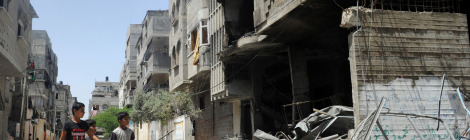
    This report is based on the outcomes of a consultation that Oxford Research Group (ORG) and the Institute for Peace Studies (IPS) held in Egypt in October 2008. Bringing together security experts, academics, government officials and civil society leaders from across the Middle East and North Africa, the two-day meeting explored the implications of the sustainable security framework for the region.

    Download as PDF

  • Sustainable Security

    Today’s younger generations of Palestinians desperately need to become more engaged in community peacebuilding activities to end the division of Palestinian society.

    The engagement of the younger generation in civil society work to promote peacebuilding concepts and practices at both grassroots and political levels is necessary for restoring order and security in societies divided by conflict and violence. This is particularly true of Gaza in Palestine where the inhabitants live in an environment where there is violence, extreme poverty and a lack of freedom.

    Palestinian youth and civil society face many challenges related to the harsh circumstances imposed by a lack of peace, security and economic development since the failure of the so called ‘Peace Process’ in 2000 between the Palestine Liberation Organization (PLO) and Israel. There have, however, been a variety of projects and programmes installed to raise youth awareness and the importance of civil society values and practices to achieve human rights, peacebuilding and good governance that help bring hope to a young generation, despite some of the local cynicism.

    Cynicism towards youth

    I always remember the cynical questions raised by many Palestinian citizens while engaging in civil society activities at different levels: “What kind of civil society under occupation are you talking about?” “How will civil society promote and advocate the values of peacebuilding under a territory experiencing foreign occupation?” There are still some Palestinian intellectuals, leaders and activists who do not believe in education for peacebuilding in a country under occupation, but they believe strongly in community peacebuilding to restore the order and security of their own society, after years of division and the failure of the ‘peace process’.

    They also go beyond just cynicism and move into absolute pessimism and defeatism by asking: “How can empowering youth in peacebuilding be effective, while they still suffer from the violence under Israeli occupation and a lack of freedom?” “How will civil society organisations promote and persuade youth to become engaged in activities while an overwhelming majority are poor, jobless and losing hope in the future?”

    An example is often raised that during the last five years, several young people committed suicide in the Gaza Strip, owing to the harsh economic and social circumstances. This society, however, has little experience of suicide, as it is known for its spirit of religious education and social solidarity, which have always prevailed and are considered to be the highest in the region.

    Cynics believe that talking about the empowerment of youth involvement in peacebuilding activities in Gaza is a matter of ‘idealism’ and ‘luxury’, a waste of resources and time because they see such pursuits as being only achievable through  concurrently obtaining freedom and national independence in a viable Palestinian state. Cynics often point out that there were many peacebuilding activities implemented in the Green Line between 1995 and 2000.

    Many Palestinian citizens from the various health, NGOs and environmental sector participated at capacity building development courses inside the Green Line. They enjoyed education, trips and nice food, but not sustained peace or security, as the main cause of the problems, the need to establish of a Palestinian state, had not yet been solved. These activities passed without any glimpse of hope or peace after the failure of the ‘peace process’ that led to the breakout of various cycles of violence including the latest war in the Gaza Strip in the summer of 2014 and changed both the context and style of life, after massive destruction.

    Life Style

    Image credit: UN Photo/Flickr.

    The Palestinian people are used to the daily life style of suffering and the absence of human security; they lost their top priority of securing their own basic human, needs during the failure of the 2000 ‘peace process’ and the collective punishment policies exercised by the occupation. They have lost their own economic, food, health, environmental, personal, community, political and human security. In 1994, the UNDP defined human security, which is achieved when people can exercise their choices safely and freely, and when they can be relatively confident that the opportunities they have today will not be entirely lost tomorrow.

    The Gazan people cannot plan their own day without any interruption, owing to the circumstances imposed by a lack of electricity, pollution and a devastated economy. As Mohammed Srour, a field researcher at a human rights organisation in Gaza says

    “The Palestinian people now busy with their own daily affairs, living without electricity and facing the entire closure on the strip and the invasion of pollution of their environment and beaches, owing to the lack of electricity. The citizens have no place to go in Gaza to escape the heat of the summer because of the lack of electricity. The sewage flows into the sea as the pumps and wasting stations do not work without electricity. The beaches are fully polluted and people cannot enjoy swimming in the sea to escape from the extreme heat any more in most coastal areas”.

    Gaza’s economy has actually been virtually stagnant for the past ten years, with an average annual real GDP growth rate over the decade not exceeding 1.44%, while Gaza’s population has grown by 38.4% over the same period.

    Today’s younger generations of Palestinians desperately need to become more engaged in community peacebuilding activities to end the division of Palestinian society. But the dire circumstances have deepened the wounds of Gazan society and made the life of the younger generation almost unbearable and impossible. Consequently, many young Palestinians have decided to leave rather than stay and help build peace.

    The Brain Drain of Palestinian Youth

    Many young minds have already left Palestine to find a new environment and hope. More than 21 young people who attempted to find their way to Europe lost their lives in the Mediterranean in 2014 when one of their boats was wrecked and their fate is still unknown to this day. However, the rest of the youth who could not leave after the full closure of the tunnels between the Gaza Strip and Egypt spend their time navigating social media and the internet.

    They enjoy their chats which help them escape from the harsh politics and economic realities, attempting to watch any developments posted by other fellows or friends online. Facebook, in particular, is considered their own ideal ‘city’ of information and it is a way of ‘killing the time’, as many young people are always informing me when I have a conversation with them. They have lost hope in local politicians, political groups, the international community and civil society organisations in helping them to change their circumstances. There are many who accuse these actors of lying, trading off and using the suffering of the Gazans to increase their power, wealth and business. But not all have abandoned hope.

    Resilience and Hope

    Despite the seemingly dire straits of life, the youths of Palestine are still resilient enough to try change the de facto situation, by engaging in community initiatives. They have, for example, on different occasions, engaged in non-violent and peaceful protests to contribute to the ending of the circumstances in the West Bank and the Gaza Strip. For example, the youth march movement in 2012 during ‘the Arab Spring’ to end the Palestinian division. After 2014 war in Gaza, they also participated actively, in non-violent activities to end the siege in the Gaza Strip by protesting close to the ‘buffer zone’ or in front of the ‘security fence’ with Israel in the Gaza Strip.

    Now, in 2017, the Palestinian youth, across their homeland, have seized the initiative again to protest peacefully against the closure of Al Aqsa. They are still seeking a better future and attempting to find any opportunity for hope and change. They attempt to find out about the latest leaks of reconciliation between Hamas and a Fatah wing in the Gaza Strip to end the conflict between the two sides that has divided the Palestinian house. If reconciliation takes place between the two sides, it will contribute to changing the social and political circumstances of the entire society and of youth in particular.

    In addition to these political developments, there have been a number of community activities to help keep youth hopeful for a better future. For example, the Gaza youth UNRWA Football team that won the Norway Cup last year continued preparation and already left the Strip for Denmark and Norway to participate in two different international football tournaments in the last week of July and the First week of August. This kind of participation always gives youth and the whole society hope that there is still a bright future coming soon where they can achieve justice, peace and freedom.

    Dr Ibrahim Natil is a Fellow at the Institute for International Conflict Resolution and Reconstruction, Dublin City University http://iicrr.ie/people/fellows/dr-ibrahim-natil/. He is an international human rights campaigner, nominee for the Tällberg Foundation Global Leadership Prize, 2016 and the founder of Society Voice Foundation http://www.mbialumniassociation.org/alumni-news/news-folder/year-of-publication/2016/qa-ibrahim-natil/

  • Sustainable Security

    This major report was the result of an 18-month long research project examining the various threats to global security, and sustainable responses to those threats. Read more »

  • The silent crisis: Global water scarcity reshaping future foreign policy

    Understandably, the world has become increasingly preoccupied with risk and insecurity. The uncertainties produced by global challenges such as financial crises, economic slowdowns, health pandemics, the international narcotics trade, terrorism and conflict and indeed the impact of climate change are just a few pressing examples causing concern. However, the earth’s environmental resources are increasingly under enormous strain and nowhere is this stress more apparent than in the case of the earth’s finite supplies of freshwater.
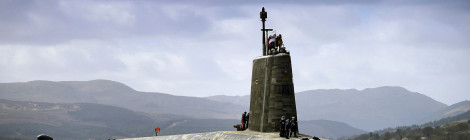
    WHY WATER? WHY NOW?

    Less than three per cent of the earth’s water is potable and 2.5 per cent of this freshwater is inaccessible, locked up in Antarctic and Arctic ice sheets and glaciers. In addition, fewer than 10 countries hold 60 per cent of the world’s available freshwater supplies: Brazil, Russia, China, Canada, Indonesia, U.S, India, Columbia and the Democratic Republic of Congo. The uncertainties, insecurities and scarcity produced by insufficient access to water and its poor management extends beyond national borders, generations and population groups, albeit in different ways. Without decisive collective action, access to freshwater will become increasingly limited and the growing risk of water scarcity more widespread.

    Water, which is such an integral part of the planet’s social, economic, political and environmental wellbeing, has for too long been overlooked as a major cause of global uncertainty and insecurity. This is despite the fact that its increasing scarcity has led to a silent crisis, which although many argue is preventable, continues to be ignored.

    THE CHALLENGES

    How can access to freshwater be secured when and where it is needed, and how can the competing demands for freshwater from the environment, agriculture, industry and households be more effectively managed? More importantly, in an increasingly interconnected world where co-operation is not just an option but an absolute imperative, how can future foreign policy tackle the challenges thrown up by the world water crisis?

    In a collection of essays recently published by the Foreign Policy Centre (FPC) in partnership with WWF-UK, a diverse range of authors endeavoured to explore the most significant foreign policy impacts created by water scarcity under the aegis of three overarching themes.

    1. TACKLING 21st CENTURY CHALLENGES

    WATER, PEACE AND SECURITY

    The potential disputes over shared water resources may not have produced outright conflict, but tension is often masked by cooperation between unequal powers which can fuel social and political instability and violence within and between states. All of this will be compounded by increasingly acute climate constraints. There are particular high risk regions such as Darfur, Yemen, Nepal and Bangladesh where the effects of too much (floods) or too little (droughts) water are testing peoples’ resilience and ability to adapt. In such cases good water management is an important part of peacebuilding and can only be delivered through insightful political leadership.

    WATER SCARCITY AND ENERGY SECURITY

    There is an inextricable link between energy and water. Water cannot be secured without employing energy and energy cannot be produced, transported or distributed without water. The interdependence of energy and water exists in a world confronted by an age where natural resources have become increasingly scarce due to pressures from the explosive growth in the earth’s population, as the world becomes rapidly industrialised and urbanised. The implications for securing affordable, reliable and sustainable access to water is momumental but not beyond reach with the help of new investment strategies to improve water use.

    FARMERS AND LIVELIHOODS

    About 70-80 per cent of freshwater taken from rivers or aquifers in the developed world is used for irrigation. In other words, the amount of water required for one hectare of irrigation in hot climates is about one litre per second every second of the day. Farmers are the main managers of water world-wide, employing 80 per cent of the water used by society. How can irrigation knowledge and affordable investment strategies be developed to produce more food with much less water? In addition, in regions such as West Africa where nine countries depend on the Niger River, the availability of water is not necessarily scarce, but effective governance is. Therefore an urgent priority is to identify how the most optimal water management investment choices can be made.

    2. GOVERNANCE AND INVESTMENT IN WATER MANAGEMENT

    WATER SECURITY AND TRADE

    In examining the economic imperative for managing water wisely there are a number of critical issues. Can international trade in food commodities deliver food and water security for the rural and urban poor in the developing world and does this process improve access to international markets and ultimately providing an exit out of poverty for poor people? Current evidence suggests this is not the case but the question is could it?

    WATER SCARCITY AND BIG BUSINESS

    Water scarcity has particular relevance for big business. The uniqueness of water as a natural and irreplaceable resource that is impossible to substitute, underlines a shared risk to business and other water users and a collective business case for better water managementpPrivate sector investment in a new approach to water stewardship needs to look beyond volumes of water used to consider the impact of water use on natural and economic systems. Such an approach supports the development of an locally-appropriate, equitable and transparent regulatory framework to help allocate water to different users. Above all however, such a stewardship ethic demands strong and autonomous political water management institutions that not only have the technical capacity to secure greater outputs for every litre of water used, but can also rigorously enforce fair and sustainable water allocation for all.

    3. WATER AND HABITATS FOR PEOPLE AND NATURE

    SHIT MATTERS!

    Every US$1 spent on water and sanitation yields a return of US$8- US$10 in economic development in poor countries. The impact of improving the provision of safe drinking water and appropriate sanitation facilities in poor countries is a cornerstone for economic development transformation. Yet, while the controversy surrounding the public and private sector provision of water and sanitation is complex, such issues need not be allowed to hijack the debate when improving provision for those most in need is an urgent challenge.

    WOMEN AND WATER

    The central role women play in tackling the crisis in global water management cannot be underestimated. Yet, women’s rights are often conspicuously absent from water management decision-making, be it on a local, national, regional or global level. The challenge is, how can women be supported to have a greater voice, commensurate with their knowledge and expertise as primary users of water resources in many communities around the world?

    GLOBAL MEGACITIES

    By 2030 water supplies will only satify 60 per cent of global demand. This will be compunded by the fact that by this year over 60 per cent of the world’s population will live in urban areas. The realities of water scarcity in the sprawling megacities that have sprung up across the developing world accelerate the need for better sustainable water management in emerging urban areas.

    THE NATURAL ENVIRONMENT

    Nature is being squeezed by humankind’s increasing demand for freshwater. In essence, the impact of water scarcity on species and on natural river, lake and aquifer systems is a phenomenally neglected priority requiring urgent action. After all, these rivers, lakes and aquifers are the very sources of our water. If they dry up, we do too.

    As Hilary Clinton has said, the challenge of tackling management of freshwater supplies in an age of growing scarcity will increasingly be a front-burner issue. The question is, can future foreign policy be reshaped and recasted to tackle this challenge?

    Dr David Tickner, is Head of Freshwater Programmes, WWF-UK.

    Josephine Osikena is Director of The Foreign Policy Centre.

    Article Source: The Foreign Policy Centre

    Image Source: darkpatator

  • Sustainable Security

    Momentum towards a nuclear weapons ban treaty: what does it mean for the UK?

    International momentum towards a treaty to ban nuclear weapons reached a milestone in the December 2014 Vienna conference. Even assuming that the UK does not initially sign up to such a treaty, it is subject to the pressures of a changing legal and political environment and could find its present position increasingly untenable – not least on the issue of Trident renewal.

    Read Article →

  • Sustainable Security

    Human Security and Marginalisation: A case of Pastoralists in the Mandera triangle

    This paper seeks to bring out the relevance of human security in pastoral areas of Mandera triangle and the relationships and contradictions that exist between it and national security. The “Mandera Triangle” encompasses a tri-border region of Ethiopia, Somalia, and Kenya that exemplifies, in a microcosm, both a complex and a chronic humanitarian crisis that transcends national boundaries.

    Read Article →

  • Sustainable Security

  • Sustainable Security

    Belize: challenges and contradictions in gang policy

    Like its neighbours in the northern triangle (El Salvador, Honduras and Guatemala), Belize has a high murder rate that is closely connected to the strong presence of gangs. But the character of gang activity in Belize is quite different from its Central American neighbours. Belize has pioneered some innovative solutions to the problem it is facing. But it will need to overcome the challenges of internal resistance and an acute lack of resources in order to address the political, economic and social issues that marginalise Belize’s large youth population.

    Read Article →

    Colombia and Mexico: The Wrong Lessons from the War on Drugs

    As activists around the world participate in a Global Day of Action against criminalisation of drug use, evidence from the multi-billion dollar War on Drugs in Colombia suggests that militarized suppression of production and supply has displaced millions of people as well as the problem, not least to Mexico. The wrong lessons are being exported to Central America and beyond, but a groundswell of expert and popular opinion internationally is calling for alternative approaches to regulating the use and trade in drugs.

    Read Article →

    Mexico’s Conflicting Migration Policy Goals: National Security and Human Rights

    Mexico has rapidly become a major site of transmigration from Central America to the United States, as people move in search of employment opportunities or escape from social violence. This rise in migrant flows from Mexico’s southern border overlaps with problems of control of contraband, organised crime, and the trafficking of drugs and arms. However, the government’s militarised approach to the phenomenon means that the use of force and human rights violations go unresolved and military approaches to preserving public order go unchecked. As long as migration remains a security issue, instead of a developmental and human rights matter, it will not be tackled appropriately. Instead, the government must start to view the matter through a citizen, not national, security lens.

    Read Article →

    Exporting (in)Security? Questioning Colombian Military Engagement in West Africa

    With skills and expertise in fighting insurgencies and drug trafficking networks, Colombia’s armed forces are increasingly being sought for engagement in similar security challenges in West Africa. But increasing Colombian engagement gives rise to a number of important questions – not least of which is the goal and expected outcomes of replicating militarised approaches to the war on drugs that have already failed in Latin America.

    Read Article →

    Militarised Public Security in Latin America in Venezuela

    Across Latin America, governments are sending their militaries into the streets to act as de facto police forces in the face of disproportionally high crime and violence rates. This trend has been going on for several years, but has accelerated in 2013. With the move to deploy over 40,000 troops for citizen security in Venezuela, President Nicolás Maduro joined a growing list of leaders throughout the region that have relied on their militaries to carry out police duties. In the first of our two-part discussion ‘Countering Militarisation of Public Security in Latin America’, Sarah Kinosian discusses the conditions that are causing the trend to thrive.

    Read Article →

    Countering Militarised Public Security in Latin America: Lessons from Nicaragua

    Facing a myriad of public security challenges that have provoked some of the highest indices of crime and violence in the world, authorities in Central America have followed a variety of different responses, ranging from repressive and reactive policies to grass roots prevention. Of these approaches, the Nicaraguan National Police’s Proactive Community Policing model stands out due to the results it has achieved. In the second of our two-part discussion, ‘Countering Militarisation of Public Security in Latin America’, Matt Budd explores the lessons that Latin American countries can extract from Nicaragua’s unique approach to public security.

    Read Article →

  • Facing up to Global Insecurity: New Frameworks and New Tools

    Max G. Manwaring, a Professor of Military Strategy in the Strategic Studies Institute (SSI) of the U.S. Army War College has written an interesting piece on what he calls the “new security reality” in which business-as-usual approaches are of little use.
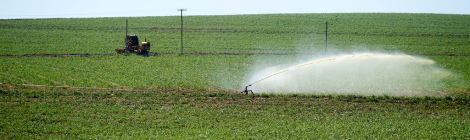
    Manwaring focuses particularly on the changing nature of threats posed by non-state actors (insurgents, transnational criminal organizations, terrorists, private armies, state proxies etc.) who are able to exploit trends and circumstances such as poverty, social exclusion, environmental degradation, and political economic-social expectations for violent ends. He argues that from a US military point of view, “the enemy has now become a state or nonstate political actor that plans and implements the long-term multidimensional kinds of indirect and direct, nonmilitary and military, nonlethal and lethal, and internal and external activities that threaten a given society’s general well-being and exploits the root causes of internal and external instability.”

    Such a change in the global security environment must surely result in changes in our risk analysis and threat assessments. In a piece for the International Relations and Security Network, Myriam Dunn Cavelty writes that “In order to identify risks, elaborate scenario-based approaches combining expert-knowledge from various fields are used. The aim of these undertakings is to develop a concrete basis for political action by ranking the identified risks by their estimated probability and severity: the more likely and the more damaging, the more urgent the response.” Yet while many governments around the world have begun to place a greater emphasis on understanding the factors that drive conflict (rather than just the instances in which conflicts are expressed in forms of violence around the world), not enough is being done to bridge the gap between threat analysis and policy response. It is one thing to accurately identify new drivers of insecurity, but quite another to find ways of mitigating them through preventive public policies. Central to this must be a greater emphasis on prevention in civil service training and recruitment programmes across a number of areas.

    For example, a report by the Center for American Progress released last year noted that “While there have been a number of well-received conflict prevention trainings by and for U.S. government officials, they are too few in number and insufficiently available to all interested foreign affairs officials.”

    Of course, for militaries, the changed threat environment that Manwaring and others are pointing to means not only a need for new training but also for a cultural shift in the way they think about the utility of their traditional tool – the use of force. For Manwaring, “…power has changed. It is no longer combat firepower. Power is multidimensional, and more often than not, is nonkinetic (soft). It is directed at the causes as well as perpetrators of violence.”

    Addressing the causes of insecurity requires what groups such as Saferworld and others refer to as ‘upstream conflict prevention.’ This can easily become a catch-phrase used by governments and NGOs with little effect on actual policies, a point picked up on by Saferworld in their excellent new briefing on what upstream prevention actually looks like in practice.

    Thinking through the consequences of the changing nature of global security, both in terms of threat assessments and policy responses to those threats (military and non-military), will certainly require new approaches at the broad conceptual level. The fact that this is being touched upon by think tanks, NGOs and even army war colleges is surely a good sign – is sustainable security an idea whose time has come?

    Image source: Utah National Guard.

  • Competition over resources

    For some years, the Oxford Research Group (ORG) has been analysing the likely underlying drivers of global insecurity over the coming years, and ways to develop sustainable responses to these threats. This analysis has focused on four trends that are expected to foster substantial global and regional instability, and large-scale loss of life, of a magnitude unmatched by other potential threats. These are climate change, competition over resources, marginalisation of the ‘majority world’ and global militarisation.

    Read the full article here.

    Author: Hannah Brock

    Image source: WorldIslandInfo.com

    Read more »

  • Sustainable Security

  • Sustainable Security

  • Sustainable Security

  • Sustainable Security

    Engendering Peace? The militarized implementation of the women, peace and security agenda

    Almost 15 years after the first resolution to address women, peace and security, the agenda’s implementation is increasingly subverted by the militarised security paradigm. Implementing UNSCR 1325 has been interpreted as being about fitting women into the current peace and security paradigm and system; rather than about assessing and redefining peace and security through a gender lens. As a result, the opportunity to create a new recipe for peace and security, based on taking women’s perspectives into account, is being lost.

    Read Article →

    No Sustainable Peace and Security Without Women

    There will be no sustainable security if we do not equally value the needs, experiences and input of men and women. A new report published by the Institute of Development Studies (IDS), funded by ActionAid and Womankind Worldwide, examines the role women play in local community peacebuilding in Afghanistan, Liberia, Nepal, Pakistan and Sierra Leone. The report states “despite the increased international attention to women’s participation in peacebuilding, the achievements and challenges facing women building peace at the local level have been largely overlooked”.

    Read Article →

  • Sustainable Security

    Engendering Peace? The militarized implementation of the women, peace and security agenda

    Almost 15 years after the first resolution to address women, peace and security, the agenda’s implementation is increasingly subverted by the militarised security paradigm. Implementing UNSCR 1325 has been interpreted as being about fitting women into the current peace and security paradigm and system; rather than about assessing and redefining peace and security through a gender lens. As a result, the opportunity to create a new recipe for peace and security, based on taking women’s perspectives into account, is being lost.

    Read Article →

    No Sustainable Peace and Security Without Women

    There will be no sustainable security if we do not equally value the needs, experiences and input of men and women. A new report published by the Institute of Development Studies (IDS), funded by ActionAid and Womankind Worldwide, examines the role women play in local community peacebuilding in Afghanistan, Liberia, Nepal, Pakistan and Sierra Leone. The report states “despite the increased international attention to women’s participation in peacebuilding, the achievements and challenges facing women building peace at the local level have been largely overlooked”.

    Read Article →

  • Global militarisation

    In a paper exclusively written for sustainablesecurity.org, Serena Joseph-Harris (former High Commissioner for Trinidad and Tobago) focuses on competition over natural resources, the role of maritime routes in the Caribbean, and the importance of multilateral approaches to finding sustainable solutions in the Caribbean.

    Image source: Len@Loblolly

    Read more »

  • Sustainable Security

    Drone-tocracy? Mapping the proliferation of unmanned systems

    While the US and its allies have had a monopoly on drone technology until recently, the uptake of military and civilian drones by a much wider range of state and non-state actors shows that this playing field is quickly levelling. Current international agreements on arms control and use lack efficacy in responding to the legal, ethical, strategic and political problems with military drone proliferation. The huge expansion of this technology must push the international community to adopt strong norms on the use of drones on the battlefield.

    Read Article →

    Nuclear Weapons: From Comprehensive Test Ban to Disarmament

    Despite not yet entering into force, the 1996 Comprehensive Test Ban Treaty has succeeded in almost eliminating nuclear weapons testing and in establishing a robust international monitoring and verification system. A breakthrough in its ratification by the few hold-out states could have important positive repercussions for the Nuclear Non-Proliferation Treaty or nuclear disarmament in the Middle East.

    Read Article →

    In Deep Water: China tests its neighbours’ patience

    Control of water, including navigation rights, resource extraction and the exploitation of shared watercourses is at the heart of today’s geopolitical tensions in Asia. China’s recent actions in the South China Sea and Himalayas have given rise to further—and at times violent—conflict over the region’s natural resources. So will water insecurity lead to greater partnership in Asia? Or will it lead to a revival of China’s traditional sense of regional dominance and undercut efforts to build a rules-based approach to growing resource conflicts?

    Read Article →

    Humanitarian Consequences of Nuclear Weapons: Five Reasons for the P5 to participate in Vienna

    The ‘humanitarian dimension’ initiative highlighting the consequences of nuclear weapons has evolved and consolidated itself in the non-proliferation regime since 2010. The five nuclear weapons states (NWS or P5) under the NPT – China, France, Russia, UK and US – boycotted the first two international conferences on the humanitarian consequences of nuclear weapons. A third conference will be held in Vienna on 8-9 December 2014. This article gives five reasons why the P5 should consider participating.

    Read Article →

    Building the Case for Nuclear Disarmament: The 2014 NPT PrepCom

    The humanitarian impact of nuclear weapons, highlighted by a wide-ranging, cross-grouping, multi-aim initiative which continues to consolidate itself in the non-proliferation regime, has come to the fore in the 3rd Prepatory Committe for the 2015 NPT Review Conference. Frustrated with the lack of progress towards NPT Article VI commitments to complete nuclear disarmament, the initiative has invigorated attention to the urgency of nuclear disarmament and a need for a change in the status quo. NPT member states and civil society continue to engage actively in publicizing the humanitarian consequences of nuclear weapons as an impetus to progress towards nuclear disarmament.

    Read Article →

    The ‘High Politics’ of Sustainable Security

    If events like those in Ukraine have taught us anything it is that, despite the predictions of many, the potential for conflict between the major powers is still one of the defining characteristics of world politics. Crisis diplomacy and inter-state rivalry is back on the global agenda. But if policymakers, analysts and civil society actors are to try and come up with ways of reversing the trend towards an increasingly competitive, militarised and crisis-driven inter-state order, then thinking carefully through the implications of a sustainable security approach to great power politics would appear to be a most useful starting point.

    Read Article →

    Beaux Gestes and Castles in the Sand: The Militarisation of the Sahara

    Whatever the benefits for Mali, the French-led eviction of jihadist groups from northern Mali may have made the wider Sahara a less safe place, and has done little to lower the capacity of such groups to threaten European interests.. In 2014, France is implementing a major redeployment of its forces in Africa into the Sahel and Sahara. Meanwhile, the US has been quietly extending its military reach from Djibouti to Mauritania. However, as elsewhere, the western military approach to countering Islamist insurgency in the Sahel rests on very unsteady foundations and the potential to provoke wider alienation and radicalisation is strong.

    Read Article →

  • Suggest an item

    Have we missed an important news story, article or report? Would you like to contribute something to the site? If so, please use the form below or email us at .