Author: admin

  • Sustainable Security

    Sustainable Security programme Director Richard Reeve discusses our latest report ‘From New Frontier to New Normal: Counter-terrorism operations in the Sahel-Sahara’. The report, commissioned by the Remote Control project, finds that 2014 is a critical year for militarisation of the Sahel-Sahara and the entrenchment of foreign powers there.

  • Sustainable Security

    Author’s note: This article is a shorter version of a journal article published in the Annual Review of Political Science, 2017. A shorter version of this piece can be read at the Monkey Cage.

    There is a new trend currently underway in the way civil wars are conducted. Dubbed the “new new” civil wars, these conflicts are a source of serious concern for several reasons.

    Something new is happening in the world of civil wars.  After declining in the 1990s, the number of active civil wars has significantly increased since 2003.  Over the past thirteen years, large-scale civil wars have broken out in Iraq, Syria, Libya, Yemen, Chad, the Democratic Republic of Congo, Nigeria, Pakistan, Rwanda, Somalia, Sri Lanka, South Sudan, Chad, Mali, the Central African Republic and Ukraine, while new civil wars threaten to break out in Turkey, Egypt, and Lebanon.

    Post-2003 civil wars are different from previous civil wars in three striking ways. First, most of them are situated in Muslim majority countries.  Second, a majority of the rebel groups fighting these wars espouse radical Islamist ideas and goals.  Third, of the radical groups fighting these wars, most are pursuing transnational rather than national aims.  These three patterns are striking and suggest that we are in the midst of a new wave of civil wars that we do not fully understand.

    In a new article, “The New New Civil Wars”, I argue that these trends are the result of a new and evolving information and communication (ICT) environment.  We now live in a world where citizens and elites operate in an interactive Internet environment, where anyone with a smartphone can easily produce and disseminate material from almost anywhere on the globe.

    The role of the evolving ICT environment

    Image credit: Voice of America News/Wikimedia.

    Instantaneous, global communication is likely to have at least six major implications for civil wars. First, information technology is likely to benefit individual citizens (especially citizens in highly repressive countries) more than political elites in those countries.  Dictators and autocrats will face greater difficulty limiting and controlling the flow of information and the messages their citizens receive. Government elites will also have greater difficulty preventing individuals from coordinating their protest activity.  Citizens are likely to be better informed about the behavior of government officials, the well being of their particular ethnic or sectarian group relative to other groups, and the level and extent of dissatisfaction in society.  The result could be a boon for popular demonstrations and grass roots organizing.

    Second, global Internet campaigns are likely to make it more feasible for rebel groups to form, leading to civil wars with a greater number of warring factions. It used to be that rebel entrepreneurs required a base of local support and financing to make mobilization possible. The Internet has changed this.  Internet media campaigns make it easier for rebel entrepreneurs, especially those with limited local backing, to solicit the soldiers and financing necessary to start a war. This is likely to lead to greater external involvement in civil wars and a larger number of warring factions. The evidence seems to support this: the average number of rebel groups fighting in civil wars has increased over time. In 1950 the average number or rebel groups in civil wars was 8; in 2010 it was 14.

    Third, the new information environment also means that rebel groups are likely to have greater incentives to frame their objectives in global terms, something we have observed with the proliferation of Salafi-Jihadist groups.  First, the Internet allows warring factions to be more ambitious, ignore international borders, and set their sights on affecting large-scale change by drawing on the resources of a globalized world.  Second, the Internet is likely to reward groups such as al Qaida and ISIS with global aims, since they will have a wider audience from which to generate revenue and recruits.  Thus, the new information environment has shifted the advantage from homegrown groups with local bases of support to transnational groups with global networks and connections.

    Fourth, the Internet is likely to make it possible for rebel groups to sustain themselves longer in war.  The decentralized nature of the Internet means that rebel groups will be less dependent on a single source of income or a single patron. If they lose access to one source of income (i.e., coca) or one patron (i.e., Iran), they still have access to millions of potential individual donors.

    Fifth, the Internet is likely to make the spread of civil war more likely. Research has found the civil wars produce a contagion effect (see here, here, and here); once one civil war breaks out, it increases the risk that civil war breaks out in neighboring countries.  One of the implications of a Web 2.0 world is that ideas and ideology are likely to spread more rapidly and more widely.  This occurs in two ways.  The first is directly through the dissemination of information via the web, and the second is indirectly through the recruitment of foreign soldiers.  ISIS and al Qaida, for example, use Internet propaganda to recruit foreign fighters from around the world.  These fighters then receive indoctrination and training, and eventually return home, creating new networks in their native countries.

    Finally, the Internet could potentially eliminate the restraints rebel and government leaders have to target local citizens with abuse.  Studies have found that rebel groups that are reliant on the local population for support or financing are less likely to commit human rights violations.  Conversely, rebel groups that receive significant material support from external patrons are more likely to use violence toward civilians.  Rebel groups in the current civil wars appear to be following this pattern.  In Iraq, ISIS and the al-Mahdi Army both enjoyed significant external financing and all have been significantly more likely to target civilians with violence than groups that did not.  By freeing combatants from the need to solicit local support, the Internet may also be freeing them to engage in more civilian abuse.

    The drivers behind these “new new” civil wars in Muslim countries

    So why has there been a rise in civil wars in Muslim countries, fought by multiple Islamist groups, many seeking transnational aims?  Globally-oriented groups such as al Qa’ida and ISIS formed and prospered in countries that had previously been some of the most information-poor countries of the world.  It was in these countries where the new-found flow of information allowed for an opening for individuals to organize, for rebel groups to link to other groups, and for human capital and war financing to begin to flow.

    Combatants in Muslim countries were also quick to figure out how to exploit ICT to their advantage. They discovered that framing their movement based on an identity that was large (Sunni), wealthy (oil-rich), and ideologically extreme (Salafi-Jihadist) allowed them to utilize the web in ways that brought in more money and recruits than had previously been possible. In fact, the trans-border nature of both the Sunni population and Persian Gulf financing was tailor-made for the Internet age.

    This does not mean that other groups in other regions of the world will not learn how to exploit the advantages of ICT.  My guess is that any group with a large number of international kin (especially wealthy kin) will pursue similar strategies.  Sunnis are leading the way because the benefits of a Web 2.0 world have been easiest for them to tap, but others will follow.

    Conclusion

    The “new new” wars” are characterized by the rise of rebel groups pursuing extreme ideologies, a rise in the number of transnational actors involved in these wars, and the use of goals and strategies directed at global rather than local audiences. These trends are a precursor to a series of changes that are likely to be seen as actors civil war adapt to a new and evolving ICT environment.

    Whilst this piece has outlined the importance of the evolving ICT environment in these “new new” civil wars and theorized about why we are observing the wars in predominantly Muslim countries, much more work needs to be done on this phenomenon.

    Looking forward, a major challenge for scholars and analysts will be to understand the full range of implications that emerging technologies will have on every aspect of civil war and to decipher which groups are most likely to harness this technology, when they are likely to do so, and the conditions under which these new strategies are more or less likely to succeed.

    It is not known exactly how this third wave of civil wars will evolve and which additional groups and countries will best exploit these advances. There is also uncertainty regarding which strategies will turn out to be the most successful and how these strategies are likely to change over time. Nevertheless, what we do know is that the internet will play a bigger, not smaller role, in every decision that is made. Ultimately, gaining a more comprehensive understanding of these “new new” wars be a crucial research enterprise in the future.

    Barbara F. Walter is Professor of Political Science at the School of Global Policy and Strategy at the University of California San Diego. She is an authority on international security, with an emphasis on civil wars, terrorism, and unconventional violence. She received her Ph.D. in political science from the University of Chicago, and held post docs at Harvard University and Columbia University. Walter is on the editorial board of the American Political Science ReviewInternational OrganizationJournal of Politics, Journal of Conflict ResolutionInternational Studies Quarterly, and World Politics. She is also the recipient of numerous grants and fellowships, including awards from the National Science Foundation, Carnegie Corporation of New York, Guggenheim, and Smith Richardson Foundations.

  • Sustainable Security

    By Wim Zwijnenburg and Doug Weir

    Is the US backpedalling on its use of depleted uranium (DU) rounds? There are indications that the use of these highly toxic munitions could increasingly be a political liability for the US, with countries affected by DU, like Iraq, other UN Member States, and populations in contaminated areas all expressing concerns over its use and impact. But stigmatisation, although important, is not enough on its own – in order to make sustained progress on accountability and in reducing civilian harm, a broader framework that addresses all toxic remnants of war is needed.

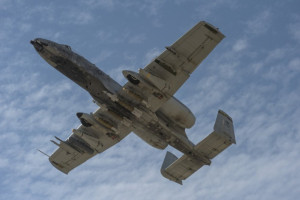
    A US Air Force A-10 being deployed to support Operation Inherent Resolve.

    A US Air Force A-10 being deployed to support Operation Inherent Resolve. Credit: US Air Force

    In a recent policy change, the Pentagon stated that it has not, and will not use DU in Iraq and Syria during Operation Inherent Resolve. The decision, which was cautiously welcomed by campaigners, contrasted with a statement made in October 2014, when the US announced the deployment of A-10 gunships to the conflict. The standard combat load for the A-10’s cannon includes a 30mm DU armour-piercing incendiary round, and in autumn 2014 a US Air Forces spokesperson said that the Air Force was ready to use DU again in Iraq and Syria.

    Iraq is no stranger to DU: at least 404,000kg of the radioactive and chemically toxic heavy metal was fired in the country in 1991 and 2003. The fine dust created by DU impacts presents a hazard to civilians if inhaled, and both the dust and fragments of the ammunition can contaminate soil, vehicles and buildings. As DU particles are environmentally persistent, DU’s legacy can last long after conflicts end. Exposure to DU has been linked to increases of cancers and congenital birth defects in areas of Iraq that saw heavy fighting.

    Yet despite long-running concerns voiced by Iraqi civilians and international advocates, no robust civilian health studies have ever been undertaken in Iraq to determine this link. Progress on clean-up operations has been slow, and has been hindered by the US’ refusal to provide comprehensive targeting data to UN organisations and the Iraqi government.

    The evolving use of DU

    The A-10 gunship has long been promoted as a “tank killer”, with the US arguing that DU ammunition is crucial for this function. Justifying the apparent U-turn over Inherent Resolve, a US public affairs official explained that: “The ammunition is developed to destroy tanks on a conventional battlefield. Daesh [Islamic State] does not possess large numbers of tanks.”

    While its original Cold War close air support role did primarily concern the destruction of Soviet tanks and armoured vehicles, even then there were questions over the legality of DU. As a result, a 1976 legal review undertaken by the United States Air Force of the A-10’s DU ammunition sought to ensure that it was not used in populated areas and to restrict its use to armoured targets.

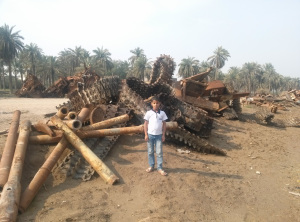
    A boy standing in front of military scrap metal in Shat’l arab, an area near Basrah.

    A boy standing in front of military scrap metal in Shat’l arab, near Basrah. Credit: Wim Zwijnenburg

    However, the role of the A-10 has evolved since the 1970s, as has its range of targets. This was clear from data from the 2003 Iraq War, acquired by PAX in 2014. It revealed DU use by A-10s against anti-aircraft guns, buildings, trucks and un-mounted troops. Data on targets from the conflicts in the Balkans painted a similar picture. With the A-10s role evolving from attacks on armour to more general close air support, aircraft were often called in for a broader range of operations, this led to DU being used against other targets, even in densely populated areas. Once loaded with the standard combat mix, a mixture of DU and high explosive rounds, it is impossible to change the type of munitions in flight for attacks against non-armoured targets of opportunity, thus heightening the risk of exposure to civilians close to other targets.

    Recently published figures on the 4,817 targets selected by US CENTCOM show that more than 120 tanks and armoured vehicles were destroyed in the first six months of the air campaign. There was therefore ample opportunity for the A-10 and its DU rounds to “kill tanks”, yet the US subsequently chose not to equip its A-10s with DU. Could this change in posture have more to do with a changing political environment, and in particular the growing stigmatisation of DU, than military calculations alone?

    Stigmatisation

    More than two decades after its first use in Kuwait and Iraq in the 1991 Gulf War, concern over the humanitarian and environmental legacy of DU has gradually increased.

    In recent years, legislation banning the weapons has been introduced in Belgium and Costa Rica. The European Parliament has also issued a number of resolutions calling for a moratorium on use and, most recently, a common EU position in favour of a ban. Since 2007, five UN General Assembly resolutions have been passed by large majorities. These have highlighted DU’s potential health risks, called for the release of targeting data to allow clean-up, for a precautionary approach to DU’s post-conflict management and, in 2014, for international assistance for states affected by DU use. This last resolution was supported by 150 states and opposed by just four, including the US. In addition to establishing soft law norms on DU, the process has also created a platform for an increasing number of states to voice their concerns over the weapons.

    Perhaps the most influential of these was from Iraq in March 2014, where its government expressed:

    [D]eep concern over the harmful effects of the use in wars and armed struggles of armaments and ammunitions containing depleted uranium, which constitute a danger to human beings and the environment.

    The Iraqi government called for the UN, its specialised agencies, member states and civil society to take a proactive approach to the issue and to condemn DU use. They also argued for:

    [A] binding and verifiable international treaty prohibiting the use, possession, transfer and trafficking of such armaments and ammunitions.

    Clearly then, the further use of DU munitions by the US in Iraq would have been viewed as unacceptable by the Iraqi government, and would have been likely to result in further criticism of the increasingly controversial munitions.

    Leaving through the back door?

    Could the changing political climate be influencing US policy on DU? The US had previously come under pressure from civil society campaign the International Coalition to Ban Uranium Weapons (ICBUW) in 2011 over fears that DU would be used against Gaddafi’s tanks in Libya. Recent evidence of DU’s international stigmatisation has come, ironically, from the Joint Strike Fighter, which is supposed to replace the ageing A-10 in its close air support role – a decision that is proving controversial in the US. During the fighter’s development, project partners including Australia, Norway and Denmark expressed concern over the US proposal that it would use a DU round, insisting that an alternative material be found. DU was eventually ruled out, as were other toxic metals such as beryllium. Elsewhere there are signs of shift away from DU in the US’s other medium-calibre ammunition.

    In 2008, just a year after the first UN General Assembly resolution, the US Army Environmental Policy Institute (AEPI) argued that alternatives were needed, stating that ‘the military should continue pursuing R&D for substitutes and be prepared for increased political pressure for current and past battlefield cleanup’. The Massachusetts Institute of Technology is one of several bodies researching less toxic materials, and in December 2014, published a new advance in manufacturing nanocrystalline tungsten alloys, which results in a material with similar properties to DU. DU’s toxicity is a key driver for this research.

    While changes in procurement policies are slow, decisions like that taken over Inherent Resolve are tangible signs that international pressure is changing DU policy. Nevertheless, the emerging threshold of acceptability for DU use remains poorly defined and it is unlikely that the US will seek to clarify it any time soon. Operation-specific factors – such as Iraq’s clear position in favour of a ban – are also likely to remain important in determining whether DU is used or not. Backlash over veteran exposure, community opposition and financial liabilities associated with former testing ranges may also influence policy within the US.

    The way forward

    Welcome as these developments are, they serve to highlight the current lack of formal obligations for post-conflict DU clearance and victim assistance. Unlike explosive remnants of war, and in spite of the soft norms developing at the UN General Assembly, accountability and assistance for past DU use is underdeveloped and requires attention from both civil society and the international community.

    As was the case with anti-personnel landmines, it will not be enough to simply stop DU being deployed. Protecting civilians requires that its legacy is also dealt with. DU remediation is costly and technically challenging, and states recovering from conflict require assistance to implement effective programmes.

    More broadly, DU is just one of a number of toxic munitions constituents, and munitions just one of a wide range of pollutants generated by conflict. These toxic remnants of war pose a threat to human and environmental health before, during and after conflict. Efforts to minimise the practices that generate them and work to ensure that their impact is properly assessed and responded to could contribute greatly to not only the protection of civilians but also of the environment upon which they depend. Tackling the causes and legacy of conflict pollution also provides a welcome opportunity to creatively merge the environment, public health, human rights and humanitarian disarmament in response to the toxic footprint of modern warfare.

    Wim Zwijnenburg works as a Program Leader Security & Disarmament for PAX, a Dutch peace organisation. He has a research program in Iraq on the impact of depleted uranium munitions, works on Toxic Remnants of War in Syria, emerging military technologies such as (armed) drones, and is supporting the Control Arms campaign in regulating the global arms trade.

    Doug Weir is the Coordinator of the International Coalition to Ban Uranium Weapons, a global coalition seeking a ban on the use of DU and for assistance to communities affected by its use. He also manages the Toxic Remnants of War Project, which explores state responsibility for the toxic legacy of military activities. 


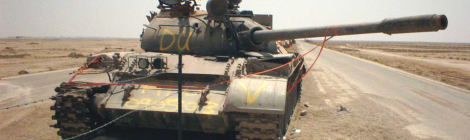
    Featured image: A tank destroyed and contaminated with DU in 2003 near Basrah. Credit: UK Ministry of Defence

  • Marginalisation of the majority world

    International Crisis Group has released a briefing paper illustrating the Islamist radicalisation of ethnic Somalis in Kenya, and the causes behind the trend. Decades of economic marginalisation of the Somali-dominated North Eastern Province border region has combined with government and public suspicion of ethnic Somalis to produce an unpleasant climate where either Somali loyalty is questioned, or Somalis are accused of ‘taking over’ when they move into the cities or succeed in business and politics. On the other hand, this has been compounded by the shift of East African Muslims in general away from Sufism and towards the conservative strand of Wahhabi Islam that posits the Muslim umma against the secular state, thereby enabling Somalia-based Al-Shabaab to capitalise on grievances in Kenya and encourage oppositional and even irredentist tendencies. The response of the government has overwhelmingly been one of force.

    Article Source: International Crisis Group

    Image Source: tik_tok

    Read more »

  • Marginalisation of the majority world

    “The climate agenda goes well beyond climate,” said Dan Smith, secretary general of International Alert at a recent Wilson Center event. “In the last 60 years, at least 40 percent of all interstate conflicts have had a link to natural resources” and those that do are also twice as likely to relapse in the five years following a peace agreement, said Neil Levine, director of the Office of Conflict Management and Mitigation at USAID.

    Article source: The New Security Beat

    Image source: DfID

    Read more »

  • Sustainable Security

    Brexit has called into question Britain’s relationship with Northern Ireland. Whilst the possibility of sporadic inter-communal violence in Northern Ireland is small, the Brexit vote has certainly placed a strain upon the hard-won stability of British-Irish relations.

    Introduction

    Whilst the full implications of so-called ‘Brexit’ for the future of the United Kingdom (UK)’s relationship (if any) with the European Union (EU) remain profoundly uncertain, it is also the case that the UK-wide vote to Leave has exacerbated the already existing sense of fluidity regarding the future constitutional relationships between the constituent parts of the multi-national UK state. Of course, the majority votes to Remain in Scotland and Northern Ireland do not, of themselves, create a new constitutional arrangement, but if the new Conservative administration of Theresa May were to decide to push on with a UK-wide ‘hard Brexit’, perhaps involving leaving the single market in a bid to establish control over the free movement of persons, then it is difficult to see how the stability of the UK’s constitutional status quo could be guaranteed. As Brendan O’Leary has argued, ‘those who insist that a 52-48 vote is good enough to take the entire UK out of the EU would trigger a serious legitimacy crisis.’  A key lesson that needs to be understood by Westminster in the coming months or years of negotiation (with Brussels and the EU member states, particularly the Republic of Ireland, but also within the divided UK) is that, as O’Leary puts it, multi-national states are not usually ‘destroyed by secessionists alone’ (Ibid.). It is the ‘unilateral adjustment of the terms of the union by the centre’ that can provoke such an outcome. This may be an unintended consequence of such unilateralism, even if some at the centre profess the view (as David Cameron did after the Scottish referendum on independence in 2014) that the multi-national union is ‘precious beyond words’.

    Great Britain and Northern Ireland: A ‘Place Apart’

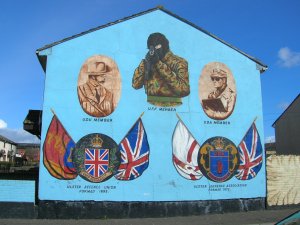
    unionist mural

    Image by Miss Copenhagen via Flickr

    It is unsurprising that during the campaign neither the public nor the political class in Great Britain (GB) appeared to give much serious consideration to the effect of a Brexit vote upon three crucial interlocking relationships: the fragile state of communal relations within Northern Ireland in the post-Good Friday Agreement (GFA) era; the North-South relationships on the island of Ireland, and the questions Brexit was likely to raise concerning the 300-mile land border; the wider UK relationship with its closest neighbour. This ‘reflexive forgetfulness’ of the GB public with regard to the unloved province of Northern Ireland may have been unsurprising, but it was lamentable, and possibly destabilising, nonetheless. If there was engagement with the potential repercussions of a Leave vote on the internal, already fragile, relations between the constituent parts of the UK, the focus tended to be on Scotland, rather than Northern Ireland. This neglect, by no means benign, reflects a deep-rooted sense that Northern Ireland is, in Dervla Murphy’s phrase, a ‘place apart’.  In the short and medium-term the ‘peace process’ has not been jeopardised directly, and there is no immediate prospect of a return to widespread violent confrontation between Irish nationalists and British unionists in Northern Ireland. Aside from a number of weak and fragmented ‘dissident’ republican groups, there is no appetite for the resumption of an armed campaign among ‘mainstream’ republicans. There is always a possibility of sporadic inter-communal violence in Northern Ireland, but this looks remote at present. Nevertheless the Brexit vote has certainly placed a strain upon the hard-won stability of these relationships since 1998.

    The Republic of Ireland and ‘Brexit’

    For the Dublin government of Fine Gael (supported by several independent TDs), there was a fear that the critically important trading relationships with the UK would be damaged, and that any imposition of a ‘hard’ border (involving customs posts and possibly restrictions upon free movement) would further complicate and hamper economic activity. Allied to this hard-nosed economic concern, Dublin was also anxious that Northern Ireland’s fragile community relations and the institutional balance reflected in the GFA could be under threat, as ‘the border’ and potential constitutional change were placed, once again, on the agenda. Related to this anxiety was, perhaps, the unspoken fear of Taoiseach Enda Kenny that Dublin’s sense of being an equal partner with the UK in the lengthy years of the peace process might be compromised. The harmonious co-operation between the Dublin and London governments, built up over several decades stretching back to the Anglo-Irish Agreement of 1985, might begin to unravel, if London took the Brexit vote as a green light to marginalise the concerns of the Irish. Those concerns were three-fold: maintaining the open border between the Republic and Northern Ireland; keeping the ‘common travel area’ between Ireland and the UK (first agreed in the aftermath of partition in 1922); and, safeguarding the trading relationships (worth approximately £1 billion a week). As Pat Leahy argued in the Irish Times, ‘underpinning all these was the need above all else to protect the peace process.’

    Kenny was keen to confirm that this bilateralism, and the ‘special relationship’ between the two states would survive Brexit, and his meeting with Theresa May in late July assuaged these doubts somewhat. But, as with that other fabled ‘special relationship’ between London and Washington, this one is also fundamentally asymmetrical, intrinsically of more significance for one side than the other. When it comes to tackling the enormous fallout from the Brexit decision, neither the relationship with Dublin, nor indeed the impact upon Northern Ireland, are at the top of London’s to-do list. It may even be the case that these issues are closer to the bottom of that list. Having said this, the new Prime Minister’s willingness to meet with Kenny, and her declaration in Belfast that ‘no-one wants to return to the borders of the past’ have calmed these fears to at least some extent.

    However, hard choices remain to be made, and there is no guarantee that May’s government will be able to square the circle between impatient Conservative back-benchers and pragmatists in Whitehall who are concerned about softening the impact of the decision, both economically and diplomatically. The former group, buoyed by the momentum of victory, believe that Brexit should be swift, complete and irrevocable; they are watching hawkishly for any signs of back-tracking. This is the context in which Enda Kenny made a speech at the MacGill summer school in Co. Donegal, which speculated on the prospect, at some time in the indeterminate future (perhaps ‘10, 15 or 20 years from now’), that Northern Ireland might vote to join with the Republic. Of course, this was ‘controversial’, but almost certainly was designed to ensure that others, in the UK and Europe, take seriously the concerns of the Dublin administration. More parochially, Kenny perhaps felt that he needed to respond to the pressure being applied by opposition parties Fianna Fáil and Sinn Féin (SF).

    Sinn Féin and ‘Brexit’

    Having campaigned for a Remain vote, on the basis of its ‘critical engagement’ position with respect to the EU, SF’s first response to the referendum result was to demand a border poll in Northern Ireland, as provided for in the GFA, if there is a realistic prospect of a majority vote in favour of constitutional change. Gerry Adams, SF President, claimed that the result meant that the ‘British government had forfeited the claim to represent the North at an EU level. Its policy has been rejected by the people.’ When this demand was predictably dismissed by the outgoing Secretary of State for Northern Ireland, Theresa Villiers, SF quietly moved on, instead focusing its attention on a mooted ‘national forum’ (modelled on the New Ireland Forum of the early 1980s and the Forum for Peace and Reconciliation of the early years of the peace process) to discuss how ‘the vote of the clear majority of citizens in the North who want to remain in the EU can be respected and defended.’ Although this proposal was effectively adopted by the Dublin government, it was also immediately rejected by Arlene Foster, the Democratic Unionist First Minister of Northern Ireland. Nevertheless, SF senses that Brexit could present republicans with a real opportunity to break out of the sterile impasse that had threatened its ‘project of transformation’ in Northern Ireland. SF has always characterised the GFA as ‘transitional’ and the peace process as ‘dynamic’, reflecting the party’s teleological belief that the ‘natural’ end-point of the process will be a united Ireland. It remains to be seen whether or not Brexit helps to make this vision any more realistic, but for the moment it has certainly breathed new life into the notion that the ‘border’ continues to be a key issue for the peoples of the island.

    Since June 23rd, there have been emollient words and symbolic gestures from Theresa May, but sooner or later some difficult and potentially painful choices will have to be taken. In a joint letter on August 10th to Theresa May, Arlene Foster and Martin McGuinness, the First and Deputy First Minister of the Northern Ireland Executive, argued that the UK government should take into full account four issues of particular significance for Northern Ireland: the border should not become an impediment to the movement of goods, people and services; both private and public sectors need to retain access to unskilled as well as skilled labour; the energy requirements of Northern Ireland should not be affected; the potential loss of EU funds (over 3.5 billion Euros during 2014-2020) needs to be addressed.  The Dublin government, and the parties in Northern Ireland, will be hoping to have a genuine input into this decision-making, but it looks highly improbable that all the political forces in play will, or can, be satisfied simultaneously. Despite the constructive initial discussions, the Foster/McGuinness letter recognises that ‘it cannot be guaranteed that outcomes that suit our common interests are ultimately deliverable.’ Will the centre hold, and if so, how?

    Stephen Hopkins is Lecturer in Politics in the Department of Politics and International Relations at the University of Leicester, UK. His book, The Politics of Memoir and the Northern Ireland Conflict, was published in 2013 by Liverpool University Press.

  • Sustainable Security

  • No Sustainable Peace and Security Without Women

    There will be no sustainable security if we do not equally value the needs, experiences and input of men and women. A new report published by the Institute of Development Studies (IDS), funded by ActionAid and Womankind Worldwide, examines the role women play in local community peacebuilding in Afghanistan, Liberia, Nepal, Pakistan and Sierra Leone. The report states “despite the increased international attention to women’s participation in peacebuilding, the achievements and challenges facing women building peace at the local level have been largely overlooked”.

    Last week’s Guardian article entitled Who creates harmony the world over? Women. Who signs peace deals? Men points to some surprising data on female participation in official peacebuilding initiatives. “There have been no female chief mediators in UN-brokered peace talks and fewer than 10% of police officers and 2% of the soldiers sent on UN peacekeeping missions have been women”, reports the article. Furthermore, “fewer than one in 40 of the signatories of major peace agreements since 1992 have been female […] and in 17 out of 24 major accords- including Croatia, Bosnia, Sierra Leone, Burundi, Liberia, Sudan and the Democratic Republic of Congo- there was zero female participation in signing agreements”.


    An excerpt from The Guardian datablog:

    Women and peace deals - key indicators


    The IDS report found that “women are more likely than men to adopt a broad definition of peace which includes the household level and focuses on the attainment of individual rights and freedoms such as education, healthcare and freedom from violence. In contrast, men have a greater tendency to associate peace with the absence of formal conflict and the stability of formal structures such as governance and infrastructure”. It is important to include women in formal peace mediations and agreements as “peace means different things to women and men because of their unique experiences as a result of war”. 

    Additionally, the research established that women have a lot of experience, and are principal actors, when it comes to mediating and decision making within the home and the family. Women are also more likely to come together collectively to create change. However, their “experiences building trust and dialogue in their families and communities are frequently dismissed as irrelevant or are not sufficiently valued by national governments, and the international community”.

    Some barriers to women’s participation in peacebuilding include: restrictive social norms and attitudes, violence against women and girls, poverty and economic inequality and inequality in access to education. The report suggests empowering women through access to justice, creating safe spaces for women’s participation and changing attitudes towards peace and valuing women’s contribution as key elements to support women peacebuilding.

    The 2000 United Nations Security Council resolution 1325 calls for “equal participation for women in the maintenance and promotion of sustainable peace”.

    Only yesterday, Foreign Secretary William Hague called upon UN Security Council resolution 1325, announcing to the UN General Assembly that the UK  “will contribute £1 million this financial year to support the Office of the UN Secretary-General’s Special Representative on Sexual Violence in Conflict”. “It’s our purpose in gathering here this morning to ensure that preventing sexual and gender-based crime in conflict and post-conflict situations is an urgent priority for the international community”, William Hague declared, and went on to say “We are convinced in the United Kingdom that we can do more to help […] we can do it as a permanent member of the Security Council, a leading member of NATO, the European Union and the commonwealth and as a nation with one of the most extensive international development programmes in the world.”

    The IDS report states that although Security Council resolution 1325 was passed in 2000, it has since then been almost totally ignored, not least by the UN itself. Hopefully this time, the international community, including the UK government, will take serious steps towards its implementation. At the same time, it is important to commit to preventing sexual and gender-based crimes, not only in “conflict and post-conflict situations”, but also in times of “peace”.

    No sustainable peace and security will ever be possible, if women’s voices are marginalised and if women and men do not work together equally on national and international peace mediations and agreements.


    IDS, ActionAid, Womankind Worldwide report From the Ground Up can be read here.


    The Guardian, Who creates harmony the world over? Women. Who signs peace deals? Men is available here


    The Guardian, datablog Women’s participation in peace- how does it compare is available here


    Remarks by the Foreign Secretary William Hague to the UN General Assembly can be read here


    UN Security Council resolution 1325 is available here


    Image Source: United Nations Photo

  • Sustainable Security

    Arctic InsecurityGenerally, the Arctic has elicited only minor attention outside the countries whose borders or territories fall within the loosely-defined region. But that is changing rapidly. As Kuupik Kleist, the former Prime Minister of Greenland, put it,

     “The Arctic used to be the last frontier. Now it seems we are at the center of the world.”

    While rapidly deteriorating environmental security in the region poses a grave threat to many regions of the world, the focus on militarized control of the area masks the very real need to mitigate further damage to the climate and increase our adaptive capacities to the inevitable climatic changes that will come in the 21st century.

    Realpolitik or Environmental Security?

    Indeed, much has been made lately about the ongoing and profound changes that are reshaping the Arctic region. There is no shortage of reports that detail the ways that climate change is forcing the region’s physical, social, and political environments into flux. Arctic sea ice is melting at an increasingly rapid rate, with the very real possibility that sometime between 2020-2050, the Arctic will soon experience its first (and undoubtedly not its last) sea ice-free summer. The effects of warming temperatures are likely to be dramatic: it will degrade habitats for vulnerable species, including polar bears and seals, and will accelerate and compound the effects of climate change, like volatile weather patterns and rising sea levels. A recent article in the journal Nature concluded that the long-term economic costs from a warming Arctic could reach $60 trillion, almost equal to the entire economic value of the world economy in 2012.

    But in the face of these worrying trends, discussion has instead focused on the economic opportunities offered by the ‘opening up’ of the Arctic, including the creation of new shipping routes and increasing the accessibility of fossil fuel reserves. The area north of the Arctic Circle is said to contain about 30% of the world’s undiscovered gas and 13% of the world’s undiscovered oil. The Governance of newly opened shipping lanes like the Northwest Passage will remain a contentious political question. While the region has thus far suffered from general neglect and inattention, it is unrealistic to expect that to continue in the future.

    Indeed, it is already becoming clear that the Arctic is the site of ongoing militarization. Recent security maneuvers have increased state control over the farthest reaches of state territory. In 2007, Russia planted its flag underneath the North Pole and resumed strategic bomber patrols over the area, echoing  its Cold War past. Canada’s official Arctic Foreign Policy proclaims “the first and most important pillar towards recognizing the potential of Canada’s Arctic is the exercise of our sovereignty over the far north.” Border disputes in the Arctic have led to strained relations for decades between Canada and Denmark as well as between Russia and Norway. Both cases have been peacefully resolved in the last few years. Yet, sovereignty and security have both been used to justify the proliferation of military ice-breakers, patrol ships, the creation of new deep water ports, and the deployment of military personnel including the Northern Rangers in Canada and the Danish Arctic command (which are both relatively small in terms of active personnel). Joint military operations conducted by Arctic countries (excluding Russia) such as Operation Cold Response and Operation Nanook have also contributed to the militarization of the Arctic.

    It is worthwhile then to examine how sustainable forms of security are useful in the Artic context. What is needed principally is an increased awareness of the integrated connections between the natural environment and security. Large-scale changes to the natural environment are security threats.  Whether through an increase in extreme weather events causing enormous health and economic costs; rising sea levels leading to coastal flooding and climate-induced migration; or desertification, which devastates crop production, the effects of environmental change are severe. The task then in the Arctic is to combat the tendency to view environmental degradation as an opportunity for national gain, which will do little to counter-act the severe global effects. Such conventional, strategic responses inevitably lead only to further suspicion, distrust, and discord. The Arctic is one of the clearest manifestations of this tendency.

    The Arctic will be without question a region of high strategic importance in the 21st century. Unfortunately, countries are likely to view the Arctic with an eye to using the region to bolster domestic support for increased militarization, surveillance, and sovereign control over vast, distant, territorial ‘frontiers’.  All told, Arctic security remains wedded to traditional, state-centric military threats despite the fact that the threat of outright conflict is as remote as the farthest reaches of the Arctic region itself. These approaches may be predictable, but they will contribute little to alleviating the complex, interrelated, and underlying drivers of insecurity in the Arctic region.

    Demilitarizing the Arctic

    So is the goal then to “demilitarize” the Arctic? Would the diverse sets of international issues arising from changes in the Arctic be better positioned in political terms, away from the exceptional demands that military thinking requires? Perhaps strengthening political institutions like the Arctic Council can alleviate the Arctic “rush” and ensure a lawful forum for state and indigenous negotiations in the Arctic. Formed in 1996, the Arctic Council has been the primary diplomatic forum used to facilitate cooperation, discussion, and negotiation. It was formed by eight Arctic countries (Canada, Denmark [Greenland], Finland, Iceland, Norway, Russia, Sweden, and the United States) and includes six Arctic indigenous organizations and other Arctic inhabitants. Recently, the Council accepted six new non-Arctic states as non-voting Observer states, joining six others already granted observer status. The new inclusions, China, India, Italy, Japan, Singapore, and South Korea, may appear at first glance to be curious admissions. Certainly they represent important economic and military powers but most exist far from region itself. However, after initial reticence from members like Canada, the Council accepted their inclusion on the basis of strengthening the Council’s legitimacy by undercutting any emerging alternative organizations, like the Arctic Circle Forum from usurping its authority.

    We should celebrate the decision by Council members to include new observer states: it allows these states to increase their awareness of Arctic issues and vulnerabilities, it opens up new avenues for cooperation and confidence-building measures, and it rightly spreads the responsibility for protecting the Arctic across the world. But while the Arctic Council remains an enduring and hopeful sign for managing political relations, the Council alone should not be expected to transform the underlying logic that continuously renders environmental security in strategic terms, obscuring the practices which have led to Arctic insecurity in the 21st century.

    The driver of Arctic insecurity is not simply the continued militarization or the politicization of the region by its encircling states. The reality is much more complex and multifaceted. In effect, by continuously focusing on security in these strategic terms, we can’t see the forest for the trees. The Arctic “great game” is not simply a metaphor we might use to romanticize geopolitical maneuvers; it is an expression of the profound material environmental shifts that are occurring rapidly and are a result of anthropogenic drivers related to modern carbon-based societies. The continual free-fall in terms of Arctic ice levels and the fact that the region has been warming twice as fast as lower latitudes is likely to have far more important, long-lastingand damaging global effects than a hypothetical, always-over-the-horizon conflict between states competing to protect their localized interests. That is a popular story that obscures the much more difficult and insidious problems related to diagnosing and combatting climate change.

    The fact that most states view the opening up of new Arctic sea lanes as a means to exploit vast and newly accessible energy sources reflects long-dominant understandings of both security and the environment. If our understanding of both Arctic security and the Arctic environment continues to be reduced to the international scramble for untapped resources and for newly opened “shipping lanes” (or melted sea ice, if you will), it is unlikely that the hugely alarming and damaging environmental effects of climate change will ever be truly overcome.

    It is essential then that environmental security in the Arctic is recast away from traditional and dominant security practices of resource development, national sovereignty promotion, and increased surveillance. While these practices will remain in the future, we still should encourage a much more profound rethink that places greater value not simply on increasing cooperative intergrovernmental forums (though these are important), but on greater collaboration with indigenous populations, on studying the global environmental interconnections between the Arctic and other regions, and on aggressively combatting climate change. Adaptation to the inevitable changes occurring in the region will of course require coordination and strategic planning, and the potential for conflict will be ever-present. But an overreliance on familiar narratives of climate change-induced conflict obscures the much more complex drivers of Arctic insecurity, namely our destructive relationship with the environment and its connection to conventional, strategic security logic.

    Cameron Harrington is an Adjunct Professor of Political Science at King’s University College and Brescia University College, at Western University (Canada), where he teaches in the areas of environmental politics and international relations. His Ph.D thesis, (pending completion September 2013) builds a framework to combat water insecurity in the 21st century by focusing on the ethics of security.

    Cameron tweets via @camharrington and can be reached at [email protected] 

    Image source: lafrancevi (HMCS CORNER BROOK on arctic patrol during Operation Nanook)

  • Marginalisation of the majority world

    The global distribution of intrastate conflicts is not what it used to be. During the latter half of the 20th century, the states with the most youthful populations – a median age of 25.0 years or less – were consistently the most at risk of being engaged in a civil war or in an internal conflict, where either ethnic or religious factors, or both, came into play (an ethnoreligious conflict). However, the tight relationship between demography and intrastate conflict has loosened over the past decade. Ethnoreligious conflicts have gradually, though noticeably, increased among a group of states with a median age greater than 25.0 years, including Thailand, Turkey, Sri Lanka, Indonesia, and Russia.  The salient feature of these intrastate conflicts has been an armed struggle featuring a minority group that is age-structurally more youthful than the majority populace. The difference in age-structural maturity reflects a gap in fertility between the minority and majority, either in the present or in the recent past. 

    Article Source: The Stimson Center

    Image Source: CharlesFred

    Read more »

  • Sustainable Security

    In Africa, former child soldiers are often stigmatized and considered impure by the people they once lived among. But religious rituals, in the form of spiritual purification, can help reintegrate former fighters back into communities.

    Author’s note: The statements cited in the text are a combination of the author’s own experiences as a former child soldier and his investigative research works with former child combatants, ECOMOG Soldiers, refugees, military officers, religious and tribal leaders in Northern Nigeria, Sierra Leone, Liberia, South Sudan, Mali and Côte d’Ivoire. All respondents, including children currently serving prison term in Giwa Barrack and those in 5th Battalion Operational Ground Headquarters, Gubio Northeast Maiduguri, Nigeria; gave consent for the interviews and publication. Most children in Northern Nigeria pleaded that we tell the world what has happened to them; however, the information they have provided will be published in an upcoming publication.

    Introduction

    The involvement of children in armed conflict has raised more questions than answers regarding the future of Africa. Child soldiering is strictly prohibited in international law, yet over 500,000 children in conflict hotspots are exposed to the worst forms of cruelty on the face of the earth. Governments and international bodies have discussed remedial policies, but have largely failed to formulate effective reintegration initiatives to tackle this serious problem. Part of this failure lies with inability of Western approaches to child soldiering, and more generally African conflict resolution, to address the local and religious settings of the people. This is a problem because whilst the highly religious nature of African societies can stigmatize former child soldiers, it can also provide a means to reintegrate them back into societies.

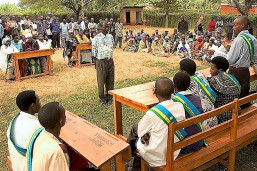
    This article discusses a study conducted by the Charles Wratto Foundation in rural Liberia using local solutions to address local challenges. Among other experiments, indigenous religious purification rites were performed for the acceptance and reintegration of former child soldiers while tribal leaders and youth were trained to discuss tolerance and lead peace-building activities within their respective communities.

    Mental health and child soldiers

    Despite the wealth, security and comfort of stable societies, studies show that, on average, an estimated one million people commit suicide every year worldwide. The reasons for these suicides include, but are not limited to, an inability to deal with extreme emotional pain, divorce, physical and mental violence, low self-esteem and substance abuse. According to the United States Department of Veterans Affairs, an estimated 22 deaths through suicide take place among US service men and women every day. In comparison, regardless being poorly trained or equipped for battle and conscripted to fight in guerrilla armies where they are subjected to serious mental and physical mistreatments, the development of a high suicide rate, if any, is yet to be seen among former child soldiers, particularly in Africa. Indeed, the harsh realities of war, has bestowed on these children the will to survive beyond our imagination.

    Although researchers in the field of mental health eagerly and critically examine the behaviours of those formerly associated with child soldiers, it should be noted here that suicidal ideation, which is a thought, and suicide, meaning the action of taking one’s own life, are distinct and entirely different. Despite the evidence, the idea that a child soldier is scarred with mental disability and in no position to function as a normal human being has come to influence our thoughts, communities and, most importantly, our political and educational philosophies. Regrettably, it is based on this discourse that the youth and children associated with armed groups in post war Africa, are, for the most part, marginalized and excluded from national priorities including sustainable reintegration strategies.

    The relevance of the indigenous approach

    Demobilised child socldiers in Democratic Republic of the Congo. Image credit: L.Rose/Wikimedia.

    Contrary to the imaginative views of non-Africans, the wars on the African continent are not restricted to the uses of small weapons, drugs or alcohol alone; instead, they involve also deep-rooted and extreme tribal rituals practices that demand human or animal sacrifices believed to protect a warrior against an enemy in battle. Against this backdrop, there is no doubt that, from the point of view of a warlord, ritualistic oblations are strategies designed to strike fear and horror into the hearts and minds of their much larger and better-equipped enemy. However, once the gun beat ceases and peace treaties are signed, reintegration becomes a major challenge as the rural communities to which most of these children are returned to, hold religious purification in the highest esteem.

    The returning soldiers are considered unholy, and, as such, required to undertake spiritual cleansing in order to sanctify themselves from the evils of war and appease the spirits of dead victims. These ceremonies are significant and symbolic as they acknowledged the vile practices that have occurred, and thus, serve as a deterrent to future reoccurrences. As is the case, refusal to perform these religious appeasements would be seen to contaminate the entire clan and lead them into misfortune. But there is more to the ritual than this. There is also a fundamental and unshakeable credence that the avenging spirits of those killed during the war, but were denied their place in the ancestral world due to the lack of a proper burial, possess the ability to harm their killers and community members. In this sense, it should be noted here that such impending danger, which includes, but not limited to, the reappearance of a victim’s ghost to his/her killer cannot be prevented or resolved by Western treatments as they are seen to hold no place in the spiritual realm. Undertaking these ritual rites does not necessary mean a child is mentally unstable, but above all else, it is a precondition for readmission into society.

    The indigenous methodology applied

    The traditional purification rites performed for the youth and children with military backgrounds were aimed at dealing with their wartime experiences as well as rebuilding their morality for the re-admission into society. Hence, the rituals performed varied depending on the extent of the child’s involvement in the war. While some rituals addressed those who participated in the war but did not kill, others were focused on murderers.

    During these ceremonies, the former soldiers were isolated from their communities and taken to shrines and secret locations of spiritual significance, where they were given sacred herbal medicine to drink. There, the healers spoke to ancestral spirits who were believed to be unhappy and pleaded forgiveness on behalf of the youth and the community through incantations. Furthermore, they were taken to streams for sanctified baths and were told not to look back upon emerging from the river. Doing so was considered a way of reopening the door to the evil war spirits and inviting them to harm the person. Their clothes and other objects from the war were burnt or washed away in a river to symbolize an end to a life of violence and the beginning of a new peaceful life.

    In addition, the healers pleaded with the spirits of the dead, asking them to forgive the community and the perpetrators which included protecting them from harm and illness. During the Liberian civil war, brutality grew to its worst when every rebel group attempted to instilled terror and wanted be viewed as the most dreaded fighting force in the country. Children lacking military experience were ordered to eat the hearts of their captured enemies if they desired to be invisible to bullets. However, given the scarcity of finding an enemy’s heart, the definition of an “enemy” was redefined from anyone opposing you in battle to those outside your ethnicity. Needless to say, this led to the deaths of many innocent people falsely accused of being “enemies.” Informed of these experiences and aware that the bleeding spirits of those innocent souls will hunt their killers, the healers performed separate ceremonies to appease the dead upon request by each perpetrator.

    Conclusion

    There is nothing wrong with Western approaches to conflict resolution in themselves. Nevertheless, the concepts and contexts under which they are employed to address conflicts in Africa undermine the social and religious settings of the people. Consequently, scarce and precious resources are wasted and achieving the overall objective of sustainable peace in a timely fashion becomes a major challenge. It is a known fact that Africans are extremely religious with each tribe having its own religious structure established on a set of beliefs that is impossible to separate from daily life. That being said, they have welcomed new ideas and foreign assistance.

    However, foreigners could be exploited if they ignored the traditional structures or the systematic realties of the communities they find themselves in. For instance, the assumption by most donors and international organisations that children formerly associated with armed groups are mentally ill and need the help of Western psychiatrists isn’t just a delusion, which deepens the wounds of fragile communities, but more than this, it provides a platform for children, who were never recruited to fight as soldiers, to exploit humanitarian organisations due to a pre-meditated notion of the situation. NGOs will be told what they want to hear by those with no military background in an effort to claim the benefits of a child soldier. After all, they are all victims of war. Lets not forget, Western veterans were born and raised in much more stable societies while the children in armed conflict were born and raised in dreadful environments which they considered normal.

    Here, they mastered the art of survival when serving not only as combat soldiers, but as leaders and strategic decision makers who have developed a high sense of intelligence and a reservoir of knowledge that can be put to constructive use during peace time. For this group of children, reintegration programs organized by representatives of foreign donors are perceived as dangerous and unnecessary given that these programs differentiates them as evil monsters, which doesn’t just ruin the possibility of future career opportunities, but also exposes them to retributions and increases family shame.

    While a few find it challenging to adjust in society, the vast majority, including female fighters, concealed their true identities and reintegrated into society without the help of internal or external bodies. For the girls who wish to have a family, this remains a personal and well-kept secret as associating themselves with armed groups could destroy the chances of having a future husband. In addition, both girls and boys, some of whom may have financial means or a place to stay, do so with the knowledge of being perfectly fine and thus, see no reason to attract stigmatization and societal imagination by seeking medical or psychological assistance.

    Children endure harsh realities during their time in combat, but regardless of the brutality involved, these experiences do not lead all child soldiers into psychological crises. Naturally, we would imagine post-traumatic disorders occuring given that we are so distracted and disconnected from these realities due to the very nature of our lifestyle. As a result, the inability to live without certain preferences limit our vision to either recognize nor connect with those possessing outstanding survival qualities and resilience.

    Charles Wratto is a former child soldier and a Ph.D. candidate whose research focuses on Child Soldiering, Youth Peace-Building and Indigenous Dispute Resolution Mechanisms on Sub Saharan Africa. He is currently a lecturer assistant and an associate researcher at the Babes-Bolyai University’s Conflict Studies Centre, in Romania. As a former child soldier, and now a peace activist, Charles has experience working with youth and children in armed conflicts, victims of war as well as community and religious leaders on issues relating to youth participation in post-conflict reconstructions. He has given public lectures at several universities and organizations across three continents and spoken at numerous conferences on the use of children in war and its impact on our society. He is also the founder of the Charles Wratto Foundation, a non-profit organization dedicated to rescuing and helping war affected youth and children. In January 2014, “Think Outside the Box,” a Romanian New Agency, named Charles one of the four heroes of the year.

  • Before the Cyberwar

    Those concerned with the issue of militarisation as a driver of global insecurity are increasingly looking at the issue of cyberwarfare as the weapons of war become ever closely associated with the digital age. Waging war in the cyber domain raises some truly momentous questions about the nature of warfare, the laws of war and even what counts as self-defence. Nuclear expert, Scott Kemp has written an article in the Bulletin of the Atomic Scientists arguing that like the missed opportunity of the dawn of the nuclear age (in which possessing nuclear weapons was viewed as more important than the consequences of proliferation), policymakers today have an important opportunity to consider the implications – both intended and unintended – of cyberweapons.

    The article argues that in the early 1940s “The United States rushed into the nuclear age eager to cement its technical superiority, disregarding warnings of key statesmen and scientists that a decades-long nuclear arms race would ensue.” Kemp believes that we currently stand on the edge of a similar military revolution to the beginning of the nuclear age and that it is not too late to think carefully about the long-term consequences of creating a new “weapon of the weak.”

    Looking to the future, Kemp argues that “For states that have little to lose on the cyber front, an offensive approach may be interesting. But for the United States and other highly developed nations whose societies are critically and deeply reliant on computers, the safe approach is to direct cyber research at purely defensive applications.” Unlike the wrong-headed approach to nuclear weapons (in which a small clique of countries believed that they could develop a huge military advantage without opening a Pandora’s Box of imitation and proliferation of that same technology), the article argues for a much more strategic and far-sighted approach to the development of cyberwarfare capabilities.

    Such an approach would be based on an understanding of one of the central problems of world politics – known in the scholarly literature as the ‘security dilemma’ – in which arming oneself in order to defend against potential threats makes others feel threatened, who then in turn respond by arming themselves, thus starting a downward spiral of insecurity. Actions aimed at making yourself more secure today can in fact make you less secure tomorrow. As Kemp writes “Though Israel and the United States may have vast resources to support sophisticated and creative cyberweapons programs, it is worth remembering that such advantage could be its disadvantage: Each new cyberattack becomes a template for other nations – or sub-national actors – looking for ideas.”

    The article is a rare piece of rational and honest analysis in an area that is fast moving up the lists of national defence priorities in countries around the world. If Kemp is right and we are at an “Acheson and Lilienthal moment of the digital age”, then such clear-headed and strategic thinking about this new domain of warfare is going to need a great deal of support.

    The full article in the Bulletin of the Atomic Scientists can be accessed here.

    Image source: WFB

  • Peak Oil likley to occur within the next decade

    In an interview with the Independent newspaper, Dr Fatih Birol, the Chief Economist at the International Energy Agency (IEA) in Paris, has warned that most governments and members of the public underestimate the rate at which the world’s oil supplies are running out. Dr Birol suggested that global production is likely to peak in around ten years – a decade earlier than most governments predict. In addition, Dr Birol highlighted the very real danger of an ‘oil-crunch’ within the next five years which could have an adverse impact on potential recovery from the current global recession.

    Dr Birol’s comments are in keeping with sustainable security analysis, which highlights competition over resources as one of the key threats to global security. “One day we will run out of oil, it is not today or tomorrow, but one day we will run out of oil and we have to leave oil before oil leaves us, and we have to prepare ourselves for that day,” Dr Birol said. “The earlier we start, the better, because all of our economic and social system is based on oil, so to change from that will take a lot of time and a lot of money and we should take this issue very seriously.”

  • Sustainable Security

    The Internet has become a major arena for modern jihadis. Understanding how militant Islamist groups operate online can help security services devise appropriate methods to forestall jihadist activities. 

    Modern terrorism relies heavily on modern technology. Indeed, modern technology is a defining characteristic of today’s terrorism. Both modern terror and modern technology are diffusive, decentralised, universal, interactive, low cost and chaotic in their respective structures (or lack of structures).

    The Internet has enabled a global jihad based on a loose network of Mujahedeen (people who fight for jihad) transcending the limitations of face-to-face interaction. Jihadis are making the most of the vast information available on the Internet to coordinate, to communicate, and to find essential data in order to wage anti-social, violent operations.

    How jihadis use the internet

    Propaganda, Indoctrination and Recruitment – Most radical and terrorist organizations use the Internet as a vehicle for ideological indoctrination. There are numerous cases of normal, often non-religious citizens becoming radicalized by jihadist websites, leaving them vulnerable to terrorist recruitment. The content of such propaganda usually consists of enemy demonization, justification of violence, and a general background of the jihadi group, its platform and objectives. The sites try to be effective as they compete with each other on the attention of potential followers. Interactive technology is used to connect with those who seem receptive to the jihadi messages and ideology. Recruiters use messaging apps like Kik to communicate with those who seek advice on how to cross into Syria. Terrorists proactively troll social media sites for individuals they believe may be susceptible and sympathetic to their violent messages. Indeed, Internet recruitment by ISIS is a major concern for European countries. Social media it utilised for the most anti-social activities.

    Hizb ut-Tahir, an Islamist extremist group, offers music and computer games to introduce their ideology and to attract young supporters. They depict Islam as under attack, and claim Muslims have a personal duty to fight attackers. Officially, the group distances itself from violence. At the same time, Hizb ut-Tahir, in Danish propaganda leflets, urged Muslims to kill Jews wherever they are. It also supports offensive jihad against Israel.  People affiliated with Hizb ut-Tahir have been linked to violent acts in multiple countries, including coup attempts in the Middle East, the murder of a pro-secularist blogger in Bangladesh, and spreading anti-Western and Muslim-separatist propaganda in the West.

    Al-Qaeda in the Arabian Peninsula (AQAP) publishes its English language jihadist magazine Inspire. The magazine, known for its high production standards, is designed to radicalize English-speaking Muslims, and encourages them to engage in militant activity. Inspire calls upon jihadists to mount attacks in the countries where they live. In December 2015, the Islamic State launched a cyber war magazine for jihadists called Kybernetiq that instructs militants about technology. The Islamic State is exploiting the Internet to the fullest, using social networks such as Facebook and Twitter to communicate with its audiences, and diversifying its reach by also using peer-to-peer apps like Telegram (fast, simple and free messaging service with enhanced security measures), Surespot (a secure mobile messaging app that uses end-to-end encryption for every text, image and voice message) and content sharing such as JustPaste.

    Anwar al-Awlaki was one of the iconic figures of modern terrorism. The American-Yemeni cleric was the leading English-speaking propagandist for al-Qaeda who was embraced also by the Islamic State. He was described by the FBI as the “senior recruiter for al Qaeda”. For his operational and leadership roles with al-Qaeda and for plotting attacks intended to kill Americans, al-Awlaki was killed by an American drone in 2011. But his influence endures beyond the grave.

    al-Awlaki’s propaganda helped radicalize several jihadists, including the terrorist Nidal Hasan from Fort Hood, Texas who murdered 13 people and wounding 32 others in a 2009 shooting rampage; Roshonara Choudhry, a 21-year-old student who stabbed in May 2010 MP Stephen Timms because of his 2003 vote in British parliament in support of the Iraq war; Dzhokhar Tsarnaev and his brother Tamerlan Tsarnaev, the Boston Marathon bombers (April 2013) who murdered three spectators and wounded more than 260 other people; Syed Rizwan Farook and Tashfeen Malik, the San Bernardino terrorists who murdered 14 people and injured 22 others in December 2015; Elton Simpson and Nadir Soofi who aimed to kill people who attended the “Draw Muhammad” cartoon contest in Garland, Texas in May 2015; Mohammad Youssef Abdulazeez who in July 2015 murdered four US marines in attacks on two facilities in Tennessee, and Omar Mateen, who murdered 49 people and wounded 53 others in a June 2016 mass shooting at Pulse nightclub in Orlando.

    Elsewhere, Hamas uses a network of websites targeting many populations. Its Website, the Palestinian Information Center, appears in eight languages. It provides propaganda and updates the Palestinian take on the news.

    The military wing of Hamas, the Ezzedin al Qassam Brigades, has its own website. It provides reports on current affairs, glorifies martyrs, offers interviews with Palestinians and intellectuals who support the armed struggle against Israel, provides information about their prisoners, and offers a comprehensive photo gallery. One of Hamas’s Websites was designed to target children: the site presented, in comic-book style, stories that encouraged children to engage in jihad and to become “martyrs”.

    Online jihadi propaganda can also be a potent form of psychological warfare. ISIS and Al-Qaida regularly publish videos that are designed to evoke fear. Violence plays a key role in the psyche of jihadists. The majority of videos distributed on jihadi forums feature explicit violence. On 19 April 2017 I wrote the words “ISIS violence” on YouTube search engine. The search yielded 706,000 results. The top results warned the viewers of graphic violence and of horrific ISIS executions.

    Networking – The Internet can help bridge the gap from the isolated potential mujahid to the global jihad. Connection between people may start on social networking sites such as Facebook, Twitter, Telegram and Vibe and then may continue on more obscure forums. The anonymity which individuals and groups may enjoy on the Internet, the encrypted capabilities and the international character of the Internet provide terrorists with an easy and effective arena for their destructive interests.

    The dark Internet is a home to illicit jihadi information and communication. Jihadi websites allow isolated young Muslims to engage with a worldwide network of like-minded people striving against what they perceive as a common enemy and with a singular unity of purpose. The forums, where people seem to care for each other, provide them with friends and support. The forums prove the existence of the ummah, or transnational Muslim community.

     Fundraising – Follow the money is a good advice for those who wish to understand the world of terrorism. Terrorist groups raise funds via the Internet by five primary methods:

    1.  Making appeals via e-mail or directly through their websites. Hamas has circulated appeal letters to various newsgroups. Hezbollah supplied bank account information to those who solicit the group by e-mail and it posted its bank account information directly on several of its websites. The Ibn Taymiyya Media Center (ITMC), an online jihadist propaganda unit located in the Gaza Strip, has been using social media to run a fundraising campaign. It is one of the first terrorist groups to publicly use the digital currency bitcoin.
    2. Selling goods. Many sites offer online “gift shops”: visitors can purchase or download free posters, books, videos, pictures, audiocassettes and discs, stickers, badges, symbols, and calendars.
    3. Through side businesses that are not identified as group-owned but are nevertheless associated. There are links between terrorism and organized crime, especially in spheres concerning illegal migration, corruption, economic crime, illicit drugs, arms trafficking and money laundering. The Hezbollah had coordinated the transportation, distribution, and sale of multi-ton bulk shipments of cocaine from South America. Large cash money was smuggled to Lebanon, and several Lebanese exchange houses utilized accounts at the Beirut-based Lebanese Canadian Bank (LCB). The proceeds were laundered through various methods which included the sale of used cars in the United States to African nations, mixing legitimate business with drug money which eventually found its way to the Hezbollah.
    4. Via online organizations that resemble humanitarian charity groups. Some charity organizations in the USA were in the service of Hamas and the Hezbollah until they were closed down. Charities are legitimate front organizations which enable to raise money from across the globe. In 2013, the UK Charity Commission warned of a risk that funds raised in the name of ‘charity’ generally or under the name of a specific charity are misused to support terrorist activities, with or without the charity’s knowledge. In 2017, the Charity Commission reported that alleged links between charities and terrorism or extremism have surged to a record high.
    5. Through fraud, gambling, or online brokering. According to the United Kingdom’s Financial Services Authority (FSA), terrorist groups launder their money through online firms. Online brokerage and spread-betting firms are particularly vulnerable to exploitation by terrorist groups because they are under-regulated and do not perform thorough checks on their investors. Younes Tsouli, Waseem Mughal and Tariq Al-Daour, based in London, worked for al-Qaida in Iraq. They stole money through online gambling sites. With different Trojan viruses, the three terrorists managed to raise more than 3.5 million dollars to buy web hosting services in order to show more influential videos of al-Qaida.

    Spreading tactics, planning of attacks and coordination of activities – Information technology has enabled terrorist organizations to receive and share knowledge globally. Terrorists can easily obtain information on sensitive targets and their potential weaknesses; public transport timetables; building sites, their opening times and their layout. Terrorist organisations maintain extensive databases that contain information about potential American targets.

    Multiple password-protected forums refer to extensive literature on explosives. Terrorists disseminate detailed manuals how to terrorise, kill and create mayhem. There is an immense amount of how-to material: cell phone detonators, how to make flamethrowers and napalm bombs together with violent and terrorist propaganda. There are detailed tutorials in viruses, hacking stratagems, the use of secret codes, encryption methods, Tor and other anonymity tools. Bomb-making knowledge is available on jihadi websites in the form of very detailed step-by-step video instructions showing how to build improvised explosive devices.

    There is strong evidence that such online instructions played a critical role in the March 2004 Madrid bombings, the April 2005 Khan al-Khalili bombings in Cairo, the July 2006 failed attempt to bomb trains in Germany, and the June 2007 plot to bomb London’s West End and Glasgow. The information help radical so-called “lone-wolfs” (who, thanks to the Internet, are never alone) to plan their actions.

    The Internet has proven to be an excellent vehicle by which information about travel, training, targets, tactics and a host of other useful organization details is displayed. Data, instructions, maps, diagrams, photographs, tactical and technical details are often sent in this exchange, often in encrypted format, using onion routers such as Tor that hide the Internet Protocol (IP) address. Gilles de Kerchove, EU Counter-terrorism Coordinator, said: “We have to be vigilant, since the threat posed by the so-called Islamic State (IS) and returning foreign fighters is likely to persist in the coming years”. 

    Al-Qaida members used the Internet in planning and coordinating the attacks of September 11, 2001. Mary E. Galligan, FBI Chief Inspector who supervised PENTTBOM, the FBI’s investigation of the attacks, studied closely the incident that brought about the global war on terror. She said that clearly the Internet was a vital channel for coordination of those attacks. Galligan asserted that al-Qaida terrorists learned the methods used by the US to combat terrorism; they studied the American soft spots and targets.

    Al-Qaida activists refrained from using cell phones, as they knew cell phones could be traced. Instead, they used the Internet, prepaid phone cards, and face-to-face meetings in Spain. Email was used to transmit messages between the terrorists. Al-Qaida activists were looking for American flight schools on the Internet, while they were in Germany.

    The terrorists used public libraries terminals for communications and data. At many public libraries, people can simply walk up to a terminal and access the Internet without presenting any form of identification. Within two weeks of the 9/11 attacks, the US had located hundreds of e-mails linked to the hijackers, in English and Arabic, sent before September 11, some of which included operational details of the planned terrorist assault.

    In 2015, Sid Ahmed Ghlam tried to open fire on a church in Paris. When the police searched his car, they found in his laptop a series of messages showing how he had been guided by a pair of handlers who provided both the weapons and the getaway car. Ghalem was remote-controlled by his handlers with the help of technology.

    The Telegram platform which enables end-to-end encryption was used by terrorists before the attacks on Nice in July 2016 and Berlin in December 2016. It is believed that videos of high profile attacks were posted on Telegram by jihadists to inspire and motivate each other, including the murder of soldier Lee Rigby in Woolwich and the 7/7 London bombings.

    In March 2017, Khalid Masood launched a terror attack near the British Houses of Parliament in which four people died and more than 35 others were injured. Minutes before the attack, Masood communicated with other people via the WhatsApp platform. WhatsApp, owned by Facebook, uses end-to-end encryption which prevents even its own technicians from reading people’s messages. This makes the work of law enforcement agencies particularly difficult.

    Responding to the cyber-jihad

    Law-enforcement agencies throughout the world can learn from each other and cooperate in the fight against illicit and anti-social activities online. Indeed, there are many similarities between counter-online terrorism activities, counter-online child-pornography activities and counter-online racism activities. To have effective results in fighting down terrorism, cooperation is vital. Failure to do so is inexcusable.

    Without responsible cooperation, Internet abusers will prevail, and our children will suffer. Nations, Internet intermediaries and responsible Netcitizens are obliged to ensure that future generations will be able to develop their autonomy, their individuality and their capabilities in a secure environment, both offline and online.

    Raphael Cohen-Almagor received his DPhil in political theory from Oxford University. He is Professor/Chair in Politics, and Founder and Director of the Middle East Study Group, University of Hull, UK. He is the author of hundreds of publications in politics, law, media and ethics, including most recently Confronting the Internet’s Dark Side (NY and Washington DC.: Woodrow Wilson Center Press and Cambridge University Press, 2015), the first comprehensive book on social responsibility on the Internet. https://www.wilsoncenter.org/book/confronting-the-internets-dark-side-moral-and-social-responsibility-the-free-highway.  Website: http://www.hull.ac.uk/rca. Blog: http://almagor.blogspot.com Twitter: @almagor35
  • The Arab World’s Next Battle: Water Supply and Population Growth on Collision Course

    Long after the political uprisings in the Middle East have subsided, many underlying challenges that are not now in the news will remain. Prominent among these are rapid population growth, spreading water shortages, and growing food insecurity.

    In some countries grain production is now falling as aquifers – underground water-bearing rocks – are depleted. After the Arab oil-export embargo of the 1970s, the Saudis realised that since they were heavily dependent on imported grain, they were vulnerable to a grain counter-embargo. Using oil-drilling technology, they tapped into an aquifer far below the desert to produce irrigated wheat. In a matter of years, Saudi Arabia was self-sufficient in its principal food staple.

    But after more than 20 years of wheat self-sufficiency, the Saudis announced in January 2008 that this aquifer was largely depleted and they would be phasing out wheat production. Between 2007 and 2010, the harvest of nearly 3m tonnes dropped by more than two-thirds. At this rate the Saudis could harvest their last wheat crop in 2012 and then be totally dependent on imported grain to feed their population of nearly 30 million.

    The unusually rapid phaseout of wheat farming in Saudi Arabia is due to two factors. First, in this arid country there is little farming without irrigation. Second, irrigation depends almost entirely on a fossil aquifer – which, unlike most aquifers, does not recharge naturally from rainfall. And the desalted sea water the country uses to supply its cities is far too costly for irrigation use – even for the Saudis.

    Saudi Arabia’s growing food insecurity has led it to buy or lease land in several other countries, including two of the world’s hungriest, Ethiopia and Sudan. In effect, the Saudis are planning to produce food for themselves with the land and water resources of other countries to augment their fast-growing imports.

    In neighbouring Yemen, replenishable aquifers are being pumped well beyond the rate of recharge, and the deeper fossil aquifers are also being rapidly depleted. Water tables are falling throughout Yemen by about two metres per year. In the capital, Sana’a – home to 2 million people – tap water is available only once every four days. In Taiz, a smaller city to the south, it is once every 20 days.

    Yemen, with one of the world’s fastest-growing populations, is becoming a hydrological basket case. With water tables falling, the grain harvest has shrunk by one-third over the last 40 years, while demand has continued its steady rise. As a result the Yemenis import more than 80% of their grain. With its meagre oil exports falling, with no industry to speak of, and with nearly 60% of its children physically stunted and chronically undernourished, this poorest of the Arab countries is facing a bleak and potentially turbulent future.

    The likely result of the depletion of Yemen’s aquifers – which will lead to further shrinkage of its harvest and spreading hunger and thirst – is social collapse. Already a failing state, it may well devolve into a group of tribal fiefdoms, warring over whatever meagre water resources remain. Yemen’s internal conflicts could spill over its long, unguarded border with Saudi Arabia.

    Syria and Iraq – the other two populous countries in the region – have water troubles, too. Some of these arise from the reduced flows of the Euphrates and Tigris rivers, which they depend on for irrigation water. Turkey, which controls the headwaters of these rivers, is in the midst of a massive dam building programme that is reducing downstream flows. Although all three countries are party to water-sharing arrangements, Turkey’s plans to expand hydropower generation and its area of irrigation are being fulfilled partly at the expense of its two downstream neighbours.

    Given the future uncertainty of river water supplies, farmers in Syria and Iraq are drilling more wells for irrigation. This is leading to overpumping in both countries. Syria’s grain harvest has fallen by one-fifth since peaking at roughly 7m tonnes in 2001. In Iraq, the grain harvest has fallen by a quarter since peaking at 4.5m tonnes in 2002.

    Jordan, with 6 million people, is also on the ropes agriculturally. Forty or so years ago, it was producing more than 300,000 tonnes of grain per year. Today it produces only 60,000 tonnes and thus must import over 90% of its grain. In this region, only Lebanon has avoided a decline in grain production.

    Thus in the Arab Middle East, where populations are growing fast, the world is seeing the first collision between population growth and water supply at the regional level. For the first time in history, grain production is dropping in a region with nothing in sight to arrest the decline. Because of the failure of governments to mesh population and water policies, each day now brings 10,000 more people to feed, and less irrigation water with which to feed them.


    This article originally appeared on The Guardian website.  

  • Sustainable Security

  • Sustainable Security

  • Sustainable Security

    In Deep Water: China tests its neighbours’ patience

    Control of water, including navigation rights, resource extraction and the exploitation of shared watercourses is at the heart of today’s geopolitical tensions in Asia. China’s recent actions in the South China Sea and Himalayas have given rise to further—and at times violent—conflict over the region’s natural resources. So will water insecurity lead to greater partnership in Asia? Or will it lead to a revival of China’s traditional sense of regional dominance and undercut efforts to build a rules-based approach to growing resource conflicts?

    Read Article →

  • Sustainable Security

  • Sustainable Security

  • Sustainable Security

  • Greener Cities: What We Can Do

    A recent article on this website entitled The United States, Niger & Jamaica: Food (In)security & Violence in a Globalised World explored some of the possible links between climate change, food insecurity and violence. Many current articles in the media warn of growing food insecurity as global warming and climate change have devastating effects on crops, livestock and even fisheries. A piece in yesterday’s Guardian states that if extreme weather becomes the norm (which it has) then “starvation awaits”.

    Although it is important to recognise that climate change is real and that it is a threat to global security, we should seriously start to focus on what we can do to affect change. Integral to a sustainable securit approach is to tackle and address the long-term, root causes of insecurity and conflict. This can easily seem like a daunting task, especially when it concerns “big issues” such as climate change. There are however many things that can be done: some on a policy level, and others on a community level.

    A recent report by the UN Food and Agricultural Organisation (FAO) draws the attention of policymakers to “urban and peri-urban horticulture, and how it can help to grow greener cities in Africa” because “production of fruit and vegetables in and around urban areas has a clear comparative advantage over rural and other sources in supplying urban residents with fresh, nutritious – but highly perishable – produce all year round. It generates local employment, reduces food transport costs and pollution, creates urban green belts, and recycles urban waste as a productive resource.”

    The FAO report says that by the end of this decade, 80% of the world’s fastest growing cities will be African and as more and more people are moving from rural to urban areas in search of a better life, African cities are finding it hard to cope: “more than half of all [African city] residents live in overcrowded slums; up to 200 million survive on less than US$2 a day; poor urban children are as likely to be chronically malnourished as poor rural children”. The report, which draws its conclusions and recommendations from 31 country case studies, suggests that across the Africa continent 40% of residents in cities already have home gardens and “most of these urban farmers are able to meet their nutrition needs and still produce enough to sell in markets”. The commercial production of fruit and vegetables provides livelihoods for thousands of urban Africans and food for millions more. But unfortunately market gardening has grown with little official recognition, regulation or support.

    One way to address food insecurity is definitely to help those most affected by price volatility of food become less dependent on the free market. Formally and institutionally encouraging people to grow some of their own food seems like a great idea, not only for African cities, but for people around the world. As a matter of fact, the city of London has many community gardens to “support and advocate for food producing gardens and their role in individual and urban food security”.

    Image source: Gates Foundation

  • Sustainable Security

    This case study explores the potential impact of climate change on security and conflict in Bangladesh. As international researchers have started to make the link between climate change, insecurity and conflict, they have raised concerns that Bangladesh’s extreme vulnerability to the environmental effects of climate change may create conditions that put it at risk of greater insecurity and possible conflict.

  • Sustainable Security

  • Sustainable Security

    The Ukraine conflict’s legacy of environmental damage and pollutants

    One year after violent conflict began, information is now emerging on the specific environmental impact of war in Ukraine’s highly industrialised Donbas region. Although obtaining accurate data is difficult, indications are that the conflict has resulted in a number of civilian health risks, and potentially long-term damage to its environment. In order to mitigate these long-term risks, international and domestic agencies will have to find ways to coordinate their efforts on documenting, assessing and addressing the damage.

    Read Article →

    DU-turn? The changing political environment around toxic munitions

    Is the US backpedalling on its use of depleted uranium (DU) rounds? There are indications that the use of these highly toxic munitions could increasingly be a political liability for the US, with countries affected by DU, like Iraq, other UN Member States, and populations in contaminated areas all expressing concerns over its use and impact. But stigmatisation, although important, is not enough on its own – in order to make sustained progress on accountability and in reducing civilian harm, a broader framework that addresses all toxic remnants of war is needed.

    Read Article →

    Losing control over the use of force: fully autonomous weapons systems and the international movement to ban them

    Later this month, governments will meet in Geneva to discuss lethal autonomous weapons systems. Previous talks – and growing pressure from civil society – have not yet galvanised governments into action. Meanwhile the development of these so-called “killer robots” is already being considered in military roadmaps. Their prohibition is therefore an increasingly urgent task.

    Read Article →

  • Marginalisation of the majority world

    Poor people want to feel safe just like anyone else. Security and access to justice for poor people are development goals in their own right whether in the midst of endemic violence, such as in parts of Somalia or Afghanistan, or in more stable countries where the police and judicial services may still be inadequate, unfair or abusive. Basic security and the rule of law are also necessary for other areas of development to take root and flourish.

    Image source: Demosh

    Read more »

  • Sustainable Security

    Chemical Weapons Use in Syria: a Test of the Norm

    Recent events in the Syrian civil war have proved an unparalleled test of the norm against the use of chemical weapons. At its core this was a test of the willingness of countries to uphold the norm, in this case in the face of a flagrant violation, and a response that in the end stumbled upon a satisfactory conclusion—reaffirming the special category of chemical arms—but which in the process said a great deal about current attitudes to the use of military force as a means of humanitarian intervention.

    Read Article →

  • Sustainable Security

    Mexico’s Conflicting Migration Policy Goals: National Security and Human Rights

    Mexico has rapidly become a major site of transmigration from Central America to the United States, as people move in search of employment opportunities or escape from social violence. This rise in migrant flows from Mexico’s southern border overlaps with problems of control of contraband, organised crime, and the trafficking of drugs and arms. However, the government’s militarised approach to the phenomenon means that the use of force and human rights violations go unresolved and military approaches to preserving public order go unchecked. As long as migration remains a security issue, instead of a developmental and human rights matter, it will not be tackled appropriately. Instead, the government must start to view the matter through a citizen, not national, security lens.

    Read Article →

    Mano Dura: Gang Suppression in El Salvador

    Widespread social exclusion makes El Salvador fertile ground for gang proliferation and, over time, gang members have resorted to greater levels of violence and drug activity. Yet, government approaches have proved spectacularly ineffective: the homicide rate escalated, and gangs have adapted to the climate of repression by toughening their entry requirements, adopting a more conventional look, and using heavier weaponry. Sonja Wolf argues for approaches which focus on prevention and rehabilitation and looks at why such approaches have been continually sidelined.

    Read Article →

  • Freedom in the World 2010: Erosion of Freedom Intensifies

    In a year of intensified repression against human rights defenders and democratic activists by many of the world’s most powerful authoritarian regimes, Freedom House found a continued erosion of freedom worldwide, with setbacks in Latin America, Africa, the former Soviet Union, and the Middle East. For the fourth consecutive year, declines have trumped gains. This represents the longest continuous period of deterioration in the nearly 40-year history of Freedom in the World, Freedom House’s annual assessment of the state of political rights and civil liberties in every country in the world.

    In 2009, declines for freedom were registered in 40 countries, representing 20 percent of the world’s polities. In 22 of those countries, the problems were significant enough to merit downgrades in the numerical ratings for political rights or civil liberties. Six countries moved downward in their overall status designation, either from Free to Partly Free or from Partly Free to Not Free. The year also featured a drop in the number of electoral democracies from 119 to 116, the lowest figure since 1995.

    A series of disturbing events at year’s end reinforced the magnitude of the challenge to fundamental freedoms, including the violent repression of protesters on the streets of Iran, lengthy prison sentences meted out to peaceful dissidents in China, attacks on leading human rights activists in Russia, and continued terrorist and insurgent violence in Pakistan, Afghanistan, Iraq, Somalia, and Yemen.

    Read the full report at Freedom House

  • Sustainable Security

    Environmental security in the Arctic: the ‘Great Game’ vs. sustainable security

    Arctic security remains wedded to traditional, state-centric military threats despite the fact that the threat of outright conflict is as remote as the farthest reaches of the Arctic region itself. These approaches are predictable, but they will contribute little to alleviating the complex, interrelated, and underlying drivers of insecurity in the Arctic region. Cameron Harrington argues that if our understanding of both Arctic security and the Arctic environment continues to be reduced to the international scramble for untapped resources and for newly opened “shipping lanes”, it is unlikely that the hugely alarming and damaging environmental effects of climate change will ever be truly overcome.

    Read Article →

  • Sustainable Security

    The ban on women serving in close combat units in the British military was recently lifted by former Prime Minister David Cameron. This marks a step towards bringing the British military into the modern age. 

    Background

    On 08 July 2016 at the NATO summit in Warsaw, then British Prime Minister David Cameron publicly announced a long awaited decision by the British military to remove all effective barriers for women to participate in combat jobs in the British Military. The decision came after a two-year in-depth study that examined multiple facets of the issue of women serving in combat related vocations, such as physiological problems, unit cohesion, recruiting, combat effectiveness, deployability, and survivability.

    The study determined that female physiology created a scenario that resulted in higher musculoskeletal injuries in physical training situations, but it also posited a solution.  The study further found that a decrease in injuries related to training has a direct impact on the ability for units to deploy and survive in combat situations. Moreover, the majority of injuries would be prevented by changing the way physical training is conducted and the way that combat gear is carried and used.  In an effort to “make the most of all their [women’s] talent”, while still retaining the high quality of the training of military forces, the British Military Service Chiefs have determined that operational standards will not be lowered to suit females who want to serve in combat roles.  They propose rigorous communication between soldiers and supervisors, specific training adapted to the physiology of all soldiers, the implementation of cultural change and cultural training, leadership training to increase unit cohesion, and a phased implementation of women in combat units.

    The move was hailed by many as a progressive step, bringing Britain into the 21st century while aligning the British military with their Canadian, Australian, and United States allies who have already moved to allow women to serve in combat roles.  Some critics, however, have cited long-held arguments, now largely disproven, as to why women should not serve in combat roles in the British military.  Retired Colonel Richard Kemp, former Commander of the British Forces in Afghanistan in 2003, claimed in several recent interviews that the inclusion of women in combat roles in the British Military will, inevitably, result in a lowering of training standards to ensure adequate female participation, despite definitive statements made to the contrary by the British Military Service Chiefs.  Critics of the move argue that currently only 4.5-5% of British women would be able to pass the requisite physical standards.  However, there is no comparable percentage for British males in the general population that would be able to meet the same standards.  Kemp further supposes that those women able to pass the inevitably lower training standards will “become the weak link in an infantry team” thus fostering resentment among their male colleagues, another claim that does not appear to hold up under serious and critical scrutiny.

    Arguments Women in Combat

    Servicewomen of the Army Air Corps are pictured on parade at Middle Wallop airfield in Hampshire. The Army Air Corps (AAC) operates alongside the other Combat Arms of the Infantry and Royal Armoured Corps. Combat Arms are those forces that use fire and manoeuvre to engage with the enemy with direct fire systems. The forces providing fire support and operational assistance to the Combat Arms are called Combat Support Forces. ------------------------------------------------------- © Crown Copyright 2013 Photographer: Peter Davies Image 45156340.jpg from www.defenceimages.mod.uk Use of this image is subject to the terms and conditions of the MoD News Licence at www.defenceimagery.mod.uk/fotoweb/20121001_Crown_copyright_MOD_News_Licence.pdf For latest news visit www.gov.uk/government/organisations/ministry-of-defence Follow us: www.facebook.com/defenceimages www.twitter.com/defenceimages

    Servicewomen of the Army Air Corps on parade. Image (cropped) via Flickr.

    The first type of argument against women serving in combat roles cites the biological limitations of the female body in combat operations.  In the case of the British military, criticisms of the biological limitations of women are frequently related to physiology.  Essentially, the arguments against women serving in combat relate to the frequency of musculoskeletal injuries caused by disproportionate upper body strength and lower load bearing ability seen in training.  While raw data obtained from a two-year study tends to support the assertion that females are more prone to musculoskeletal injuries during training, the solution to the issue is not to deny women the opportunity to serve in combat roles, but to modify physical fitness training so that the potential for injury is minimized while the benefit to physical fitness is maximized.  Studies of modified physical fitness training has shown to reduce injuries by over 47% among both men and women.

    The second type of argument against women serving in combat roles cites the psychological limitations of female psyche in combat operations.  In particular, these arguments stress the sensitivity of women, their “natural” tendency to nurture, and an asserted inability to perform under intense pressure.  Setting aside the fact not all women are nurturers, it has been proven time and again that women can and do perform well in combat.  Women have seen combat in both Iraq and Afghanistan, largely due to guerilla warfare and insurgency tactics, and have performed well in those instances.  In one case, USMC 2nd Lieutenant Rebecca Turpin was directing a convoy that fell victim to multiple IEDs and an ambush but successfully escaped the situation with her convoy, receiving the Navy and Marine Corps Commendation Medal with a distinction for valor.  In another case, US Army PFC Monica Lin Brown was awarded the Silver Star for providing lifesaving medical care under direct mortar fire (6 women who fought in direct combat). Furthermore, studies in the US have shown that women and men who experience combat develop Post-Traumatic Stress Disorder (PTSD) at similar rates, but note that males disproportionately deal with this trauma by turning to alcohol and violence while females tend to take advantage of available mental health resources.

    A third type of argument against women serving in combat roles cites the biological effects that the physical presence of women will have on male soldiers.  Critics like Colonel Kemp have claimed that the presence of a female in a combat unit will distract male soldiers because the development of romantic feelings is inevitable in such circumstances.  These arguments rest on a few critical assumptions: 1) that all male soldiers are heterosexual (and not attracted to their male colleagues), 2) that male soldiers will find any female in their combat unit romantically attractive, and 3) that male soldiers will not be able to control their own desires when they encounter female soldiers.  Biological effects arguments also include arguments claiming that the inclusion of women in combat roles will increase incidences of sexual assault in combat units.  Some arguments further claim that, because many of the military actions in the world today are occurring in cultures that prize heteronormativity, female soldiers will not be accorded the same respect as male soldiers, and in fact, may be victims of sexual assault if captured.  This phenomenon that has anecdotally and repeatedly been shown to be a false assumption not based on an understanding of cultural practices in these regions that view all soldiers, regardless of sex, in a masculine sense.  These arguments are a shrouded attempt at victim blaming, in which it is the fault of the sexual assault victim that she (or he) was assaulted in the first place, rather than placing the onus for the act on the perpetrator.  The remedy for the phenomenon of combat rape is two-fold: develop reporting procedures that not only protect the victim but also vigorously prosecute cases of sexual assault if and when they occur, and work to change the pervasive masculinist and sexist culture that is pervasive in military units.

    The final strand of arguments against women serving in combat roles cites the psychological effects that the physical presence of women will have on male soldiers in combat.  These arguments tend to assume that males will see themselves in a chivalrously protective role over their fellow female soldiers, and will experience significant stress when and if those female soldiers are injured or killed in combat.  Given the large portion of male combat soldiers returning home with PTSD related to the trauma of seeing their male colleagues injured or killed, it may be that the issue with psychological trauma is not so much the biological sex of the injured soldier but the effect of witnessing the trauma happen in the first place.

    Notable Criticism

    Kemp’s arguments follow four familiar strands of objection that have been argued in all countries where the participation of women in combat has been the subject of consideration.  They assert rather archaic notions of physical and mental inability of women to work effectively with their male counterparts, and emphasize how the well-intentioned male combat soldiers will be forced to change their ways to accommodate females in combat.  Notwithstanding the fact that the basis of each of his arguments has been refuted by an intensive, multi-modal, scientific study of the effects of the participation of women in combat, Kemp and others sharing his sentiments continue arguing against proponents of inclusion considered to be “politicians desperate to be seen as ‘progressive’, feminist zealots, and ideologues hell-bent on equality of opportunity without exception”.

    Current Studies

    A study by Ellen Haring (What Women Bring) found that collective unit intelligence increased with an increase in the percentage of women in the military unit.  Her study further showed that, in cases where women were allowed to participate in combat vocations, they performed just as well as, or even better than their male colleagues, earning high distinctions while under direct fire from enemy combatants.

    Allowing and encouraging women to take on combat vocations in military units is a large step towards reducing rampant sexism and misogyny in the military.  But again, it is only one step.  Additional work will need to be done to change a military culture that is traditionally sexist and even misogynistic.  Time will tell if the British military will have the same success of integrating female soldiers into combat vocations as Australia, Canada, and to a lesser extent, the United States.  Two things are certain, however: The British military is well informed on how to make the transition as easy and as effective as possible, and they are not afraid of making the changes necessary to bring the British military into the modern age.

    Lisa DeLance is a Ph.D. Candidate at the University of California, Riverside studying Mesoamerican Archaeology. Her dissertation project examines the social and political implications for the use and deposition of ceramic figurines at the site of Cahal Pech, Belize. As a graduate student, she authored the entry for “Women in Combat” for the international Encyclopedia of Gender and Sexuality Studies, published in 2016. She obtained her Bachelor’s degree from the University of Minnesota in Sociology of Law, Crime, and Deviance where her research focused on gendered power relations during the Chinese Cultural Revolution. An Iraq War veteran, DeLance is especially interested in the institutionalized use of power and the intersections between the use of power, gender, and sexuality.

  • Competition over resources

    Good news does not sell newspapers. Nor, it seems, does the idea of respect for human dignity. In West Asia, where the majority of people have known little other than outright war or simmering conflict, it should come as little surprise that people have lost their faith in the possibility of real peace. Real peace can be a frightening prospect; it means burying the hatchet and beating swords into the proverbial ploughshares. No easy task when we are all burdened by historical and psychological baggage.

    Source: www.gulfnews.com

    Image source: Nino Jose Heredia/Gulf News


    Read more »

  • Sustainable Security

  • Sustainable Security

    Former combatants can play a powerful role in preventing violence, as the case of former combatants in Northern Ireland shows. Former Islamic State fighters could have a role to play in counter-terrorism, however there are potential limits to this.

    The value in re-integrating former combatants in post-conflict environments has been widely recognised in terms of reducing the risk of recidivism and fostering stability in a peace process. While there are examples of former combatant in larger scale post-conflict environments following the path of a de-politicised re-integration into society, there are also examples of former combatants – or ‘former terrorists’ – taking a much more active role in preventing future violence.  Former combatants in Northern Ireland, for example, have had some notable success in delivering restorative justice programmes, de-militarising communities, preventing inter-communal violence and articulating counter-narratives against the use of violence. If former combatants are having some success in preventing terrorism and political violence in Northern Ireland, what are the criteria for successfully utilising former combatants, and does this point to a potential role for former Islamic State combatants in the UK?

    Utilising Former Islamic State Combatants

    The question of utilising former Islamic State combatants is not entirely left-field as there has been a range of voices expression different potential ways of their utilisation to serve preventative ends. One emerging perspective has emphasised how former combatants can play a preventative role, with former MI5 and MI6 chief, Richard Barrett, arguing that they can help explain “why going to fight abroad is a bad idea” and that ex-extremists are often the most successful at “undermining the terrorist narrative.” The ability to use extremists who “renounce violence” and are “genuinely remorseful,” according to this perspective, can provide a credible and persuasive message to stop the flow of people engaging in IS-related terrorism. Terrorism expert Peter Neumann argues that IS defector narratives can encourage others to leave the group and deter others from joining on the basis of their experience and credibility. Subsequently, he has recommended that the U.K. government needs to provide defectors the opportunity to speak out, assist them in their resettlement, and to remove legal disincentives that prevent them going public. An alternative would be to do nothing or continue with the current approach; however former Islamic State combatants are already returning and not all of them are prosecuted. In other words, these former combatant networks exist, they risk solidifying, and will be sharing their views and experiences, therefore it may be more effective in the long-run to co-opt and utilise them for positive ends.

    There is clearly a potential role for former Islamic State combatants in preventing others engaging in such activities. The nature of utilisation could be minimalist (narrative-based), whereby third parties disseminate former combatant narratives. For example, one UK counter-terrorism official mentioned how they have distributed one specific article on Islamic State defector narratives to help people play a preventative role. A more controversial role would be a maximalist approach (narrative and network-based) like in Northern Ireland, whereby former combatants themselves engage in activities with the goal of prevention. Should the UK government consider enabling or facilitating former Islamic State combatants in a preventative capacity?

    Former Combatants as a Conveyor-Belt to Terrorism?

    isis

    Image by Day Donaldson via Flickr.

    One of the potentially biggest arguments against a maximalist approach is that such activities could be counter-productive and could risk serving as a conveyor-belt to engaging in violence rather than act as a fire-wall. A common trend with former combatants is they often do not de-radicalise: while they may disengage from terrorism because of dissatisfaction, disillusionment or burnout, they tend to maintain their ideological views. From this perspective – and endorsed by the UK government’s counter-terrorism policy – even non-violent extremist ideology can encourage others to engage in violence. While the conveyor-belt perspective has been heavily critiqued, the experiences of former combatants in Northern Ireland actually points to a middle-ground between these two perspectives. This consequently contributes to the debate on radicalisation but also on the potential role of former combatants in a preventative capacity.

    The findings of my own research on former combatants in Northern Ireland placed emphasis, not on ideology or attitudes to violence, but the framing process – in other words, how is violence and non-violence represented by actors and how it resonates with an audience, and what structural factors facilitate this resonance. Former combatants in Northern Ireland interact on a regular basis with young people through a number of programmes. Interestingly, despite the former combatants having maintained an ideology similar to violent groups, and despite the former combatants not supporting violence in the current conditions, it was realised that the interaction between former combatants and young people led the latter to view the use of violence positively. However, while this may seem to corroborate the conveyor-belt perspective, it actually showed that it was how former combatants framed violence that produced the conveyor-belt effect, not ideology on its own but also not simply that the former combatants were anti-violence.

    Re-Framing Violence

    In the past, former combatants explained their transition away from violence by framing violence it as conditionally acceptable during the 1960s civil rights protest period and that since these grievances were addressed in today’s conditions that violence was no longer legitimate. There are many reasons why the former combatants re-framed violence in this particular way, and it was particularly effective at ensuring the majority of the Provisional IRA disengaged; however this particular framing of violence to a younger audience without such experiences interpreted the framing as glamourising violence. Reflecting upon this, former combatants actively reframed violence when in dialogue with young people by emphasising the less glamorous aspects of violence more. One study showed that the former combatant reframing of violence in this manner has discouraged young people in engaging in violence. Former combatants were persuasive because they had credibility in the ‘hard to reach’ areas and they maintained narrative fidelity with audiences on ideology and identity.

    The point here is that there is some truth to the conveyor-belt perspective – that former combatants opposed to violence can encourage young people to engage in violence – but it has little to do with the ideology more broadly and much more to do with the framing process between the former combatants and the audience. Those who advocate the conveyor-belt perspective underplay the organisational interests in not having potential members becoming violent. In the Northern Irish case, former combatants had the time to reflect upon the effects of interacting with the younger generation and to engage in a re-framing process. Their reflexivity was encouraged by organisational interest as well as network structures which ensured they would be in regular interaction with young people and an environment in which funding was available to engage in projects.

    Empowering Reflexive Networks

    Thus, ideology is a crude means of determining the success of former combatants in a preventative role. Former combatants can be utilised in this capacity – or at the very least not discouraged – and the enablement of reflexive networks which resonate with young people can act as a firewall to participation in violence. However, there are a number of potential constraints and objections when this is applied to former Islamic State combatants. Working on the assumption that the purpose of counter-terrorism is to ‘counter terrorism’ and not to counter ideologies which a state does not like, and leaving aside the normative dimension of the rights of victims which Alonso excellently covers, the article focuses on two main points on the pragmatism and efficacy of using former combatants to prevent violence.

    Firstly, the UK government’s wholesale adoption of the conveyor-belt perspective makes the provision of funding much more rigid than in Northern Ireland. Interestingly, Northern Ireland’s very own prevent policy in the 1980s curtailed which organisations could receive funding on the basis of their ideology, but this was gradually dropped in recognition that the development of the community route could help to facilitate disengagement. The funding former combatants receive in Northern Ireland is detached from the government, thus increasing buy-in across communities, and the conditions of the funding are pragmatically based (often turning a blind eye to paramilitary behaviour in anticipation that funding and accreditation would incentivise moving away from such behaviour). Ideology is not factored in – alternative identities are strengthened and shown they can be non-violent rather than trying to encourage the ‘centrefication’ of political identities. In the current UK context, similar changes would be required before former combatants and former extremists could be fully utilised.

    A second objection is that the network and community structure – while a crucial factor in determining the efficacy of former combatants in a preventative role – is completely different in the Islamic State context. Former Islamic State combatants are smaller in numbers, they are set apart from their returning communities, and they may be politically disengaged (so why not just leave them like that). However, the size of networks is not important – a network of about a dozen former combatants in Belfast has been sufficient in preventing interface violence. Indeed, following the conveyor-belt logic limits the number of potential partners for the government to work with, in addition to its policies eroding trust through creating the perception of ‘suspect communities’. While the utilisation of former combatants (and extremists) can challenge and disrupt moderate communities, the target audience of these initiatives are individuals this moderate community struggle to meet. Finally, while we don’t know what former Islamic State combatants are doing upon their return, political passivism should not be viewed as a boat not to be rocked. In the case of Northern Ireland, it was the lack of active framing in combination with stories of the Troubles (often told in a social environment) in the context of parents and teachers not actively speaking about the Troubles, which led young people to view violence as attractive.

    Minimalist and Maximalist Roles for Forrmer Combatants

    In conclusion, former combatants can play a powerful role in preventing violence. The factors which determine whether this will be successful is not based on ideology but neither is it solely on whether they are non-violent. The network structure and incentivising environment can enable former combatants to be reflexive of the narratives they impart and how to best re-frame anti-violence narratives to ensure these resonate with young people in ‘hard to reach areas’. Former Islamic State combatants also have a potential role to play, however the lack of an enabling environment would limit this to minimalist interventions in the short term until the infrastructure for maximalist interventions are developed. Maximalist interventions are more effective at resonating with ‘hard to reach’ audiences as they decrease the likelihood of a conveyor belt effect, an effect which is likely to occur without interventions.

    Gordon Clubb is Lecturer in International Security at the University of Leeds and is co-leading the interdisciplinary Radicalisation and Violent Extremism Network. His recent book focuses on Social Movement De-Radicalisation and he has also written on the role of former combatants in preventing violence, how militant groups frame disengagement, and on whether non-violent radical ideology acts as a conveyor-belt to terrorism.

  • Sustainable Security

  • Sustainable Security

    Community-led counterterrorism presents an untapped opportunity, as it recognises that religiously defined communities have a distinct role to play in responding to growing terrorist recruitment efforts in Europe and North America.

    How is security against terrorism risk with a domestic origin to be created in an effective and sustainable way? The first instinct of many politicians, especially on the populist right, is to turn to the state and its diverse apparatus of police, military, and intelligence agencies as the canonical supplier of protection against violent risk. The so-called “travel ban” recently enacted in the United States is one example; the aggressive use of Section 44 stop and search powers in the United Kingdom is another.

    But a different dynamic is often at play when terrorism incidents are in fact interdicted—a dynamic that the state and its agents are less keen to publicize:

    • In 2008, British police arrested a man named Isa Ibrahim (né Andrew Philip), a convert to Islam, in Bristol, England, on the basis of information from the city’s Muslim community. A detective leading the investigation stated, “He was an unknown. Without the information from the community we may not have got to him. Without the community’s help he could have killed dozens of people.”
    • On February 17, 2015, three teenagers from the Bethnal Green neighborhood of east London boarded flights from London’s Gatwick airport to Turkey with plans to join the Islamic State. Distraught, their families appealed for their return, but also criticized the Metropolitan Police for failing to share information that might have allowed parents and close friends to have intervened and thereby prevented the girls’ departure. Even if the state would have lacked the authority to act coercively against the girls, family members persuasion and appeals from close relations could have mitigated IS’ allure.
    • In 2004, a Jamaican-born imam, Abdullah el-Faisal, was convicted in London of solicitation to murder and provocation of racial hatred. Yet a group of Salafists from Brixton had already brought el‑Faisal’s propaganda in favor of terrorism to the attention of London police some years earlier. The same Brixton-based Salafist group had also attempted (unsuccessfully) to persuade the English-born Richard Reid—later to secure renown as the ‘shoe bomber’—to reject el‑Faisal’s teachings.

    In each of these examples—and they can be multiplied—a nongovernmental actor with ties of some sort to an alleged terrorism suspect independently took an action that mitigated the threat of terrorism without priming or prompting by the state. In almost every case, the sheer fact of daily interaction endowed the relevant actor with an epistemic or credibility advantage in comparison to the government. The resulting intervention, to be sure, was not always a success. Sometimes, it was not forceful enough. Other times, the state failed to follow through. But still, each intervention made a terrorist act less likely in expectation. At a minimum, these examples should provoke an investigation of what I call the social production of counterterrorism—social mechanisms external to state apparatus that are conducive to collective security against terrorism—to ascertain better its magnitude and significance, its causal predicates, and its policy entailments.

    The social production of counterterrorism

    Image credit: Diamond Geezer/Flickr.

    Given the increasing claims made on behalf of state coercion and control, there is a pressing need to explore the potential theoretical or evidentiary foundations for an account of counterterrorism’s social production. In a series of articles, I have identified three causal mechanisms that might underwrite the social production of counterterrorism: ideological competition, ethical anchoring, and cooperative coproduction. Each works by changing the costs of terrorist groups’ action.  The first two involve raising the cost to terrorists of transparency at the moment of recruiting; the last involves raising the cost of opacity downstream.

    First, ideological competition is the possibility that social action can raise the cost of terrorism by providing substitute forms of social solidarity and vehicles of collective political action. The ideological competition mechanism works through the disciplining effect of competition, which, as in any other domain, conduces to higher costs and smaller operating margins. A terrorist organization seeking to attain certain policy goals or appealing on the basis of particular foreign policy disputes must compete in a market of social movements, both political and religious. The greater the competition it faces, the more onerous its task.

    By populating the marketplace of ideas more densely, ideological competition raises terrorism’s propagandizing and recruitment costs. At the same time, this mechanism is not free of risk: Perhaps a plurality of private associations that share the liminal political views—but not the penchant for violence—of terrorist organizations might instead hinder efforts to minimize terrorism risk. Beyond this enabling effect, an increase in the frequency of antiestablishment messaging by quietist but politically radical organizations may have the effect of legitimating terrorist organizations’ calls to arms. Ultimately, the net effect of ideological competition is an empirical question. The important point here is that ideological competition is at least a plausible candidate mechanism through which the social production of terrorism might work, even if its sign and magnitude may well vary according to circumstance.

    A second way in which social action can prevent a person from even considering the possibility of violent political action is through the ethical anchoring effect of close affiliations. This mechanism hinges on the manner in which a network of friends, colleagues, and kin members can impose social pressure on an individual to eschew the use of violence for political ends. Political violence necessitates the violation of generally shared ethical commitments, which in turn can lead to breaches with otherwise close members of familial and social networks. To the extent that members of tight social networks reiterate and reinforce those ethical norms, with the implicit threat of ostracism and social sanction in the background, recruitment costs will be higher. And to the extent that these networks furnish affirmative role models, individuals will feel less need to seek out violent forms of social action in the first instance.

    Finally, the possibility of cooperative coproduction focuses on the manner in which private individuals can substitute more fine-grained epistemic instruments for the blunter investigative methods government otherwise employs. Whereas ideological competition and ethical anchoring raise terrorist organizations’ front-end recruitment costs by increasing the price of effective publicity, this third species of social action against counterterrorism is valuable because it increases the cost of opacity during the period in which a terrorist group seeks to render its activities immune from public, and in particular official, scrutiny.

    For example, members of the public will be better able than the state to interpret ambiguous and fragmentary social cues from otherwise scattered and disconnected individuals in their social milieu. In the case of the Brixton Salafis, there is some reason to believe that they were able to discern the difference between individuals drifting toward violence, as opposed to those becoming more religiously committed but quietist. Even if the state can develop an extensive and deep system of intelligence collection through electronic data, undercover agents, and paid informants, it is still not at all clear that these sources have the same epistemic competence in situating nuanced social actions in context as members of a close-knit community. Moreover, there is always a concern that the state apparatus itself will be captured by elements with a xenophobic or racist agenda.

    Conclusion

    Assuming these causal mechanisms are fruitful, can the state promote them? To date, states have not seriously considered how efforts to promote beneficial social action intersect with other policy efforts. Nor have they seriously considered how efforts to promote counterterrorism’s social production might interact with other security‑related policies.

    The place to start in thinking about how to promote the social production of security is programs like the U.K.’s  Prevent  and the U.S.’s Countering Violent Extremism. These have been subject to considerable criticism, and have not succeeded in the main in fostering healthy relationships between Muslim communities and law enforcement. Often, quite the opposite has occurred. These programs, though, could be reengineered (with considerable effort) to be less directive, more inclusive, and more enabling of a range fof different voices.

    Moreover, any government’s security strategy will inevitably have coercive elements. At times, these may work at cross-purposes with security’s social production. A government that is serious about security (as opposed to mere security theater) will carefully examine any such conflicts, and do its best to mitigate rather than exacerbate them.

    Striving to achieve these policy goals at a moment when political pressures bend in a quite different direction will require vigorous argument and clear thinking in the coming years.

    Aziz Huq is an assistant professor at the University of Chicago Law School.

  • Sustainable Security

  • Sustainable Security

    Democratic Republic of Congo’s sexual violence epidemic is not only a weapon of ongoing violent conflict but an expression of entrenched systemic problems. Indeed, sexual and gender-based violence (SGBV) is most commonly perpetrated by the security services in place to protect civilians. In Quartier Panzi in South Kivu province, innovative processes of security sector reform and strengthened police-civilian channels of communication may be providing an opportunity for change.   

    Meeting of victims of sexual violence in the Walungu, South Kivu in Democratic Republic of the Congo. Source: Wikipedia

    Meeting of victims of sexual violence in South Kivu,  Democratic Republic of the Congo. Source: Wikipedia (from USAID)

    Quartier Panzi—the populous, restive neighborhood of Bukavu, South Kivu province—is renowned in international development circles as the ground zero of the Democratic Republic of Congo’s sexual violence epidemic. Rape as a weapon of war is not so much perpetrated by enemy forces but, most often, by the very parties sent by Kinshasa to protect and serve civilians. Much as Selma, Alabama was to the American civil rights movement, Panzi’s ongoing tragedy has transformed the area into a vibrant arena for grassroots opposition and international solidarity in the fight to restore women’s bodies and lives. Women’s organizations have formed to denounce continued abuses and government denial, to reverse cultural stigmas around female culpability in rape, and to demand trial for Congolese security forces suspected of sexual abuses.

    The courage and commitment of Dr. Denis Mukwege, chief gynecologist at Panzi Hospital and twice nominated for the Nobel Peace Prize, is emblematic of this resilience. International networks like V-Day and Women for Women International support these local actions and fund sanctuaries for survivors, such as the City of Joy. These innovations aim to be restorative and empowering for survivors, focusing on the crisis as experienced by women and girls, offering healing and vocational training options otherwise non-existent. However, the causes of this specific form of cruelty and degradation, rooted in violent masculinities and impunity among security actors, remain unaddressed.

    Rewiring the security sector

    Congolese soldiers march in Walikale, DRC, 2011. Source: ENOUGH (Flickr)

    Congolese soldiers march in Walikale, DRC, 2011. Source: ENOUGH (Flickr)

    Like any deep malaise, Congo’s rape crisis is but one expression of entrenched, systemic problems. Local witnesses, security analysts and medical professionals who treat survivors present overwhelming evidence that the primary perpetrators are uniformed Congolese security actors. A weak justice system may be responsible for the failure to discipline or punish perpetrators, but the sources of this behavior lie within the security sector itself. Accessing the security elite, Congo’s infamous ‘black box’, is notoriously difficult. As a result, very little analysis exists of the problem from the perpetrators’ perspective: analysis and evidence that deciphers the institutional culture and internal organization of the security sector, or that maps relations between senior officers, politicians and economic actors. By design, opacity reigns supreme.

    A variety of international donors support the national army and police with numerous ‘train and equip’ initiatives, an international cooperation model unchanged since the Cold War.These ‘security development’ partnerships aim to strengthen national capacity through field and classroom training and equipment upgrades; behavior change and public accountability are not part of the approach. Within the security services, there is typically an absence of civilian oversight, and widespread rent-seeking and illicit trade in protected flora, fauna and minerals, but no questions are asked by international partners, as diplomacy and formality dominate.

    Supply-side approaches such as these long pre-date the advent of ‘security sector reform’ among development actors, which does seek behavior change and greater accountability. The older aid modality remains popular with the Congolese leadership because it expressly avoids any calling to account or inculcation of security as a public service and legal right.

    There is state and donor complicity in all of this. Strength without constraint or accountability defines the DRC’s security sector today. Its predatory practices range from unchecked rape and pillage in the East to the repression of free speech and public inquiry, as witnessed by the 2010 murder in Kinshasa of prominent human rights activist, Floribert Chebeya. To placate critics, a military tribunal mounted a kangaroo court in the wake of the murder; the film documenting and exposing its empty theatrics, L’Affaire Chebeya, Un Crime d’Etat, remains banned in Congo.

    Such officially sanctioned practices and attitudes are salient features of the Congolese state since independence, and well known to all Congolese. In the early 1970s, President Mobutu Sese Seko began encouraging civil servants and security forces to ‘feed on the population’ (“Population baza bilanga ya bino). Anecdotes such as these are more than flippant asides; they explain the persistent appeal of this patrimonial compact (across four chapters of Congolese leadership: Mobutu, Kabila père, transitional government, Kabila fils) as a declaration of complicity between political elites and the entire public sector. In its truncated audacity, this single utterance reconfigures and reduces the entire means and ends of the state to elite enrichment and group impunity.

    In Panzi, armed crime and physical/sexual assault reached unprecedented levels in the aftermath of the primary war in South Kivu province. State security had long colluded with local armed gangs, and popular recourse options ranged from individual vengeance to military tribunals, as civil courts are unreliable. Mob justice is also widely practiced. The formation of neighborhood watch groups raised local hopes for improved safety (e.g. SAJECEKForces Vives). Despite their initial popularity, they soon joined local police and armed gangs in perpetrating the very crimes they first sought to oppose.

    How urban police understand this license to extort and harass the population, and the higher interests these practices serve, has been well captured and analyzed by Maria Eriksson Baaz and Ola Olsson. Transforming Congo’s security sector from inside is an elusive challenge, and donors are struggling to develop the programmatic savvy, influence and access to inspire the necessary political will.

    Demand for reform

    Community meeting in Kananga, DRC, where security officials and civilian leaders converse directly with local community leaders. Source: DAI Europe (with permission)

    Community meeting in Kananga, DRC, where security officials and civilian leaders converse directly with local community leaders. Source: DAI Europe (with permission)

    The UK’s Department for International Development (DFID) has experimented with alternative supply-and-demand models of public sector reform, and is applying these to the Congolese National Police (PNC). According to this strategy, supply-side ‘train and equip’ assistance targets weak service areas, including the prevention of and response to sexual and gender-based violence (SGBV). This is complemented by efforts to mobilize popular demand for more responsive policing at the community level.

    A particular understanding of the partner institution, the PNC, informed this theory of change. This included the hypothesis that payment of regular salaries would not end extortion and rent-seeking (’tracasseries’) by the PNC, given the scale of these rackets and the enormous sums they generate. With no compelling alternative on offer, and as long as ‘reform’ is understood to involve replacing tracasseries with ‘protecting and serving’, change will elude would-be reformers. Given that such arrangements will not change in the forseeable future, the more nuanced strategy accommodates the reality of low, irregular salaries and uniformed extortion for the foreseeable future, and seeks behavior change through increased public-police interaction. Faster paced improvements in human security and responsive policing began emerging on the demand side of the pilot sites, including Bukavu and Quartier Panzi in particular.

    Launched in Bukavu, Matadi and Kananga in 2009, the Security Sector Accountability and Police Reform Programme (SSAPR) is distinct for coupling its community policing approach with regular neighborhood meetings (forums du quartier) where locally appointed representatives voice their security concerns, identify emerging threats and suspects. It is common for community policing programs to seek a more responsive, service-oriented local police, but SSAPR is distinguished by its effort to cultivate citizen networks at the most local level to identify and articulate their fears, threats and suspicions forward to the actors most able to respond. Police officers, urban administrators, local community and neighborhood leaders then meet regularly in informal, local security councils to discuss proposals for containing a threat or resolving a violent dispute, as equipment and manpower are often lacking. Initiated entirely informally, these experiments in public relations gradually began to change expectations, reinforce collaboration and gain momentum.

    Concurrently, the National Parliament submitted a motion to formalize the Conseils Locaux pour la Sécurité de Proximité(or CLSP, finally passed in late 2013), which recognizes the right of civilian representatives to participate in official security discussions at the municipal level. Over three years, SSAPR legal advisers worked with national parliamentarians to build support and draft a bill. Given the long-standing animosity between politicians and civil society, this new décret was a highly significant opening. The platform has since been incorporated into other police reform efforts (such as the European Union’s EUPOL) that also understand SSR in the Congolese context as primarily a governance challenge requiring civilian involvement.

    SGBV DRC 2

    Community meeting in Kananga, DRC, where security officials and civilian leaders engage directly with local community leaders. Source: DAI Europe (with permission)

    Raising security problems through the CLSP increased dialog between communities and security officials, but who would represent the civilian side? In rough urban neighborhoods like Panzi, citizens experience a host of threats, not all of them equally or in the same way. The SSAPR helped Panzi neighborhood chiefs and community leaders coordinate an informal system whereby youth, women and men would alternately represent their community concerns first to a forum de quartier, then directly on to the CLSP. This neighborhood dynamic continues today across Bukavu’s three communes.

    Making Progress?

    These are small steps toward a more accountable security sector and restored public trust, but has sexual assault around Panzi declined as a result? Recently the SSAPR helped a women’s NGO organize a nocturnal walk through several Bukavu neighborhoods, including Panzi, to record their own safety concerns as well as those of women and girls met along the way. In a recent meeting, NGO members insisted they would never before have visited these neighborhoods, particularly at night, but that the chance to report their findings to a receptive and interested police commisariat justified the risk.

    In response, new light fixtures are planned in darkened alleys where assaults have occurred, and patrols redirected to suspicious areas noted by the NGO delegation. In another pilot city, Kananga (Kasai Occidental), assaults on women and girls who were walking long distances to fetch water, often at night, decreased dramatically after local women lobbied for regular police patrols in these areas. This, in itself, was indicative of a greater local confidence in the police as protectors.

    Community police units are involved in implementing these changes, but they represent a small minority of the PNC. It is unknown if these lower rates of sexual violence are attributable to behavior change among uniformed security or if the increased patrols and better lighting are deterring other possible assailants. Retrospective studies have been conducted, but no consensus exists on the total quantitative extent of SGBV in DRC, where just one in twenty cases is thought to be reported to authorities. Nor are cases raised with the police guaranteed to be registered or pursued. Impunity persists due to a weak national justice system, as well.

    Other insights emerge from this experience, particularly around ‘bottom-up’ approaches to renewed legitimacy in fragile states. In the DRC, where central government continues to stall on commitments to decentralization and provincial institutions exploit this limbo (enrichment via parallel markets; legal and financial opacity) leaving communities in the breach, these small successes show that by investing at the periphery—that most-local interface where citizens and public service providers meet in person—bridges of trust and respect can be built through participatory problem solving. Communities can show resilience and security services can prove they are responsive and effective.

    Edward Rackley is a Security and Governance consultant for the World Bank, based in Washington DC. He provides periodic technical and strategic advice to the SSAPR program via DAI Europe, one of the program’s managing agents. (The views expressed in this article are not necessarily those of these institutions.)

  • Sustainable Security

  • Sustainable Security


    BZ smallTwo new reports surveying the strategic trends that are likely to shape the next few decades of global politics point very clearly to the prospect of a severely resource-constrained world. Released two days apart, both the new Chatham House report on Resource Futures and the US National Intelligence Council report on Global Trends 2030: Alternative Worlds raise a number of important questions relating to conflict and security.

    According to the Chatham House report,

    The spectre of resource insecurity has come back with a vengeance. The world is undergoing a period of intensified resource stress, driven in part by the scale and speed of demand growth from emerging economies and a decade of tight commodity markets. Poorly designed and short-sighted policies are also making things worse, not better. Whether or not resources are actually running out, the outlook is one of supply disruptions, volatile prices, accelerated environmental degradation and rising political tensions over resource access.

    The report outlines what the authors refer to as volatility being “the new normal.” For this reason “High and fluctuating prices are spurring new waves of resource nationalism and making unilateral and bilateral responses more attractive.” This should be cause for concern, especially in relation to the ways in which the response of governments and other actors to scarcity (or at least perceptions of scarcity) can interact with existing tensions and conflicts between and within communities. As the report highlights, “In addition to efforts to reduce demand at home, governments and other actors have moved to ensure access to affordable resources, reshaping the landscape of international politics. The return to largely protectionist and beggar-thy-neighbour manoeuvres – often in reaction to short-term supply bottlenecks or perceptions of scarcities rather than actual ones – can act as fuel to the fire.”

    As well as mapping the consumption and trade trends across a series of important resources, the report also discusses the impact of external variables such as population growth and climate change. These are “multiple stress factors” which “render countries vulnerable to different types of shocks such as environmental disasters, political unrest, violent conflict or economic crises – increasing both local and systemic risks. Such factors can create new tensions and flashpoints as well as exacerbating existing conflicts and divisions along ethnic and political lines.”

    The report includes a section on resource conflict flashpoints (p. 114) which outlines fifteen different potential flashpoints relating to territorial/economic zone disputes in resource-rich areas, shared water resources and transboundary river systems and resource-related rebellion and insurgency. The report is also linked to an interactive website that maps some of these trends and potential flashpoints.

    The day after this report was released, the US National Intelligence Council released their own on the key trends over the next twenty years that the United States will need to adapt to or try and shape in order to “think and plan for the long term so that negative futures do not occur and positive ones have a better chance of unfolding.”

    Among other so-called mega trends such as urbanisation and changing demographics, the report echoes the Chatham House research by pointing to an increasingly complex situation in terms of global resources. The report argues that,

    “We are not necessarily headed into a world of scarcities, but policymakers and their private sector partners will need to be proactive to avoid such a future. Many countries probably won’t have the wherewithal to avoid food and water shortages without massive help from outside. Tackling problems pertaining to one commodity won’t be possible without affecting supply and demand for the others.”

    The key trend or ‘tectonic shift’ as the report calls it is that “demand for food is expected to rise at least 35 percent by 2030 while demand for water is expected to rise by 40 percent. Nearly half of the world’s population will live in areas experiencing severe water stress. Fragile states in Africa and the Middle East are most at risk of experiencing food and water shortages, but China and India are also vulnerable.”

    While this may lead some towards overly pessimistic conclusions about a world defined by instability, human insecurity and geopolitical tensions, it is refreshing to see the NIC emphasising the importance of how the US can respond now. In his forward, the Council’s Chairman Christopher Kojm states that “We are at a critical juncture in human history, which could lead to widely contrasting futures. It is our contention that the future is not set in stone, but is malleable, the result of an interplay among megatrends, game-changers and, above all, human agency.” It is worth noting the deliberate use of the phrase ‘alternative worlds’ in the report.

    While some degree of adaptation to these structural trends mapped out by both Chatham House and the National Intelligence Council will undoubtedly be necessary, the importance of both of these reports is that they remind us of the need for clear and far-sighted thinking on policy responses now. The worst case scenarios that these reports discuss are not inevitable and risks can be mitigated. National security policymakers will do well to study the scenarios outlined in these two impressive reports and to try and understand the drivers and ‘tipping points’ that lead to certain pathways. Both reports offer prescriptions for current decision makers (the Chatham House recommendations on ‘targeted resource dialogues’ and ‘coalitions of the committed’ are particularly worthwhile). While volatility and uncertainty might be the ‘new normal’ in global resource politics, one thing is entirely certain – inaction and ‘business-as-usual’ when facing “a critical juncture in human history” is a recipe for disaster.

    Ben Zala is a Lecturer in International Politics at the University of Leicester.

    Image source: Stayraw

  • “Chronic Violence”: toward a new approach to 21st-century violence

    The Norwegian Peacebuilding Resource Centre (NOREF) recently published a Policy brief by Tani Marilena Adams, proposing and outlining the concept of “chronic violence” to “characterise the crisis of escalating social violence that currently affects about one-quarter of the world’s population”.

    Basing her analysis largely on Latin America, Adams approaches “chronic violence” from a sustainable security standpoint, arguing that violence itself should not be seen as the disease to be controlled, and the problem to be solved, but rather as a symptom of many complex underlying issues that need to be addressed. The policy brief proposes “a conceptual framework that contemplates both the multiple forces that reproduce chronic violence and their complex and perverse consequences in order to contribute to a new approach to this problem that addresses critical challenges that continue to elude or confound many stakeholders.”

    Six propositions about “chronic violence” are put forth encouraging an inclusive, sustainable and long-term approach to security by combining social, economic and political concerns. Rapidly increasing social inequality is highlighted as one underlying driver of “chronic violence”. Exacerbated through globalisation and access to mass media, the majority of the world population perceives itself as “second class citizens”, marginalised and excluded from political processes and economic opportunities. 

    Weak and corrupt states and state institutions are also seen as a major driver of “chronic violence”. When the state is (or is perceived to be) incapable or unwilling to protect its citizens, non-state and illegal actors will step in, which in turn “undermines the possibility of unified state governance”. This argument was recently echoed in a piece written exclusively for this website by Elizabeth Wilke. Although the argument for strong and effective states is convincing, the idea that a state’s legitimacy is so closely linked to its monopoly of violence can be dangerous and needs very careful consideration in order to avoid militarising state responses to social unrest. 

    Perhaps one of the most important ideas to take away from this policy brief is that “chronic violence” as a social condition is not likely to be reversed in the near future and that policymakers and stakeholders need to address the underlying drivers of violence in the long term in order to build sustainable security.

    The full article on the NOREF website is available here.

    Image source: Shehan Peruma

  • Sustainable Security

    ‘Cultural peacekeeping’ has emerged as a new task for international peace operations. The inclusion of a cultural component in the mandates of peacekeeping interventions is a desirable move. But it is an extremely complex political-military exercise. 

    We are currently witnessing the most dramatic attack on cultural properties since the large-scale destruction and misappropriation of cultural heritage seen in World War II. Since summer 2014, Daesh has deliberately and systematically damaged, destroyed and looted significant portions of the exceptional cultural heritage of Mesopotamia, the ‘cradle of civilization’, from Mosul to Niniveh, from Nimrud to Khorsabad, from Hatra to Palmyra.

    Reacting to Daesh’s iconoclastic fury, the UNESCO 38th General Conference of Paris, 3–18 November 2015, passed a resolution to establish – adopting an effective slogan often used by both media and diplomats – the ‘Blue Helmets for Culture’. Building on the positive experience of the ‘United Nations Multidimensional Integrated Stabilization Mission in Mali’ (MINUSMA), which was mandated to ensure the safeguarding of cultural heritage sites in collaboration with UNESCO, the resolution adopts a new strategy founded on two key elements: the inclusion of a cultural component in the mandates of peacekeeping interventions where cultural heritage is at risk; the creation of a task force of experts in the protection of cultural heritage.

    As a direct contribution to the actualization of the resolution, UNESCO and the Italian Government signed an agreement on 16 February 2016 in Rome for the establishment of the first task force. Named ‘Unite4Heritage’, the task force is largely based on the Italian Carabinieri ‘Command for the Protection of Cultural Heritage’ (Comando Carabinieri Tutela Patrimonio Culturale ), which is internationally renowned as of the most competent and effective military policing force for protecting works of art and archaeological property. The Director-General of UNESCO, Irina Bokova, urged other countries to establish and make available similarly specialized units to strengthen and enforce the existing cultural heritage protection regime, expressing her confidence that ‘this Task Force, and the agreement signed in Rome with the Italian Government, will become a model for other countries’. The urgency of the issue was also recently taken up by the UN Security Council, which approved Resolution 2437 on 24 March 2017, providing for the engagement of a cultural component in UN peace-keeping missions.

    While the process of implementing and defining the operational aspects of the Blue Helmets for Culture’s initiative is underway, this article provides an initial assessment of the politico-military significance of ‘cultural peacekeeping’ (CPK) as a new task for international peace operations, considering both its strengths and weaknesses, opportunities and challenges. Still lacking actual case studies, this exercise is highly theoretical, but it is solidly grounded in the literature on heritage studies, peacekeeping, terrorism and armed violence.

    Opportunities and prospects

    Image credit: US Army.

    CPK can serve multiple and interrelated cultural, political and military objectives.

    First of all, it is hoped that CPK will contribute to protecting cultural heritage from damage and destruction by helping the enforcement of the international protection regime and, in particular, giving teeth to the implementation of the 1954 ‘Convention for the Protection of Cultural Property in the Event of Armed Conflict’, which has shown many inadequacies and proven to be minimally effective and difficult to enforce as political and legal instrument.

    Secondly, the integration of cultural heritage protection in the mandate of a peacekeeping mission can have a significant impact on the mission’s broader immediate and long-term objectives. On the ground, the mission’s efforts to save cultural heritage can help to ‘win the hearts and minds’ of local populations and increase their acceptance and support for the peacekeepers. CPK can also contribute to cutting off the funding generated by looting and selling artefacts, which fuels and prolongs conflicts by providing revenues for armed groups and terrorists. At the end of hostilities, it can help to ensure quicker recovery and stabilization by promoting societal and economic regeneration for a long-lasting peace.

    From a broader political perspective, CPK can gather and sustain international support and mobilization for the mission. Cultural heritage is widely appreciated, respected and prized for its universal value, and its protection and preservation are deemed the collective responsibility of the entire international community. It follows that engagement in CPK has the potential to win support more easily and with less political controversy than other types of international interventions. It can be presented (and ‘marketed’) to an internal and/or external audience as an intervention for a very noble, principled and apolitical goal that unites the international community in a ‘war for civilization’ against extremism.

    Finally, CPK has the merit of simplifying very complex realities and issues, which is again key in building political and public support for an international intervention and for clearly defining its objectives. While sorting out and taking sides in the complex geopolitical, religious, and ethnic Middle Eastern dynamics is a very difficult undertaking, understanding what an ancient cultural item or site is, and siding against those who want to destroy it, is rather straightforward and politically less controversial.

    Challenges and risks

    In theory, the proposed integration of the protection of cultural heritage and cultural diversity in peacekeeping mandates can be considered an important and welcomed novelty with multiple strengths. In practice CPK is, however, bound to incur serious challenges and risks that should not be underestimated.

    At the military and operational level, it should be emphasized that cultural heritage sites often have important military and strategic value, which is one of the reasons they become deliberate targets during armed conflicts. Many cultural heritage sites are not ‘soft targets’ but represent highly valued and militarily sensitive objectives for the warring parties. If CPK is deployed as a preventative mission in precarious pre-conflict situations or in post-conflict situations even before complete stability has been achieved, those sites will require heavily armed and mandated international forces for their protection. When intervening in such a context, an international operation might find it difficult to strike a balance between military necessity and its mandate of cultural protection.

    Moreover, if a mandate for cultural heritage protection can help mobilize support for international intervention, it is equally true that the moment things go wrong and the mission starts suffering casualties, public support could evaporate very rapidly, which could promptly rescind its initial backing with the argument that the protection of cultural heritage is not worth the lives of the intervening country’s ‘ boys’ and that those ‘ boys’ should immediately brought back home.

    Most importantly, CPK can entail the grave risk of transforming from a ‘civilisation war’  to save the world’ s cultural heritage into a ‘clash of civilisations’. If CPK is not well planned or wrong decisions are made, a group such as Daesh could exploit the situation to its own advantage by presenting the well-intentioned protection of cultural heritage in terms of a war against Islam. Through a well-orchestrated propaganda campaign, ‘cultural peacekeepers’ could be depicted as ‘invaders’ if not ‘crusaders’ who occupy and violate the sacred soil of the Prophet. At the very least, CPK can risk the accusation of ‘mission civilisatrice’ or ‘civilizing mission’, especially if it involves Western contingents whose past history of colonial rule, imperial domination, and ‘colonial archaeology’ which will be promptly highlighted by adversaries.

    Again, deployment of ‘boots on the ground’, and especially ‘Western boots’, may serve Daehs’s military strategy. It is not a coincidence that Western countries and especially the United States have to date strongly resisted sending ground troops to Syria, fearing being bogged down in another costly and extended Middle Eastern military fiasco, which is what Daesh hopes to achieve. The dilemma is that ground forces are indispensable to protecting cultural heritage ‘in situ’, be it in Syria, Iraq or Libya.

    Another non-trivial problem is the inherent difficulty of maintaining civil/military relations. CPK will necessarily involve extended cooperation between military and civilian personnel, such as archaeologists, historians, and anthropologists. However, cooperation can be particularly challenging between diverse working communities with very different educational backgrounds, mindsets, training, sensibilities, work habits and customs. On the ground, cooperation between warriors, peacekeepers, archaeologists and humanitarians may turn into a very complex exercise, and their respective primary concerns may become hard to reconcile.

    A risky but necessary business

    In conclusion, CPK should be not be mistaken as a minor, light and inexpensive international intervention (in all senses, in economic terms and in terms of possible human losses). Although badly needed, CPK is an extremely complex and hazardous major politico-military exercise that can face serious challenges and risks of unintended consequences. Before becoming involved in any CPK mission, a sound, realistic and legally accurate assessment is needed along with planning of the mission’s objectives and the capabilities required to meet those objectives. This would avoid gaps between the mandates and the reality on the ground, which could very negatively impact the mission’s execution.

    Paolo Foradori is Associate Professor of Political Science at the School of International Studies, University of Trento, Italy. He previously worked with the United Nations in Russia, Kosovo, and Afghanistan. This paper extensively draws from his recent articles: ‘Protecting cultural heritage during armed conflict: the Italian contribution to ‘cultural peacekeeping’’, Modern Italy (2017) and (with Paolo Rosa) ‘Expanding the peacekeeping agenda. The protection of cultural heritage in war-torn societies’, Global Change, Peace and Security (2017).

  • Al Qaeda

    Excerpt: The United States may be on the verge of involvement in yet another counterinsurgency war which, as in Iraq and Afghanistan, may make a bad situation even worse. The attempted Christmas Day bombing of a Northwest Airlines flight by a Nigerian apparently planned in Yemen, the alleged ties between the perpetrator of the Ft. Hood massacre to a radical Yemeni cleric, and an ongoing U.S.-backed Yemeni military offensive against al-Qaeda have all focused U.S. attention on that country.

    Read more »

  • Kenyan Somali Islamist Radicalisation

    The following briefing from Crisis Group illustrates the Islamist radicalisation of ethnic Somalis in Kenya, and the causes behind the trend. Decades of economic marginalisation of the Somali-dominated North Eastern Province border region has combined with government and public suspicion of ethnic Somalis to produce an unpleasant climate where either Somali loyalty is questioned, or Somalis are accused of ‘taking over’ when they move into the cities or succeed in business and politics. On the other hand, this has been compounded by the shift of East African Muslims in general away from Sufism and towards the conservative strand of Wahhabi Islam that posits the Muslim umma against the secular state, thereby enabling Somalia-based Al-Shabaab to capitalise on grievances in Kenya and encourage oppositional and even irredentist tendencies. The response of the government has overwhelmingly been one of force.

    Particular forms of marginalisation have exacerbated the grievances resulting from economic underdevelopment and government violence. Until recently, poor Muslim children were often excluded from mainstream education, restricting their options to Wahhabi-dominated madrasas which promoted the radicalisation of disaffected young Muslims. The Muslim establishment itself is also frequently dismissed as elitist and tied to the government (regardless of who happens to be in power at the time). This includes the Supreme Council of Kenya Muslims (SUPKEM) which, despite its closeness to the regime, has failed to modify the heavy-handed state responses to Muslim radicalisation.

    Crisis Group recommends that the Kenyan government cease to view the issue of radicalisation purely through an anti-terrorist lens and recognise the difference between ‘radicalisation’ and ‘extremism’. It is not necessarily a given that the former lead to the latter; and by addressing the issues of marginalisation of Somalis in particular and Muslims in general, Kenya can impede the growth of Al-Shabaab style militancy within its own borders.


    Overview, 25 January 2012

    Somalia’s growing Islamist radicalism is spilling over into Kenya. The militant Al-Shabaab movement has built a cross-border presence and a clandestine support network among Muslim populations in the north east and Nairobi and on the coast, and is trying to radicalise and recruit youth from these communities, often capitalising on long-standing grievances against the central state. This problem could grow more severe with the October 2011 decision by the Kenyan government to intervene directly in Somalia. Radicalisation is a grave threat to Kenya’s security and stability. Formulating and executing sound counter-radicalisation and de-radicalisation policies before it is too late must be a priority. It would be a profound mistake, however, to view the challenge solely through a counter-terrorism lens.

    Kenya’s North Eastern Province emerged as a distinct administrative entity dominated by ethnic Somalis after independence. It is, by most accounts, the worst victim of unequal development. A history of insurgency, misrule and repression, chronic poverty, massive youth unemployment, high population growth, insecurity, poor infrastructure and lack of basic services, have combined to produce some of the country’s bleakest socio-economic and political conditions.

    Two decades of conflict in neighbouring Somalia have also had a largely negative effect on the province and Kenyan Somalis. The long and porous border is impossible to police effectively. Small arms flow across unchecked, creating a cycle of demand that fuels armed criminality and encourages clans to rearm. Somali clan-identity politics, animosities and jingoism frequently spill over into the province, poisoning its politics, undermining cohesion and triggering bloody clashes. The massive stream of refugees into overflowing camps creates an additional strain on locals and the country. Many are now also moving to major urban centres, competing with other Kenyans for jobs and business opportunities triggering a strong official and public backlash against Somalis, both from Somalia and Kenya.

    At the same time, ethnic Somalis have become a politically significant minority. Reflecting their growing clout, Somali professionals are increasingly appointed to impor­tant government positions. The coalition government has created a ministry to spearhead development in the region. A modest affirmative action policy is opening opportunities in higher education and state employment. To most Somalis this is improvement, if halting, over past neglect. But the deployment of troops to Somalia may jeopardise much of this modest progress. Al-Shabaab or sympathisers have launched small but deadly attacks against government and civilian targets in the province; there is credible fear a larger terror attack may be tried elsewhere to undermine Kenyan resolve and trigger a security crackdown that could drive more Somalis, and perhaps other Muslims, into the movement’s arms. Accordingly, the government should:

        * recognise that a blanket or draconian crackdown on Kenyan Somalis, or Kenyan Muslims in general, would radicalise more individuals and add to the threat of domestic terrorism. The security forces have increased ethnic profiling but otherwise appear relatively restrained – especially given past behaviour; still, counter-terrorism operations need to be carefully implemented and monitored, also by neutral observers;

        * develop effective, long-term counter-radicalisation and de-radicalisation strategies. A link exists between radicalisation and terrorism, but counter-terrorism tactics aimed only at stopping Al-Shabaab and other militant groups should not become the only official response. Counter-radicalisation – reducing the appeal of radicalism – and de-radicalisation – persuading people who are already in radical organisations to leave them – are long-term processes that require tact and patience.

        * allocate, along with donors, additional state and development resources to North Eastern Province and elsewhere to rectify decades of neglect and end some of the social problems that drive radicalisation;

        * study madrasas, perhaps through a local university, to learn which are most radical and influential, both to better understand the problem of their radicalisation and to moderate extremist teachings; create a Muslim Advisory Council of respected leaders, open to hardliners, but representing all Kenyan Muslims, that is responsive to the community’s concerns and aspirations, able to articulate its message to those in power and competent in formulating the reform measures needed to improve its well-being; and

        *develop a process, with community input, for selection of a Grand Mufti: Kenya, unlike many African countries, has no supreme Muslim spiritual leader whose primary function is to provide spiritual guidance, and when necessary, make binding pronouncements on vexed issues by issuing edicts (fatwa). It would be difficult, of course, to find a unifying figure, given the sectarian and regional tensions, but it should be feasible.

    Because of the policy immediacy relating to Kenya’s intervention in Somalia, this briefing focuses on Kenyan Somali radicalisation. The growth of Islamic extremism among Kenyan and Tanzanian Muslims on the coast will be the subject of a future study. The recommendations, nonetheless, apply to all of Kenya.

    Nairobi/Brussels, 25 January 2012


    To view the original Overview and download the full report, click here

    Image Source: tik_tok

  • Sustainable Security

    Myanmar: peaceful transition to democracy or storm clouds on the horizon?

    Analysing a recent report by International Crisis Group, Anna Alissa Hitzemann argues that in order for the transition from authoritarian rule to democracy to be stable, and for peace and security to be sustainable, the government of Myanmar will have to face and resolve major challenges such as idespread militarization and the political and social marginalization (past and present) of ethnic and religious groups.

    Read Article →

    No Sustainable Peace and Security Without Women

    There will be no sustainable security if we do not equally value the needs, experiences and input of men and women. A new report published by the Institute of Development Studies (IDS), funded by ActionAid and Womankind Worldwide, examines the role women play in local community peacebuilding in Afghanistan, Liberia, Nepal, Pakistan and Sierra Leone. The report states “despite the increased international attention to women’s participation in peacebuilding, the achievements and challenges facing women building peace at the local level have been largely overlooked”.
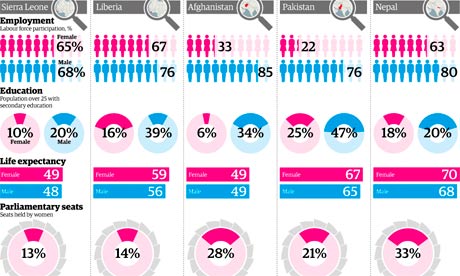
    Read Article →

    The United States, Niger & Jamaica: Food (In)Security & Violence in a Globalised World

    due to a complex range of interconnected issues from climate change to misguided economic policies, political failure and social marginalisation, over 2 billion people across the world live in constant food insecurity. Anna Alissa hitzemann takes a sustainable security approach to look at the importance of “physical and economic access to basic food” by exploring the links between food insecurity and violence.

    Read Article →

    “Chronic Violence”: toward a new approach to 21st-century violence

    The Norwegian Peacebuilding Resource Centre (NOREF) recently published a Policy brief by Tani Marilena Adams, proposing and outlining the concept of “chronic violence” to “characterise the crisis of escalating social violence that currently affects about one-quarter of the world’s population”. The report approaches “chronic violence” from a sustainable security standpoint, arguing that violence itself should not be seen as the disease to be controlled, but rather as a symptom of many complex underlying issues that need to be addressed.

    Read Article →

  • “Mali: Why Western Intervention is destined to fail” – Sustainable security on Channel 4 News

    (This piece was originally published by Channel 4 News on Tuesday 22 January 2013 and is the first of two parts)

    Britain is on standby and the US is already transporting French troops into Mali. But a new paper says the west is “betting on the wrong horse” by intervening in the region.


    Now well over a decade after the beginning of the so-called war on terror, yet again, another western nation is leading a military intervention against Islamist paramilitaries based in a largely ungoverned region of a state in the Global South, write Anna Alissa Hitzemann and Ben Zala for the Oxford Research Group.

    The hostage situation in Algeria that developed late last week is just the latest in a series of western hostage takings in recent years, demonstrating the increasing radicalisation of elements in the region.

    The French-led intervention in Mali is only one of many in a growing list of attempts to control outbreaks of political violence and terrorism with military means.

    As the intervention gathers pace, it is worth reflecting on the lessons from similar operations over the past decade or so. From the US-led interventions in Afghanistan and Iraq to the attempts to control Islamist-inspired political violence in Yemen, Nigeria and Somalia and separatist rebellions in Burma, Indonesia and elsewhere, the resort to military force has singularly failed to achieve the aims set for it.

    Common to all of these examples is the reluctance to match military operations against rebel groups and insurgents with serious, long-term efforts to address the factors that underlie the feelings of resentment and marginalisation that drive such conflicts.

    As the commentary and analysis of events in Mali follow the fortunes of the military battles of France and its other western and African allies, it is worthwhile examining the political, socio-economic and cultural divisions which have sparked the uprising in the north of Mali.

    Background to the northern uprising

    The factors that led to the current Malian crisis are complex but can largely be attributed to unintended consequences of the war against Gaddafi. It is clear that the 2011 crisis in Libya, followed by foreign intervention and Nato’s military involvement, and the consequent fall of Gaddafi’s regime, had a crucial role to play.

    After losing the war in Libya, hundreds of Malian mercenaries (many of whom had been recruited among former Tuareg rebels) who had been an integral part of Gaddafi’s army, returned home. They brought with them an arsenal of weapons and ammunition as well as experience.

    These soldiers who returned to Mali from Libya played a key role in the formation of the largely Tuareg-led secular MNLA (Azawad National Liberation Movement), which in a matter of months, took over several key towns in the north of Mali, declaring an independent Azawad state.

    The situation in the north of Mali led to widespread frustration within the military over the government’s incompetence or unwillingness to deal with the issue and reclaim their territory. Ultimately, it led to the April 2012 military coup by Amadou Sanogo against Mali’s elected government and president Amadou Toumanie Touré.

    Interestingly enough, Sanogo himself had received extensive training by the United States as part of the $600m (£380m) spent by the US government in efforts to train military of the region to combat Islamic militancy.

    The actions of the separatist MNLA group and the consequent military coup and inability of the Malian government and military forces to control the situation led to a violent conflict in Mali’s north which includes four main groups: the secular MNLA and the religiously motivated AQMI (Al-Qaeda of the Islamic Maghreb), Ansar Dine and MUJAO (Movement for Unity and Jihad in West Africa).

    AQIM, the group most closely linked to the international terrorist network Al-Qaeda, has been present in Mali for several years now, has taken several European hostages over the last few years and is said to be made up of mostly Algerians and Mauritanians with much financial support from abroad.

    Tuareg rebellion and the paths not taken

    The formation of the Tuareg-led MNLA movement and its desire for an independent Azawad state has in fact deep roots and a history going back to the first Tuareg rebellion of 1963. Tuaregs led significant armed struggle and resistant movements against colonisation by the French and later the central Malian government.

    Long-term sustainable security and stability for Mali will not be possible without seriously addressing the long-standing and deep-seated grievances that stem from the marginalisation of the northern territories and their peoples.

    The political, socio-economic, educational and cultural marginalisation of the north cannot be ignored. With the effects of climate change, increasing desertification and the government’s reluctance to implement meaningful development programmes, Tuareg and other nomadic communities see no viable future and feel abandoned by the Malian state.

    Grievances also stem from past brutal repressions of Tuareg movements, as well as the state’s failure to adhere to the Algerian brokered peace agreements between Tuareg rebels and the government. Even after the Tuareg rebellions of the early to mid 1990s, the Malian government still remained unwilling or unable to implement the education programmes and development projects which were promised and are necessary to alleviate poverty and a deep sense of disenfranchisement.

    It would have been wise to negotiate and come to an agreement with the MNLA at the early stages of the current crisis. Both Burkina Faso and Algeria pushed for a diplomatic solution to this crisis instead of military intervention.

    Burkina Faso’s president, Blaise Compaore, West Africa’s mediator on the Malian crisis, had organised talks between MNLA, Ansar Dine and the Malian government in Ouagadougou in December. A ceasefire was agreed and all parties approved to adhere to further peaceful negotiations. T

    he talks which had been planned to continue this January have now been interrupted due to the French military intervention in Mali. The chance of finding a solution to combating Islamic extremism in northern Mali would be significantly better if the Malian and French military sought a way of collaborating with the Tuaregs.

    This is a challenging task but a task that is unavoidable over the long-term. It is the resentment towards the central government over the marginalisation of the northern territories and its population that in part has helped Islamists gain strength.

    By Anna Alissa Hitzemann and Ben Zala, Oxford Research Group. Channel 4 News publishes part two of the report tomorrow

    Image source: Defence Images

  • Sustainable Security

    The central premise of sustainable security is that we cannot successfully control all the consequences of insecurity, but must work to resolve the causes. In other words, ‘fighting the symptoms’ will not work, we must instead ‘cure the disease’.

    Current approaches to national and international security are based on the premise that insecurity can be controlled through military force or balance of power politics and containment. The most obvious recent example of this approach has been the so-called ‘war on terror’, which essentially aims to ‘keep the lid’ on terrorism and insecurity, without actually addressing the root causes.  Such approaches to security are deeply flawed and are distracting the world’s politicians from developing realistic and sustainable solutions to the new threats facing the world in the 21st century.

    An alternative approach is needed: that of ‘sustainable security’. The central premise of sustainable security is that we cannot successfully control all the consequences of insecurity, but must work to resolve the causes. In other words, ‘fighting the symptoms’ will not work, we must instead ‘cure the disease’. Such a framework must be based on an integrated analysis of security threats and a preventative approach to responses.

    Sustainable security focuses on the interconnected, long-term drivers of insecurity, including:

    • Climate change: Loss of infrastructure, resource scarcity and the mass displacement of peoples, leading to civil unrest, inter-communal violence and international instability.
    • Competition over resources: Competition for increasingly scarce resources – including food, water and energy – especially in already unstable parts of the world.
    • Marginalisation of the majority world: Increasing socio-economic divisions and the political, economic and cultural marginalisation of the vast majority of the world’s population.
    • Global militarisation: The increased use of military force as a security measure and the further spread of military technologies (including chemical, biological, radiological and nuclear weapons).

    There are many other factors that can threaten the security of humans around the world (such as radicalisation , rapid increases in the global population and the shortcomings of current forms of global governance ), but these four drivers reflect the deep complexity of modern insecurity.  The world has never been so interconnected and yet so socio-economically divided, with such apparent environmental limits. And never before have traditional approaches to warfare and use of force proved so counter-productive.

    Sustainable security makes a distinction between these trends and other security threats, which might instead be considered symptoms of the underlying causes and tend to be more localised and immediate (for example terrorism or organised crime). It promotes a comprehensive, systemic approach that takes into account the interaction of different trends which are too often analysed in isolation. It also places particular attention on how the current behaviour of international actors and western governments is contributing to, rather than reducing, insecurity.

    The world has never been so interconnected and yet so socio-economically divided, with such apparent environmental limits. And never before have traditional approaches to warfare and use of force proved so counter-productive.

    Sustainable security goes beyond analysis of threats to the development of a framework for new security policies. It takes global justice and equity as the key requirements of any sustainable response, together with progress towards reform of the global systems of trade, aid and debt relief; a rapid move away from carbon-based economies; bold, visible and substantial steps towards nuclear disarmament (and the control of biological and chemical weapons); and a shift in defence spending to focus on the non-military elements of security. This takes into account the underlying structural problems in national and international systems, and the institutional changes that are needed to develop and implement effective solutions.

    By aiming to cooperatively resolve the root causes of threats using the most effective means available, sustainable security is inherently preventative in that it addresses the likely causes of conflict and instability well before the ill-effects are felt.

    The sustainable security framework is being developed and promoted by Oxford Research Group. For more information on the work of the Sustainable Security programme, click here.

  • Sustainable Security

    Biodiversity conservation is becoming increasingly militarised. Conservationists are learning from the strategies of contemporary warfare, and this is highly problematic for both wildlife and global security.

    Biodiversity conservation and security are becoming increasingly integrated. The recent rises in poaching, especially of high profile charismatic species such as elephants, rhinos and tigers has led to the development of more militarised approaches towards conservation. Rather than producing the claimed win-win-win outcome for wildlife, security and people, it is producing a triple fail. While we are more accustomed to debates around climate change and water wars as the main security risks related to the environment, biodiversity conservation is also increasingly being identified as a critical contributor to national and global security, and biodiversity losses constitute a critical security threat. This is especially the case in current debates about poaching and wildlife trafficking. Conservationists, it seems, are learning from the strategies of contemporary warfare.  This is highly problematic for wildlife and global security.

    Does wildlife trafficking produce threat finance or not?

    Achim Steiner, UN Under-Secretary General and Executive Director of UNEP, recently stated ‘the scale and role of wildlife and forest crime in threat finance calls for much wider policy attention’. The argument that wildlife trafficking constitutes a significant source of ‘threat finance’ takes two forms: first, as a lucrative business for organised crime networks in Europe and Asia, and second as a source of finance for militias and terrorist networks, particularly Al Shabaab, Lord’s Resistance Army and Janjaweed. Yet, a recent report from UNEP and INTERPOL on environmental crime questions the accuracy of the links between ivory and Al Shabaab. The report points out that ivory may be a source of income for some militia groups including Janjaweed and Lord’s Resistance Army; however it also notes that claims Al Shabaab was trafficking 30.6 tonnes of ivory per annum (representing 3600 elephants per year) through southern Somalia are ‘highly unreliable’ and that the main sources of income for Al Shabaab remain charcoal trading and ex-pat finance. In spite of this, the argument persists that there is a link between the illegal wildlife trade and global security.

    Although the value of the global illegal trade in wildlife is difficult to determine due to its clandestine nature, it has been estimated at around US$7.8–$10 billion.  It ranks as the third biggest global illicit activity (after trafficking drugs and weapons). Transnational environmental crimes are often not taken seriously within the broader policy and enforcement community, and so they are perceived as a low-risk and high-reward activity for organised crime networks. However, this is changing, and environmental crimes are rapidly gaining greater attention, and the increasing sophistication of wildlife trafficking networks is a reflection of their link with other serious offences, including theft, fraud, corruption, drugs and human trafficking, counterfeiting, firearms smuggling, and money laundering.

    Major donors are also taking this issue seriously, and funding has been made available for anti-poaching and anti-trafficking initiatives. In 2013 the Clinton Global Initiative announced a commitment to raise US$80 million to combat trafficking and poaching as a security threat in Africa. Private philanthropic foundations have also become involved, as indicated by the US$25 million donation to South Africa from the Howard G. Buffett Foundation to support rhino protection efforts in Kruger National Park. The rise in poaching has also intersected with US security concerns, prompting President Obama to issue Executive Order 13648 on Combating Wildlife Trafficking in July 2013, and in 2014 USAID allocated more than US$55 million for activities to combat wildlife trafficking, up from US$13 million in 2012. These concerns have emerged as a major policy initiative of the UK government, beginning in May 2013 when Prince Charles convened a high level meeting to ‘kick start’ a government response to the rise in elephant and rhino poaching – followed in 2014 by the London Declaration on the Illegal Wildlife Trade, and the development of a DfID/DEFRA £13 million ‘Illegal Wildlife Trade Challenge Fund’.

    Why is conservation being militarised?

    Enough Project Ivory

    Elephant ivory seized from poachers in Garamba. Image by Enough Project via Flickr.

    Conservation practice is being increasingly militarised as a result of this new interest in the security implications of poaching and trafficking. Militarisation can be briefly defined as the extension of military approaches, equipment and techniques to wildlife protection, as well as the deployment of armed forces in conservation activity. Countries with elephant, rhino and tiger populations also regularly invoke the argument that wildlife constitutes an emblematic natural resource, which is central to national heritage. For example, on World Ranger Day in 2015 South African Minister of Environmental Affairs Edna Molewa paid tribute to park rangers by stating that they were protecting rhinos as a key part of the country’s natural heritage. Such appeals to natural or national heritage are also frequently overlain with the argument that states have a moral obligation to protect wildlife. The interesting question is: why is there an increased interest in countering wildlife poaching and trafficking with more militarised responses?

    War on Terror

    First, the integration of security and biodiversity conservation has been extended by the development of a global context centred on security concerns, and this is most obvious in the US-led War on Terror. For states (especially parks and wildlife departments), conservation NGOs, and private conservation organisations, the ability to claim that their activities will contribute to national and global security has provided an important opportunity to justify their continued existence, and to leverage additional funding from donors, governments and private sector. The development of a global context in which security is a leading concern has opened new opportunities to leverage significant resources for conservation. During the 1990s, NGOs in the humanitarian relief sector were increasingly engaged in a competitive market to secure funding and contracts with donors. This dynamic was mirrored in the conservation sector, as detailed by Mac Chapin’s high profile piece for WorldWatch on how the ‘big three’ conservation NGOs of WWF, Conservation International and The Nature Conservancy, had managed to secure the majority of available funding. Competition between NGOs and the dominance of the big three partly explains why conservation NGOs have been so keen to promote the idea that conservation is critical to security. The assumption is that by rendering conservation a security issue, it will allow them to tap in to the greater resources available for security and anti-terrorism initiatives.

    Technological Innovations

    Second, recent innovations in military technology, especially for surveillance purposes, have also driven a demand to find new markets to expand its use (and profitability). This includes the use of drone technology to monitor wildlife populations in areas hit by poaching. The drones can also collect important information on human activity in the area – which is especially welcome in regions where there are concerns about the activity of rebel groups and militias that threaten state (or even international) security. The growing intersections between the two are evident in the development of a new range of surveillance networks which draw together government agencies, international intelligence agencies, wildlife conservation NGOs and private sector risk analysis companies. Such surveillance techniques are used to gather data on individuals and networks suspected of engaging in illegal hunting and trafficking of wildlife products; these use the same techniques associated with counter-insurgency operations, including the extraction of mobile communications data, development of informant networks and use of covert surveillance.

    The rise of private security

    Third, the rise in privatised forms of security in the post-Cold War era is also reflected in biodiversity conservation: private security companies provide training for anti-poaching operations as well as direct enforcement. This can be placed in the context of the growing use of private military companies in international interventions, including Afghanistan and Iraq. This is especially significant because it heralds a new era in conservation, in which national governments permit direct contracts between conservation NGOs and private security companies, with an authorisation to use deadly force under certain circumstances. A good example is the ways WWF has turned to the private sector to deliver security operations in protected areas that they manage on behalf of states. In Dzangha-Sanga National park in Central African Republic, funding from WWF-Netherlands, WWF-US and WWF-International is used to pay for anti-poaching operations and training under the auspices of Maisha Consulting. The company describes itself as a provider of environmental security via special investigations, training and operations in complex security situations. Numerous conservation NGOs have to grapple with complex security situations, especially if they seek to continue their projects and support when conflicts break out, or when militias move into the same area, and PMCs are regarded useful allies.

    The triple fail

    The rise of these approaches is deeply problematic for two reasons: they produce responses that are not effective for countering terrorism and insecurity, and equally they do not help us tackle poaching effectively. Instead they act as counterproductive distractions. The militarisation of anti-poaching including the growth of surveillance techniques and ‘intelligence-led’ approaches, fails to address the dynamics that drive poaching. These include a powerful mix of demand from wealthy communities around the world, poverty, inequality and the lack of opportunities in poorer source countries, the collusion of officials, organised crime networks and private transport companies. Simply focusing on military-style protection of wildlife from poaching is not effective: it can produce short term protection, but ultimately undermines wildlife conservation because it pits local communities against wildlife, reducing support for wildlife amongst people who live with it: the very people conservation ultimately relies on.

    Rosaleen Duffy is professor of the political ecology of development at SOAS, University of London. In September 2016 she joins the Politics Department in the University of Sheffield and will begin a major research project ‘BIOSEC: Biodiversity and Security: understanding environmental crime, illegal wildlife trade and threat finance’, (EURO 1.8 million funded by an ERC Advanced Investigator Award).

  • Al-Qaeda: The True Story of Radical Islam

    Image of Al-Qaeda: The True Story of Radical Islam

    • Purchase from Amazon:
    • Al-Qaeda: The True Story of Radical Islam
    • Author: Jason Burke
    • Publisher: Penguin ()
    • Binding: Paperback, pages
    • Price: £8.99

  • Sustainable Security

    Women have been leading contributors to ISIS’s strength and capabilities. Female operatives have held influential positions in the group’s proto-state which have been crucial to the advancement of the group’s cause.

    The self-proclaimed caliphate, the Islamic State of Iraq and Syria (ISIS), poses the greatest terrorist threat to the international community today. ISIS’s goal is relatively simple – establish a global caliphate. However, the group’s state-building ambitions have faced recent setbacks due to counter-terrorism successes – the group’s territorial claims in Syria and Iraq and foreign recruitment has declined substantially. Faced with the loss of its caliphate, ISIS has become more reliant on local populations to maintain its stronghold. As a result, many Syrian and Iraqi citizens are left vulnerable to ISIS’s terror tactics, especially women and children.

    ISIS’ treatment of women has placed the organization among the world’s worst perpetrators of gender-based violence. Their brutal tactics include: imprisonment, torture, sexual abuse, and the execution of thousands of Syrian and Iraqi women. Such barbaric treatment is not reserved for non-Muslims; fellow Muslim women are abducted and exposed to horrendous sexual atrocities.   Many women become sex slaves and are sold in markets for a little as $13 USD. Despite their inhumanity towards so many women, ISIS successfully recruits a substantial number of marginalized Syrian and Iraqi females to the caliphate. In fact, ISIS depends on its population of local female to obtain their state-building ambitions.

    Incrementally, Syrian and Iraqi women have attained influential roles in the caliphate despite the inhumane treatment of women in the caliphate. ISIS utilizes the local women residents and their cultural expertise to advance its cause. Their responsibilities include caring for ISIS soldiers as wives, birthing the next generation of jihad fighters, and maintaining order within ISIS’S network of women. Despite their work, international media outlets and counter-terrorism reports have primarily focused on the participation of Western women in ISIS, thereby undermining the role of Syrian and Iraqi women.  To gain better insight on Syrian and Iraqi women’s role in ISIS, delving into the underlying motivations of these women can enable experts to assess and comprehend ISIS’s seduction and lure.

    Motivations of Local Women to Support ISIS

    Image credit: David Dennis Photos

    Women are motivated to support terrorist organizations for multiple reasons. It is important to realize that every woman is motivated for a different, or combination of, reasons. Therefore, it is challenging to determine the exact motivation of any one individual. ISIS’s three year long terror campaign has spread fear and demonstrated its power to control the community. During an ISIS raid on Syrian and Iraqi towns, many households were permanently destroyed – the group harassed, tortured, and murdered individuals that were not compliant. Often, male family members are killed, leaving females to be easily targeted by ISIS. Many women joined the group in order to stay alive.

    The absence of an effective government has allowed ISIS to exploit the local resources and infrastructures. As a result, ISIS is able to operate a quasi-state — developing an Islamic court, a functioning military, and a law enforcement force. Leveraging this advantage, the group controls the local public facilities and services including banks, transportation systems, post offices, grocery markets, etc. ISIS’s ability to rule the land make joining the organization a viable solution for the deprived. Many women turn to support the caliphate for access to basic necessities, such as food, water, and shelter.

    The Roles of Local Women in ISIS

    A) Domestic Roles

    According to ISIS’s Manifesto for Women, a woman’s highest achievement is being a dedicated wife, mother, and nurturer. Her primary functions are to take care of her husband and birth the next generation of jihadists that will continue ISIS’s legacy. Women are expected to remain in the house, hidden and veiled, while they undertake chores such as providing daily meals, cleaning uniforms, and keeping a spotless house. Girls are expected to submit to marriage by sixteen or seventeen years old while they are youthful, pure, and attractive. In the caliphate, younger women are quickly married off to ISIS operatives. However, in true ISIS fashion, the group continues misuse outdated Quranic scriptures to its advantage by legalizing the marriage of nine-year-old girls by glorifying the life of Prophet Mohammed and his young wife. Young girls that are be subjected to this perverted act are locals under ISIS’s rule.

    B) State Building Roles

    While ISIS is notorious for its hardline position on marriage and motherhood, the group’s state-building ambitions permit certain women to undertake jobs outside of the home. Unprecedented in its scopes, ISIS is critical in explaining the importance of recruiting career professionals to help the group attain its objective of creating a jihadi proto-state. In fact, in 2014, an audio recording of ISIS leader Abu Bakr al-Baghdadi surfaced, urging scientists, preachers, judges, doctors, engineers, and scholars to join the caliphate.  Currently, ISIS controls the public and private facilities, which provides them with access to unlimited resources, including existing employees. ISIS’s need for skilled professionals is not limited to men; both genders are responsible for fulfilling their “civil duties”. Nonetheless, regardless of a male’s prior occupation, the majority are placed in ISIS’s military, leaving women to handle the daily activities. Subsequently, there is a larger presence of women undertaking instrumental roles; there are growing numbers of female nurses, educators, and administrators from the area.

    C) Operational roles

    Women of ISIS are also able to participate in offensive combat operations and defensive military activities. In 2014, ISIS created Al Khansaa — an all-female brigade that predominately consisted of Syrian and Iraqi women. The female unit was reportedly formed to enforce ISIS’s strict conception of Islamic morality. ISIS has imposed a dress code requiring all women to wear two gowns to conceal their body shape, black hand gloves, and dark layers of two face veils year-round. No makeup is allowed. To enforce the rules, the brigade patrols towns with AK-47s to ensure that women are compliant. However, the force responsibilities have drastically expanded, which demonstrates how influential women are in the terrorist group. The women perform a variation of activities, including recruiting, intelligence gathering, and overseeing prisoners. ISIS depends on the brigade to lure women; spy on the community and bring in individuals that voice unfavourable sentiment about the organization; and monitor detention camps detention camps where thousands of kidnapped Yazidi Christian and foreign hostages are imprisoned.

    To date, one of the most influential women of ISIS has been a Syrian national, Umm Sayyaf. Before capture by the U.S. military, Sayyaf was a principal advisor to the caliphate leadership on all critical matters relating to women. Her elevated rank highlights how heavily the insurgency has come to rely on certain women to retain soldiers and run day-to-day operations. In her later interrogations by U.S. military personnel, she revealed information regarding the inner-workings of the network including recruitment, intelligence, and sex slavery. Umm Sayyaf also disclosed that the ISIS leader of ISIS, Abu Bakr al-Baghdadi, appointed her to supervise the American hostage Kayla Mueller.

    Conclusion

    Although international news has reported that ISIS has recently faced some setbacks in their territorial claims and foreign recruitment, anticipating the immanent demise of ISIS is a stretch. The group will be maintained for years to come, as a result of its sophisticated network of Syrian and Iraqi women. The participation of local women exponentially raises the threat due to an increasing number of operatives, a unique tactical advantage, and additional technical expertise. Despite their impact, counter-terrorism studies tend to ignore the involvement of Syrian and Iraqi women and in doing so exclusively focus on the participation of foreign recruits. This omission leads to incomplete counterterrorism objectives and possible unbearable consequences.

    ISIS has successfully recognized that empowered women are the foundation of a resilient and stable community. Female operatives will continue to participate at all levels, and the international community must not ignore such contributions. Failure to implement significant changes could lead to the regrowth of ISIS territorial claims and capabilities. By understanding the motivations of, and the roles held by, local women in ISIS this article can help initiatives to counter the group.

    Amanda N. Spencer currently works in the counter-terrorism and anti-financial crime division at Deutsche Bank Securities.  She holds a master’s degree in global affairs from New York University and is passionate about contributing to the world of counter-terrorism. Her research explores the multifaceted roles of women in violent extremism. Her most recent research study on the women of ISIS is available at the Journal of Strategic Security: “The Hidden Face of Terrorism: An Analysis of Women in the Islamic State.”